Tokyo hogs the museum headlines, but the best museums in Osaka hold their own, and they’re stranger in the best way. This is a city with a serious art tier and, alongside it, an unusual number of single-subject obsessives: a whole museum about instant ramen, another that rebuilds an Edo-period street indoors, one devoted to sporting goods. The mix is what makes a museum day here different from the polished national institutions up the line in Kyoto and Tokyo.
Below are 15 worth your time, each with the practical stuff that decides your morning: hours, ticket price, the closed day, the nearest station, and which museums sit close enough to chain together. A few are free, including some of the most architecturally interesting. I’ve also flagged which ones suit which mood, because the Cup Noodles Museum and the National Museum of Art are not the same kind of afternoon.

Which Osaka museum for which mood
- Want serious art and architecture? National Museum of Art (NMAO) or the Nakanoshima Museum of Art.
- Want the city’s story? Osaka Museum of History, with the best free castle view in town thrown in.
- Travelling with kids? Cup Noodles Museum in Ikeda, then the Osaka Science Museum.
- Want something only Osaka has? The Museum of Housing and Living, an entire Edo street rebuilt on the ninth floor.
- Rained-out and central? The Nakanoshima cluster keeps you under cover for half a day.
The art museums
1. National Museum of Art, Osaka (NMAO)
The flagship contemporary art museum of the Kansai region, and it pulls a great trick: the only part above ground is a curving steel “bamboo” sculpture bursting out of the plaza. Everything else is buried underneath. The collection runs Japanese and international modern and contemporary work from the 1950s on, with serious names, Kusama, Beuys, and the Gutai movement that was born right here in Osaka in the fifties. Architecture nerds come for the building alone.
- Hours: 10:00 to 17:00, until 20:00 Friday and Saturday; closed Mondays.
- Admission: ¥430 for the collection; special exhibitions vary.
- Station: Watanabebashi (Keihan), five minutes.
- Budget: 1.5 to 2 hours.
2. Nakanoshima Museum of Art
A jet-black, near-windowless cube that landed on Nakanoshima in 2022 and immediately became a landmark. Inside are more than 6,000 pieces of modern and contemporary art, with standout Foujita and Modigliani works. The building is half the experience: a minimalist black box on a green waterfront, with a soaring internal atrium that feels nothing like the blank exterior promises. Pair it with NMAO five minutes away for a back-to-back art morning.
- Hours: 10:00 to 17:00; closed Mondays.
- Admission: Around ¥1,500, exhibition-dependent.
- Station: Higobashi.
- Budget: 1.5 hours.
3. Abeno Harukas Art Museum
Up on the 16th floor of Abeno Harukas, the tallest building in Japan, this compact museum runs a strong rotating programme of blockbuster shows, Japanese and Western, swapping out every two or three months. It’s the easy add-on: do the free 16th-floor Sky Garden first for the view, then step into the museum next door. Check what’s showing before you commit, since it lives or dies on the current exhibition.
- Hours: 10:00 to 20:00.
- Admission: ¥1,500 to ¥2,000 by exhibition.
- Station: Tennoji.
4. Fujita Art Museum
Rebuilt and reopened in 2022, the Fujita holds the private hoard of Meiji-era Osaka industrialist Fujita Denzaburo, including National Treasures and Important Cultural Properties tied to the tea ceremony. It flies under most travellers’ radar, but ceramics and tea-ware enthusiasts rate it among the finest small collections in western Japan. Niche, quiet, and rewarding if that’s your thing.
- Hours: 10:00 to 18:00; closed Mondays.
- Admission: Around ¥1,500.
- Station: Katamachi or Osakajokoen.
The history museums
5. Osaka Museum of History
If you visit one history museum here, make it this one. It sits directly across from Osaka Castle, and you start at the top, in a recreated seventh-century Naniwa Imperial Palace, then work your way down through 1,500 years to the modern bay city. The unsung bonus: the tenth-floor windows hand you the single best free view of Osaka Castle anywhere in the city, framed perfectly across the grounds. Bilingual audio guides come included.

- Hours: 9:30 to 17:00; closed Tuesdays.
- Admission: ¥600 adult, ¥400 student, free under 15.
- Station: Tanimachi 4-chome.
- Budget: 1.5 to 2 hours.
6. Osaka Castle Museum (inside the keep)
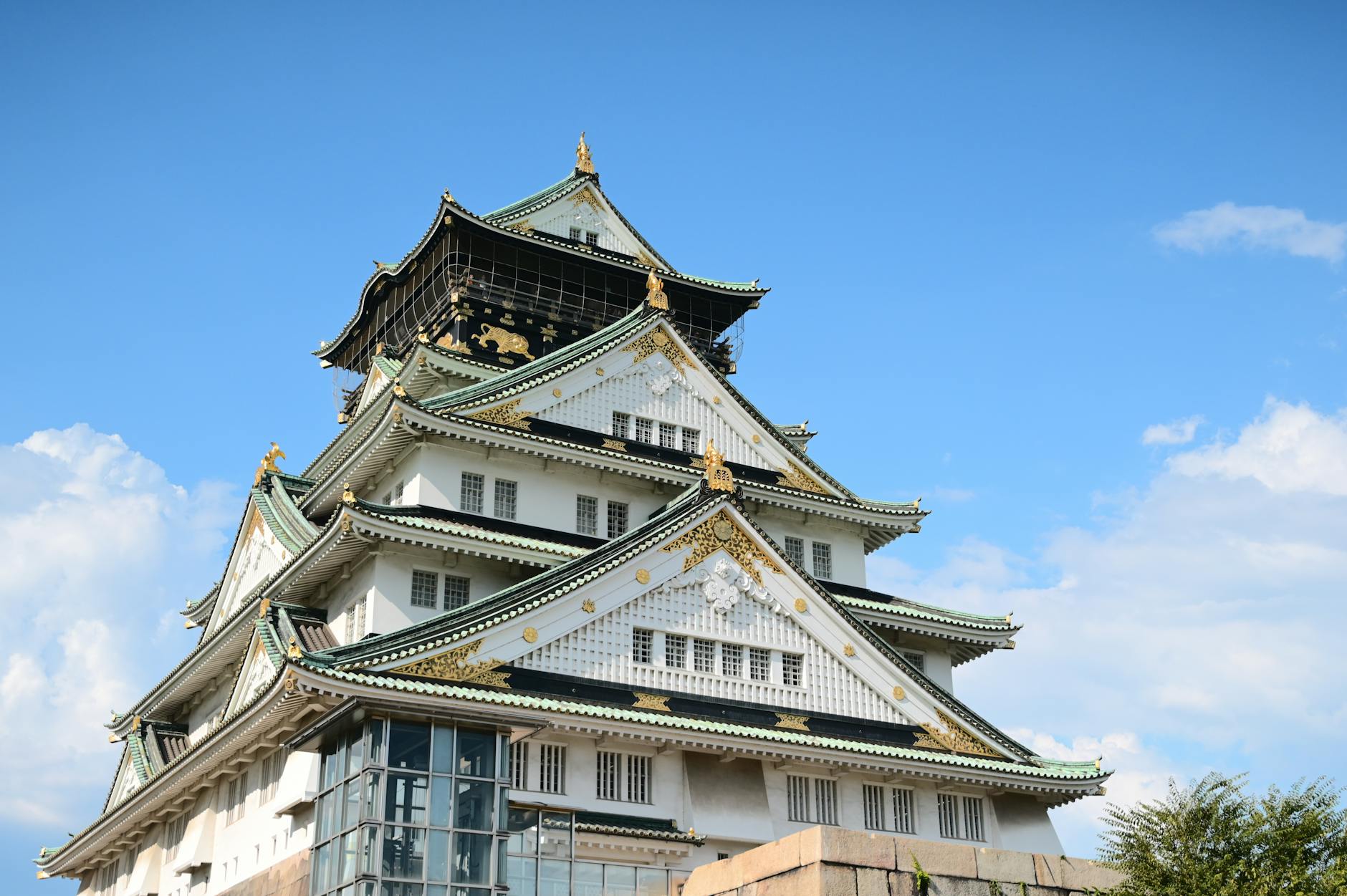
The eight floors inside the keep work as the castle’s own history museum, packed with samurai armour, period scrolls, and miniature dioramas reconstructing the brutal Sieges of Osaka. The newer Toyotomi Stone Wall Museum, opened in 2025, takes you underground to original 16th-century walls that were buried for centuries. Cap it on the eighth-floor deck, a 50-metre panorama over the city. If you’re already paying to climb the keep, this is the museum you’re already in.
- Hours: 9:00 to 17:00.
- Admission: ¥1,200, combined with the Stone Wall Museum.
- Station: Osakajokoen (JR Loop).
- Budget: 1.5 to 2.5 hours.
7. Osaka Museum of Housing and Living
This is the one I’d push hardest on anyone who thinks museums are dull. On the ninth and tenth floors of a Tenmabashi office tower, someone built a full-scale Osaka neighbourhood as it stood around 1830. You walk down the narrow streets, into the shops and homes, while the lighting cycles through dawn to dusk and the ambient sound shifts with it. Rent a kimono on site and the whole thing turns into a photo set. There’s nothing else quite like it in Japan.
- Hours: 10:00 to 17:00; closed Tuesdays.
- Admission: ¥600.
- Station: Tenjinbashisuji 6-chome.
- Budget: 1.5 hours.
The science museums
8. Osaka Science Museum
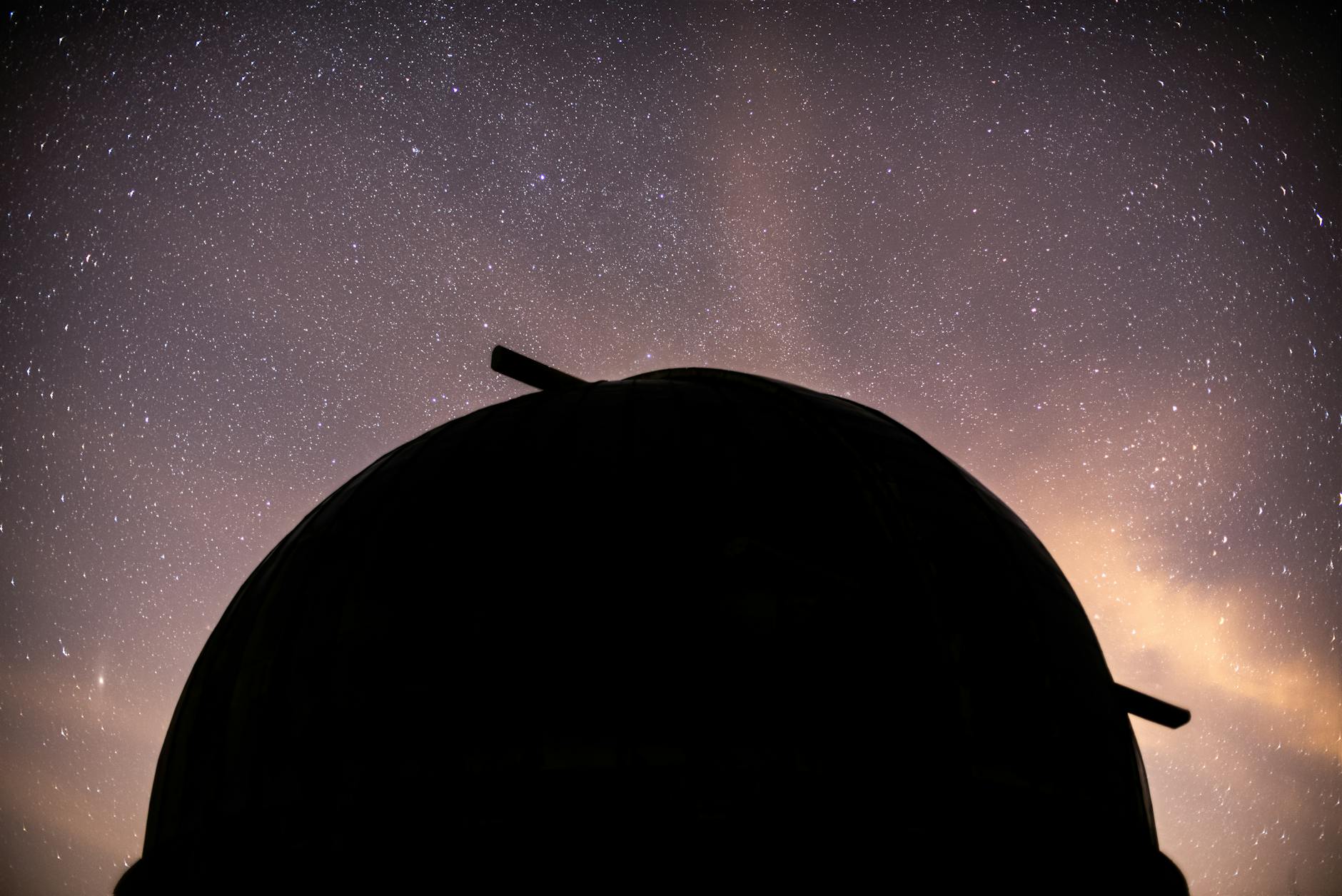
Four floors of hands-on science right next door to NMAO, anchored by a planetarium under a 26.5-metre dome, one of the largest in the country. The exhibits cover the universe, electricity, chemistry, and energy, pitched at kids around six and up but engaging enough for adults who never quite grew out of pressing buttons. Time your visit around a planetarium showing; that’s the part people remember.
- Hours: 9:30 to 17:00; closed Mondays.
- Admission: ¥400 exhibits, ¥600 planetarium, ¥800 combined.
- Station: Watanabebashi or Higobashi.
- Budget: 2 hours.
9. Cup Noodles Museum (Ikeda)
Momofuku Ando invented instant ramen in 1958 in this very building, and the museum he left behind is free, genuinely fun, and one of the best things in Osaka to do with kids. Entry gets you the historical exhibit, the much-photographed wall of every cup-noodle flavour ever made, and a recreation of Ando’s research shed. The ¥500 workshop lets kids design their own packaging and pick their toppings, then walk out with a custom cup. Out in Ikeda, about half an hour from Umeda.
- Hours: 9:30 to 16:30; closed Tuesdays.
- Admission: Free entry; ¥500 noodle workshop.
- Station: Ikeda (Hankyu Takarazuka Line).
- Budget: 1 to 2 hours.
10. Panasonic Museum (Kadoma)
The corporate museum of Panasonic, built around the life of founder Konosuke Matsushita, who started with almost nothing and built one of the world’s biggest electronics firms. It’s free, surprisingly thoughtful, and more philosophical than a company museum has any right to be. Design and business types will get a half-day out of it; everyone else can probably skip it.
- Hours: 10:00 to 17:00; closed weekends and holidays.
- Admission: Free.
- Station: Nishi-Sanso.
The specialty and one-of-a-kind museums
11. Liberty Osaka (Human Rights Museum)
Japan’s only public human rights museum, and a sobering one. The exhibits work through the country’s discriminated communities, the Buraku, the Ainu, Korean residents, Okinawans, and people with disabilities. It’s less slick than the big-name museums and that’s almost the point; the subject doesn’t want polish. Historically and emotionally heavy, and worth it if you want a side of Osaka the tourist trail skips entirely.
- Hours: 10:00 to 17:00; closed Mondays.
- Admission: ¥500.
- Station: Ashiharabashi.
12. Osaka Museum of Natural History
Tucked inside Nagai Park in the south of the city, this one focuses on the natural history of the Kansai region, fossils, biodiversity, the local ecology. The smart move is to pair it with the adjacent Nagai Botanical Garden, which hosts a permanent teamLab installation that lights the gardens after dark. Museum by day, digital art by night, same park.
- Hours: 9:30 to 17:00; closed Mondays.
- Admission: ¥300.
- Station: Nagai (Midosuji line).
13. Open Air Museum of Old Japanese Farmhouses
Inside Hattori Ryokuchi Park north of Umeda, this open-air museum has reassembled 12 historic farmhouses from across Japan in a forested setting, thatched roofs and all. The walking circuit takes about an hour and feels a world away from the concrete of central Osaka. Quiet, photogenic, and a real change of pace if the city’s intensity is wearing on you.
- Hours: 9:30 to 17:00; closed Mondays.
- Admission: ¥500.
- Station: Ryokuchi-Koen (Midosuji line), about 25 minutes from Umeda.
14. Mizuno Sports Museum
The Osaka-headquartered sporting goods giant runs a small free museum tracing the evolution of baseball, golf, and athletic gear. It’s specialist, no question, but for sports fans it’s a fun half-hour, and it’s free, so the bar to dropping in is low.
- Hours: 10:00 to 17:00; closed weekends.
- Admission: Free.
- Station: Tamatsukuri.
15. Tempozan area (former Suntory Museum)
The original Suntory Museum, a Tadao Ando design, closed back in 2010, but the building still stands and the wider Tempozan area now hosts smaller rotating exhibitions inside the Tempozan Marketplace. It’s not the draw it once was, so check what’s actually on before making the trip out to the bay. Worth folding into an aquarium day rather than chasing on its own.
Which to pay for, which to do free
Osaka makes this easy, because some of the best museums here cost nothing. A quick framework so you spend your museum budget where it counts.
- Worth paying for: the Osaka Museum of History (¥600 buys the city’s whole story plus that free castle view), the National Museum of Art (¥430 for the collection is a bargain), and the Museum of Housing and Living (¥600 for the Edo street, genuinely unique). These three justify their tickets without argument.
- Free and genuinely good: the Cup Noodles Museum and the Panasonic Museum. Neither feels like a budget compromise; both are properly put together.
- Only if you’re already there: the Mizuno Sports Museum and the smaller corporate or specialty stops. Fun for the right person, skippable for everyone else.
- Pass maths: if you’re hitting three or more paid museums in a day, price up the Osaka Amazing Pass; it bundles several and can come out cheaper than buying tickets individually.
Nakanoshima: Osaka’s museum island
If you only have time to stake out one part of the city for museums, make it Nakanoshima. The slim island between the Dojima and Tosabori rivers packs the National Museum of Art, the Osaka Science Museum, and the Nakanoshima Museum of Art within a few minutes’ walk of each other, with the restored 1918 Central Public Hall and a riverside rose garden filling the gaps. You can build a half-day here without ever consulting a train map, which makes it the obvious move on a rainy afternoon. Lunch on the island is easy, and Umeda is one short hop back when you’re done.
Museum day routes that actually flow
Art day on Nakanoshima
Open at NMAO at 10:00, then walk five minutes to either the Science Museum (with kids) or the Nakanoshima Museum of Art (without). Lunch on the island. Finish at the Central Public Hall, which runs free tours of its restored 1918 interior, before heading back to Umeda. Everything is within a short walk, which makes this the ideal rainy-day plan.
History day in the castle district
Start at the Osaka Museum of History the moment it opens at 9:30, and don’t miss the tenth-floor castle view. Walk across to the Osaka Castle Museum for 90 minutes including the new Stone Wall Museum. Lunch at Jo-Terrace beside the park. Spend the afternoon at the Museum of Housing and Living for the Edo-street walk.
Family day
Cup Noodles Museum in Ikeda in the morning, free entry plus the ¥500 workshop. Train back for the Osaka Science Museum in the afternoon. Both have strong English signage and the kind of hands-on exhibits that keep kids moving.
Practical tips for Osaka museums
- Mondays are the trap. Most major museums close on Mondays. When a Monday lands on a national holiday, they shut the Tuesday instead, so check the calendar.
- The Osaka Amazing Pass bundles free entry to several museums; if you’re doing three or more in a day it can pay for itself.
- Arrive at opening, 9:30 or 10:00, for the thinnest crowds, especially during travelling blockbuster exhibitions.
- Coin lockers sit inside every major museum, usually ¥100 to ¥500, so you don’t have to lug a backpack around.
- Photography is generally barred in special exhibitions but fine in permanent collections. The signage spells it out in English and Japanese.
- English audio guides are standard at the history and castle museums, patchier at the smaller art ones.
Osaka museums: FAQ
What is the best museum in Osaka?
For a first trip, the Osaka Museum of History (the city’s story plus a free castle view) and the National Museum of Art (architecture and serious contemporary work) are the two strongest. Add the Osaka Castle Museum if you’re climbing the keep anyway.
Are any Osaka museums free?
Several. The Cup Noodles Museum, the Panasonic Museum, and the Mizuno Sports Museum are all free, and the Central Public Hall on Nakanoshima runs free tours of the building.
Is the Osaka Castle Museum the same as the Osaka Museum of History?
No. They’re two separate institutions facing each other across the road. The Castle Museum is inside the keep; the Museum of History is in the ten-storey tower opposite. Plenty of people do both in one day, and they complement each other well.
How long should I budget per museum?
Most need one to two hours each. The Osaka Castle keep with the Stone Wall Museum runs closer to 2 to 2.5 hours, and the Science Museum with a planetarium showing can eat up 2.5 to 3.
Do Osaka museums have English signage?
The big ones, history, castle, science, NMAO, Cup Noodles, have full English signage. Smaller specialty museums sometimes label in Japanese only but usually offer an English audio guide to fill the gap.
Plan around the museums
Museums slot neatly between Osaka’s bigger sights. Build the wider plan with the full things to do in Osaka guide, read the Osaka Castle visitor guide before you tackle the keep and its museum, and check the free things to do in Osaka list, which covers several free museums in more detail.