Planning a trip to Japan’s most vibrant city? Understanding how to get to Osaka is your first step toward an unforgettable adventure. Whether you’re flying in from overseas, taking the world-famous bullet train from Tokyo, or arriving on a budget-friendly highway bus, Osaka is one of Japan’s best-connected cities with multiple transport options for every budget and schedule.
This comprehensive guide covers every way to reach Osaka — from international flights and domestic connections to high-speed rail and budget alternatives — so you can choose the option that best fits your itinerary and travel style. For what to do once you arrive, check our complete Osaka travel guide.
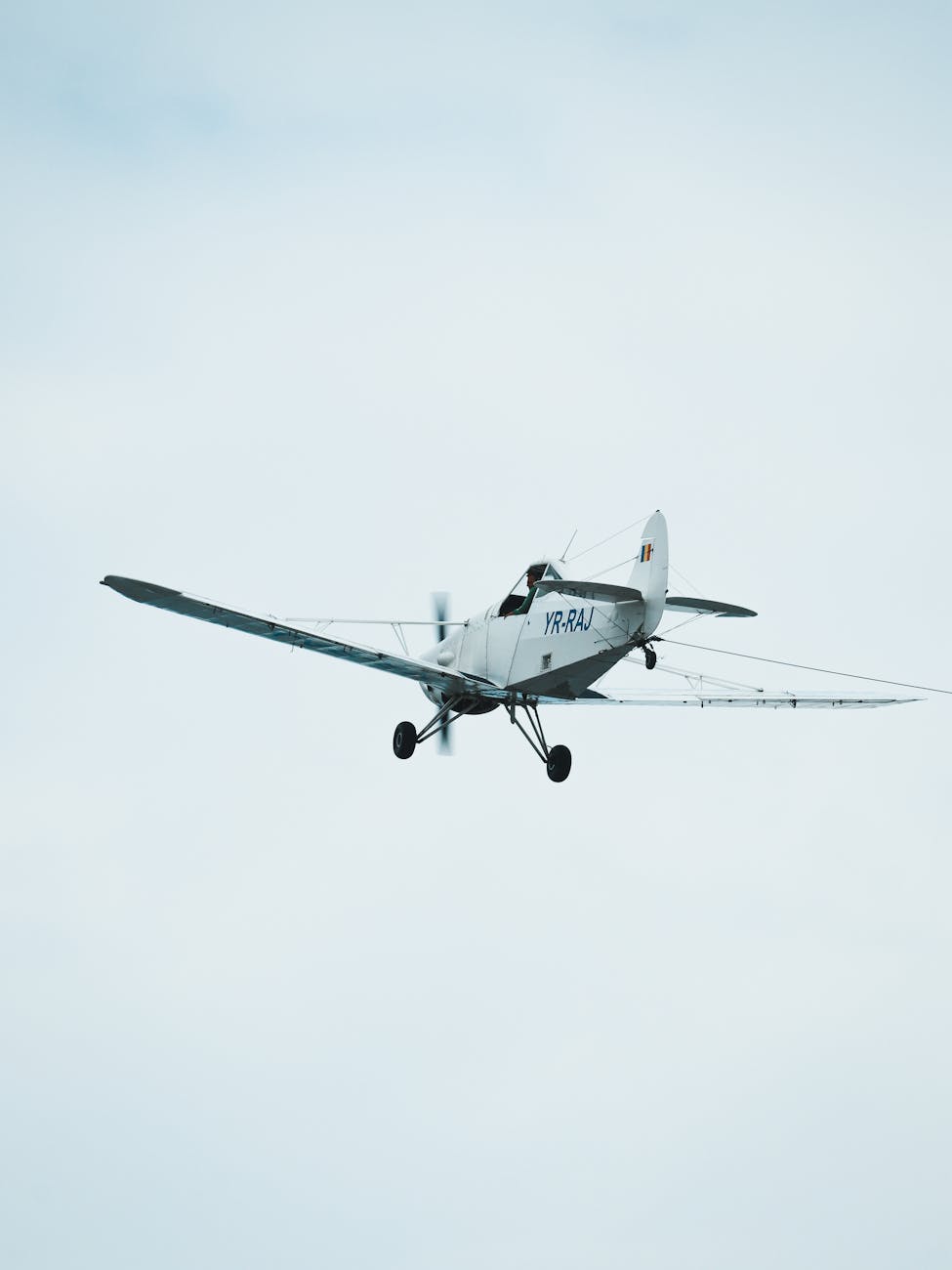
Osaka’s Two Airports: KIX and Itami
Before diving into how to get to Osaka, it’s essential to understand the city’s two airports, as choosing the right one can save significant time and money.
Kansai International Airport (KIX)
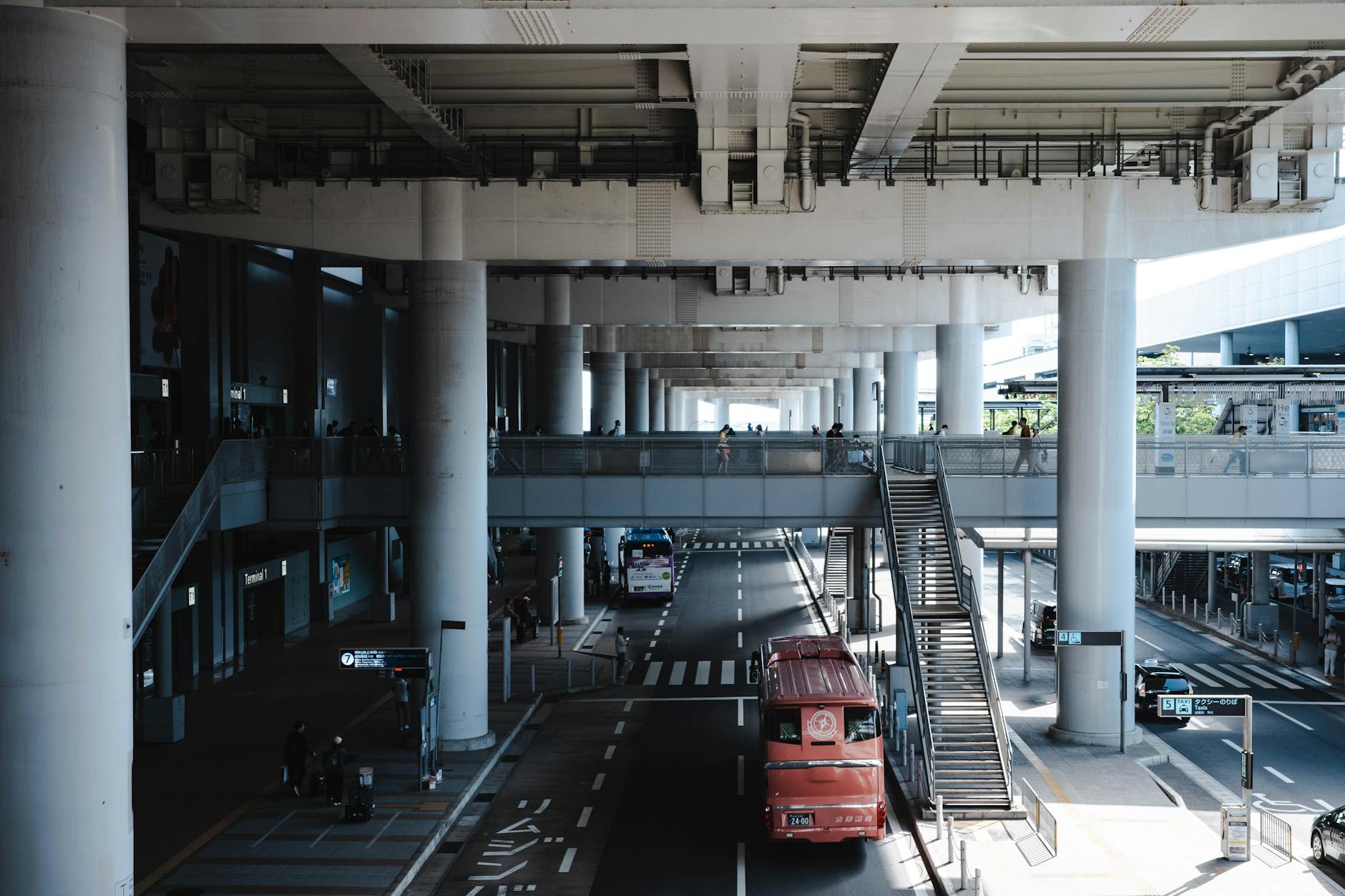
Kansai International Airport (KIX) is Osaka’s primary international gateway and where most overseas visitors first arrive. Built on a remarkable artificial island in Osaka Bay, KIX handles all international flights to the Osaka region plus some domestic routes. The airport has two terminals — Terminal 1 serves major airlines, while Terminal 2 is the hub for low-cost carriers including Peach Aviation (Japan’s largest budget airline), Jetstar Japan, and Spring Airlines.
KIX is located approximately 50 kilometers southwest of central Osaka, and the journey to the city takes 35–75 minutes depending on your transport choice. For a detailed breakdown of all transfer options, see our dedicated Kansai Airport to Osaka transfer guide. Key options include the JR Haruka Express (45 min to Tennoji, ¥1,740), Nankai Rapi:t limited express (34 min to Namba, ¥1,450), and the more affordable Nankai Airport Express (43 min to Namba, ¥930).
Osaka Itami Airport (ITM)
Osaka International Airport, universally known as Itami, handles exclusively domestic flights. If you’re already in Japan and flying from cities like Tokyo (Haneda), Sapporo, Fukuoka, or Okinawa, Itami is significantly more convenient than KIX — it’s only about 30 minutes from Umeda by limousine bus. The airport is smaller and easier to navigate, making domestic connections quick and painless.
A limousine bus from Itami to Osaka Station/Umeda costs ¥660 and takes about 30 minutes. The Osaka Monorail connects to Senri-Chuo Station (¥340), where you can transfer to the Midosuji subway line into central Osaka. For details on getting around once in the city, see our Osaka transportation guide.
International Flights to Osaka
Understanding how to get to Osaka by air starts with knowing which airlines and routes serve Kansai International Airport. KIX is well-connected to major cities worldwide, with direct flights from across Asia, North America, Europe, and Oceania.
From North America: Direct flights operate from Los Angeles (JAL, ANA, United — ~12 hours), San Francisco (ANA — ~11.5 hours), and Vancouver (Air Canada — ~10.5 hours). Connecting flights via Tokyo or other Asian hubs are widely available from most major U.S. and Canadian cities.
From Europe: Direct flights from London (British Airways — ~12 hours), Helsinki (Finnair — ~10.5 hours), Paris (Air France — ~12 hours), and Frankfurt (Lufthansa — ~11.5 hours). Finnair’s Helsinki hub offers one of the fastest connections between Europe and Osaka.
From Asia: Extensive connections from Seoul (1.5 hours), Shanghai (2.5 hours), Taipei (3 hours), Hong Kong (4 hours), Bangkok (5.5 hours), Singapore (7 hours), and many more. Budget carriers like Peach, Jetstar, and AirAsia make Asian routes particularly affordable.
From Oceania: Direct flights from Sydney (Qantas — ~10 hours) and seasonal connections from other Australian cities.
Budget tip: Flying into KIX on a budget airline can save substantially over flying into Tokyo’s Narita. Peach Aviation, based at KIX Terminal 2, offers some of Japan’s lowest fares on both international and domestic routes. For more money-saving strategies, see our Osaka budget travel guide.
How to Get to Osaka by Shinkansen (Bullet Train)
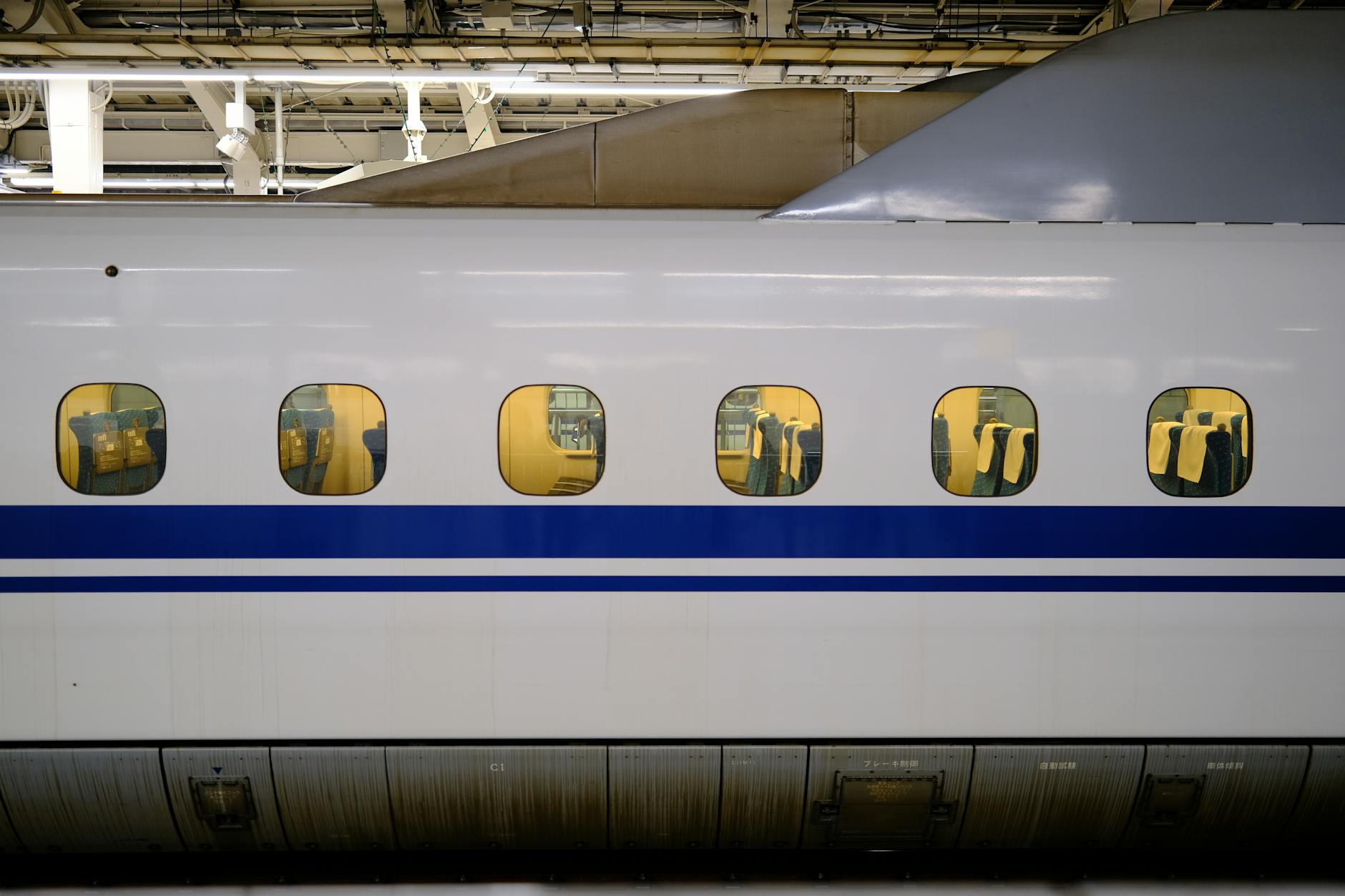
For visitors already in Japan, the Shinkansen (bullet train) is the most popular and efficient way to reach Osaka. It’s fast, punctual, comfortable, and an iconic Japanese experience in itself.
Tokyo to Osaka by Shinkansen
The Tokaido Shinkansen connects Tokyo and Shin-Osaka stations with three service levels. The Nozomi is the fastest at 2 hours 21 minutes, departing every 10–15 minutes throughout the day. The Hikari takes about 2 hours 50 minutes, while the Kodama stops at every station and takes around 3 hours 50 minutes.
Important note about the Japan Rail Pass: The JR Pass covers Hikari and Kodama services but does not cover the Nozomi. If you have a JR Pass, take the Hikari — the time difference is minimal and you save the cost of a separate ticket. Without a JR Pass, a one-way Nozomi ticket costs approximately ¥13,870 for a reserved seat in ordinary class.
Shin-Osaka Station is the Shinkansen terminal for Osaka, located in the city’s northern area. From here, you can connect to the rest of Osaka via the Midosuji subway line (the most useful for tourists) or JR local trains. Namba is about 15 minutes away, and Umeda/Osaka Station is just one stop.
Kyoto to Osaka by Train
Kyoto to Osaka is one of the most frequent train connections in Japan, and knowing how to get to Osaka from Kyoto quickly is essential for travelers exploring the Kansai region. You have several options. The Shinkansen from Kyoto to Shin-Osaka takes just 15 minutes (¥1,440, or free with JR Pass). JR Special Rapid trains from Kyoto to Osaka Station take about 28 minutes (¥580). The private Hankyu Line runs from Kawaramachi/Karasuma to Umeda in about 44 minutes (¥400), and the Keihan Line connects eastern Kyoto to Yodoyabashi in about 51 minutes (¥420). For day trips between the two cities, any of these options works well.
From Other Japanese Cities
Hiroshima to Osaka: The Sanyo Shinkansen connects Hiroshima to Shin-Osaka in about 1 hour 25 minutes on the Nozomi (¥10,440). The Sakura and Hikari services take approximately 1 hour 40 minutes and are covered by the JR Pass.
Nagoya to Osaka: Nozomi takes about 50 minutes (¥6,680), Hikari about 55 minutes. This is one of the quickest intercity Shinkansen routes in Japan.
Fukuoka/Hakata to Osaka: Nozomi takes about 2 hours 25 minutes (¥15,400). The Sakura service is slightly slower but covered by the JR Pass.
Budget Options: Highway Buses
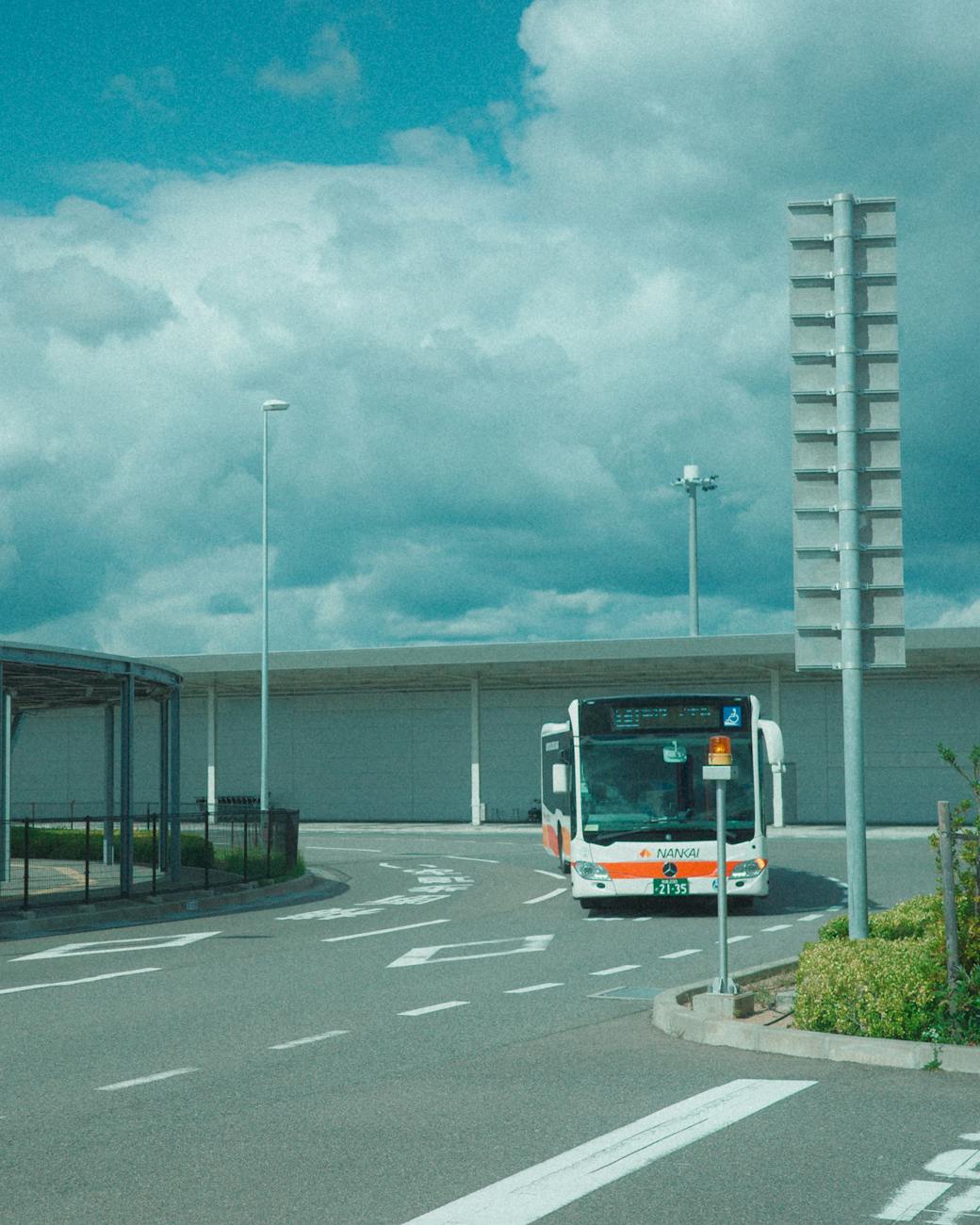
Highway buses are the most budget-friendly answer to how to get to Osaka from other Japanese cities. While significantly slower than the Shinkansen, overnight buses have a major advantage — they double as accommodation, saving you a night’s hotel cost.
Tokyo to Osaka by bus: The journey takes approximately 8–9 hours and costs as little as ¥2,000–4,000 one way on budget operators like Willer Express and VIP Liner. Premium services with wider seats and more legroom run ¥5,000–8,000. Most overnight buses depart Tokyo around 10–11 PM and arrive in Osaka around 6–7 AM — perfect for maximizing your time.
From other cities: Highway buses connect Osaka to Nagoya (3 hours, from ¥1,500), Hiroshima (5 hours, from ¥3,000), Kanazawa (5 hours, from ¥3,000), and many other cities. Buses typically arrive at major stations like Osaka/Umeda or Namba OCAT (Osaka City Air Terminal).
Booking tips: Reserve online through Willer Express (willerexpress.com), Japan Bus Online (japanbuslines.com), or Kosoku Bus (kosokubus.com). Early booking and weekday travel secure the lowest fares. Most services offer free WiFi and USB charging.
Domestic Flights to Osaka
Domestic flights can be surprisingly competitive with the Shinkansen, especially on longer routes or when booked in advance with budget carriers.
Tokyo to Osaka by air: The flight itself takes about 1 hour 15 minutes, but door-to-door travel time is typically 3.5–4 hours when you factor in airport transit, check-in, and security. Budget airlines like Peach and Jetstar offer fares from as low as ¥5,000–8,000 one way. Major carriers (ANA, JAL) run ¥10,000–20,000 but offer advance purchase discounts.
Best routes for flying: Flying makes the most sense from distant cities where the Shinkansen takes 4+ hours. Sapporo to Osaka (1h 50min), Okinawa to Osaka (2h 15min), and Fukuoka to Osaka (1h 15min) are routes where flying is clearly the best option. Most domestic flights arrive at Itami Airport, which is closer to central Osaka than KIX.
Ferry Services to Osaka
For a unique and leisurely way to reach Osaka, several ferry services connect to Osaka Nanko Port from various cities across Japan. Ferries from Beppu (Kyushu) and Kagoshima offer overnight sailings that include accommodation. While slower than other options, ferry travel provides a memorable experience with ocean views, onboard baths, and restaurants — it’s the most scenic answer to how to get to Osaka.
Arriving in Osaka: Key Stations and Hubs
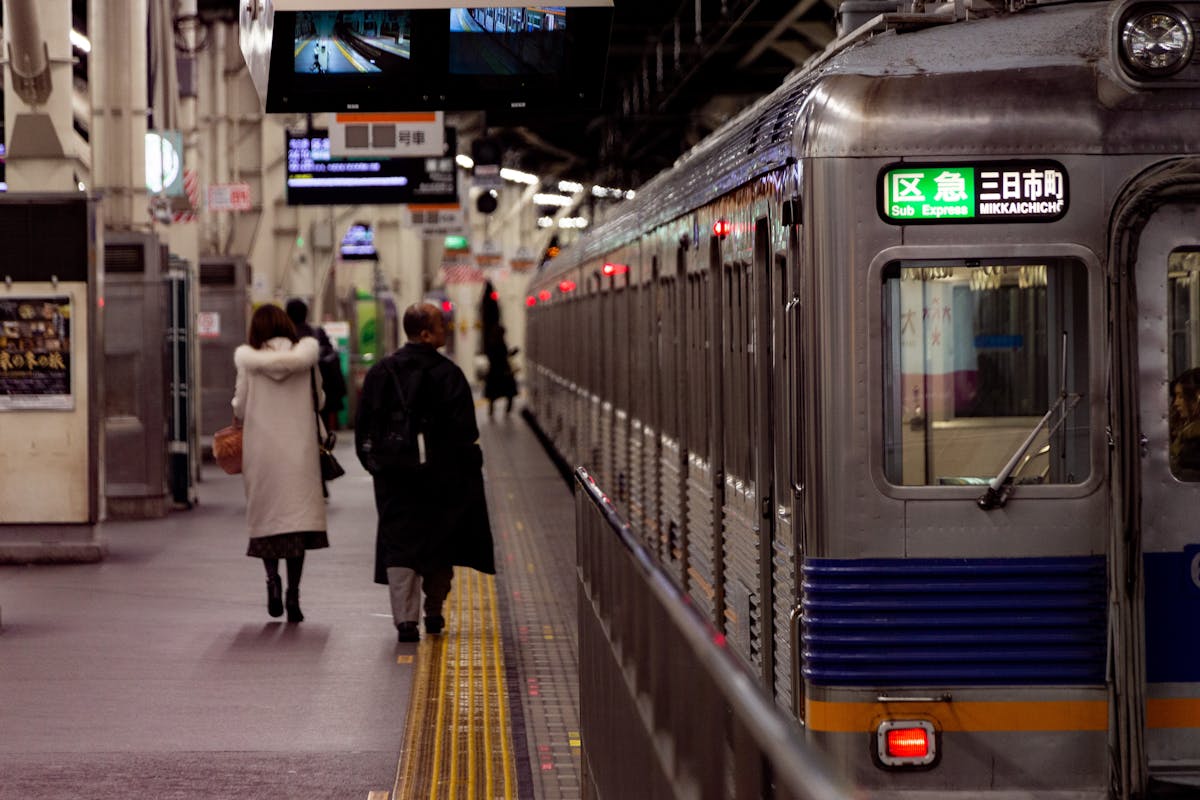
Understanding where you’ll arrive in Osaka helps you plan your onward journey to your accommodation.
Shin-Osaka Station: All Shinkansen services terminate here. Connected to the Midosuji subway line and JR lines. About 6 minutes to Umeda, 15 minutes to Namba by subway.
Osaka/Umeda Station: The city’s main hub in the northern district. JR, Hankyu, and Hanshin lines converge here, with direct subway connections on the Midosuji, Tanimachi, Yotsubashi, and Midosuji lines.
Namba Station: The southern hub, closest to Dotonbori, Shinsaibashi, and the entertainment districts. Nankai trains from Kansai Airport arrive here. Connected to multiple subway lines.
Tennoji Station: Southern gateway, closest to Shinsekai and Abeno Harukas. JR Haruka trains from KIX stop here. Connected to the Midosuji and Tanimachi subway lines.
For a complete breakdown of navigating Osaka’s transport network once you’ve arrived, our transportation guide covers everything from subway passes to IC cards. And to discover all the amazing things to do in Osaka, check our comprehensive activities guide.
Quick Comparison: How to Get to Osaka from Tokyo
Since the Tokyo–Osaka route is the most common for international visitors, here’s a side-by-side comparison to help you decide:
Shinkansen Nozomi: 2h 21min, ~¥13,870, most convenient, departs every 10–15 minutes. Best for: Speed, comfort, and experiencing Japan’s iconic bullet train.
Shinkansen Hikari (JR Pass): 2h 50min, covered by JR Pass, slightly fewer departures. Best for: JR Pass holders.
Domestic flight: ~1h 15min air time (3.5–4h door-to-door), ¥5,000–20,000. Best for: Budget travelers booking early with LCCs.
Highway bus: 8–9 hours, ¥2,000–8,000. Best for: Budget travelers, overnight travel to save on accommodation.
For most travelers, the Shinkansen offers the best balance of speed, convenience, and experience. Budget-conscious travelers should consider overnight buses or budget airline flights booked well in advance. Whichever option you choose, Osaka’s warm welcome and incredible food scene await at the other end.