This article contains advertising. Our booking links are routed through a partner that adds commission tracking automatically, so if you book through one we earn a commission from the provider, at no extra cost to you. It never affects what we recommend. Affiliate disclosure
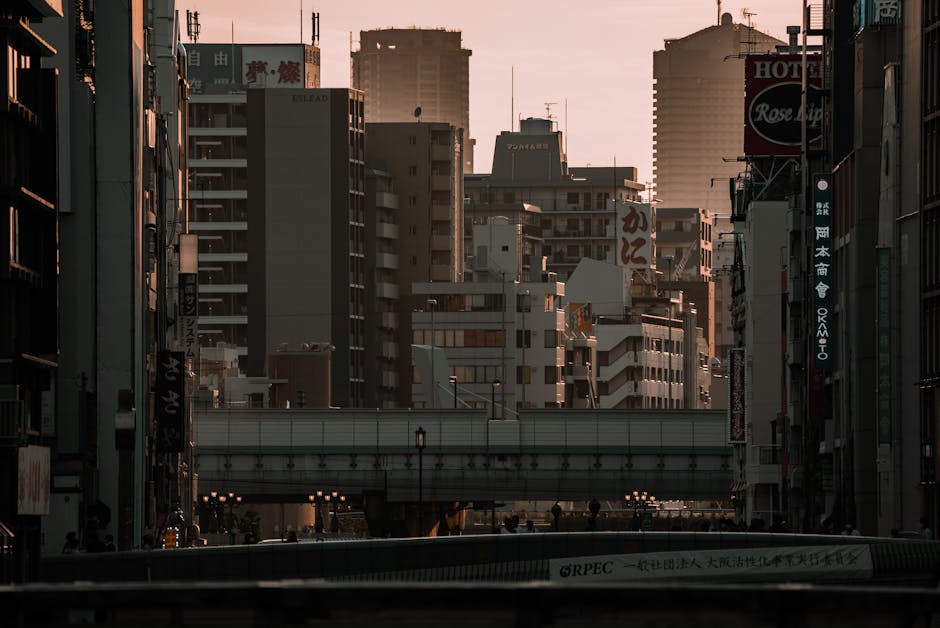 Choosing where to stay in Osaka can make or break your trip to Japan’s liveliest city. With distinct neighborhoods offering wildly different experiences — from neon-drenched entertainment districts to quiet residential areas near ancient temples — the right location puts you within walking distance of what matters most to you. This where to stay in Osaka guide breaks down every major neighborhood, accommodation type, and price range so you can book with confidence, whether you are visiting for the first time or returning for a deeper exploration.
Osaka is divided into two main hubs: Kita (the northern commercial center around Umeda and Osaka Station) and Minami (the southern entertainment heart around Namba and Dotonbori). Between and beyond these poles, you will find neighborhoods with their own character, transport links, and accommodation strengths. Understanding this north-south dynamic is the single most useful thing for deciding where to stay in Osaka.
Choosing where to stay in Osaka can make or break your trip to Japan’s liveliest city. With distinct neighborhoods offering wildly different experiences — from neon-drenched entertainment districts to quiet residential areas near ancient temples — the right location puts you within walking distance of what matters most to you. This where to stay in Osaka guide breaks down every major neighborhood, accommodation type, and price range so you can book with confidence, whether you are visiting for the first time or returning for a deeper exploration.
Osaka is divided into two main hubs: Kita (the northern commercial center around Umeda and Osaka Station) and Minami (the southern entertainment heart around Namba and Dotonbori). Between and beyond these poles, you will find neighborhoods with their own character, transport links, and accommodation strengths. Understanding this north-south dynamic is the single most useful thing for deciding where to stay in Osaka.
Namba and Dotonbori: Best for First-Time Visitors
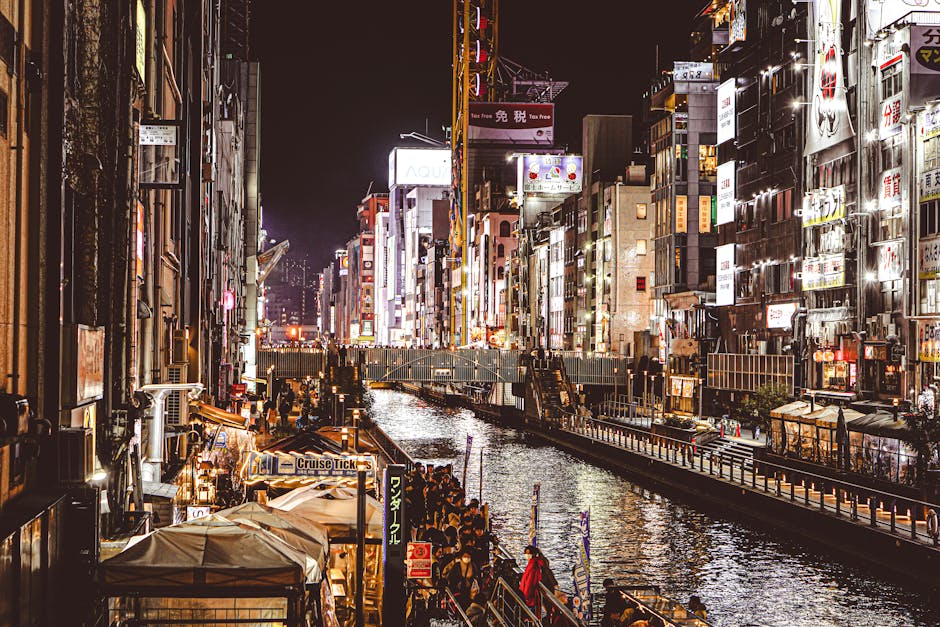 If this is your first trip to Osaka, Namba is the neighborhood to book. Situated in the Minami district, Namba places you at the epicenter of everything Osaka is famous for: the glowing Dotonbori canal, legendary street food stalls selling takoyaki and okonomiyaki, the buzzing Shinsaibashi shopping arcade, and some of the best nightlife in western Japan. You can stumble out of your hotel and immediately be immersed in the energy that defines the city.
Why Namba works for most travelers: Namba Station is one of Osaka’s most connected transit hubs. The Midosuji subway line runs north to Umeda in about 10 minutes. The Nankai Line connects directly to Kansai International Airport (about 45 minutes on the Rapi:t express). JR Namba and multiple private railway lines also pass through, making day trips to Kyoto, Nara, and Kobe straightforward. You rarely need taxis when based in Namba.
Accommodation options in Namba: This is Osaka’s most hotel-dense area. Budget travelers will find hostels and capsule hotels starting around 2,500 to 4,000 yen per night. Mid-range business hotels like Dormy Inn, Cross Hotel Osaka, and Hotel Vista Grande run 8,000 to 15,000 yen per night and typically include onsen baths, breakfast buffets, and modern rooms. For luxury, the Swissôtel Nankai Osaka sits directly above Nankai Namba Station and offers five-star comfort from around 25,000 yen per night. Licensed apartment rentals sit alongside all of this, and our guide to licensed vacation rentals in Osaka explains the registration number to look for in a listing before you book.
The trade-off: Namba can be loud, especially on weekends. If you are a light sleeper, request a room on a higher floor away from the main streets. The area also gets extremely crowded during holidays like Golden Week and Obon.
If this is your first trip to Osaka, Namba is the neighborhood to book. Situated in the Minami district, Namba places you at the epicenter of everything Osaka is famous for: the glowing Dotonbori canal, legendary street food stalls selling takoyaki and okonomiyaki, the buzzing Shinsaibashi shopping arcade, and some of the best nightlife in western Japan. You can stumble out of your hotel and immediately be immersed in the energy that defines the city.
Why Namba works for most travelers: Namba Station is one of Osaka’s most connected transit hubs. The Midosuji subway line runs north to Umeda in about 10 minutes. The Nankai Line connects directly to Kansai International Airport (about 45 minutes on the Rapi:t express). JR Namba and multiple private railway lines also pass through, making day trips to Kyoto, Nara, and Kobe straightforward. You rarely need taxis when based in Namba.
Accommodation options in Namba: This is Osaka’s most hotel-dense area. Budget travelers will find hostels and capsule hotels starting around 2,500 to 4,000 yen per night. Mid-range business hotels like Dormy Inn, Cross Hotel Osaka, and Hotel Vista Grande run 8,000 to 15,000 yen per night and typically include onsen baths, breakfast buffets, and modern rooms. For luxury, the Swissôtel Nankai Osaka sits directly above Nankai Namba Station and offers five-star comfort from around 25,000 yen per night. Licensed apartment rentals sit alongside all of this, and our guide to licensed vacation rentals in Osaka explains the registration number to look for in a listing before you book.
The trade-off: Namba can be loud, especially on weekends. If you are a light sleeper, request a room on a higher floor away from the main streets. The area also gets extremely crowded during holidays like Golden Week and Obon.
Umeda and Osaka Station: Best for Transit and Business
 Umeda (also called Kita) is Osaka’s northern commercial hub and the single best base if you plan to use Osaka as a launchpad for day trips. Osaka Station and Umeda Station form a massive interconnected complex that serves JR lines, Hankyu Railway (direct to Kyoto and Kobe), Hanshin Railway, and three subway lines. From here, Kyoto is 30 minutes by JR Special Rapid, Kobe is 25 minutes by Hankyu, and Nara is about 50 minutes.
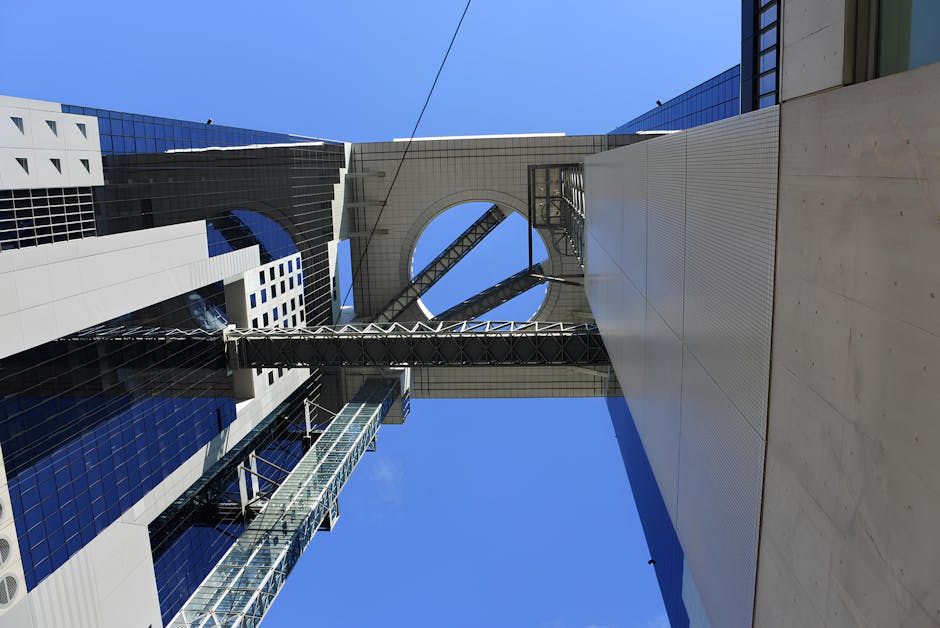
The area’s character: Umeda is more polished and business-oriented than Namba. You will find towering department stores (Hankyu, Hanshin, Daimaru, Lucua), the striking Umeda Sky Building with its rooftop floating garden observatory, and an underground shopping network called Whity Umeda that stretches for blocks. The dining scene is excellent but leans more toward restaurants and department store food halls (depachika) rather than street food stalls.
Accommodation in Umeda: Hotels here tend to be slightly more upscale than Namba. The InterContinental Osaka occupies prime waterfront real estate overlooking Nakanoshima. The Granvia Osaka is directly connected to JR Osaka Station, making rainy-day arrivals a breeze. Budget options exist too — the Hankyu Respire Osaka and several Toyoko Inn branches keep prices between 6,000 and 12,000 yen per night.
Best for: Business travelers, day-trip enthusiasts, travelers who prefer a cleaner and more organized atmosphere, and anyone arriving at or departing from Shin-Osaka Station (just one stop north on the JR line), which serves the Shinkansen bullet train.
Umeda (also called Kita) is Osaka’s northern commercial hub and the single best base if you plan to use Osaka as a launchpad for day trips. Osaka Station and Umeda Station form a massive interconnected complex that serves JR lines, Hankyu Railway (direct to Kyoto and Kobe), Hanshin Railway, and three subway lines. From here, Kyoto is 30 minutes by JR Special Rapid, Kobe is 25 minutes by Hankyu, and Nara is about 50 minutes.
The area’s character: Umeda is more polished and business-oriented than Namba. You will find towering department stores (Hankyu, Hanshin, Daimaru, Lucua), the striking Umeda Sky Building with its rooftop floating garden observatory, and an underground shopping network called Whity Umeda that stretches for blocks. The dining scene is excellent but leans more toward restaurants and department store food halls (depachika) rather than street food stalls.
Accommodation in Umeda: Hotels here tend to be slightly more upscale than Namba. The InterContinental Osaka occupies prime waterfront real estate overlooking Nakanoshima. The Granvia Osaka is directly connected to JR Osaka Station, making rainy-day arrivals a breeze. Budget options exist too — the Hankyu Respire Osaka and several Toyoko Inn branches keep prices between 6,000 and 12,000 yen per night.
Best for: Business travelers, day-trip enthusiasts, travelers who prefer a cleaner and more organized atmosphere, and anyone arriving at or departing from Shin-Osaka Station (just one stop north on the JR line), which serves the Shinkansen bullet train.
Shinsaibashi and Amerikamura: Best for Shopping and Nightlife
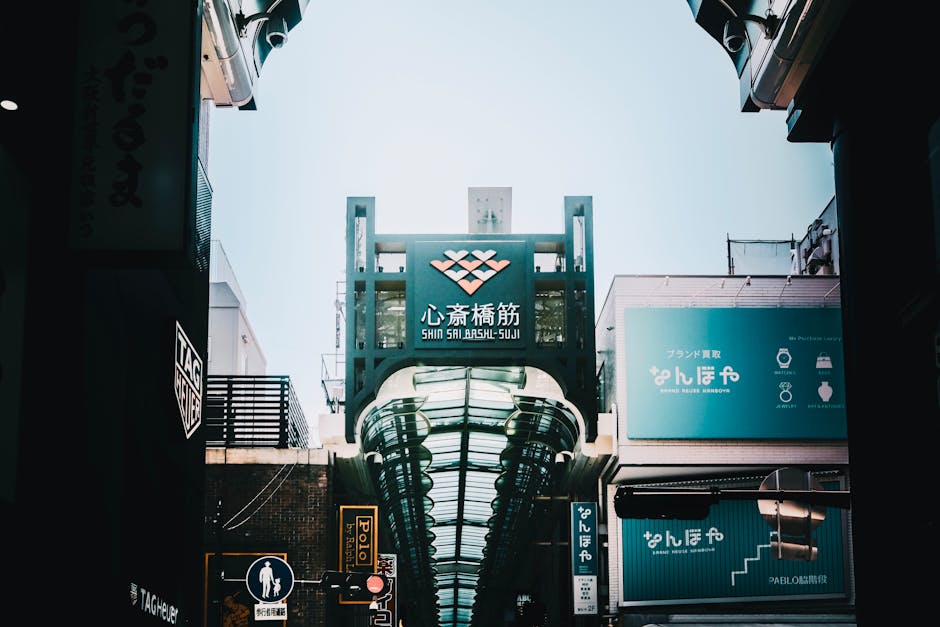 Shinsaibashi sits between Namba and Honmachi on the Midosuji subway line, and it is the sweet spot for travelers who want to be close to the action without sleeping directly above it. The famous Shinsaibashi-suji covered shopping arcade runs for 600 meters and is packed with international brands, Japanese fashion labels, drugstores, and souvenir shops. Just west of the arcade, Amerikamura (America Village) is Osaka’s youth culture and vintage fashion hub, full of independent boutiques, record shops, and quirky cafes.
Accommodation in Shinsaibashi: This area offers strong mid-range value. The W Osaka opened in 2021 and brought a design-forward luxury option to the neighborhood. Hotel Nikko Osaka and the Daiwa Roynet Hotels chain offer reliable mid-range rooms between 10,000 and 18,000 yen. For budget travelers, a handful of hostels and compact business hotels line the side streets.
The advantage: Shinsaibashi is walkable to both Namba (10 minutes south) and Honmachi (10 minutes north), which means you get the best of two worlds without the peak noise of either. The Midosuji line puts you at Umeda in about 8 minutes.
Shinsaibashi sits between Namba and Honmachi on the Midosuji subway line, and it is the sweet spot for travelers who want to be close to the action without sleeping directly above it. The famous Shinsaibashi-suji covered shopping arcade runs for 600 meters and is packed with international brands, Japanese fashion labels, drugstores, and souvenir shops. Just west of the arcade, Amerikamura (America Village) is Osaka’s youth culture and vintage fashion hub, full of independent boutiques, record shops, and quirky cafes.
Accommodation in Shinsaibashi: This area offers strong mid-range value. The W Osaka opened in 2021 and brought a design-forward luxury option to the neighborhood. Hotel Nikko Osaka and the Daiwa Roynet Hotels chain offer reliable mid-range rooms between 10,000 and 18,000 yen. For budget travelers, a handful of hostels and compact business hotels line the side streets.
The advantage: Shinsaibashi is walkable to both Namba (10 minutes south) and Honmachi (10 minutes north), which means you get the best of two worlds without the peak noise of either. The Midosuji line puts you at Umeda in about 8 minutes.
Honmachi and Midosuji: Best Value in Central Osaka
Honmachi is the quiet achiever among Osaka neighborhoods for tourists seeking where to stay in Osaka on a moderate budget. Located between Namba and Umeda along the main Midosuji line, Honmachi is a business district during the day that quiets down in the evening. It lacks the tourist buzz of Namba, but this is exactly why hotel prices here are 10 to 20 percent lower than comparable rooms a few stops south. Why Honmachi is underrated: The Midosuji subway line connects you to Namba in 5 minutes and Umeda in 7 minutes. You are also walking distance to both Shinsaibashi shopping and the Osaka Science Museum on Nakanoshima island. The streets are wider, the foot traffic is lighter, and supermarkets and convenience stores are easy to find for self-catering breakfasts. Accommodation in Honmachi: The St. Regis Osaka is the area’s five-star standout, offering some of the most elegant rooms in the city. Mid-range chains like Mitsui Garden Hotel and APA Hotel cluster around Honmachi Station and typically cost 7,000 to 14,000 yen per night. This area also has a growing number of apartment-style hotels perfect for longer stays.Tennoji and Shinsekai: Best for Culture and Budget Travelers
Tennoji sits in southern Osaka, anchored by the massive JR Tennoji Station and the modern Abeno Harukas (Japan’s second tallest building at 300 meters). The adjacent Shinsekai neighborhood offers a retro, working-class atmosphere completely different from glossy Namba or corporate Umeda. Tsutenkaku Tower presides over streets lined with kushikatsu restaurants, game centers, and old-school izakayas. Why consider Tennoji: For travelers who want affordable accommodation near major attractions, Tennoji delivers. Shitennoji Temple (one of Japan’s oldest, founded 593 CE) is a 10-minute walk away. The Osaka Municipal Museum of Fine Arts and Tennoji Zoo sit inside Tennoji Park. And Namba is just two stops north on the Midosuji line. Accommodation in Tennoji: This area offers some of the best budget rates in central Osaka. The Osaka Marriott Miyako Hotel occupies the upper floors of Abeno Harukas and provides luxury rooms with staggering city views from around 20,000 yen per night. Budget hotels and hostels near Shinsekai run as low as 2,000 to 5,000 yen per night. Tennoji is also one of the few areas where you can find genuine ryokan-style inns within the city center.Osaka Bay Area: Best for Families and Theme Parks
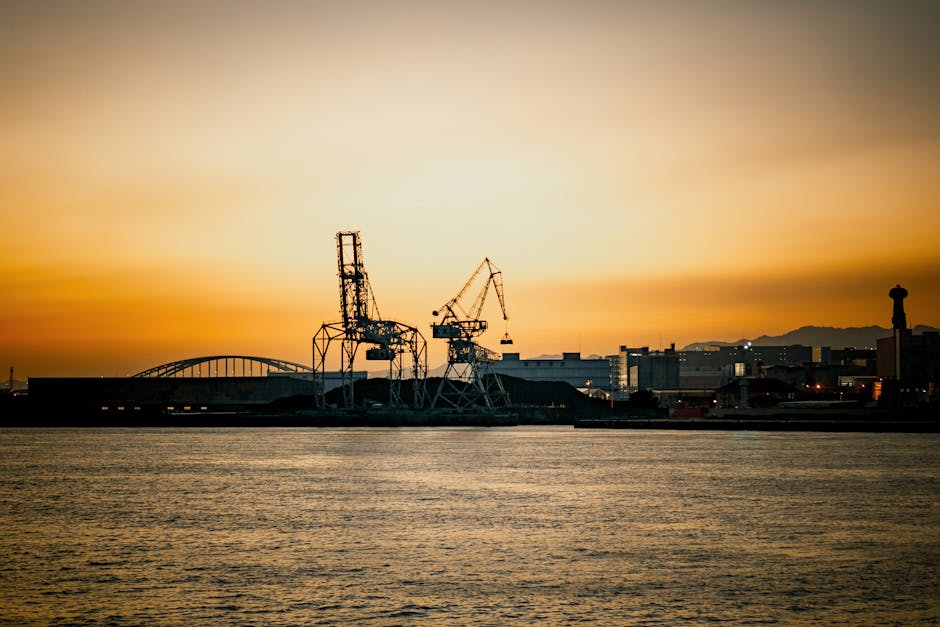 If Universal Studios Japan is a centerpiece of your trip or you are traveling with children, the Osaka Bay area is worth serious consideration when deciding where to stay in Osaka. The bay stretches from the USJ resort area in Konohana Ward to the Tempozan waterfront district, home to Osaka Aquarium Kaiyukan and the Tempozan Ferris Wheel.
Near Universal Studios Japan: Several official partner hotels offer direct shuttle service or walkable access to the park gates. The Park Front Hotel at Universal Studios Japan, Hotel Keihan Universal Tower, and The Singulari Hotel & Skyspa are the top options. Prices range from 10,000 to 30,000 yen per night depending on the season, with peak rates during summer holidays and Halloween season.
Tempozan and Cosmosquare: This area is quieter and less touristy than central Osaka but offers waterfront views and family-friendly attractions. The Hyatt Regency Osaka sits on Nanko Island and provides resort-style relaxation at somewhat lower rates than comparable luxury hotels in the city center.
The trade-off: The Bay Area is less convenient for exploring central Osaka. Getting to Namba takes about 30 to 40 minutes by train. Dining options thin out significantly at night compared to Namba or Umeda.
If Universal Studios Japan is a centerpiece of your trip or you are traveling with children, the Osaka Bay area is worth serious consideration when deciding where to stay in Osaka. The bay stretches from the USJ resort area in Konohana Ward to the Tempozan waterfront district, home to Osaka Aquarium Kaiyukan and the Tempozan Ferris Wheel.
Near Universal Studios Japan: Several official partner hotels offer direct shuttle service or walkable access to the park gates. The Park Front Hotel at Universal Studios Japan, Hotel Keihan Universal Tower, and The Singulari Hotel & Skyspa are the top options. Prices range from 10,000 to 30,000 yen per night depending on the season, with peak rates during summer holidays and Halloween season.
Tempozan and Cosmosquare: This area is quieter and less touristy than central Osaka but offers waterfront views and family-friendly attractions. The Hyatt Regency Osaka sits on Nanko Island and provides resort-style relaxation at somewhat lower rates than comparable luxury hotels in the city center.
The trade-off: The Bay Area is less convenient for exploring central Osaka. Getting to Namba takes about 30 to 40 minutes by train. Dining options thin out significantly at night compared to Namba or Umeda.
Accommodation Types in Osaka
Business Hotels
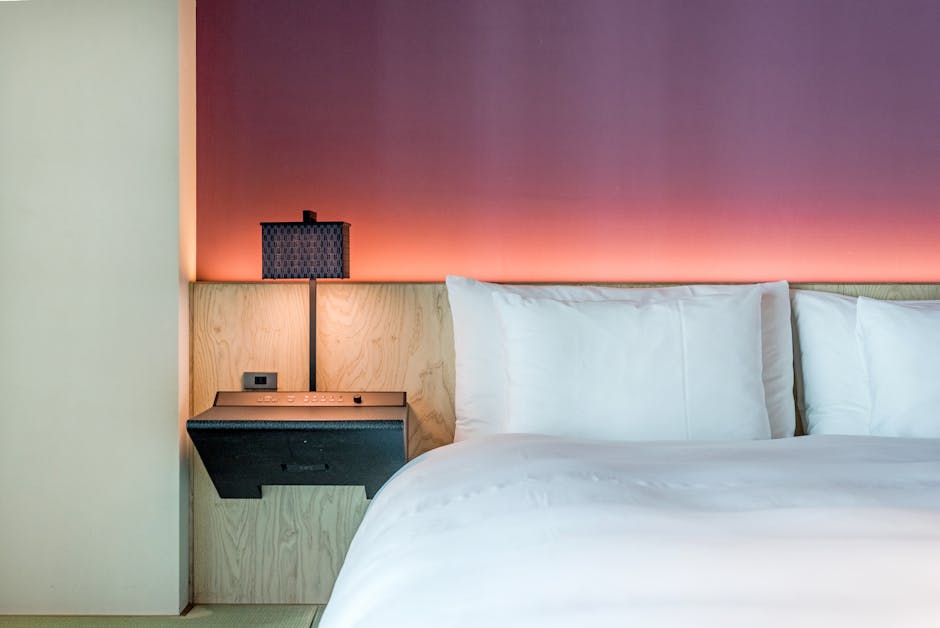 Japanese business hotels are the backbone of affordable, reliable accommodation in Osaka. Chains like Toyoko Inn, APA Hotel, Dormy Inn, and Super Hotel offer compact but immaculately clean rooms with free WiFi, yukata robes, and often a complimentary breakfast. Dormy Inn properties are especially popular because most include a natural hot spring bath (onsen) on the top floor. Expect to pay 6,000 to 15,000 yen per night. Rooms are small (typically 12 to 18 square meters) but designed with Japanese efficiency.
Traditional Ryokan
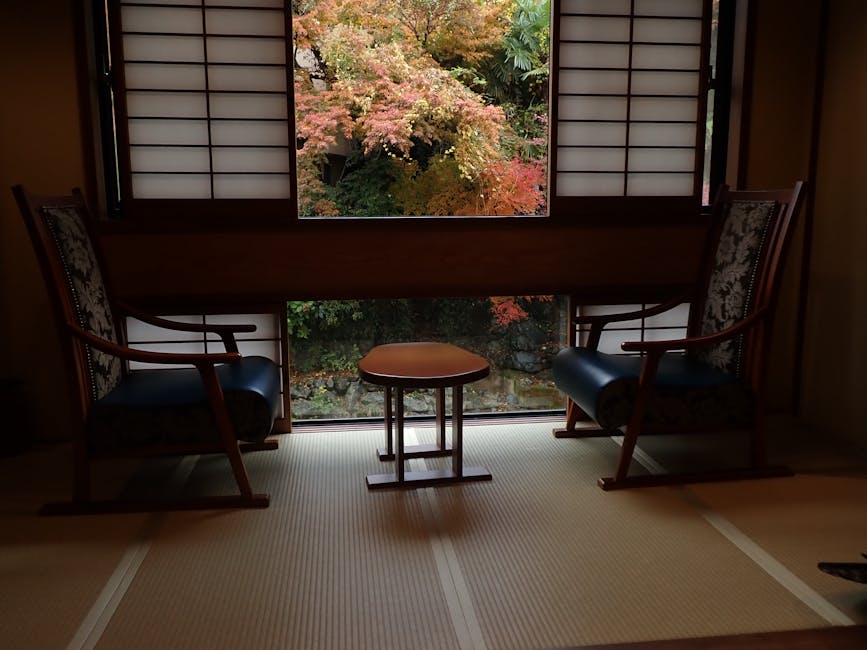 While Osaka is a modern metropolis, a handful of traditional Japanese inns (ryokan) operate within the city and nearby. Ryokan feature tatami-mat floors, futon bedding, communal or private baths (often onsen), and sometimes include traditional kaiseki multi-course dinners. In the city center, expect to pay 15,000 to 40,000 yen per night. For a more authentic ryokan experience, consider staying one or two nights at a ryokan in the Arima Onsen hot spring town (about 60 minutes from Osaka by train), where the tradition runs deeper and the setting is more atmospheric.
Capsule Hotels
 Capsule hotels are a uniquely Japanese experience and a smart budget option in Osaka. Modern capsule hotels bear little resemblance to the cramped plastic boxes of decades past. Properties like First Cabin, Nine Hours, and Capsule Hotel CUBEnST offer stylish pods with USB charging, privacy curtains, reading lights, and communal lounge areas. Prices typically range from 2,500 to 5,000 yen per night. Most provide communal showers, lockers for luggage, and some include sauna access. Note that many capsule hotels separate male and female floors, and a few remain male-only.
Price Guide: What to Expect at Each Budget Level
Understanding accommodation costs helps when planning where to stay in Osaka. Here is a realistic breakdown of 2026 rates per night for a double room or twin: Budget (under 6,000 yen / $40 USD): Hostels, dormitory beds, basic capsule hotels. You sacrifice privacy and room size but gain social atmosphere and unbeatable prices. Examples: Khaosan World Osaka, Capsule Hotel CUBEnST, various backpacker hostels in Tennoji and Namba. Mid-range (6,000 to 18,000 yen / $40 to $120 USD): Business hotels, compact double rooms, apartment-style hotels. This is the sweet spot for most travelers. You get private bathrooms, daily housekeeping, and often breakfast. Examples: Dormy Inn Premium Namba, Cross Hotel Osaka, Mitsui Garden Hotel Osaka Premier. Upper mid-range (18,000 to 35,000 yen / $120 to $230 USD): Four-star hotels, boutique properties, premium business hotels. Expect larger rooms, superior amenities, and prime locations. Examples: Hotel Nikko Osaka, Swissôtel Nankai, W Osaka. Luxury (35,000+ yen / $230+ USD): Five-star international chains and premium Japanese properties. Full-service spas, multiple restaurants, concierge service, and exceptional design. Examples: The Ritz-Carlton Osaka, Conrad Osaka, InterContinental Osaka, St. Regis Osaka.Booking Tips for Osaka Hotels
Book early for peak seasons: Cherry blossom season (late March to mid-April), Golden Week (late April to early May), autumn foliage (November), and New Year push prices up 30 to 50 percent and fill popular hotels weeks in advance. Book three to six months ahead for these periods. Weekday versus weekend rates: Hotels in Osaka, particularly in Namba and Dotonbori, charge noticeably more on Friday and Saturday nights. If your schedule is flexible, arriving on a Sunday or Monday and checking out before Friday can save 15 to 25 percent overall. Consider apartment-style hotels: For stays of four nights or more, serviced apartments and apart-hotels like Citadines, Vessel Inn, or Mimaru offer kitchenettes, washing machines, and more living space at similar or lower rates than standard hotel rooms. These are especially valuable for families or groups. Check for included breakfast: Many business hotels include breakfast buffets worth 1,000 to 1,500 yen per person. Over a week-long stay, this adds up to significant savings and convenience. Use IC cards for transit: Load an ICOCA or Suica card at any train station. These work on all Osaka trains, subways, and buses, and are accepted at most convenience stores and vending machines.Osaka Neighborhoods at a Glance: Distance and Travel Times
Understanding how Osaka’s neighborhoods connect helps when choosing where to stay in Osaka. The Midosuji subway line is the city’s main artery, running north to south and connecting every major tourist area. From Namba Station: Shinsaibashi is 1 stop (2 minutes). Honmachi is 2 stops (4 minutes). Umeda is 5 stops (10 minutes). Tennoji is 3 stops (7 minutes). Shin-Osaka (bullet train) is 7 stops (15 minutes). Osaka Bay/USJ is about 25 minutes via JR and shuttle. Kansai Airport is 45 minutes via Nankai Rapi:t express. From Umeda Station: Shin-Osaka is 1 stop on JR (4 minutes). Kyoto is 30 minutes by JR Special Rapid. Kobe Sannomiya is 27 minutes by Hankyu. Nara is 50 minutes via JR. Kansai Airport is 70 minutes via JR Haruka express. Key insight: No matter where you stay in Osaka, the subway and JR network means you are never more than 15 to 20 minutes from any major area within the city. This flexibility means you should choose your neighborhood based on atmosphere and budget rather than proximity alone.Seasonal Considerations for Accommodation
When you stay in Osaka matters almost as much as where to stay in Osaka. Seasonal factors significantly impact both pricing and experience. Cherry blossom season (late March to mid-April): The most popular time to visit, with hotel prices spiking 30 to 60 percent above average. The Osaka Mint Bureau cherry blossom walk draws hundreds of thousands of visitors. Book at least four months ahead. Hotels near Osaka Castle and Kema Sakuranomiya Park command premium rates during this period. Summer (June to August): Osaka’s humidity is intense, with temperatures regularly exceeding 35 degrees Celsius in July and August. Hotel prices are moderate except during Obon week (mid-August) and Tenjin Matsuri festival (July 24 to 25). Properties with rooftop pools or strong air conditioning are worth the premium. Autumn (September to November): October and November bring pleasant weather and autumn foliage. Prices rise moderately in November. Hotels near Minoo Park (northern Osaka, famous for maple leaves) and near Osaka Castle become popular. Winter (December to February): The lowest hotel prices of the year, except during New Year (December 28 to January 3). Winter illumination events light up Midosuji Boulevard and Osaka Station City. This is the best season for travelers seeking where to stay in Osaka on a tight budget.Safety and Practical Tips for All Areas
Osaka is one of the safest major cities in the world. Violent crime targeting tourists is virtually nonexistent, and you can walk most neighborhoods comfortably at any hour. A few practical considerations by area: Namba and Dotonbori: Touts for bars and restaurants can be persistent, especially along the canal. Politely decline and keep walking. Avoid unofficial money exchange shops. Shinsekai: The neighborhood has a grittier reputation than other tourist areas, but modern Shinsekai is safe for visitors. Simply exercise normal urban awareness, especially late at night. General hotel tips: Japanese hotel check-in is typically at 15:00 and checkout at 10:00 or 11:00. Many hotels offer luggage storage before check-in and after checkout at no charge. Shoes should be removed when entering ryokan rooms. Tipping is not customary and can cause confusion. Nearly all hotels have coin-operated laundry machines on-site. Luggage forwarding: For travelers moving between cities, the takkyubin luggage forwarding service is invaluable. Send your suitcase from your current hotel to your next hotel for about 2,000 to 3,000 yen. This frees you to explore with just a daypack. Most hotel front desks can arrange this for you.Which Neighborhood Is Right for You?
This where to stay in Osaka guide covers a lot of ground, so here is a quick summary to help narrow your decision: First-time visitors: Namba and Dotonbori. You will be at the heart of Osaka’s energy with the best transport links to everywhere else. Day-trip base to Kyoto, Nara, Kobe: Umeda and Osaka Station. The JR and Hankyu connections are unmatched. Shopping focus: Shinsaibashi. The best mix of Japanese and international retail within walking distance. Quiet and affordable: Honmachi. Central location, lower prices, easy subway access to all key areas. Budget and culture: Tennoji and Shinsekai. The most authentic Osaka atmosphere with the lowest accommodation costs. Families and theme parks: Osaka Bay Area. Proximity to USJ and the Aquarium, plus resort-style hotels. For official tourism and accommodation information, check the Osaka Convention and Tourism Bureau. To start planning your full itinerary, read our Osaka Travel Guide, explore the best things to do in Osaka, and discover the city’s incredible food scene.Explore the full Where to Stay in Osaka series
Narrowing down a neighbourhood or hotel type? Families and longer stays should also weigh an apartment rental. Start with the guides below:
- Cheap Hostels Osaka: Budget Hotels & Hostels Under ¥5,000
- Best Family Hotels Osaka: Kid-Friendly Accommodation Guide
- Hotels Near Universal Studios Japan: Best USJ Stays
- Best Luxury Hotels Osaka: Top 10 Five-Star Stays
- Best Hotels in Namba Osaka: Where to Stay for Nightlife & Food
- Best Osaka Airbnb & Vacation Rentals: Complete Guide
- Best Osaka Onsen Hotels: Hot Spring Stays in the City
- Best Ryokan Osaka: Traditional Japanese Inn Experiences
- Best Shinsaibashi Hotels Osaka: Where to Stay for Shopping
- Umeda Hotels Osaka: Best for Transit, Business & Shinkansen
- Osaka Itinerary: Day-by-Day Plans for 1 to 7 Days
At the cheapest end of the scale, Osaka’s own invention is still the best value in the city: our guide to capsule hotels in Osaka covers which pods are worth booking, what a night actually involves, and the travellers who should firmly book something else.
For a train-heavy trip, the details matter: our guide to hotels near Osaka Station explains which are directly connected, which side of the station to pick and when proximity is not worth paying for.