This article contains advertising. Our booking links are routed through a partner that adds commission tracking automatically, so if you book through one we earn a commission from the provider, at no extra cost to you. It never affects what we recommend. Affiliate disclosure
Osaka does its best work after the sun goes down. The food gets cheaper, the alleys get louder, and somewhere around 9pm the whole southern half of the city turns into one long bar crawl. People call this Japan’s second city, but on a Friday night near Dotonbori it doesn’t feel second to anywhere. You can drink in a six-seat counter bar where the chef grills your yakitori in front of you, then walk five minutes to a club that runs until the first train. Both are easy. Both are cheap by Tokyo standards.
This guide breaks down where to go by mood and budget: the loud tourist core, the polished north, the backstreet izakaya pockets only locals seem to know. We cover bars, clubs, karaoke, what to drink, and how to get home when the trains stop. For moving between districts late, keep our Osaka transportation guide handy, and our neighborhoods guide fills in the daytime side of each area.
First, the geography: Kita vs Minami
Osakans split their city into two halves, and knowing which is which saves you a wasted evening. Kita (“north”) is the Umeda zone around JR Osaka and Hankyu Umeda stations. The drinking here runs more grown-up: rooftop cocktail bars in glass towers, wine bars hidden in basement corridors, and the discreet, expensive clubs of Kitashinchi. The crowd is older and a little more buttoned-up. One stop east in Tenma, that politeness evaporates into a maze of standing bars that locals adore.
Minami (“south”) is Namba, Shinsaibashi, and Dotonbori, and it’s where most of your nights will happen. This is the Osaka on the postcards: the Glico running man, neon doubled in the canal, packed bar streets in Amerikamura and Ura-Namba. Faster, younger, later. If you only have one or two nights, base yourself here and barely scratch the surface.
The districts, ranked by what you’re after
Dotonbori: start here, then leave
Dotonbori is the obvious opening move and the most photographed strip in the city: mechanical crabs, a giant animatronic octopus, the Glico sign throwing light across the water. It’s also wall-to-wall tourists, so treat it as the warm-up rather than the whole night. Get takoyaki and a beer from a canal-side stand, take your Glico photo, then push a few streets back where the prices drop and the crowds thin.
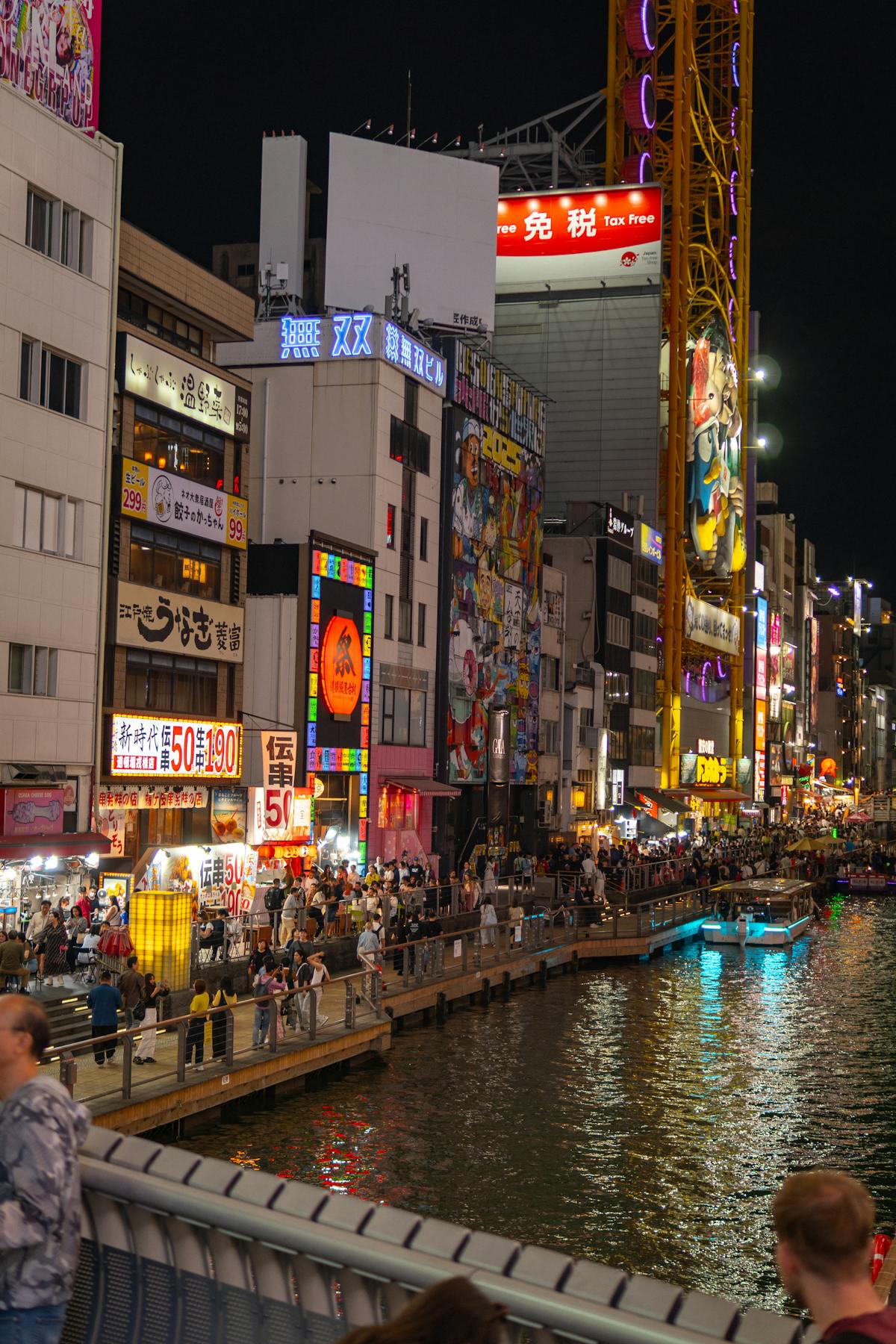
The street food runs late, which is the real draw. Takoyaki, kushikatsu, and gyoza counters stay open past midnight, and the energy peaks roughly 8pm to midnight before settling into a slow burn until the 5am trains. For a deeper dive into what to eat down here, our Osaka food guide has the full list. Best for: first nights, street food, people-watching, and one good photo.
Shinsaibashi: clubs and serious cocktails
Ten minutes north of Dotonbori, the daytime shopping boulevard of Shinsaibashi flips after dark. East of Midosuji avenue, Higashi-Shinsaibashi is a tight grid of izakayas, cocktail bars, hostess clubs, and the city’s biggest dancefloors. It earns its “never sleeps” tag honestly, running deep into the early hours.
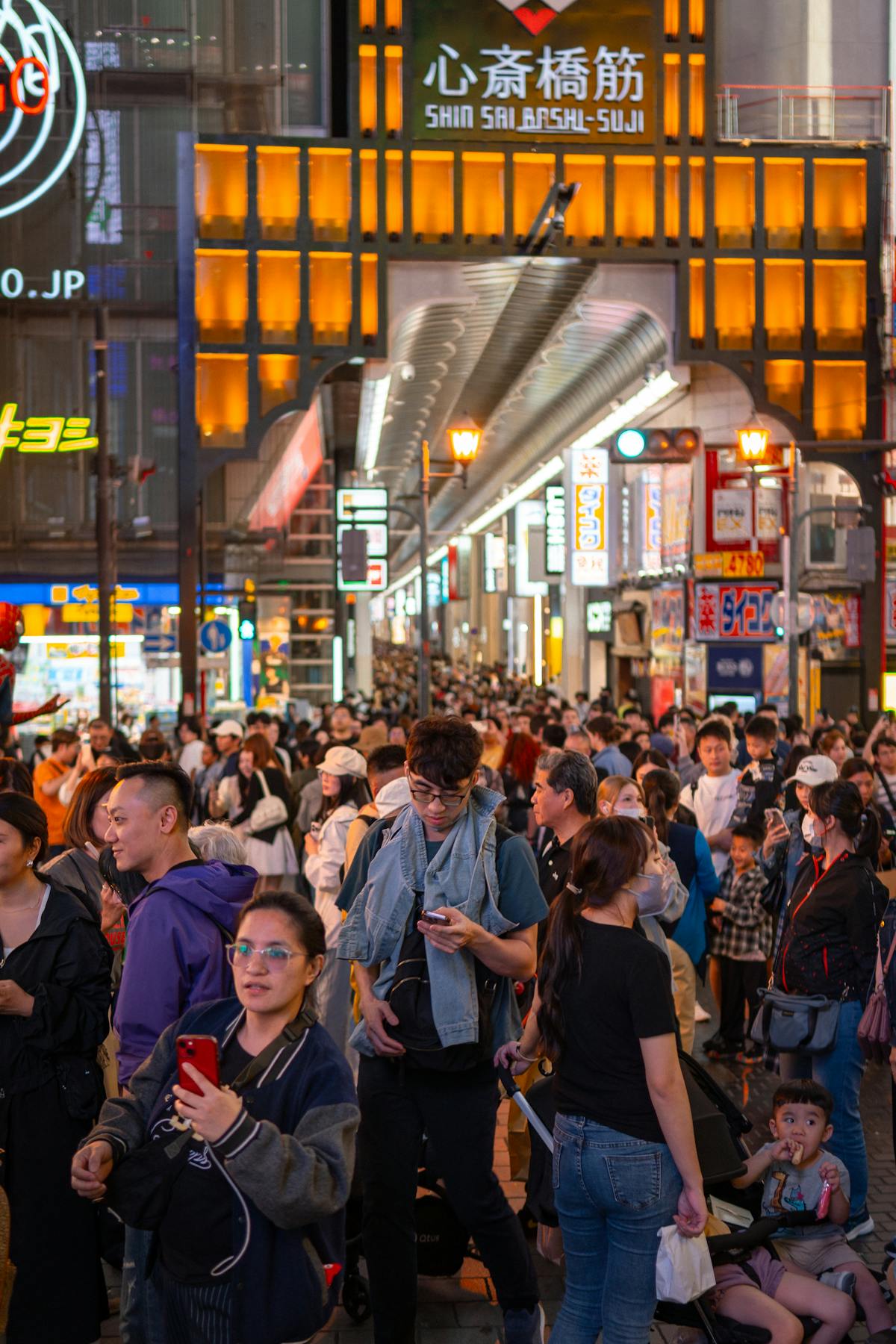
This is where Club Joule and AMMONA pull in touring DJs and run till sunrise. It’s also home to some of Osaka’s best cocktail bars, including the menu-less kind where the bartender asks your mood and builds something to match. Best for: dancing, craft cocktails, and staying out far too late.
Namba and Soemoncho: the entertainment block
Namba is the transit anchor of the south and your fallback when you can’t decide. Just below Dotonbori, Soemoncho packs izakayas, karaoke boxes, bars, and clubs into a few dense blocks. Giraffe sits steps from the Glico sign, with The Pink and GALA RESORT nearby; all three are used to foreign visitors and won’t make you feel like an intruder. The streets toward Nipponbashi hide cheap standing bars and all-you-can-drink joints, and Namba Parks has a couple of rooftop bars if you want the view. Best for: clubbing, variety, and not having to plan your exit train.
Amerikamura: cheaper drinks, weirder music
Amerikamura, or “Ame-mura,” is Osaka’s answer to Shibuya: a small triangle of vintage shops, street art, and a young, fashion-forward crowd. After dark the underground clubs and hip-hop bars open up, and the music leans indie, hip-hop, and electronic rather than the big-room EDM next door in Shinsaibashi. Small live houses host touring bands, the bars around Triangle Park stay creative and late, and a round costs noticeably less than ten minutes east. Best for: live music, underground clubs, and drinking on a budget.
Ura-Namba: where the locals actually drink
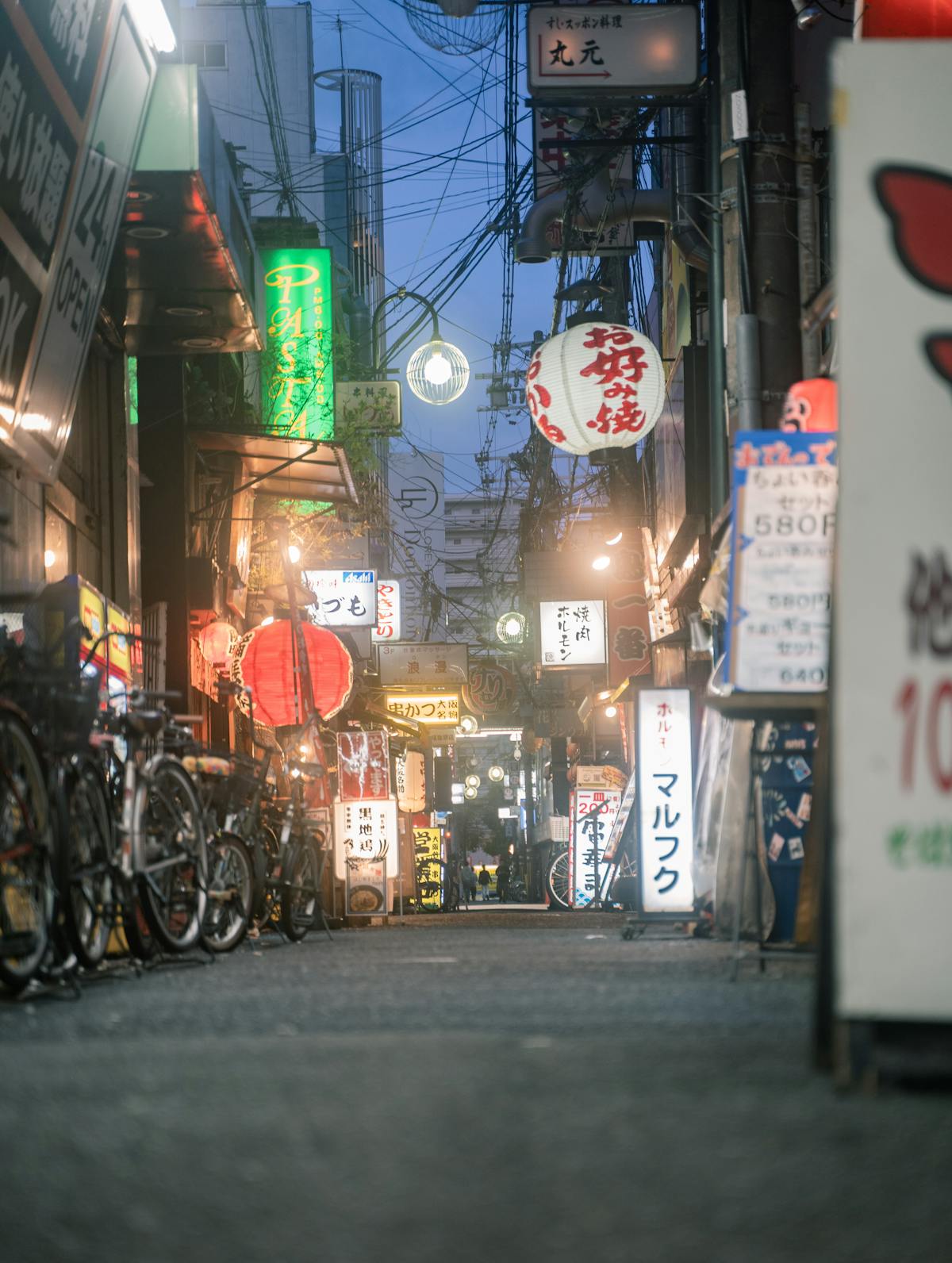
Just east of Namba Station, Ura-Namba (“behind Namba”) has quietly become one of the best places in the city to drink. The polished Namba storefronts give way to narrow alleys lit by red lanterns and paper signs, crammed with tiny izakayas, some seating barely six people, where the chef grills yakitori or rolls sushi an arm’s length away. A red torii gate marks one of the most popular alleys, home to nine curated izakayas serving classic Japanese plates with cold beer and sake. It’s a short walk from Dotonbori and feels like a different country. This is the area our Ura-Namba bar-hopping guide maps street by street. Best for: izakaya hopping and a genuinely local night.
Shinsekai and Jan-Jan Yokocho: old Osaka, cheap as it gets
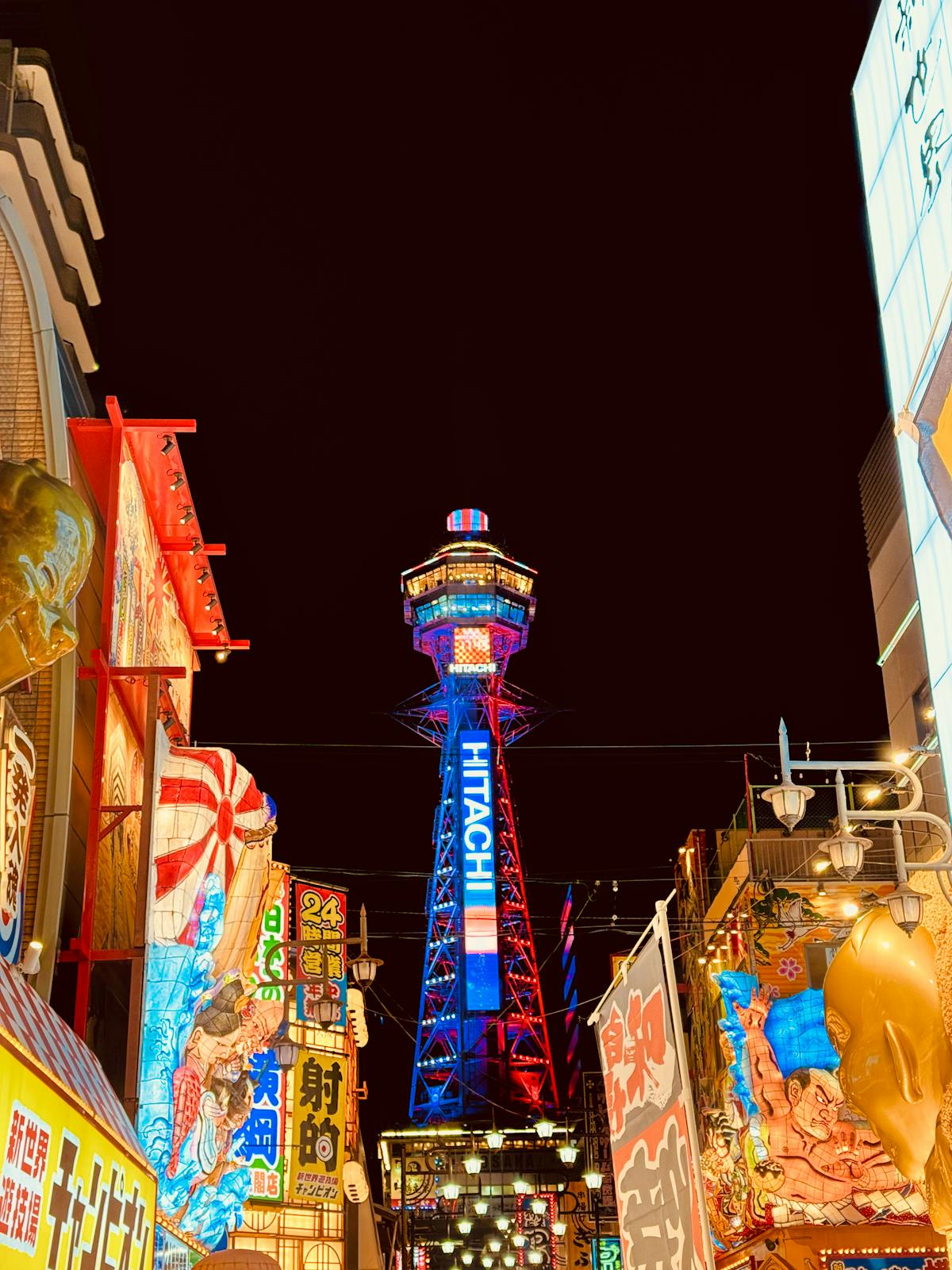
Shinsekai (“new world”) is a time capsule of mid-century Osaka, all garish signage and working-class drinking under the Tsutenkaku Tower. The nightlife centers on Jan-Jan Yokocho, a covered alley of tiny bars and kushikatsu counters that have fed the neighborhood for generations. Prices are about as low as Osaka goes: beer ¥400-600, chuhai ¥300-500, a full evening of drinking and snacking rarely past ¥3,000. It also peaks early, roughly 7pm to 11pm, which makes it a perfect first stop before you head south. Order kushikatsu and remember the one rule that matters: no double-dipping in the shared sauce. Best for: cheap drinking, kushikatsu, and an early start.
Tenma and Nakazakicho: northern backstreets
One stop east of Umeda, Tenma is the north’s version of Ura-Namba: a tangle of standing bars and hole-in-the-wall izakayas that rarely make it into guidebooks. It runs along Tenjinbashisuji, Japan’s longest shopping arcade at 2.6 kilometers, and the side streets hide some of the best-value yakitori and drinks in Osaka. Nearby Nakazakicho is a different animal entirely, old wooden Showa-era houses turned into oddball cafes, art bars, and vinyl shops. Slower, more bohemian, and worth a detour when the Minami crowds wear you out. Best for: standing bars, cheap yakitori, and a creative crowd in Nakazakicho.
Izakaya culture: the real heart of it
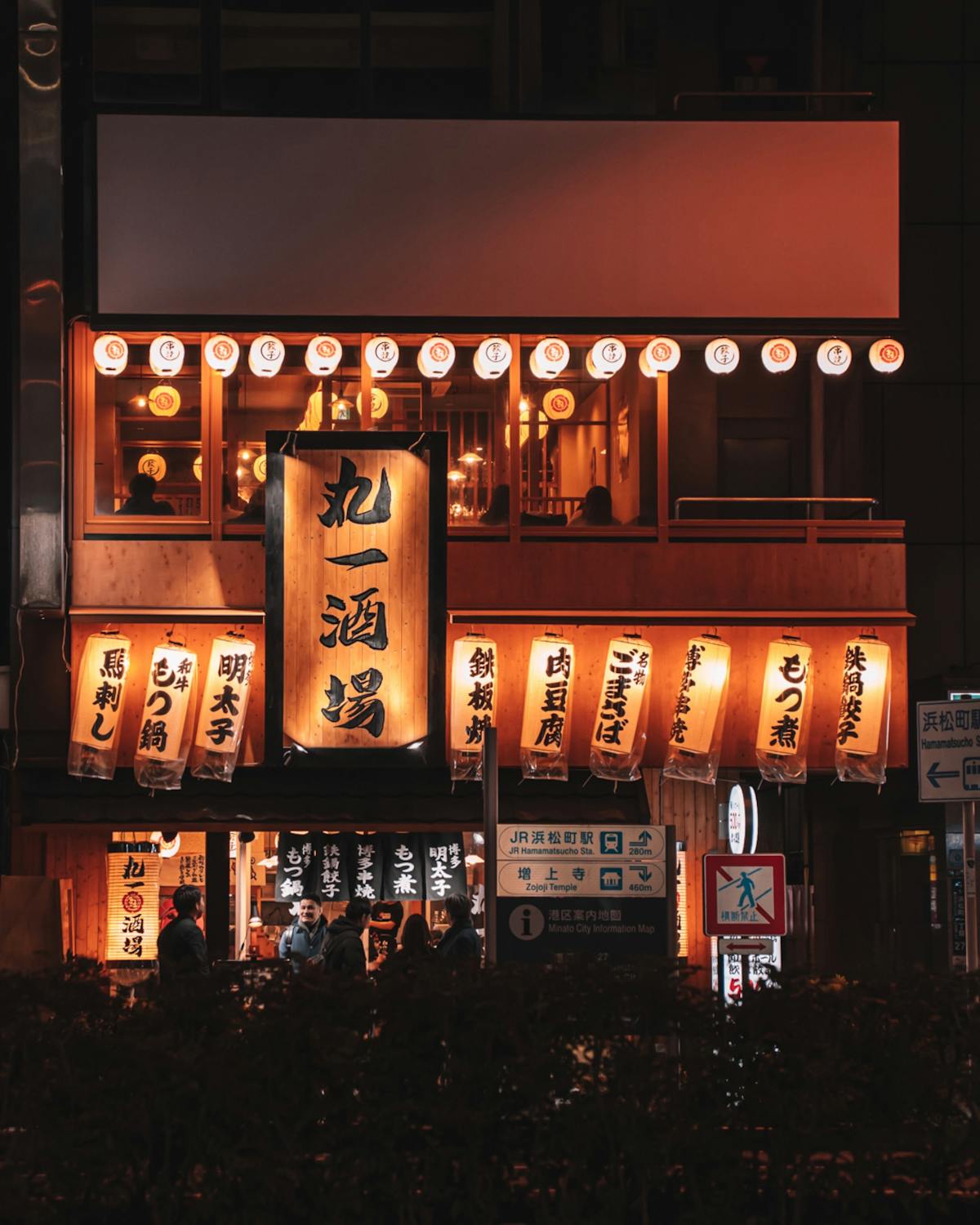
Skip the clubs entirely and you’d still have a great night, because the izakaya is the soul of Osaka drinking. These casual spots serve small plates alongside beer, sake, and shochu, and Osaka’s version runs warmer and rowdier than most, in keeping with the city’s reputation for talking to strangers.
How an izakaya works
Sit down and you’ll get an otoshi, a small appetizer you didn’t order, usually ¥300-500. It’s not a scam; it’s the de facto table charge. From there you order rounds of drinks and plates to share, edamame, yakitori, sashimi, agedashi tofu, and Osaka’s own kushikatsu. Watch for nomihoudai, the all-you-can-drink deals priced around ¥1,500-2,500 for 90 minutes to two hours, usually covering draft beer, chuhai, basic cocktails, and sometimes sake. For a group, it’s hard to beat.
Standing bars (tachinomi): the cheapest seats in the house, except there are no seats
Tachinomi are standing-only bars, and they’re the budget secret of Osaka nightlife. No chairs, low overhead, savings passed straight to you. Drinks start as low as ¥200-300, small plates ¥100-400. The lack of seating keeps people turning over and makes conversation easy, so this is where you’ll actually meet locals. Tenma and Shinsekai are thick with them, but they’re scattered through Namba and Umeda too. Look for 立ち飲み on the sign, or just follow the people standing in an alley with a glass in hand.
Yokocho: bar-hopping in miniature
Yokocho are covered drinking alleys packed with tiny bars and food stalls, and each one has a personality. Hozenji Yokocho near Dotonbori is stone-paved and lined with around 50 atmospheric restaurants beside the moss-covered Hozenji temple. Jan-Jan Yokocho in Shinsekai is gritty and proudly downmarket. The alleys around Tenma feel like a secret you weren’t supposed to find. Etiquette is simple: greet the staff, order at least one drink, and don’t camp out if the place seats six and people are waiting. Solo drinkers are welcome, and a counter seat in a tiny bar is one of the best ways to fall into conversation in Japan.
Bars: cocktails, whisky, sake
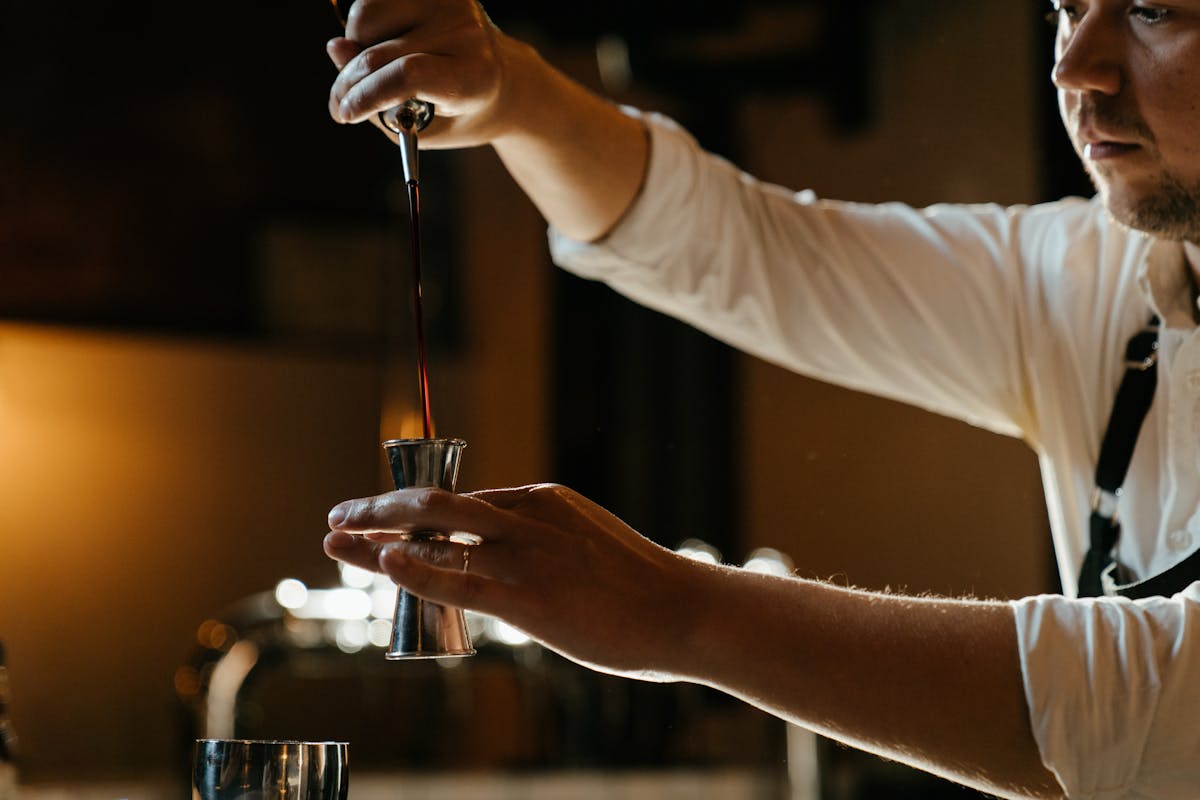
Osaka’s bar scene runs from precise cocktail temples to gleefully silly themed bars. Japan turns out some of the best bartenders alive, and Osaka’s cocktail culture is every bit as refined as Tokyo’s, just less famous and far less crowded. Our roundup of the best bars in Osaka names specific rooms; here’s how the categories break down.
Cocktail bars
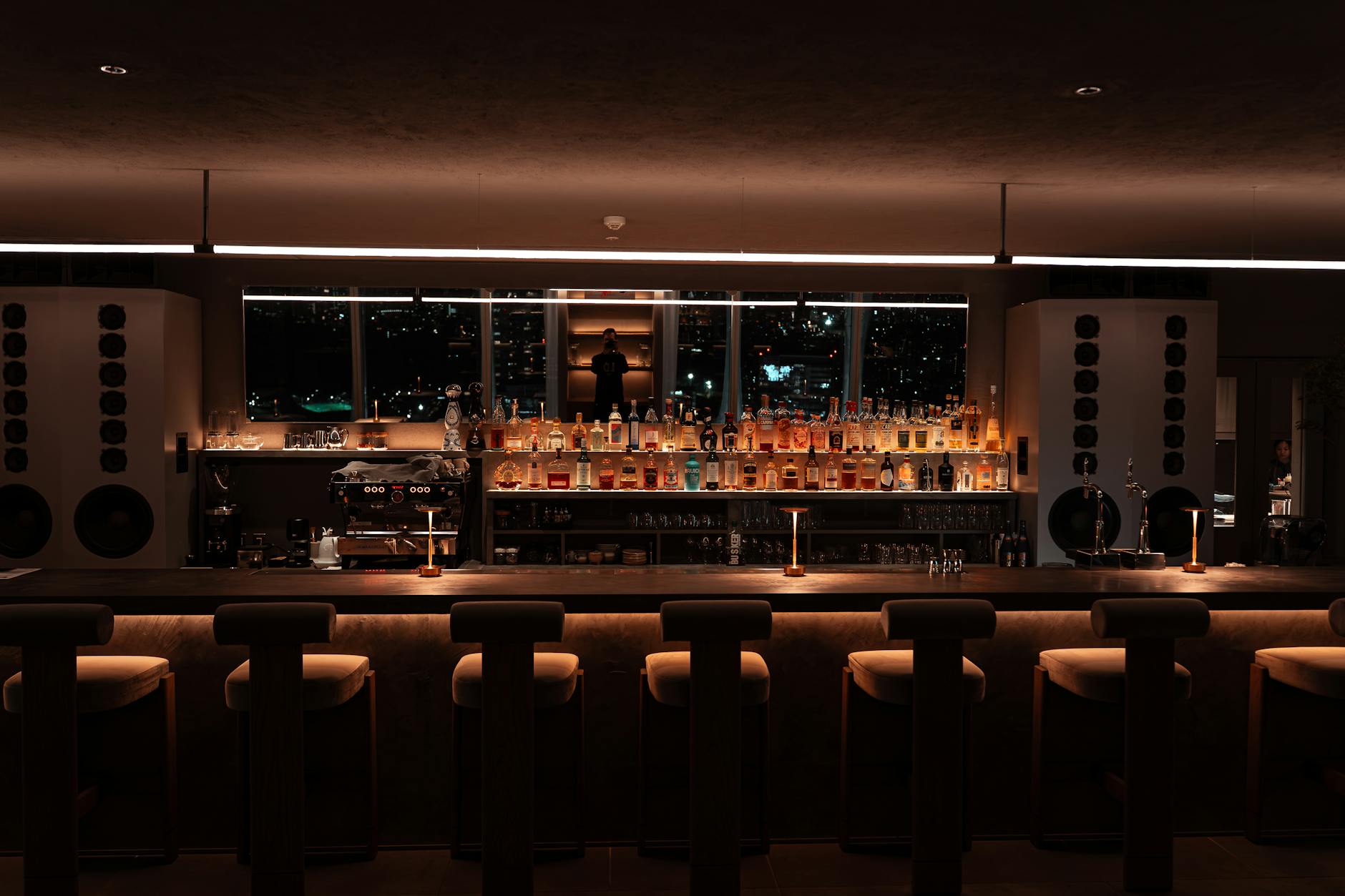
The craft scene clusters in Shinsaibashi and Kitashinchi. Many of the best rooms work without a menu: the bartender asks about your mood and the flavors you like, then builds something on the spot. Call it omakase for cocktails. Expect ¥1,200-2,000 a drink at the upper end, and the care that goes into each one earns it. A tell that a bar takes itself seriously: Baccarat crystal lined up behind the counter. The people pouring usually trained for years under a master before opening their own place.
Whisky bars
Japan’s whisky boom makes Osaka a strong town for a dram. The Suntory Yamazaki Distillery sits a short train ride away in Shimamoto (our day trips from Osaka guide covers the visit), and that proximity means local bars often stock rare bottles you’d struggle to find elsewhere. Kitashinchi and Tenma have the deepest Japanese collections alongside Scottish single malts. The highball, whisky and soda over ice, is the casual order at ¥400-700; neat pours of premium Japanese whisky run ¥1,500 to ¥5,000 and up depending on how rare it is.
Sake bars
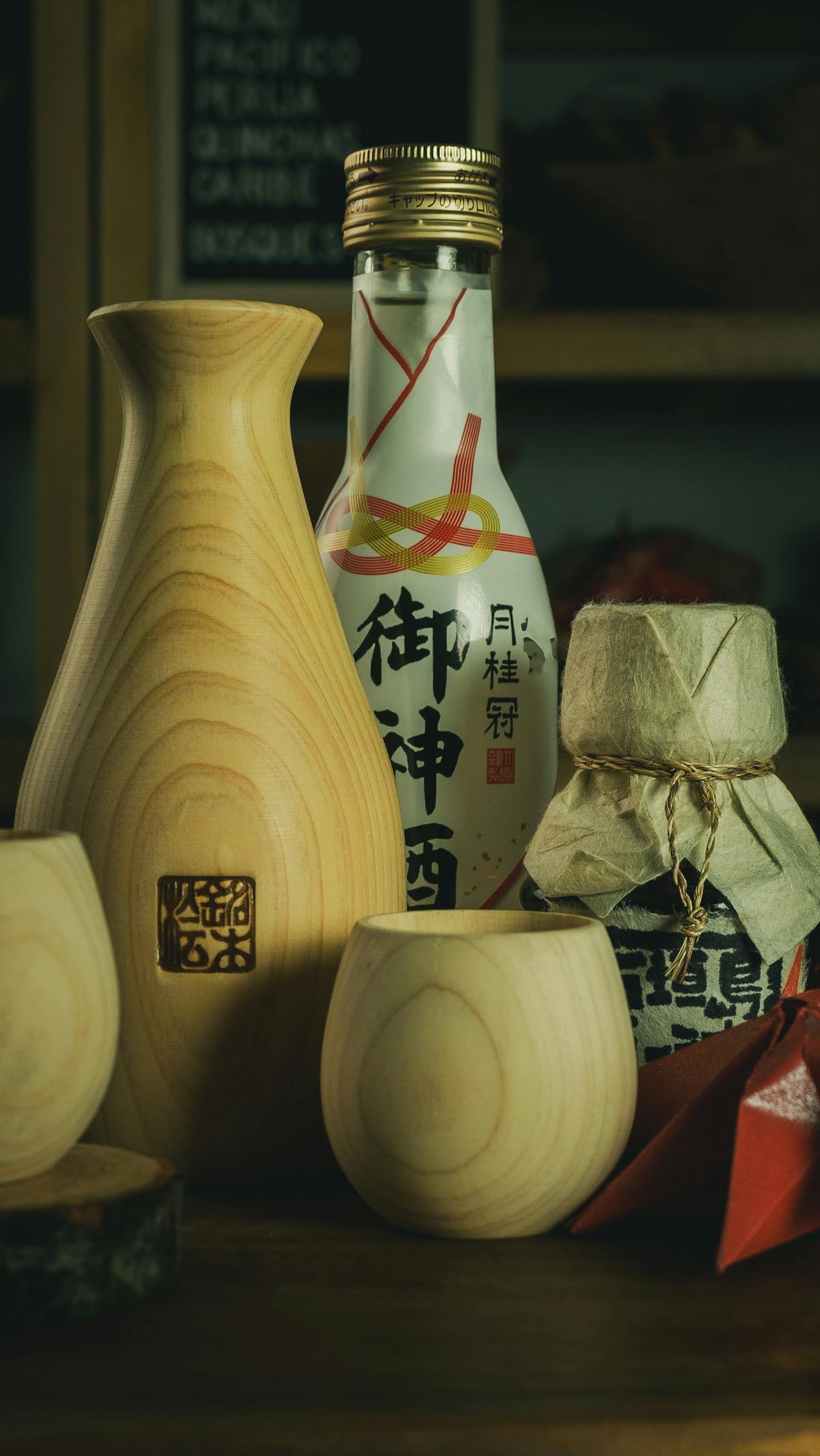
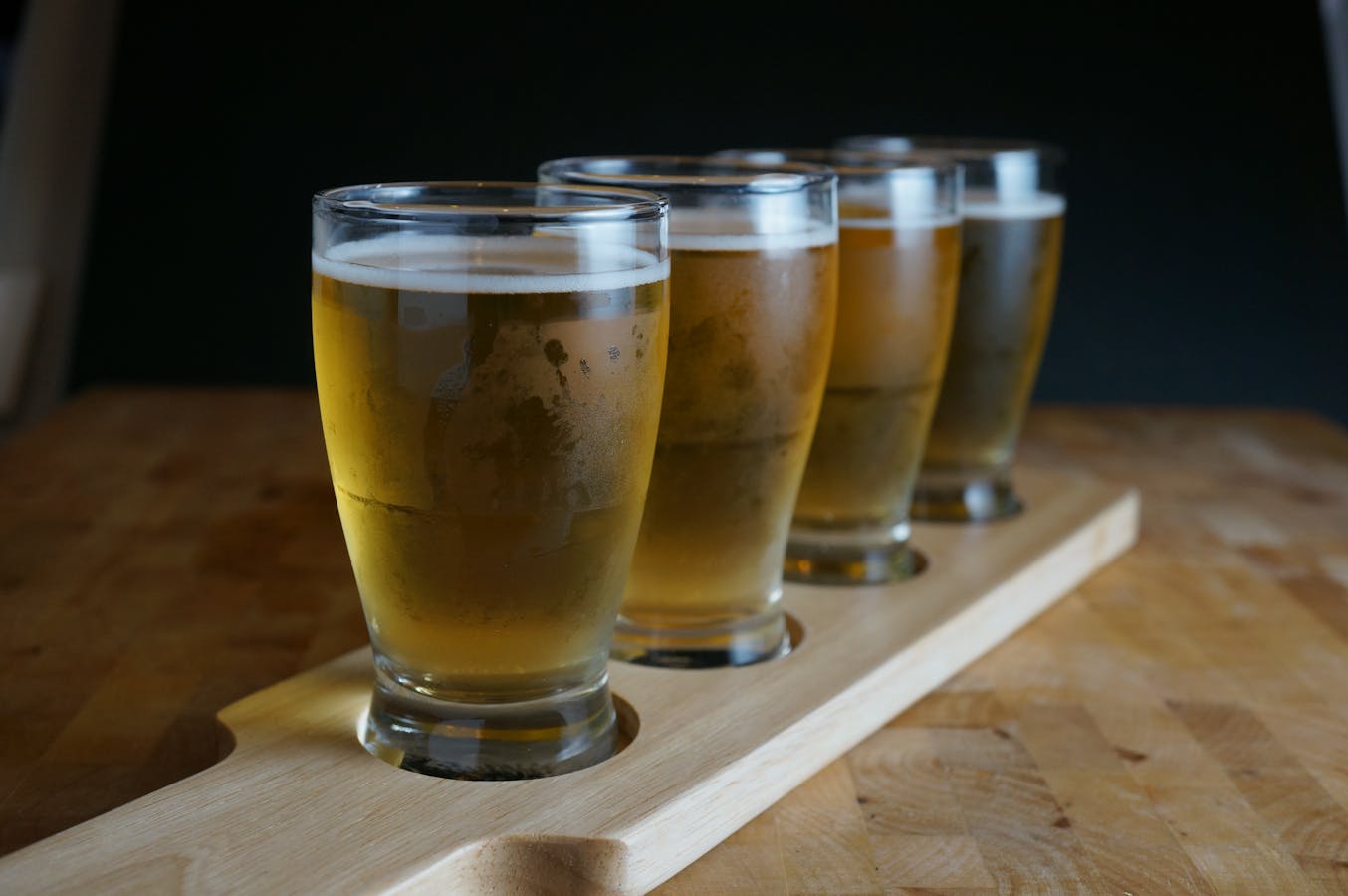
Kansai brews some of Japan’s finest sake, especially the Nada district over in Kobe and Fushimi in Kyoto, and Osaka’s sake bars lean hard on that local pipeline. Many offer tasting flights of three to five pours (¥800-1,500), which is the smart way to figure out whether you lean dry junmai or fruity daiginjo. Standing sake bars in Tenma and Ura-Namba start a single glass at just ¥300-400; for something more refined, the dedicated lounges in Shinsaibashi pair premium bottles with seasonal small plates.
Nightclubs: dancing until the trains return
Osaka’s clubs are smaller than Tokyo’s and punch above their weight on energy, friendliness, and price. Cover charges run lower, drinks cost less, and the crowd is easier to talk to. Almost everything worth knowing sits in Shinsaibashi and Namba, and our guide to the best nightclubs in Osaka goes room by room. A few to know:
Club Joule (Shinsaibashi) is a three-floor flagship: a main dancefloor for around 800, a mezzanine, a VIP level, and a rooftop terrace. Music spans EDM to hip-hop, with international DJs headlining. Cover usually ¥2,000-3,000 including a drink or two.
AMMONA (Shinsaibashi) is the dressier option, high ceilings and chandeliers, events that run to morning, a well-turned-out crowd. Cover ¥2,500-3,500.
Giraffe (Dotonbori) sits steps from the Glico sign and pulls a mix of tourists and locals. Unpretentious and party-first, it’s a safe bet for a first night out. Cover ¥1,500-2,500.
GALA RESORT (Namba) is newer and especially easy for visitors, with English-speaking staff and a welcoming door. The music stays mainstream, EDM and pop remixes.
One thing nobody can wave you past: Japanese clubs require photo ID, so carry your passport or a clear copy. Doors open around 10-11pm but the floor doesn’t fill until midnight or later. Cover almost always includes at least one drink. Dress up a little for Shinsaibashi; Amerikamura couldn’t care less. Check each club’s social feeds for guest DJs and one-off events.
Karaoke: no talent required

Japan invented modern karaoke and Osaka throws itself into it. Forget singing to a bar full of strangers; here you book a private room (a karaoke box) and perform for your own group, which means you don’t need to be any good. You check in, pick a room size and a time slot, and get a remote and a song catalog, though most chains now run touchscreen tablets with English search. Order drinks and food at the desk, by room phone, or through the tablet.
Pricing is per person per hour, usually ¥500-1,500 in prime evening hours, with late-night packages from midnight to 5am offering unlimited time for ¥1,500-2,500. The big chains, Karaoke Kan, Big Echo, Joysound, and Round One, blanket Namba, Shinsaibashi, and Umeda with deep English catalogs and all-you-can-drink add-ons. Karaoke Kan is the one from Lost in Translation and stays a favorite for visitors. For more of a scene, open-mic spots like The Drunken Clam in Shinsaibashi let you sing to a friendly room with a strong English songbook. Our full guide to karaoke in Osaka covers prices and how it all works.
Late-night food: the part Osaka does best
The nickname “Japan’s Kitchen” holds at every hour, but the small-hours food is where Osaka really shows off. Plenty of kitchens and stalls around Dotonbori and Namba serve until 2-4am, so the post-bar meal is just part of the night.
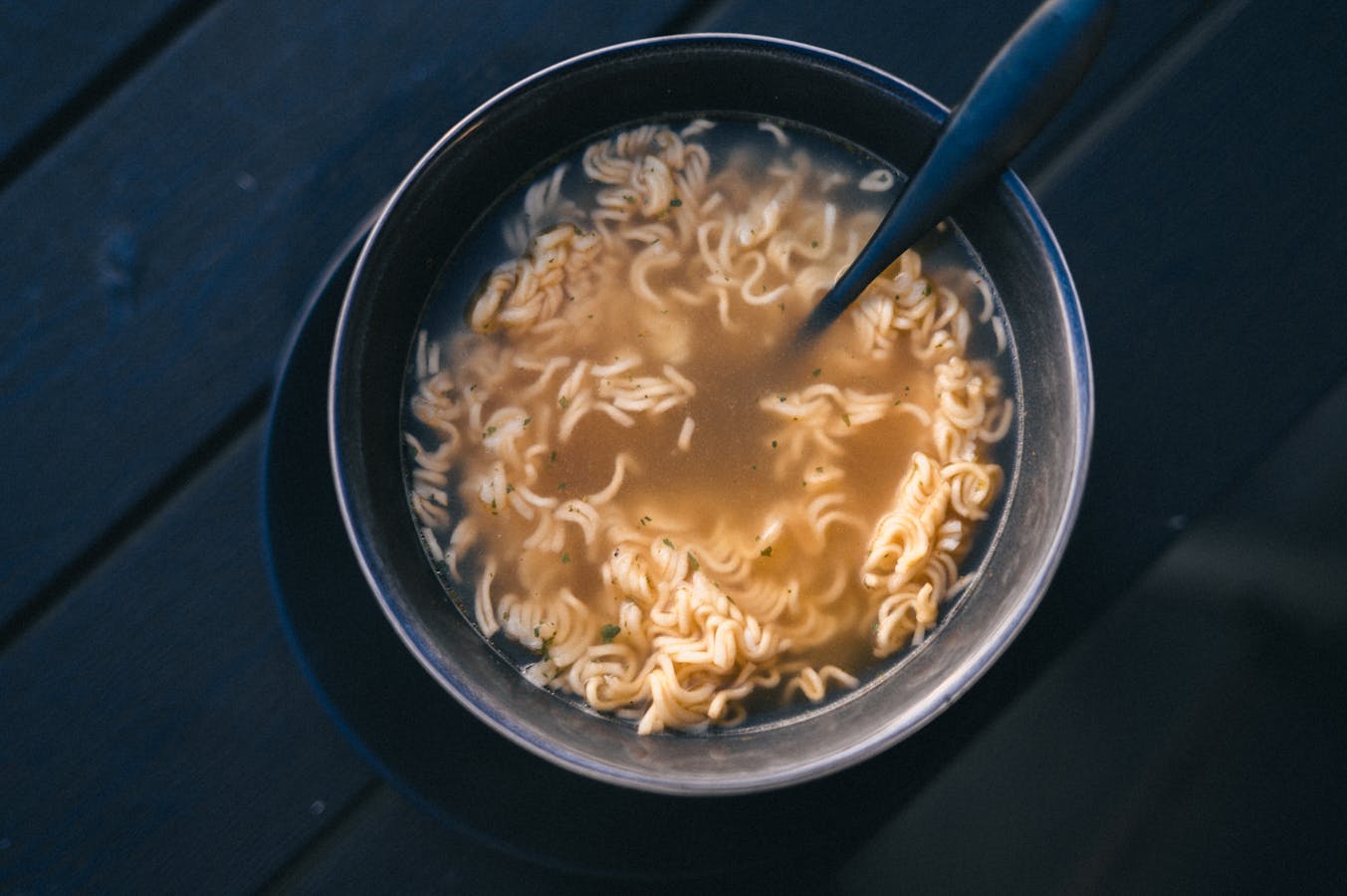
Ramen. Late-night ramen is basically a ritual. Ichiran (24 hours, solo booths) and Kamukura in Dotonbori pour the rich tonkotsu that fixes a night of drinking, around ¥800-1,200.
Takoyaki and kushikatsu. Dotonbori takoyaki stalls run past midnight, and Shinsekai’s kushikatsu counters often go into the early hours. Both want a cold beer next to them.
Konbini. Japan’s convenience stores are genuinely good and open around the clock. FamilyMart, 7-Eleven, and Lawson do onigiri, sandwiches, fried chicken, and passable sake, which is a lifesaver in the dead hours between last train and first. For the full late-night map, see our late night food guide.
What to drink: a quick translation
Knowing the local menu saves a lot of pointing. The usual suspects:
Nama biiru (draft beer) is the default at any izakaya. Asahi, Kirin, Suntory are the big three; a medium glass runs ¥400-600. Local craft is growing, ¥700-1,000 a pint at brewpubs.
Chuhai is shochu with soda and a fruit flavor, lemon, grapefruit, or plum most often. Light and cheap at ¥300-500, the unofficial house pour of Osaka’s standing bars.
Sake (nihonshu) comes cold (reishu), room temperature (hiya), or warm (atsukan). Kansai is one of Japan’s great sake regions, so the local lists run long and good.
Highball is whisky and soda in a tall, ice-cold glass, an everyday drink at ¥400-700 and lighter than it sounds.
Umeshu is plum wine, sweet and smooth over ice or with soda, and an easy way in if Japanese alcohol is new to you.
Practical notes for a night out
Getting home
Trains and the metro run until roughly midnight, then restart around 5am. That leaves a dead zone, and you have three ways through it. Taxis work but cost: Namba to Umeda runs about ¥1,500-2,000. Ride apps like GO or S.RIDE are easy. Or you do what half of Osaka does and simply stay out until 5am, which is exactly why clubs and karaoke boxes sell those all-nighter packages. If your hotel is near Namba or Shinsaibashi, the whole district is walkable anyway. Our transportation guide has the late-night details.
Doing it cheap
You can have a great night on almost nothing. Standing bars and Shinsekai’s izakayas cover a whole evening for under ¥2,000. Izakaya all-you-can-drink (¥1,500-2,500 for two hours) is the best value going. Happy hours, usually 5-7pm, knock down the price of a draft. Late-night karaoke packages (midnight to 5am) buy you hours of entertainment for ¥1,500-2,500. And at the bottom of the budget, a canned chuhai from the konbini starts around ¥150. More tactics in our budget travel guide.
Safety and manners
Osaka is one of the safest big cities anywhere, and the nightlife areas stay safe even at 4am. Still, use your head: keep your belongings close, and be wary of touts steering you into specific bars, especially in Shinsaibashi, where a few places quietly inflate prices for tourists. A couple of etiquette points: don’t eat or drink while walking (it reads as rude here), keep the volume down on residential streets late at night, and carry that passport for club doors. Tipping isn’t a thing and mostly just confuses people.
Smoking
Japan’s 2020 indoor smoking ban cleared the air in most restaurants and bigger bars, but plenty of small ones, older izakayas and standing bars especially, still allow it. If you want smoke-free, look for the 禁煙 (kin’en) sign at the door, or ask “kin’en desu ka?” on the way in.
Three nights, three plans
Classic first night: Dotonbori and Namba (6pm to midnight)
Start with street food along the Dotonbori canal around 6pm, takoyaki and a beer from a stand. Walk east to Hozenji Yokocho for a drink in one of the lantern-lit alley bars. Move to Soemoncho for an izakaya dinner with all-you-can-drink. Cap it at a karaoke box near Namba Station, or if you’ve still got it in you, one of Shinsaibashi’s clubs.
Budget night: Shinsekai and Tenma (5pm to 11pm)
Start early in Shinsekai with kushikatsu and cheap beer at Jan-Jan Yokocho, around ¥2,000 for a full dinner with drinks. Ride the Sakaisuji Line north to Minami-Morimachi and walk into Tenma’s standing-bar district. Bounce between two or three tachinomi, picking at yakitori and highballs at ¥200-400 a drink. Total for the night: under ¥4,000.
All-nighter: Shinsaibashi and Amerikamura (9pm to 5am)
Open with cocktails at a Shinsaibashi craft bar around 9pm. Hit Club Joule or AMMONA near midnight for dancing. Step out around 2am for late-night ramen in Dotonbori. Drift to an Amerikamura bar for live music or hip-hop. Finish with one last drink and wait out the 5am first train, or grab a karaoke room to burn the final hour.
District cheat sheet
Quick reference for matching a district to your mood:
- Dotonbori — Electric, tourist-heavy. For street food, neon photos, first nights. Price $$.
- Shinsaibashi — Glamorous, high-energy. For clubs, cocktails, dancing. Price $$$.
- Namba / Soemoncho — Diverse, lively. For clubs, variety, easy transit. Price $$.
- Amerikamura — Indie, creative. For live music, hip-hop, cheap rounds. Price $.
- Ura-Namba — Tucked-away, authentic. For izakaya hopping and locals. Price $$.
- Shinsekai — Retro, working-class. For budget drinking and kushikatsu. Price $.
- Tenma — Local, unpretentious. For standing bars and off-radar yakitori. Price $.
- Umeda / Kitashinchi — Refined, upscale. For cocktail lounges and rooftops. Price $$$.
- Nakazakicho — Bohemian, quirky. For art bars, vinyl bars, a creative crowd. Price $$.
Frequently asked questions
Is Osaka nightlife better than Tokyo’s?
Different, and for a lot of people more fun. Osaka is cheaper, the crowds are friendlier, and the izakaya and standing-bar culture is unmatched. Tokyo has more big clubs and more famous cocktail bars, but Osaka’s compact south means you can pack three or four very different bars into one short walk.
What time does it all wind down?
Depends where you are. Shinsekai and Tenma quiet down around 11pm to midnight. Dotonbori, Shinsaibashi, and Namba run much later, with clubs going until 5am when the trains restart. Many bars and izakayas close around 1-2am, but you’ll always find late food and a konbini.
Do I need to book bars or clubs ahead?
Rarely. Most izakayas, standing bars, and clubs take walk-ins. The exceptions are tiny counter cocktail bars that seat a handful of people and some hostess-style spots; for those, a reservation or a local introduction helps. Clubs just want your ID at the door.
Is it safe to go out solo?
Very. Osaka is safe late at night, and counter bars are practically built for solo drinkers, sit down, order, and you’ll usually end up talking to whoever’s next to you. Stick to the busier streets, watch for the occasional pushy tout in Shinsaibashi, and you’ll be fine.
Where to base yourself
Nightlife runs smoothest when you can stumble home, so staying in Namba or Shinsaibashi puts most of the action within walking distance, our where to stay in Osaka guide breaks down the areas. Fill your days from things to do in Osaka, and the shopping guide covers the daytime version of Shinsaibashi and Amerikamura before they switch over at night. Then do the simple thing: follow the lanterns down a back alley, order what the person beside you ordered, and let the city’s loud, generous hospitality carry the rest of the night.
Explore the full Osaka Nightlife Guide series
From first drink to last train, here’s the full after-dark line-up:
- Best Bars in Osaka 2026: Cocktail Bars, Whisky & Speakeasies
- Best Nightclubs in Osaka 2026: Where to Dance Until Sunrise
- Dotonbori After Dark: Osaka Nightlife Guide 2026
- Karaoke in Osaka 2026: Best Spots, Prices & How It Works
- Kitashinchi Guide: Osaka’s Upscale Nightlife District
- Late Night Food Osaka 2026: 24-Hour Eats & Post-Midnight Guide
- Osaka Craft Beer & Sake 2026: Best Breweries, Bars & Tastings
- Ura-Namba Bar Hopping: Osaka Backstreet Drinking Guide 2026
For a first hour with a view before the night proper starts, our guide to the best rooftop bars in Osaka sorts the genuinely open-air terraces from the forty-storey glass lounges, and says plainly which are worth the cover charge.
Whisky has its own page: our guide to Osaka whisky bars names the best counters in Umeda, Kitashinchi and Namba and explains what a dram really costs.