This article contains advertising. Our booking links are routed through a partner that adds commission tracking automatically, so if you book through one we earn a commission from the provider, at no extra cost to you. It never affects what we recommend. Affiliate disclosure
Osaka has been a merchant city for centuries, and it still shows in the shopping. Covered arcades that predate the cars outside them sit a block from glass department stores; underground malls run for a kilometer beneath the stations; and whole districts specialize, one for high fashion, one for anime figures, one for kitchen knives. This guide maps the retail districts that matter, the markets worth your morning, what to actually buy, and how to claw back the 10% consumption tax on the way out.
The short version: north (Umeda) is polished department stores, south (Shinsaibashi and Namba) is arcades and youth fashion, and the specialist quarters — Den Den Town for electronics, Amerikamura for vintage, Kuromon for food and blades — reward anyone who knows what they’re after. To get between them, our Osaka transportation guide handles the trains, and the Osaka neighborhoods guide fills in the character of each area.
Shinsaibashi: the arcade everyone shops first
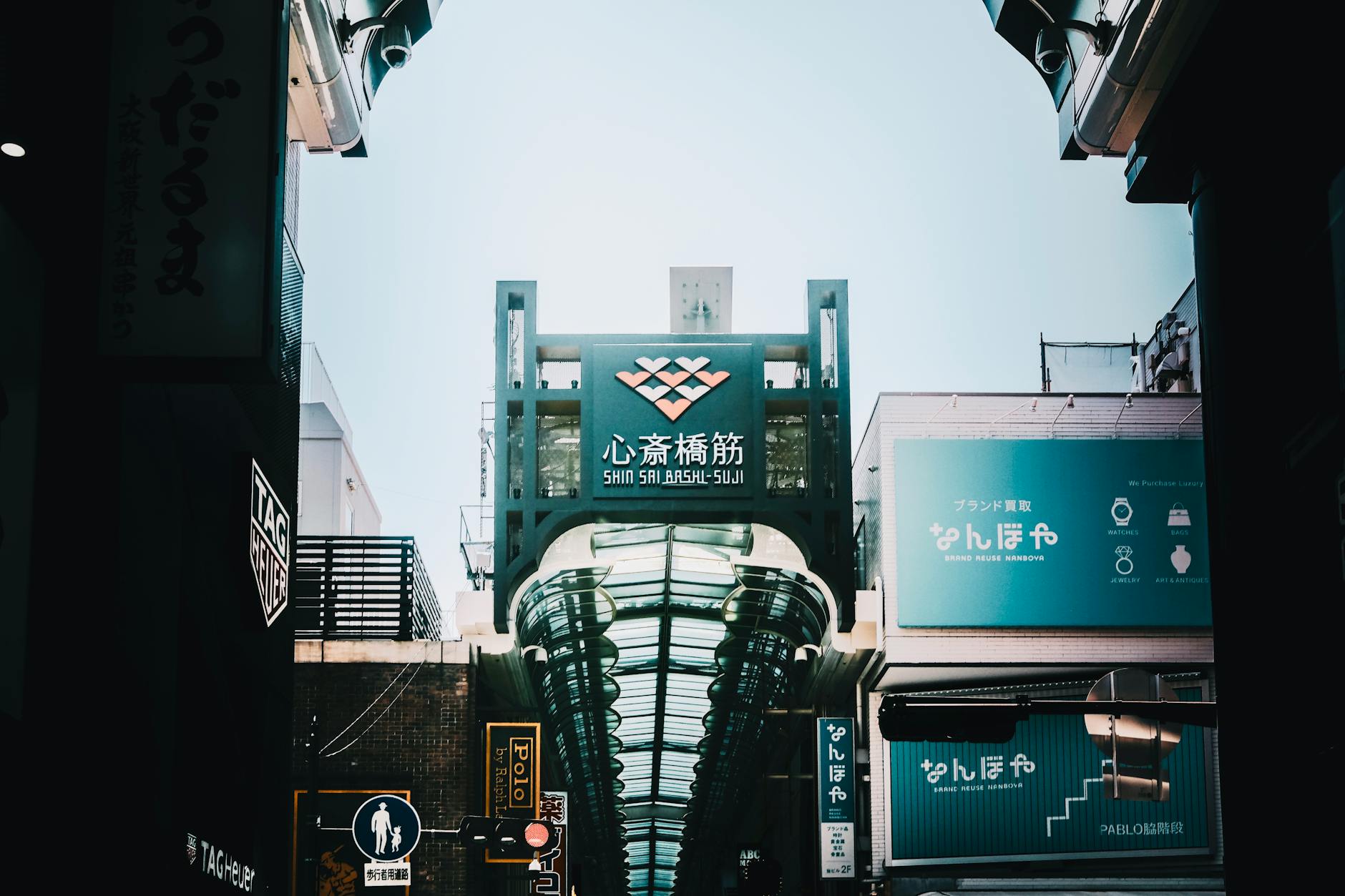
Shinsaibashi-suji is Osaka’s best-known shopping area, with roots in the Edo period — a covered arcade running about 600 meters from Shinsaibashi Station south toward Dotonbori. Under the arched glass roof you get the lot: international luxury houses, Japanese high-street chains, indie boutiques, drugstores, and restaurants wedged between them. The anchor is Daimaru Shinsaibashi. Ride up for fashion and cosmetics, but don’t skip the depachika in the basement — premium bento, wagashi, fruit, and gift boxes that double as some of the best souvenirs in town.
Here’s the thing about the main drag, though: it pays to step off it and wander the side lanes. Tax-free shopping starts at ¥5,000 before tax at the same store on the same day, so bring your passport — the difference from a Saturday is night and day. The full street-by-street is in our Shinsaibashi shopping guide.
Umeda and Kita: department stores, stacked
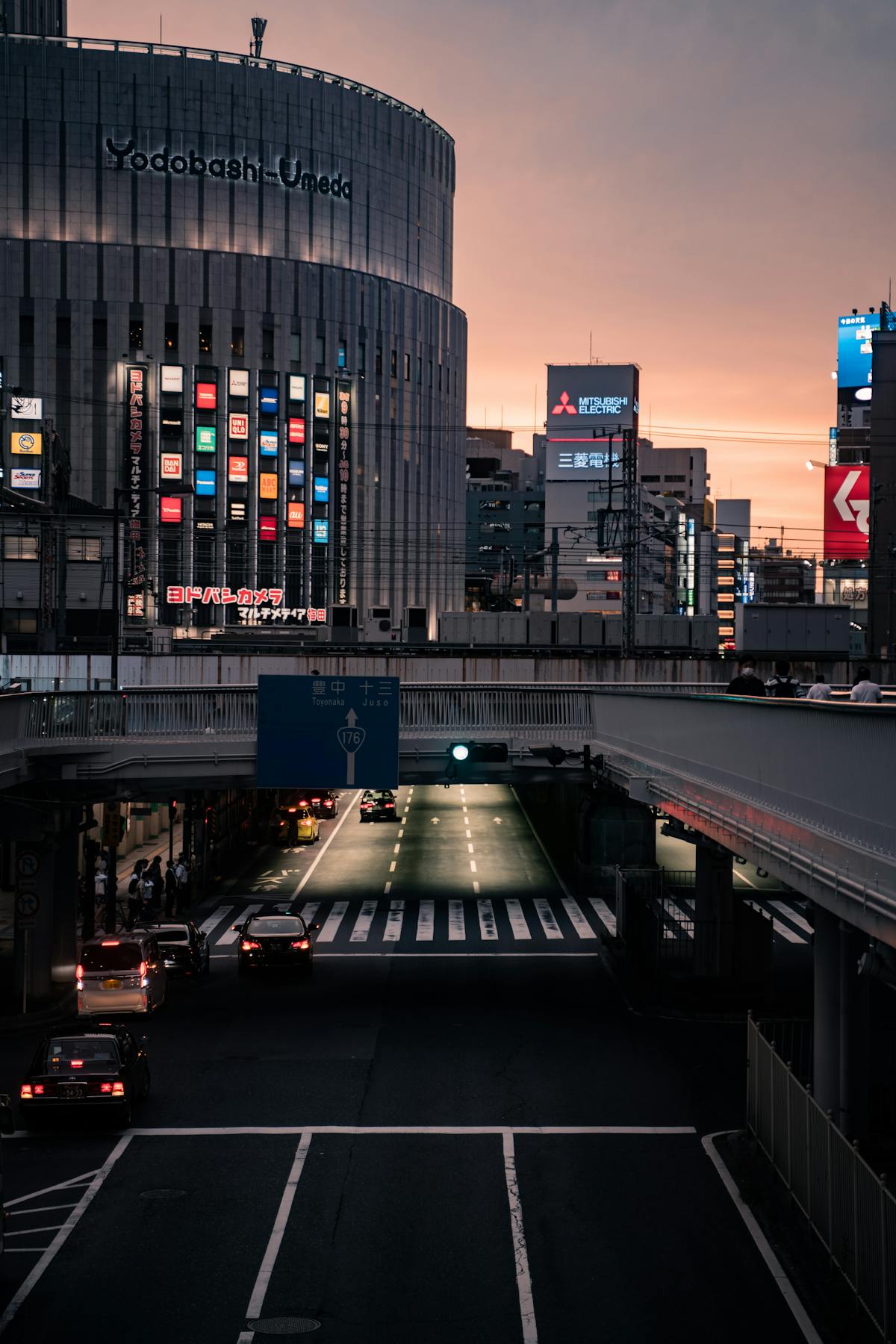
Umeda, in the north, is a district of department stores and upscale malls, and the shopping here runs more refined — well-curated, well-lit, and built around major stations. The crown is Hankyu Umeda Main Store, one of Japan’s most prestigious department stores, with whole floors of designer fashion and an extraordinary food hall. Hanshin Umeda leans gourmet and everyday wear; Daimaru Umeda, inside the JR Osaka Station complex, spans luxury to mid-range. The three sit within a five-minute walk of each other, which is how you lose an entire afternoon.
Beyond the big three, Grand Front Osaka sits just north of the station, and HEP FIVE is a fashion building with a red Ferris wheel. And below all of it, Whity Umeda and Diamor Osaka run a vast underground network of shops and cafes in climate-controlled comfort — your move on a rainy day or a brutal August afternoon. It’s disorienting at first; the payoff is worth the wrong turns. For the store-by-store rundown, see the Osaka department stores guide.
Namba and Dotonbori: retail with the volume up
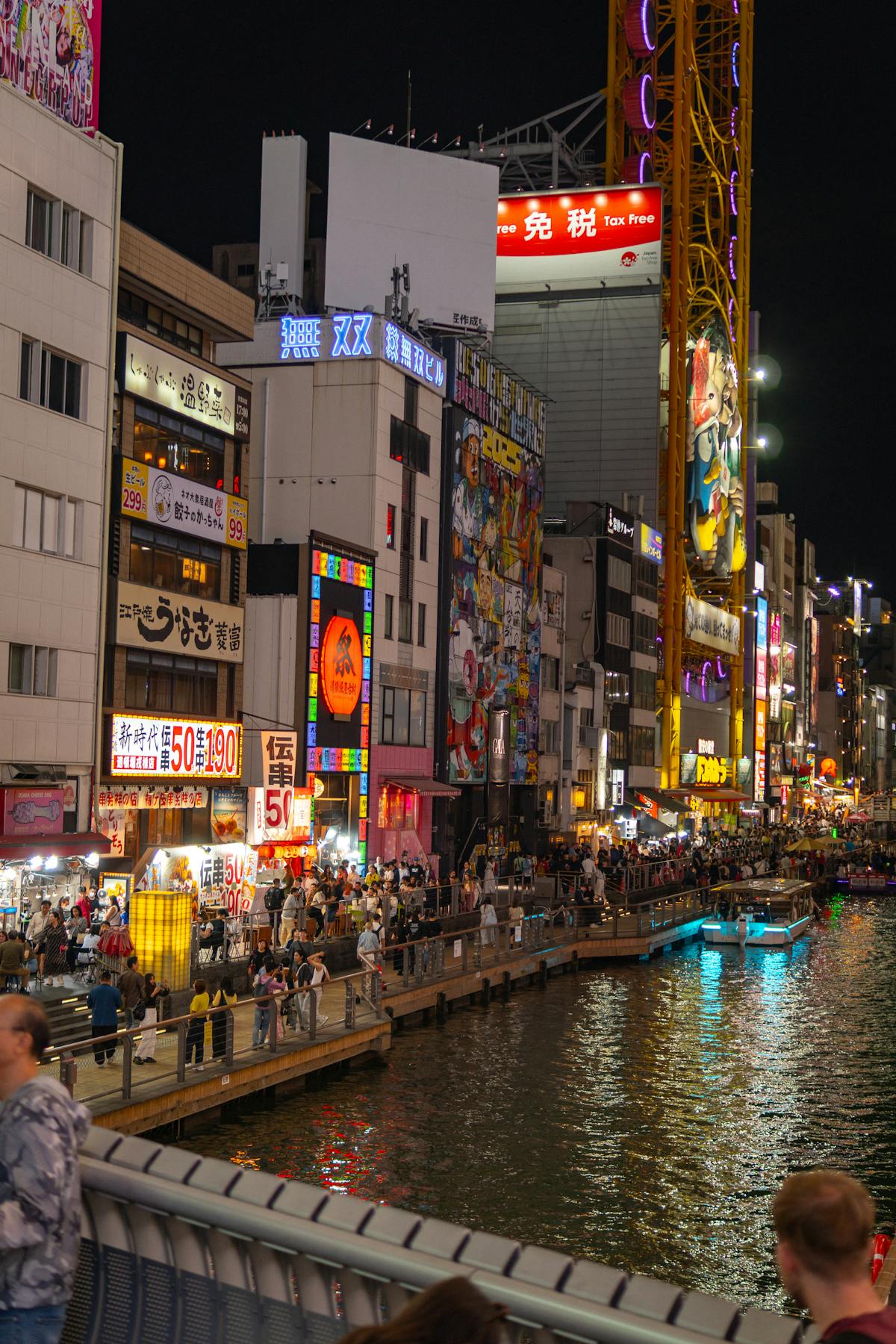
The Namba-Dotonbori stretch mixes shopping with the loudest atmosphere in the city. Dotonbori itself is mostly food and nightlife (that’s the Osaka food guide‘s territory), but the surrounding blocks are dense with retail, from major chains to gloriously odd specialty shops. Namba Parks is the architectural showpiece — a mall crowned with a terraced rooftop garden climbing eight floors, with Japanese and international fashion below and a cinema on top. Next door, Namba City wires straight into Nankai Namba Station.
The sleeper here is Namba Walk, an underground shopping street running 715 meters between Namba and Nipponbashi with 210 shops — — flowing into the Namba Nannan area beneath the station. And Don Quijote Dotonbori deserves its own mention: a massive branch of the famous discount chain, jammed canal-side, open till the small hours, floors overstuffed with cosmetics, snacks, electronics, and costume gear at sharp prices, tax-free counter included. The Ferris wheel bolted to its roof is a Dotonbori landmark in its own right.
Amerikamura and Horie: vintage and independent
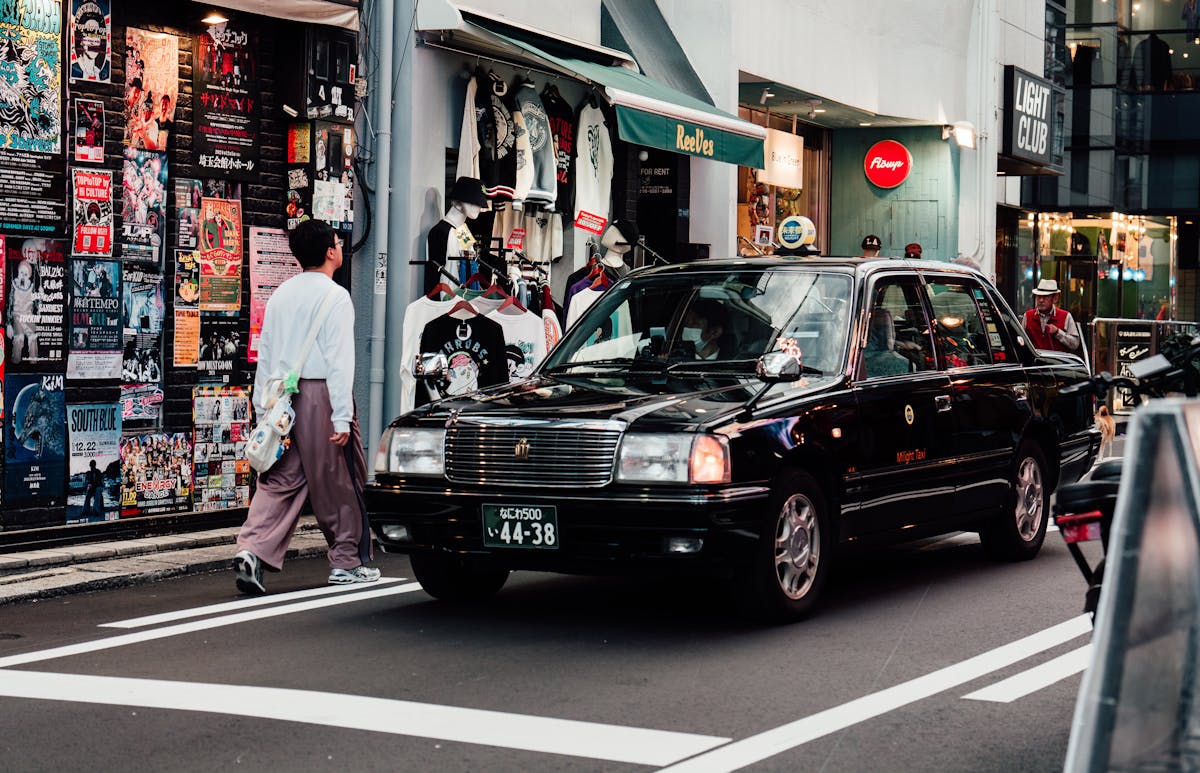
For fashion that isn’t mall fashion, Amerikamura (American Village) and neighboring Horie, both just west of Shinsaibashi, are where Osaka’s creative set actually shops. Amerikamura’s tight streets are stacked with vintage stores — imported American denim, military surplus, and rare Japanese streetwear from the likes of A Bathing Ape, Neighborhood, and Visvim. Throw in record shops and skate suppliers, and you have a proper countercultural pocket. Prices on vintage tend to undercut the equivalent in Tokyo’s trendy neighborhoods, which is reason enough to dig in.
South of there, Horie’s Orange Street (Tachibana-dori) does a calmer, more polished version of independent retail: curated lifestyle shops, furniture and design studios, international cafes, and Japanese fashion boutiques. The pace is slower, made for browsing rather than hunting, and the area is especially strong on home goods, ceramics, and design objects — the kind of lightweight, won’t-break-in-your-bag souvenir worth carrying home. Both areas get the full treatment in the Osaka vintage shopping guide.
Den Den Town: electronics, anime, and retro games
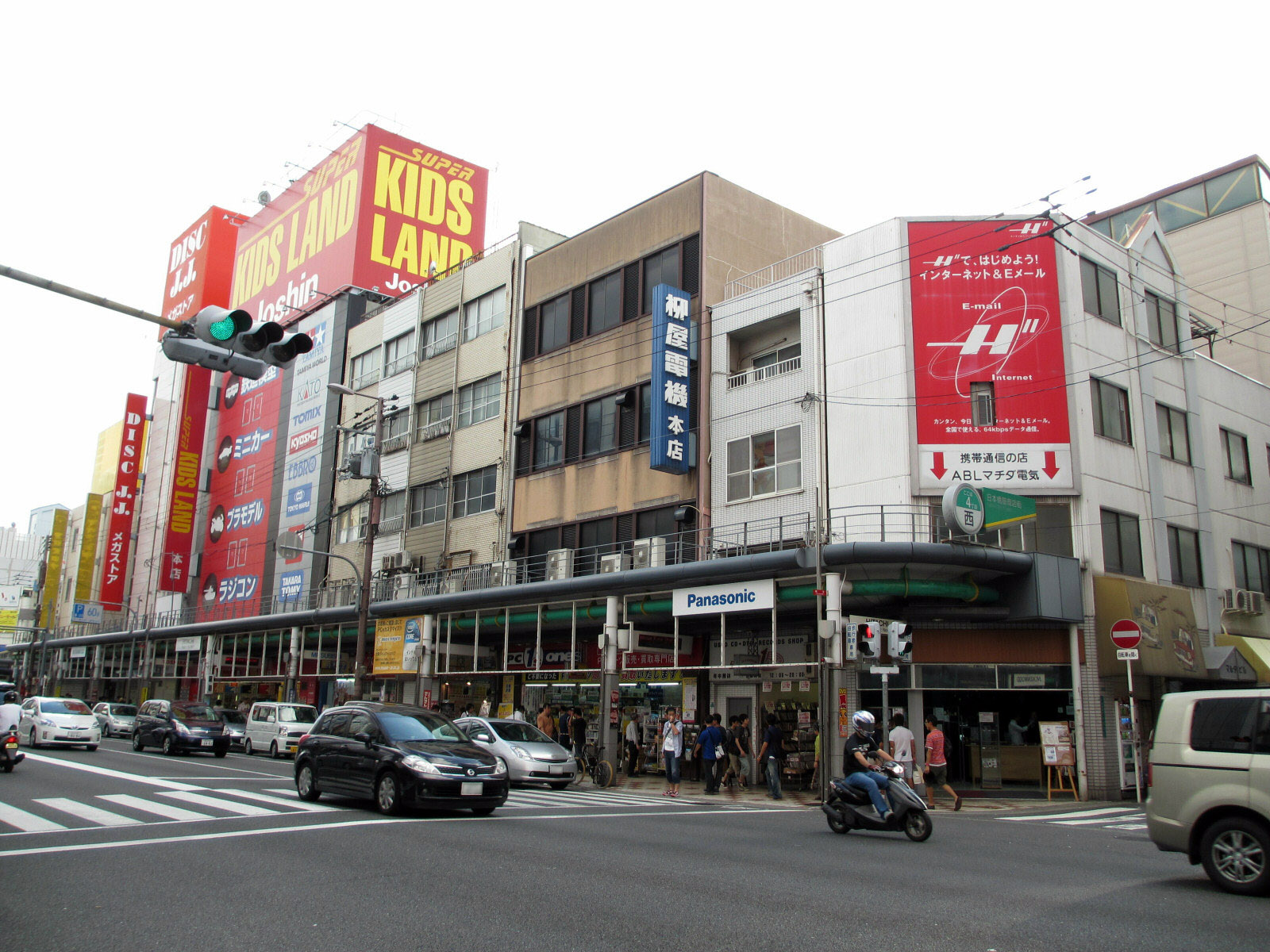
Running south from Namba into Nipponbashi, Den Den Town is Osaka’s electronics-and-otaku district — the local Akihabara, only more compact and a lot less overwhelming, with competitive prices and that looser Osaka feel. The main street is lined with multi-floor shops selling the newest cameras and gadgets alongside specialists in retro gaming hardware, vintage anime cels, and rare figures. Mandarake runs a big branch sorted floor by floor, from shonen and shojo manga up to tokusatsu figures and doujinshi. A handful of maid cafes fill out the scene, and weekends bring cosplayers to the main thoroughfare.
One practical tip: for electronics, compare the big chains (Joshin, Edion) against the smaller independents, which sometimes beat them, especially on older or discontinued models. Most retailers here do tax-free and will switch devices to English-language settings if you ask. The deep dive lives in the Den Den Town shopping guide.
The markets worth a morning
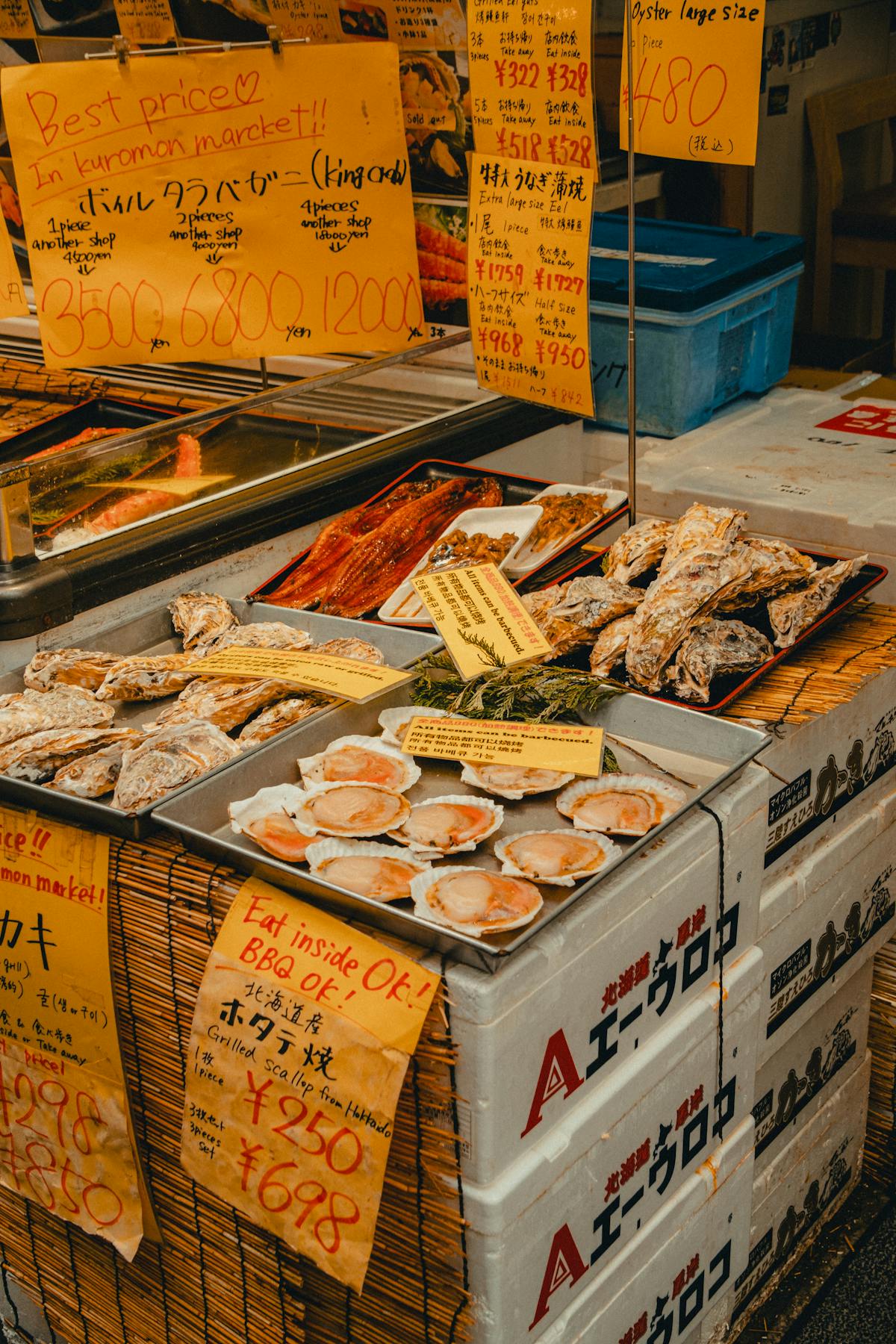
Osaka’s markets are some of its most memorable shopping — seafood and street food, kitchen tools and crafts, all best tackled early.
Kuromon Market
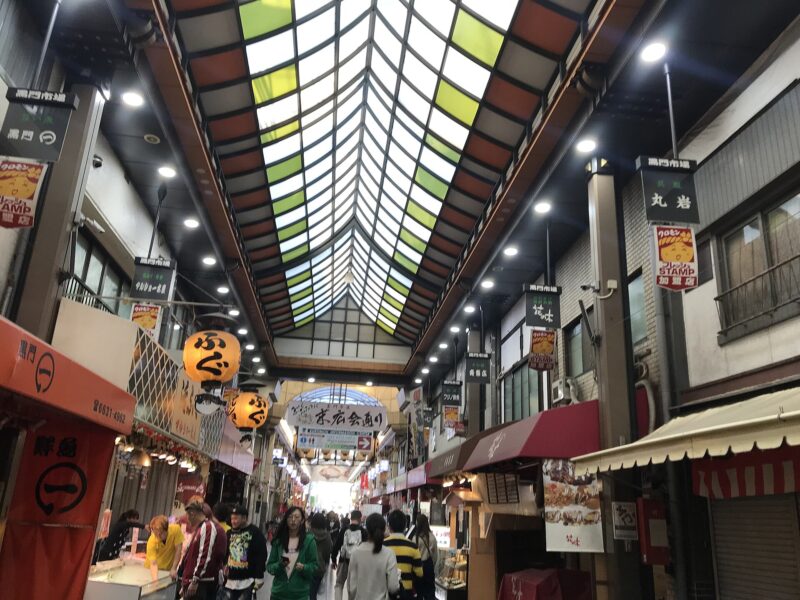
“Osaka’s Kitchen,” Kuromon Ichiba Market, runs 580 meters near Nipponbashi with around 150 stalls selling premium seafood, seasonal fruit, pickles, dried goods, and ready-to-eat street food. It’s gone fairly tourist-facing, but local chefs still source here. Hit the tuna shops where you eat sashimi sliced to order standing at the counter, the fruit stalls with their flawless melons and strawberries, and the knife shops stocking professional-grade Japanese steel. Get there before 10am for the best of both the selection and the atmosphere — more in the Osaka markets guide.
Doguya-suji (kitchenware street)
One block east of Kuromon, Doguya-suji is a street devoted to kitchen tools, tableware and restaurant supply — professional knives, copper pots, and the realistic plastic food samples (sampuru) you see in restaurant windows, with a few restaurants and cafes in between. Those replicas are about as uniquely Japanese as souvenirs get. Several shops run live knife-sharpening demos.
Tenjinbashisuji shopping street
At roughly 2.6 kilometers, Tenjinbashisuji is the longest shopping street in Japan — which gives it the most genuinely Osaka feel of any of them. You’ll find old sembei shops, neighborhood fishmongers, cheap clothing, used bookstores, and small restaurants doing excellent-value lunches. Come here when you want a long, unhurried walk past everyday shops.
What to actually buy
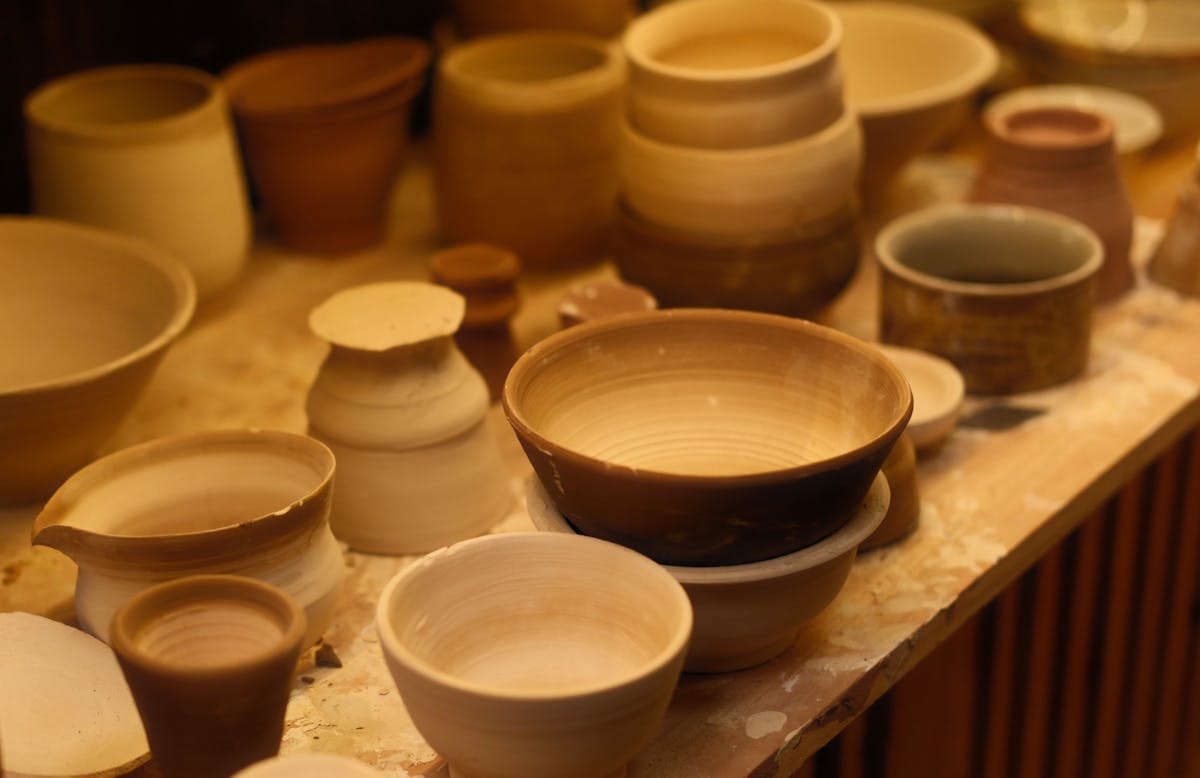
Knowing what to look for makes all the difference. The categories worth your suitcase space:
Edible souvenirs (omiyage)
Japan runs on gift-giving, so beautifully boxed food is the default souvenir. Osaka’s signatures: 551 Horai pork buns (chilled ones are sold at Shin-Osaka Station), Rikuro Ojisan cheesecake (jiggly, cloud-soft, a genuine cult following), and Baton d’Or (the luxe version of Pocky, sold at selected department stores and airports). The department-store depachika are the place for premium, properly boxed omiyage you can hand to colleagues without apology. The full list is in the Osaka souvenirs guide.
Japanese knives and kitchenware
Osaka and neighboring Sakai have a long knife-making tradition, and Japanese kitchen knives make — extraordinary gifts. Doguya-suji and the knife shops inside Kuromon have the best range and staff who’ll match a blade to how you actually cook.
Crafts and ceramics
Ceramics, textiles, and traditional crafts make beautiful, lasting souvenirs. Look for Naniwa tin work, delicate Sakai incense, hand-printed tenugui (cotton towels with artful designs, flat and easy to pack), and furoshiki wrapping cloths in elegant patterns. Department stores and specialty shops around Shinsaibashi and Umeda carry curated selections from across Japan.
Fashion and beauty
Japanese beauty products — sunscreens, sheet masks, skincare — are among the top buys for visitors. Drugstores like Matsumoto Kiyoshi and Ainz & Tulpe stock huge ranges at good prices with staff who can steer you. And homegrown labels — Uniqlo, Muji, GU, and Comme des Garcons at the department stores — carry cuts and lines you often can’t get back home.
Tax-free shopping: how to keep the 10%
Japan’s tax-free system lets foreign tourists buy goods without the 10% consumption tax, and using it well adds up fast – nowhere more so than at Rinku Premium Outlets on the way to the airport. Here’s the mechanism.
You need to be a temporary visitor (tourist or short-stay status) and show your passport at purchase. Two categories qualify: general goods (electronics, clothing, accessories, bags) at a ¥5,000 minimum per store per day, and consumables (food, drinks, cosmetics, medicines) at the same ¥5,000 floor. Some shops let you combine the two to reach the threshold.
Watch for the “Tax-Free Shop” or “Japan Tax-Free” signage — most big retailers in Shinsaibashi, Umeda, Namba, and Den Den Town take part. Department stores usually run a dedicated tax-free counter on one floor where you settle everything at once, and Don Quijote is especially handy for it given the sheer spread of goods under one roof.
To stack the savings: some stores hand out tourist discount cards on top of tax-free, so ask at info desks. The Kansai Tourist Information Center at the airport and major stations gives out coupons for popular retailers, and the Japan Tax-Free app maps participating stores near you. Time big buys for department-store sale periods — New Year (January), Golden Week (May), summer (July), autumn (November) — to pair markdowns with the tax break. The complete walkthrough is in the tax-free shopping guide.
District by district, at a glance
| District | Best for | Nearest station | Price range |
|---|---|---|---|
| Shinsaibashi | Fashion, luxury brands, arcades | Shinsaibashi (Midosuji) | ¥¥-¥¥¥¥ |
| Umeda | Department stores, upscale malls | Umeda/Osaka (multiple) | ¥¥¥-¥¥¥¥ |
| Namba | Malls, underground shopping | Namba (multiple) | ¥¥-¥¥¥ |
| Dotonbori | Souvenirs, discount stores | Namba (Midosuji) | ¥-¥¥¥ |
| Amerikamura | Vintage, streetwear, records | Shinsaibashi (Midosuji) | ¥-¥¥¥ |
| Horie | Design, lifestyle, furniture | Yotsubashi (Yotsubashi) | ¥¥-¥¥¥ |
| Den Den Town | Electronics, anime, gaming | Nipponbashi (Sakaisuji) | ¥-¥¥¥ |
| Kuromon Market | Food, knives, fresh produce | Nipponbashi (Sakaisuji) | ¥-¥¥¥ |
| Tenjinbashisuji | Local goods, bargains | Tenjinbashisuji-rokuchome | ¥-¥¥ |
Outlet shopping near Osaka
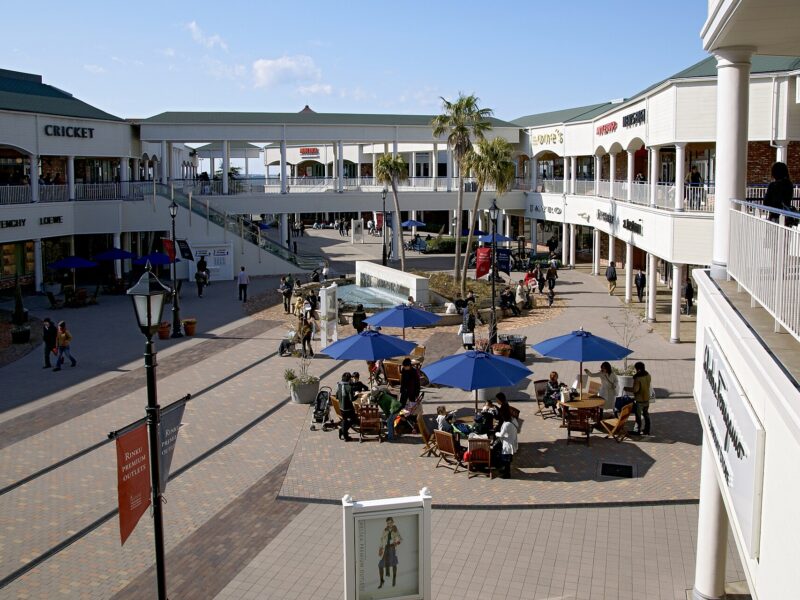
For brand names at a discount, Rinku Premium Outlets is the pick — one station from Kansai Airport, an open-air mall of about 250 stores. Coach, Nike, Adidas, Gap, Levi’s, Beams, United Arrows, and a stack of Japanese designers. The airport-adjacent location makes it the natural last stop before a flight; plenty of people build a few hours there into their departure day. Full details in the Rinku Premium Outlets guide. Closer to the center, Mitsui Outlet Park Osaka Kadoma is an alternative, though it does not match Rinku for scale or convenience.
A few things that make the day go smoother
Carry cash. Card acceptance has improved a lot, but smaller shops, market stalls, and Amerikamura vintage stores still often prefer cash. Some convenience-store ATMs, including Lawson Bank’s, take international cards, but acceptance and hours depend on the machine and location, so check the supported card logos and operating hours.
Bring a foldable bag. Many stores charge for plastic bags, so one reusable bag saves money and hassle over a full day.
Shipping. For anything large or heavy, department stores and many bigger retailers ship internationally, and Yamato Transport (Kuroneko) and Japan Post have locations all over the city. Some shops near the airport even do same-day delivery there for pickup before your flight.
Store hours. Opening hours vary by shop, so check the ones on your list. Don Quijote often runs past midnight, and at markets like Kuromon the morning belongs to buyers, with visitors arriving from midday.
Mind your luggage allowance. Osaka shopping has a way of getting out of hand. If you’re buying early in the trip, ship purchases ahead to your last hotel via takkyubin (the luggage delivery service at convenience stores) or to the airport for departure-day pickup. For getting around to the shops, lean on our transportation guide, and where to stay in Osaka can put you near the districts you most want to raid.
Explore the full Osaka Shopping Guide series
From department stores to flea markets, these guides cover where to shop for what:
- Den Den Town Shopping: Electronics & Anime Guide
- Osaka Department Stores: Daimaru, Takashimaya & Hankyu Guide
- Best Markets in Osaka: Morning, Night & Flea Markets
- Best Osaka Souvenirs: What to Buy & Where to Find Them
- Tax-Free Shopping Osaka: Complete Guide to Saving Money
- Osaka Vintage Shopping: Amerikamura, Nakazakicho & Beyond
- Rinku Premium Outlets Osaka: Tax-Free Shopping Near KIX
- Shinsaibashi Shopping Street: Complete Guide
The single most reliable shopping habit in Japan has nothing to do with department stores. Our guide to Osaka drugstore shopping covers which chain is cheapest, what is worth buying, and the tax-free rules that change in November 2026.
Photo Credits
Electronics and hobby shops in Den Den Town: Denden-town – panoramio (28) by DVMG, CC BY 3.0, via Wikimedia Commons.