This article contains advertising. Our booking links are routed through a partner that adds commission tracking automatically, so if you book through one we earn a commission from the provider, at no extra cost to you. It never affects what we recommend. Affiliate disclosure
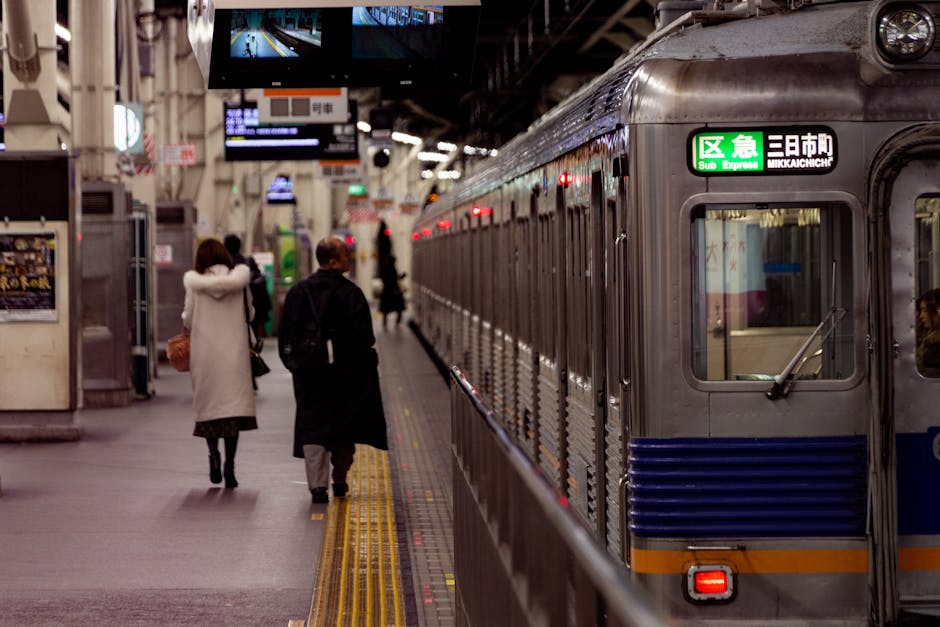 Getting around Osaka is remarkably easy once you understand the city’s well-organized transit system. Trains, subways, and buses run with clockwork precision, stations are signposted in English, and a single prepaid IC card handles nearly every fare. This Osaka transportation guide covers every mode of transport you will need — from the color-coded subway lines to bullet trains, buses, taxis, and bicycles — along with the passes and cards that can save you serious money during your trip. Trains stop running around midnight, so it is worth knowing what a late-night Osaka taxi costs before you need one.
Unlike sprawling Tokyo, Osaka’s core tourist areas are concentrated along a single north-south corridor. The Midosuji subway line connects virtually every major neighborhood: Shin-Osaka (bullet train), Umeda (northern hub), Shinsaibashi (shopping), Namba (entertainment), and Tennoji (southern culture). This means most visitors can navigate the entire city using just one or two subway lines, making Osaka one of the easiest Japanese cities to explore independently. This Osaka transportation guide will show you exactly how.
Getting around Osaka is remarkably easy once you understand the city’s well-organized transit system. Trains, subways, and buses run with clockwork precision, stations are signposted in English, and a single prepaid IC card handles nearly every fare. This Osaka transportation guide covers every mode of transport you will need — from the color-coded subway lines to bullet trains, buses, taxis, and bicycles — along with the passes and cards that can save you serious money during your trip. Trains stop running around midnight, so it is worth knowing what a late-night Osaka taxi costs before you need one.
Unlike sprawling Tokyo, Osaka’s core tourist areas are concentrated along a single north-south corridor. The Midosuji subway line connects virtually every major neighborhood: Shin-Osaka (bullet train), Umeda (northern hub), Shinsaibashi (shopping), Namba (entertainment), and Tennoji (southern culture). This means most visitors can navigate the entire city using just one or two subway lines, making Osaka one of the easiest Japanese cities to explore independently. This Osaka transportation guide will show you exactly how.
Osaka Metro: The Subway System
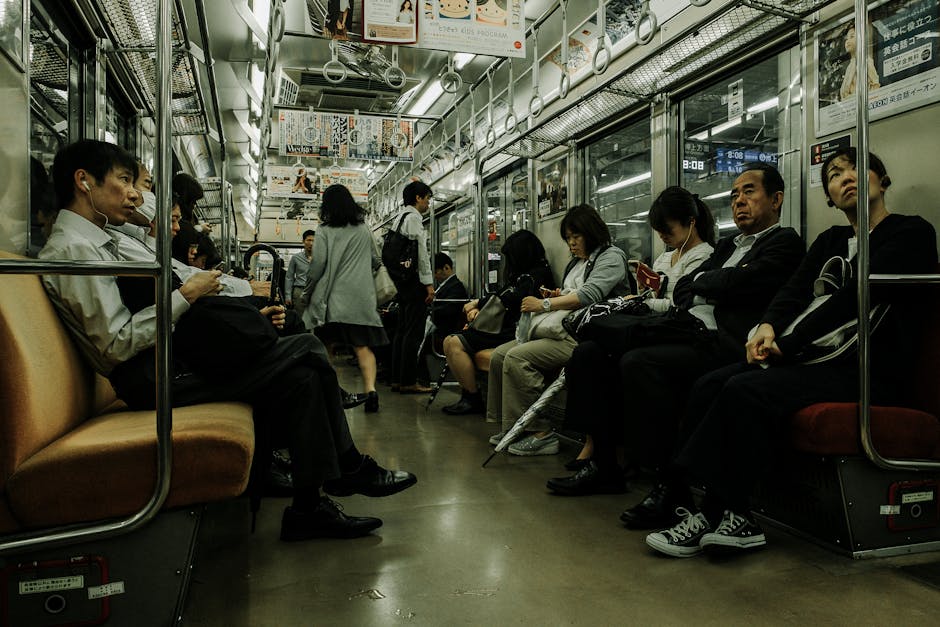 Osaka Metro operates nine lines serving 134 stations across roughly 141 kilometers of track. Each line is color-coded and assigned a letter, making navigation intuitive even for first-time visitors who cannot read Japanese. Trains run daily from approximately 5:00 AM to midnight, with frequencies of every 2 to 5 minutes during peak hours and every 7 to 10 minutes at other times.
Midosuji Line (M, Red): The backbone of the Osaka transportation network and the line you will use most. It runs north-south beneath the main Midosuji Boulevard, connecting Shin-Osaka, Umeda (Osaka/Umeda Station), Shinsaibashi, Namba, and Tennoji. For most tourists, this single line covers 80 percent of daily travel needs.
Chuo Line (C, Green): Runs east-west from Cosmosquare on the bay through Honmachi to Morinomiya near Osaka Castle. This is your line for Osaka Aquarium Kaiyukan, the Tempozan area, and — as of 2025 — the extension to Yumeshima Island for the Osaka Expo 2025 site and future integrated resort.
Tanimachi Line (T, Purple): Another useful line for tourists, connecting Tennoji with Tanimachi Yonchome (near Osaka Castle) and continuing north to Higashi-Umeda. Convenient for reaching Shitennoji Temple and the eastern side of the city.
Other lines: The Sakaisuji Line (brown, K) serves Nipponbashi (Den-Den Town electronics district) and connects to Hankyu railways. The Yotsubashi Line (blue, Y) parallels the Midosuji on a slightly western route. The Nagahori Tsurumi-ryokuchi Line (light green, N) and Imazatosuji Line (orange, I) serve residential areas. The Sennichimae Line (pink, S) runs east-west through Namba.
Fares: Osaka Metro fares range from 190 yen for short trips to 390 yen for longer journeys across the network. Children aged 6 to 11 pay half fare. Children under 6 ride free when accompanied by a paying adult.
Osaka Metro operates nine lines serving 134 stations across roughly 141 kilometers of track. Each line is color-coded and assigned a letter, making navigation intuitive even for first-time visitors who cannot read Japanese. Trains run daily from approximately 5:00 AM to midnight, with frequencies of every 2 to 5 minutes during peak hours and every 7 to 10 minutes at other times.
Midosuji Line (M, Red): The backbone of the Osaka transportation network and the line you will use most. It runs north-south beneath the main Midosuji Boulevard, connecting Shin-Osaka, Umeda (Osaka/Umeda Station), Shinsaibashi, Namba, and Tennoji. For most tourists, this single line covers 80 percent of daily travel needs.
Chuo Line (C, Green): Runs east-west from Cosmosquare on the bay through Honmachi to Morinomiya near Osaka Castle. This is your line for Osaka Aquarium Kaiyukan, the Tempozan area, and — as of 2025 — the extension to Yumeshima Island for the Osaka Expo 2025 site and future integrated resort.
Tanimachi Line (T, Purple): Another useful line for tourists, connecting Tennoji with Tanimachi Yonchome (near Osaka Castle) and continuing north to Higashi-Umeda. Convenient for reaching Shitennoji Temple and the eastern side of the city.
Other lines: The Sakaisuji Line (brown, K) serves Nipponbashi (Den-Den Town electronics district) and connects to Hankyu railways. The Yotsubashi Line (blue, Y) parallels the Midosuji on a slightly western route. The Nagahori Tsurumi-ryokuchi Line (light green, N) and Imazatosuji Line (orange, I) serve residential areas. The Sennichimae Line (pink, S) runs east-west through Namba.
Fares: Osaka Metro fares range from 190 yen for short trips to 390 yen for longer journeys across the network. Children aged 6 to 11 pay half fare. Children under 6 ride free when accompanied by a paying adult.
JR Lines and the Osaka Loop Line
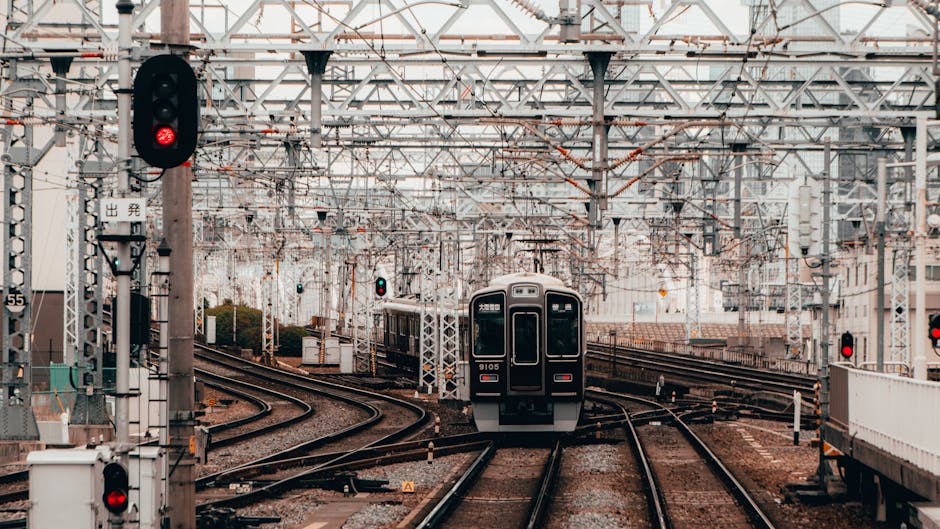 JR West operates several rail lines in the Osaka area. The most important for tourists is the JR Osaka Loop Line (Kanjo-sen), a circular line that rings the city center much like London’s Circle Line. Key Loop Line stations include Osaka (Umeda area), Tennoji, Namba (nearby at JR Namba), Nishi-Kujo (transfer for Universal Studios), and Tsuruhashi (Korea Town, transfer for Kintetsu to Nara).
Getting to Universal Studios Japan: Take the JR Osaka Loop Line to Nishi-Kujo Station, then transfer to the JR Yumesaki Line (Sakurajima Line) for one stop to Universal City Station. The entire journey from Osaka Station takes about 15 minutes.
Shin-Osaka Station: This is Osaka’s Shinkansen (bullet train) hub. It sits one stop north of Umeda on the Midosuji subway line. All Tokaido-Sanyo Shinkansen trains stop here, connecting Osaka to Tokyo (2 hours 22 minutes by Nozomi), Kyoto (15 minutes), Hiroshima (1 hour 20 minutes), and Hakata/Fukuoka (2 hours 30 minutes).
2026 update: The new Umekita Underground Station at JR Osaka Station has fully opened, allowing the Kansai Airport Limited Express Haruka to stop at Osaka Station for the first time. Previously, Haruka bypassed the Umeda area entirely. This is a major improvement for travelers staying in Kita/Umeda who are heading to or from Kansai International Airport.
JR West operates several rail lines in the Osaka area. The most important for tourists is the JR Osaka Loop Line (Kanjo-sen), a circular line that rings the city center much like London’s Circle Line. Key Loop Line stations include Osaka (Umeda area), Tennoji, Namba (nearby at JR Namba), Nishi-Kujo (transfer for Universal Studios), and Tsuruhashi (Korea Town, transfer for Kintetsu to Nara).
Getting to Universal Studios Japan: Take the JR Osaka Loop Line to Nishi-Kujo Station, then transfer to the JR Yumesaki Line (Sakurajima Line) for one stop to Universal City Station. The entire journey from Osaka Station takes about 15 minutes.
Shin-Osaka Station: This is Osaka’s Shinkansen (bullet train) hub. It sits one stop north of Umeda on the Midosuji subway line. All Tokaido-Sanyo Shinkansen trains stop here, connecting Osaka to Tokyo (2 hours 22 minutes by Nozomi), Kyoto (15 minutes), Hiroshima (1 hour 20 minutes), and Hakata/Fukuoka (2 hours 30 minutes).
2026 update: The new Umekita Underground Station at JR Osaka Station has fully opened, allowing the Kansai Airport Limited Express Haruka to stop at Osaka Station for the first time. Previously, Haruka bypassed the Umeda area entirely. This is a major improvement for travelers staying in Kita/Umeda who are heading to or from Kansai International Airport.
Private Railways
Several private railway companies complement JR and the Metro, often providing the fastest or cheapest connection between Osaka and nearby cities: Nankai Railway: Connects Namba to Kansai International Airport via the Rapi:t express (45 minutes, 1,450 yen) or the Airport Express (48 minutes, 930 yen). Also serves Sakai and the route toward Koyasan. Hankyu Railway: Connects Umeda to Kyoto-Kawaramachi (43 minutes, 400 yen) and Kobe-Sannomiya (27 minutes, 320 yen). Hankyu is often the cheapest option for Kyoto and Kobe from northern Osaka. Hanshin Railway: Connects Umeda to Kobe-Sannomiya (32 minutes, 320 yen). The Hanshin line also serves Koshien Stadium, home of Japan’s famous high school baseball tournament. Kintetsu Railway: Connects Osaka-Namba to Nara (35 minutes on the rapid express, 680 yen) and continues to Nagoya and Ise-Shima. Kintetsu is the most convenient line from central Osaka to Nara. Keihan Railway: Connects Yodoyabashi and Kitahama (near Umeda) to Kyoto’s Gion-Shijo and Demachiyanagi stations. A good alternative to Hankyu for reaching eastern Kyoto.IC Cards: The Essential Osaka Transportation Tool
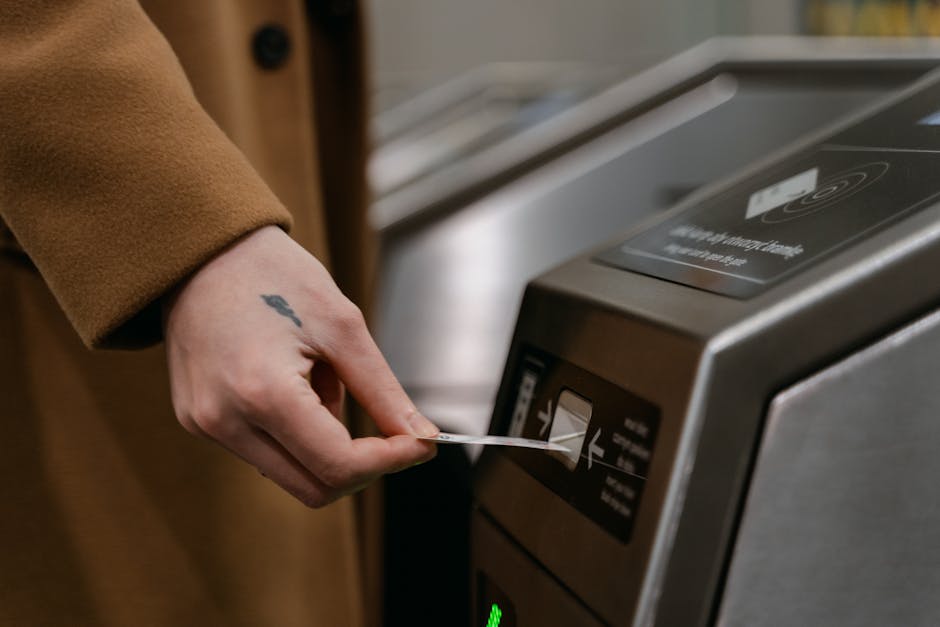 A prepaid IC card is the single most useful item in your Osaka transportation toolkit. Rather than buying individual paper tickets for every ride, you simply tap your card on the reader at the station gate. The correct fare is automatically deducted.
ICOCA: The standard IC card for the Kansai region, issued by JR West. Purchase from ticket machines at JR stations for 2,000 yen (includes 500 yen refundable deposit plus 1,500 yen credit). Reload at any station ticket machine or convenience store in increments from 1,000 to 10,000 yen.
Suica and Pasmo: IC cards from the Tokyo area (Suica from JR East, Pasmo from Tokyo Metro) work identically on all Osaka transit systems. If you already have one from a previous trip or arrival at a Tokyo airport, there is no need to buy an ICOCA.
Mobile IC cards: Apple Pay supports mobile Suica and ICOCA on iPhones. Android users can add a Suica card via Google Pay. This eliminates the need for a physical card entirely — just tap your phone.
Where IC cards work: All Osaka Metro lines, JR trains, private railways (Hankyu, Hanshin, Nankai, Kintetsu, Keihan), city buses, most convenience stores (7-Eleven, Lawson, FamilyMart), many vending machines, and an increasing number of shops and restaurants. An IC card essentially replaces cash for small purchases throughout your trip.
A prepaid IC card is the single most useful item in your Osaka transportation toolkit. Rather than buying individual paper tickets for every ride, you simply tap your card on the reader at the station gate. The correct fare is automatically deducted.
ICOCA: The standard IC card for the Kansai region, issued by JR West. Purchase from ticket machines at JR stations for 2,000 yen (includes 500 yen refundable deposit plus 1,500 yen credit). Reload at any station ticket machine or convenience store in increments from 1,000 to 10,000 yen.
Suica and Pasmo: IC cards from the Tokyo area (Suica from JR East, Pasmo from Tokyo Metro) work identically on all Osaka transit systems. If you already have one from a previous trip or arrival at a Tokyo airport, there is no need to buy an ICOCA.
Mobile IC cards: Apple Pay supports mobile Suica and ICOCA on iPhones. Android users can add a Suica card via Google Pay. This eliminates the need for a physical card entirely — just tap your phone.
Where IC cards work: All Osaka Metro lines, JR trains, private railways (Hankyu, Hanshin, Nankai, Kintetsu, Keihan), city buses, most convenience stores (7-Eleven, Lawson, FamilyMart), many vending machines, and an increasing number of shops and restaurants. An IC card essentially replaces cash for small purchases throughout your trip.
Transit Passes Worth Considering
Depending on your itinerary, a transit pass can save money compared to paying per ride. Here is an honest breakdown of the main Osaka transportation passes: Osaka Amazing Pass (1-day: 3,300 yen / 2-day: 5,500 yen): The best value pass for sightseeing-heavy days. Includes unlimited rides on Osaka Metro, city buses, and most private railways within Osaka (1-day version only for private railways). Also includes free admission to over 40 attractions including Osaka Castle observation deck, Tempozan Ferris Wheel, Shitennoji, Osaka Museum of Housing and Living, and boat cruises. The 2-day pass covers only Metro and buses, not private railways. Worth it if you plan to visit three or more included attractions in a single day. Enjoy Eco Card (weekday: 820 yen / weekend-holiday: 620 yen): Unlimited rides on Osaka Metro and city buses for one day. A good deal if you will take four or more subway rides in a day, especially on weekends when the price drops to 620 yen. Also provides discounts at various attractions. Kansai Thru Pass (2-day: 5,200 yen / 3-day: 6,800 yen): Covers almost all non-JR railways, subways, and buses across the Kansai region including Osaka, Kyoto, Nara, Kobe, and Koyasan. Days do not need to be consecutive. Best for travelers making multiple day trips by non-JR transit. JR Kansai Area Pass (1-day: 2,800 yen to 4-day: 7,600 yen): Covers JR trains including the Kansai Airport Haruka express, JR Osaka Loop Line, and JR lines to Kyoto, Nara, Kobe, and Himeji. Does not cover the Shinkansen between Shin-Osaka and Kyoto. Worth it primarily if you are using the Haruka express plus making JR day trips. When to skip passes: If you are staying in Namba or Umeda and mostly walking between nearby attractions, individual fares of 190 to 240 yen per ride often cost less than a day pass. Passes pay off when you are covering distance — visiting multiple neighborhoods or making day trips.The Shinkansen (Bullet Train)
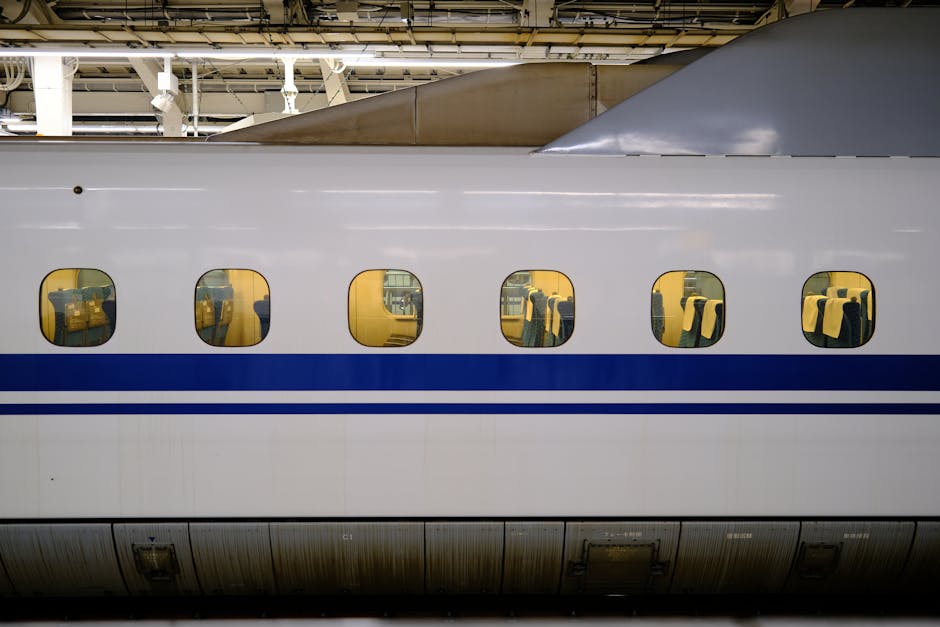 Shin-Osaka Station is the gateway for bullet train travel. Key routes and approximate times from Shin-Osaka:
To Tokyo: 2 hours 22 minutes by Nozomi (most frequent, 13,870 yen unreserved), 2 hours 33 minutes by Hikari, or 3 hours 45 minutes by Kodama. Nozomi trains depart roughly every 10 minutes during peak hours.
To Kyoto: 15 minutes by any Shinkansen (1,420 yen unreserved). However, the regular JR Special Rapid train from Osaka Station takes only 30 minutes for 580 yen — so the Shinkansen is rarely worth it for this short hop.
To Hiroshima: 1 hour 20 minutes by Nozomi (10,430 yen unreserved). Makes an ambitious but feasible day trip from Osaka.
To Hakata (Fukuoka): 2 hours 30 minutes by Nozomi (15,400 yen unreserved).
Japan Rail Pass note: The nationwide Japan Rail Pass does not cover Nozomi or Mizuho trains. JR Pass holders must use Hikari or Kodama services, adding 10 to 30 minutes to most journeys. For Kansai-only travel, the JR Kansai Area Pass is cheaper and more practical than the nationwide pass.
Shin-Osaka Station is the gateway for bullet train travel. Key routes and approximate times from Shin-Osaka:
To Tokyo: 2 hours 22 minutes by Nozomi (most frequent, 13,870 yen unreserved), 2 hours 33 minutes by Hikari, or 3 hours 45 minutes by Kodama. Nozomi trains depart roughly every 10 minutes during peak hours.
To Kyoto: 15 minutes by any Shinkansen (1,420 yen unreserved). However, the regular JR Special Rapid train from Osaka Station takes only 30 minutes for 580 yen — so the Shinkansen is rarely worth it for this short hop.
To Hiroshima: 1 hour 20 minutes by Nozomi (10,430 yen unreserved). Makes an ambitious but feasible day trip from Osaka.
To Hakata (Fukuoka): 2 hours 30 minutes by Nozomi (15,400 yen unreserved).
Japan Rail Pass note: The nationwide Japan Rail Pass does not cover Nozomi or Mizuho trains. JR Pass holders must use Hikari or Kodama services, adding 10 to 30 minutes to most journeys. For Kansai-only travel, the JR Kansai Area Pass is cheaper and more practical than the nationwide pass.
Buses in Osaka
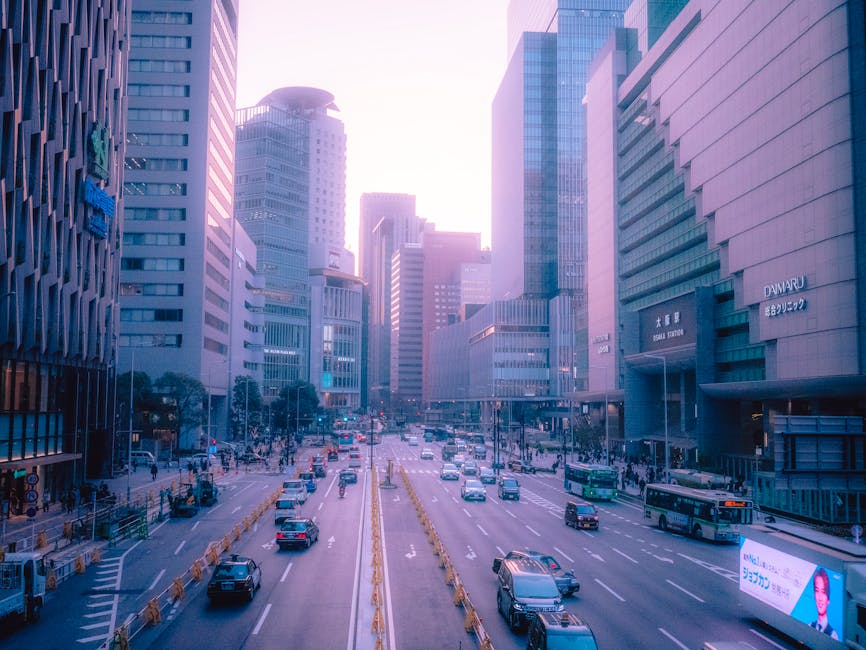 Osaka City Bus operates an extensive network, though most tourists find the subway faster and easier. Buses run on a flat fare of 210 yen per ride (children 110 yen), payable by IC card or exact change. Enter through the front door and pay when boarding.
When buses are useful: Some areas not directly on subway lines, like parts of the bay area or residential neighborhoods, are better served by bus. The Red Bus (Aka Bus) is a loop service in the Minami area connecting Namba, Nipponbashi, and Shinsaibashi — handy if you prefer not to walk between these close-but-not-adjacent areas.
Airport limousine buses: Airport shuttle buses run between Kansai International Airport and major Osaka hotels and stations (roughly 60 to 85 minutes depending on traffic, 1,600 yen one way). A convenient option if you have heavy luggage, since you can store bags in the bus cargo hold rather than navigate station stairs and escalators with suitcases.
Osaka City Bus operates an extensive network, though most tourists find the subway faster and easier. Buses run on a flat fare of 210 yen per ride (children 110 yen), payable by IC card or exact change. Enter through the front door and pay when boarding.
When buses are useful: Some areas not directly on subway lines, like parts of the bay area or residential neighborhoods, are better served by bus. The Red Bus (Aka Bus) is a loop service in the Minami area connecting Namba, Nipponbashi, and Shinsaibashi — handy if you prefer not to walk between these close-but-not-adjacent areas.
Airport limousine buses: Airport shuttle buses run between Kansai International Airport and major Osaka hotels and stations (roughly 60 to 85 minutes depending on traffic, 1,600 yen one way). A convenient option if you have heavy luggage, since you can store bags in the bus cargo hold rather than navigate station stairs and escalators with suitcases.
Taxis
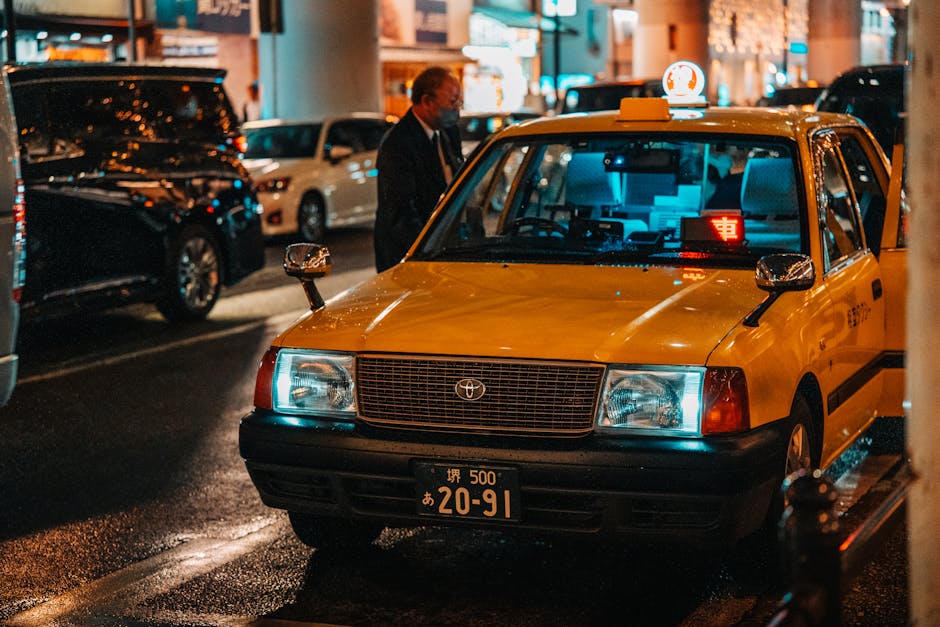 Osaka taxis are metered, clean, and driven by courteous professionals. The starting fare is around 680 yen for the first 1.7 kilometers, with incremental charges of roughly 80 yen per additional 296 meters. A late-night surcharge of 20 percent applies between 11:00 PM and 5:00 AM.
When to take taxis: After midnight when trains stop running. When traveling in groups of three or four (splitting fares makes taxis competitive with train tickets). When you have heavy luggage. When a destination is far from a station.
Ride-hailing apps: Japan Taxi (the most widely used app), GO Taxi, and Uber (limited but growing) are available in Osaka. Using an app avoids language barriers since you can input the destination address directly.
Typical costs: Namba to Umeda: roughly 1,500 to 2,000 yen (15 minutes). Namba to Shin-Osaka: roughly 2,500 to 3,500 yen (20 to 30 minutes). Osaka Station to Kansai Airport: roughly 18,000 to 22,000 yen (not recommended — trains are far cheaper).
Osaka taxis are metered, clean, and driven by courteous professionals. The starting fare is around 680 yen for the first 1.7 kilometers, with incremental charges of roughly 80 yen per additional 296 meters. A late-night surcharge of 20 percent applies between 11:00 PM and 5:00 AM.
When to take taxis: After midnight when trains stop running. When traveling in groups of three or four (splitting fares makes taxis competitive with train tickets). When you have heavy luggage. When a destination is far from a station.
Ride-hailing apps: Japan Taxi (the most widely used app), GO Taxi, and Uber (limited but growing) are available in Osaka. Using an app avoids language barriers since you can input the destination address directly.
Typical costs: Namba to Umeda: roughly 1,500 to 2,000 yen (15 minutes). Namba to Shin-Osaka: roughly 2,500 to 3,500 yen (20 to 30 minutes). Osaka Station to Kansai Airport: roughly 18,000 to 22,000 yen (not recommended — trains are far cheaper).
Cycling in Osaka
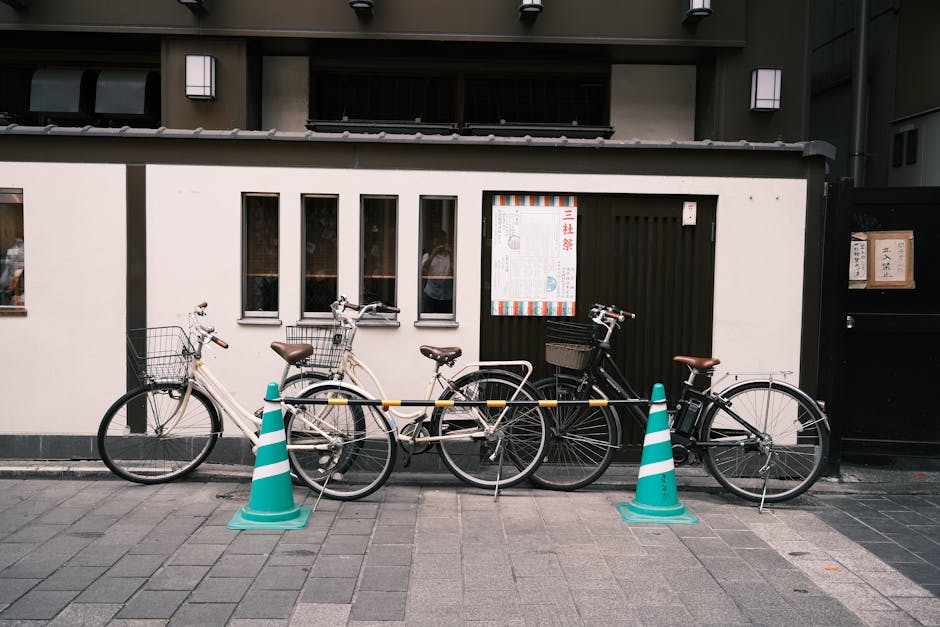 Osaka is one of Japan’s most bikeable cities. The terrain is mostly flat, bike lanes are increasingly common, and rental options are abundant.
Bike share systems: HUBchari operates over 600 docking stations across the city with electric-assist bicycles. Registration is available via app or at stations. Rates start around 165 yen per 30 minutes. Osaka Bike Share (Docomo) has approximately 300 stations with similar pricing.
Cycling rules: Ride on the left side of the road (Japan drives on the left). Use designated bike lanes where available. Cycling on sidewalks is technically prohibited in most areas but widely practiced — ride slowly and yield to pedestrians if you do. Lock your bicycle properly. Parking in non-designated areas can result in removal and a 2,500 yen retrieval fee.
Best cycling routes: The Osaka Castle loop is a scenic 5-kilometer circuit around the castle grounds and moat. The Nakanoshima riverfront path runs along both banks of the river between Yodoyabashi and Tenmabashi. The route from Namba to Tennoji along Sakai-suji is flat and direct. Longer rides, including the 15-kilometer Yodogawa riverside path, are mapped in our guide to bike rental and cycling routes.
Osaka is one of Japan’s most bikeable cities. The terrain is mostly flat, bike lanes are increasingly common, and rental options are abundant.
Bike share systems: HUBchari operates over 600 docking stations across the city with electric-assist bicycles. Registration is available via app or at stations. Rates start around 165 yen per 30 minutes. Osaka Bike Share (Docomo) has approximately 300 stations with similar pricing.
Cycling rules: Ride on the left side of the road (Japan drives on the left). Use designated bike lanes where available. Cycling on sidewalks is technically prohibited in most areas but widely practiced — ride slowly and yield to pedestrians if you do. Lock your bicycle properly. Parking in non-designated areas can result in removal and a 2,500 yen retrieval fee.
Best cycling routes: The Osaka Castle loop is a scenic 5-kilometer circuit around the castle grounds and moat. The Nakanoshima riverfront path runs along both banks of the river between Yodoyabashi and Tenmabashi. The route from Namba to Tennoji along Sakai-suji is flat and direct. Longer rides, including the 15-kilometer Yodogawa riverside path, are mapped in our guide to bike rental and cycling routes.
Getting to and from Kansai International Airport
Nankai Rapi:t Express: The fastest and most stylish option. Connects KIX to Namba in 38 to 45 minutes for 1,450 yen. The retro-futuristic blue train is an experience in itself. JR Haruka Express: Connects KIX to Tennoji (35 minutes), Shin-Osaka (50 minutes), and now Osaka Station via the new Umekita platforms (55 minutes). Standard fare is around 1,800 to 2,500 yen depending on your stop. Discounted e-tickets are available through JR West’s online booking system. Airport Limousine Bus: Direct service to major hotels and stations. About 60 to 85 minutes, 1,600 yen. The most convenient option if your hotel has a bus stop. Taxi or private transfer: 50 to 70 minutes, 18,000 to 22,000 yen. Only justified for groups or travelers with special needs.Essential Osaka Transportation Tips
Avoid rush hours: Weekday trains between 7:30 and 9:00 AM and 5:30 to 7:00 PM are extremely crowded. Plan sightseeing to travel outside these windows when possible. Women-only cars: Some subway and train lines offer women-only cars during morning rush hours. These are clearly marked with pink signage on the platform and train doors. Station numbering system: Every station has a letter-number code (for example, M20 for Namba on the Midosuji Line). Learn the codes for your hotel station and key destinations — they are easier to remember than station names. Last train awareness: Most trains stop running between midnight and 12:30 AM. If you are out late, check the last train time for your line to avoid an expensive taxi ride home. Luggage forwarding: Takkyubin luggage delivery services can ship your suitcases between hotels, to the airport, or to your next city for about 2,000 to 3,000 yen per bag. Most hotel front desks and convenience stores handle this. Ship a day in advance and travel light. Accessibility: Osaka Metro and JR stations are increasingly barrier-free with elevators, tactile ground indicators, and accessible toilets. Station staff are helpful if you need assistance — approach any staffed gate.Osaka Transportation for Day Trips
One of the biggest advantages of Osaka’s transit network is how easily it connects to major destinations across the Kansai region. Here is a quick reference for the most popular day trips covered in this Osaka transportation guide: Osaka to Kyoto: JR Special Rapid from Osaka Station (30 minutes, 580 yen). Hankyu Railway from Umeda to Kawaramachi (43 minutes, 400 yen — cheapest option and drops you near Gion). Keihan Railway from Yodoyabashi to Gion-Shijo (50 minutes, 420 yen). Osaka to Nara: Kintetsu Nara Line from Osaka-Namba (35 minutes rapid express, 680 yen). JR Yamatoji Line from Tennoji or JR Namba (40 to 50 minutes, 480 to 580 yen). Osaka to Kobe: Hankyu from Umeda to Kobe-Sannomiya (27 minutes, 320 yen). JR Special Rapid from Osaka Station to Sannomiya (21 minutes, 410 yen). Hanshin from Umeda to Kobe-Sannomiya (32 minutes, 320 yen). Osaka to Himeji: JR Special Rapid from Osaka Station (65 minutes, 1,520 yen). Worth it for Himeji Castle, Japan’s most spectacular original castle. Osaka to Koyasan: Nankai Railway from Namba to Gokurakubashi plus cable car (about 2 hours total, 1,680 yen plus 500 yen cable car). A full-day trip to the mountain monastery complex.Navigating Osaka’s Stations: Tips for Beginners
Osaka’s major stations can feel overwhelming at first, but a few strategies make them manageable with any Osaka transportation mode. Follow the color codes: Every Osaka Metro line has a distinct color that appears on maps, platform signage, and even train car interiors. If you know your line color, you can navigate almost entirely by visual cues. Use Google Maps for transit: Google Maps provides excellent real-time transit directions in Osaka, including departure times, platform numbers, fare calculations, and transfer guidance. Set your preference to “fewer transfers” for simpler routes. Station landmarks: Major stations like Umeda and Namba are actually clusters of connected stations operated by different companies. “Umeda” might mean JR Osaka Station, Hankyu Umeda, Hanshin Umeda, or the Metro’s Umeda, Nishi-Umeda, or Higashi-Umeda stations — all linked by underground passages. Follow signs for the specific company or line you need. Coin lockers: Available at all major stations in sizes from small (300 yen) to large enough for suitcases (600 to 700 yen). Payment is by IC card or coins. During peak travel seasons, lockers at popular stations fill up early — try less busy stations nearby or use staffed luggage storage services. For detailed area-specific navigation and what to see in each neighborhood, explore our Osaka Travel Guide, discover the best things to do in Osaka, and find your ideal accommodation with our where to stay in Osaka guide. For official transit maps and real-time updates, visit the Osaka Metro website.Explore the full Getting Around Osaka series
For the nuts and bolts of getting around, here’s every transport topic covered in full: If you are only in town a day or two, our comparison of the Osaka day passes works out which one actually pays for itself.
- ICOCA Card Guide: How to Buy, Load & Use in Osaka
- JR Pass Osaka & Kansai: Complete Guide & Tips
- Osaka Amazing Pass: Is It Worth It? Complete 2026 Review
- Osaka Bike Rental: Cycling Guide & Best Routes
- Osaka Luggage Storage & Delivery Services Guide
- Osaka Subway Map: Lines, Routes & Essential Tips
- Osaka Taxi Cost: Ride Apps & Practical Tips
- Osaka to Kobe: Fastest & Cheapest Routes
- Osaka to Kyoto: All Transportation Options Compared
- Osaka to Nara: Best Ways to Get There
For the journey out of the region entirely, see our Osaka to Tokyo comparison — including why the Shinkansen leaves from Shin-Osaka and not Osaka Station.
One station in the city defeats more visitors than the rest of the network combined. If your trip runs through Umeda — and almost every trip does — read our Osaka Station and Umeda navigation guide before you arrive with a suitcase at rush hour.
Leaving the city? Our Kansai rail passes guide compares every regional pass, and explains why most visitors are better off with an ICOCA card.
For the city’s domestic airport, our Itami airport guide covers the buses and monorail into Osaka and the direct routes to Kyoto, Kobe and Kansai Airport.