This article contains advertising. Our booking links are routed through a partner that adds commission tracking automatically, so if you book through one we earn a commission from the provider, at no extra cost to you. It never affects what we recommend. Affiliate disclosure
Take your kids to Osaka and a lot of the usual travel-with-children stress just falls away. It’s one of the easiest family cities in Asia: the trains are clean and stroller-friendly, the streets are safe enough that a lost child gets walked back to you, and the food, takoyaki, fluffy pancakes, conveyor-belt sushi, happens to be exactly what fussy eaters want anyway. The locals are warmer than the Japanese stereotype too, the kind of place where a shopkeeper slips your toddler a sweet without being asked.
This guide walks through the attractions that actually work with kids, plus the practical stuff, strollers, baby rooms, where to stay, where to eat, and how to build an itinerary that keeps toddlers and teenagers equally un-bored. For broader logistics, start with our Osaka travel guide, and for getting around as a family, our transportation guide covers the train system in detail.
Why Osaka works so well for families
Three things do the heavy lifting. First, safety: Japan’s is close to absolute, so you can loosen the grip you’d keep in most big cities, even at night. Second, the transit, clean, punctual, and built for families, with elevators in most major stations, priority seats, and platforms a stroller rolls straight onto. Third, the food. Osaka’s signature dishes are kid magnets, and half the fun is interactive: cooking your own okonomiyaki on a tabletop griddle, picking ramen toppings, watching takoyaki get flipped. Even the convenience stores could carry a trip on their own.
There’s a softer reason too. Osaka is more outgoing than much of Japan. People chat to your children, staff go out of their way, and the whole mood is loud and good-natured rather than hushed and formal. For a family, that warmth makes a real difference.
The attractions worth your time
Universal Studios Japan (USJ)
USJ is the headline act, the most popular family destination in Osaka and one of the best theme parks in Asia. It sits out in the Konohana ward on Osaka Bay and runs nine themed zones, including Super Nintendo World (a full-scale Mario world where kids collect coins with Power-Up Bands), the Wizarding World of Harry Potter, and Minion Park. Block out a full day, minimum.
Younger kids, roughly 3 to 7, gravitate to Minion Park, the Sesame Street area, and Universal Wonderland, a dedicated zone with water play, soft play, and pint-sized coasters. Older kids and teens head straight for the thrill rides, the Harry Potter castle, and whatever anime collaboration is running. Practical bits: under-3s enter free. Express Passes are genuinely worth it for a family that doesn’t want to lose two hours in a queue, especially for Super Nintendo World, which uses timed entry. Show up at opening (usually 8:30-9am) for the shortest waits. Strollers are fine throughout, and you can rent one. For the full planning detail, our guide to USJ with kids covers ride heights, Express tiers, and what to skip.
Osaka Aquarium Kaiyukan
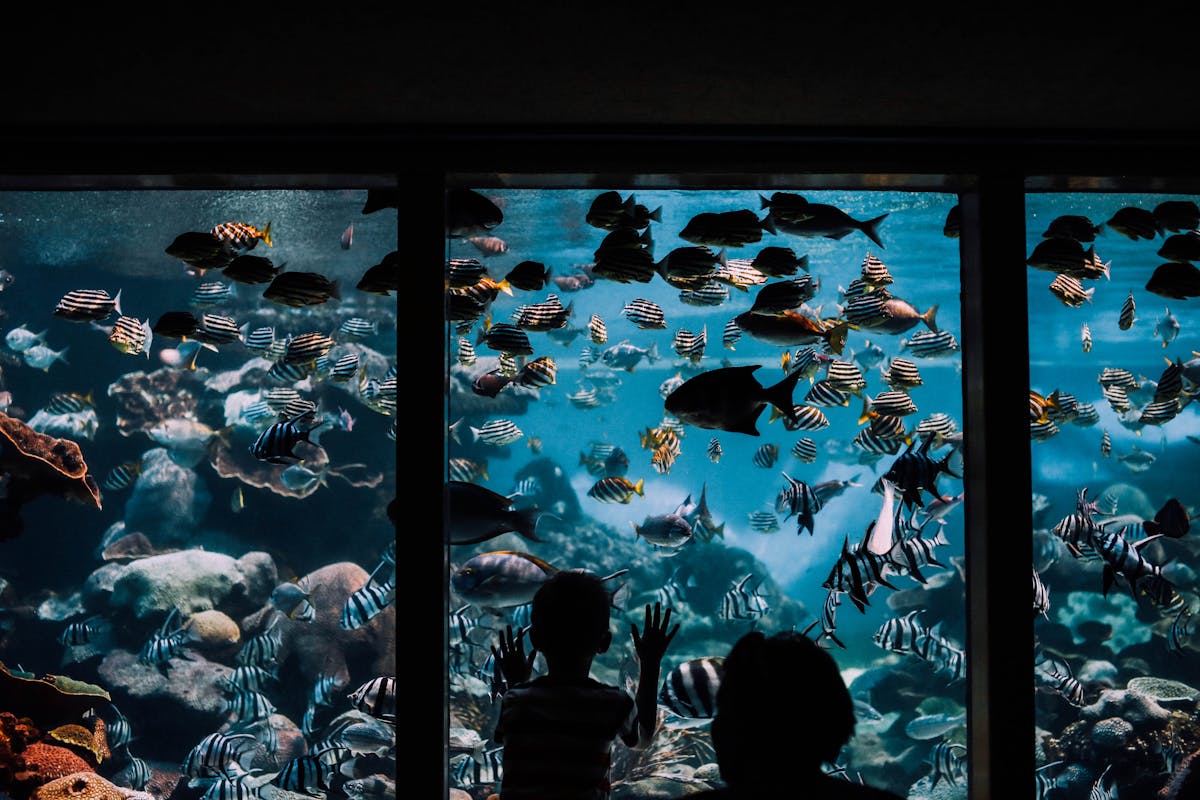
Kaiyukan is one of the largest aquariums on Earth, and the design is clever: you start at the top and spiral down around a colossal central tank holding whale sharks, the biggest fish there is, so kids see them again and again from new angles. The route runs through 15 tanks recreating Pacific Rim habitats, from Antarctic penguins to tropical rainforest. Touch pools let children handle small sharks and rays, which is the moment most of them remember. Allow two to three hours, and the Tempozan Ferris Wheel next door (112.5 metres) makes an easy add-on.
Practical bits: adults ¥2,700, children 7-15 ¥1,400, ages 4-6 ¥700, under 3 free. Weekday mornings are quietest. Fully stroller-accessible with elevators on every level. Our Kaiyukan family guide has timing tricks and what to do with the rest of the Tempozan day.
Kids Plaza Osaka
Kids Plaza was Japan’s first large-scale interactive children’s museum, and it’s the single best rainy-day card in the city. Built for ages 1 to 12, it spreads hands-on science, culture, and nature exhibits across five floors. The centrepiece is a castle-like climbing structure by Austrian artist Friedensreich Hundertwasser, all ceramic-tiled walls, winding stairs, bridges, slides, and tunnels that kids just disappear into. Little ones get padded soft-play zones; school-age kids get experiments, cooking workshops, and dress-up stations; crawlers get a dedicated baby area. Two to four hours go fast.
Practical bits: adults ¥1,400, elementary ¥800, ages 3 and up ¥500. Near Ogimachi Station on the Tanimachi Line. Closed Mondays (or Tuesday when Monday is a holiday). Full detail in our Kids Plaza visitor guide.
Osaka Castle and Park
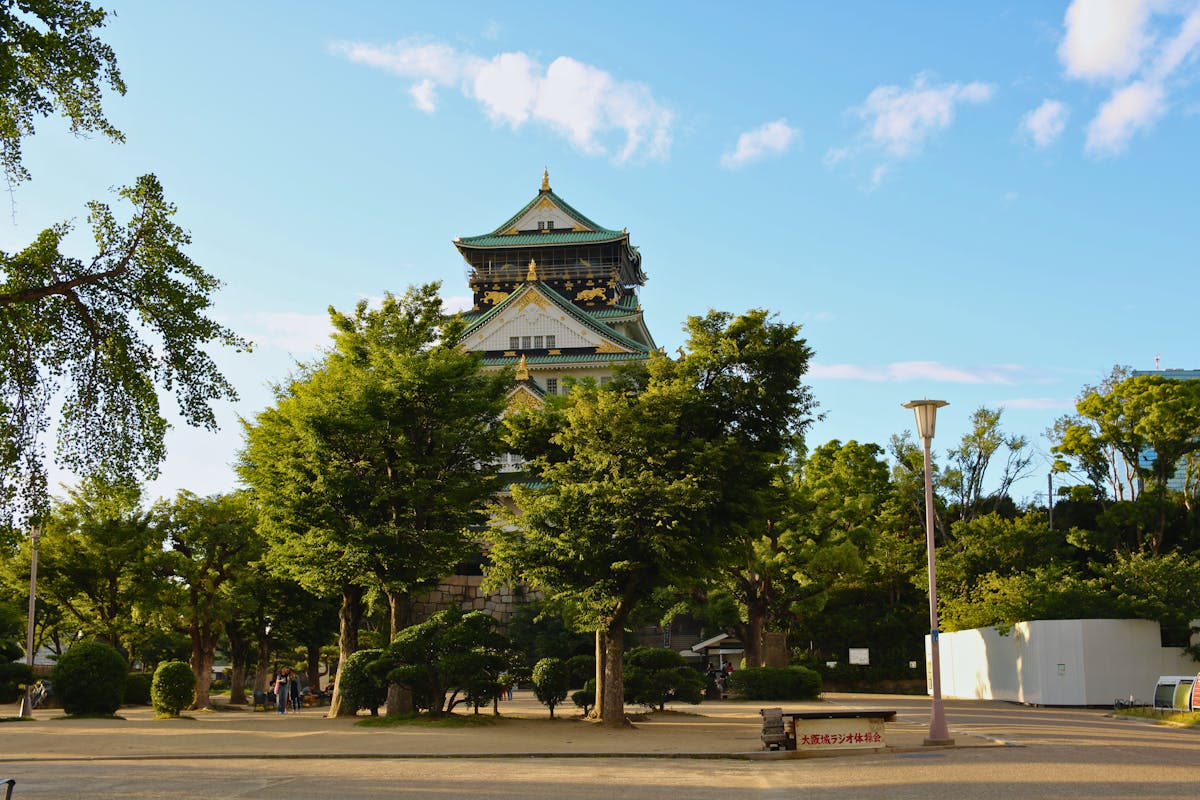
The park around the castle is the city’s biggest green space and one of its best free family outings. There’s room to run off energy, more than 3,000 cherry trees that turn the place pink in spring, and a moat with boat rides. A little road train loops the grounds, which is a gift when small legs give out. The castle itself houses a history museum, with city views from the top floor, and the park rolls out seasonal food stalls and performances through the year.
Practical bits: the park is free; the castle tower is ¥600 (free for under-15s). Paved paths throughout. Two to three hours for a relaxed visit.
LEGOLAND Discovery Center Osaka
In the Tempozan Marketplace next to the aquarium, this indoor playground is built around more than 3 million LEGO bricks. Highlights: Miniland, a tiny Osaka built entirely from LEGO, two gentle rides, a 4D cinema, build-and-race car stations, and a big soft-play structure for the youngest. It’s aimed at ages 3 to 10 and good for a solid two to three hours, which pairs neatly with the aquarium for a full Tempozan day.
Practical bits: book online and it’s cheaper than the gate price. Adults can’t enter without a child, and vice versa. Fully indoor and climate-controlled, so it’s a hot-day and rainy-day saviour both.
Cup Noodles Museum, Ikeda
This one surprises people. The museum celebrates Momofuku Ando inventing instant ramen here in Ikeda, a northern suburb, and the draw is the My Cup Noodles Factory: kids decorate their own cup, choose a soup base and toppings from thousands of combinations, watch it sealed, and carry it home shrink-wrapped. The Chicken Ramen Factory goes further, a 90-minute workshop where families make noodles from scratch, kneading, seasoning, flash-frying, packing. Book that one ahead.
Practical bits: museum entry is free. My Cup Noodles Factory is ¥500 a cup; Chicken Ramen Factory is ¥1,000 per person with advance reservation. About 20 minutes from Umeda on the Hankyu Takarazuka Line.
NIFREL
NIFREL, in the EXPOCITY complex out in Suita, is part aquarium, part zoo, part art installation, and it feels nothing like a standard aquarium. The idea is “to touch the senses”: fish swim in open-topped tanks at kid eye level, pelicans and penguins wander a room freely, and digital projections wrap the walls. The open layout brings children right up close to the animals. With the EXPOCITY mall, a giant Ferris wheel, and entertainment next door, it stretches to a full day.
Practical bits: adults ¥2,200, ages 3 and up ¥1,100, under 3 free. Open daily 10am-8pm. From Osaka Monorail Bampaku-kinen-koen Station. Our Expo City family guide covers NIFREL plus the wheel and the rest of the complex.
Hirakata Park
If USJ’s crowds and prices put you off, Hirakata Park, “Hirapa” to locals, is the smarter local pick: an amusement park with more than a century of history, sitting between Osaka and Kyoto on the Keihan Line. It mixes coasters and thrill rides for bigger kids with gentle rides, a petting zoo, and seasonal gardens for the small ones. Smaller scale means shorter queues and a calmer day. Summer brings an outdoor pool complex, autumn a big illumination, winter an ice rink and snow play. Most tourists never find it.
Practical bits: ¥1,800 adults, ¥1,000 children (rides need extra fees or an all-ride pass). About 30 minutes out on the Keihan Line. More in our Hirakata Park guide.
Free and cheap days out
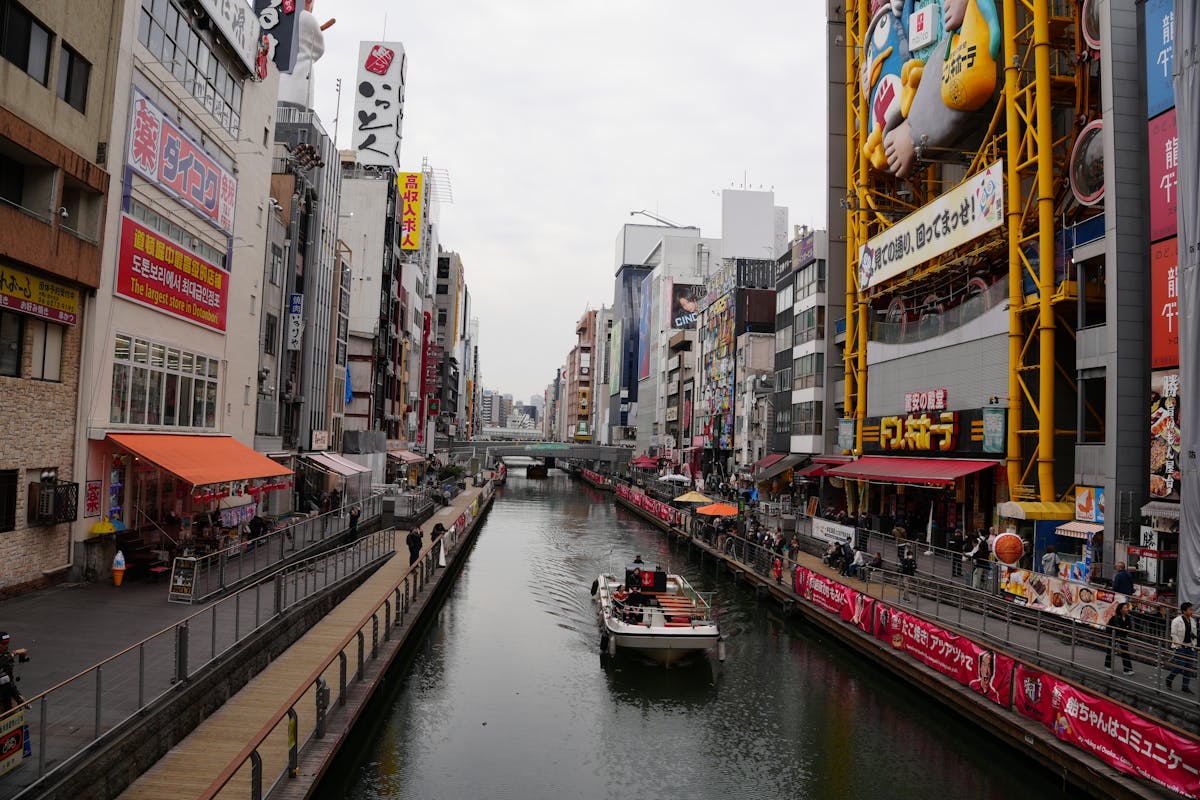
None of this has to wreck the budget. Osaka Castle Park alone, with its boat rides and road train, is most of a day for almost nothing. Tennoji Zoo (¥500 adults, free for kids below elementary age) packs over 200 species into a compact, walkable site beside Tennoji Park. Nakanoshima Park gives you riverside paths and playground equipment. Sumiyoshi Taisha, one of Japan’s oldest shrines, has a dramatic arched bridge and wide grounds that kids love to explore. And simply walking Dotonbori, mechanical crabs, giant octopus signs, an endless conveyor of street food, is free entertainment that lands with every age.
Day trips that work with kids
Nara and its deer
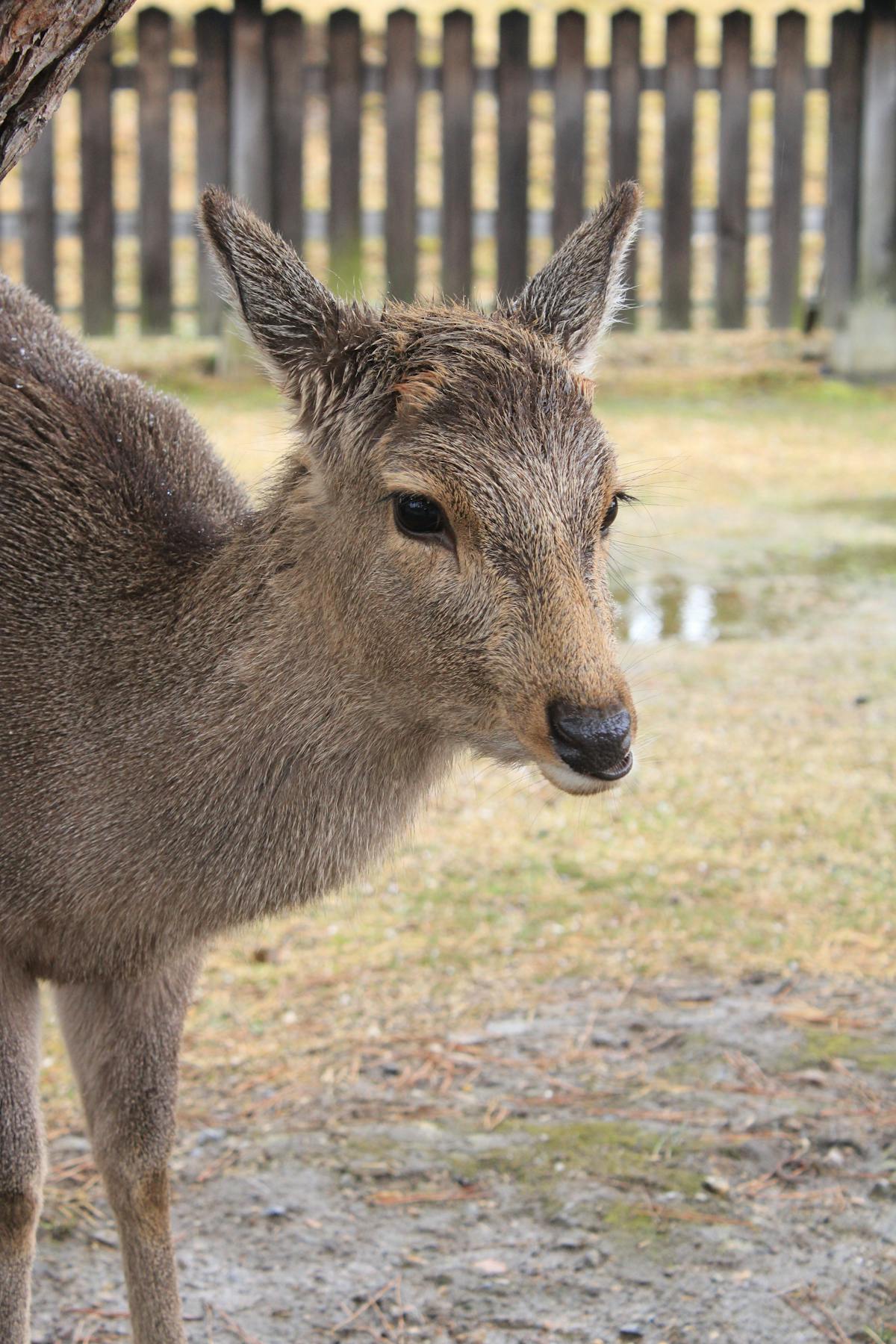
Nara is probably the single best day trip from Osaka with kids, 30 to 45 minutes from Namba by train, and home to more than 1,200 free-roaming deer that bow for crackers (shika senbei, ¥200 a pack). Children love it without fail, though keep an eye out: the deer get pushy once food appears. Beyond the deer, there’s the giant bronze Buddha at Todaiji (kids line up to crawl through the famous pillar hole), the lantern-lined Kasuga Taisha shrine, and broad parkland for a picnic. Easy as a half or full day. More options in our day trips from Osaka guide.
Kyoto, kept short
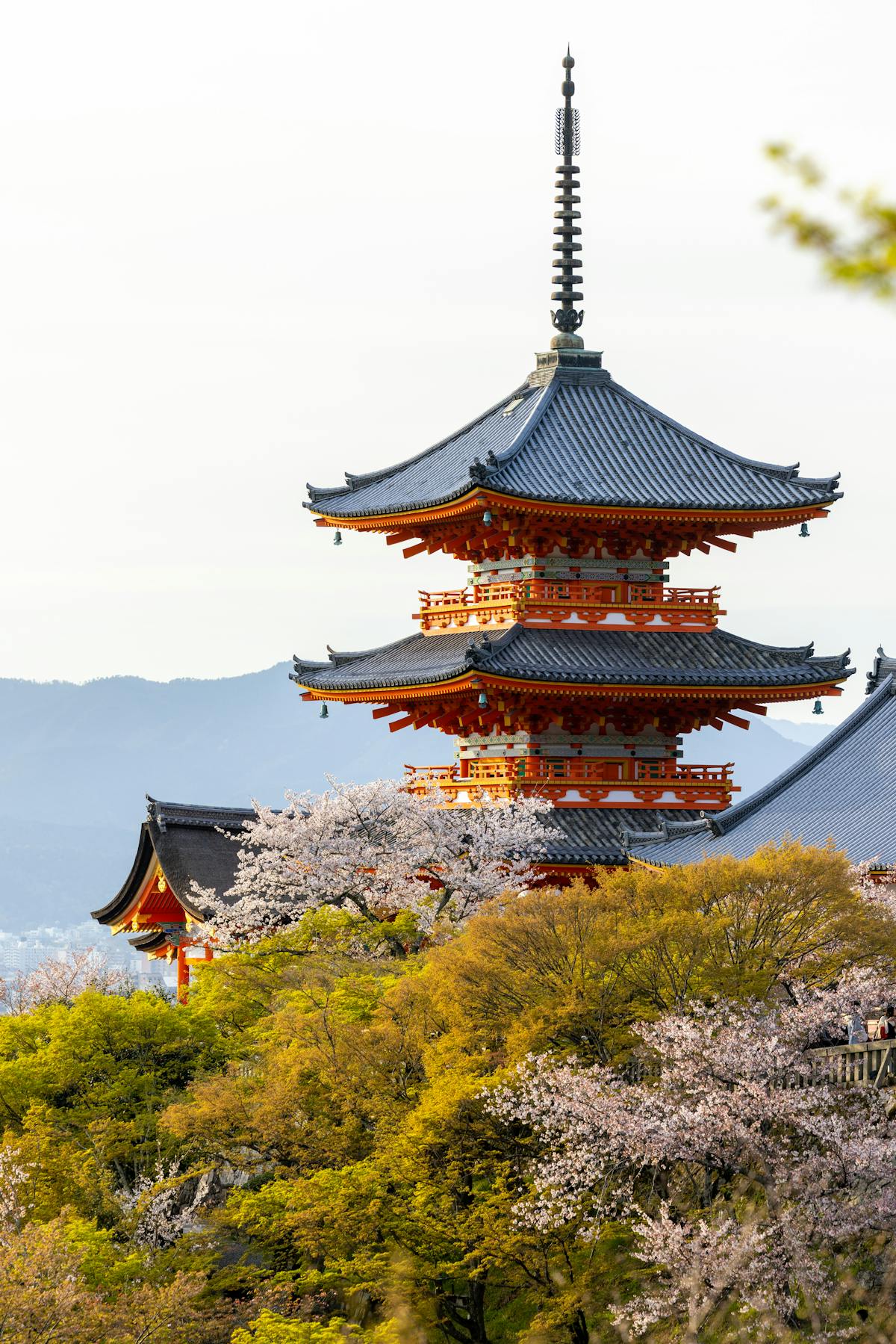
Kyoto is 15 minutes by shinkansen (or 45 on a regular train) and balances Osaka’s modern attractions with something older. The orange torii tunnel at Fushimi Inari hooks kids, the Arashiyama bamboo grove feels like a storybook, and the Kyoto Railway Museum lets them climb real trains, run a driving simulator, and gawp at a huge diorama. The trick with young kids is restraint: pick one or two sights, not an ambitious temple marathon. Arashiyama, with its bamboo, monkey park, and boat rides, makes a tidy contained half-day.
Eating out with kids
What kids actually eat here
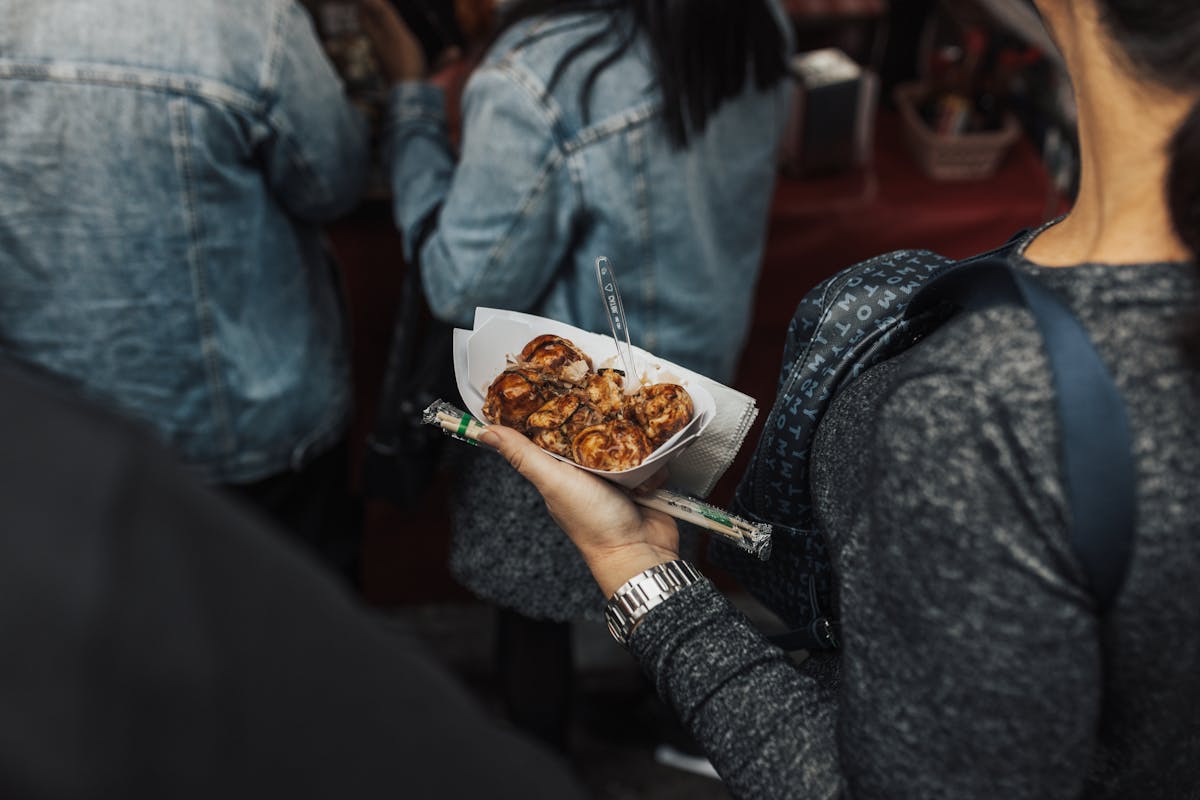
Osaka’s food scene is unusually kid-friendly, because the famous dishes happen to be the ones children already love. Takoyaki (crisp outside, molten in) are everywhere and a show to watch being made. Okonomiyaki is customisable and hands-on, plenty of places let you cook your own on a tabletop griddle. Past that: karaage (fried chicken), tonkatsu (breaded pork), udon (mild, thick noodles built for small palates), Japanese curry (sweeter and milder than Indian or Thai), and ramen. For picky eaters, conveyor-belt sushi is the answer, kids pick exactly what they want off the belt, and there’s far more than raw fish: egg, corn, chicken. More ideas in our Osaka food guide.
Where to eat with them
Department store food courts and mall restaurants are reliably set up for families, high chairs, kids’ menus (o-kosama setto), stroller room. Namba Parks and the basement restaurant floors at Umeda’s Hankyu and Daimaru are strong bets. The family-restaurant chains, Gusto, Saizeriya, Coco Ichibanya, are built for this: cheap, roomy, picture menus you can order from without a word of Japanese. Our family restaurants guide names specific spots by area.
And the convenience store deserves a mention as a genuine lifeline. FamilyMart, 7-Eleven, and Lawson stock onigiri, sandwiches, milk, juice boxes, baby food, and snacks, cheap, and open around the clock. Never underestimate a well-timed konbini stop to rescue a sinking afternoon.
The practical side
Strollers and getting around
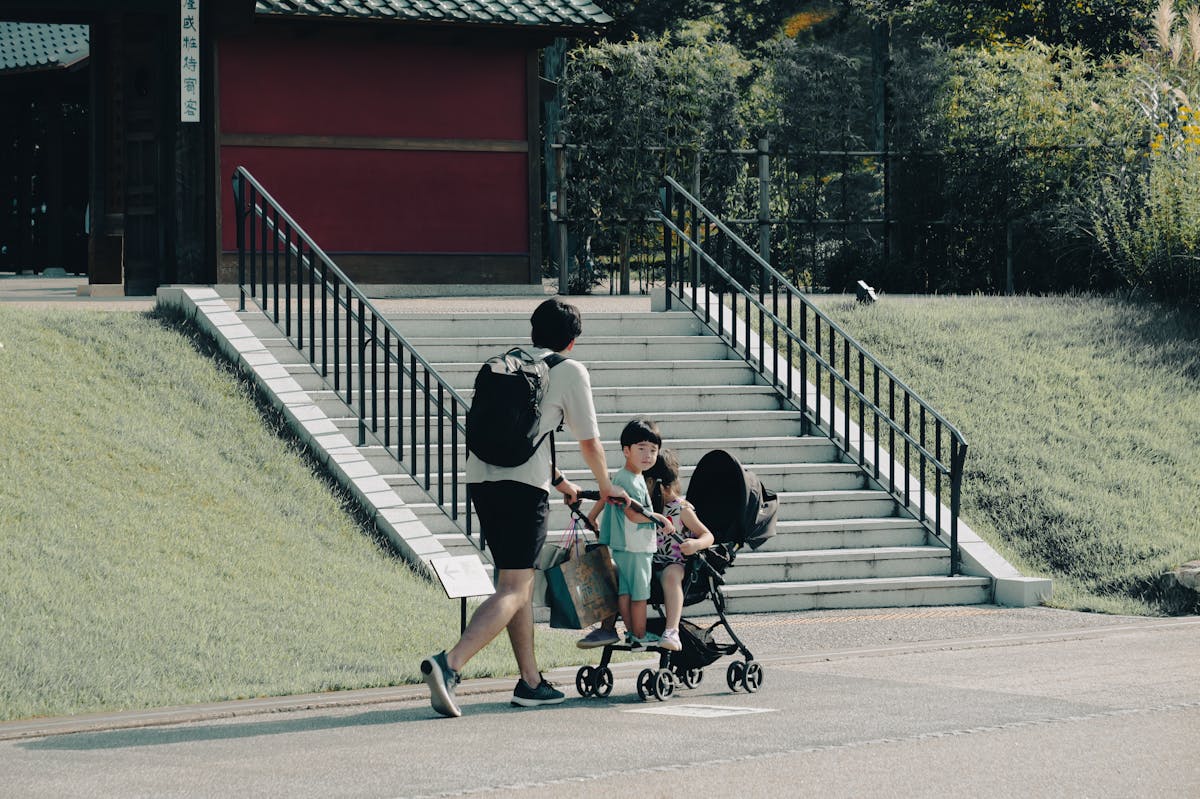
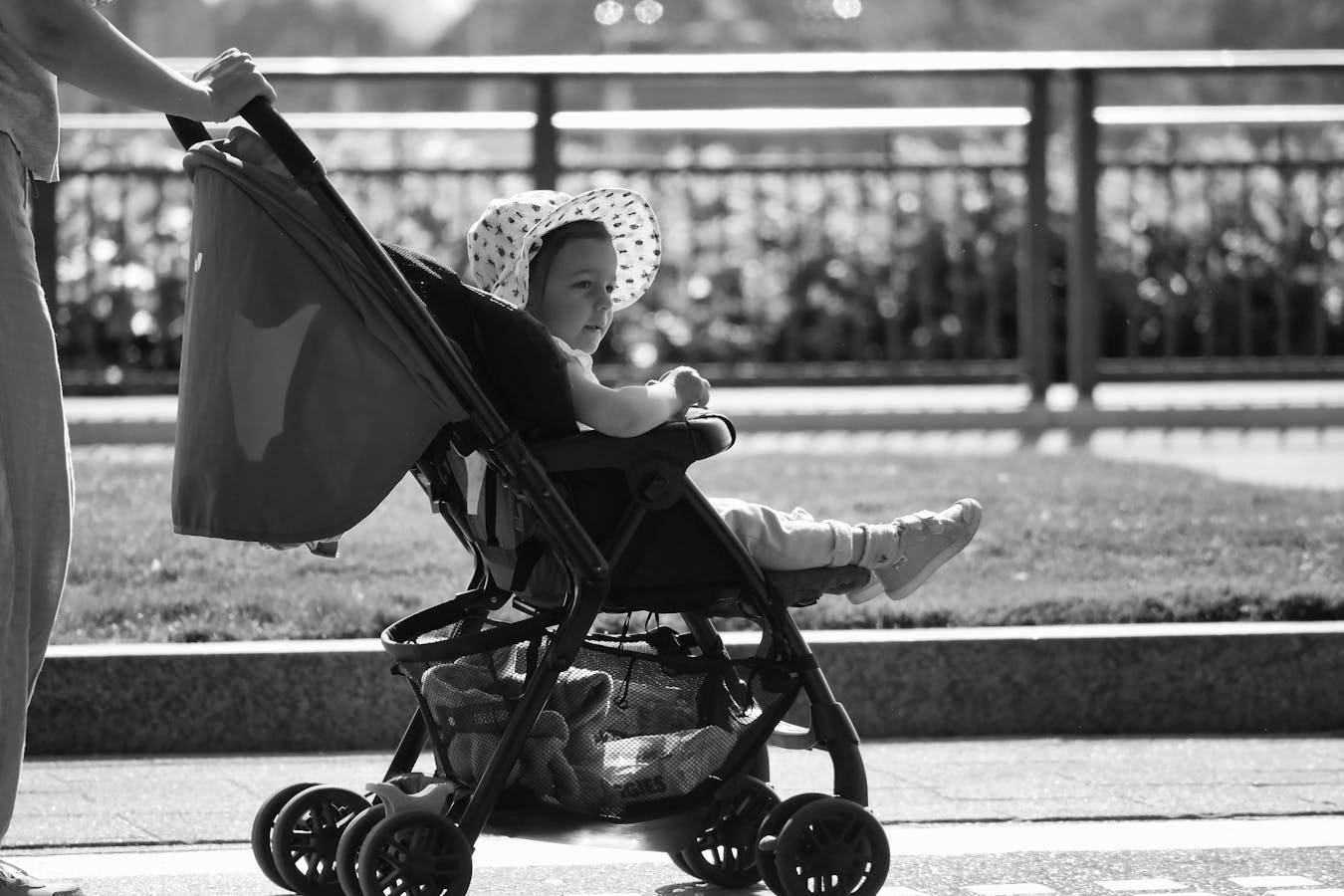
Osaka’s metro and trains are about as stroller-friendly as public transit gets in Asia. Most major stations have elevators (look for signs or just ask staff), priority seating, and level platforms. Kids under 6 ride free; ages 6 to 12 pay half. Bring a lightweight foldable stroller, some older stations and narrow streets favour something compact.
The Osaka Amazing Pass (1-day ¥2,800, 2-day ¥3,600) is strong value for families: unlimited metro and bus, plus free entry to over 40 attractions, including the Tempozan Ferris Wheel, Osaka Castle, and boat cruises. Note USJ and the aquarium aren’t included. Full breakdown in our Osaka Amazing Pass guide.
Baby and toddler logistics
Japan is built for this. Department stores like Hankyu, Daimaru, and Takashimaya have proper baby rooms (akachan kyukeishitsu) on several floors, with nursing chairs, changing tables, hot-water dispensers for formula, and microwaves. Big stations, airports, and malls have nursing and changing rooms too. Diapers (Merries, Moony, Goo.n are the popular local brands, all excellent), baby food, formula, and supplies are everywhere, at drugstores like Matsumoto Kiyoshi and baby specialists like Akachan Honpo (Namba and Umeda branches). The local stuff is genuinely good, so don’t haul it all from home.
Where to stay with kids
Location decides everything here. Namba and Shinsaibashi put you walking distance from Dotonbori’s street food, multiple train lines, and the main action. For a USJ-focused trip, Universal City has family hotels wired straight into the park. Umeda suits families wanting fast day-trip access to Kyoto and Nara. Apartment-style hotels and serviced apartments are worth seeking out, more room than a standard hotel, plus a washing machine and a kitchenette. Many hotels lend cots and cribs on request, and some family properties offer baby kits with tubs, sterilisers, and loaner strollers. Detailed picks in our where to stay in Osaka guide.
Backup plans for rain and heat
Osaka summers are hot and sticky (July-August) and rain can land any month, so have indoor options ready. The best are Kids Plaza (top rainy-day pick), LEGOLAND Discovery Center, the Cup Noodles Museum, NIFREL, and Round One (bowling, arcade, karaoke, indoor sport). Big malls, Namba Parks, EXPOCITY, the Umeda underground, give you hours of air-conditioning with restaurants, arcades, and sometimes indoor play. The aquarium is fully indoor too, so it’s weather-proof. And karaoke is a surprisingly good family activity, private rooms, English touchscreen catalogs, reasonable rates from about ¥500 per person per hour.
Sample itineraries
Three days: the family greatest hits
Day 1, the classics. Morning at Osaka Castle Park (free grounds), ride the road train, climb the tower. Lunch at a nearby family restaurant. Afternoon at Kids Plaza (2-3 hours). Evening stroll down Dotonbori for a takoyaki-and-okonomiyaki dinner.
Day 2, Tempozan bay. A full morning at Kaiyukan. Lunch at Tempozan Marketplace. Afternoon at LEGOLAND Discovery Center and a spin on the Ferris wheel. Back to the hotel for a rest, then a casual dinner nearby.
Day 3, USJ. The whole day at Universal, in at opening for the shortest queues. Prioritise Super Nintendo World (timed entry), your kids’ must-ride list, and Universal Wonderland for the little ones. Dinner in or out of the park.
Five days: the extended version
Add to the three days above:
Day 4, Nara. Morning train to Nara (about 35 minutes). Feed the deer, visit Todaiji (the pillar hole is a hit), explore Kasuga Taisha. Picnic or eat at a Nara family restaurant. Back to Osaka late afternoon.
Day 5, Cup Noodles plus a neighbourhood. Morning at the Cup Noodles Museum in Ikeda (free entry, ¥500 for My Cup Noodles Factory). Afternoon in Shinsekai (Tsutenkaku observation deck, kushikatsu lunch) or souvenir shopping in Shinsaibashi. Farewell dinner somewhere family-friendly.
Tips by age
Babies and toddlers (0-3)
Lean on stroller-friendly places with baby rooms, Kaiyukan, Osaka Castle Park, department stores, NIFREL, and keep the pace slow with built-in rest. Pack a carrier for the odd station without a lift. Buy baby supplies as you go rather than overpacking; the local ones are excellent. Most hotel rooms can fit a cot, just ask ahead. Our guide to Osaka with toddlers goes deep on under-4s.
Preschoolers (3-5)
The sweet spot for Kids Plaza, LEGOLAND Discovery Center, Nara’s deer, and the Cup Noodles Museum. USJ’s Universal Wonderland is built for exactly this age. Start early while energy’s high and plan an afternoon nap or quiet hotel time. Conveyor-belt sushi is perfect now, the parade of colourful plates is half the entertainment.
School-age kids (6-12)
Everything is open to you at this age. USJ becomes a full-day adventure with most rides in reach. Nara and Kyoto day trips slot in well. The Cup Noodles workshop, cooking classes, and ninja experiences (shuriken throwing and the like) all land. This group also loves the Osaka Science Museum and the city’s many hands-on exhibits.
Teenagers (13+)
Give teens some leash in safe areas like Shinsaibashi and Amerikamura for shopping. USJ’s thrill rides, Den Den Town (the anime and gaming district), karaoke, and the food scene all hit. A cooking class together makes a good family afternoon. And the early-evening buzz of the Dotonbori area is teen-friendly, photo spots, street food, people-watching, no bar required.
What to pack
A few things make Osaka with kids markedly easier: a lightweight compact stroller (umbrella strollers handle crowded trains best), a carrier or sling for stairs and narrow streets, a refillable water bottle (the tap water is safe), a rain cover or compact umbrella (especially June-July), comfortable walking shoes for everyone, and a pocket WiFi or local SIM for maps and translation.
Go light on baby supplies, Japanese drugstores carry great diapers, baby food, formula, and toiletries at fair prices. Sunscreen and insect repellent matter in summer. And a couple of favourite snacks and small toys from home buy you peace on long transit rides and in queues.
Frequently asked questions
What’s the best age to bring kids to Osaka?
Honestly, any age works, but 4 to 12 is the easiest. Kids that age can walk a full day, handle the rides, and remember the trip, while still being young enough to be wowed by deer and giant aquariums. Toddlers are fine too, just slower; teens have plenty to do between USJ, shopping, and the food.
How many days do you need in Osaka with kids?
Three days covers the core, castle, aquarium, Kids Plaza, Dotonbori, and one USJ day. Five lets you add Nara and a slower-paced day without rushing. Many families use Osaka as a base and day-trip to Nara and Kyoto, which works well given how central it is.
Is USJ worth it with young children?
Yes, if they’re roughly 3 or older. Universal Wonderland is built for small kids, and Minion Park and the Sesame Street area suit them too. Under-3s get in free. If your child is under about 3 and you’re tight on time, the aquarium or Kids Plaza may give you more for the money.
Is Osaka stroller-friendly?
More than most Asian cities. Major stations have elevators, attractions are largely accessible, and staff will help you find the lift. A compact foldable stroller handles the occasional narrow street or older station best, and a carrier as backup covers the gaps.
Start planning
Osaka is one of those rare family destinations where nearly everything tilts in your favour, the food, the safety, the transit, the attractions, the warmth of the people. Begin with our Osaka travel guide for logistics, browse things to do in Osaka for the full attraction list, and check where to stay in Osaka for family-friendly bases. The hard part of an Osaka family trip isn’t finding things to do. It’s fitting them all in.
Explore the full Osaka with Kids series
Travelling with little ones? These family guides go into the practical detail:
- Best Playgrounds in Osaka 2026: Parks & Indoor Play for Kids
- Expo City Osaka 2026: Complete Family Day Out Guide (NIFREL, Wheel & More)
- Family Restaurants in Osaka 2026: Kid-Friendly Dining Guide
- Hirakata Park Osaka 2026: Japan’s Oldest Amusement Park Guide
- Kids Plaza Osaka 2026: Complete Visitor’s Guide for Families
- Osaka Aquarium with Kids 2026: Kaiyukan Family Visit Guide
- Osaka with Toddlers 2026: Complete Guide for Parents of Under 4s
- Universal Studios Japan with Kids: Family Planning Guide 2026
If there is a Pokemon fan in the party, this is the day that makes the trip. Pokemon Center Osaka and the Pokemon Cafe covers both stores and the 31-day booking scramble for a cafe table.