This article contains advertising. Our booking links are routed through a partner that adds commission tracking automatically, so if you book through one we earn a commission from the provider, at no extra cost to you. It never affects what we recommend. Affiliate disclosure
The Osaka Amazing Pass is the city’s headline tourist pass, and it works on one simple bet: unlimited Osaka Metro and bus travel for a day, plus free entry to more than 40 paid attractions. Osaka Castle, the Umeda Sky Building observatory, Tsutenkaku Tower, the Tombori River Cruise, both big Ferris wheels, Tennoji Zoo, the LEGOLAND Discovery Center. It runs 3,300 yen for one day or 5,500 yen for two, and on a packed sightseeing day it can save you anywhere from 3,000 to 10,000 yen. The catch is in that word packed. The pass only wins if you actually march through several paid attractions. Loaf around Dotonbori eating takoyaki and it loses to a plain transit card every time.
So this is the no-spin version for 2026. The real attraction list, the break-even math at different paces, two sample days built to wring value out of the pass, what it pointedly does not cover (USJ and the Aquarium are the big ones), and the situations where you are better off paying as you go. By the end you will know whether it is your pass or someone else’s.
Osaka Amazing Pass at a glance (2026)
- One-day pass: 3,300 yen, adult.
- Two-day pass: 5,500 yen, adult.
- Kids: no separate child pass. The one-day pass is for ages 6 and up.
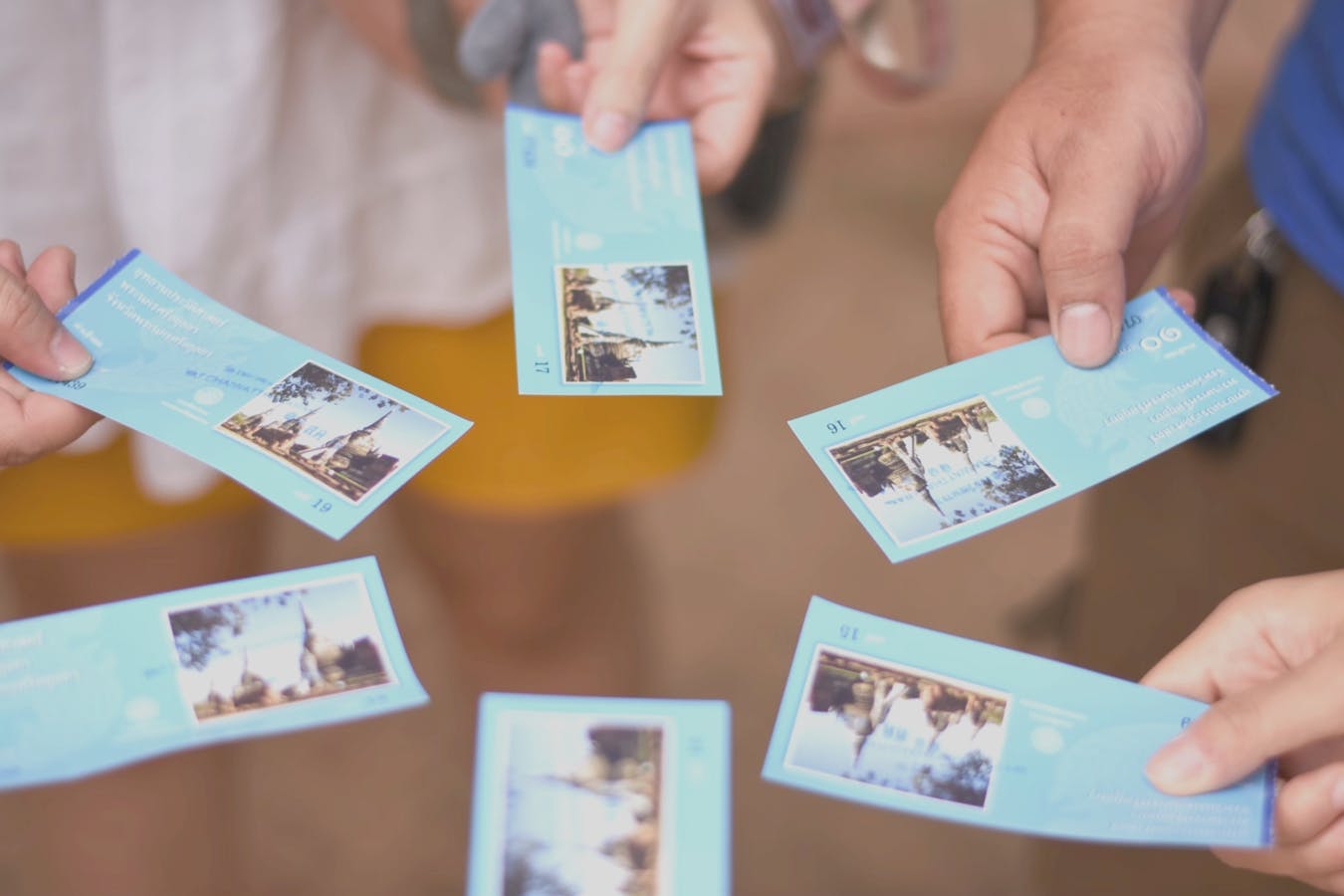
- Format: physical card (one-day only) or a digital QR (one-day or two-day).
- What you get: unlimited Osaka Metro, city bus, and ferry, free entry to 40-plus attractions, and discounts at 30-plus more.
- What it skips: the JR Loop Line, USJ, Aquarium Kaiyukan, and the Abeno Harukas deck.
- Where to buy: tourist offices at Kansai Airport, JR Osaka Station, and the Namba Information Center, or online through Klook, KKday, and the official site.
The break-even math, done honestly
Forget the marketing total of 40-plus attractions. Nobody visits 40 things in a day. The only number that matters is what you would actually pay for the handful of places you genuinely want to see. Add those up, compare to 3,300 yen, decide. Here are the headline gate prices for the stops people gravitate to.
- Osaka Castle Museum: 1,200 yen.
- Umeda Sky Building, Floating Garden observatory: 2,000 yen.
- Tsutenkaku Tower: 1,000 yen.
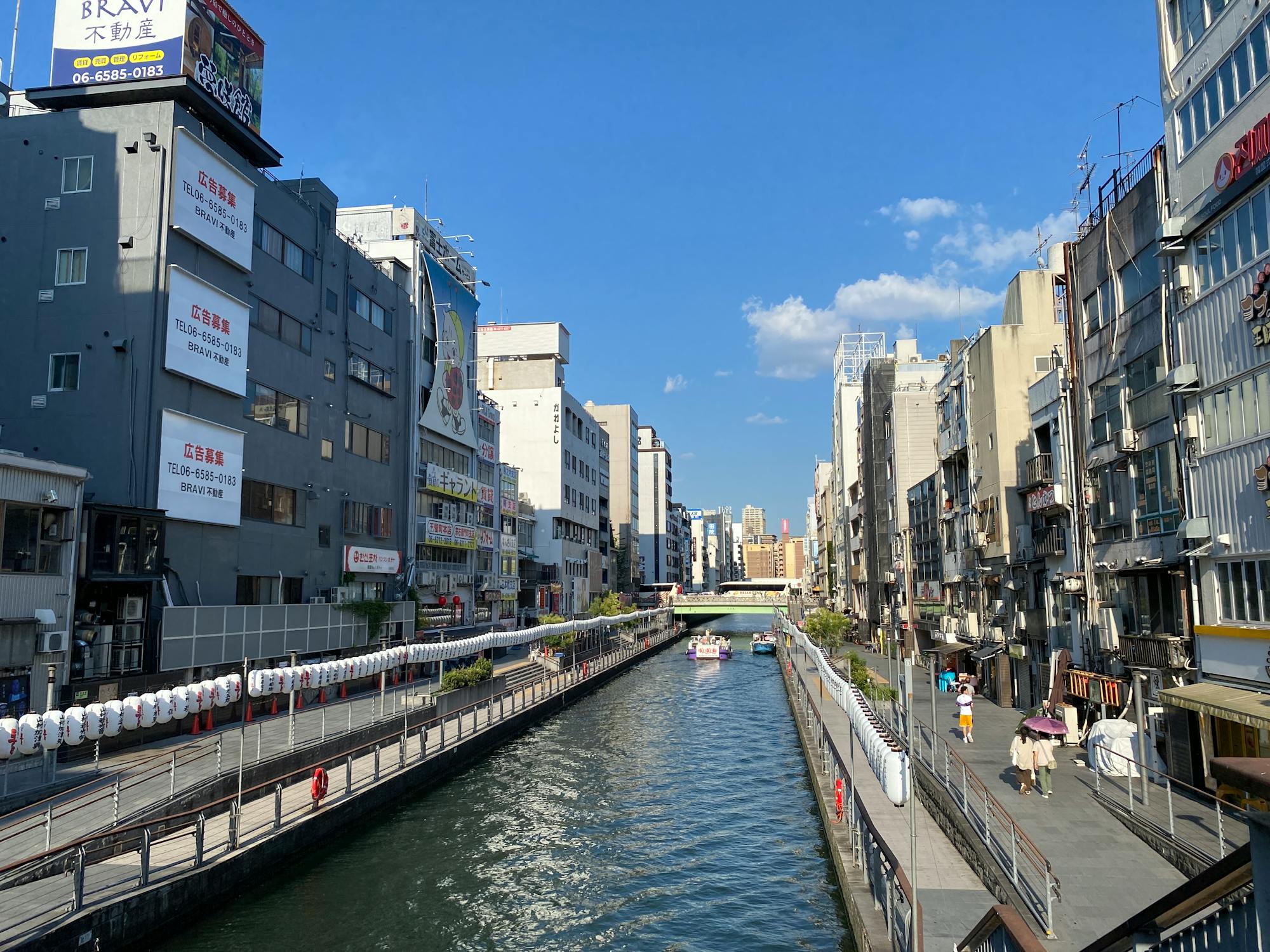
- Tombori River Cruise: 1,500 yen.
- HEP Five Ferris Wheel: 600 yen.
- Tempozan Ferris Wheel: 800 yen.
- LEGOLAND Discovery Center: 2,800 yen.
- A day of unlimited subway on its own (the Osaka 1-Day Pass): 820 yen.
Run the numbers and the threshold is clear. Three or more paid attractions in a single day, and the one-day pass is already saving you money before you count the free transit. Two attractions and it is roughly a wash. One attraction and a relaxed day of wandering? Pay at the gate and carry an ICOCA card for the trains instead. It will work out cheaper and you will not feel pressure to cram.
That pressure is the hidden cost worth naming. A pass that only pays off at four stops quietly turns your day into a checklist. Some people love that and power through. Others would rather sit in a kissaten for an hour. Know which one you are before you buy.
What is actually included
The big landmarks
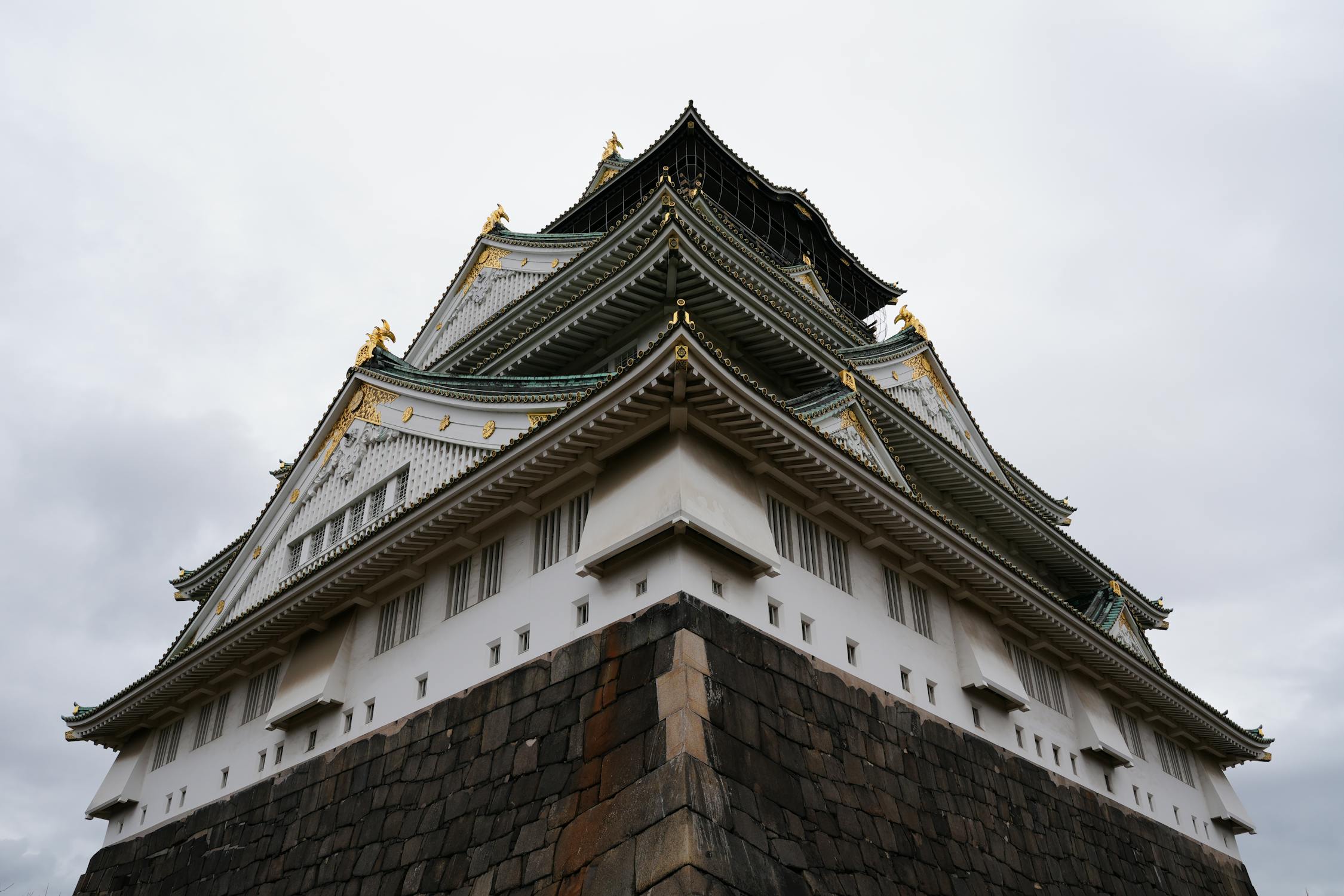
- Osaka Castle Museum plus the Toyotomi Stone Wall Museum, a 1,200 yen value.
- Umeda Sky Building Floating Garden Observatory, 2,000 yen, the single most valuable free entry on the pass.
- Tsutenkaku Tower observation deck in Shinsekai, 1,000 yen.
- HEP Five Ferris Wheel in Umeda, 600 yen.
- Tempozan Ferris Wheel out by the bay, 800 yen.
- Osaka Castle Gozabune golden boat, a short moat cruise, 1,500 yen.
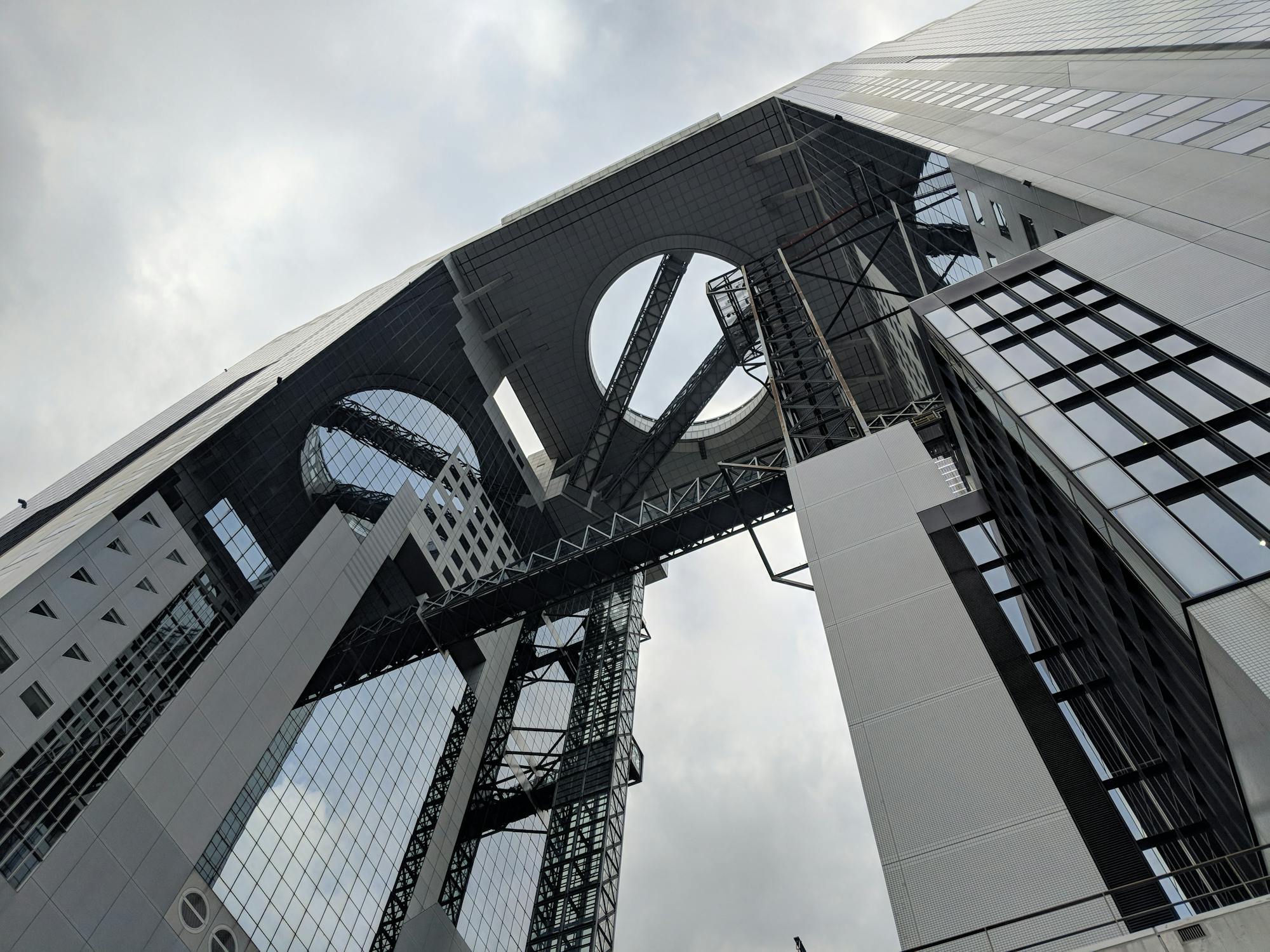
Cruises and boat tours
- Tombori River Cruise, the short neon-lit loop through Dotonbori, 1,500 yen.
- Aqualiner sightseeing cruise, 1,700 yen.
- Wonder Cruise, 1,500 yen.
- Santa Maria Bay Cruise, daytime sailing, 1,800 yen.
Good for families
- LEGOLAND Discovery Center Osaka, 2,800 yen, a real chunk of value if you have young kids.
- Tennoji Zoo, 500 yen.
- Kids Plaza Osaka, 1,400 yen.
- The whale-and-dolphin boat tour at Tempozan.
Museums
- Osaka Museum of Housing and Living, a recreated Edo-period streetscape, 600 yen.
- Osaka Science Museum exhibits, 400 yen.
- Open Air Museum of Old Japanese Farmhouses, 500 yen.
- Liberty Osaka human rights museum, 500 yen.
Baths and spas
- Spa World day pass, 1,500 yen.
- Solaniwa Onsen, a large modern hot-spring complex near the bay.
What it does not cover
This is where people get caught, so read it twice. The exclusions are not minor footnotes; a couple of them are probably the very things you flew here for.
- The JR Loop Line. The pass is Osaka Metro only. Any JR ride needs an ICOCA or a separate fare.
- The JR Yumesaki Line to USJ. Not covered.
- Universal Studios Japan tickets, sold separately at 8,900 to 11,800 yen depending on the day.
- Osaka Aquarium Kaiyukan, a separate 2,400 to 2,700 yen. The neighbouring Tempozan Ferris Wheel and Santa Maria are free, the aquarium itself is not.
- Abeno Harukas 300, the deck atop Japan’s tallest building, a separate 1,500 yen.
- Most cafes, food stalls, and restaurants. This is a sightseeing pass, not a meal plan.
- Day trips out of the city to Kyoto, Nara, or Kobe.
The USJ and Kaiyukan gaps catch the most people, because both are at the top of half the itineraries that come through Osaka. If your trip is built around either one, the pass is not built around you.

A one-day itinerary that earns it back
This is the kind of day the pass was designed for: north to centre to south, five free admissions, the subway doing the heavy lifting between them. Times are a guide, not a schedule to stress over.
- 9:00, Osaka Castle and the Stone Wall Museum, about 90 minutes. Free.
- 11:30, the Gozabune golden boat around the moat, 20 minutes. Free.
- 12:30, lunch at Jo-Terrace by the castle.
- 14:00, subway up to Umeda. Free with the pass.
- 14:30, the Umeda Sky Building Floating Garden, around an hour. Free.
- 16:00, a spin on the HEP Five Ferris Wheel, 15 minutes. Free.
- 17:00, subway down to Namba for the Tombori River Cruise. Free.
- 18:00, walk Dotonbori and find dinner.
- 20:00, Tsutenkaku Tower lit up at night over in Shinsekai. Free.
Tally it up. The attractions alone come to about 7,200 yen, plus 820 yen you would otherwise spend on a metro day pass, for 8,020 yen. The pass is 3,300 yen. That is 4,720 yen saved, and a full, genuinely good day of sightseeing.
A two-day plan
The two-day pass at 5,500 yen wants two full sightseeing days back to back. Split the city geographically so you are not crossing it twice.
Day one, north and centre
- Osaka Castle and the Gozabune boat.
- The Museum of Housing and Living.
- The Umeda Sky Building.
- The HEP Five Ferris Wheel.
- The Tombori cruise, then dinner in Dotonbori.
Day two, bay and south
- The Tempozan Ferris Wheel and the Santa Maria cruise.
- The LEGOLAND Discovery Center.
- An afternoon soak at Spa World.
- Tsutenkaku Tower at sunset.
Done at this pace, the a la carte cost clears 16,400 yen against the 5,500 yen pass, so you are looking at upwards of 10,900 yen saved. The two-day version, though, is unforgiving of a slow day. Skip half of day two and the math flips against you fast.
When to skip it
- You came for USJ. Not included, full stop. Buy park tickets separately.
- You came to eat. If Kuromon Market and Dotonbori street food are the plan, there are no paid attractions to redeem. An ICOCA is cheaper.
- Day trips dominate. The pass does nothing for Kyoto, Nara, or Kobe.
- You only have appetite for one or two attractions. Pay at the gate.
- You are here several days but only hit one paid sight a day. Buy individual tickets and grab the 820 yen Osaka 1-Day Metro Pass on the days you move around a lot.
If you are weighing the Amazing Pass against the other Osaka deals, it is worth seeing how it lines up against the metro-only and combination passes, and against simply tapping through on an IC card. The Osaka day pass comparison runs those side by side.
How it works once you have it
The mechanics are simple but worth knowing so you do not fumble at your first gate. With the physical card, you tap it on the subway turnstile exactly like an IC card, and the gate opens. At each attraction, you hand the card to staff or tap it at a reader, and they wave you in. No separate ticket, no fare to work out.
The digital QR works the same in spirit but lives on your phone. You activate the pass in the app the first time you ride or enter somewhere, the clock starts then, and you show the QR at gates and counters. The one practical wrinkle: phone battery. A dying phone is a dead pass, so charge up before a full day of scanning, and screenshot nothing, since the live QR refreshes and a screenshot will not scan.
Either way, the pass is keyed to your travel within Osaka’s metro zone. Step onto a JR train or a private line like Hankyu or Nankai and the pass does nothing, which is the single most common point of confusion. Those rides need an IC card. The two live together in your pocket without conflict; you just tap the right one for the right train.
Amazing Pass versus the other Osaka deals
The Amazing Pass is not the only flat-rate option in the city, and lining it up against its real rivals is the fastest way to see whether it fits. Each one answers a different question.
- Osaka 1-Day Metro Pass, around 820 yen. Pure transit, no attractions. This is the honest comparison point. If you would not visit three paid sights anyway, the gap between this and the 3,300 yen Amazing Pass is the premium you are paying for admissions you will not use.
- Osaka e-Pass. A digital pass focused on attractions without the unlimited transit. Cheaper if you plan to walk between a few sights and barely ride the subway, since you are not paying for transit you skip.
- Kansai Thru Pass. A two or three-day pass covering private railways and subways across the whole Kansai region, Kyoto and Nara included, but with no attraction entry. The opposite trade: broad transit, zero admissions. The right pick when day trips, not Osaka attractions, dominate your plan.
Read that list and the Amazing Pass’s lane comes into focus. It is the choice for a day or two spent hard inside the city, hitting paid attraction after paid attraction, with the subway as the connective tissue. The moment your trip leans toward day trips, free sights, or just one big-ticket attraction like USJ, one of the others wins.
Where to buy it
- The Kansai Airport tourist office, an easy first stop on arrival, though save activation for later.
- The JR Osaka Station Tourist Information Center, central and easy to find.
- The Namba Information Center, right by the southern hub.
- Online via Klook, KKday, or GetYourGuide, often a touch cheaper and bookable in advance.
- The official Osaka Amazing Pass website, the most direct route.
- Some hotel concierges resell them too.
Card or QR?
- One-day pass: your choice, physical card or digital QR.
- Two-day pass in 2026: digital QR only. The physical two-day card is gone.
- Digital upside: activate it whenever you like, and there is nothing to drop on a train.
- Physical upside: the card taps straight through subway gates, and it makes a decent free souvenir.
Tips that actually change the value
- Activate on your busiest day, never your arrival day. Jet-lagged and dragging a suitcase, you will not clear four attractions, and the clock is already running.
- It is one calendar day, not 24 hours. A one-day pass activated at 16:00 dies at midnight, not 16:00 tomorrow. Start it in the morning.
- Check the fine print per attraction. Some allow a single free entry, some let you re-enter, and a handful are discount-only rather than free.
- Dotonbori itself costs nothing. Do not waste a pass day just to walk it. Save the pass for the things behind a ticket counter.
- Budget for lockers. If you are carrying bags, reckon on 400 to 800 yen at the attractions.
Osaka Amazing Pass FAQ
How much is the Osaka Amazing Pass?
3,300 yen for one day and 5,500 yen for two. As of 2026 the two-day version is a digital QR only.
Is the Osaka Amazing Pass worth it?
Yes, if you visit three or more paid attractions in a day, where it typically saves 3,000 yen or more. No, if your day is mostly free sights, food, and walking, in which case an ICOCA card is cheaper.
Does it include Universal Studios Japan?
No. USJ tickets are a separate purchase, 8,900 to 11,800 yen depending on the date.
Does it include the Aquarium Kaiyukan?
No. Aquarium entry runs 2,400 to 2,700 yen on its own. The Tempozan Ferris Wheel and the Santa Maria cruise right next to it are free with the pass, but the aquarium is not.
Does it work on the JR Loop Line?
No. The pass covers Osaka Metro and city buses only. Any JR ride needs an ICOCA or a separate ticket.
Can I use it for a day trip to Kyoto?
No. It covers Osaka transit only. For Kyoto, Nara, or Kobe you will need separate tickets or a regional rail pass.
Plan the rest of your sightseeing
Once you have decided on the pass, line up the days around it. For the trains the pass does not cover, see the ICOCA card guide, and for the full lay of the network, the Osaka transportation guide. Going further afield than the city limits? The JR Pass and Kansai pass guide covers the rail deals that actually save money on day trips. If one day of sightseeing is all you need, weigh it against the alternatives in our Osaka day pass comparison.
The clearest example of the before-15:00 rule is the observatory in the twin towers north of the station — our Umeda Sky Building guide explains why a pass day has to start early.