This article contains advertising. Our booking links are routed through a partner that adds commission tracking automatically, so if you book through one we earn a commission from the provider, at no extra cost to you. It never affects what we recommend. Affiliate disclosure
The JR Pass Osaka search is one of those questions that sounds simple and isn’t. Type it in and you are really asking which of half a dozen rail passes suits a Kansai trip: the famous nationwide Japan Rail Pass at 50,000 yen for seven days, the much tighter JR Kansai Area Pass at 3,000 to 7,200 yen for one to four days, the broader Kansai Wide Pass, the Hokuriku Arch Pass that strings Osaka to Kanazawa to Tokyo, or no pass at all with a simple ICOCA card doing the work. Pick wrong and you can torch 10,000 yen on transit you didn’t need, or skip a pass that would have saved you exactly that.
So here is the whole field laid out for 2026, with current prices, what each pass actually covers, the break-even math, and a decision framework that starts from your itinerary rather than from the pass. The short version up front: most people visiting Osaka do not need a JR pass at all. The longer version is where the money is.
Quick pick: which pass, if any
- Just exploring Osaka itself: no pass. An ICOCA card is all you need.
- Osaka plus one day trip to Kyoto or Nara: still no pass. ICOCA and individual tickets come out cheapest.
- Osaka, Kyoto, Kobe, and Nara across two to four days: the JR Kansai Area Pass.
- Osaka plus Himeji and wider Kansai: the JR Kansai Wide Pass.
- Osaka with Tokyo, Hiroshima, or Hokkaido in the mix: the nationwide Japan Rail Pass.
- Heavy on private rail like Hankyu, Hanshin, and Keihan: a Kansai Railway Pass, which is not a JR product at all.
All the major passes, side by side
| Pass | Cost (adult) | Days | Best for |
|---|---|---|---|
| JR Pass (nationwide) | 50,000 yen | 7 days | Multi-city trips including Tokyo |
| JR Kansai Area Pass | 3,000 to 7,200 yen | 1 to 4 days | Multi-day Kansai trips |
| JR Kansai Wide Pass | 12,000 yen | 5 days | Kansai plus Hiroshima or Himeji |
| JR Hokuriku Arch Pass | 30,000 yen | 7 days | Osaka, Kanazawa, Tokyo loop |
| Kansai Railway Pass Lite | ¥5,200 / ¥6,500 | 2 or 3 days | Non-JR rail (Hankyu, Hanshin, Keihan) |
1. The nationwide Japan Rail Pass
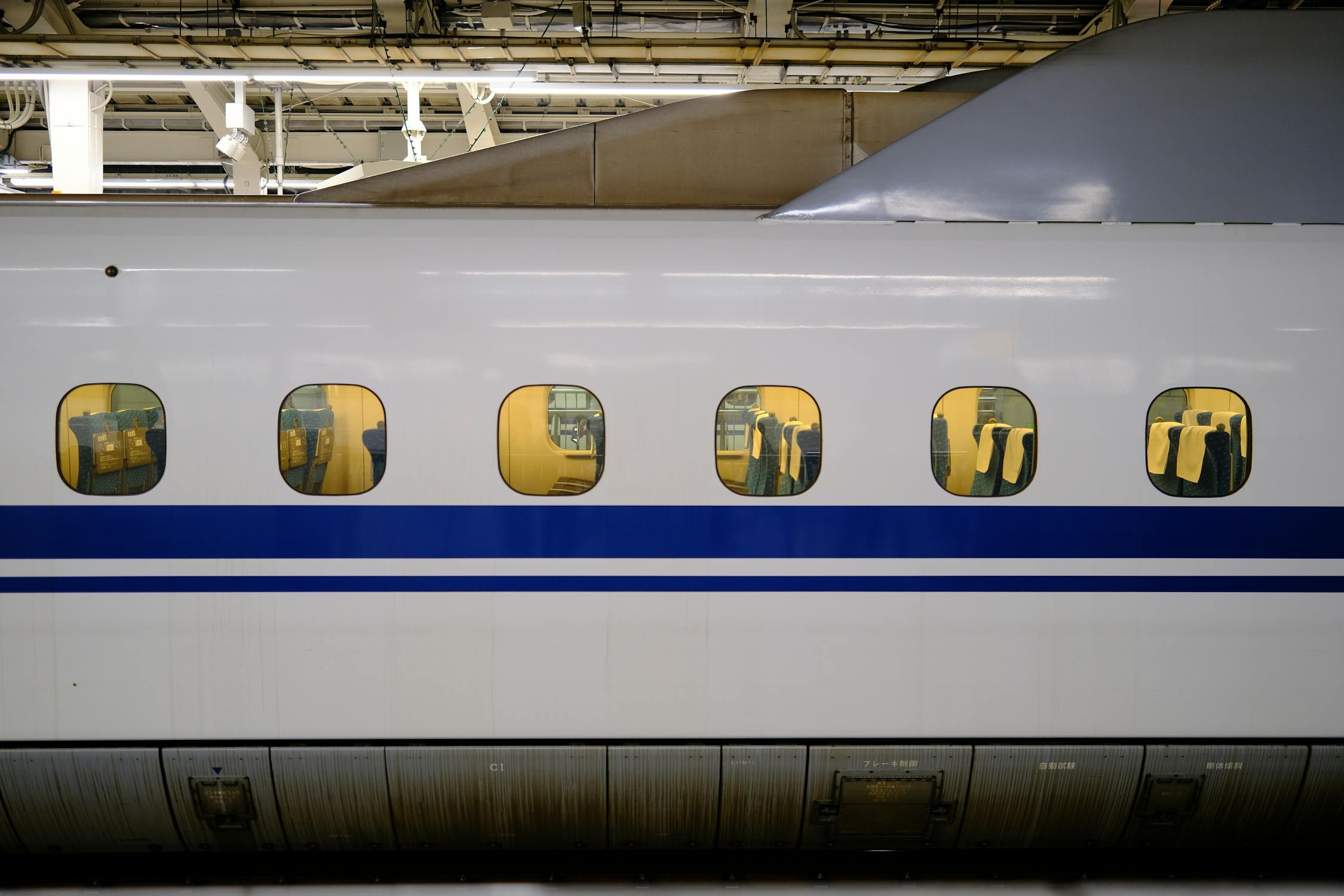
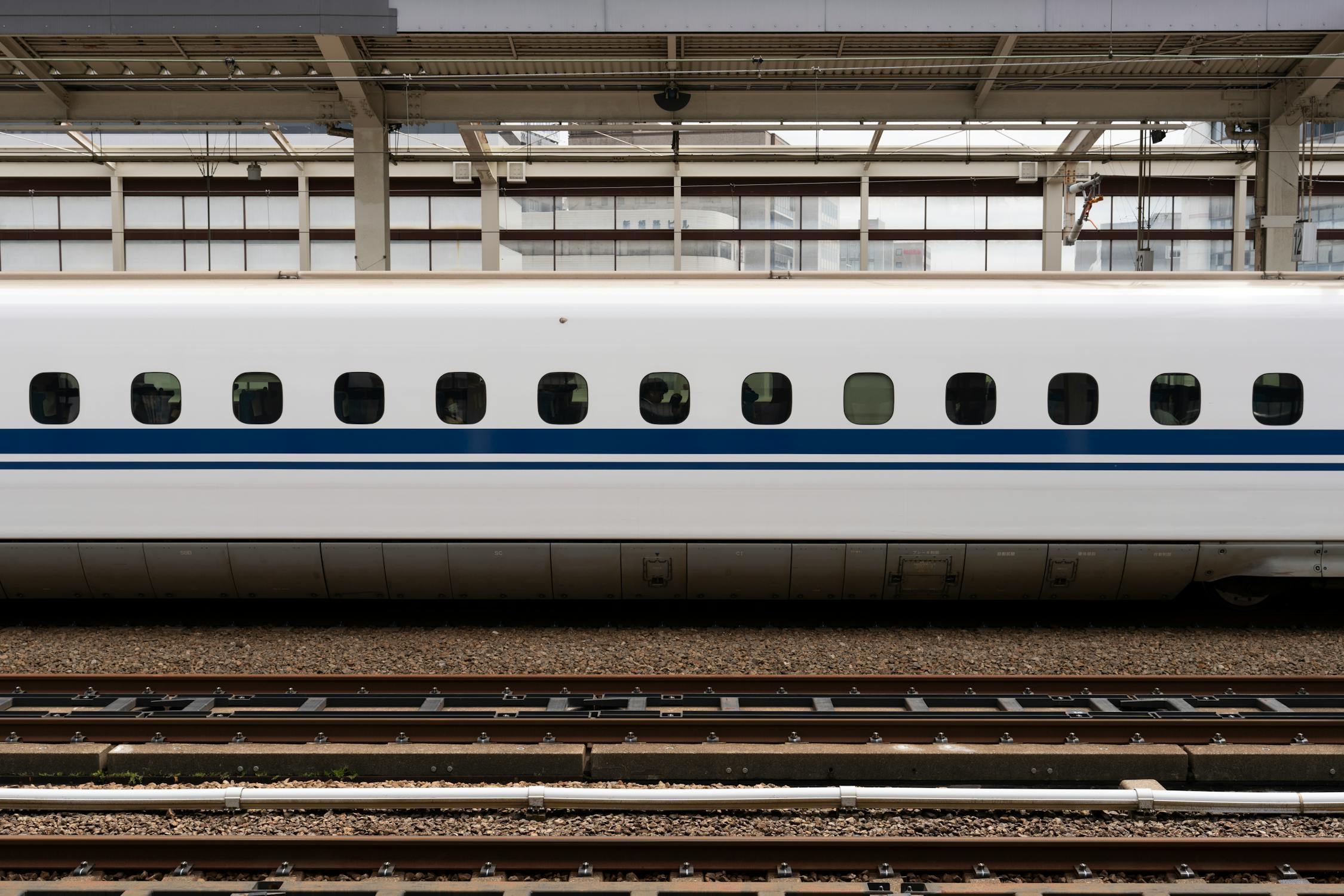
This is the one everyone has heard of: 50,000 yen for seven days of unlimited JR travel across the country, most Shinkansen included. It is worth it only if you are pairing Osaka with at least one distant city, realistically Tokyo, inside that seven-day window. For a trip that stays in Kansai, it is a money pit.
- Cost: 50,000 yen for 7 days, 80,000 for 14, 100,000 for 21.
- Break-even check: a Tokyo to Osaka to Hiroshima and back loop is roughly 34,000 yen in a la carte Shinkansen. Stack a few more rides on top within the week and the pass starts paying.
- Nozomi and Mizuho: now allowed for an extra fee, a change that came in with the 2024 pricing overhaul. Before that, the fastest trains were off-limits entirely.
- Where to buy: online through JR-affiliated agencies before you fly, then collect at a major JR office.
- Best for: Tokyo plus Osaka plus Hiroshima, or anything spanning that kind of distance.
The trap here is buying it on reputation. The nationwide pass is the most famous, so people grab it by default, and for an Osaka-anchored trip that default quietly wastes 40,000 yen. Fame is not the same as fit.
2. The JR Kansai Area Pass, one to four days
This is the JR pass that actually makes sense for most Osaka-based travellers. Unlimited JR West trains around the Kansai region: Osaka, Kyoto, Kobe, Nara, Himeji, Wakayama, Otsu. It also covers the Haruka express in from Kansai Airport, which is a tidy chunk of value on its own. What it does not reach is the Sanyo Shinkansen, so if a Hiroshima and Miyajima day trip is on your list, skip down to the Wide Pass.
- One day: 3,000 yen.
- Two days: 4,800 yen.
- Three days: 5,800 yen.
- Four days: 7,200 yen.
- Covers: the JR Loop Line in Osaka, JR trains to Kyoto, Nara, Himeji, and Kobe, the JR line out to the Universal Studios area, and the Haruka airport express.
- The big exclusion: Shinkansen is not included on this pass. None of it.
- Best for: a multi-day Kansai trip with a lot of regional day-tripping.
What a three-day Kansai Area Pass looks like
- Day one: KIX to Osaka on the Haruka, about 3,200 yen of value.
- Day two: Osaka to Kyoto and back, plus a few JR Loop Line hops, around 1,400 yen.
- Day three: Osaka to Nara and back, plus a run out to Himeji, roughly 3,500 yen.
- A la carte total: about 8,100 yen. The pass is 5,800. You are 2,300 yen ahead.
Notice the margin is modest. The Kansai Area Pass rarely produces dramatic savings; it produces small, reliable ones, and the real win is not queuing for tickets at every station. If your day trips are light, the gap shrinks to nothing and an ICOCA is simpler.
3. The JR Kansai Wide Pass, five days
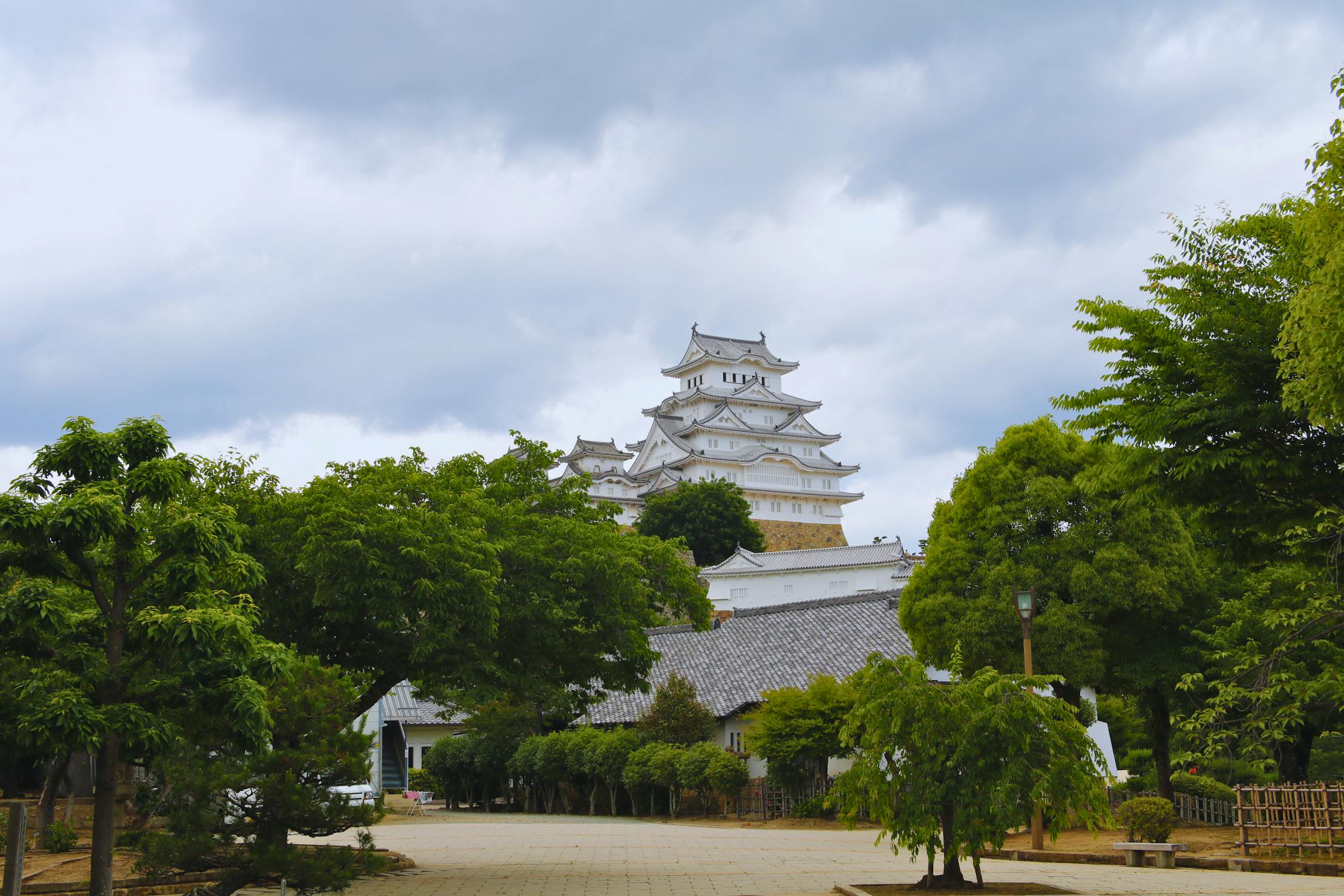
A wider net for 12,000 yen over five days. It covers everything in the Area Pass and then reaches out to Hiroshima, Okayama, Kinosaki Onsen, and parts of the Hokuriku line toward Kanazawa.
- Cost: 12,000 yen.
- Shinkansen: yes, but only on specific Sanyo Shinkansen sections, enough to reach Hiroshima.
- Best for: a Kansai trip with Hiroshima bolted on.
The Hiroshima math
Osaka to Hiroshima on the Shinkansen is about 10,400 yen one way, so 20,800 yen round trip before you go anywhere else. Add three more Kansai rides and you are past 25,000 yen a la carte. The pass at 12,000 yen saves you something like 13,000 yen. This is the clearest-cut case on the whole list: if Hiroshima is on the itinerary, the Wide Pass is almost certainly your answer.
4. The JR Hokuriku Arch Pass
A 30,000 yen, seven-day pass linking Tokyo and Osaka by the Hokuriku Shinkansen, a scenic alternate route through Kanazawa, plus the JR Kansai area at the southern end.
- Best for: a Tokyo, Kanazawa, and Osaka loop where Kanazawa is a real stop, not a flyover.
- Versus the nationwide pass: cheaper if you genuinely stick to the Hokuriku route, but it boxes you in. Travel much south of Osaka and its limits start to bite.
5. The Kansai Railway Pass, the non-JR wildcard
This one is not a JR pass at all, and that is exactly why it is worth knowing about. It covers the private railways, Hankyu, Hanshin, Keihan, Nankai, Kintetsu, and the Osaka subway. Plenty of travellers find it more useful than any JR pass, because the private lines often run faster, cheaper connections between Osaka and Kyoto than JR does.
- Cost: ¥5,200 for two days, ¥6,500 for three (children 6–11 half price), and the days do not have to be consecutive. It is sold online only, as a QR e-ticket. The spring–summer 2026 edition stops selling on 30 September 2026, and no successor edition had been announced by late September.
- Best for: travellers leaning on the Hankyu and Keihan routes between Osaka, Kyoto, and Nara.
- Not covered: any JR line, the Kyoto City Subway, Randen (the Arashiyama tram), the Keihan Otsu lines or buses, and limited-express surcharges are extra. The switch to the Lite version on 1 April 2026 trimmed coverage, so confirm your exact routes are in before you buy.
If most of your moving around is inside the city rather than between cities, neither this nor any rail pass is the foundation. That job belongs to the IC card, and our ICOCA card guide covers why it is the default for everyday Osaka transit.
The decision framework
Strip away the brochures and it comes down to where you are going, not how the pass is marketed. Match your trip to one of these and you have your answer.
- Osaka only, or Osaka plus one short day trip: ICOCA card, no pass.
- Three or more days roaming Kansai, Kyoto and Nara and Kobe: JR Kansai Area Pass.
- Hiroshima is on the list: JR Kansai Wide Pass.
- Tokyo is included and the trip runs seven days or more: nationwide JR Pass.
- Mostly riding Hankyu, Keihan, or Kintetsu: Kansai Railway Pass.
For the day trips specifically, it helps to know the actual fastest and cheapest routes before you commit to a pass, since the private lines sometimes beat JR outright. The breakdowns for Osaka to Kyoto and Osaka to Nara compare every option side by side.
Where to buy
- Online, the move for the nationwide pass: JR-affiliated agencies like Klook and JRailPass.com. Buy before you fly and collect on arrival.
- JR West’s own site for the Kansai passes: westjr.co.jp/global. A QR code lands in your inbox and you activate it at any major JR station.
- The JR ticket office at Kansai Airport: buy on the spot, a minor markup but instant.
- JR offices at Shin-Osaka, Osaka, and Kyoto stations: same options as the airport.
Activating and using a pass
- Activate at a JR West Midori-no-Madoguchi office with your purchase voucher and your passport.
- Most passes run on consecutive days. The exception is the Kansai Railway Pass, which lets you spread the days out.
- Use the right gate. At JR stations, feed the pass into the orange-slot gate rather than tapping the IC panel.
- Reserve seats for free at any JR ticket office, which is worth doing on busy Shinkansen routes and during holiday periods.
- Guard it. A lost pass is generally not replaceable, so treat it like cash.
The mistakes that cost real money
- Buying the nationwide pass for an Osaka-only trip. The single most expensive error here, easily 40,000 yen wasted. A regional pass, or no pass, is the answer.
- Forgetting the Kansai Area Pass excludes Shinkansen. If you need the Osaka to Hiroshima bullet train, this pass will not carry you. You want the Wide Pass or a separate ticket.
- Missing the post-2024 Nozomi rule. The nationwide pass now allows the fastest trains, but only with an added fee paid at activation.
- Confusing JR with the private lines. Hankyu, Keihan, Hanshin, and Nankai are not JR. Do not expect a JR pass to touch them.
- Stacking several short Kansai Area Passes. One longer pass is cheaper than buying back-to-back one-day ones.
The two-card strategy most travellers land on
Here is what experienced Kansai visitors actually carry: a JR pass and an ICOCA card together. The JR pass handles JR lines, the Loop, the Yumesaki branch to USJ, the Haruka to the airport, and longer-distance trains. The ICOCA picks up everything the pass cannot, the Osaka Metro, the private railways, city buses, and convenience-store taps. Between them, there is no gate in the region they cannot get you through.
It is not redundancy, it is division of labour. You tap the IC card for a subway hop across town, then feed the JR pass into the gate for a day trip to Kobe. The only skill is remembering which train belongs to which, and after a day you will not even think about it.
JR Pass Osaka FAQ
Do I need a JR Pass for Osaka?
Often not. For a trip that stays in Osaka, an ICOCA card is cheaper. JR passes only earn their cost when your itinerary covers several cities or specific long-distance day trips.
Does the JR Pass cover the Osaka subway?
No. The Osaka subway is run by Osaka Metro, not JR. A JR pass only covers JR-operated lines, the Loop Line, the Yumesaki branch, the Haruka, and longer JR routes.
What is the difference between the JR Pass and the Kansai Area Pass?
The nationwide JR Pass covers all of Japan, Shinkansen included. The Kansai Area Pass covers JR West regional trains in Kansai only and leaves out the Shinkansen. The price gap is around 45,000 yen.
Does the JR Pass include the Haruka airport train?
Yes. Both the nationwide JR Pass and the JR Kansai Area Pass cover the Haruka express to and from Kansai Airport.
Can I take the Shinkansen on the Kansai Area Pass?
No. The Kansai Area Pass does not include any Shinkansen. For bullet-train travel you need the Kansai Wide Pass or a separate ticket.
Where do I buy a JR Pass?
For the nationwide pass, buy online before your trip through a JR-affiliated agency, then activate at a JR Midori-no-Madoguchi office on arrival. The JR West regional passes can be bought directly online from JR West.
Plan the rest of your Osaka transit
Whichever pass you settle on, pair it with the everyday basics. The ICOCA card guide covers the card that handles your in-city rides, and for a day spent on Osaka attractions rather than trains, weigh the Osaka Amazing Pass and what it actually covers. For the full picture, including buses, taxis, and the airport run, start at the Osaka transportation guide.
Whether a pass pays for itself depends on how far out of Osaka you actually go. Our Kansai region guide maps the destinations that make the Wide Area Pass worth buying.
The one leg that changes the sums is the run east — our Osaka to Tokyo comparison covers the Nozomi surcharge and whether a nationwide pass is worth it for a single Tokyo trip.
For a Tokyo–Kyoto–Osaka trip specifically, the arithmetic is stark and worth seeing in full: our ten-day Japan itinerary totals the actual fares against the price of a nationwide pass.
For the private-railway side of the decision — the Kansai Railway Pass Lite that replaced the old Thru Pass, the Kintetsu Rail Pass and the Koyasan ticket — see our Kansai rail passes comparison.