This article contains advertising. Our booking links are routed through a partner that adds commission tracking automatically, so if you book through one we earn a commission from the provider, at no extra cost to you. It never affects what we recommend. Affiliate disclosure
The single best thing about basing a Japan trip in Osaka is that you barely have to move. Kyoto is thirty minutes away. Nara is forty. Kobe is twenty-five, Himeji an hour. You can sleep in the same bed for ten nights and still see a different prefecture every morning. That is unusual — most of Japan does not work like this — and it is the reason so many second-time visitors give up on the Tokyo–Kyoto shuffle and just plant themselves in Osaka instead.

But the base-and-day-trip model has a limit, and this page is about where that limit sits. Some places in the Kansai region reward an overnight and punish a day trip. Koyasan is a different mountain after dark. Kinosaki is a town you wear a yukata through in the evening, or you have not really been. This guide covers the whole region as a multi-day proposition: what needs a night, what does not, which rail pass earns its price, and how to string it together without wasting half your holiday on platforms.
What the Kansai region actually is
Kansai — also written Kinki — is the western-central block of Honshu, built around the old capitals. It covers Osaka, Kyoto, Hyogo, Nara, Wakayama, Shiga and Mie prefectures, though in practice travellers stretch the definition west to Okayama and Hiroshima because the trains make it easy.
The short version of the Kansai region Japan offers, against the Tokyo region: older, lower, looser. Tokyo is the twentieth century built at scale. Kansai is where the country was before that — the imperial capitals at Nara and Kyoto, the merchant city at Osaka, the port at Kobe, the pilgrim mountains in Wakayama. It is also considerably easier to travel around, because the whole thing fits inside a ninety-minute radius.
Osaka is the correct base for almost everyone. It is the transport hub, it is cheaper to sleep in than Kyoto by a wide margin, and it has the best food in Japan. Kyoto is the base people choose emotionally and regret financially. Our where to stay in Osaka guide covers the neighbourhoods; the short answer for a regional trip is somewhere on the Midosuji line with a JR connection.
Base or move? The decision that shapes the trip
Most Kansai trips go wrong in the same way: too many hotels. Every relocation costs you a checkout, a train with luggage, a check-in that will not happen before three in the afternoon, and an evening spent finding your feet in a new place. Two nights somewhere is the minimum that justifies the friction.
Our rule, which has held up over a lot of trips:
- Under 90 minutes each way — day trip from Osaka. Kyoto, Nara, Kobe, Himeji, Wakayama city, Lake Biwa. Do not book a hotel.
- 90 minutes to two hours, with an evening worth seeing — one night, or a day trip if you are short. Koyasan and Ise sit here.
- Over two hours — overnight, minimum. Kinosaki, the Kumano Kodo, Naoshima, Hiroshima. A Hiroshima day trip is possible and we have written it, but it is a long day for what it is.
The practical version: keep Osaka as your permanent base, and take one or two overnight loops out of it, leaving the big suitcase in the hotel or in a locker. Japanese hotels will almost always hold luggage for a returning guest. Our luggage storage in Osaka page covers the options if yours will not.
Rail passes: which one, and when it is a waste
Start here, because the pass decides the shape of the trip. Three matter, and one that everybody still recommends no longer exists.
| Pass | Indicative 2026 price | Duration | Best for |
|---|---|---|---|
| Kansai Railway Pass | about ¥5,600 / ¥7,000 | 2 or 3 days | Private lines — Nara, Koyasan, Kyoto via Hankyu, Kobe |
| JR Kansai Wide Area Pass | about ¥12,000 | 5 consecutive days | One long trip — Kinosaki, Okayama, Takamatsu, plus local JR |
| Ise–Kumano–Wakayama Area Pass | varies | 5 days | The southern loop: Ise shrines and the Kumano Kodo |
| ICOCA only | pay as you go | — | Most trips of a week or less based in Osaka |
The Kansai Thru Pass no longer exists. It was discontinued at the end of May 2024 and replaced by the Kansai Railway Pass, which covers the same private railways but drops the bus coverage the old pass had. A great deal of travel advice online has not caught up. If a blog is recommending the Thru Pass, it has not been updated in two years and you should distrust the rest of it too.
The JR Kansai Wide Area Pass is around ¥12,000 for five consecutive days, half price for children aged six to eleven, and it reaches Kinosaki, Okayama, Takamatsu and the Kumano region alongside all the local JR runs. It earns its money only if your five days include at least one genuinely far trip. Five days of Kyoto and Nara will not get you there.
For most one-week Osaka trips the honest answer is no regional pass at all. Load an ICOCA card, tap through, and pay about ¥600 to Kyoto and ¥1,000 to Himeji as you go. Buying a pass you do not fill is the most common way visitors overpay in Kansai. Our JR Pass for Osaka and Kansai page runs the arithmetic against the national pass, and the Osaka Amazing Pass is a city product that covers none of this.
The destinations, by how long they need
Kyoto — day trips, repeatedly
Thirty minutes on the JR Special Rapid from Osaka Station, departures every fifteen minutes or so, around ¥600. That frequency is the point: Kyoto is not one trip, it is three or four, each aimed at one district. Try to do Kyoto in a single day and you will spend it on buses.
Split it: Fushimi Inari and southern Higashiyama one day; Arashiyama and the western temples another; central Kyoto, Nishiki Market and Gion an evening. Go early — Fushimi Inari before eight is a different place entirely. Full detail in our Kyoto day trip guide and the route options in Osaka to Kyoto.
Should you sleep in Kyoto? Only if you specifically want a temple morning or a ryokan night. Otherwise you are paying a substantial premium to be thirty minutes closer, and eating worse. That is not a popular opinion and we stand by it.
Nara — half a day, honestly

Forty minutes from Osaka-Namba on the Kintetsu Nara line, which drops you closer to the park than the JR route does. Todai-ji’s Great Buddha, the deer, Kasuga Taisha’s lantern paths, and Naramachi’s old streets are a comfortable four to five hours — a genuine half-day, not a full one.
The deer crackers cost about ¥200 a bundle and the deer know exactly what a bundle looks like. Hold them above your head and you will be surrounded. This is funny once. Details in the Nara day trip guide and Osaka to Nara.
Kobe — a day, or an evening
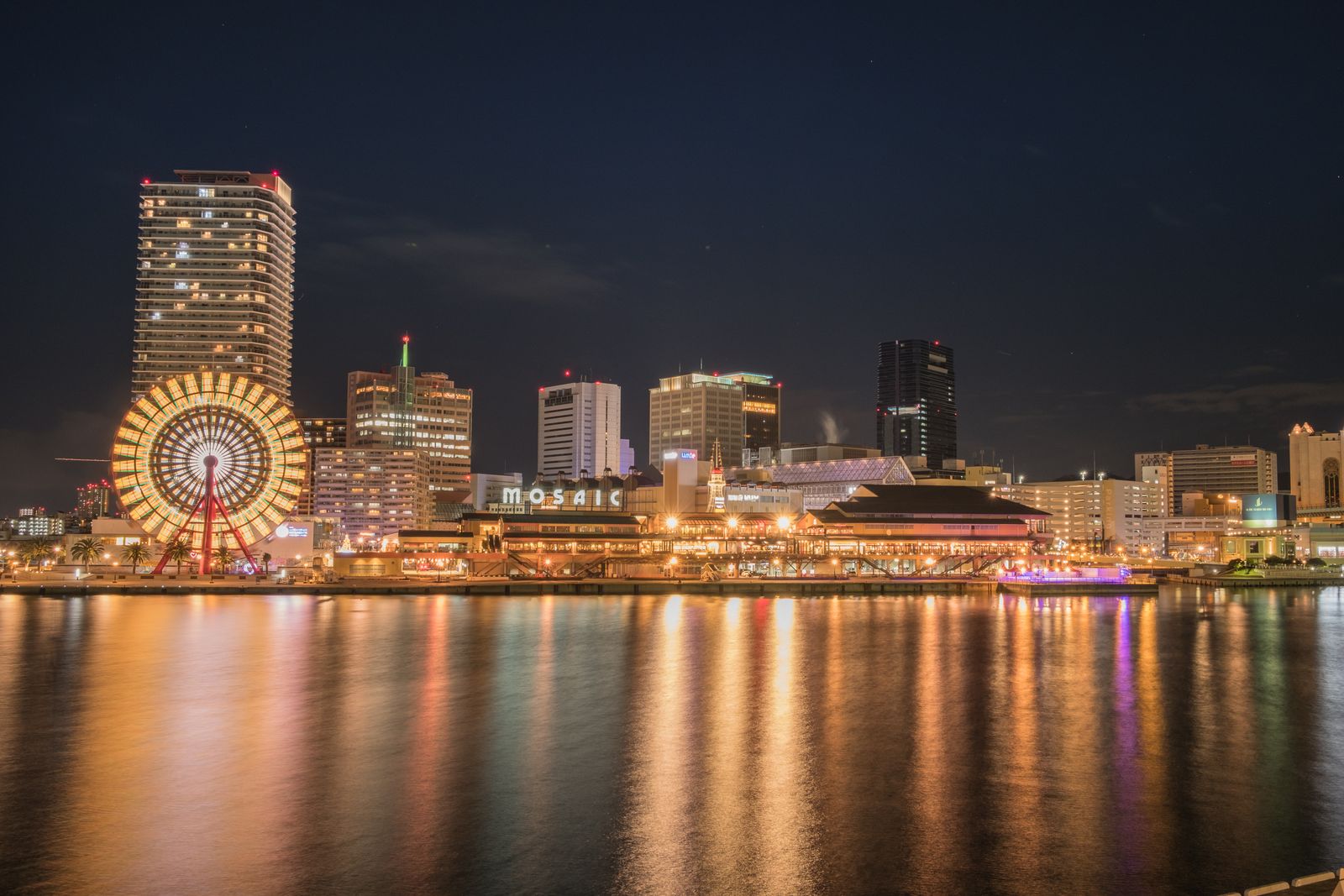
Twenty to thirty minutes from Osaka. Kobe is the most European-feeling city in Kansai — the Kitano foreign residences, the harbour at Meriken Park, the Nada sake breweries. The Mount Rokko night view is worth the cable car, and it is the rare Kansai attraction that is better in the evening, which makes Kobe a good after-work half-day if you are basing in Osaka.
On the beef: real Kobe beef is expensive and heavily counterfeited. Restaurants that serve the certified article display the registration number. A proper teppanyaki lunch runs a good deal cheaper than the same meal at dinner, which is the trick worth knowing. See Kobe day trip and Osaka to Kobe.
Himeji — a day, and it earns it
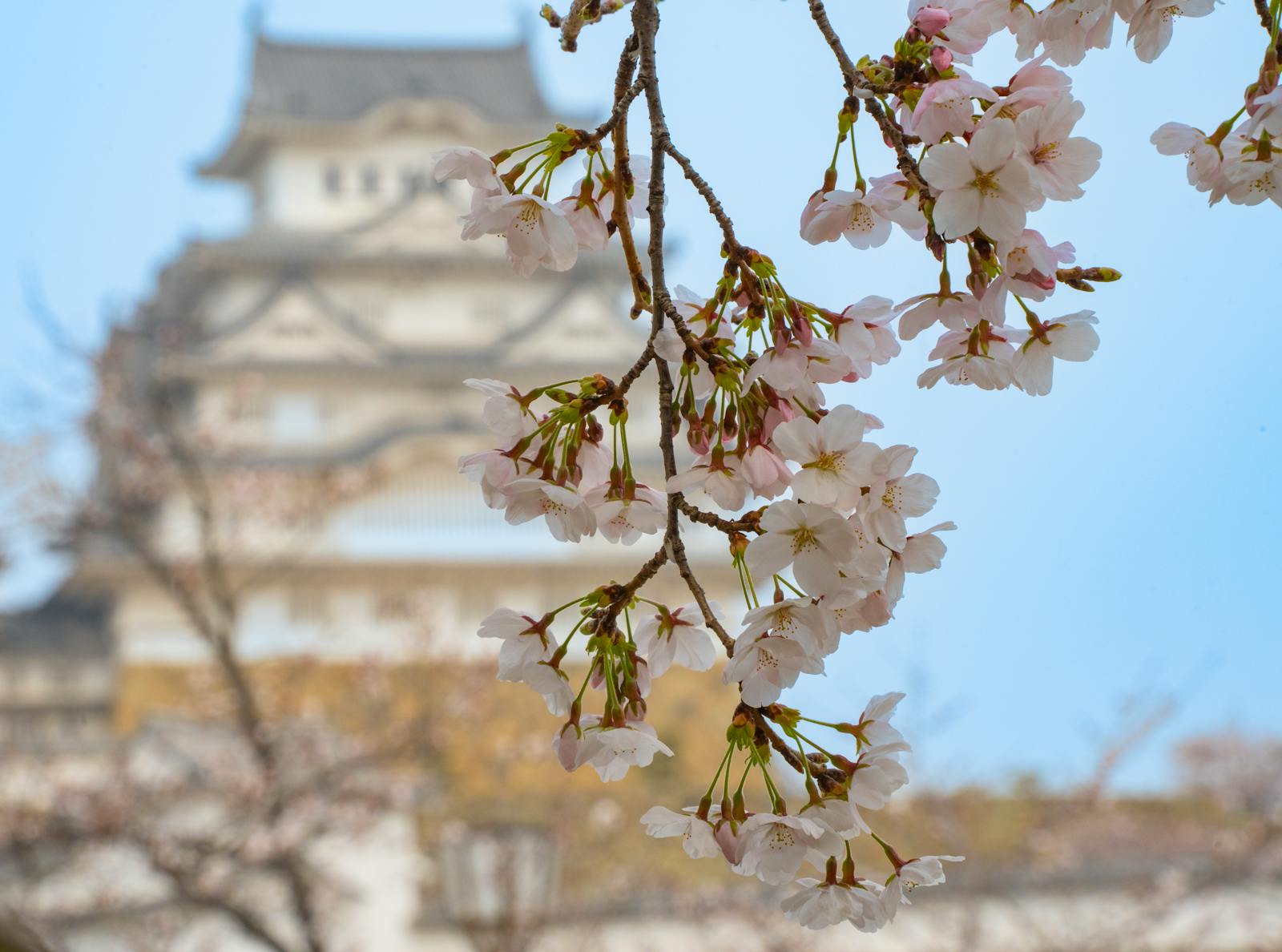
About an hour on the JR Special Rapid, and the castle is a fifteen-minute walk straight up the boulevard from the station. Himeji is the real thing — an original wooden keep that survived the war and the fires, not a concrete reconstruction like Osaka Castle. The interior climb is steep, dark and done in socks, and the queue on the top floor can be long.
Pair it with Koko-en garden next door, which is included on a combined ticket and takes forty minutes. Our Himeji Castle day trip page has the timings.
Koyasan — one night, not a day trip
This is the clearest overnight case in the region. Koyasan is a working Buddhist monastic town at 800 metres in the Wakayama mountains, reached by Nankai train and a cable car from Osaka-Namba in roughly two hours. As a day trip it is a nice walk through a cemetery. As an overnight it is one of the best things in Japan.
The reason is the shukubo (shukubō, temple lodging). Around fifty temples take guests, at roughly ¥12,000–25,000 per person per night including a shojin ryori vegetarian dinner and breakfast. You get a tatami room, screens instead of walls, and an invitation to the morning prayer service at around six. Several temples, Eko-in and Rengejo-in among them, run goma fire rituals and meditation sessions guests can join.
The other reason is Okunoin at night. The great cemetery, 200,000 graves under thousand-year-old cedars, lit by stone lanterns, walked in the dark — that is the experience, and day-trippers are on the train home before it happens. Book the shukubo through the Koyasan Shukubo Association or directly with the temple, well ahead in autumn. See our Mount Koya guide for the route.
Kinosaki Onsen — one or two nights
The direct Limited Express Kounotori runs from Osaka Station to Kinosaki Onsen in about two hours forty to two hours fifty. It is covered by the JR Kansai Wide Area Pass, which is frequently the trip that makes that pass worth buying.
Kinosaki is a willow-lined canal town on the Sea of Japan coast with seven public bathhouses, and the entire point is that you walk between them in a yukata and wooden geta sandals, all evening, clattering along the canal with everyone else. Your ryokan lends you the yukata and gives you a pass to all seven. Doing this as a day trip is possible and completely misses it. Winter is the season — snow, crab, and steam — and it books out.
If a proper ryokan night is what you are after and you would rather not travel, our Osaka ryokan and onsen and sento pages cover the city versions.
Ise and the Kumano Kodo — two to four nights
The southern loop is the least-visited serious thing in Kansai. Ise Jingu in Mie prefecture is the most sacred Shinto site in Japan, rebuilt from scratch every twenty years; the Kumano Kodo is the network of pilgrimage trails through the Wakayama mountains, a UNESCO site paired with the Camino de Santiago.
This is a real trip, not an excursion: the walkable sections take two to four days, accommodation is small guesthouses and you book months out, and the buses are infrequent. The Ise–Kumano–Wakayama Area Pass exists for exactly this loop. If you want the flavour without the commitment, Nachi Falls and its pagoda are reachable in a long day and give you the single famous photograph.
Hiroshima and Miyajima — possible in a day, better in two

Technically outside Kansai, universally done from it. The Shinkansen from Shin-Osaka takes around ninety minutes. A day trip works and we have written it — see Hiroshima from Osaka — but it means the Peace Memorial Museum and Miyajima in one go, which is a lot to ask of both your legs and your emotions.
With a night you can do the museum properly in the afternoon, stay over, and take the first ferry to Miyajima the next morning before the crowds. That is the version worth having.
Okayama, Naoshima and the Inland Sea — two nights
Okayama is forty-five minutes past Himeji and functions as the gateway to Naoshima, the art island in the Seto Inland Sea. Naoshima is the Benesse museums, the Chichu Art Museum and Yayoi Kusama’s pumpkin on the pier, and it runs on a ferry timetable that punishes improvisation. Museums close on Mondays, ferries are sparse, and the last boat back is earlier than you would like. Two nights, or a very carefully planned one. The Wide Area Pass covers the run out to Okayama and Takamatsu.
The lines you will actually use
Kansai’s railways are run by four different operators plus the city subways, and the reason that matters is that they compete on the same routes at different prices from different stations. Knowing which four lines do the work removes most of the confusion.
- JR Kyoto–Kobe line (the Special Rapid) — the spine. Himeji to Kobe to Osaka to Kyoto, all on one train, at speeds that embarrass most European intercity services. This single line covers half the region.
- Kintetsu — the private network east and south. Osaka-Namba to Nara in about forty minutes, and the long run out to Ise. Kintetsu stations sit closer to the sights than the JR equivalents in both Nara and Ise, which is why locals use it.
- Nankai — south. Namba to Kansai Airport, and Namba to Koyasan via the Gokurakubashi cable car. If you are going to the airport or the mountain, it is Nankai.
- Hankyu and Hanshin — the cheap parallel routes from Umeda to Kyoto and Kobe. Slower than JR by ten or fifteen minutes and noticeably cheaper, and Hankyu’s Kyoto terminus at Kawaramachi is better placed for Gion than Kyoto Station is.
An ICOCA card works on all of them, so you never need to think about which company you are riding until you are choosing between a fast expensive train and a slow cheap one. The Osaka subway guide covers the city end, where the Midosuji line connects to nearly every one of these.
What to skip
Kansai has a small number of famous things that are not worth the journey, and saying so is more useful than another list of highlights.
- Kyoto’s Kinkaku-ji at midday. The Golden Pavilion is a fifteen-minute stop at the end of a long bus ride, viewed across a pond from behind three rows of people. Go at opening or leave it out.
- Arashiyama’s bamboo grove after nine in the morning. The photographs are all taken at dawn. By mid-morning it is a queue with trees.
- Kobe beef as a set-piece dinner if the budget is tight. The lunch version of the same meal at the same restaurant is often half the price for the same beef.
- Osaka Castle’s interior, if you have Himeji planned. One is a concrete museum with a lift; the other is the real thing. Do the castle grounds and skip the keep.
- Any “Kansai in one day” bus tour. Kyoto and Nara in a single coach day gives you ninety minutes in each and six hours on a motorway.
Three routes that work
Five days, Osaka base, no pass
- Day 1 — Osaka: Dotonbori, Kuromon Market, the castle
- Day 2 — Kyoto: Fushimi Inari at dawn, southern Higashiyama, Gion at dusk
- Day 3 — Nara half day, Osaka evening in Shinsekai
- Day 4 — Himeji, with Kobe on the way back for the Rokko night view
- Day 5 — Kyoto again: Arashiyama and the west
Seven days, one overnight out
- Days 1–2 — Osaka, then Kyoto
- Day 3 — travel to Koyasan, Okunoin after dark, shukubo night
- Day 4 — morning prayers, Danjo Garan, return to Osaka in the afternoon
- Day 5 — Nara
- Day 6 — Himeji and Kobe
- Day 7 — Osaka: Universal Studios Japan, or a second Kyoto day
Ten days with a Wide Area Pass
- Days 1–3 — Osaka base, Kyoto and Nara day trips, no pass yet
- Day 4 — activate the pass; Himeji, on to Okayama
- Days 5–6 — Naoshima and the Inland Sea
- Day 7 — Hiroshima and Miyajima, overnight
- Day 8 — back east, Kinosaki Onsen, ryokan night
- Days 9–10 — Osaka, Kobe, and whatever you missed
Short on time instead? Our 3 days in Osaka itinerary keeps the whole thing inside the city.
When to go
The Kansai region has four genuinely distinct seasons and two of them are difficult. Late March to mid-April brings cherry blossom and crowds; late October to early December brings autumn colour, the best light of the year, and slightly fewer people. Those are the two windows worth planning around, and Kansai’s autumn runs later than most visitors expect — the third week of November is often the peak inland.
Avoid Golden Week in late April and early May, Obon in mid-August, and the New Year period, when the whole country moves at once and regional accommodation vanishes. June is the rainy season and July and August are genuinely oppressive — humid, in the mid-thirties, and hard work in the mountains. Winter is underrated: clear, cold, empty, and the right season for Kinosaki.
Our best time to visit Osaka, Osaka weather and Osaka in autumn pages have the monthly detail, and cherry blossom in Osaka covers the spring timing.
Practicalities for a regional trip
- Luggage forwarding (takkyubin) costs roughly ¥2,000–3,000 a case and will move your suitcase between hotels overnight. On any multi-city Kansai trip this is the best money you will spend.
- Carry more cash outside the cities. Osaka and Kyoto take cards everywhere. Koyasan temples, Kumano guesthouses and rural bus fares frequently do not. 7-Eleven and Japan Post ATMs take foreign cards.
- Book rural accommodation far earlier than urban. A business hotel in Osaka can be had a week out. A Koyasan shukubo in November cannot.
- Tattoos still bar entry at many onsen. Kinosaki is relatively relaxed by Japanese standards; smaller rural baths are not. Ask, or book a private bath.
- Reserved seats on limited expresses are worth it on the Kounotori and the Nankai Koya line, especially at weekends.
- Do not tip. Anywhere, for anything. See our first-time Osaka tips.
Rural Kansai speaks less English than Osaka does — our Japanese phrases guide covers what actually helps.
Kansai region FAQ
Is Osaka or Kyoto the better base for the Kansai region?
Osaka, for almost everyone. It is the transport hub, it is meaningfully cheaper, and the food is better. Kyoto is thirty minutes away and you can go three times. The exception is a traveller whose trip is essentially about temples and who wants early mornings at them.
How many days do I need for Kansai?
Five days covers Osaka, Kyoto, Nara and one of Kobe or Himeji comfortably. Seven adds an overnight at Koyasan or Kinosaki. Ten lets you reach Hiroshima, Naoshima or the Kumano Kodo without rushing.
Do I need a JR Pass for Kansai?
Usually not. The national JR Pass is poor value for a trip that stays in Kansai. The regional JR Kansai Wide Area Pass at around ¥12,000 is worth it only if your five days include a far trip such as Kinosaki, Okayama or Hiroshima. Otherwise an ICOCA card and pay-as-you-go is cheaper.
Is the Kansai Thru Pass still available?
No. It was discontinued at the end of May 2024 and replaced by the Kansai Railway Pass, at roughly ¥5,600 for two days and ¥7,000 for three. The replacement does not include the bus coverage the old pass had.
Can I do Hiroshima as a day trip from Osaka?
Yes, at about ninety minutes each way by Shinkansen, but it is a long day if you want both the Peace Memorial Museum and Miyajima. One night makes it a much better trip.
Is a Koyasan temple stay worth the money?
Yes, and it is the one overnight in Kansai we would argue for hardest. Roughly ¥12,000–25,000 per person with two meals buys you Okunoin cemetery after dark and morning prayers, neither of which a day trip can give you.
What is Kansai-ben?
The regional dialect, and the thing Osakans are proudest of after their food. It is warmer, faster and blunter than standard Japanese, and locals are delighted when a visitor tries any of it. Ookini for thank you is the easy start.
Where to go next
Start with the day trips from Osaka page for everything that fits inside a single day, then the Osaka travel guide and Osaka itinerary hub for the city half of the trip. Getting in and out of the region is covered in how to get to Osaka and Kansai Airport to Osaka, and the ground rules for moving around are in the Osaka transportation guide.
For the cultural side of a regional trip, temples and shrines, cultural experiences and the festival calendar are the places to start. Budgets are in Osaka trip cost.
Heading east afterwards? Our Osaka to Tokyo comparison covers the Shinkansen, the night bus and the flight.