This article contains advertising. Our booking links are routed through a partner that adds commission tracking automatically, so if you book through one we earn a commission from the provider, at no extra cost to you. It never affects what we recommend. Affiliate disclosure
The Osaka festival calendar runs year-round – from January’s Toka Ebisu commerce festival, through July’s Tenjin Matsuri (one of Japan’s Three Great Festivals), to December’s Joya-no-Kane bell-ringing. This 2026 calendar guide lists every major Osaka festival with exact dates, locations, access, what to wear, and what to expect. Use it to plan your trip around the matsuri that interest you most, or to know what to anticipate if you happen to be in Osaka during festival days.

The Biggest Osaka Festivals at a Glance
- Headline festivals: Hatsumode at Sumiyoshi Taisha (Jan 1-3, over two million visitors), Tenjin Matsuri (Jul 24-25), Toka Ebisu (Jan 9-11)
- Fireworks: Tenjin Matsuri Hanabi (Jul 25, ~3,000 fireworks), Naniwa Yodogawa Hanabi (Oct 17)
- Danjiri float festival: Kishiwada Danjiri Matsuri (Sep 19-20)
- Top quirky: Doya-Doya Festival (Jan 14, at Shitennoji)
- Recurring monthly: Shitennoji flea market (21st-22nd of each month)
January Festivals
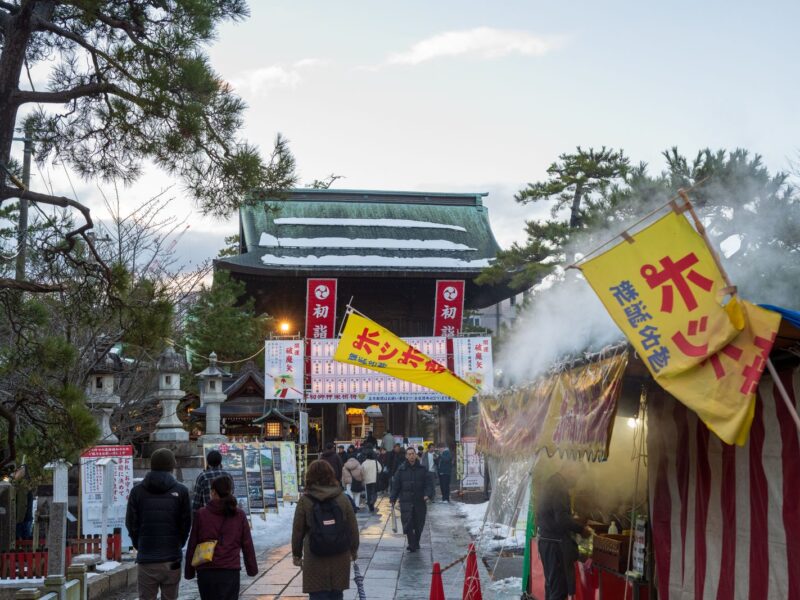
Hatsumode (January 1-3)
- What: First Shinto shrine visits of the year – prayers for the year ahead
- Where: Sumiyoshi Taisha (over two million visitors in the first three days), Osaka Tenmangu, Shitennoji
- Free
- Access: Sumiyoshi Taisha Station (Nankai) for the main destination
- Crowd: Extreme on Jan 1; calmer Jan 4-7
Toka Ebisu (January 9-11)
- What: Commerce-prayer festival; fukuzasa lucky bamboo
- Where: Imamiya Ebisu Shrine
- Access: Imamiya-Ebisu Station (Nankai Koya)
- Highlight: Hoekago procession of geisha in palanquins – check the shrine’s programme for the day and time
Doya-Doya Festival (January 14)
- What: A New Year rite at Shitennoji Temple, listed on the temple’s calendar for January 14
- Where: Shitennoji Temple
- Timing: check Shitennoji’s website for the day’s schedule
- Access: Shitennoji-mae Yuhigaoka Station (Tanimachi Line)
- Photographically unusual
Tsunahiki Shinji (January 18)
Rope-pulling ceremony and lion dance at Namba Yasaka Shrine. Lion dance performed inside the giant Ema-den lion mouth. Free.
February Festivals
Setsubun (February 3)
- What: Bean-throwing ceremony to drive away evil spirits and welcome good fortune – smaller versions run at neighbourhood shrines citywide
- Where: Major shrines including Sumiyoshi Taisha, Naritasan Fudoson
- Times: each shrine and temple sets its own ceremony times, so check its programme before you go
- Wear: Casual but warm
Plum Blossom Festival at Osaka Tenmangu (mid-February to early March)
Plum trees bloom on the shrine grounds. Calm; photographically rewarding; free. Pair with Tenjinbashi-suji arcade.
March Festivals
Hina Matsuri (early March)
Girls’ Day – traditional dolls displayed at homes and shrines. Subtle public festival; quieter than the headlining matsuri.
Higan (March 17-23)
Buddhist spring equinox ceremonies at major temples including Shitennoji. Sunset alignment processions.
Cherry Blossom Festivals (late March – early April)
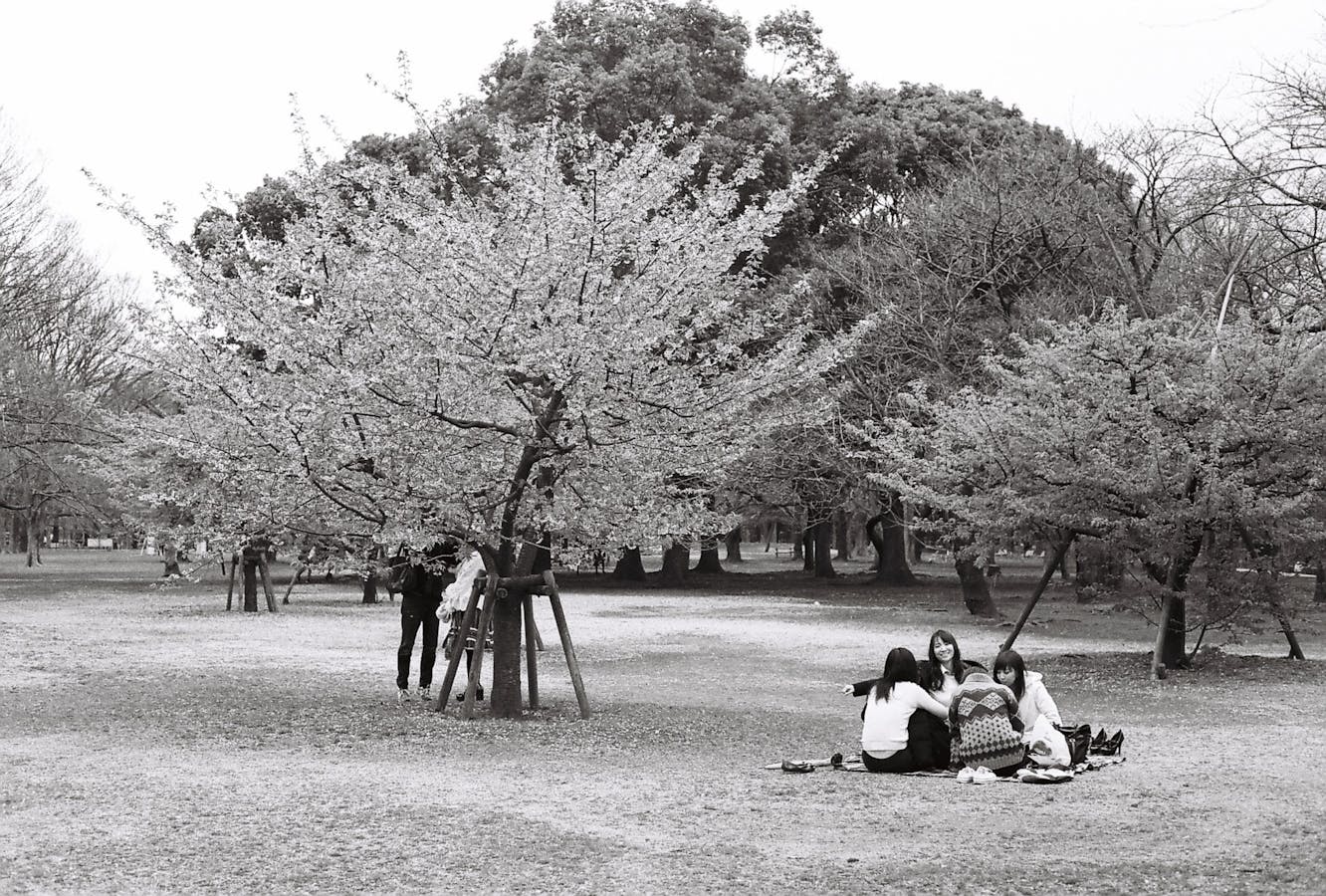
Informal festivals at Osaka Castle Park, Kema Sakuranomiya, Mint Bureau. See our Osaka Cherry Blossom guide for details.
April Festivals
Cherry Blossom Peak (dates follow the bloom forecast)
Hanami picnics, evening yozakura illuminations, Tombori River sakura cruises. See our Osaka Cherry Blossom guide.
Mint Bureau Public Passage (early to mid-April)
One-week public opening of the Mint Bureau cherry tree corridor. Entry is by advance booking: check the Mint Bureau website for this year’s application dates.
Shoryoe at Shitennoji (April 22)
Memorial service for Prince Shotoku, the temple’s founder. Features bugaku court dance. Free; family-friendly.
May Festivals
Pillow Festival (May 4-5)
Reitaisai at various smaller shrines. Niche but cultural.
Shoten-e at Hozanji
Buddhist festival at the Hozanji mountain temple (in nearby Nara). Day trip from Osaka.
June Festivals
Otaue Shinji Rice Planting (June 14)
- What: Traditional rice-planting ceremony – designated an Important Intangible Folk Cultural Property of Japan
- Where: Sumiyoshi Taisha
- Starts 13:00
- Significance: A long-standing ritual, already recorded in the Kamakura period
Aizen Matsuri (June 30 – July 2)
- What: Opens summer festival season; palanquin processions
- Where: Aizen-do Shomanin Temple, Tennoji-ku
- Free
- Access: Shitennoji-mae Yuhigaoka Station
July Festivals (Peak Season)
Tenjin Matsuri (July 24-25)
- What: One of Japan’s top 3 festivals; 1.3M+ attendees; 1,000-year history
- Where: Osaka Tenmangu Shrine
- Paid riverside viewing areas are sold; check prices and booking dates with the ticket sellers
- Access: Minamimorimachi Station (Tanimachi/Sakaisuji)
- Highlights: July 25 – 3,000-person land procession (15:30); 100-boat river procession (around 18:00); ~3,000 fireworks (around 19:30)
Sumiyoshi Matsuri (July 26 – August 1)
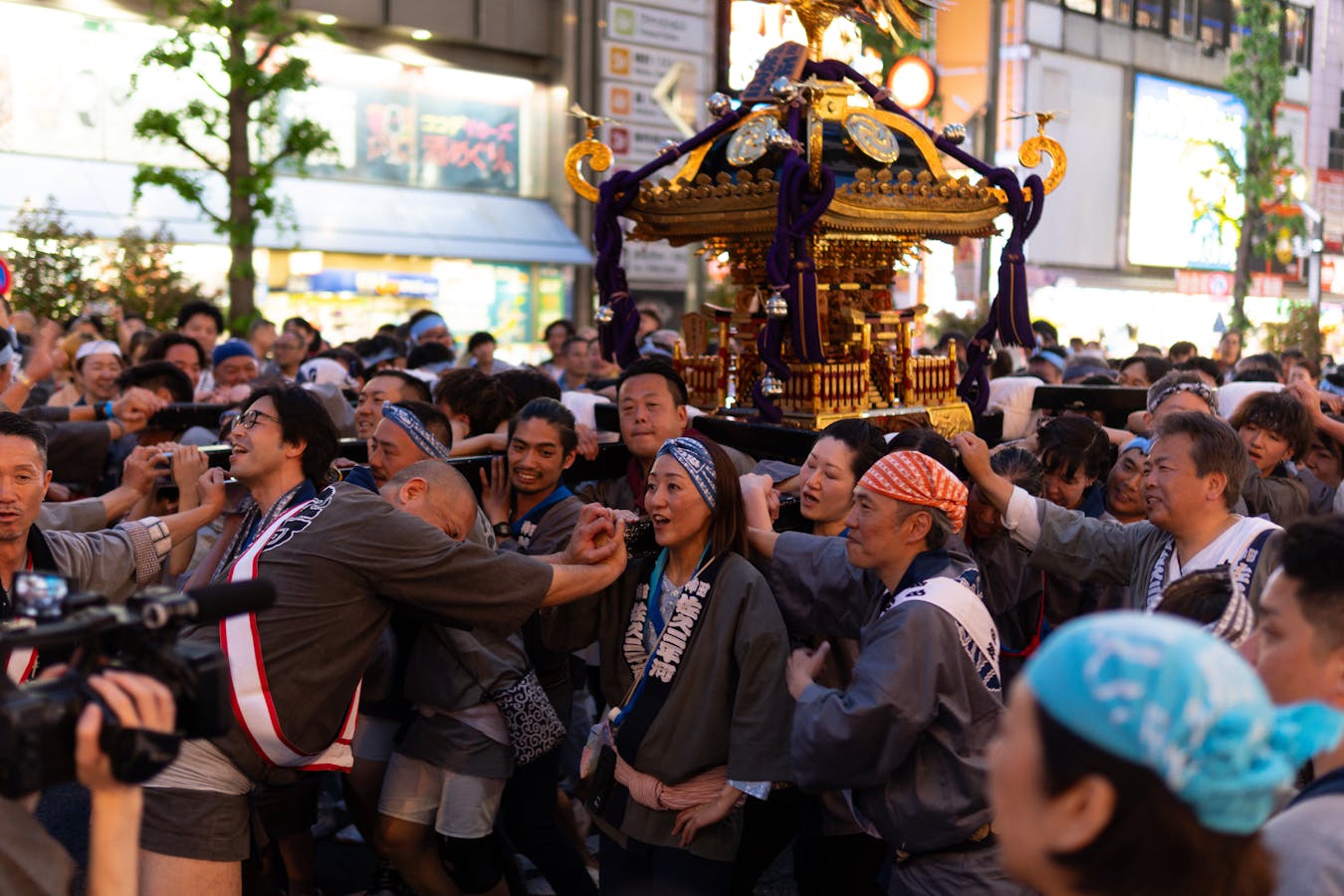
- What: Closes the summer festival trio; massive mikoshi procession
- Where: Sumiyoshi Taisha
- Free
- Access: Sumiyoshi Taisha Station (Nankai)
- Highlight: the great mikoshi (about 2 tons, carried on 11m poles) processes to Shukuin Tongu Shrine – in 2026 on July 26 from 15:40
August Festivals
PL Hanabi (no longer held)
- What: The PL fireworks display has not been held in recent years, and Tondabayashi city has no plans to stage a replacement
- Where: Tondabayashi, southern Osaka prefecture
Tennoji Wasshoi (mid-August)
Local Tennoji district neighborhood festival. Yatai food stalls, traditional music. Family-friendly.
Obon (August 13-16)
National Buddhist holiday honoring ancestors. Not a public festival but a major travel period. Many small businesses close.
Den Den Town Awa-Odori
Awa-Odori dance festival imported from Tokushima – performed in Den Den Town streets. Mid-August.
September Festivals
Kishiwada Danjiri Matsuri (September 19-20, 2026)
- What: Famous danjiri float-cart races; teams pull massive wooden floats through narrow streets
- Where: Kishiwada City, southern Osaka prefecture
- Free
- Access: Nankai trains from Namba to Kishiwada
- Best viewing: Yarimawashi (cart-cornering) at key intersections
- Safety: Festival has historical casualties; follow crowd-control directions strictly
Higan (September 20-26)
Autumn equinox Buddhist ceremonies. Sunset alignment at Shitennoji.
October Festivals
Naniwa Yodogawa Hanabi (October 17, 2026)
- What: Fireworks along the Yodogawa River
- Where: Yodogawa riverside
- Paid seats (adult advance): Exciting Seat JPY 14,000; Premier Seat JPY 20,000
- Access: JR Tsukamoto or Hankyu Juso
Midosuji Festival (mid-October)
Street festival along Midosuji Avenue. Cultural performances, food vendors, art installations. Free.
Kishiwada Danjiri Round 2 (October 10-11, 2026)
Smaller October round of the danjiri festival, held in Kishiwada’s inland districts.
November Festivals
Shitennoji Wasso (November 1, 2026)
Multi-cultural parade celebrating Osaka’s historical role as international port, staged at the Naniwa Palace site from 10:30 to 17:00 and cancelled if it rains. Free.
Osaka Hikari Renaissance Opens (November 3)
Festival of the Lights begins – Nakanoshima light installations through December 31. Free.
Midosuji Illumination Opens (early November)
4 km illuminated street from Umeda to Namba. Free; in 2026 it runs from November 3 to December 31.
Minoo Otaki Festival (November weekends)
Evening illuminations along the Minoo trail and waterfall during autumn foliage peak. Free.
December Festivals
USJ Christmas (mid-November to early January)
30m Christmas tree, parade, themed area decorations. USJ admission required.
Joya-no-Kane (December 31)
Bell-ringing at Buddhist temples to purify the worldly desires of the passing year. At Shitennoji, tickets are handed out from 23:00 and ringing starts at 23:30, open to the first 108 people at each bell hall.
New Year’s Eve Countdown Parties
- Umeda Sky Building: premium ticketed party
- USJ: countdown event with fireworks
- Major hotels: ticketed countdown parties
Year-Round Recurring Events
Shitennoji Flea Market (21st and 22nd of each month)
About 500 stalls of antiques, vintage kimono, ceramics, Buddhist art, though far fewer set up on the 22nd and during Bon. Free to browse; cash for purchases.
Tenjin Antique Market (first Sunday monthly)
Smaller monthly antique market at Osaka Tenmangu.
Hattatsu-Mairi (monthly, first Tatsu day)
Pilgrimage at Sumiyoshi Taisha collecting bamboo charms from four sub-shrines. Date varies each month – check shrine website.
Festival Etiquette
- Don’t use flash photography during processions or ceremonies
- Follow staff or police instructions for crowd movement – one-way flows are strictly enforced at major festivals
- Keep voices low during religious portions
- Children-only events (Shichi-Go-San, etc.) should be observed respectfully from a distance
- Dispose of last year’s omamori (amulets) at the dedicated shrine box; do not throw away
- Drone photography prohibited at all major festivals
- Cash for festival food stalls (yatai); cards rarely accepted
- Respect crowd safety – never push to get a better view
What to Wear to Festivals
- Summer (Jul-Aug): Yukata if you have one or rent one; otherwise breathable cotton with sun protection
- Fall festivals: Layered clothing for temperature swings
- Winter festivals (Hatsumode): Warm coat, gloves, hat – the crowds keep things warmer but exposure adds up
- Hanabi: Bring a leisure sheet plus an outer layer for after the fireworks
- Comfortable shoes: Festival days mean hours of walking and standing
How to Plan a Festival-Centered Osaka Trip
- Book hotels well ahead for major festivals (Tenjin, Sumiyoshi, Toka Ebisu)
- Reserve paid grandstand seats early for fireworks events (Tenjin, Naniwa Yodogawa)
- Arrive in city 1 day before the festival for adjustment time
- Combine with cultural sites the festival relates to (Tenjin Matsuri + Osaka Tenmangu visit on quiet days)
- Plan transport carefully – festivals overwhelm local trains; consider walking distances
- Travel insurance recommended (weather, illness, or schedule disruptions)
- Carry some cash for festival food stalls
Festival Photography Tips
- Mirrorless/DSLR with 24-70mm zoom is most versatile
- For fireworks: tripod, manual settings (f/8-11, 2-6 second exposures, ISO 100-200), wide angle (16-24mm)
- Long lens (70-200mm or longer) for procession close-ups from secure positions
- Battery + memory card backups – a long festival day drains both
- Lens cleaning cloth (festival air is dusty)
- Phone camera works well for street-level festival atmosphere
Festival Pricing Summary
- Most festivals: Free attendance
- Paid fireworks seats: from JPY 14,000 for an adult advance seat at Naniwa Yodogawa Hanabi
- Festival food stalls: priced per item; carry coins and small notes
- Hatsumode amulets and omikuji: prices vary by shrine and item
- Hotels during major festivals: rates climb, so book early
Festival Photo Permissions
- Outdoor festival photography: generally permitted (with no-flash for ceremonies)
- Inside shrines and temples: usually permitted in outer areas; prohibited in inner halls
- Procession participants: ask before close-up portraits
- Children: avoid identifiable photos without parental permission
- Geisha at Tobita procession: photos welcomed; commercial use requires permission
- Religious ceremonies: stop photographing if any priest signals to stop
Final Word: Osaka Festival Calendar
The Osaka festival calendar is one of the richest in Japan – the Tenjin Matsuri alone places Osaka in the top tier of festival cities, and the combination of Toka Ebisu in winter, the summer festival trio in July, and the year-round Shitennoji flea market gives visitors multiple paths to encounter authentic Osaka cultural life. If your trip dates are flexible, build it around Tenjin Matsuri (July 24-25) – one of Japan’s Three Great Festivals, held since 951 at Osaka Tenmangu, the shrine of Sugawara no Michizane. If your dates are fixed, this calendar should help you discover whichever matsuri is happening during your visit. Read this alongside the seasonal weather guide to match a festival to conditions you can actually enjoy.
The holiday season gets its own page: see our guide to Christmas and New Year in Osaka, from Christmas Eve to Toka Ebisu.