This article contains advertising. Our booking links are routed through a partner that adds commission tracking automatically, so if you book through one we earn a commission from the provider, at no extra cost to you. It never affects what we recommend. Affiliate disclosure
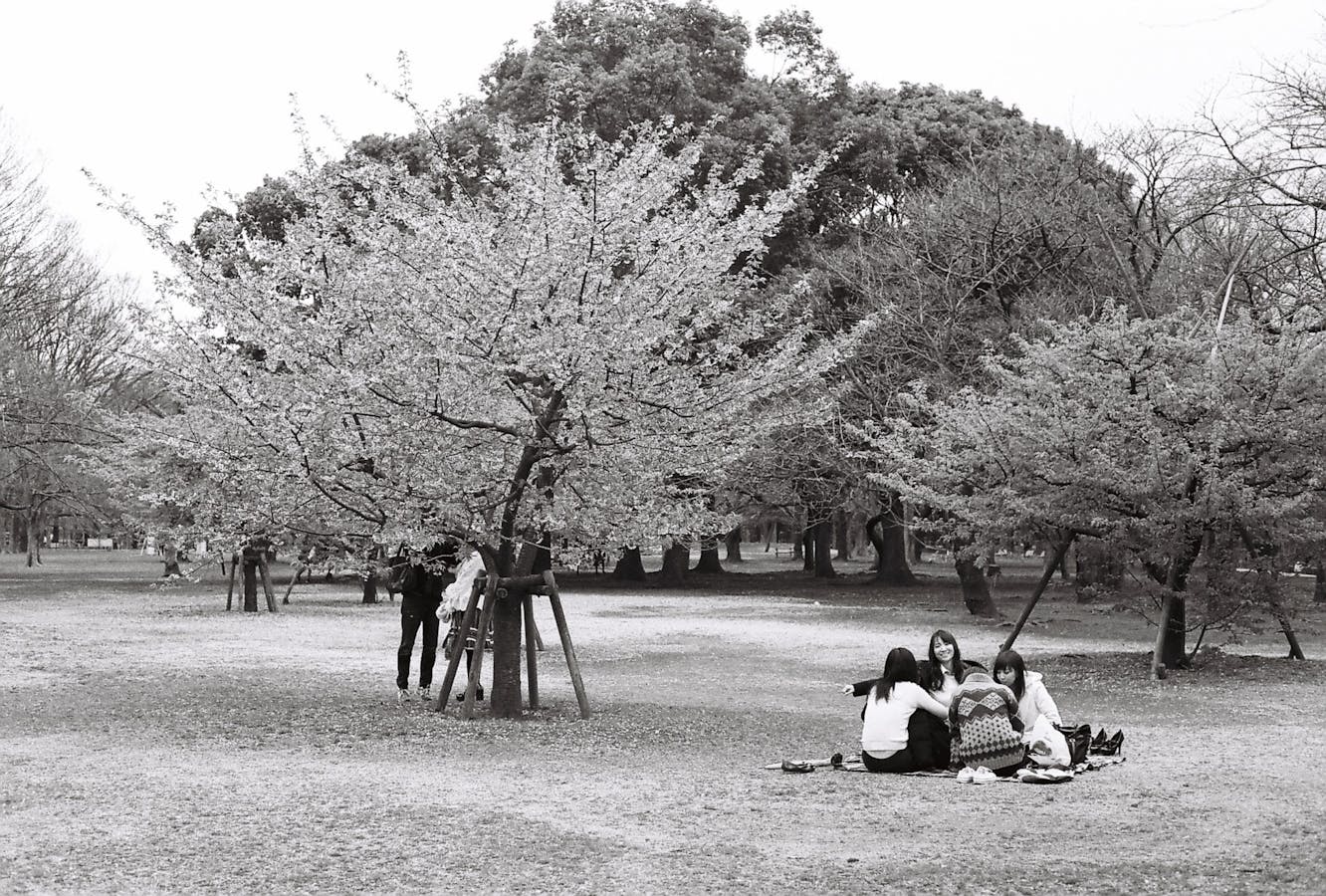
Osaka hanami – the centuries-old cherry blossom picnic culture – is one of the most distinctively Japanese seasonal experiences available to foreign visitors. While the cherry blossoms themselves are the visual draw, hanami is fundamentally a participatory cultural practice: spreading a blue tarp under blooming trees, eating special hanami bento, drinking sakura sake, watching petals fall onto your meal, and participating in a 1,400-year-old tradition that runs from late March through mid-April. This 2026 guide covers the picnic culture specifically (rather than viewing spots) – what to eat, how to claim a spot, what to drink, the etiquette of tarp placement, konbini hacks for travelers without cooking facilities, and how to participate in yozakura (night cherry blossoms). See our separate Osaka Cherry Blossom Guide for top viewing locations.
Osaka Hanami 2026 Forecast
- First bloom (kaika): March 24, 2026
- Full bloom (mankai): March 31, 2026
- Peak hanami window: April 1-7
- Petal falling (chiri): April 8-12 (still beautiful)
- Late-blooming yaezakura: Through mid-April at the Mint Bureau
- Hanami season runs: Late March through mid-April; week-by-week varies
The History of Hanami
Hanami (literally “flower viewing”) dates from the Nara period (710-794 AD). Originally, the practice focused on ume (plum) blossoms during the Heian period (794-1185), but cherry blossoms gradually replaced plum as the primary subject. By the Edo period (1603-1868), hanami had become a widely-practiced seasonal tradition among all social classes – aristocrats, samurai, merchants, and farmers all participated.
Modern hanami practice combines several elements: viewing the visual beauty of cherry blossoms; appreciating the transience of beauty (mono no aware in Japanese aesthetic philosophy); participating in social gathering with family or friends; eating seasonal food and drinking sakura-flavored sake; and acknowledging the passage of seasons. The practice is both contemplative and festive.
What to Bring to Hanami
The Essentials
- Leisure sheet (rejaa shiito): Blue plastic tarp; JPY 300-500 at Daiso or 100-yen stores
- Hanami bento: Pre-packed picnic meals; JPY 800-2,500
- Drinks: Beer, sake, sakura sake, soft drinks; JPY 200-500 per item
- Disposable chopsticks: Bring from convenience store
- Wet wipes: For hand-washing
- Trash bag: Take all trash with you; public bins limited
- Camera or phone: Charged battery
- Layered clothing: Early April temperatures vary 8-18°C through the day
- Hand wipes (oshibori): Available at convenience stores
Hanami Bento – What to Eat
Traditional Hanami Bento Items
- Makizushi: Sushi rolls with cucumber, omelette, salmon
- Inarizushi: Sweet tofu-pocket sushi
- Tamagoyaki: Rolled omelette (sweet)
- Kamaboko: Fish cake (often pink + white)
- Karaage: Japanese fried chicken
- Edamame: Boiled soybeans
- Various small pickles and side dishes
Where to Buy Hanami Bento
- Department store basement (depachika): Premium selection JPY 1,500-3,500
- Hanshin Umeda B1: Famous for ekiben (station bento)
- Hankyu Umeda B1: Largest selection in Osaka
- Daimaru Shinsaibashi B1: Higher-end options
- Convenience store: 7-Eleven, Family Mart, Lawson – JPY 400-700 for budget option
- Supermarket: Local supermarket bento (after 19:00 = 50% discount; if you can grab early)
- Specialty hanami shops (temporary): Open during peak season; sell hanami-themed sets
Sakura-Themed Foods and Drinks
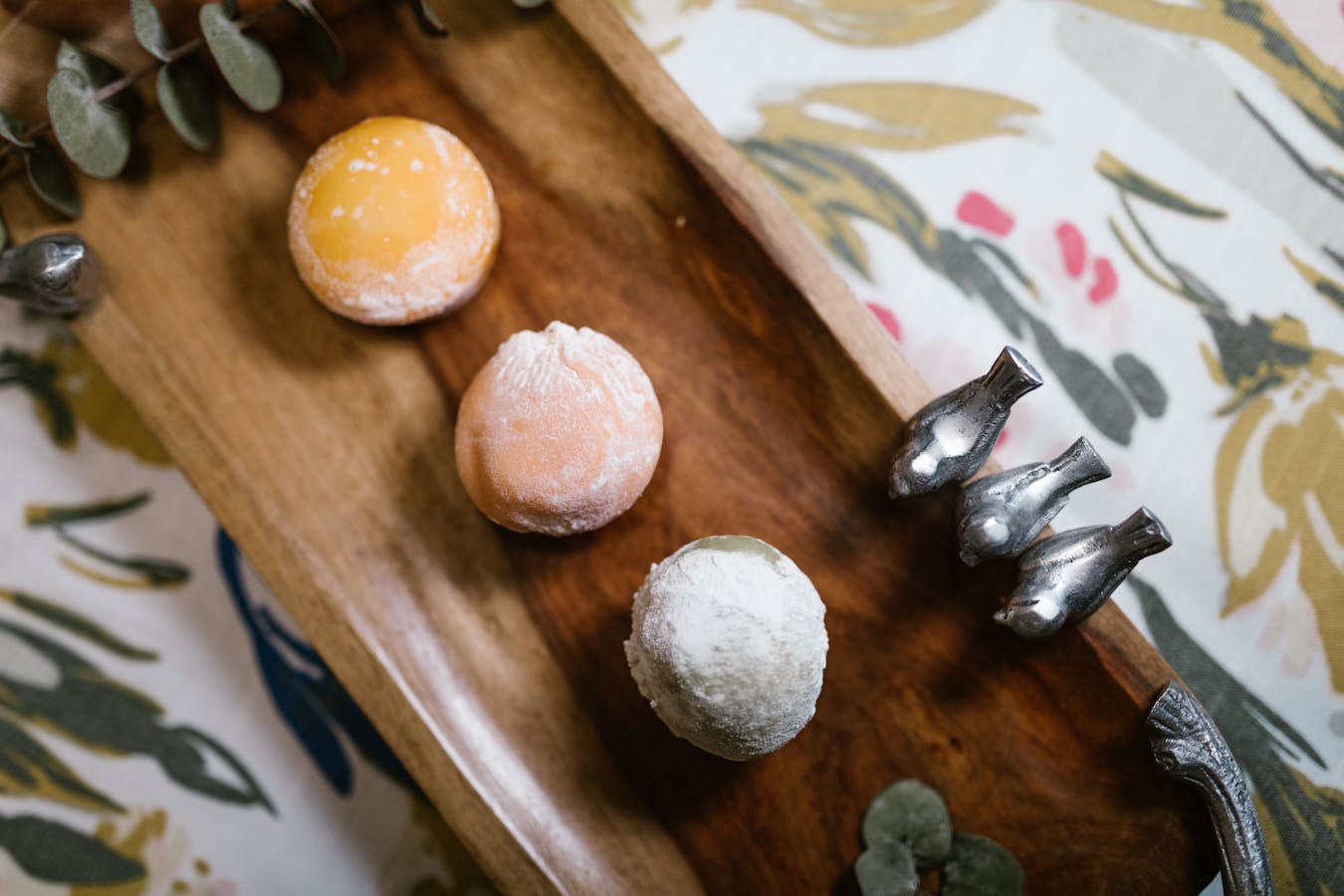
Sakura Mochi (Kansai Style – Domyoji)
- Kansai (Osaka/Kyoto) style: “Domyoji” – chunky pink mochiko rice; red bean inside; cherry leaf wrap
- vs. Kanto (Tokyo) style: Thin pink crepe wrapping
- Where to buy: Wagashi (Japanese sweet) shops; department store basement; sometimes convenience stores during season
- Price: JPY 200-400 each
- How to eat: The cherry leaf wrap is edible; some people remove it; both ways are correct
Hanami Dango (Tri-Color Skewer)
- Pink (sakura), white, and green (sometimes matcha or yomogi) dumplings
- JPY 100-300 per skewer
- Sold at hanami spots and convenience stores
- Symbolic of spring transition; traditional hanami food
Sakura Sake
- Limited edition: Sakura-flavored sake released annually March-April
- Pricing: JPY 1,500-3,500 for 720ml bottle
- Where to buy: Sake specialty shops; department store sake floors; some supermarkets
- How to serve: Cold or room temperature; hanami-style
Sakura-Flavored Drinks
- Sakura beer (limited)
- Sakura plum wine
- Sakura latte at Starbucks and Osaka cafes
- Sakura-flavored chu-hi (canned cocktails) at convenience stores
- Sakura ice cream and shaved ice
Tarp Etiquette (Critical for Foreign Visitors)
The Tarp-Reservation Tradition
At popular hanami spots, locals follow an unwritten rule: junior office workers arrive early (sometimes 06:00) to lay out blue tarps and reserve a spot for the rest of their group, who arrive later in the afternoon. The “junior employee placeholder” tradition is well-known in Japan and slightly humorous.
How to Claim a Spot
- Arrive early: 09:00-10:00 for popular spots; sometimes 06:00-08:00 for premium positions
- Lay out tarp: Blue plastic tarp; weigh corners with small items (or use anchors)
- Mark with bag or jacket: Indicates spot is taken
- Don’t leave for hours: Best to have someone stay; abandonment risks tarp removal
- Group consolidation: If you’re traveling with a group, send one person ahead
Shoes Off on the Tarp
Following Japanese custom, remove shoes before sitting on the tarp. Stack shoes neatly at the corner. This signals the tarp is a clean eating space.
Don’t Disturb Other Groups
- Keep voices conversational
- Don’t play loud music
- Don’t litter (take trash with you)
- Respect personal space of adjacent groups
- Don’t pick blossoms from trees
- Don’t shake trees to make petals fall
Konbini Hanami Hacks (For Travelers Without Kitchens)
Build a Full Hanami Set at Convenience Store
- Bento box: JPY 400-700 (variety of items)
- Onigiri (rice balls): JPY 130-220 each
- Karaage (fried chicken): JPY 230
- Salad: JPY 250-450
- Beer: JPY 200-300
- Sakura latte: JPY 200-300
- Sakura mochi (some convenience stores carry): JPY 200-300
- Hand wipes: JPY 100-200
- Chopsticks (included with bento): Free
- Tarp: JPY 300-500 at Daiso or 100-yen store nearby
- Total convenience store hanami: JPY 1,500-2,500 per person
Hot Items at Konbini (Spring Cold Days)
- Hot coffee from machine
- Oden (hot stew – winter season; sometimes available early spring)
- Hot canned coffee
- Microwaveable bento (microwave on-site)
- Hot dogs and croquettes
Yozakura (Night Cherry Blossoms)
What Is Yozakura?
Yozakura is the practice of viewing cherry blossoms at night under illumination. The combination of soft artificial light and dark sky transforms the visual experience – daytime sakura looks bright and energetic; nighttime sakura looks dreamlike and ephemeral.
Top Yozakura Spots in Osaka
- Osaka Castle Nishinomaru Garden: Castle backdrop; illuminated until 21:00; entry JPY 350 during sakura season
- Mint Bureau (Sakura no Toori): Corridor illuminated each evening of the public week
- Kema Sakuranomiya: Riverside; less formal illumination but moonlit beauty
- Expo ’70 Park: Extended evening hours during peak
What to Wear for Yozakura
- Layered clothing: Evening temperatures 5-10°C
- Light jacket or sweater: Standard hanami gear
- Comfortable walking shoes: Often involves walking between spots
- Optional yukata: Some couples wear traditional yukata for atmospheric photos
Tombori River Sakura Cruise
- What: Evening boat cruise along the Okawa River during peak bloom
- Duration: 60-90 minutes
- Price: JPY 2,500-4,500
- Booking: Online 1-2 weeks ahead during peak; sells out daily
- Best time: Sunset to early evening (golden hour to twilight)
- Best for: Romantic couples; group celebrations; photography
The Hanami Etiquette Code
What’s Expected
- Quiet conversation
- Remove shoes before sitting on tarp
- Take all trash with you
- Don’t pick blossoms
- Don’t shake trees
- Don’t climb trees
- Respect adjacent groups
- Children participate but stay close to parents
- Photography permitted; ask before photographing strangers
- Polite consumption of alcohol
What’s Discouraged
- Loud music
- Aggressive drinking
- Public arguments
- Damaging trees
- Littering
- Drone photography (prohibited at most parks)
- Camping overnight (illegal; police remove)
- Smoking on tarps (smoking areas designated)
Alcohol at Hanami
Universal Acceptance
Alcohol consumption at hanami is universally accepted and expected. Public drinking is legal in Japan; bring sake, beer, wine, chu-hi, or any other alcohol. The cultural norm is moderate drinking – aggressive drunken behavior is socially unacceptable.
Drink Selection
- Beer: Asahi, Kirin, Sapporo – JPY 250-400 per can
- Chu-hi (canned cocktail): JPY 200-400 – especially sakura-flavored editions
- Sake: Sakura sake for the season; junmai daiginjo for premium
- Wine: Less common at hanami but increasingly popular
- Soft drinks: Always have one non-alcoholic option for designated drivers and non-drinkers
Group Hanami Strategies
Couple Hanami
- Small tarp; intimate atmosphere
- Premium depachika bento; sakura sake
- Quiet location preferred
- Best time: weekday morning or evening yozakura
Family Hanami
- Larger tarp; multiple seat positions
- Bento variety for kids
- Bring entertainment (small toys, cards)
- Park with playground nearby (Hattori Ryokuchi, Tsurumi Ryokuchi)
- Best time: weekend afternoon
Friend Group Hanami
- Large tarp; group of 4-8
- Pot-luck approach to food
- Multiple drinks; sake-sharing
- Music allowed quietly
- Best time: weekend afternoon to evening
Solo Hanami
- Small tarp or just a folded scarf on grass
- Light meal: onigiri + drink + sakura mochi
- Reading book or quiet observation
- Best time: weekday morning or afternoon
Weather Contingency
Rain
Rain delays bloom by 2-3 days but doesn’t damage trees. Most hanami parties cancel for heavy rain; light rain is OK with umbrella. Indoor alternatives include department store rooftops or covered shotengai areas.
Cold
April mornings can be 5-8°C; afternoons 12-18°C. Bring layered clothing. Hot drinks (canned coffee from vending machine) help.
Wind
Strong wind during peak week can blow petals off prematurely. This is called “sakura-fubuki” (cherry blossom snowstorm) – actually beautiful photographically. Plan around wind warnings.
Photography Tips for Hanami
- Best light: Early morning (06:30-08:00) or golden hour (16:30-17:30)
- Wide angle: 24-50mm for landscape; smartphone wide angle works
- Long lens: 70-200mm for blossom close-ups
- Tripod: Useful for yozakura long exposures
- Falling petals (sakura-fubuki): Light wind on day 7-9 of bloom
- Reflections: Okawa River and Osaka Castle moat
- People in shot: Including people creates scale and human interest
- Drone: Prohibited at all major parks
Hanami Cost Summary
Budget Hanami (Solo or Couple)
- Tarp from Daiso: JPY 500
- Convenience store bento set: JPY 1,500
- Drinks: JPY 500
- Sakura mochi: JPY 300
- Total per person: JPY 1,500-2,000
Mid-Range Hanami (Group of 4)
- Tarp: JPY 500
- Depachika hanami bento: JPY 2,500 each
- Drinks (mixed): JPY 1,500 each
- Sakura mochi + sweets: JPY 500 each
- Total per person: JPY 5,000
Premium Hanami
- Premium depachika bento: JPY 3,500
- Premium sakura sake: JPY 2,500 per bottle (shared)
- Tombori River cruise: JPY 4,500
- Premium snacks and desserts: JPY 1,500
- Total per person: JPY 8,000-12,000
Combining Hanami with Other Activities
Morning Hanami + Afternoon Sightseeing
Wake early, do hanami at Osaka Castle Park 07:00-10:30, then continue normal sightseeing. The early morning bloom hours give the best photos before crowds.
Afternoon Hanami + Yozakura Dinner
Hanami picnic 13:00-16:00 at Kema Sakuranomiya; dinner at Tenmangu area; yozakura at Castle Park 18:00-21:00.
Hanami + Brewery Tour
Hanami picnic with sake; afternoon visit to nearby sake brewery; sake purchase as souvenir.
Hanami + Onsen Day
Morning hanami at park; afternoon at Arima Onsen for hot springs and traditional dinner; return evening for yozakura.
Hanami for Different Travelers
For First-Time Visitors
Buy a depachika hanami bento + sakura sake; head to Kema Sakuranomiya Park (less crowded than Castle); join the local crowd; eat slowly; observe etiquette.
For Budget Travelers
Convenience store bento + tarp from Daiso; head to less famous spots (Sumiyoshi Park, Settsukyo Park); JPY 1,500 hanami day.
For Couples
Premium depachika bento + sakura sake; evening yozakura at Osaka Castle Nishinomaru; Tombori River cruise; romantic photography focus.
For Families
Variety bento for kids; park with playground (Hattori Ryokuchi, Tsurumi Ryokuchi); allow plenty of running-around time for kids; sun protection essential.
For Photographers
Early morning at Castle Park (07:00-08:00); afternoon at Kema Sakuranomiya for crowd photos; yozakura at Nishinomaru Garden; tripod-friendly Mint Bureau corridor.
Common Mistakes
- Arriving at 13:00 expecting a spot: Popular spots taken by 09:00-10:00
- Forgetting trash bag: Public bins limited; bring own
- Not wearing layers: April temperatures swing dramatically
- Leaving tarp unattended for hours: Theft risk
- Aggressive drinking: Socially unacceptable; police-attentioned
- Picking blossoms: Illegal at major parks
- Drone photography: Prohibited; can result in fines
- Not buying tarp ahead: Sold out by 10:00 at convenience stores in peak week
Sample 1-Day Hanami Itinerary
- 06:30: Wake; convenience store coffee + onigiri breakfast
- 07:30: Buy tarp at Daiso; visit Hankyu Umeda B1 for premium bento
- 08:30: Arrive Kema Sakuranomiya Park; secure spot under chosen tree
- 09:00-12:30: Hanami picnic with bento, beer, sakura mochi; relaxed conversation
- 12:30: Walk Okawa riverbank; photography
- 14:00: Coffee break at Tenmangu area cafe
- 15:00: Optional Mint Bureau visit (if open and reserved)
- 17:00: Walk to Osaka Castle Park; pre-yozakura viewing
- 18:30: Dinner near castle
- 20:00: Yozakura at Castle Nishinomaru Garden (illuminated until 21:00)
- 21:30: Return to hotel
Cherry Blossom Forecast Tracking
- JMA (Japan Meteorological Agency): Official forecasts updated weekly January-March
- Weathernews: Daily updates; more frequent
- Sakura forecast apps: Multiple apps; check for current 2026
- Hotel concierge: Local information on bloom status
Practical Tips for Hanami
- Book hotel 3-6 months ahead: Peak sakura week sells out fast
- Tombori cruise: Book 1-2 weeks ahead online
- Mint Bureau reservation: Opens early March
- Restaurants for dinner: Popular spots book 2-3 weeks ahead
- Cash on hand: JPY 5,000+ for food + drinks + tarp + extras
- Sun protection: Hat and sunscreen for afternoon viewing
- Comfortable walking shoes: Will cover 5-10 km on a hanami day
- Phone charged: Photos and navigation
- Restroom planning: Public restrooms limited; use restaurant or convenience store facilities
- Backup plan for rain: Check weather; have indoor activities ready
Hanami vs. Cherry Blossom Viewing
The distinction: cherry blossom viewing = looking at the trees, taking photos, walking among them. Hanami = the full picnic experience with food, drink, social gathering. Hanami is participatory; cherry blossom viewing is observation. Both are valid; hanami is the more culturally immersive choice. See our Osaka Cherry Blossom Guide for the viewing-spot-focused approach; this guide focuses on the picnic culture.
Final Word: Osaka Hanami
Osaka hanami is one of the most participatory and culturally distinctive seasonal experiences available to foreign visitors. Buy a tarp, pack a bento, find a spot under a blooming tree, share food and drink with whoever you’re traveling with – and participate in a 1,400-year-old Japanese tradition. The visual beauty of cherry blossoms is universal; the picnic culture around them is uniquely Japanese. Build at least one hanami day into any sakura-season Osaka trip; it transforms tourist sightseeing into something genuinely memorable.