This article contains advertising. Our booking links are routed through a partner that adds commission tracking automatically, so if you book through one we earn a commission from the provider, at no extra cost to you. It never affects what we recommend. Affiliate disclosure
Rain in Osaka is barely an inconvenience, and that’s not a travel-brochure line. The city is built for it. Decades of dense development gave it some of the longest covered arcades in Japan, an underground rail-and-shopping network you could spend a whole day inside, and a stack of indoor attractions that were never weather-dependent to begin with. Honestly, a few of the best Osaka experiences are better wet: Dotonbori’s neon doubling in the puddles, the food markets with the crowds thinned out, the aquarium when everyone else is hiding from the drizzle.
So when the forecast goes grey, don’t rearrange your whole trip. Below are more than 25 things to do indoors, from craft workshops to art galleries, sorted by what you’re actually in the mood for, each with hours, rough cost, and the station to aim at so you can pivot the second the sky opens up.

If you want one big anchor for the day
Some attractions are big enough to swallow most of a wet day on their own. These are the ones I’d build around.
Aquarium Kaiyukan is the single strongest rainy-day pick in the city, and it isn’t close. You get three solid hours inside, the central tank with its whale shark, and the Tempozan Marketplace right next door for food and shopping, all under cover. From Osakako station you barely touch daylight. Open 10:00–20:00, roughly ¥2,400–¥2,700 for an adult. If you’ve got kids, our Aquarium Kaiyukan guide has the feeding-time schedule so you time the whale shark right.

Universal Studios Japan barely notices rain. Most rides keep running, the character meet-and-greets shift indoors, and the Wizarding World genuinely looks better slick and wet. Wear proper waterproofs, grab a clear poncho from any convenience store on the way in, and consider single-rider express for the busy stuff like Mario Kart. There’s a separate USJ planning guide if a park day is on the cards.
Osaka Castle Museum works too, with one caveat. The keep itself is fully indoor, eight floors of exhibits plus the new (2025) Toyotomi Stone Wall Museum, but it’s a ten-minute walk from Osakajokoen station through the park to reach it. Carry an umbrella for that stretch, then you’re dry for a couple of hours. The keep’s hours and the cheapest ticket are in our Osaka Castle visitor guide.
For walking without getting wet
Osaka’s covered arcades are an attraction in their own right, and a rainy day is the excuse to actually walk one end to end.
Tenjinbashisuji is the headline act: 2.6 kilometres of covered arcade, the longest in Japan, packed with independent shops, hundred-yen stores, old kissaten cafes, and izakayas. Walking the full length takes about an hour, and it feels far more local than the tourist-heavy stuff further south. The northern end around Tenjinbashisuji 6-chome has the oldest, most characterful shops. Enter at the 6-chome station up top or Minami-Morimachi at the bottom, and pair it with the Museum of Housing and Living at the north end.

For sheer dry distance, the Umeda underground is unbeatable. Whity Umeda, Diamor, and Hankyu Sanbangai knit together into nearly a kilometre of subterranean walkways around Umeda station. You can string together lunch, two coffees, and a shopping run without ever surfacing. The Yodoyabashi–Honmachi–Umeda underground passage stretches about 1.5 km of fully sheltered walking between the two business districts, which is your friend on a genuinely heavy day.
Shinsaibashi-suji and Ebisubashi-suji give you another kilometre or so of covered shopping in the south, busier and more touristy but well-placed if you’re staying near Namba.
If you’re here to eat
Rain is no reason to skip the food. Most of the good stuff is under a roof anyway.
Kuromon Market, the 600-metre covered run that locals call Osaka’s kitchen, is built for slow browsing: fresh sashimi, wagyu skewers grilled in front of you, oysters shucked to order, pickles, fruit, and standing counters to eat at. Most stalls run 9:00–18:00; head for Nipponbashi on the Sakaisuji line.
Depachika are the secret weapon. The basement food halls under Hankyu, Daimaru, and Takashimaya in Umeda and Namba are wall-to-wall sushi, kaiseki boxes, French pastry, sake, and seasonal sweets at counter after counter. Free to wander, and around 17:00 the sample trays come out. You can easily lose two hours down there and not spend a yen if you’re disciplined, which you won’t be.
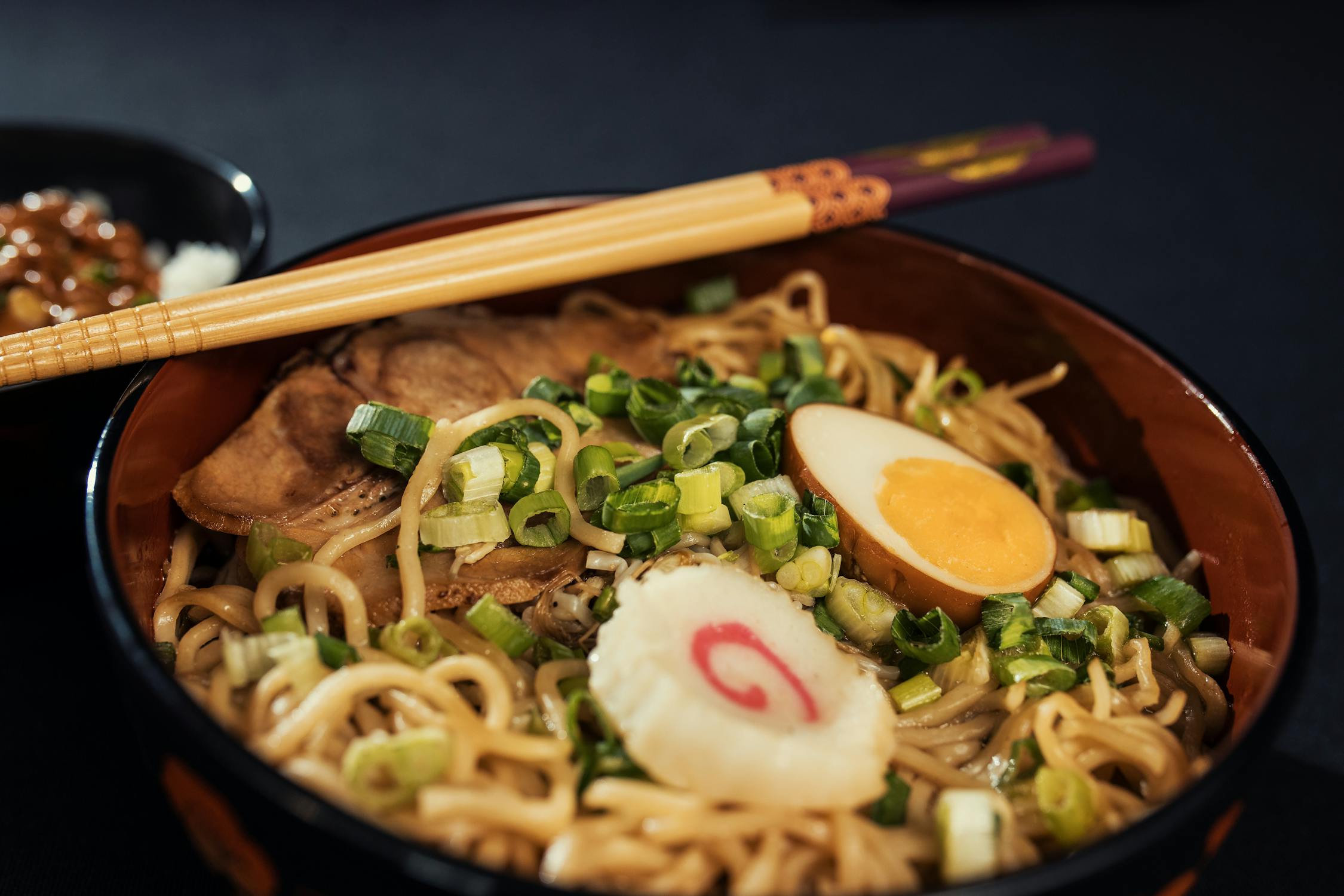
And if the weather has you craving something hot, this is ramen weather by definition. A takoyaki cooking class is the hands-on version: two hours in Namba or Umeda, English-speaking instructors, you make and eat your own, roughly ¥3,500–¥5,000. For where to find the best bowls and skewers across the city, our free things to do in Osaka guide flags the cheap-and-excellent end of it.
Museums worth the ticket
Osaka’s museums punch above their reputation, and they’re obviously dry.
- Osaka Museum of History. Ten floors covering 1,500 years, and the 10th-floor windows hold the best free indoor view of Osaka Castle in the city, which is somehow even better in the rain. Audio guide included. 9:30–17:00, closed Tuesdays, ¥600, Tanimachi 4-chome.
- Osaka Museum of Housing and Living. A full-scale recreated 1830s Osaka neighbourhood indoors, with a lighting cycle that runs from dawn to dusk while you walk it. Rent a kimono for ¥500 and wander the streets in costume. Tailor-made for a wet afternoon.
- Osaka Science Museum. Four floors of hands-on exhibits plus a 26-metre dome planetarium, one of the largest in Japan. Leans toward kids but holds adult attention. The planetarium is the move during an actual typhoon.
- National Museum of Art Osaka. Almost entirely underground in Nakanoshima, so it’s the most literally rain-proof museum in the city. Strong rotating contemporary shows.
- Cup Noodles Museum, Ikeda. Free entry to the exhibit hall, ¥500 for the make-your-own-cup-noodle workshop. It’s a 30-minute Hankyu ride out, sheltered station to door.
Warm up, soak, and wait it out
Sometimes the right answer to rain is a hot bath and no agenda.
Spa World near Dobutsuen-mae is eight floors of onsen with world-themed bathing zones, Mediterranean, European, Asian, and separate men’s and women’s areas that rotate monthly. An all-day pass runs ¥1,500–¥2,500, the place is open round the clock (10:00 through to 08:45 the next morning), and few things in Osaka beat that value when it’s chucking it down. You could turn up at opening, soak for two hours, and watch the whole weather system pass through the window.
Rainy days with kids
The aquarium handles the headline, but Osaka has plenty of backup for restless little ones.
- Legoland Discovery Center. Indoor Lego world inside Tempozan Marketplace, aimed at ages 3–10, with build zones, a simulator ride, and a 4D cinema. ¥2,800 adult / ¥2,200 child, and it’s attached to the aquarium, so pair them.
- Kid’s Plaza Osaka. A four-floor children’s museum built around one giant interactive playspace, pitched at ages 3–9. ¥1,400 adult / ¥800 child.
- HEP Five Ferris Wheel. The big red wheel on top of the HEP Five mall in Umeda. You board from inside the dry mall straight into a glass cabin, so nobody gets wet. ¥600 a ride.
- Pokemon Center Osaka. The flagship store on Daimaru Umeda’s 13th floor, with a giant Pikachu for photos at the entrance and a direct underground link from Osaka station. Non-fans survive it; kids lose their minds. The reservation-only Pokemon Cafe in the same complex books up around two weeks ahead.
- Round 1 Stadium. A multi-floor games complex with bowling, karaoke, batting cages, arcades, and the all-you-can-play “spo-cha” sports zones. Several locations, day-pass options, brilliant for a group of older kids burning off energy.
For adults who want something different
If you’ve done the museums and you want a wet day that isn’t just shopping, Osaka has a weirder, more grown-up shelf.
- Crash Box Shinsaibashi. A legal destruction room where you pay to smash crockery, electronics, and assorted props with hammers and bats. ¥2,000–¥4,500 a session depending on the package. Cathartic, indoors, and exactly the energy a ruined sightseeing day deserves.
- Knife-making at Wada Shouten. A two-hour workshop where you grind, sharpen, and finish a real chef’s knife to take home (Santoku, Deba, or Sashimi). From around ¥10,000, reservation required, and they’ll ship the blade internationally so you don’t fight airport security over it.
- Don Quijote Ebisu Tower. The flagship in Dotonbori runs eight floors of cosmetics, snacks, gadgets, gag gifts, and souvenirs, open 24 hours, with a genuinely good-value basement food court. A reliable bolthole at any hour.
- Themed cafes in Amerikamura. The youth district is thick with niche cafes, cat and owl spots, anime crossovers, retro Showa-era kissaten. The popular ones want a reservation, so check ahead.
- Karaoke. The classic Japanese rainy-day reflex. Private rooms at Big Echo, Karaoke Kan, and others across Umeda, Namba, and Shinsaibashi, usually ¥300–¥800 per person an hour. Order food and drinks to the room and an afternoon disappears.
Practical rain tips that actually help
- Buy a ¥100 umbrella from any convenience store. Don’t bother with an expensive one; they snap, and travellers leave them behind constantly. The clear plastic kind is fine.
- Take short taxi hops in heavy rain. A quick ride between attractions is usually ¥800–¥1,200, and staying dry is worth it when it’s really coming down.
- Coin lockers at every major station hold a bag for ¥400–¥800 for the half-day, so you’re not dragging wet luggage around.
- On a typhoon advisory, most JR and subway lines keep running on lightly modified schedules, but bay-area buses and the bay water bus can suspend. Plan inland on those days.
- Check the radar. The free Japan Meteorological Agency app gives precise real-time rain radar, so you can see exactly when the gap is coming and dash for the next covered stretch.
A few more dry corners worth knowing
Beyond the headliners, Osaka hides a lot of indoor space that locals use without thinking about it. Osaka Bay Tower and the neighbouring Cosmo Tower out in the bay area top out at 252 metres, with a paid observation deck up high and free-to-walk mall floors lower down that are an easy place to stay dry if you’re already over by the aquarium. Less famous than the city-centre decks, but quiet on a wet weekday.
If you’re staying near Dotonbori, the covered Ebisubashi-suji and Shinsaibashi-suji arcades connect almost seamlessly into the underground beneath Namba station, which means you can get from a Namba hotel to dinner, a film, and a bar without ever opening an umbrella. It’s not glamorous, but on a soaking night it’s the difference between a good evening and a miserable one.
One more that surprises people: Osaka’s bigger train stations are destinations in themselves when it rains. Osaka and Umeda stations sit inside a sprawl of department stores, restaurant floors, and basement halls, so “go to the station” can mean two hours of browsing and a full meal, not just catching a train.
How to read the weather and plan around it
Osaka rain often comes in bands rather than as one solid wall, especially outside typhoon season. That changes how you plan. Instead of writing the day off, watch the radar and treat the indoor spots as anchors with short outdoor hops between them when the rain eases. The Japan Meteorological Agency app shows the gaps coming 20 or 30 minutes out, which is usually enough warning to dash from an arcade to a station or a museum entrance.
Group your day by district so your transfers are short and mostly underground. A Umeda-based wet day, for instance, barely needs daylight: the underground network, the depachika, HEP Five, the Pokemon Center, and the museums to the west are all a few sheltered minutes apart. A Minami-based day leans on the Namba underground, the southern arcades, and Kuromon Market. Pick your half of the city and you’ll spend far less of the day fighting the weather to get between things.
Three rainy-day routes that flow
The culture day
Open at 9:30 with the Osaka Museum of History (about 90 minutes), then walk through the park to the castle keep with an umbrella up for the ten-minute stretch. Do the Castle Museum until early afternoon, lunch at Jo-Terrace, then train up to Tenjinbashisuji 6-chome to walk the arcade and the Museum of Housing and Living. Finish with a depachika dinner at Hankyu Umeda.
The family day
Start at the Aquarium Kaiyukan at 10:00, lunch at Naniwa Kuishinbo Yokocho, then the Tempozan wheel and Legoland Discovery back to back since they’re all on the same site. Train back to Umeda late afternoon and cap it with the HEP Five wheel and the Pokemon Center.
The grown-up day
Soak at Spa World for a couple of hours from opening, then a kushikatsu lunch under Tsutenkaku in Shinsekai. Train to Honmachi for the National Museum of Art, then a drink at the Conrad Osaka 40th-floor lobby bar as the lights come up. Karaoke in the evening, late ramen to close.
FAQ
Does Osaka have a typhoon season?
Yes. August into early October typically brings two or three typhoons strong enough to affect travel. Most build and pass over 24 to 48 hours. Trains and the subway usually keep running on slightly altered schedules, though bay-area transport can stop.
Is Universal Studios Japan open in the rain?
Yes, USJ runs in the rain. Outdoor rides may pause briefly in a heavy storm, but most attractions, including the Wizarding World and Super Nintendo World, stay open. Buy a clear poncho at a convenience store on your way in.
What’s the best rainy day attraction in Osaka?
For most people it’s the Aquarium Kaiyukan or the Osaka Castle Museum. If you’d rather walk, Tenjinbashisuji’s 2.6 km covered arcade. For families, the aquarium plus Legoland Discovery at Tempozan, since they share a roof.
Are Osaka’s shopping streets covered?
Many are. Tenjinbashisuji (2.6 km), Shinsaibashi-suji (around 1 km), Namba Walk and Whity Umeda underground are all fully sheltered, so you can shop through a downpour.
What’s the cheapest rainy day activity in Osaka?
Plenty cost nothing. Walking Tenjinbashisuji, the Cup Noodles Museum entry, wandering the depachika food halls, and the underground arcade network are all zero-yen ways to stay dry for hours.
Don’t let the forecast run your trip
A wet day in Osaka is a different day, not a lost one. Slot these into the wider plan with our things to do in Osaka guide, and lean on the indoor anchors above when the radar looks ugly. Half of this list is also free, so it pulls double duty for anyone watching the budget as well as the weather.
The best wet evening in Namba is spent upstairs in a game centre: our guide to Osaka arcades picks the best ones and explains the crane games, rhythm games and purikura.