This article contains advertising. Our booking links are routed through a partner that adds commission tracking automatically, so if you book through one we earn a commission from the provider, at no extra cost to you. It never affects what we recommend. Affiliate disclosure
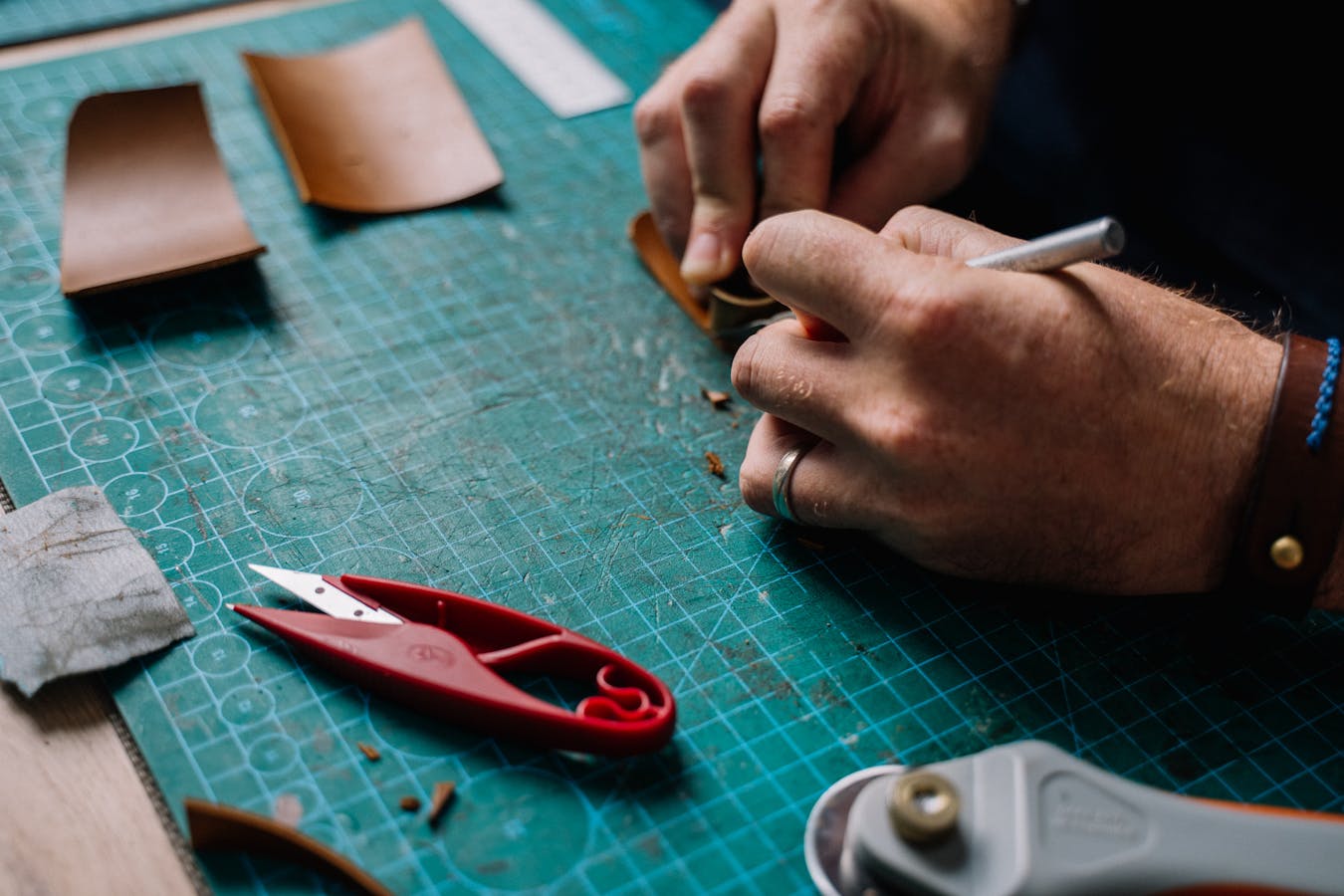
Osaka craft workshops are one of the most rewarding cultural experiences available to foreign visitors – hands-on instruction in centuries-old Japanese crafts, English-speaking artisans, and take-home pieces you’ll keep for years. The crown jewel is Sakai knife-forging (Sakai City has been Japan’s premier knife-making region since the 1500s); the workshop network extends to pottery, calligraphy (shodo), washi paper-making, indigo dyeing (aizome), and the more familiar tea ceremony. This 2026 guide profiles the major workshop categories with prices in JPY, English instruction availability, what you make, and how to book. Most workshops run JPY 3,000-50,000 depending on duration and complexity.
Quick Picks: Best Osaka Craft Workshops
- Best signature experience: Sakai knife-forging at Wada Shouten (2-hour, JPY 17,000-50,000)
- Best beginner-friendly: Calligraphy + Daruma painting at Matsuyamachi (JPY 3,000-5,000)
- Best premium: Tea ceremony with kimono (JPY 8,000-15,000)
- Best for kids: Pottery workshop (JPY 3,500)
- Best free experience: Sakai Traditional Crafts Museum (free; knife-sharpening demos)
- Best regional: Sugiharagami Institute washi paper-making (day trip)
- Best indigo dye: Specialty studios in Tenma area
Sakai Knife-Forging Workshops
Why Sakai Knives Matter
Sakai is Japan’s premier knife-making region. Since the 1500s when Portuguese muskets first arrived in Japan, Sakai swordsmiths shifted their craft from sword-making to kitchen knife-making. Today, 90% of all Japanese professional chefs use Sakai-forged knives. The forging tradition is preserved by ~30 small workshops in Sakai City; several offer hands-on workshops for visitors.
Wada Shouten Workshop
- Location: Sakai City (Nankai Sakai Station or Sakai-Higashi Station)
- Workshop: 2-hour private knife-making experience
- Includes: Sakai Knife Museum visit; hands-on forging
- Knife types: Santoku, Deba, Sashimi
- Price: Approximately EUR 108-320 / JPY 17,000-50,000
- Take-home: Your forged knife in protective sheath
- English instruction: Yes
- Reservation: Required; 2-3 weeks ahead
- Customs: Generally OK for personal travel; may require declaration at airport
Sakai Traditional Crafts Museum
- Location: Central Sakai
- Entry: Free
- What: Knife-sharpening demos; museum displays
- Best for: Visitors with limited time; budget travelers
Calligraphy (Shodo) Workshops
What Is Shodo?
Shodo is the Japanese art of brush calligraphy – writing kanji and kana characters with ink and brush. Practiced for ~1,500 years in Japan, the art emphasizes balance, rhythm, and the breath-pause-stroke cadence.
Matsuyamachi Calligraphy Workshops
- Location: Matsuyamachi Station area
- Duration: 60-90 minutes
- Price: JPY 3,000-5,000
- What: Learn proper grip; practice basic strokes; write characters of your choice (often your name)
- Take-home: Your calligraphy work + sometimes a brush
- English instruction: Limited but visual; gestures work
Combined with Daruma Painting
Some Matsuyamachi workshops combine calligraphy with Daruma doll painting (the round, weighted, eye-painted figures from Katsuo-ji Temple tradition). Combined session 90-120 minutes, JPY 4,000-7,000.
Pottery (Yakimono) Workshops
Beginner Pottery Sessions
- Duration: 60-120 minutes
- Price: EUR 20 / ~JPY 3,500 – JPY 7,000
- What: Hand-formed clay bowl, cup, or small vessel
- Process: Form clay on wheel or by hand; firing happens later
- Take-home: Pickup completed piece 2-4 weeks later OR shipped overseas
- Shipping: JPY 2,000-5,000 international shipping additional
- English instruction: Available at most tourist-facing studios
Premium Pottery (Higher Engagement)
- Half-day workshops: JPY 8,000-15,000
- Multi-day workshops: JPY 15,000-30,000 (1-week intensives)
- Pieces with glazing decisions and color selection
- Best for serious pottery enthusiasts
Washi Paper-Making
What Is Washi?
Washi is traditional Japanese paper made from plant fibers (typically mitsumata, kozo, or gampi). UNESCO Intangible Cultural Heritage. Made by hand using bamboo screens and water in cold winter months.
Sugiharagami Institute (Hyogo – Day Trip)
- Location: Hyogo Prefecture (1.5 hour day trip from Osaka)
- Duration: 2-3 hours
- Price: JPY 3,500-7,000
- What: Learn the historical washi-making process; make your own sheet of washi
- Take-home: Your washi paper (sometimes dried and laminated for travel)
- English support: Yes; advance booking recommended
In-City Washi Demonstrations
- Some Osaka tea ceremony venues include washi demonstrations
- Look for “wagasa” (Japanese parasol) shops in Karahori area
- Department store cultural events sometimes feature demonstrations
Indigo Dyeing (Aizome)
What Is Aizome?
Aizome is traditional Japanese indigo dyeing using natural indigo fermentation. The technique produces the distinctive blue color seen in samurai armor underclothes, work-class clothing, and folk crafts. Considered one of Japan’s traditional textile arts.
Indigo Workshop Studios in Osaka
- Specialty studios in Tenma area: Search for “aizome workshop” specifically
- Duration: 60-90 minutes
- Price: JPY 4,000-8,000
- What: Hand-dye a tote bag, handkerchief, or small fabric piece
- Take-home: Your dyed item (dried and ready)
- English instruction: Available at some studios; ask before booking
- Wear: Old clothing or apron – dye marks possible
Tea Ceremony Workshops (Cultural Anchor)
Standard Tea Ceremony
- Duration: 60-90 minutes
- Price: JPY 2,500-12,000
- What: Learn etiquette; whisk and drink matcha; wear kimono optional
- Take-home: Memory; sometimes a small tea-tool souvenir
- English instruction: Available at most tourist-facing venues
- Combine with: Kimono rental (additional JPY 4,500)
Premium Tea Ceremony (Multi-Hour)
- Duration: 90-180 minutes
- Price: JPY 8,000-15,000
- What: Multi-course chakaiseki meal + tea ceremony
- Best for: Special occasions; honeymoon
Cooking Class as Craft
Cooking classes are increasingly considered “craft workshops” in Osaka tourism. Takoyaki, okonomiyaki, sushi, and ramen classes give visitors transferable skills. See our Osaka Cooking Classes guide for details.
Other Craft Workshop Categories
Mokuhanga (Woodblock Printing)
- Duration: 2-3 hours
- Price: JPY 5,000-10,000
- What: Carve simple design into wood block; ink and print
- Take-home: Your prints (10-15 copies typical)
Kintsugi (Repair Pottery with Gold)
- Duration: 90-120 minutes
- Price: JPY 5,000-12,000
- What: Learn the centuries-old technique of repairing broken pottery with gold lacquer
- Conceptual: “Imperfections become beauty” philosophy
- Take-home: Your repaired piece (sometimes pre-broken sample provided)
Ikebana (Flower Arrangement)
- Duration: 60-90 minutes
- Price: JPY 4,000-7,000
- What: Learn one of three major ikebana styles (Ikenobo, Ohara, Sogetsu)
- Take-home: Photos; some studios let you keep your arrangement
- Note: Less common as drop-in workshop; usually requires school enrollment
Bonsai Workshops
- Duration: 2-3 hours
- Price: JPY 5,000-10,000
- What: Learn basic bonsai care; prune a small tree; sometimes wire-shape
- Take-home: Photo and instruction sheet; some studios include a small bonsai
How to Book Craft Workshops
Booking Channels
- Klook, Viator, GetYourGuide: Standard for English-speaking travelers
- Specific studio websites: Direct booking often cheaper
- Hotel concierge: Can arrange premium workshops
- Pocket Concierge app: Premium and unusual workshops
- Email: Direct email to small studios with date request
Advance Booking Times
- Sakai knife workshops: 2-3 weeks ahead
- Tea ceremonies: 1-2 weeks ahead
- Pottery: 3-7 days ahead
- Cooking classes: 1 week ahead
- Calligraphy/Daruma: Often walk-in possible
- Indigo dyeing: 3-7 days ahead
- Special events: 2-4 weeks ahead
What’s Included in Workshops
- All tools and materials
- Apron (when needed)
- English instruction (at tourist-facing studios)
- Recipe cards or instruction sheets
- Take-home product
- Drinks (water, tea, sometimes light snack)
- Photography permitted at most
What’s NOT Included
- Transportation to/from workshop
- Premium materials beyond basic kit
- International shipping (for fragile items)
- Cultural prerequisites (no requirement)
- Insurance for working with sharp tools (carried by visitor)
Best Workshops by Traveler Type
For First-Time Visitors
Tea ceremony + kimono combination (cultural depth + photographic memory). Cost JPY 5,000-7,500.
For Foodies
Sakai knife-forging + cooking class on same trip. Skill transfer is real.
For Photographers
Calligraphy + Daruma painting (visually rich); indigo dyeing (process photos).
For Premium Travelers
Sakai knife-forging at JPY 30,000+; multi-day pottery intensive at JPY 15,000+ per day.
For Budget Travelers
Free Sakai Traditional Crafts Museum + walk-in calligraphy at Matsuyamachi (JPY 3,000).
For Families
Pottery (ages 6+); calligraphy (ages 8+); kintsugi (ages 10+). Avoid knife-forging with kids.
Logistics of Craft Workshops
What to Wear
- Comfortable clothing you don’t mind getting marked
- Closed-toe shoes (most studios require)
- Hair tied back for forging or pottery work
- Avoid: White clothing at indigo or knife-forging workshops
Take-Home Logistics
- Fragile items (pottery, knife): Plan for protective packing
- International shipping: JPY 2,000-5,000 typically
- Customs: Most items declarable; check destination country rules
- Sharp items: Pack in checked luggage; declare at customs
- Tea ceremony memorabilia: Standard luggage
- Calligraphy work: Roll in a tube; check airline carry-on rules
Common Mistakes
- Booking only 1 workshop: If you’re already going to one, add a second on a different day
- Forgetting to confirm English instruction: Most studios offer but confirm at booking
- Not booking far enough ahead: Sakai knife-forging often sold out 2-3 weeks ahead
- Skipping the Sakai museum: Free; visit before the workshop for context
- Bringing kids to knife-forging: Generally not appropriate for under-12
- Skipping the dye-stained shirt: Indigo workshop staining is permanent
- Not asking about shipping: Pottery may take weeks to fire and ship
Multi-Workshop Itinerary
3-Day Craft-Focused Trip
- Day 1: Tea ceremony in morning + kimono walking; calligraphy workshop afternoon
- Day 2: Sakai knife-forging full morning; lunch in Sakai; afternoon Sakai Traditional Crafts Museum
- Day 3: Pottery class morning; indigo dyeing afternoon; cooking class evening
- Total cost: JPY 35,000-60,000 per person depending on premium choices
Take-Home Souvenirs vs. Workshop Take-Homes
- Tea ceremony: Memory, photos, small souvenir
- Calligraphy: Your written work (rolled in tube)
- Pottery: Your fired piece (shipped or pickup)
- Knife-forging: Your forged knife with sheath
- Indigo dye: Your dyed bag/handkerchief
- Bonsai: Photo + small starter tree (sometimes)
- Kintsugi: Your repaired piece
- Cooking: Recipe card; skill
Practical Tips
- Reservations: Book 1-3 weeks ahead
- Cash: Most studios accept card; bring cash backup
- Empty stomach for cooking class: You’ll eat what you cook
- Full stomach for knife-forging: Forging is physically tiring
- Photography: Confirm policy at booking; usually welcomed
- English instruction: Confirm at booking
- Take-home item: Confirm shipping or pickup arrangements
- Insurance: Standard travel insurance covers most workshops
Beyond Workshops: Demonstrations
- Sakai Traditional Crafts Museum: Free; knife-sharpening demos
- Osaka Museum of Housing and Living: Sometimes Edo-era craft demonstrations
- Department store cultural events: Occasional pop-up demonstrations
- Festival craft markets: Karahori Tezukuri Ichi monthly
- Free vs. paid: Demonstrations free; hands-on workshops paid
Final Word: Osaka Craft Workshops
Osaka craft workshops deliver cultural value disproportionate to their cost – JPY 3,000-50,000 buys you a 60-180 minute experience with a master artisan, a take-home piece, and a transferable skill. Sakai knife-forging is the signature experience; tea ceremony with kimono is the cultural anchor; calligraphy and pottery are the gentler entry points. Build at least one workshop into any Osaka trip – the difference between watching Japanese craft and making Japanese craft is profound, and the result is a memory and object you’ll keep for years.