This article contains advertising. Our booking links are routed through a partner that adds commission tracking automatically, so if you book through one we earn a commission from the provider, at no extra cost to you. It never affects what we recommend. Affiliate disclosure
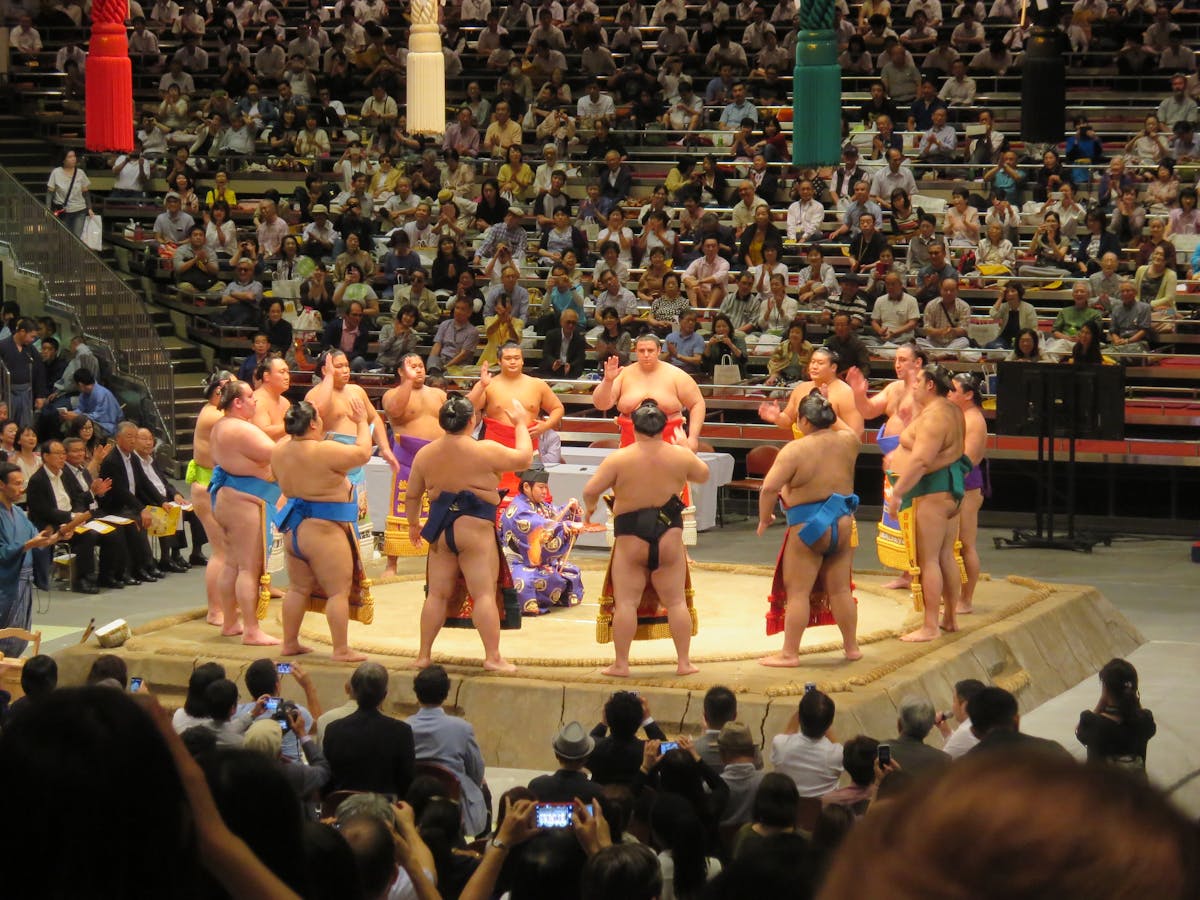
The Osaka sumo tournament (Haru Basho, “Spring Grand Tournament”) is one of Japan’s six annual professional sumo events and the only one held in western Japan. The 15-day tournament runs March 8-22, 2026 at EDION Arena Osaka (officially Osaka Prefectural Gymnasium), bringing the top division of professional sumo wrestlers to Namba for two weeks of daily competition. The tournament is one of the most distinctive cultural experiences available to foreign visitors in Osaka – the matches take 5-30 seconds each but the rituals, traditions, and atmosphere span all afternoon. Attending requires advance ticket purchase, comfortable seating discipline (you’re seated 3-6 hours), and basic etiquette understanding. This 2026 guide covers everything: tournament dates, ticket types and prices, seating strategy, what to expect, etiquette, and how to plan your visit.
Osaka Sumo Tournament 2026 Details
- Dates: Sunday March 8 – Sunday March 22, 2026 (15 consecutive days)
- Venue: EDION Arena Osaka (Osaka Prefectural Gymnasium)
- Location: Less than 10-min walk from Osaka Namba Station
- Top division bouts (Makuuchi): Start approximately 14:00 daily
- Main event finale: 17:30-18:00 daily
- Lower division bouts: Start morning (08:30+); higher divisions throughout day
- Free Saturdays: Sometimes 2 free public morning sessions; check current schedule
- Advance tickets: Open February 7, 2026
Tournament Schedule (15 Days)
- Day 1 (Sunday): Senshuraku opening
- Days 2-13: Daily competition; matches build excitement
- Day 14: Yokozuna bout day (top wrestlers)
- Day 15 (Sunday Senshuraku Final): Championship determination
The tournament builds in intensity. Day 1-7 features lower-division bouts; Day 8-14 brings the top wrestlers in; Day 15 (Senshuraku) is the championship final with the day’s most-attended bouts.
Daily Bout Schedule
Morning (08:30-12:00)
Lower division (Maezumo, Jonokuchi, Jonidan) bouts. Free entry on certain Saturdays. Lower-attendance period; good for first-time visitors to see the venue calmly.
Midday (12:00-14:00)
Mid-division (Sandanme, Makushita) bouts. Crowds building.
Afternoon (14:00-18:00)
Top division (Makuuchi) bouts begin around 14:00. The main attraction. Crowds packed. Maezumo enthusiasts pay attention to Makuuchi-level skill.
Evening Finale (17:30-18:00)
Top-ranked bouts including Yokozuna (Grand Champion) matches. Daily attendance peak.
Ticket Types and Prices
Masu-Seki (Box Seats – Best Experience)
- Type: 4-person tatami floor boxes – sit cross-legged on cushions
- Position: Floor level, close to the ring
- Price: JPY 12,000-15,000 per box (split among 4)
- Cushions included: Yes
- Booking: Sells out fastest; book at tournament opening
- Best for: Most authentic experience; groups of 4
Arena Chair Seats
- Type: Western-style arena seats
- Position: Front to back rows
- Price: JPY 3,500-15,000 depending on position
- Front rows (S): JPY 8,000-15,000
- Mid rows (A): JPY 5,500-8,000
- Back rows (B): JPY 3,500-5,000
- Best for: Solo travelers, couples, foreign visitors used to Western seating
Tachi-mi Seki (Standing Seats)
- Price: JPY 1,500-3,000
- Best for: Budget travelers; willingness to stand 3+ hours
- Note: Last to fill but also harder to leave once positioned
Same-Day Tickets
- Limited tickets at the door
- Available from approximately 07:45 each tournament day
- Day-of buyers can sometimes get reasonable seats for weekday low-attendance days
- Tip: Day 1 weekday tickets often available same-day
How to Buy Tickets
Official Channels
- Japan Sumo Association website: sumo.or.jp – opens February 7, 2026 for advance sales
- Ticket Oosumo (specific ticket platform): Reliable Japanese site
- Convenience store ticket machines: Family Mart, 7-Eleven via L-Ticket or Lawson Ticket
- Tournament venue same-day: Available from 07:45 daily; ticket booth at EDION Arena
Foreign Visitor Friendly Channels
- Klook, Viator, GetYourGuide: Offer guided tours that include tickets
- Voyagin: Foreign-friendly tour operator with ticket access
- Hotel concierge: Can call ticketing offices on your behalf
- JTB or Nippon Travel Agency: Offer tour packages
Recommended Strategy
- If your dates are fixed: Book through Japan Sumo Association on February 7 opening day
- If flexible: Buy through Klook for English-language confirmation
- If day-of: Arrive at venue 07:45 for same-day tickets
- If budget-tight: Tachi-mi seki standing seats or back-row B seats
Getting to EDION Arena Osaka
- From central Osaka: Osaka Metro Yotsubashi Line to Namba Station; 5-min walk to arena
- From Umeda: Midosuji Line to Namba (3 min)
- From KIX Airport: Nankai Express to Namba (40 min)
- Hotels near venue: Hiyori Hotel (150m), Swissotel Nankai (above station), multiple business hotels within 5-min walk
What to Expect Inside
Arena Atmosphere
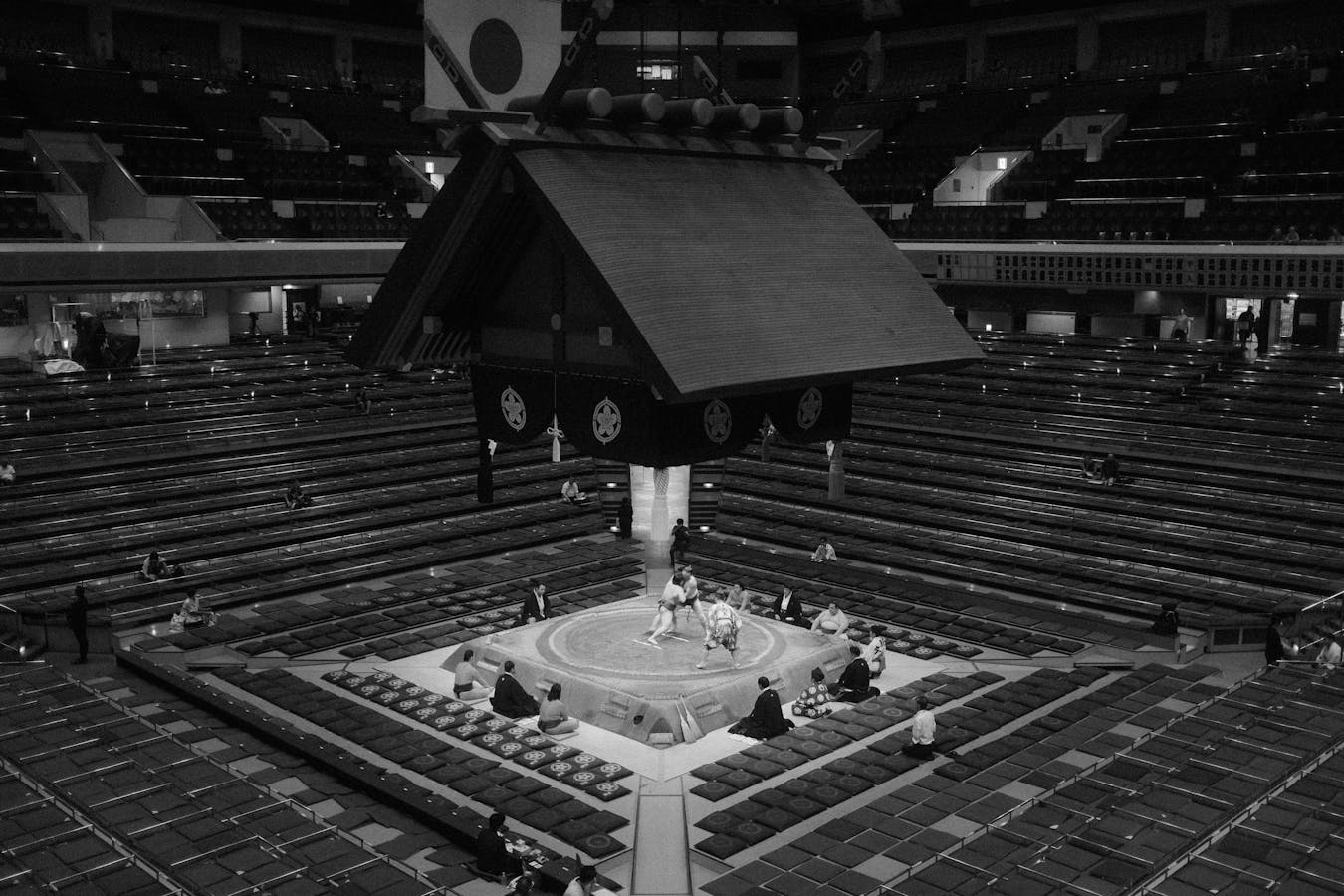
The arena holds approximately 8,000 spectators. The dohyo (sacred ring) is in the center; cushioned seats around it. Polite atmosphere – no shouting or fighting in the stands. Cheering happens (especially during the top-division bouts) but stays civil. Photography permitted at most positions.
The Ring (Dohyo)
4.55m diameter circle of clay surrounded by a sand circle. The ring is built fresh for each tournament; the wrestlers fight inside, and the first to step out of the circle or have any body part except feet touch the ground loses.
A Typical Bout
- Stare-down (mawashi-pulling): 1-2 minutes of psychological preparation
- Salt throwing: Wrestlers throw salt to purify the ring
- Tachi-ai (charge): Wrestlers charge from squat position
- The bout: 5-30 seconds typically; longer bouts up to 2 minutes
- Decision: Loser falls or steps out; winner returns to corner
- Total per bout cycle: 3-5 minutes
Between Bouts
Yobidashi (announcers) call the next wrestlers; wrestlers approach the ring. Vendors sell snacks, drinks, sake. Crowds shift between bouts; flash photography is OK between rounds.
Etiquette at Sumo
- No shouting or booing – civility is the foundation
- Cheering specific wrestlers is OK; cheering against opponents discouraged
- Photography permitted during bouts; flash discouraged during action
- Hand gestures respectful applause; no booing or thumbs-down
- Eating in seats permitted – vendors sell bento and snacks
- Quiet voices in the gallery; loud groups asked to lower
- Dress code: Casual; no swimwear or revealing clothing
- Phones silent during bouts
- Don’t disrupt by going to bathroom during a bout
- Yokozuna ceremonies deserve focused attention
What to Bring
- Binoculars: Helpful from back rows
- Small cushion: If sitting in tatami floor seats (some not included)
- Layers: Arena temperature varies; wear pants
- Water bottle: Re-fill at the venue
- Cash: Vendors and small snack stands accept cash
- Phone charger battery: Long day = drained battery
- Sumo program (purchase at entrance): JPY 200-500 for current day’s match-ups
- Comfortable shoes for walking from station
Best Days to Attend
For First-Time Visitors
Weekday Days 6-12 – mid-tournament intensity, top wrestlers in play, manageable crowds, tickets available.
For Sports Fans
Day 14 or Day 15 (Senshuraku) – the most competitive bouts; tournament championship determination.
For Budget Travelers
Day 1 weekday with same-day standing tickets – cheapest option, smaller crowds, less competitive but you’ll see the tournament structure.
For Photography
Day 12-15 with masu-seki seats – close-up action shots with proper lens (200mm+).
The Sumo Ranking System
Top Division (Makuuchi – 42 wrestlers)
- Yokozuna (Grand Champion): Top rank; 1-3 active wrestlers typically
- Ozeki (Champion): Second-highest rank
- Sekiwake: Third tier
- Komusubi: Fourth tier
- Maegashira (regular Makuuchi): Numbered from 1 to 16-17
Below Top Division
Juryo (28 wrestlers), Makushita (120 wrestlers), Sandanme (200 wrestlers), Jonidan (200 wrestlers), Jonokuchi (50-100 wrestlers). Maezumo – lowest rank for newcomers.
Pre-Tournament: See Morning Practice
- Several sumo stables (heya) in Osaka allow visitor entry for morning practice during tournament season
- Time: Early morning (06:00-09:00)
- Cost: Free at most heya; tip welcome
- Etiquette: Sit on knees on tatami; absolute silence; no photography during practice without permission
- Booking: Most heya don’t accept advance bookings; arrive at 05:30-06:00
- Recommended: Asahiyama Beya, Hakkaku Beya during tournament weeks
Food and Drink at the Tournament
- Bento boxes: Pre-order or buy at venue (JPY 1,500-3,500)
- Chanko (sumo stew): Sometimes available at venue restaurants; signature sumo wrestler food
- Beer and sake: Vendors throughout the arena
- Snacks: Yakitori, edamame, candied apples, sweet rice cakes
- Cash recommended: Card acceptance limited
- Outside food: Allowed with restrictions
Visiting Sumo Stables (Heya)
Important Note
During the Osaka tournament (March 8-22), many sumo stables relocate to Osaka and operate practice rings open to the public. Outside tournament season, sumo stables are based in Tokyo and visitor access is much more limited.
What to Expect
- Pre-dawn (05:00) arrival recommended
- Sit on knees on tatami floor
- Absolute silence during practice
- Practice bouts last 2-3 hours
- Best foreigner-accessible stables: Asahiyama, Hakkaku, Naruto
- Photography only with explicit permission
- Chanko (sumo wrestler stew) served at some heya for visitors
Hotels Near EDION Arena
- Hiyori Hotel Osaka Namba Ekimae: 150m from arena; mid-range
- Swissotel Nankai Osaka: Above Namba Station; premium
- Mitsui Garden Hotel Osaka Premier: 7-min walk; mid-range
- The Ritz-Carlton Osaka: 10-min walk; luxury
- Budget hostels: Multiple within 10-min walk; JPY 4,000-7,000
Best Way to Watch (For Beginners)
- Arrive 12:00-13:00 for the morning bouts; understand the structure before top division
- Watch the lower-division bouts to understand the rituals
- Top division starts approximately 14:00 – that’s when serious viewing begins
- Stay through 18:00 for the final Yokozuna bouts
- Read the program before each bout to follow rankings
- Buy the official sumo program (JPY 200-500) for context
- Eat a bento lunch around 13:30 to be hungry for snacks during top bouts
Combining With Other Activities
- Pre-tournament: Coffee at Marufuku Coffee Sennichimae; walk to arena
- Post-tournament: Dinner in Dotonbori; bar in Ura-Namba
- Free day combo: Sumo Saturday morning + Hozenji Yokocho lantern dinner
- Multi-day visit: Two non-consecutive tournament days to see different match-ups
Common Mistakes
- Booking only Day 1: Misses the most exciting later bouts
- Skipping advance booking: Sells out 1-2 months before tournament
- Buying masu-seki for solo travelers: Designed for groups of 4
- Underestimating time commitment: Plan 4-6 hours at the arena
- Sitting in seiza for hours: Tatami floor seats are challenging without practice
- Ignoring lower-division bouts: Useful context for understanding top division
- Loud cheering: Respect the Japanese atmosphere
- Forgetting to bring water and snacks: Long day at the arena
Sumo for Different Travelers
For First-Time Japan Visitors
Worth attending one half-day during tournament for cultural immersion. Plan a Day 6-10 weekday afternoon visit; book mid-arena seats (JPY 5,500-7,000); arrive 12:30, leave 18:00.
For Sports Fans
Book front-row arena seats (JPY 12,000-15,000) for Day 13-15; arrive at 11:00 to see the tournament structure; stay until 18:00 finale.
For Photographers
Masu-seki front rows (JPY 12,000-15,000); bring 200mm+ telephoto lens; stable seating for sustained focus; Day 13-14 for top bouts.
For Families with Kids 8+
Day 6-10 weekday afternoon; arena seats (not masu-seki); kids 8+ can usually handle 3-4 hour viewing. Explain the bout structure beforehand to maintain engagement.
For Budget Travelers
Tachi-mi standing tickets JPY 1,500-3,000; weekday early in tournament; bring water and snack from convenience store; 3-4 hour viewing.
Why Osaka Sumo Tournament Matters
Osaka sumo tournament is one of the most distinctively Japanese cultural events available to foreign visitors – 1,000-year-old sport, no equivalent in the world, top-level athletes performing in an arena built around tradition. The Haru Basho is also one of only 6 annual tournaments and the only one in western Japan, making the timing window narrow. If your Osaka trip overlaps March 8-22, building the tournament into your itinerary creates a memory most other tourists miss.
Final Word: Osaka Sumo Tournament
Osaka sumo tournament (Haru Basho) March 8-22, 2026 is one of the most uniquely Japanese cultural experiences available to foreign visitors. Book advance tickets when sales open February 7; plan for a 4-6 hour afternoon visit; bring the program for context; respect the quiet atmosphere; eat bento at the arena. The combination of ancient ritual + serious athletic competition + Japanese cultural depth creates a memory you’ll keep for years.