This article contains advertising. Our booking links are routed through a partner that adds commission tracking automatically, so if you book through one we earn a commission from the provider, at no extra cost to you. It never affects what we recommend. Affiliate disclosure
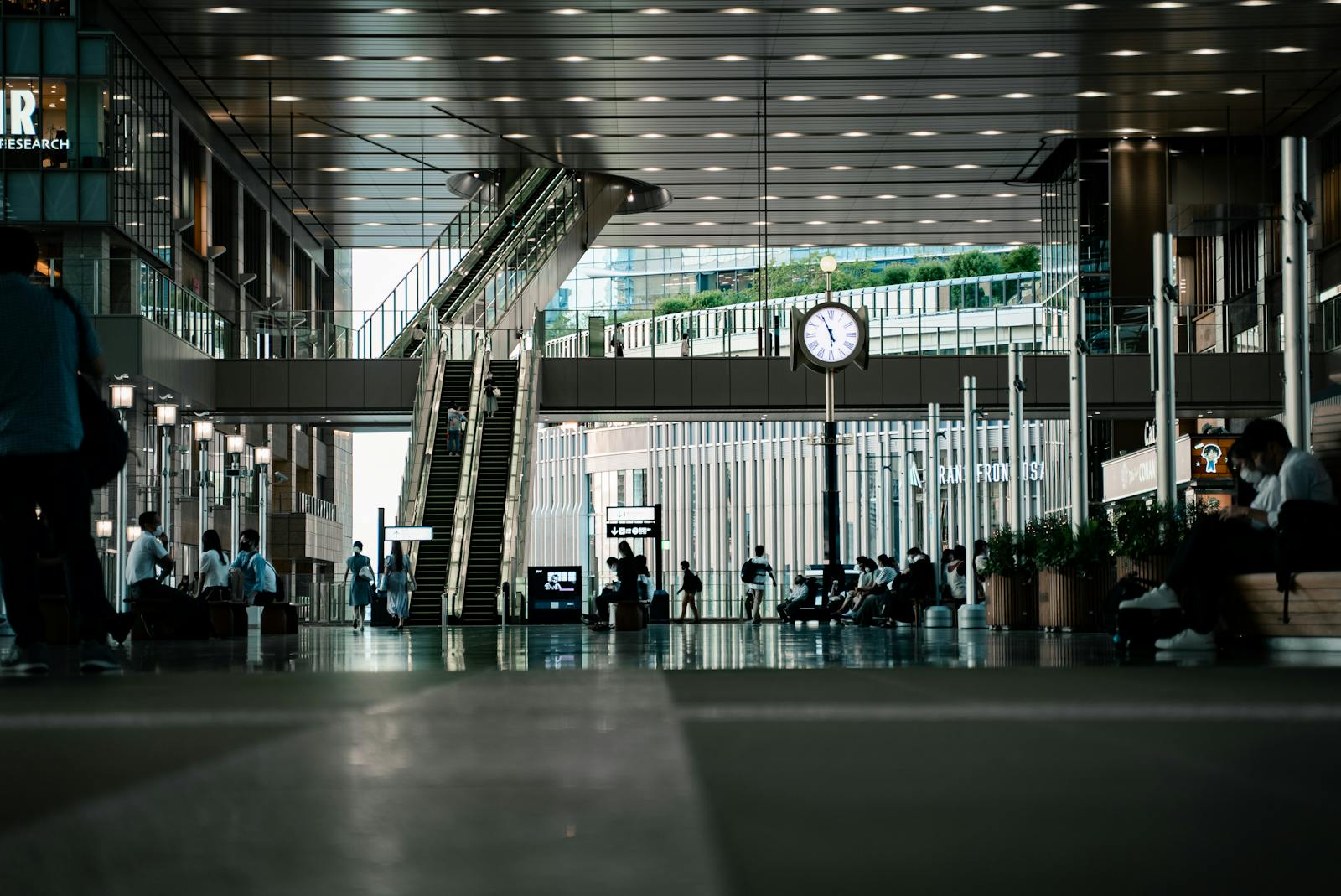
Stand on the right of the escalator. That is the first thing to know about Osaka, and it is the one that marks you out fastest, because the rest of Japan stands on the left and every guidebook written from Tokyo tells you to. Kansai does it the other way round. Nobody will say anything — they will simply flow around you, politely, for the entire length of the escalator, and you will feel it.
These Osaka travel tips are the practical layer of the site: money, connectivity, transport, etiquette, the 2026 rule changes that catch people out, and the mistakes we watch visitors make over and over. If you have never been to Japan at all, start with our first-time Osaka tips, which is the orientation piece. This page is the reference you come back to while you are packing and while you are there.
Before you leave home
Entry and paperwork
- Visit Japan Web is optional for every nationality as of 2026. Paper arrival and customs cards are still handed out on the plane and accepted at every airport. Registering in advance is still worth doing — it produces QR codes that save real time at immigration on a busy arrival, and Kansai Airport has plenty of those.
- The departure tax is now ¥3,000 for departures on or after 1 July 2026, up from ¥1,000. It is built into your air ticket and collected at purchase. There is nothing to pay at the airport, and anyone asking you to is not official.
- Check visa requirements for your passport rather than assuming; see Osaka visa requirements. Most Western passports get visa-free entry for 90 days.
- Travel insurance matters more in Japan than people expect. Medical care is excellent and you pay for it. See travel insurance for Osaka.
Connectivity
Sort this before you fly, not at the airport. An eSIM activated before departure means you land connected, which matters when your hotel is a subway change away and your booking is in an email. Pocket wifi makes sense only for groups sharing one connection or for anyone whose phone will not take an eSIM. Free wifi exists in stations, convenience stores and cafes, and it is unreliable enough that you should not plan around it. Our SIM card and wifi guide has the comparison.
Download offline maps of Osaka before you go, and install the app for whichever theme park or attraction needs one — USJ in particular runs its entire ticketing and timed-entry system through its app.
Money in 2026
Cash or card?
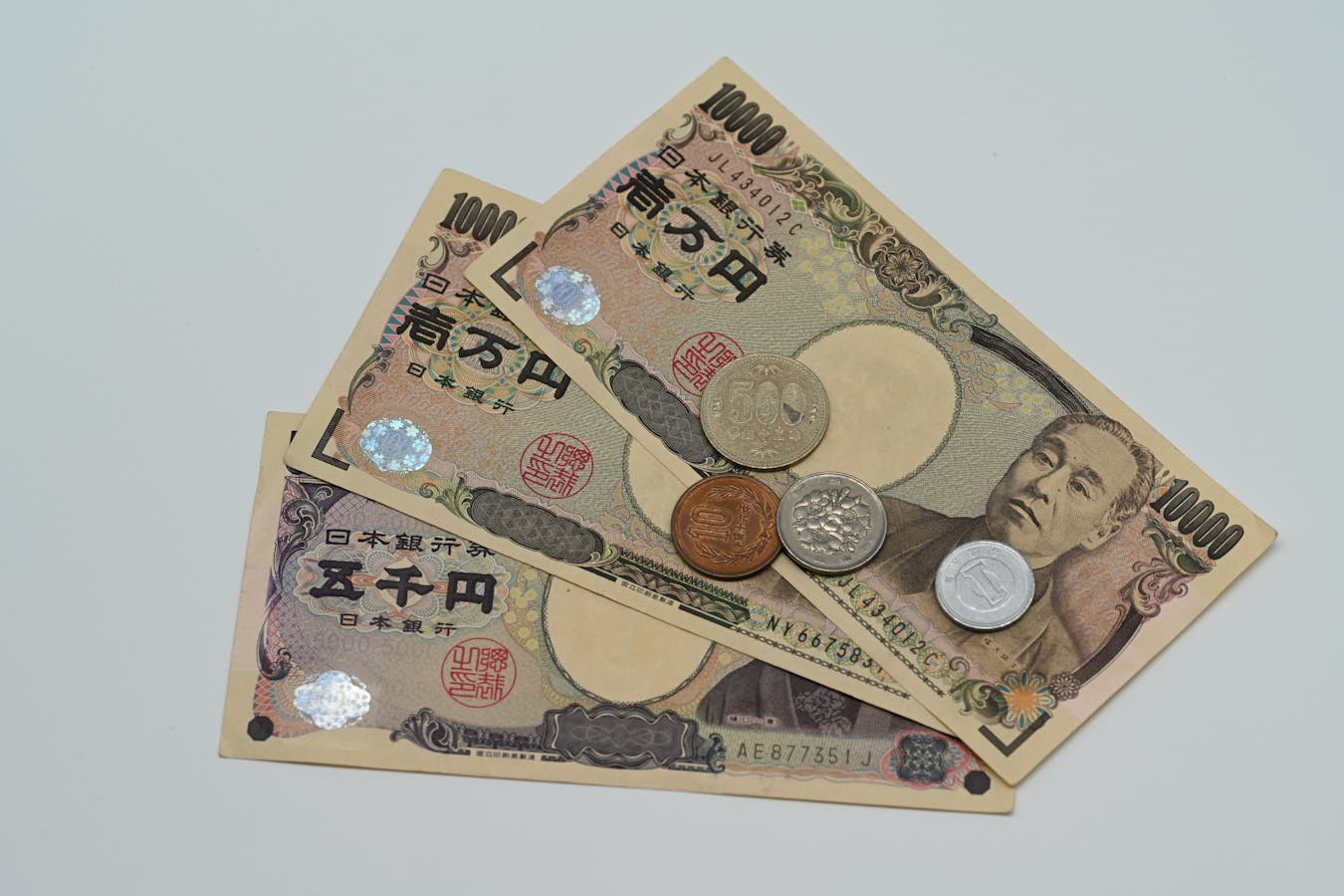
Both, and the split matters. Cards and IC cards are widely accepted in 2026 — department stores, chains, hotels, most restaurants. But small izakaya, market stalls, shrine offices, older shokudo and a good number of the places you will most want to eat in remain cash-only. Carrying ¥10,000–20,000 in cash is not paranoid, it is normal.
- 7-Eleven (Seven Bank) and Japan Post ATMs reliably accept foreign cards. Bank-branch ATMs frequently do not, and many keep business hours.
- Always decline dynamic currency conversion. When an ATM or terminal offers to charge you in your home currency, say no and pay in yen. The exchange rate they apply is worse, every time.
- PayPay is everywhere and largely useless to visitors, since it needs a Japanese account. Do not plan around it.
- Coins accumulate absurdly. Japan has ¥500, ¥100, ¥50, ¥10, ¥5 and ¥1 coins and no notes below ¥1,000. Feed them into vending machines and station lockers rather than carrying a kilogram of metal.
An ICOCA card is the single best purchase of your first hour: it covers essentially all local transport plus convenience stores, lockers and vending machines, and it can go into Apple Wallet or Google Wallet. Foreign Visa and Mastercard top-ups work as of 2026.
The tax-free change on 1 November 2026
This is the biggest practical change to shopping in Japan in years and most published advice has not caught up.
Until 31 October 2026: you show your passport in store, the tax comes off at the till, and consumables are sealed in a bag you must not open before leaving Japan.
From 1 November 2026: you pay the full tax-inclusive price in store. On departure you have the export confirmed by customs at an airport kiosk, and the shop refunds the 10 per cent. Refunds must be claimed within 90 days of purchase and before you leave the country. Consumables no longer need the sealed packaging — but you still cannot use or consume them in Japan if you want the refund.
Practically: budget for the full price at the till, keep every receipt, and leave more time at Kansai Airport than you would have done. Our tax-free shopping guide and shopping guide cover where the threshold applies.
Do not tip
Ever. Not in restaurants, not in taxis, not for housekeeping. Leaving money on a table will produce a member of staff chasing you down the street to return it, which is genuinely mortifying for everyone. The correct thing to leave is gochisousama deshita (“thank you for the meal”) on the way out. The narrow exception is a private guide or luxury ryokan housekeeping, where a folded note in an envelope is acceptable — never loose cash.
Transport tips that save real time
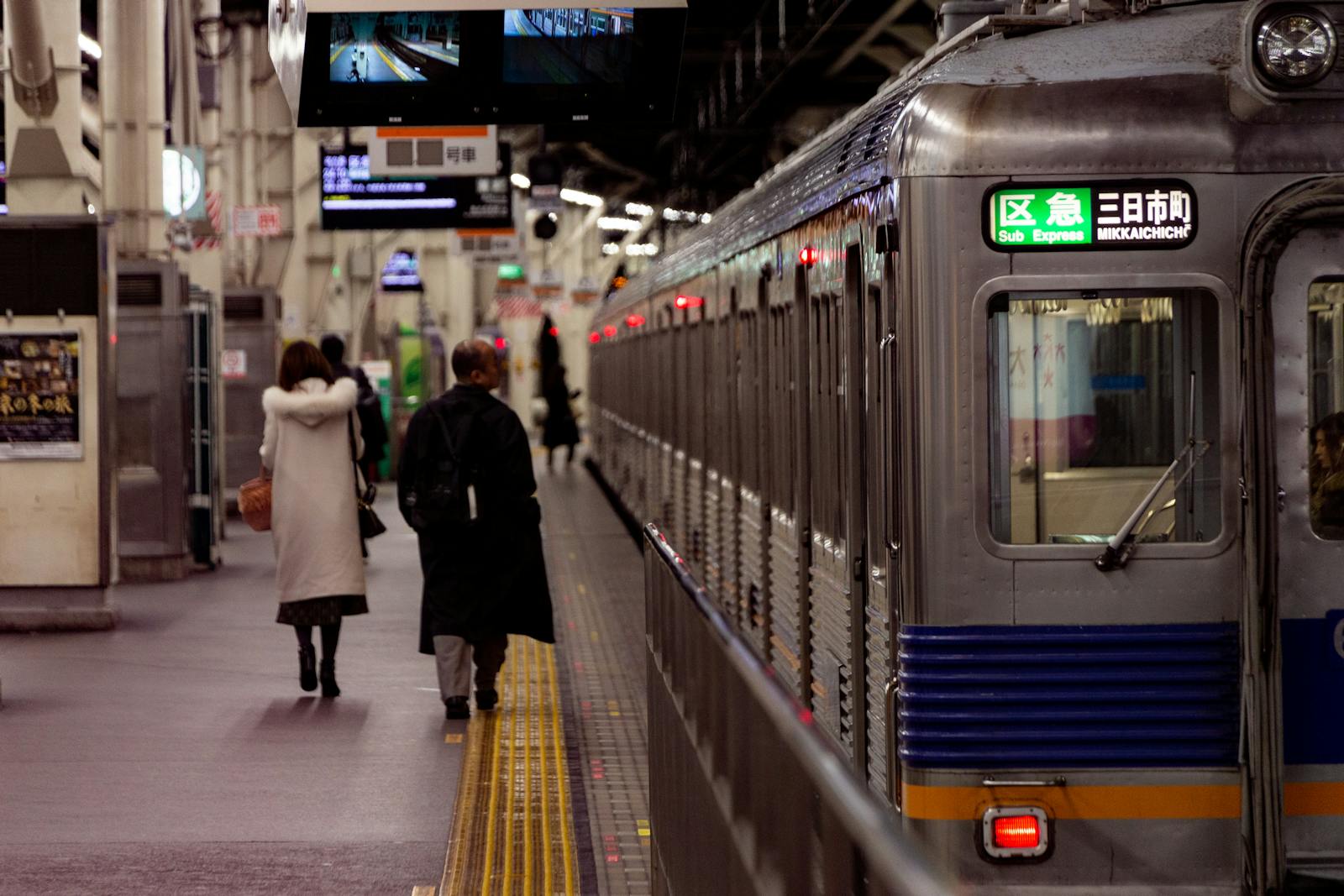
- The Midosuji line is the spine. Umeda, Shinsaibashi, Namba, Tennoji, all on one red line. If you understand only one line, understand this one. Staying on it makes everything easier — see where to stay in Osaka.
- The subway stops around midnight. Not one in the morning. Missing the last train means a taxi across the city at a price that will spoil the evening — see Osaka taxis. Check the last departure before you settle into a second bar.
- Stand on the right. Kansai’s escalator convention is the opposite of Tokyo’s.
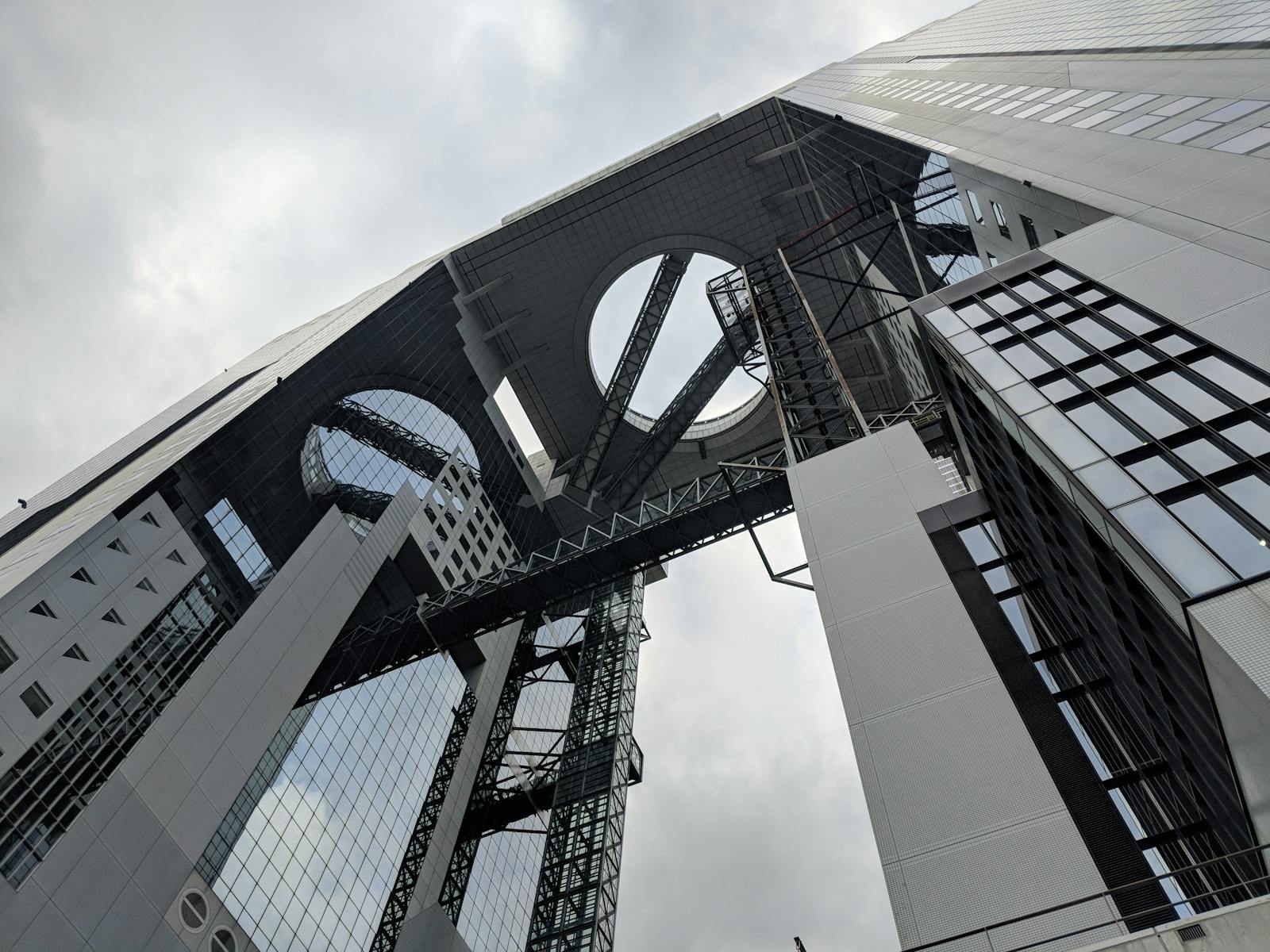
- Buy no pass until you have a plan. The Osaka Amazing Pass is excellent value on a packed sightseeing day and a waste on a relaxed one, and several of its headline attractions — the Umeda Sky Building among them — only give free entry before 15:00, dropping to roughly a ten per cent discount after that. A pass day needs an early start.
- Taxi doors open themselves. Do not grab the handle. The driver operates the rear left door.
- Do not eat, drink or take calls on trains. A bottle of water is tolerated. A convenience-store lunch is not.
- Luggage does not belong on a rush-hour subway. Use coin lockers or forwarding — see luggage storage in Osaka.
The full picture is in the Osaka transportation guide and subway guide, and Kansai Airport to Osaka covers the arrival.
Etiquette that actually matters
Japan has a great deal of etiquette and visitors worry about the wrong parts of it. Nobody expects you to bow correctly. These are the ones where getting it wrong genuinely registers.
- Shoes off where there is a step up, a change of flooring, or slippers waiting. Temples, ryokan, some restaurants, private homes. Wear socks without holes.
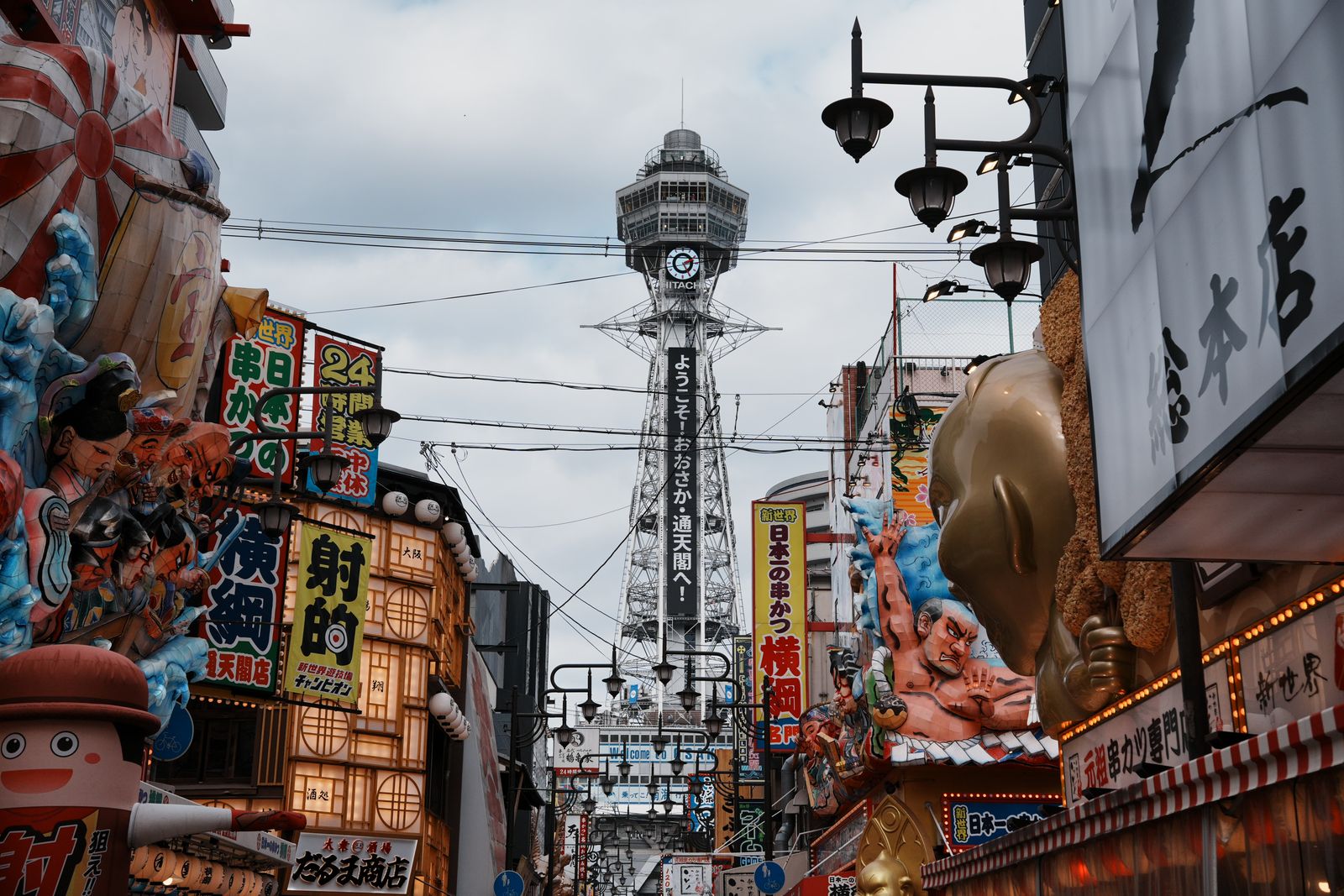
- Do not double-dip in kushikatsu sauce. The pot is communal. This is the one rule in Shinsekai, it is posted on every wall, and it is taken seriously — see kushikatsu in Osaka.
- Do not stick chopsticks upright in rice, and do not pass food chopstick to chopstick. Both echo funeral rites.
- Wash before you get in the bath, thoroughly, sitting on the stool, at every onsen and sento. The bath is for soaking in clean. Tattoos still bar entry at many places — see onsen and sento in Osaka.
- Keep your voice down on public transport and take phone calls off the train.
- Queue properly. Platform markings show where doors will open, and people line up on them. Cutting in is one of the few things that will actually get you spoken to.
- Bins barely exist. Carry your rubbish until you find one, usually beside a vending machine or in a convenience store.
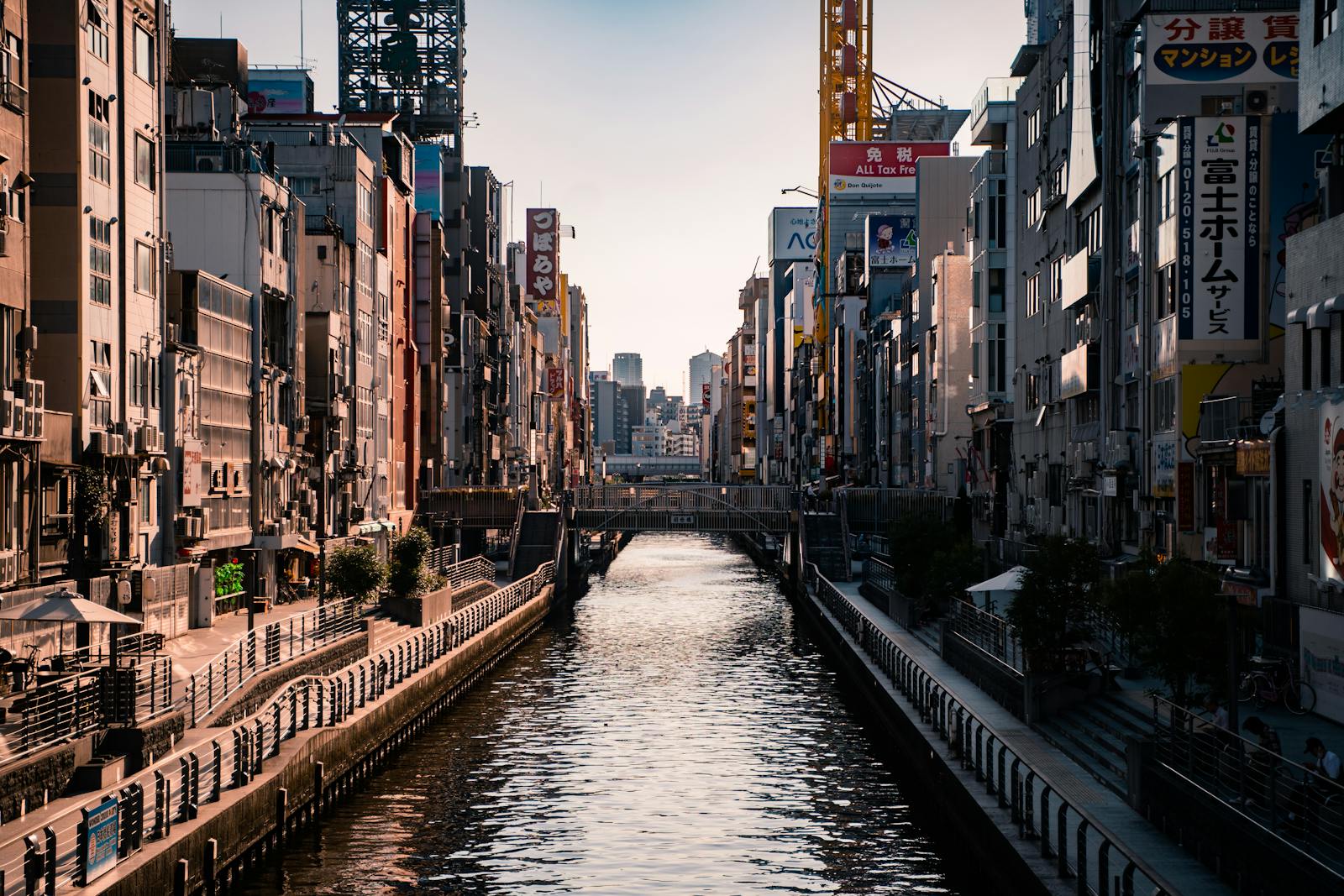
- Do not eat while walking in most contexts. Street-food streets like Dotonbori are the accepted exception; eat beside the stall.
Osaka is the most relaxed major city in Japan about all of this. People are direct, funny, and quick to talk to strangers in a way Tokyo is not. The etiquette still applies; the atmosphere around it is looser.
Eating: the practical rules
- Small places do not take reservations, and often do not take cards. Turn up, wait, pay in cash.
- The vending-machine ticket system at ramen and gyudon shops is normal: buy a ticket at the machine by the door, hand it over at the counter. Most have pictures; some have an English button hidden on the side.
- Lunch sets are dramatically cheaper than the same food at dinner, frequently half. This is the biggest single food saving available in Osaka, and it applies to Kobe beef and to sushi counters as much as to noodle shops.
- The queue is information, but not always good information. A forty-minute queue for takoyaki on Dotonbori is queuing for a photograph. Walk one street back and eat as well for a quarter of the wait.
- Say what you cannot eat before you sit down. Dashi, made with fish, is in almost everything, which makes strict vegetarian eating harder than expected. Written cards in Japanese help enormously.
- Convenience-store food is genuinely good. This is not a budget compromise; it is a real feature of the country.
Where to actually eat is in the Osaka food guide, street food guide and cheap eats.
Convenience stores are infrastructure
Visitors treat 7-Eleven, Lawson and FamilyMart as shops. They are closer to public utilities, and using them properly removes a surprising amount of friction from a trip.
- ATMs that take foreign cards, around the clock, at Seven Bank in particular.
- Clean free toilets, which matters more than it sounds in a city where you are walking twenty thousand steps a day.
- Printing and scanning from the multifunction machine — boarding passes, a lost booking confirmation, a copy of your passport.
- Ticket machines selling concert, event and some attraction tickets.
- Parcel drop-off for luggage forwarding.
- Genuinely good food. Onigiri, egg sandwiches, oden in winter, and the fried chicken at Lawson, which has a following it deserves.
Staff will heat food, provide chopsticks and a straw, and separate your rubbish for you. They will not want a tip. Bags cost a few yen and are not automatic; say yes or carry it.
The small infrastructure
- Toilets are everywhere, free, and clean — stations, department stores, convenience stores, parks. The control panel is intimidating and the important button is the large one marked with a hand, which is flush. Some older or rural facilities are squat-style and provide no paper, so carrying a pocket pack is sensible.
- Coin lockers at every significant station, from around ¥400 for a small one to ¥800 for a suitcase, many now taking IC cards instead of coins. They fill by mid-morning at Namba and Osaka Station in high season.
- Vending machines on almost every street, hot drinks in winter and cold in summer, and they take ICOCA. In a July heatwave these are a safety feature.
- Umbrellas cost around ¥500 at any convenience store, and shops and restaurants provide stands or plastic sleeves at the door. Do not carry a dripping umbrella inside.
- Smoking is banned on the street across most of central Osaka and permitted in designated areas and in some bars and cafes — the reverse of what most visitors expect.
Shopping practicalities
- Sizing runs small. A Japanese large is roughly a Western medium, and shoes above about a men’s 27 cm or a women’s 25 cm get hard to find outside specialist shops. Try things on.
- Electronics are voltage 100V and Japanese plugs are two flat pins without an earth. Most modern chargers cope; hair dryers and older appliances may not.
- Region locking still applies to older games consoles and to DVDs and Blu-rays. Check before buying anything you intend to use rather than display.
- Second-hand shops are excellent and not stigmatised. Book-Off, Mandarake and the vintage clothing shops of Amerikamura sell genuinely good stock at genuinely low prices — see vintage shopping in Osaka and Amerikamura.
- Department store basement food halls — depachika — discount heavily in the last hour before closing. This is the best-value fine food in the city; see department stores.
Language
English signage on transport is good and English conversation outside the tourist core is limited. Translation apps with a camera mode handle menus well. A dozen phrases will change how your trip feels — not because you need them, but because the reaction to a visitor trying is disproportionately warm.
Kansai has its own dialect, Kansai-ben, and Osakans are proud of it. Ookini for thank you, nanbo for how much, akan for no good. Using one of these gets a better response than perfect standard Japanese.
Our Japanese phrases for Osaka guide covers the useful list, Kansai-ben included.
Health, safety and things going wrong
Osaka is extremely safe. Violent crime against visitors is rare, and lost property genuinely does get handed in. The realistic risks are heat, alcohol and paperwork.
- Summer heat is a real hazard, not an inconvenience. July and August run into the mid-thirties with high humidity. Drink more than you think, use the vending machines, and plan indoor hours in the middle of the day — see Osaka in summer.
- Emergency numbers are 119 for ambulance and fire, 110 for police. Operators may not speak English; say your location first.
- Pharmacies are plentiful and pharmacists are helpful, but many familiar medicines are unavailable or differently dosed. Bring what you rely on, with its prescription. Some common decongestants are actually prohibited in Japan — check yours before packing it.
- Earthquakes happen. Buildings are engineered for them. If one starts, stay inside, get away from windows, and follow staff instructions.
- Typhoon season runs roughly August to October and can close trains and airports with a day’s notice. Build slack into departure days in that window.
- Koban — the small neighbourhood police boxes — are where you go for lost property, directions and anything that has gone wrong. They are on street corners everywhere and staffed around the clock.
Accessibility
Osaka’s transport is better than most cities on accessibility and worse than its reputation on hotels. Stations almost all have lifts, tactile paving is universal, and station staff will physically deploy a ramp and radio ahead to your destination if you ask — this service is excellent and free.
Hotel rooms, on the other hand, are small, and genuinely accessible rooms are limited and book out. Older temples and shrines frequently involve gravel and steps with no alternative route. Book accessible accommodation early and confirm directly rather than trusting a booking-site filter.
Seasonal timing
Four distinct seasons, two of them difficult. Cherry blossom in late March and early April and autumn colour from late October into early December are the two good windows, and both bring crowds. June is the rainy season. July and August are punishing. Winter is cold, clear and pleasantly empty.
Avoid Golden Week in late April and early May, Obon in mid-August, and the New Year period — domestic travel peaks, prices rise and accommodation vanishes. See best time to visit Osaka, Osaka weather, Golden Week and the seasonal guide, and pack accordingly with what to pack for Osaka.
Tips by who you are travelling with
Solo
Osaka is one of the easiest cities in the world to travel alone in. Counter seating is the norm rather than the exception, so eating alone is completely unremarkable, and standing bars — tachinomi — are built for it. Solo female travellers report Osaka as very comfortable; women-only carriages operate at rush hour and are marked in pink on the platform. Capsule and business hotels make single-occupancy cheap, unlike most of Europe.
With children
Better than its reputation. Baby-changing facilities are in every department store and most stations, nursing rooms are common and well signposted, and restaurants are relaxed about children in a way that surprises visitors. The constraints are lift access with a pushchair at older subway stations, and hotel rooms that are simply small — check the room size in square metres, not the star rating. See Osaka with kids, Osaka with toddlers and family hotels.
With older parents
The distances are the issue, not the terrain. Osaka sightseeing days involve a great deal of walking on hard surfaces and a great many station stairs. Build in taxis for the last leg of each day, book hotels on the Midosuji line, and choose the covered arcades and department stores as rest stops. Temple grounds and castle keeps involve steps with no lift; the grounds are usually the better part anyway.
On a tight budget
Osaka is the cheapest of Japan’s big cities to eat in and among the cheapest to sleep in. A comfortable day is achievable at ¥8,000–10,000 including a hostel bed, and the food does not have to suffer for it. See budget travel in Osaka, budget hostels and free things to do.
Mistakes we see constantly
- Buying a Japan Rail Pass for a Kansai trip. The national pass rarely pays for itself if you are based in Osaka. See the JR Pass for Osaka and Kansai.
- Booking a hotel by price without checking the line. A cheaper room three changes from the Midosuji line costs you an hour a day.
- Planning Kyoto as one day trip. It is thirty minutes away. Go three times, aimed at one district each.
- Doing Dotonbori only at night. The neon is the photograph; the food is better in the side streets in the afternoon — see the Dotonbori guide.
- Under-budgeting cash on arrival day. Airport ATMs work; hotel districts at 23:00 sometimes do not.
- Treating an Amazing Pass day as a lie-in. The pre-15:00 restriction on several attractions makes a late start expensive.
- Over-scheduling. Osaka rewards wandering more than almost any city in Japan. Leave evenings unplanned — see Osaka like a local.
Osaka travel tips FAQ
How much cash should I carry in Osaka?
Between ¥10,000 and ¥20,000 per person, topped up at 7-Eleven or Japan Post ATMs. Cards work in most large businesses; the small restaurants and market stalls worth seeking out often do not take them.
Is tipping expected in Osaka?
No, anywhere, for anything. Staff will return the money. Say gochisousama deshita instead.
Do I need to register on Visit Japan Web?
Not as of 2026 — it is optional for all nationalities, and paper forms are still accepted. Doing it anyway produces QR codes that save time at immigration on a busy arrival.
What changes about tax-free shopping in November 2026?
From 1 November 2026 the instant in-store discount ends. You pay the full price, confirm export at an airport customs kiosk on departure, and the shop refunds the 10 per cent. Claims must be made within 90 days and before you leave Japan.
Which side of the escalator do I stand on in Osaka?
The right, with the left kept clear for walking. This is the opposite of Tokyo and the rest of Japan, and it is the most reliable way to spot a visitor who has come from the east.
Is Osaka safe at night?
Yes, including central areas late. Ordinary precautions apply around the nightlife districts, where the realistic risk is an aggressive tout outside a bar rather than anything worse. Walk past them.
Do I need Japanese to visit Osaka?
No. Transport signage is bilingual and translation apps handle menus. A handful of phrases substantially improves how people respond to you.
Where to go next
If this is your first trip to Japan, read first-time Osaka tips next. For planning the shape of the trip, the Osaka travel guide and Osaka itinerary hub are the starting points, with Osaka trip cost for budgets and money-saving tips for trimming them.
For getting around, see the transportation guide and ICOCA card guide. For what to do once you are there, things to do in Osaka and Osaka neighbourhoods. And for trips beyond the city, our Kansai region guide and day trips from Osaka.
The question every first-time visitor asks, answered properly: our guide to cash, cards and IC cards in Osaka covers where cards work, where they never will, which ATMs take foreign cards, and the tax-free rules that change in November 2026.