This article contains advertising. Our booking links are routed through a partner that adds commission tracking automatically, so if you book through one we earn a commission from the provider, at no extra cost to you. It never affects what we recommend. Affiliate disclosure
Amerikamura is the scruffy, loud, gloriously un-corporate corner of central Osaka where the city’s teenagers and twenty-somethings come to dress weird and hang out. Locals just call it Amemura. It’s a tight grid of streets, barely 350 metres across, wedged between the polished Shinsaibashi arcade and Yotsubashi-suji, and it’s wall-to-wall with secondhand clothing stores, basement record shops, tiny live houses and cafes that have been pulling the same crowd since the 1970s. People call it the Harajuku of the West. That undersells how distinctly Osaka it feels.
This guide is for the traveller who’d rather rifle through a vintage rack than queue for a luxury handbag. We’ll cover what Amerikamura actually is and how it got that name, the Triangle Park scene, where to thrift and how to do it well, the music and bars that keep the place running past midnight, the street art worth photographing, and how to fold it into a wider day through Shinsaibashi and Dotonbori without it feeling rushed.
The basics, and why it’s called America Village
The name goes back to the late 1960s. As American fashion, surf culture and music swept through Japan, a cluster of shops here started importing US clothing and records, and the area became the place young Osakans went to buy into that look. The “village” stuck. Walk it today and you’ll still see the influence everywhere: vintage Americana on the racks, burger joints, the original Hard Rock Cafe, murals riffing on US pop imagery. But it’s been thoroughly remixed through an Osaka lens, which is what makes it interesting rather than a theme park.
- Where: Chuo-ku, central Osaka, between Shinsaibashi and Yotsubashi-suji.
- Nearest stations: Shinsaibashi (Midosuji line) or Yotsubashi (Yotsubashi line), both about a five-minute walk to Triangle Park.
- Time to budget: 2 to 4 hours to do it properly, longer if you’re a serious thrifter.
- Cost to be here: nothing to walk it. Shops range from bargain bins to four-figure designer resale.
A note on scale: the area packs in well over 2,000 small shops and on a busy weekend in peak season draws crowds in the hundreds of thousands. It does not feel that big. It feels like a warren you keep doubling back through, which is part of the charm and part of why you should just wander rather than plan a precise route.
How the village got its edge
Amerikamura didn’t arrive fully formed. In the early days, a few shops on what’s now the Hard Rock side started selling imported American clothes and records out of warehouses and the backs of vans. That pulled in the kids who wanted something other than the mainstream, and the scene snowballed: more shops, then cafes to hang out in, then the live houses, then the bars. By the 1980s it was Osaka’s undisputed youth-fashion centre, and it has reinvented itself every decade since without ever going fully corporate. The clubs came with it: the Nishi-Shinsaibashi streets around the park hold most of Osaka’s best clubs for dancing, and they run long after the shops have shut.
That history matters because it explains the texture. This isn’t a planned shopping mall dressed up as a neighbourhood. It grew organically, shop by shop, which is why the streets don’t quite line up, why a designer resale boutique can sit next to a ¥500-tee bin, and why it still feels like it belongs to the people who hang out in it rather than to the brands. The polish of neighbouring Shinsaibashi is the deliberate contrast, and locals will tell you which side they prefer.
Triangle Park: the living room of Amemura
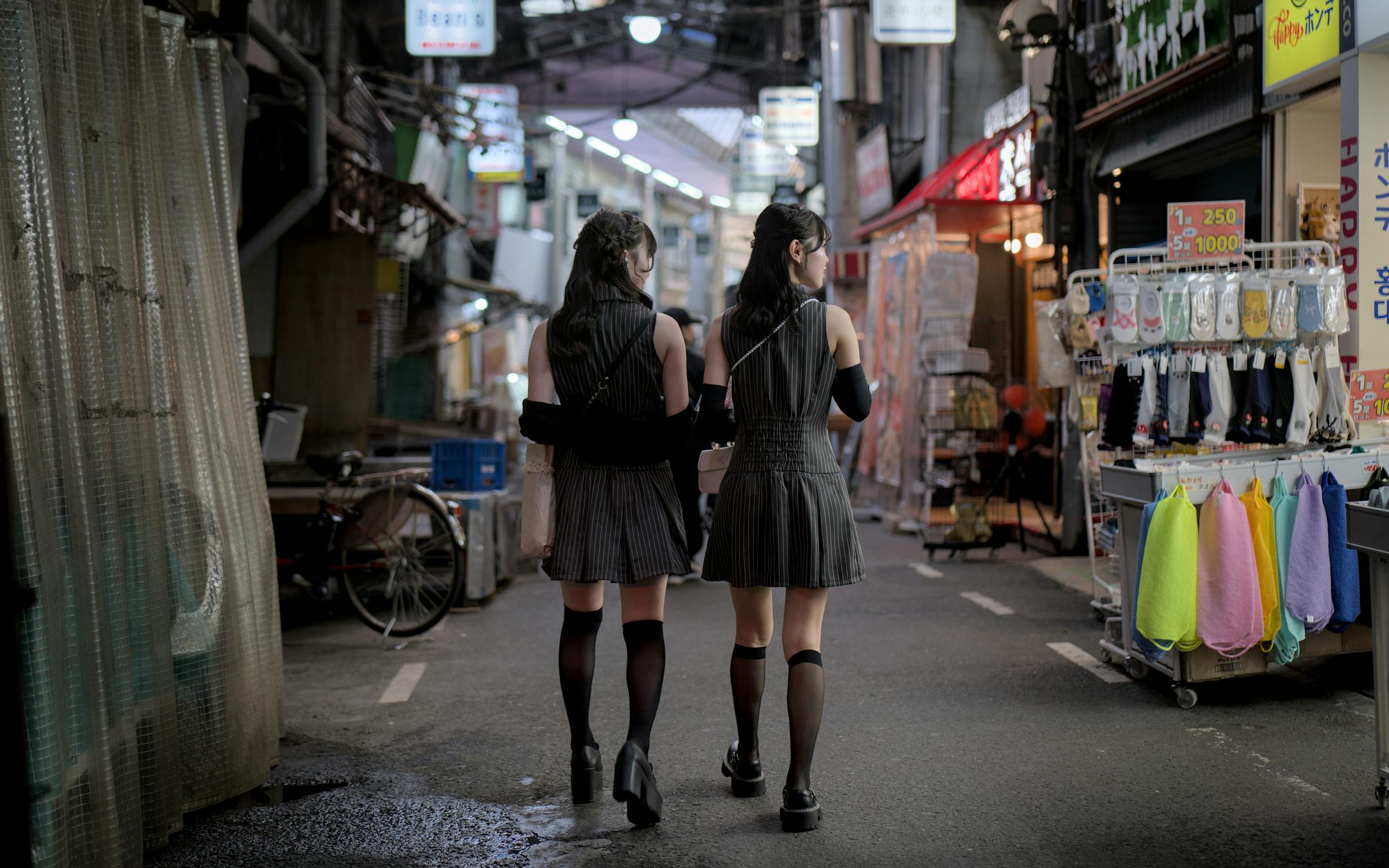
Everything orbits Triangle Park, officially Mitsu Park, a small triangular plaza of steps and concrete that functions as the neighbourhood’s open-air living room. There’s not much to it physically. The draw is the people. On weekend afternoons it fills with teenagers in head-turning outfits, buskers, skaters, the occasional aspiring comedian working the crowd, and pop-up clothing flea markets where you can dig through other people’s wardrobes for a few hundred yen a piece.
If you want to understand why Osaka’s youth culture has its own flavour, sit on the steps with a coffee for twenty minutes and just watch. It’s free, it’s the best people-watching in the city, and it costs you nothing but a bit of patience.
- Cost: free.
- Best window: weekend afternoons and into the evening, when the crowd and any flea markets are at full tilt.
- Look for: street performers, fashion subcultures you won’t see in the chain-store districts, and the informal clothing stalls that come and go.
Where to thrift, and how to do it well
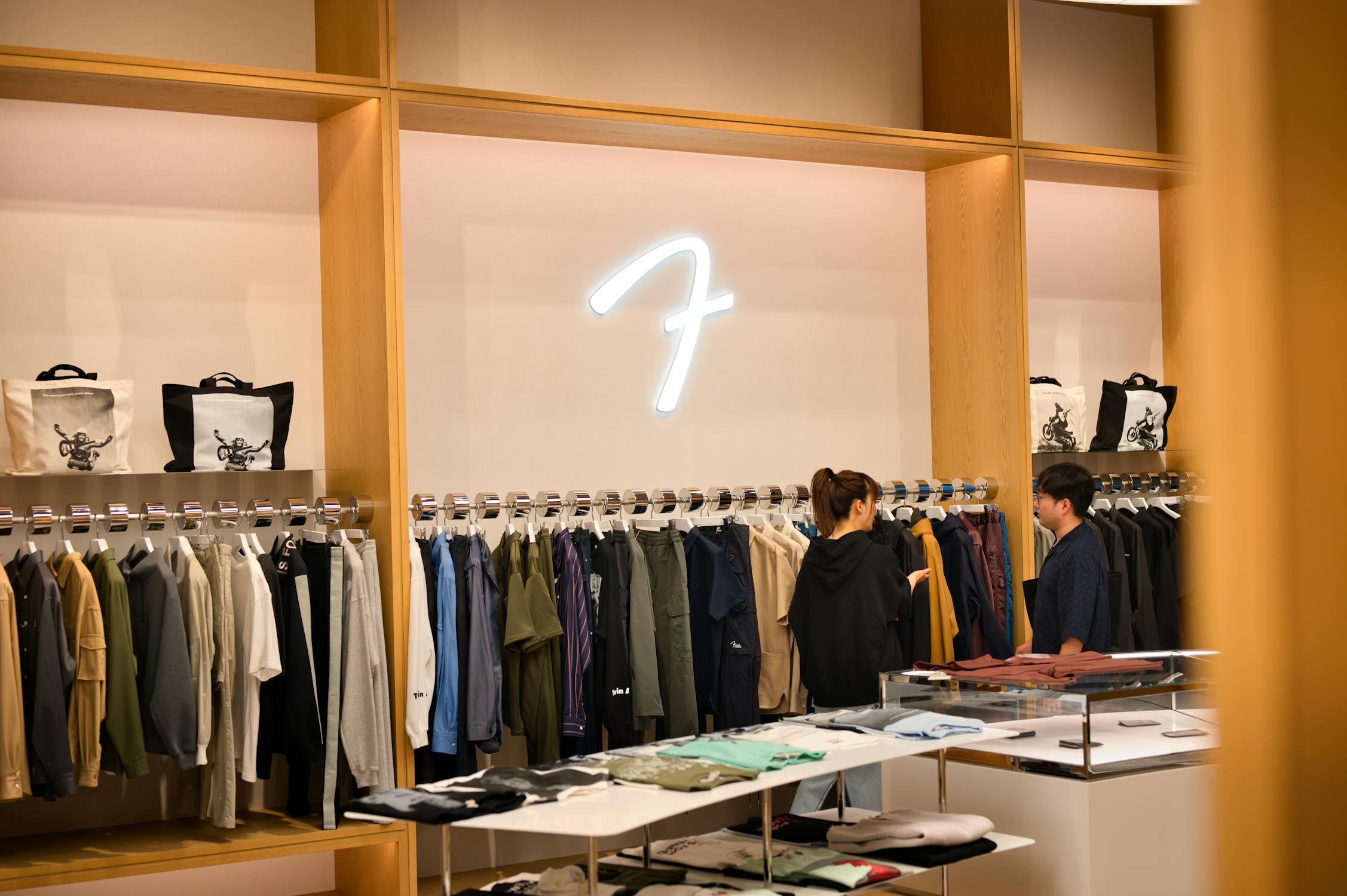
This is the main event. Amerikamura’s vintage scene is genuinely strong, the kind of place where you can find a 1970s band tee, a Carhartt jacket someone wore to actual work, or a designer piece resold for a fraction of new. The trick is knowing the lay of the land so you’re not wandering at random.
- Orange Street (Tachibana-dori): the main vintage corridor. Multi-floor shops with curated American vintage, the higher-end end of the spectrum. Start here.
- BIG STEP: the landmark mall in the middle of the district, a multi-storey complex of streetwear and vintage shops. Easy to spend an hour inside.
- The Hard Rock Cafe area: around the original Hard Rock, leaning more touristy, but a useful landmark to navigate by.
- Backstreets west of Triangle Park: where the smaller shops and deeper markdowns hide. This is where the bargains live if you’re willing to dig.
- Reliable chains: 2nd STREET, Grand Bazar, Buster Brown and Trade all have a presence and are dependable for volume and turnover.
A few thrifting realities. Prices span a wide range: budget shops have plenty at ¥2,000 to ¥5,000, while premium vintage with US-import provenance can run ¥10,000 and well beyond for a single piece. Condition is generally excellent, Japanese secondhand culture is fussy about it, so you’re rarely buying something falling apart. Carry cash; the smallest and best shops don’t all take cards. And sizing skews to Japanese cuts, so try things on rather than trusting the label.
If vintage is the reason you’re in Osaka at all, it’s worth pairing Amemura with the other secondhand districts across the city. Our Osaka vintage shopping guide maps the full circuit, including the quieter Nakazakicho scene, so you can plan a proper thrifting day rather than burning out in one neighbourhood.
Beyond clothes: records, accessories and odd finds
Vintage clothing is the headline, but it’s not the whole story, and the traveller who only looks at the racks misses half the place.
Records. Amemura has roots in the imported-music trade, and a handful of basement and second-floor record shops still carry vinyl, from city pop and Japanese funk to imported rock and jazz. Even if you don’t own a turntable, the cover art and the act of flipping through crates is a low-effort pleasure.
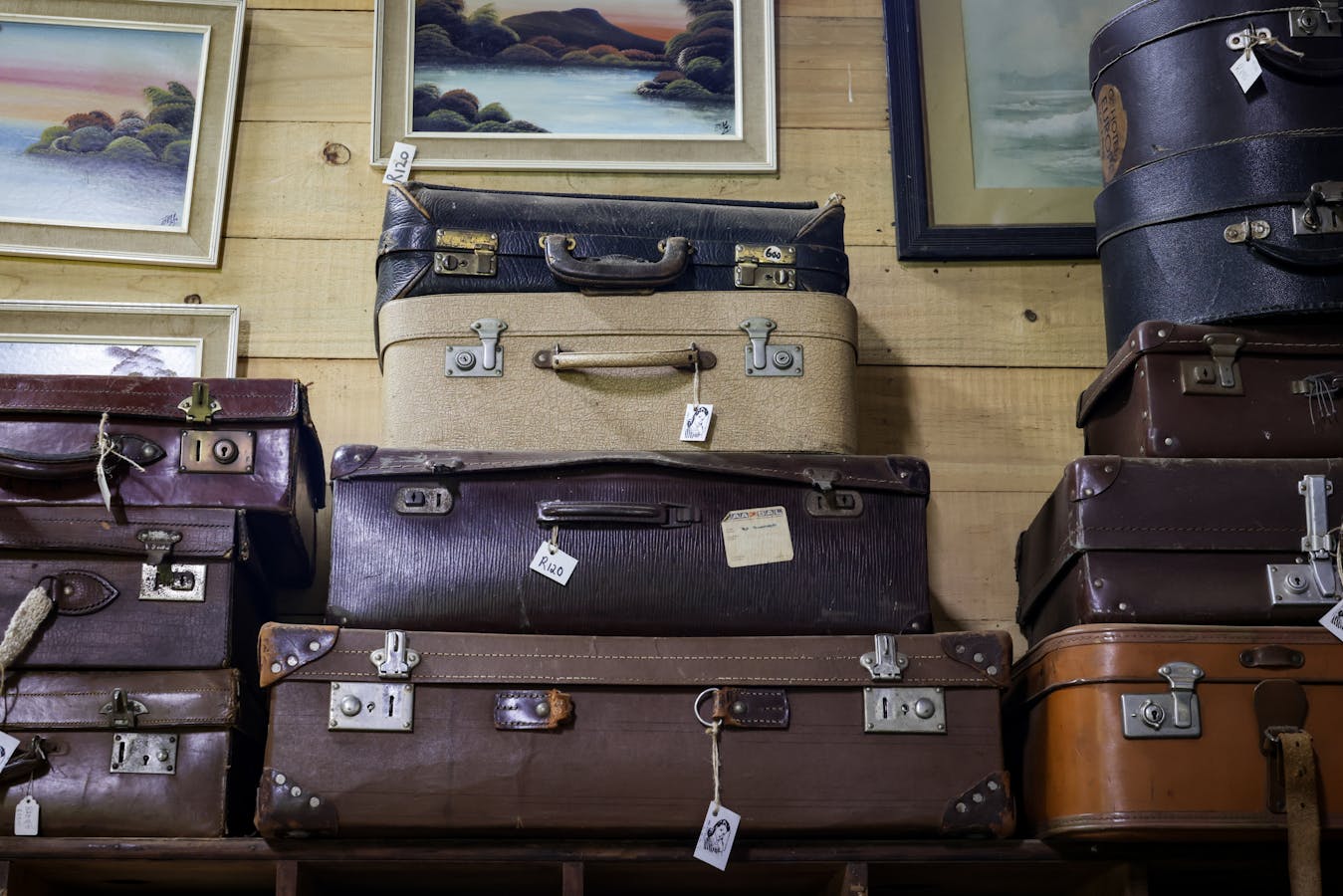
Accessories and jewellery. Silver, vintage watches, hats, bags, sunglasses, plenty of small shops specialise rather than sell everything. These are often where the most distinctive souvenirs hide, a piece you genuinely won’t see anywhere back home.
Streetwear and local labels. Alongside the vintage, there’s a steady stream of small Osaka streetwear brands and one-off pieces. If you want clothing with an actual origin story rather than a chain-store label, this is the district for it.
The browsing style here rewards patience over efficiency. Shops are small, stock turns over fast, and the good find is the one that wasn’t there last week. Go in expecting to dig, not to tick boxes.
Music, bars and the after-dark side
Amemura doesn’t switch off when the shops shut. It’s long been a live-music hub, with a scattering of intimate clubs and live houses where local bands play to rooms of a few dozen. It’s also where a lot of Osaka’s cheaper drinking happens, the backstreet izakayas and standing bars that draw students and young workers because the rounds don’t empty your wallet.
The shift from day to night here is gradual rather than dramatic. Late afternoon shoppers give way to an evening crowd, the burger places fill up, and by 10 or 11pm the bars are the centre of gravity. It’s an easy, low-stakes night, less polished than Kitashinchi, grittier than Dotonbori, and cheaper than both.
Things to do beyond shopping
- Hunt the street art. Murals are scattered through the district, including some genuinely good large-scale pieces. The Peace on Earth mural near the centre is the famous one, but half the fun is spotting the smaller work down side streets.
- Do a themed cafe. Cat cafes, owl cafes and anime crossovers cluster here. Touristy, sure, but a fair-weather break and very Osaka.
- Catch a gig. If you’re into live music, check what’s on at the local live houses, even a band you’ve never heard of in a 50-person room is a good story.
- Hard Rock Cafe. For the nostalgia and an American-style burger, it’s a landmark for a reason.
- People-watch at Triangle Park. Worth saying twice. It’s the cheapest entertainment in central Osaka.
Where to eat and drink
- Cafe Loop: one of the original 1970s cafes that helped start the whole scene. Go for the history as much as the coffee.
- Burger joints: several American-style spots lean into the “Amerika” theme, and a few are genuinely good rather than just on-brand.
- Pancake and dessert cafes: the fluffy-pancake trend lives strong here with the young crowd.
- Themed cafes: cat, owl and anime cafes for the novelty.
- Backstreet izakayas: the cheap, late, no-frills option once the sun’s down.
Navigating the warren
First-timers often arrive expecting a single shopping street and get briefly thrown by the tangle. Here’s the mental model that fixes it.
Triangle Park is your anchor, the centre of the district and the thing everyone navigates by. Orange Street (Tachibana-dori) runs as the main vintage spine, and BIG STEP is the big landmark mall you can see from a distance. Hold those three points and the rest stops feeling random: the curated, higher-end shops cluster around Orange Street, the chains and bigger names anchor the centre, and the bargain shops thin out into the quieter streets to the west of the park. East of it all, you bump into the Shinsaibashi arcade almost immediately.
You don’t need a route. The district is small enough, a few hundred metres each way, that the right approach is to pick a corner and let yourself get a little lost. Double back when something catches your eye. The shops you’ll remember are rarely the ones you set out to find.
One seasonal note: unlike the covered Shinsaibashi arcade next door, Amemura’s streets are open to the sky. In peak summer humidity or steady rain it’s less comfortable, so duck between shops, cafes and BIG STEP, or save the area for a milder day. Spring and autumn afternoons are ideal, mild enough to linger at Triangle Park without melting or shivering.
A three-hour Amemura walk
- 14:00 – In at Yotsubashi or Shinsaibashi, walk to Triangle Park.
- 14:15 – Sit, watch, browse whatever flea market has set up.
- 14:45 – Vintage along Orange Street, then into BIG STEP. Give it an hour-plus.
- 16:00 – Themed cafe or pancake break.
- 16:45 – Backstreet shops west of the park for the bargain dig.
- 17:30 – Drift east into Shinsaibashi for the arcade, or south to Dotonbori for dinner.
If you’re buying a haul
Vintage shopping has a way of escalating. You come for a tee and leave with a jacket, two records and a hat. A few things worth knowing before you commit to a bag-straining afternoon.
Tax-free is patchier here than in the big chain stores, secondhand goods don’t always qualify and the smaller independents may not offer it at all, so don’t count on clawing back the consumption tax the way you would at Daimaru. Haggling isn’t really a thing in Japanese vintage shops either; prices are set, and pushing for a discount tends to land badly. The exception is the informal flea-market stalls at Triangle Park, where a friendly bit of back-and-forth is part of the fun.
If you’re genuinely loading up, ask whether a shop can ship internationally, some of the larger vintage stores will, or use a luggage-forwarding service to send your finds to the airport or your next hotel so you’re not lugging a duffel of denim around the city. It’s a small cost that saves your back and your patience.
Practical tips
- Comfortable shoes. You’ll be on your feet, doubling back through the same streets, for hours.
- Carry cash. The smaller and better the shop, the more likely it’s cash-only.
- Shop hours run roughly 11:00 to 20:00, though plenty of bars and cafes go later.
- Less English here than in tourist-heavy Dotonbori. A translation app helps in the smaller shops.
- Ask before you photograph inside shops. Owners are usually fine with it, but ask first.
- Pair it with Shinsaibashi for a full day, the two districts run straight into each other.
How it fits the rest of central Osaka
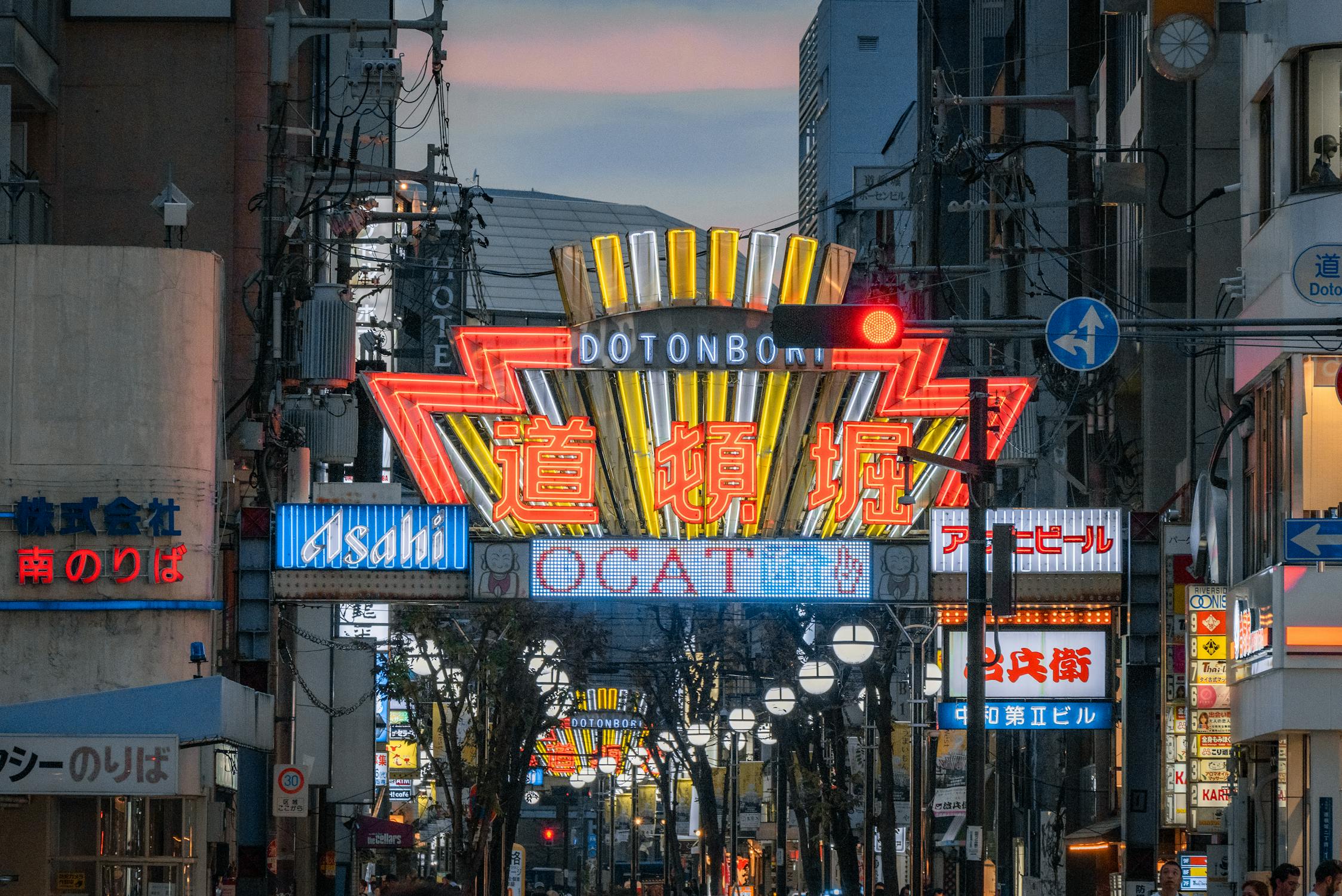
Amerikamura makes most sense as one beat in a wider central-Osaka day rather than a destination on its own. To the east is the polished retail of the Shinsaibashi guide district, a two-minute walk and a total change of register. Carry on south and you hit the canal-side neon of the Dotonbori guide area, where most people end up for dinner. Do all three in sequence, vintage in the afternoon, shopping as the light fades, food and neon at night, and you’ve covered the heart of the city in a single, walkable loop. For the bigger picture, the Osaka neighborhoods overview lays out how the districts connect.
Amerikamura Osaka FAQ
What is Amerikamura known for?
Vintage and secondhand clothing, youth and street culture, Triangle Park, live-music venues, themed cafes and a scrappy nightlife scene. It’s Osaka’s closest equivalent to Tokyo’s Harajuku, with thousands of small shops packed into a few hundred metres.
Is Amerikamura worth visiting?
If you like vintage fashion, street culture or just good people-watching, yes, easily. Give it two to four hours. If you’ve zero interest in thrifting and prefer polished shopping, you might prefer to spend that time in neighbouring Shinsaibashi, though a quick loop through Amemura still adds contrast to your day.
How do I get to Amerikamura?
Take the subway to Shinsaibashi (Midosuji line) or Yotsubashi (Yotsubashi line). It’s about a five-minute walk from either to Triangle Park, and the district sits directly west of the Shinsaibashi shopping arcade.
When’s the best time to visit?
Weekend afternoons, roughly 2pm to 6pm, for the full youth-culture scene around Triangle Park. Come on a weekday afternoon instead if you’d rather thrift in peace, the shops are the same but the crowds thin out a lot.
Are the shops expensive?
It’s a broad mid-range. Budget vintage shops have plenty in the ¥2,000 to ¥5,000 band, while premium pieces with US-import provenance can top ¥10,000. The backstreet shops west of Triangle Park tend to have the deeper markdowns.
Is Amerikamura the same as Shinsaibashi?
No, though they touch. Shinsaibashi is the polished mainstream shopping district built around a long covered arcade. Amerikamura is the smaller, grittier vintage and youth-culture quarter just to its west. They’re a two-minute walk apart and most people do them together.