This article contains advertising. Our booking links are routed through a partner that adds commission tracking automatically, so if you book through one we earn a commission from the provider, at no extra cost to you. It never affects what we recommend. Affiliate disclosure
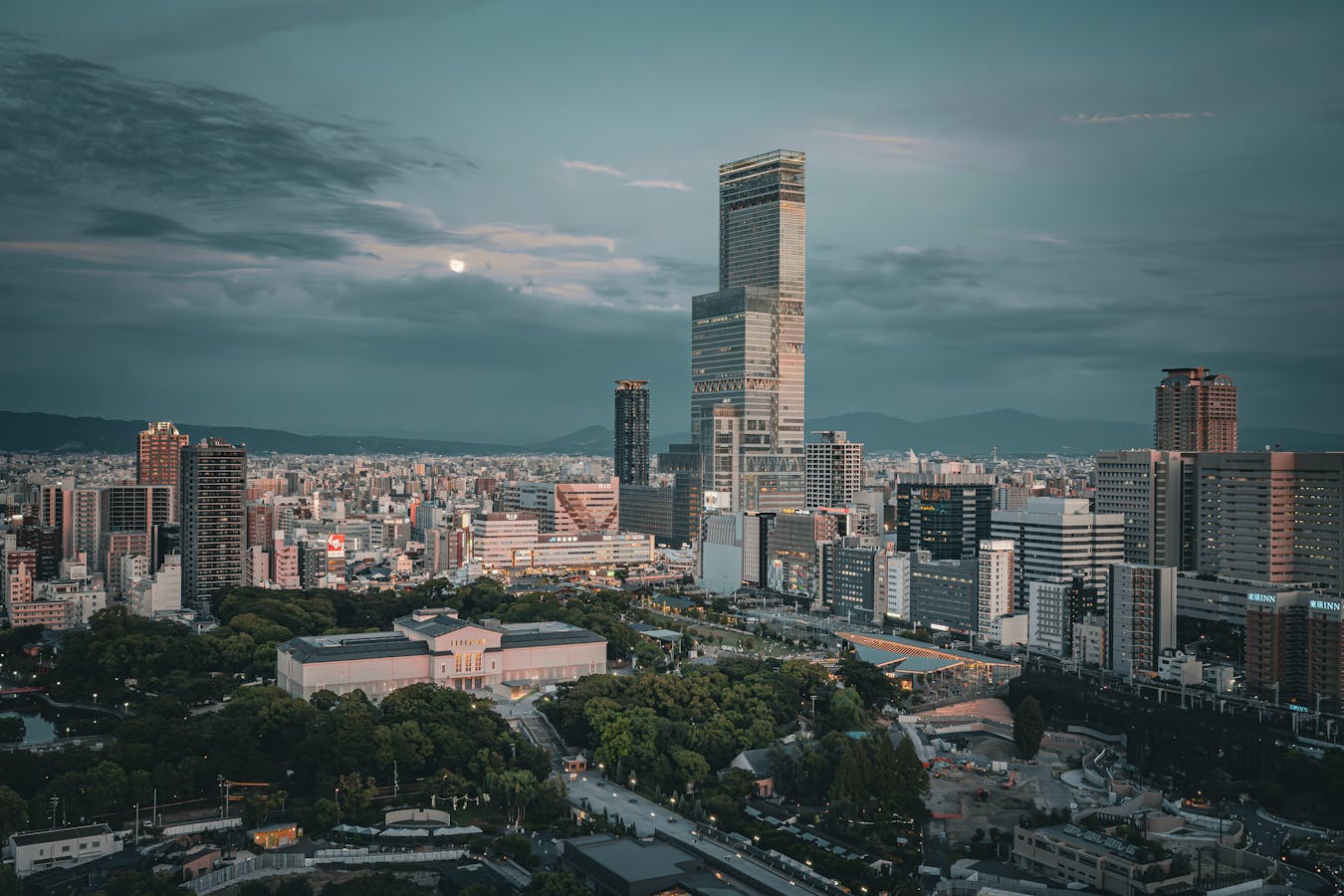
Den Den Town is Osaka’s version of Akihabara, and it knows it. Officially Nipponbashi Denki Town, it’s a run of streets in the south of the city packed with more than 150 specialist shops: anime and manga, video games old and new, electronics, audio gear, figures, doujinshi, and the collectibles you didn’t know you wanted until you saw them. Add maid cafes, themed cafes, and walls of gachapon machines, and you’ve got the otaku scene in its Osaka form. The National Bunraku Theatre, home of Osaka’s puppet theatre tradition, sits at the northern end of the same district. The name is short for Denki no Machi, Electric Town, a nod to its roots selling radios and appliances.
This guide covers the shops actually worth your time, how the place stacks up against Akihabara, the maid cafe etiquette nobody explains, the March street festival, and how to chain Den Den Town onto Kuromon Market for a half day that’s distinctly Osaka. Budget two to four hours. Bring cash.

The lay of the land
Two streets do the heavy lifting. Sakaisuji Avenue is the main drag, lined with the bigger electronics and hobby stores. Running parallel to it is Ota Road, which everyone calls Otaroad, the denser anime strip where the figure shops, doujinshi stores, and cosplay outfitters pile up. Wander both and you’ve seen the district. It’s compact, maybe four blocks of real interest, so you can cover a lot on foot without a map.
- Where: Naniwa-ku and Chuo-ku, in the south of central Osaka, around Nipponbashi.
- The two streets: Sakaisuji Avenue and Otaroad, running parallel.
- How long: two to four hours, more if you’re a serious collector.
- Best for: anime and manga fans, retro gamers, electronics shoppers, cosplayers, and the themed-cafe curious.
- Stations: Nipponbashi (Sakaisuji + Sennichimae lines), Ebisucho (Sakaisuji line), or a ten-minute walk east from Namba.
- Next door: Kuromon Market is about five minutes’ walk north.
Den Den Town or Akihabara: the honest comparison
If you’ve done Akihabara in Tokyo, you’ll find Den Den Town familiar but dialled down. That’s the appeal. Tokyo’s electric town is bigger, louder, more crowded, and increasingly priced for tourists. Den Den Town is the smaller, calmer cousin, with much the same shop list and noticeably more breathing room.
- Akihabara: larger, busier, more international foot traffic, prices creeping up.
- Den Den Town: smaller, quieter, more relaxed, a very similar mix of shops.
- Both have: the major anime chains, maid cafes, retro gaming, electronics, gachapon, and themed cafes.
- Where Den Den wins: fewer crowds means easier hunting. Rare figures and old game carts sit on the shelves longer here because fewer hands are picking through them.
The practical upshot: if you’re a collector chasing specific items, Den Den Town is often the better hunting ground precisely because it’s overlooked. If you want the full sensory overload, Tokyo still does it louder. Most people don’t need to choose, but if you’re only doing one in Kansai, this is it.
The shops worth your time
You can’t hit all 150, so here are the anchors. Start with the ones that match your interest and let the rest happen by accident as you walk.
Animate Nipponbashi
The big anime and manga chain, multiple floors of it. New releases, character goods, doujinshi. This is the easy first stop to take the temperature of what’s popular right now in Japan, and the floor signage is straightforward enough to navigate without much Japanese.
Super Potato
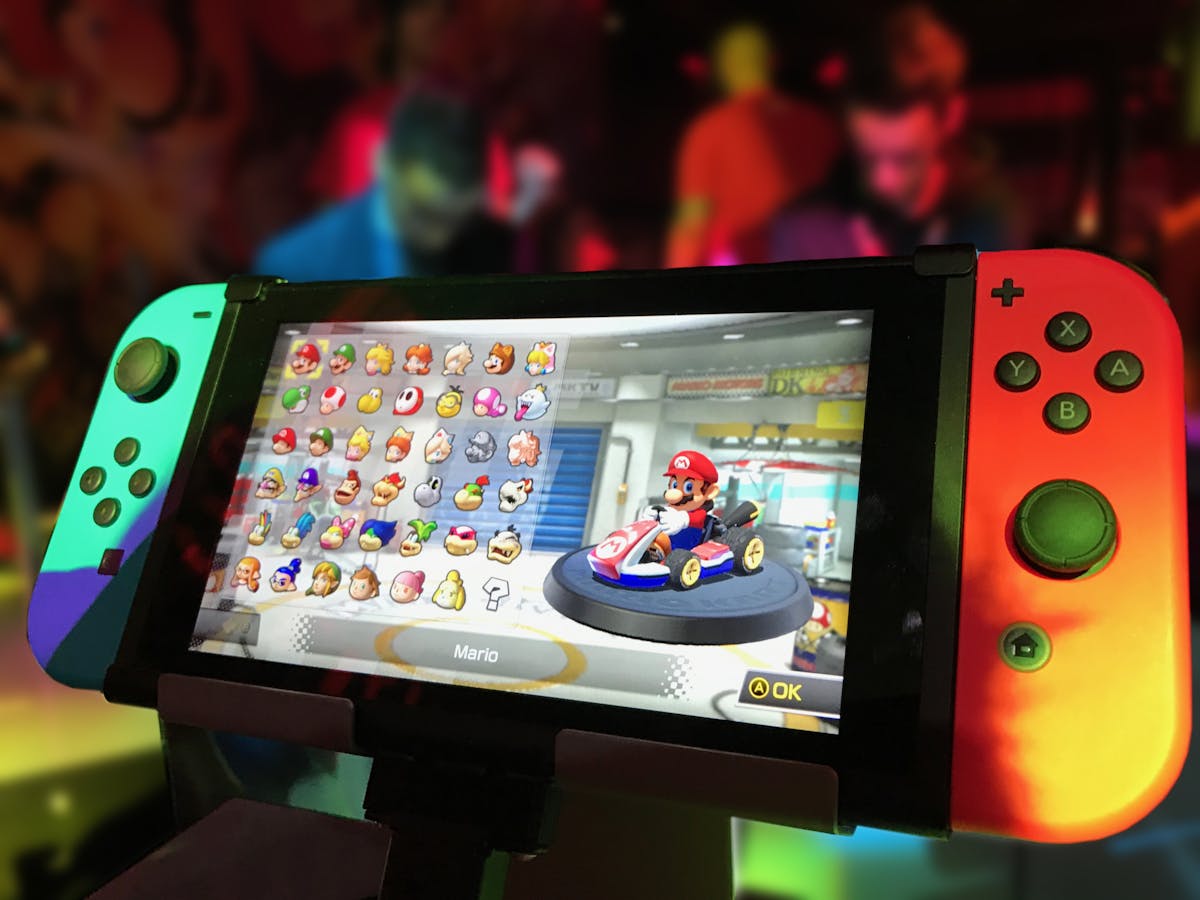
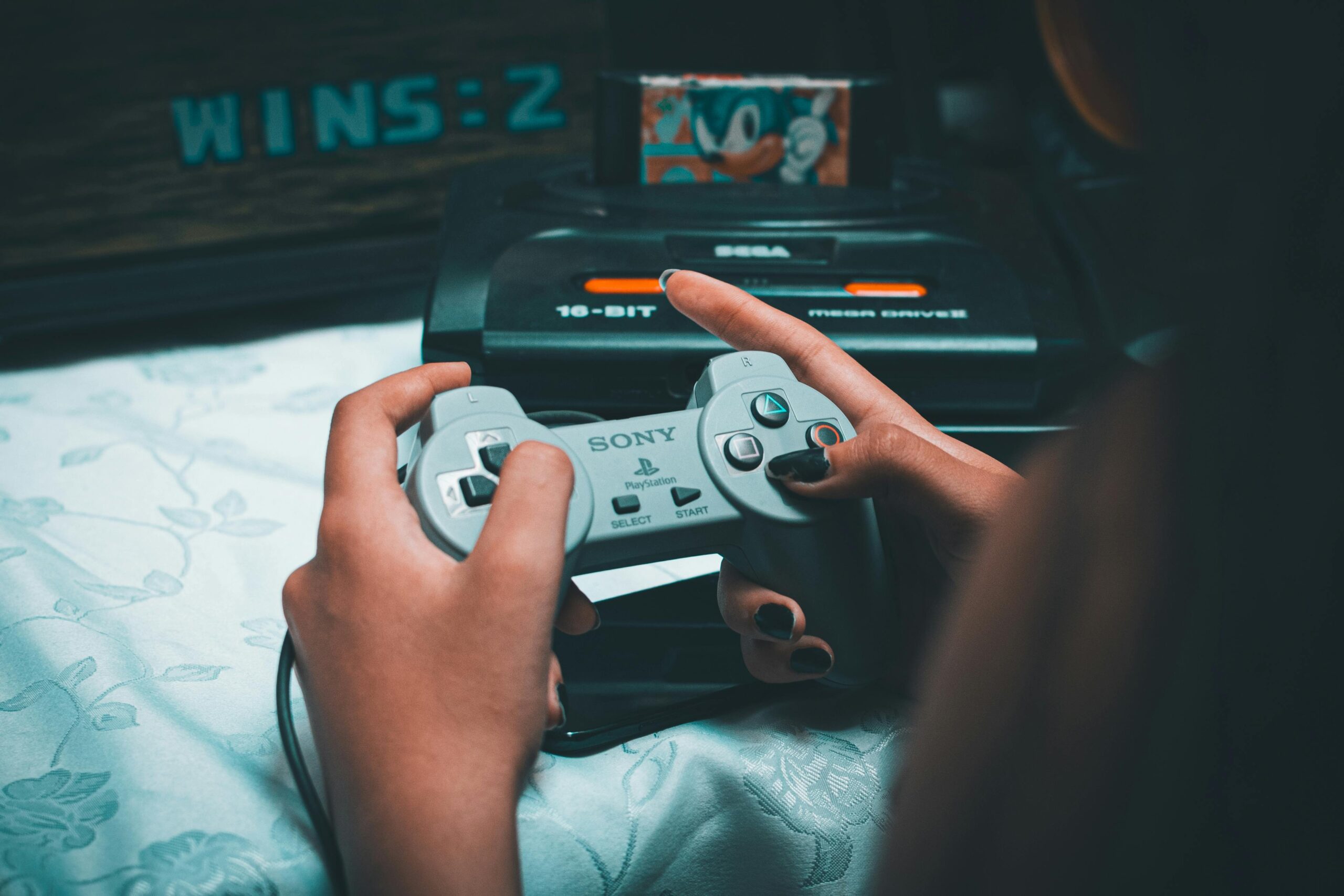
The retro gaming legend, and a genuine pilgrimage for anyone who grew up with a Famicom. Several floors of vintage cartridges, classic consoles (Famicom, Super Famicom, PC Engine), and arcade memorabilia, with a playable retro arcade tucked in upstairs. Prices on the rare stuff are not cheap, but the hunt is the point. Go even if you only mean to browse.
Mandarake Grandchaos
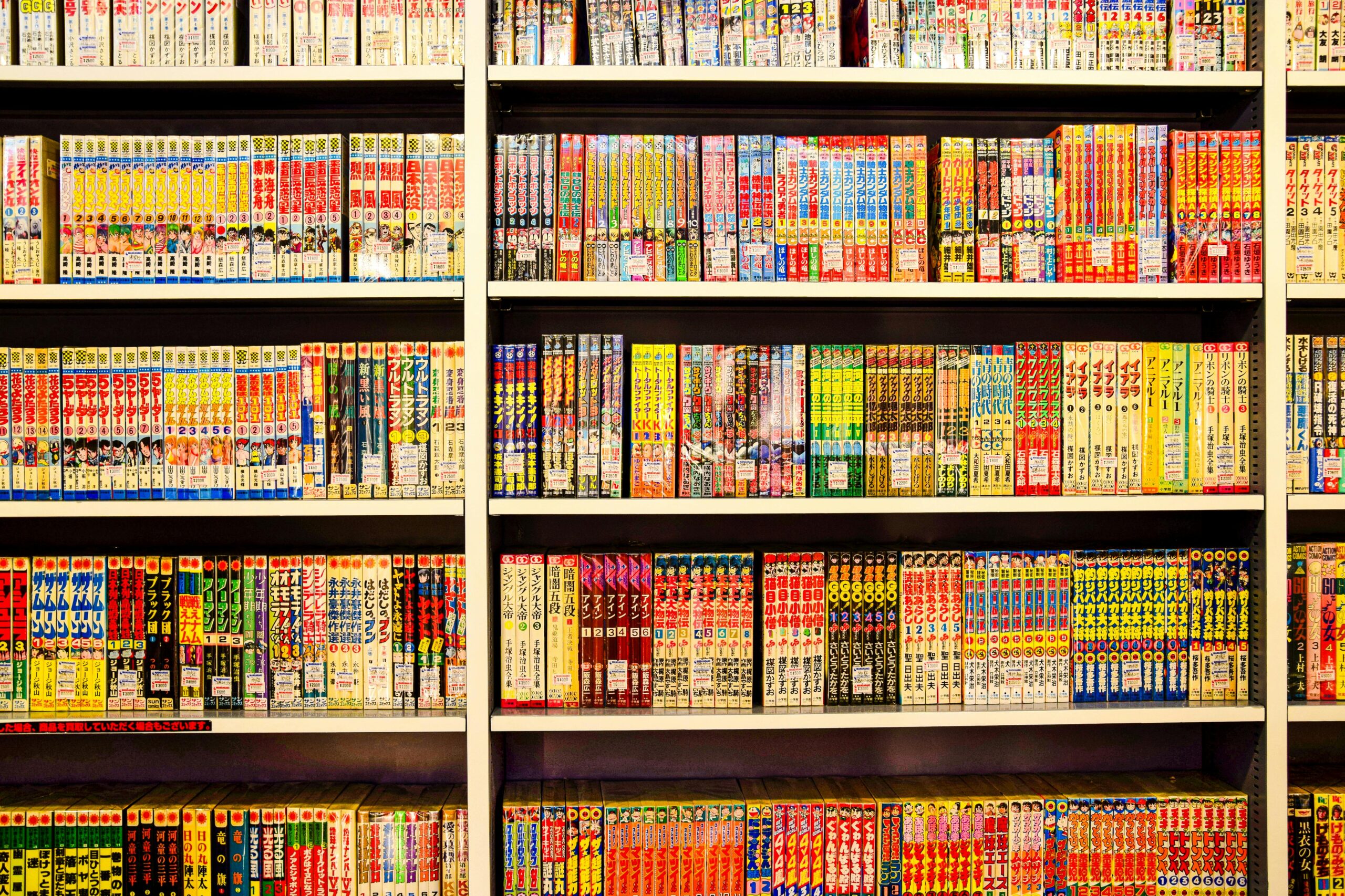
The big secondhand chain. Used manga, doujinshi, pre-owned figures, cosplay supplies, all of it sprawling across floors. This is where the deals hide and where the deep-cut collector items surface. Give it time; the good finds are rarely on the first shelf you check.
Yellow Submarine
Tabletop and hobby central: board games, RPG materials, models, and the bits and pieces that go with them. Worth a look if you’re into anything that gets played on a table rather than a screen.
Joshin
The major electronics chain in the district: cameras, audio, computers, appliances. Tax-free counters for foreign visitors, so bring your passport if you’re buying anything substantial. This is the modern face of the area’s original Electric Town purpose.
Volks Hobby Square and K-Books
Volks is the place for premium dolls (Super Dollfie), figures, and model kits, a notch more specialist and more expensive than the chains. K-Books deals in used and new manga, doujinshi, and anime collectibles, and is a reliable second stop after Mandarake when you’re still hunting.
The cosplay shops
Several stores along Otaroad sell costumes, wigs, props, and accessories, feeding an active local cosplay community. Even if you’re not buying, the craftsmanship on display is worth a browse, and it tells you a lot about how seriously this scene takes itself.
For a deeper shop-by-shop breakdown with more on pricing and tax-free rules, see our dedicated Den Den Town shopping guide.
What’s actually worth buying here
The shelves can blur together fast, so it helps to know what Den Den Town does better than a regular store back home. A few categories stand out.
- Figures and scale models: the range is enormous, from cheap blind-box capsule figures to high-end resin statues running tens of thousands of yen. Prebuilt anime figures and Gunpla model kits are the obvious wins, and the secondhand floors at Mandarake often have discontinued lines you won’t find new.
- Retro games and hardware: old cartridges, complete-in-box consoles, and the cables and adapters to run them. Prices climb for the rare titles, but condition tends to be good and fakes are rare compared with online.
- Doujinshi: self-published fan works, sorted by series and circle. K-Books and Mandarake are the spots, and it’s a genuinely Japanese-only corner of the hobby that’s hard to source elsewhere.
- Audio and camera gear: Joshin and the bigger electronics shops carry headphones, audio components, and cameras, often at tax-free prices that beat what you’d pay at home.
- Trading cards: a growing presence, with singles and sealed product across the bigger hobby stores.
One thing to check before you buy electronics: voltage and regional compatibility. Japan runs on 100V, and games are often region-locked to Japanese hardware. Ask the staff, or you’ll get home with something that won’t switch on or won’t play.
Themed cafes beyond the maid scene
Maid cafes get the headlines, but they’re not the only themed eating around here. Anime crossover cafes pop up tied to specific franchises, sometimes for a few weeks only, with limited-edition food and merchandise built around the show of the moment. There are also more general character cafes and the occasional themed bar tucked above the shops.
These are hit or miss depending on what’s running when you visit, so treat them as a bonus rather than a fixture. If a particular series matters to you, a quick search before your trip will tell you whether a pop-up cafe is on. Otherwise, just keep an eye on the upper-floor signage as you walk; the good ones aren’t always at street level.
Maid cafes: how they actually work
A maid cafe is a themed cafe where the staff dress in maid uniforms, greet you as master or mistress, and serve food and drinks wrapped in a lot of playful ritual. It’s a particular slice of the culture, and going in cold can be confusing, so here’s the shape of it.
- Cost: roughly ¥1,500 to ¥3,500 a visit. Most charge a table fee on top of a food-or-drink minimum, so read the board before you sit down.
- Photos: usually limited to staff-approved photo sessions, which run about ¥500 to ¥1,500 extra. Don’t snap freely; you’ll be asked to stop.
- Etiquette: don’t touch the staff. Play along with the little “spells” they perform over your food, because that’s the whole gag. Show appreciation with applause rather than tips; tipping isn’t a thing here.
- Spread out: there are several within a three-block radius, ranging from gentle and tourist-friendly to more in-jokey. Pick one with English-friendly staff if you want the experience without the language wall.
One caution: a few cafes are male-only or run strict no-photo policies, and the rules are usually posted at the door. Read the sign before you walk in and you’ll avoid an awkward turnaround.
The Nipponbashi Street Festa
Once a year, usually in March, the whole district closes to traffic for the Nipponbashi Street Festa, a costume parade and cosplay festival that pulls cosplayers from across Japan. The streets fill with elaborate costumes and the photo opportunities are everywhere. If your trip lands on the right weekend, it’s the single best day to see Den Den Town at full tilt. Check the date before you bank on it, as it shifts year to year.
Outside the big festival, individual shops run their own smaller events tied to new anime releases, which can mean limited-edition goods and queues. Worth a glance at shop windows for announcements while you walk.
What to actually do here
- Walk both streets. Do Sakaisuji and Otaroad properly; the character of each is different and the second street is the one tourists miss.
- Dig for retro at Super Potato. Even non-gamers find the nostalgia hard to resist.
- Take the pulse at Animate. It tells you what’s hot in anime this season.
- Hunt the secondhand floors at Mandarake. This is where the bargains and oddities live.
- Try a maid cafe. Pick an English-friendly one and lean into it.
- Photograph the gachapon walls. Whole corridors of capsule machines, colour-coded by series. Keep ¥100 coins handy if you want to play.
- Browse the cosplay stores even with no intention of buying.

A half-day plan, ending in dinner
An afternoon is plenty unless you’re a hardcore collector. This route walks you through the highlights and lands you at Kuromon Market hungry.
- 13:00 — Arrive at Nipponbashi Station.
- 13:15 — Animate Nipponbashi to see what’s current.
- 14:00 — Super Potato for the retro fix.
- 15:00 — Mandarake for secondhand hunting.
- 16:00 — Maid cafe break, around ¥1,500 to ¥2,500.
- 17:00 — Otaroad and the cosplay shops.
- 18:00 — Walk five minutes north to Kuromon Market for dinner.
That last step is the move that makes a Den Den Town trip feel like a complete Osaka day. The market does grilled scallops, fresh tuna, and skewers, and it’s a five-minute stroll from the otaku streets. Our Kuromon Market guide covers what to eat and which stalls are worth queuing for.
Practical tips
- Carry cash. The smaller shops are often cash-only, and the best finds tend to be in the smaller shops.
- Bring your passport if you plan to spend. Tax-free shopping kicks in at the major stores from around ¥5,000 in a single purchase.
- Most shops open late and stay open late, roughly 11:00 to 20:00. Don’t bother arriving before late morning.
- English signage is thinner than Akihabara. A translation app earns its keep here, especially in the secondhand stores.
- Pair it with Kuromon Market for a full south-central Osaka day that mixes otaku culture and street food.
How much it costs
Den Den Town can be free to wander or a serious dent in your wallet, depending on how much willpower you brought. Browsing costs nothing, and the people-watching, the gachapon walls, and the retro arcade upstairs at Super Potato are entertainment in themselves.
If you do spend, set a rough mental cap before you start. A few capsule-toy pulls and a paperback manga might run a couple of thousand yen. A maid cafe sitting lands around ¥1,500 to ¥3,500 once you add the photo session. Figures and retro hardware are where budgets evaporate, with desirable items easily into five figures. The tax-free threshold of about ¥5,000 in a single store is worth knowing if you’re buying electronics, since it shaves the consumption tax off the price with your passport.
When to go, and how long to stay
Timing matters more than you’d think for a shopping district. Because most shops don’t open until around 11:00, mornings are dead, so this is better as an afternoon or early-evening stop than a first-thing-after-breakfast plan. Late afternoon into the early evening is the sweet spot, when the streets have some life but the shops aren’t yet closing.
Weekdays are calmer than weekends if you’re hunting for specific items and want room to browse. Weekends bring more cosplayers and a livelier street feel, which is the better call if atmosphere is what you’re after. If you can line your visit up with the March Street Festa, do, because that single day shows the district at full volume. The rest of the year, an afternoon covers it comfortably, and you’ll rarely need more than four hours unless you’re a committed collector working through every floor of Mandarake.
The whole area is walkable end to end, so you won’t need transport once you’re there. Flat pavements, short blocks, and everything within a few minutes on foot. The only real climbing you’ll do is up and down the stairs and lifts inside the multi-floor stores, which is more tiring than it sounds after the third or fourth shop. Pace yourself and take the maid cafe break as the sit-down it’s meant to be.
Den Den Town Osaka FAQ
Is Den Den Town like Akihabara?
Very. The shop mix is much the same, just smaller and calmer. Both have anime, electronics, retro gaming, maid cafes, and the wider otaku scene. The main difference is the lighter crowds in Osaka, which many collectors actually prefer.
How big is Den Den Town?
Compact, about four blocks centred on Sakaisuji Avenue and Otaroad, with 150-plus specialist shops packed into walking distance of one another. You can cover the highlights in an afternoon.
How do I get to Den Den Town?
Take the subway to Nipponbashi (Sakaisuji or Sennichimae lines) or Ebisucho (Sakaisuji line). It’s also about a ten-minute walk east of Namba, so you can fold it into a wider south-Osaka day on foot.
Are there maid cafes in Den Den Town?
Yes, several. Expect to pay around ¥1,500 to ¥3,500 per visit, with photos limited to staff-approved sessions costing roughly ¥500 to ¥1,500 more. Check each cafe’s door rules, as a few are male-only or strict on photography.
What’s the difference between Otaroad and Sakaisuji?
Sakaisuji is the main avenue with the bigger electronics and hobby stores. Otaroad is the parallel street nicknamed for its dense run of anime and figure shops. Both are a short walk apart and both are worth doing.
Is Den Den Town worth visiting if I’m not into anime?
If you have zero interest in games, electronics, or pop culture, it’s a quick walk-through at best. But the retro gaming nostalgia, the gachapon walls, and the sheer specificity of the shops have a pull even on the curious. Pairing it with Kuromon Market gives non-fans a reason to make the trip.
Where to go next
Den Den Town sits a short walk from the city’s loudest district. The Dotonbori guide picks up where the otaku streets leave off, with neon, canal-side food, and the Glico sign. For the wider picture of how the southern districts connect, the Osaka neighbourhoods guide ties them together.
Den Den Town is one part of a bigger picture — our Osaka anime and pop culture guide covers the official stores at Umeda, the arcades and the events calendar alongside it.
The district’s arcades, from the retro cabinets at Athena to the big Taito Station, are compared in our guide to the best arcades in Osaka.