This article contains advertising. Our booking links are routed through a partner that adds commission tracking automatically, so if you book through one we earn a commission from the provider, at no extra cost to you. It never affects what we recommend. Affiliate disclosure
Osaka Bunraku is one of Japan’s three classical performing arts (alongside Noh and Kabuki) and the city’s most distinctive cultural offering. Originating in Osaka around 1600, Bunraku combines three elements: nearly-life-sized puppets operated by three visible puppeteers each, a tayu (chanter-narrator) who voices all the characters, and shamisen musicians. The National Bunraku Theatre in Nipponbashi – the world’s premier Bunraku venue – hosts approximately 5 productions annually. For international visitors, Bunraku is a UNESCO Intangible Cultural Heritage experience (designated 2003) with English audio guides available, single-act ticket options for shorter visits, and dedicated “Bunraku for Beginners” sessions with multi-language explanations. This 2026 guide covers everything: schedule, tickets, etiquette, what to expect, and beginner-friendly strategies.
What Is Bunraku?
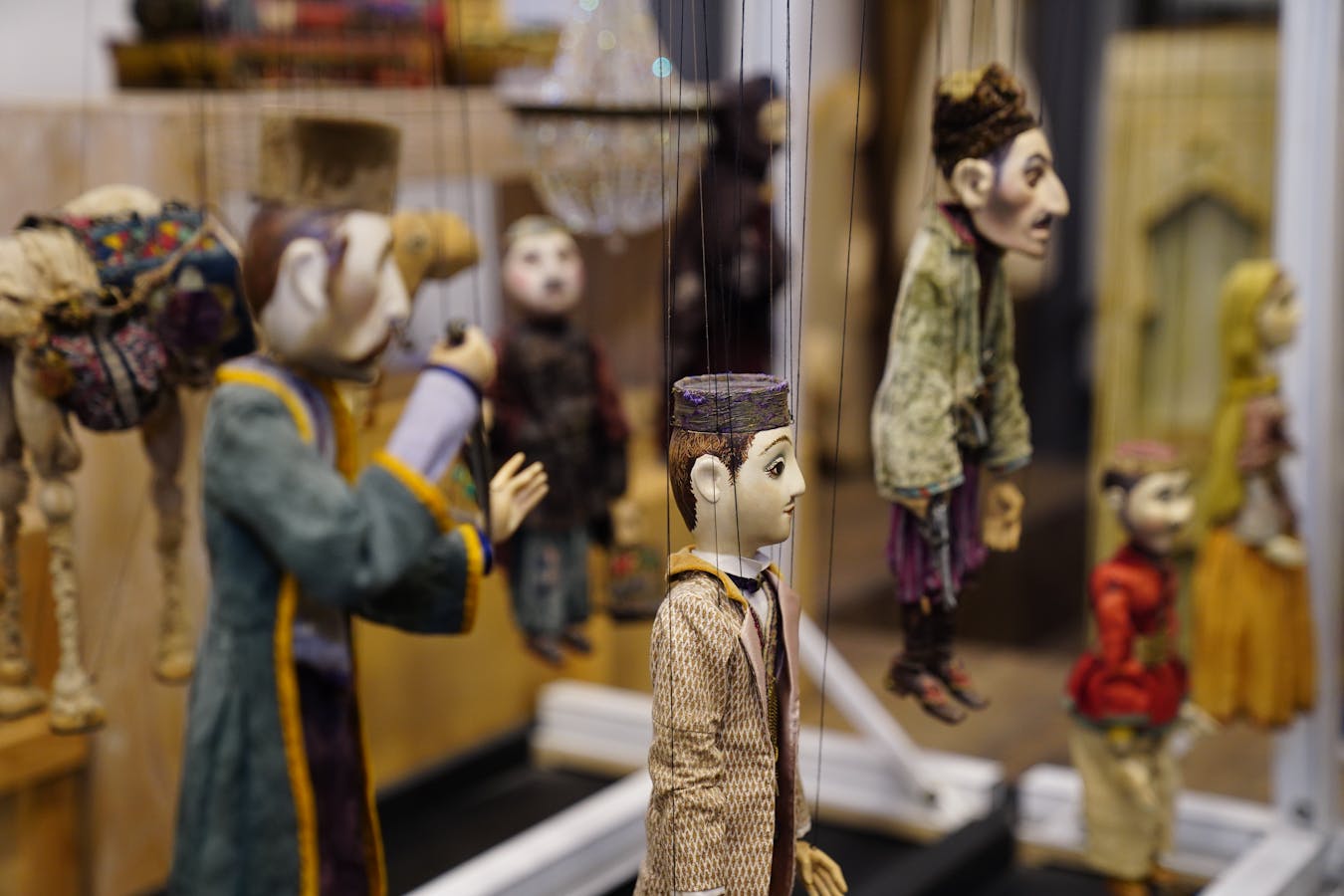
Bunraku is a 400-year-old Japanese puppet theater form that originated in Osaka around 1600. The art form involves:
- Puppets: Approximately half life-size, manipulated by three operators each (one for head and right arm; one for left arm; one for feet)
- Tayu (chanter): Solo performer who voices all characters in the story; speaks in stylized poetic prose
- Shamisen musicians: 1-3 musicians providing musical accompaniment
- Stories: Most plays derive from classic Japanese literature; love stories, tragedies, historical dramas
The three elements are presented simultaneously. The audience watches the puppets move while the tayu narrates and the shamisen play underneath – a synesthetic theatrical experience.
Quick Facts: National Bunraku Theatre
- Full name: National Bunraku Theatre, Nipponbashi (日本橋), Chuo-ku, Osaka
- Established: 1984
- Main hall: 753 seats
- Small hall: 159 seats
- Access: 1-min walk from Kintetsu Nipponbashi Station (Osaka Metro Sakaisuji and Sennichimae Lines)
- Annual productions: ~5 Bunraku productions plus kabuki and dance performances
- Languages: Japanese (English audio guide available)
- UNESCO designation: 2003 Intangible Cultural Heritage
- Japan Important Intangible Cultural Property: Since 1955
Tickets and Pricing
Full Performance Tickets
- S Seats (front center): JPY 6,500-7,500
- A Seats (mid): JPY 5,000-5,500
- B Seats (rear): JPY 3,500-4,500
- C Seats (top tier): JPY 2,500-3,500
- Student discount: Available with valid student ID
- Senior discount: Available for 60+
Single-Act Tickets (Maku-miseki)
- Price: JPY 1,000-1,500 per act
- Purpose: Sample a single 30-60 minute act without committing to full 3-4 hour show
- Best for: First-time visitors, time-constrained travelers, budget-conscious
- Availability: Same-day at the theater box office
- Recommendation: Choose the most famous or visually impressive act
English Audio Guide
- Price: JPY 700 rental
- Format: Personal device with headphones
- Languages: English, Chinese, Korean, French, Spanish (depending on production)
- Content: Plot synopsis, character introductions, cultural context, key moments
- Reservation: Available at box office; book at booking time for popular performances
- Strongly recommended for foreign visitors
Bunraku for Beginners (Special Sessions)
- What: Special introductory sessions designed for first-time and foreign visitors
- Format: Pre-performance multi-language explanation of Bunraku basics
- Languages offered: English, Chinese, French, Spanish, Korean
- Includes: Cultural context, plot synopsis, what to look for during the performance
- Length: 30-60 minute introduction + the standard performance
- Price: Comparable to standard tickets
- Schedule: 2-3 sessions per production; check Japan Arts Council website for specific dates
- Booking: Sells out fastest among foreign-friendly options
Annual Schedule and Productions
Approximate Bunraku Production Calendar
- January-February: First production of the year
- April-May: Spring production
- June-July: Summer production (often includes seasonal themes)
- September-October: Autumn production
- November-December: Year-end production (often most famous classic stories)
How to Check the Specific Schedule
The National Bunraku Theatre publishes its schedule on the Japan Arts Council website (ntj.jac.go.jp). Productions run for 2-4 weeks; tickets typically open 2-3 months before each production.
Famous Bunraku Plays
Sonezaki Shinju (The Love Suicides at Sonezaki)
The most famous Bunraku play. 1703 work by Chikamatsu Monzaemon. Tragic love story set in Sonezaki (Umeda area of Osaka). Frequently performed; standard introduction to Bunraku.
Kanjincho
Historical drama featuring famous samurai Yoshitsune fleeing through a checkpoint. Action-oriented; good for first-time visitors who want dramatic moments.
Yoshitsune Senbon Zakura (Yoshitsune and the Thousand Cherry Trees)
Long historical drama with multiple acts. Famous fox-spirit transformations; visual highlight is the fox-puppet leaping between scenes.
Chushingura (The Tale of the 47 Ronin)
Multi-act revenge tale; one of the most famous stories in Japanese literature. Often performed in segmented productions over multiple visits.
What to Expect During the Performance
Before the Show
Arrive 30-45 minutes early. The lobby has displays explaining Bunraku basics. Buy or rent your English audio guide. If attending “Bunraku for Beginners,” arrive 60 minutes before for the introductory session.
During the Show
- Three operators per puppet: One operates the head + right arm; one operates the left arm; one operates the feet
- Operators wear dark hooded clothing: Designed to blend into the dark stage background
- Master operator face is visible: Visible face for the lead operator is a tradition
- Three on stage left: Tayu (chanter) and shamisen players sit on a small platform stage-left
- Performance duration: Full performance 3-4 hours with 1-2 intermissions
- Acts: 3-5 acts per production, each 30-60 minutes
Intermissions
2-3 intermissions of 15-30 minutes each. Restrooms; vending machines; small food kiosk in lobby. Bento boxes available for purchase to eat during intermission.
Plot Comprehension
Without the English audio guide, foreign visitors will follow the visual story but miss the dialogue and narration. With the audio guide, comprehension is ~70-80% of the experience.
Etiquette at Bunraku
- Arrive early: Late arrivals must wait until intermission to enter
- Phone silent: Strict enforcement; no calls, no texts during performance
- No photography or video: Strictly prohibited; cameras confiscated if used
- Quiet: No talking during performance; whispers OK during intermission
- Eating/drinking: Not permitted in the auditorium; available in lobby during intermission
- Dress: Smart-casual; jeans + nice shirt OK; no shorts/tank tops
- Applause: Welcomed at end of acts and final curtain
- Standing ovations: Less common than Western theater
- Leaving early: Discouraged; the play’s structure builds toward later acts
- Children: Welcomed but expected to maintain quiet
How to Get the Most from Bunraku as a Foreign Visitor
Strategy 1: Bunraku for Beginners Session
Strongly recommended for first-time visitors. The pre-performance multi-language introduction explains the art form, the day’s plot, and key moments to watch for. Book the session date as early as possible.
Strategy 2: Single-Act Ticket + Audio Guide
Best for visitors with time constraints. Buy a single-act ticket (JPY 1,000-1,500) plus the audio guide rental (JPY 700) for a ~JPY 2,000 experience that delivers cultural context without 4-hour commitment.
Strategy 3: Full Performance with Pre-Reading
Read the play synopsis before attending. Reading “Sonezaki Shinju” or another famous Bunraku play in English translation (10-30 pages) takes 1-2 hours and provides ~70% of the plot context. Then enjoy the visual artistry during the full performance.
Strategy 4: Combo with Other Theatre
The National Bunraku Theatre sometimes hosts kabuki performances. If kabuki is more accessible (English supertitles available at Tokyo Kabuki-za and others), see kabuki first, then experience Bunraku as the related-but-different art form.
How to Buy Tickets
- National Bunraku Theatre official: ntj.jac.go.jp – Japanese-language but navigable
- Phone booking: 06-6212-2531 (English support sometimes available)
- Box office at theater: Available during operating hours
- Tour packages: Klook, Viator, GetYourGuide offer Bunraku tickets with translation
- Convenience store machines: Available via L-Ticket or Lawson Ticket
- Last-minute single-act: Always available same-day at the theater
Best Way to Spend Half-Day at the Theater
- 10:00: Pick up tickets / single-act ticket (if not pre-booked)
- 10:30: Browse Bunraku museum displays in the lobby (free)
- 11:00: Audio guide rental + browse exhibition
- 11:30: Bunraku for Beginners session (if attending)
- 13:00: Show begins; first act + first intermission
- 15:30: Final act ends
- 16:00: Walk in Nipponbashi neighborhood; coffee or dinner
Lobby Museum and Displays
- Free entry to lobby museum during operating hours
- Bunraku puppet collection (rotating displays)
- History of Bunraku since 1600
- Tayu chanting demonstrations on video
- Shamisen instruments on display
- Photos of famous performers
- Multi-language information panels (English, Chinese, Korean, French, Spanish)
Combining with Other Activities
Pre-Show: Lunch in Nipponbashi
Nipponbashi (Den Den Town) has many cheap restaurants – ramen, gyudon, conveyor sushi. JPY 800-1,500 lunch.
Post-Show: Dotonbori (3 min walk)
Dotonbori canal is a 3-minute walk. Dinner in Dotonbori or evening in Ura-Namba.
Post-Show: Hozenji Yokocho
Lantern alley with traditional restaurants – perfect cultural pairing with the traditional theatre experience.
Multi-Day Cultural Itinerary
- Day 1: Tea ceremony in morning + Bunraku in afternoon
- Day 2: Cooking class in morning + Kimono rental in afternoon
- Day 3: Free walking tour + temple visits
Visiting with Children
- Age recommendation: 10+ for full show; 14+ for full appreciation
- Younger kids: Bored quickly; the 4-hour duration is challenging
- Single-act tickets: Better option for kids – 30-60 minutes max
- Strict silence expected: Active children should sit this one out
- Booster cushions: Sometimes available; ask at box office
Why Osaka Bunraku Matters
Bunraku is one of the world’s most refined puppet theater traditions and one of three pillars of Japanese classical theatre (with Noh and Kabuki). The National Bunraku Theatre in Osaka is the world’s premier Bunraku venue – more performances annually than any other location, more experienced performers, deeper cultural context. For foreign visitors, attending Bunraku is one of the most authentically Japanese cultural experiences available – the art form is genuinely Japanese (not internationalized), the performance is unchanged from 17th-century traditions, and the UNESCO designation acknowledges its global cultural significance.
Comparison: Bunraku vs. Kabuki vs. Noh
- Bunraku: Puppet theatre; 3 operators per puppet; tayu narrator; visible operators
- Kabuki: Live actors with elaborate costumes and makeup; revolving stages; vibrant action
- Noh: Mask theatre; minimalist staging; slow stylized movement; spiritual themes
Common Mistakes
- Skipping the audio guide: Foreign visitors get 20-30% of the experience without it
- Sitting in C seats for first visit: Front rows reveal puppet detail; top tier loses subtlety
- Arriving late: Late entry forbidden until intermission
- Bringing food/drink to auditorium: Strictly prohibited
- Using phone during performance: Phone confiscation possible
- Booking with kids under 10: Boredom is likely
- Going to full 4-hour show as casual visitor: Consider single-act ticket instead
Practical Tips
- Book Bunraku for Beginners sessions early; they sell out
- Reserve audio guide at booking time
- Comfortable clothing: Theater temperature can be cool; bring a light layer
- Restrooms: Many available; use during intermission
- Cash for snacks: Lobby kiosk; vending machines
- Audio guide return: At box office after show
- Phone storage: Some shows require phones in seat pocket; some allow seat with sound off
- Bring small bag: Coat check available; smaller bags OK in seats
- Wheelchair accessible: Main hall has accessible seating; book in advance
What to Look For (Beginner’s Eye)
- Coordination of three operators: Master operator’s face is visible; others wear hoods. Watch how they sync the puppet’s movements
- Tayu’s expressiveness: The chanter voices all characters – watch their facial expressions and physicality
- Shamisen-tayu interaction: The music underscores the narration; watch how they respond to each other
- Puppet head changes: Many puppets have replaceable heads for emotional shifts; watch for subtle changes
- Movement choreography: The puppets execute complex movements – climbing, fighting, dancing – all manipulated by three people
- Costume changes: Puppets sometimes change costumes mid-act; the operators do this seamlessly
Bunraku for Different Travelers
For Art Lovers
Bunraku for Beginners session + Full Performance with S Seats + English audio guide. Total cost ~JPY 8,200. Full immersion in one of the world’s most refined theatrical arts.
For First-Time Cultural Visitors
Bunraku for Beginners session + Single-act ticket + audio guide. Cost ~JPY 2,500. Brief but meaningful introduction.
For Budget Travelers
C Seats single-act + audio guide. Cost ~JPY 1,700-2,200. Limited view but full cultural experience.
For Theater Enthusiasts
Two separate visits – one for full Bunraku, one for Kabuki performance. Allow JPY 10,000-15,000 total.
Final Word: Osaka Bunraku
Osaka Bunraku at the National Bunraku Theatre is one of the most authentically Japanese cultural experiences available to foreign visitors – UNESCO heritage status, world-class performances, English language support, and the option of single-act tickets for time-constrained travelers. Book a Bunraku for Beginners session if your dates align; otherwise pair a single-act ticket with the English audio guide for a 90-minute introduction to one of Japan’s three classical performing arts. Combine with Dotonbori or Hozenji Yokocho dinner for a full cultural evening.