This article contains advertising. Our booking links are routed through a partner that adds commission tracking automatically, so if you book through one we earn a commission from the provider, at no extra cost to you. It never affects what we recommend. Affiliate disclosure
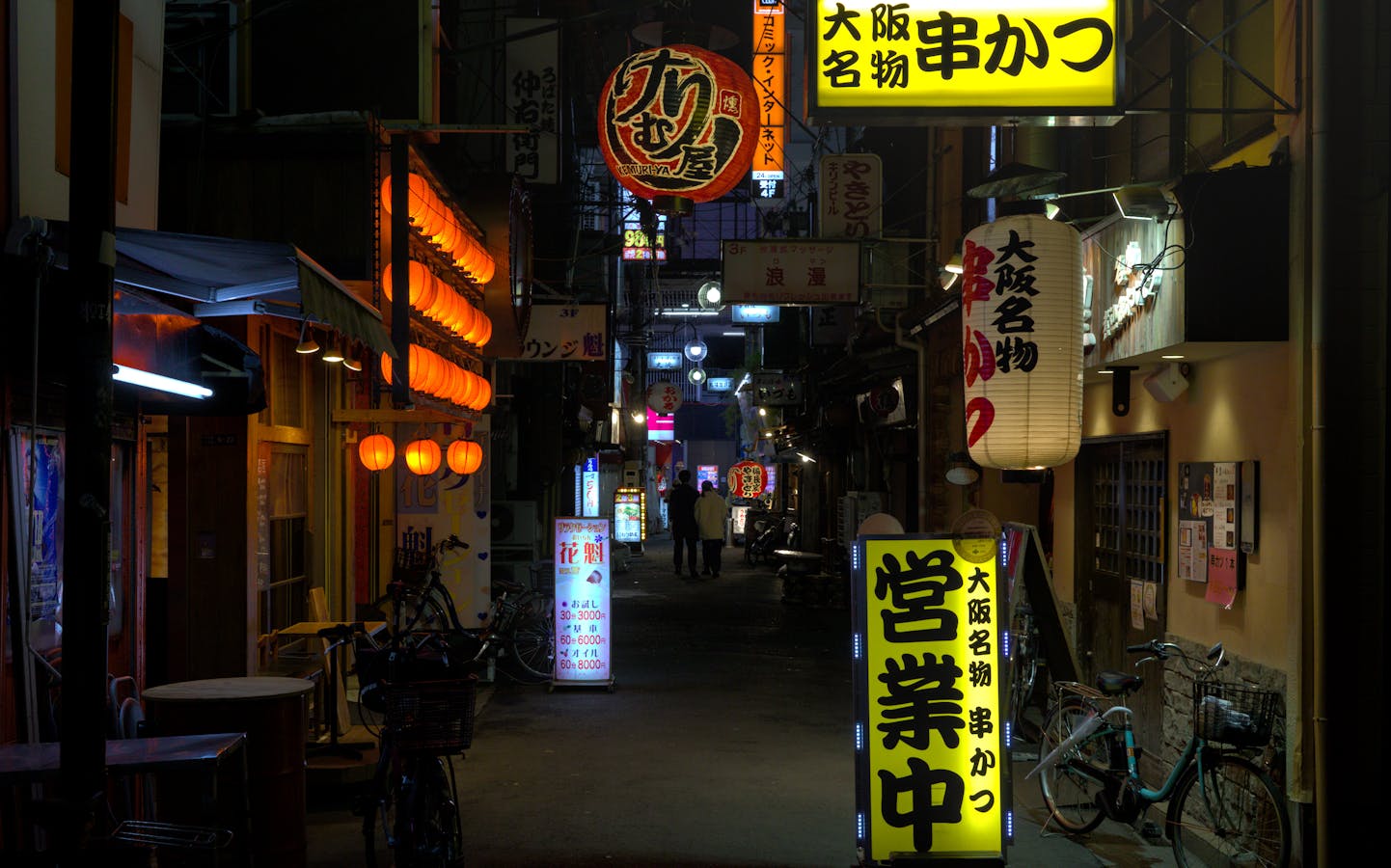
Ura-Namba bar hopping is the best-kept-secret nightlife experience in Osaka. “Ura-Namba” literally means “the back side of Namba” – the wedge of streets between Namba Station, Sennichimae and Nihonbashi where local salarymen, students and a slowly growing trickle of in-the-know foreign visitors squeeze into 30-seat standing bars, eight-stool izakaya and counter-only sushi spots. It’s the closest thing in Osaka to Tokyo’s Golden Gai or Shinjuku Omoide Yokocho – but cheaper, less crowded and friendlier. This 2026 guide gives you a full bar-hopping route plus the etiquette and budget you’ll need.
Where Is Ura-Namba?
Ura-Namba is roughly the area bounded by Namba Station to the west, Nansan-dori to the south, Sakaisuji to the east, and Sennichimae-dori to the north. It’s a 5-10 minute walk from Dotonbori canal. Subway access: Namba Station (Midosuji, Yotsubashi, Sennichimae lines) or Nipponbashi Station (Sakaisuji, Sennichimae lines). The bars start two minutes east of the arcades and department stores of the wider Namba district.
Why Ura-Namba Is Different from Dotonbori
- Locals 70%, tourists 30% (Dotonbori is the opposite)
- Standing bars (tachinomi) and counter-only izakaya, not big chains
- Cash-only at most venues
- Beer JPY 350-500, highball JPY 300-400, snack plates JPY 200-600
- Small spaces – typically 8-30 seats
- Less English signage; ordering by pointing at displayed dishes
- Closing times 23:30-01:00 (earlier than Dotonbori)
The 6-Stop Ura-Namba Bar-Hopping Route
Stop 1: Marufuku (Standing Bar) – 18:30
Marufuku is the gateway tachinomi for Ura-Namba bar hopping – 30 seats, 200+ sake bottles on the back wall, photo menu of small plates. Beer JPY 400, sake JPY 500-700, simmered dishes JPY 300-500. The cook plates each order from the bubbling pots behind the counter. Spend 30-45 minutes. Marufuku also features in our roundup of Osaka’s best standing bars.
Stop 2: Yamachan Honten (Yakitori) – 19:30
Yamachan is best known for yakitori (chicken skewers) JPY 100-200 each. Order: chicken thigh (momo), chicken skin (kawa), chicken meatball (tsukune), and grilled scallion. Beer JPY 450. The skewer-master grills over binchotan charcoal at the counter; sit close.
Stop 3: Doteyaki Shop (Beef Tendon) – 20:30
Doteyaki – beef tendon and konjac simmered for hours in miso – is an Osaka working-class specialty. The Ura-Namba doteyaki specialists are unmarked from the outside; look for low red lanterns and a small “ど” (do) on the noren curtain. JPY 400-600 per bowl. Pair with a highball. Most doteyaki counters also serve deep-fried kushikatsu skewers at JPY 130-300 each, the standard Osaka pairing.
Stop 4: Standing Sushi Bar – 21:30
Tachi-zushi (standing sushi) – the way Edo-period workers ate sushi – is having a revival. Several Ura-Namba spots offer freshly cut nigiri at JPY 150-400 per piece. No reservations, queue up, point at what you want. Allocate JPY 1,500-2,500 for 8-10 pieces and a beer.

Stop 5: Wine Bar Stand-Up – 22:30
Ura-Namba has several Italian-style standing wine bars opened by Japanese sommeliers – JPY 500-800 per glass for European reds and whites, JPY 1,200-1,800 for Japanese natural wines. Light snack plates of cured ham, cheese and olives JPY 600-900. A breath of European pace before the late-night stops.
Stop 6: Late-Night Ramen or Oden – 23:30
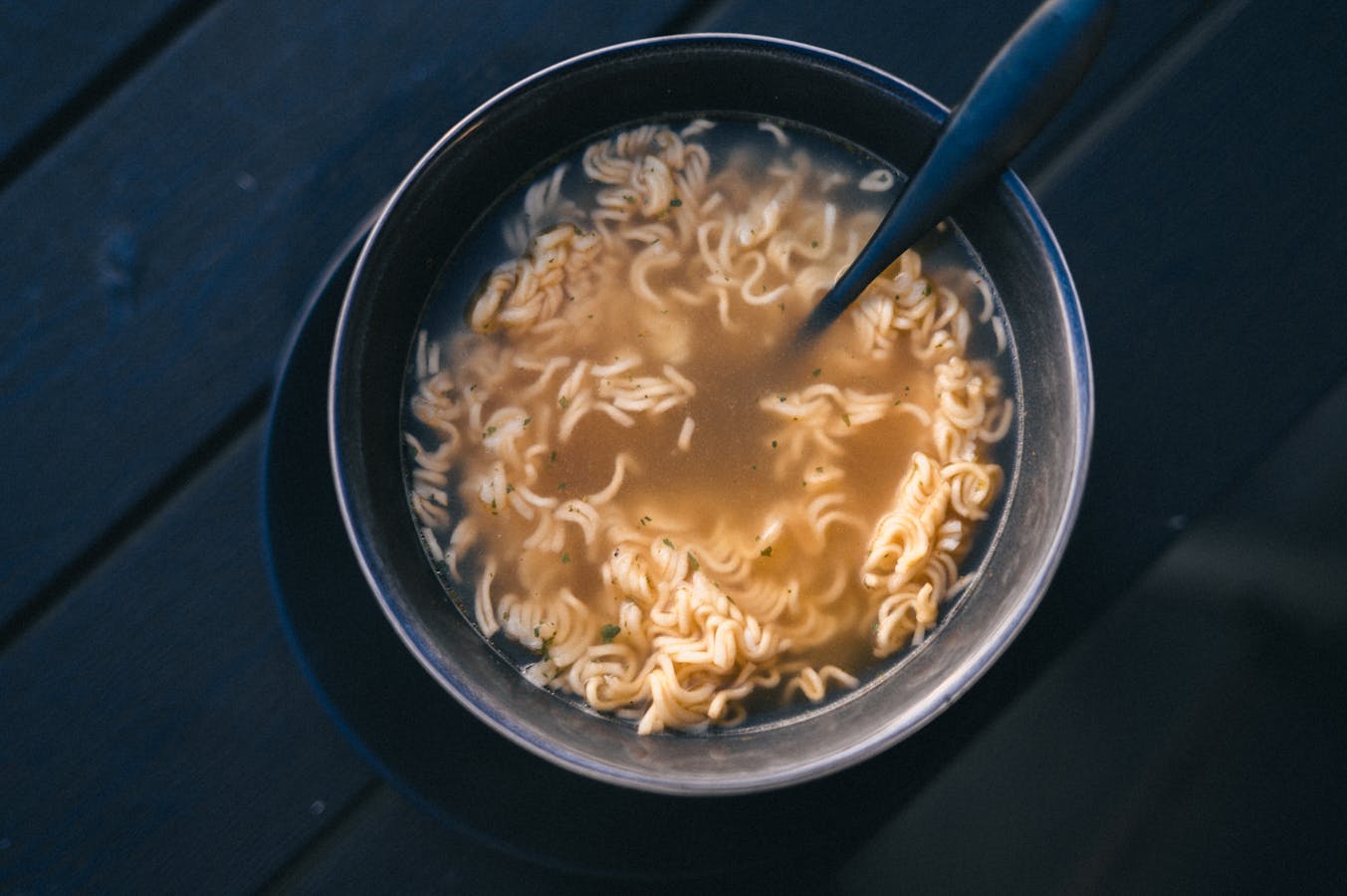
End the night with a bowl of ramen (JPY 800-1,200) or oden (JPY 100-300 per piece, choose 4-6 pieces). Several Ura-Namba ramen counters and oden specialists run until 02:00-03:00. The salty broth is the most Japanese way to close a drinking night and offsets tomorrow’s hangover.
Total Budget for Ura-Namba Bar Hopping
- Light hopping (3 stops, 1-2 drinks each): JPY 4,000-6,000 per person
- Full hopping (6 stops): JPY 7,000-10,000 per person
- Cover charges: Most standing bars charge no cover; sit-down izakaya may charge JPY 300-500 “otoshi” (table charge with appetizer)
- Cash: Bring JPY 10,000 minimum per person; ATMs at 7-Eleven on Sennichimae are 24 hours
Ura-Namba Etiquette
- Don’t expect English menus – point at the dish display, the sign on the wall, or what the next person is eating
- Pour drinks for others before yourself; receive your drink with both hands
- “Kanpai” (cheers) before each first round at a new bar
- Eat as you drink – skipping food is considered impolite
- “Sumimasen” gets the staff’s attention; “okaikei” requests the bill
- Tip is not customary; rounding up isn’t expected
- Smoking is permitted in many places – confirm before sitting if it bothers you
- Stay 30-60 minutes per bar; signal when you’re leaving with a small bow
What to Wear
Casual is fine – jeans, plain shirt, comfortable shoes. The standing-bar layout means you’ll be on your feet for hours, and bar floors are often greasy from food prep. Avoid bright tourist attire; locals dress simply.
Best Nights for Ura-Namba
- Friday: Peak energy – all bars full, salarymen post-work, students at the late stops
- Saturday: Equally busy, slightly later peak (22:00-00:00)
- Wednesday-Thursday: Comfortable crowd, easier to get a counter seat at popular spots
- Sunday-Monday: Many small bars closed; main standing bars still operate
How to Find the Hidden Bars
Many Ura-Namba bars don’t appear on Google Maps with English names. Walk the side streets between Sennichimae-dori and Nansan-dori – any building that has a small noren curtain at street level, soft yellow light, and the sound of laughter is a candidate. Bars with a queue out the door are the safest bet for a first stop. Ask at your first bar for recommendations; counter-style bars are notably good at suggesting next stops to international visitors.
Where to Stay for Ura-Namba Bar Hopping
Hotels in Namba (compared in our guide to Namba’s best hotels for nightlife) are the most convenient – five-minute walk to the bars at the end of the night. Shinsaibashi hotels also work; Umeda hotels mean a 15-minute taxi at 01:00 (JPY 2,000-2,500).
Solo Ura-Namba Bar Hopping
Excellent for solo travelers. Counter seats are designed for one person, English is more present than reputation suggests (especially at younger-staffed wine bars), and Japanese drinkers are friendlier in standing bars than at sit-down izakaya. Several Ura-Namba bars have become unofficial international travel hubs where locals like talking to visitors.
Last Train and Getting Home
Last subway 00:00. From Ura-Namba, taxi to Umeda JPY 2,000-2,500, to most central Osaka hotels JPY 1,200-2,000. Several 24-hour ramen and yoshinoya beef-bowl restaurants near Namba Station provide the customary post-bar meal before catching the first train (~05:30).
Final Word: Ura-Namba Bar Hopping
Ura-Namba bar hopping is the most authentic, lowest-friction way to experience Osaka nightlife – cheaper than Kitashinchi, more atmospheric than Dotonbori, friendlier than Tokyo’s tourist alleys. A 4-hour, 5-stop tour for JPY 6,000-8,000 will give you a better evening than nearly any sit-down restaurant in the city. Walk the side streets, push aside a noren curtain, and order a beer.