This article contains advertising. Our booking links are routed through a partner that adds commission tracking automatically, so if you book through one we earn a commission from the provider, at no extra cost to you. It never affects what we recommend. Affiliate disclosure
You can see Osaka in a long weekend. You start to understand it the moment you stop looking and start doing, kneeling for a tea ceremony, flipping your own okonomiyaki, sitting in the dark while three puppeteers make a wooden figure sigh. Osaka cultural experiences run from 400-year-old theatre born in this city’s playhouses to hands-on workshops where you cook, throw clay and dye cloth beside people who’ve done it for decades.
Where Kyoto trades on refinement and Tokyo on the cutting edge, Osaka’s culture is built on warmth, humour and “kuidaore”, an all-in, joyful approach to living. This guide moves past sightseeing and into the things you actually take part in: what to book, what to expect, what it costs, and which experiences are worth rearranging a day for.
Why Osaka punches above its weight culturally
Long before Tokyo took the crown, Osaka was Japan’s centre of trade, theatre and culinary invention. That history still runs through the city’s traditions, Bunraku puppet theatre (born here in the 1600s), the comic storytelling of Kamigata Rakugo, the merchant-class tea ceremony, and a food culture nobody else can touch.
The thing that sets these experiences apart is how welcoming they are. Osaka’s arts didn’t grow out of aristocratic courts; they came from merchants, artisans and entertainers. That ground-up spirit means today’s workshops and performances are built to include everyone, no prior knowledge or Japanese required.
Traditional performing arts
Bunraku: UNESCO-listed puppet theatre
If you see one traditional art form in Osaka, make it Bunraku. This is puppet theatre at a level that ranks beside Noh and Kabuki among Japan’s three great stage traditions, and it was born right here in the 17th century. UNESCO added it to the Intangible Cultural Heritage list in 2003, and a live performance is still one of the most quietly powerful things you can do in this city.
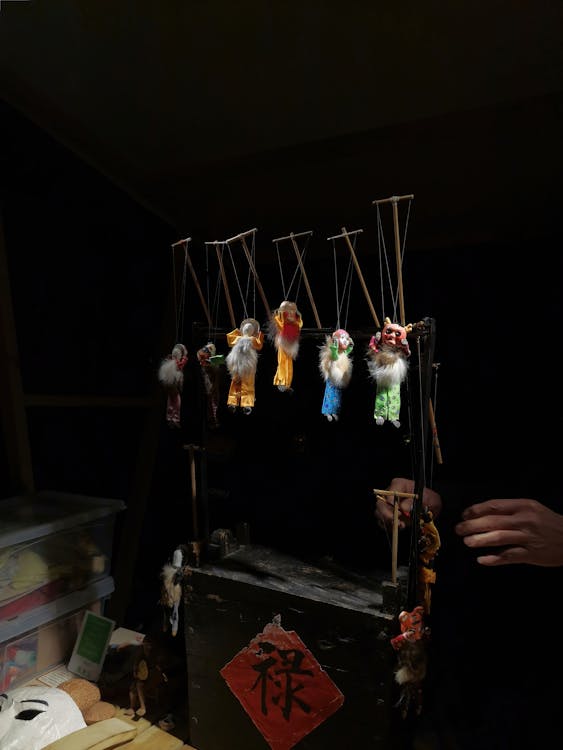
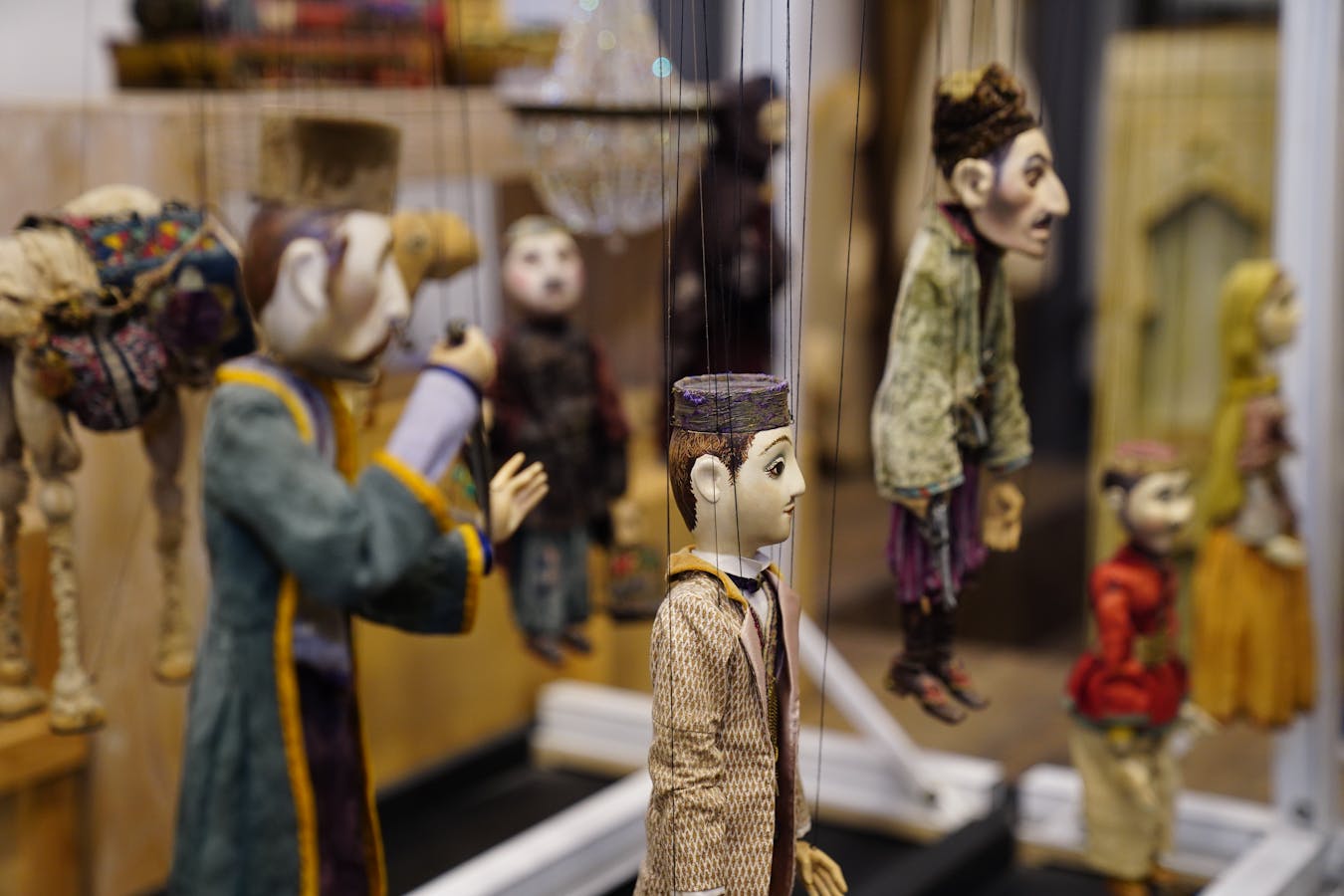
Bunraku braids three things together: a chanter (tayu) who voices every line and narration, shamisen music carrying the emotional weather, and puppetry in which three operators move each large figure in perfect unison. The puppets run about two-thirds life-size and manage astonishing subtlety, a tilt of the head, a trembling hand, a small sigh that lands harder than many live actors do.
The National Bunraku Theatre, opened in 1984 in the Nipponbashi area, is the home of the form. The main hall seats 753, and performances run in three-week blocks in January, April, June, July/August and November. English audio guides and program notes make it accessible without any Japanese, and tickets run roughly ¥2,400 to ¥6,500 by seat. For newcomers, the theatre sometimes runs introductory programs that unpack the art before the curtain. It’s an easy walk from Nipponbashi Station, and we go deeper in our Osaka Bunraku guide.
Kabuki at Shochikuza
The historic Shochikuza in Dotonbori has staged Kabuki since it opened in 1923 and remains one of Japan’s most important venues for it outside Tokyo. Kabuki is theatre at full volume, elaborate costumes, bold kumadori makeup, all-male casts working through everything from historical epics to doomed romances.
Full performances can run several hours, but Shochikuza often sells single-act tickets that let a newcomer dip in without committing the whole evening. Its spot in the middle of the entertainment district makes it easy to fold into a night of dinner and wandering. Programs rotate monthly, and the theatre hosts other traditional arts through the year too.
Kamigata Rakugo: Osaka’s comic storytelling
Rakugo is traditional comic storytelling stripped to its bones, one performer on a cushion with only a folding fan and a small cloth, acting out a whole story, every character, the tension and the punchline (ochi). The Osaka-Kyoto style, Kamigata Rakugo, runs more animated and physical than Tokyo’s, which fits the city’s famously funny temperament.
Hanjotei, near Namba Grand Kagetsu, has been the dedicated home of Kamigata Rakugo since 2006. Performances are in Japanese, but the physical comedy carries a surprising amount even without the language, and some venues lay on English subtitles or post-show explanations. Admission usually lands at ¥2,000–3,000.
Hands-on workshops: make something to take home
Tea ceremony
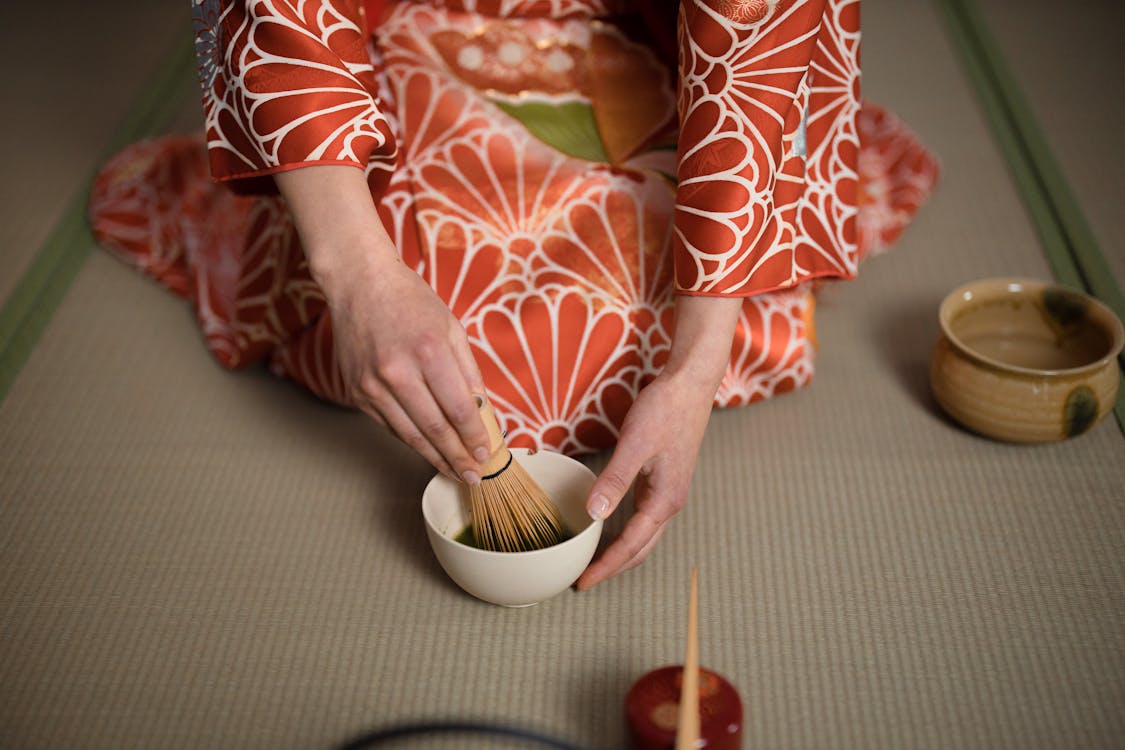
The Japanese tea ceremony (chado or sado, “the way of tea”) is a long way from making a cuppa, it’s a meditative practice wrapping philosophy, aesthetics, hospitality and mindfulness into one slow ritual. As one of the most sought-after cultural experiences in the city, a tea-ceremony workshop opens a window onto values that have shaped Japan for over 500 years. Our Osaka tea ceremony guide covers the best providers in detail.
Maikoya Osaka is among the most acclaimed, having taken TripAdvisor’s Travelers’ Choice Award three years running. Their sessions put you in a kimono to learn to prepare and drink matcha in a tatami room set with seasonal scrolls and flowers. A basic ceremony runs about 45 minutes for around ¥2,500; the combined kimono-and-tea package is roughly ¥5,500.
For something deeper, some traditional tea houses in the temple districts run extended sessions that include making wagashi (traditional sweets) to enjoy with your own matcha. These longer workshops (1.5–2 hours, ¥5,000–8,000) give far more context on the history and meaning behind each gesture.
Wearing kimono
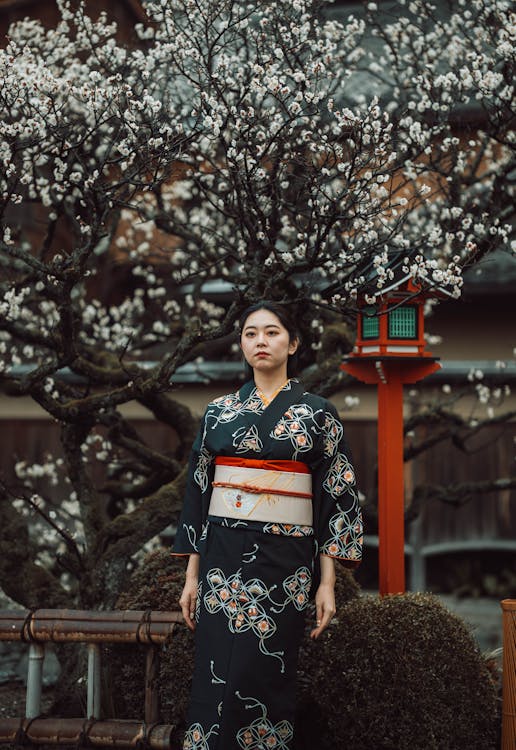
Wearing kimono isn’t dress-up; it genuinely changes how you move, stand and take in your surroundings. Several rental shops and cultural centres offer full dressing, hair and accessories included, so you can spend a half or full day out in traditional attire.
The best areas for a kimono stroll are around Sumiyoshi Taisha, Osaka Castle Park and the old Tenma quarter. Rentals usually run ¥3,000 to ¥8,000 depending on the garment and extras. Most shops do men’s and women’s options, and staff handle the fiddly layering and obi-tying for you. Some pair kimono with tea ceremony or temple visits for a fuller day of it.
Cooking classes
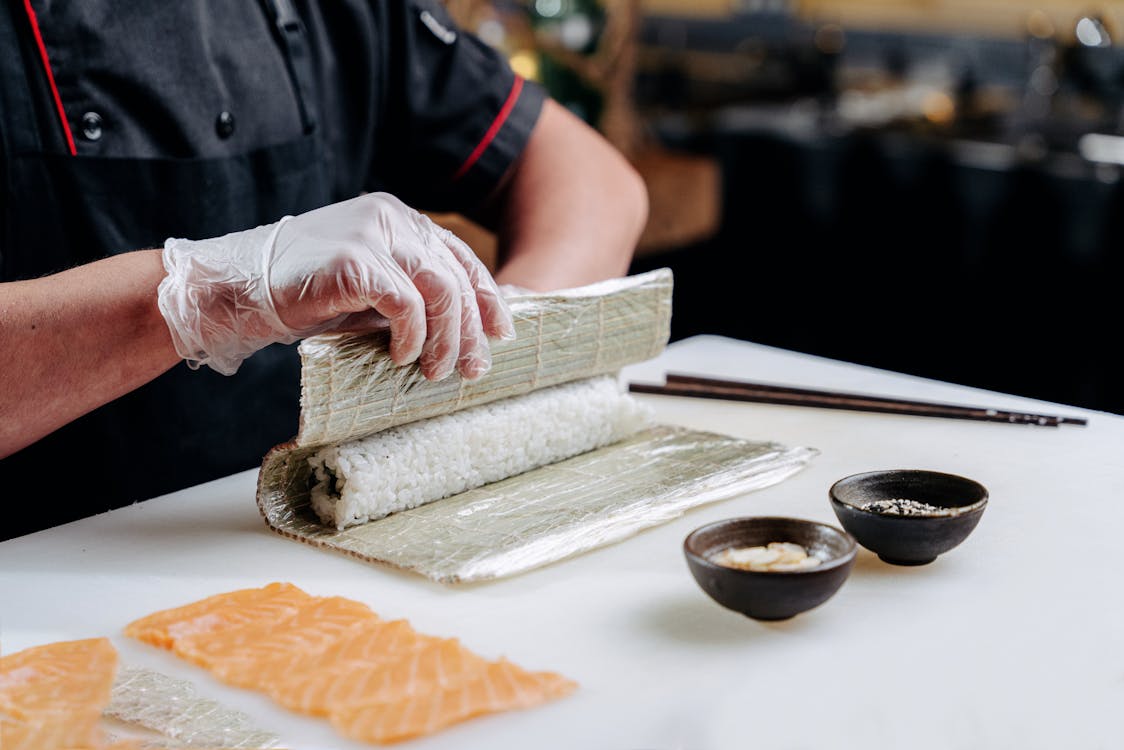
In a city nicknamed “Japan’s Kitchen,” learning to cook its signature dishes is one of the most rewarding, and tastiest, things you can do here. Classes range from pro kitchens to intimate home sessions, and the spread of what you can learn mirrors the city’s culinary range. The full menu of options is in our Osaka cooking classes guide. If you’d rather eat than cook, a guided food tour runs two and a half to four hours, hits four to eight stops and costs ¥6,000–12,000 a head.
Takoyaki and okonomiyaki classes are the quintessential Osaka cook-along, nailing that crisp-shell, molten-centre takoyaki or the okonomiyaki flip gives you a skill you’ll actually use at home. Reckon on 1.5–2 hours and ¥4,000–6,000, and some providers even let you cook in a kimono. Sushi-making workshops get more intimate still, often held in an instructor’s home (¥6,000–10,000), where you’re essentially a guest at a Japanese table making rolls, sashimi and tamagoyaki. Wagashi (sweet) making is the artistic, meditative one, shaping bean paste and rice flour into seasonal flowers and fruit that look almost too good to eat (¥3,000–5,000, and great with kids).
Calligraphy (shodo)
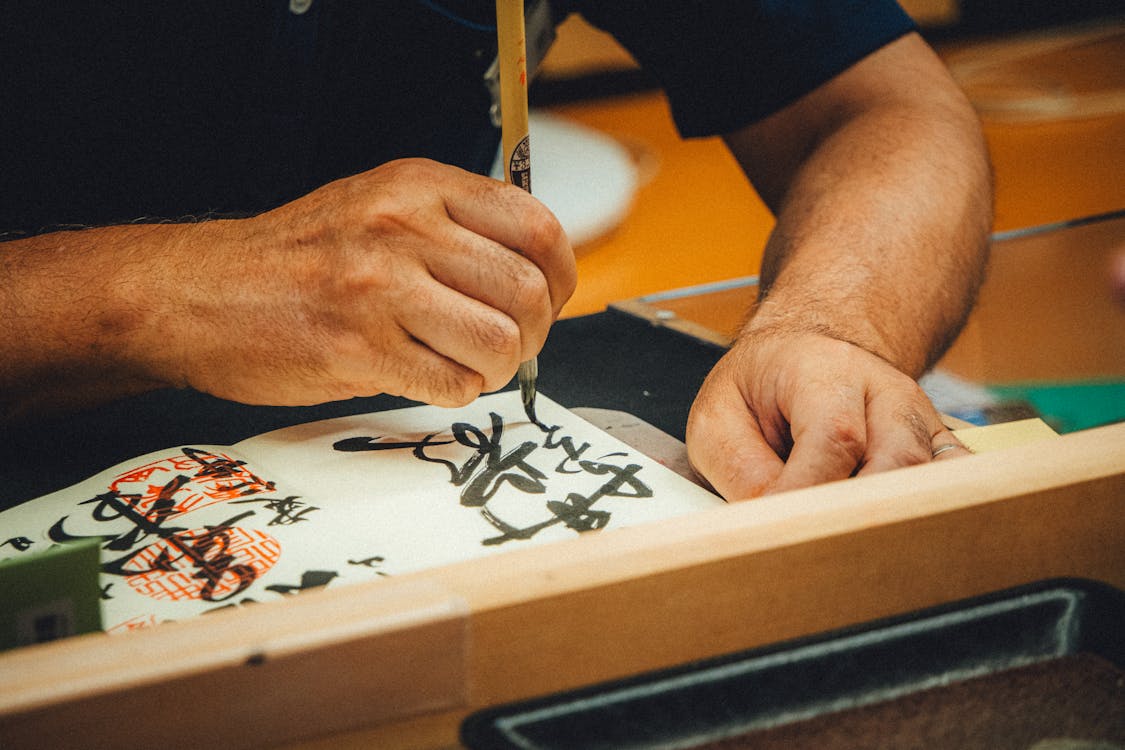
Japanese calligraphy (shodo, “the way of writing”) has been practised for more than a thousand years. In a workshop you’ll grind sumi ink on a stone, learn to hold the brush properly, and work through basic strokes before attempting kanji or your own name in Japanese script.
Sessions run all over the city, with good options around Namba and Umeda. A typical 1–2 hour class costs ¥3,000–5,000 and you carry your work home as a one-off souvenir. Some combine calligraphy with tea ceremony for a fuller half-day, and multi-session courses exist for anyone wanting to go further.
Pottery and ceramics (tougei)
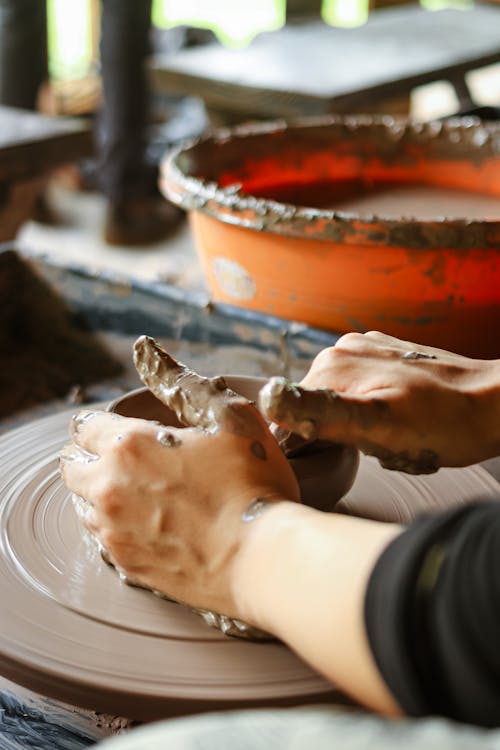
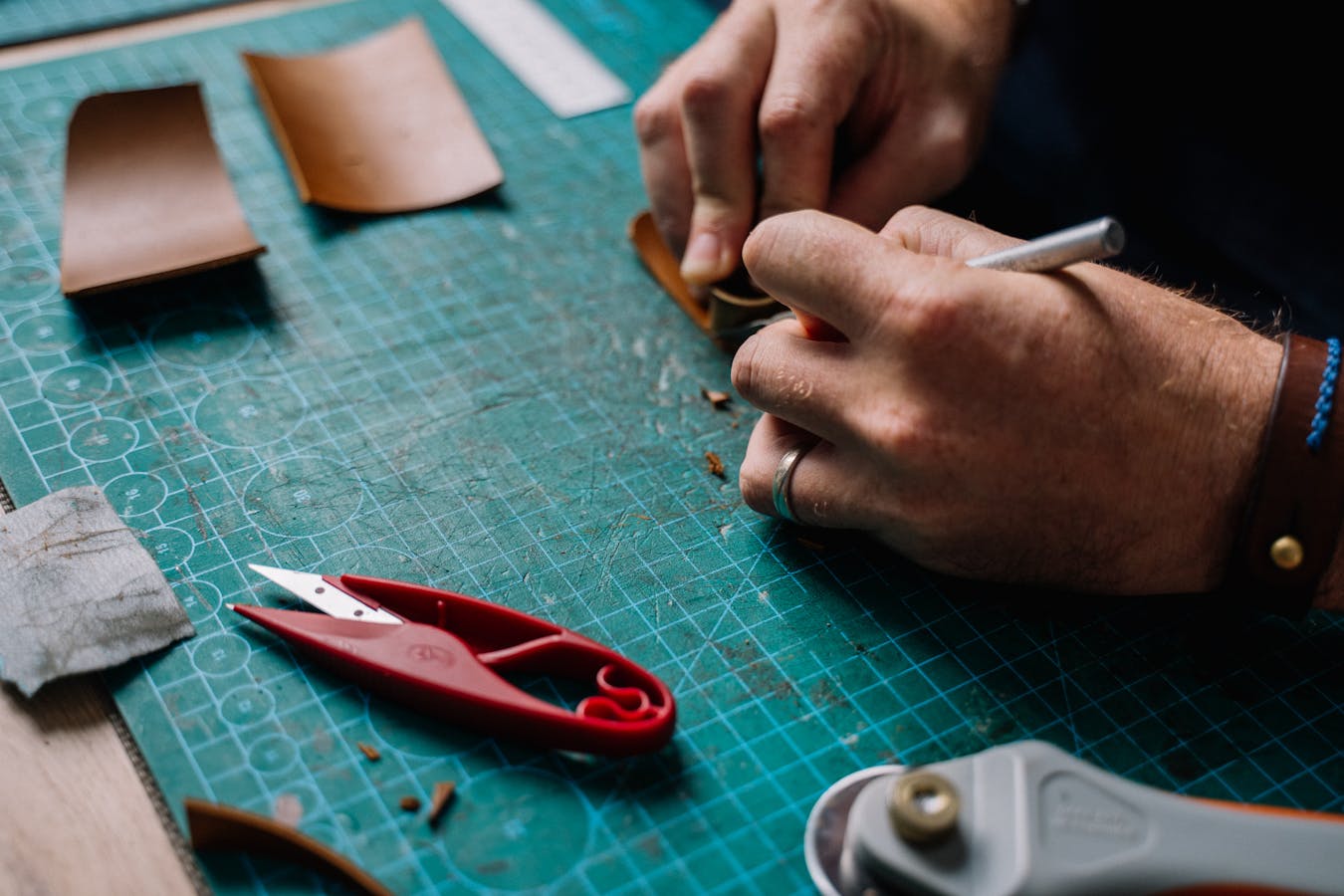
Getting your hands dirty on a wheel is among the most satisfying things on this list. Studios across the city run sessions from casual hand-building to wheel-throwing under experienced potters, usually aimed at functional pieces, tea bowls, sake cups, plates, vases, tied to the long tradition of Japanese tableware.
Studio Tougei Tocoton stands out for multilingual instruction (English, Spanish and Japanese) and a setting in a century-old wooden house that doubles as a glimpse of pre-war Osaka. After your session the piece is fired, glazed and shipped internationally, turning up weeks later as a proper reminder of the trip. Costs run ¥3,000 to ¥8,000 by complexity. For broader variety, the Osaka Craft Park in Hirano Ward bundles glassblowing, stained glass, burner work and pottery in one place, handy for groups with different interests.
Traditional craft workshops
Tenugui dyeing
Tenugui, thin cotton cloths with intricate dyed patterns, are among Japan’s most versatile crafts, used as towels, headbands, gift wrap and wall art. In a workshop you’ll learn the chusen dyeing technique unique to Osaka, folding fabric and pouring dye through stencils to build symmetrical patterns. It’s a surprisingly meditative process, and the result is both a practical keepsake and a piece of genuine local craft.
Bamboo crafting
Bamboo work is a centuries-old tradition, and several Osaka workshops teach you to weave it into baskets, trays and small containers under skilled artisans. The discipline rewards patience and precision, qualities at the core of Japanese craft, while leaving you with something beautiful and useful. Sessions usually run 2–3 hours at ¥4,000–6,000.
Indigo dyeing (aizome)
Indigo dyeing runs deep in Japanese culture, and Osaka workshops let you make your own shibori (tie-dye) textiles the traditional way, folding, binding and dipping fabric into natural indigo to create patterns used here for centuries. You end up with a wearable piece in that distinctive deep blue Japanese artisans have perfected over generations. These (¥3,500–6,000) are some of the most photogenic sessions going.
Festivals and seasonal traditions
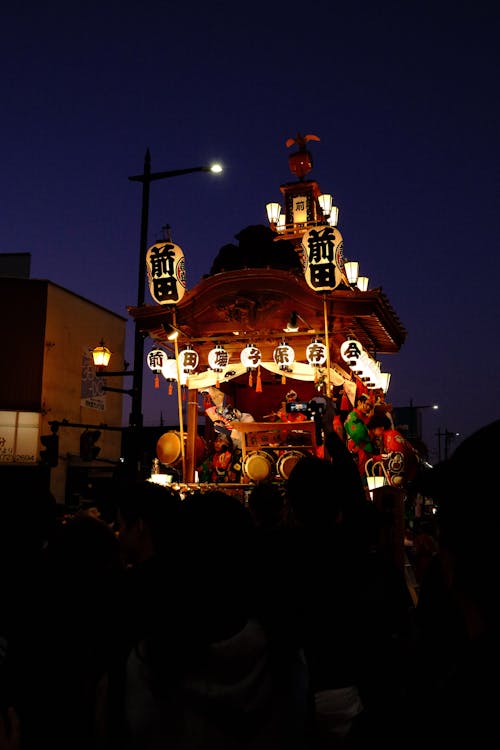
Osaka’s festival calendar is one of the richest in Japan, and witnessing one, or joining in, gives you some of the most moving experiences the city offers. These aren’t staged for tourists; they’re real community celebrations where neighbourhoods come together to honour tradition and mark the year.
The major festivals
Tenjin Matsuri (July 24–25): one of Japan’s three great festivals, celebrated for over 1,000 years in honour of the deity of scholarship at Osaka Tenmangu. A land procession in Heian-era costume gives way to a river procession of 100-plus lit boats on the Okawa, then a huge fireworks finale. It pulls over 1.3 million people and is the high point of Osaka’s summer.
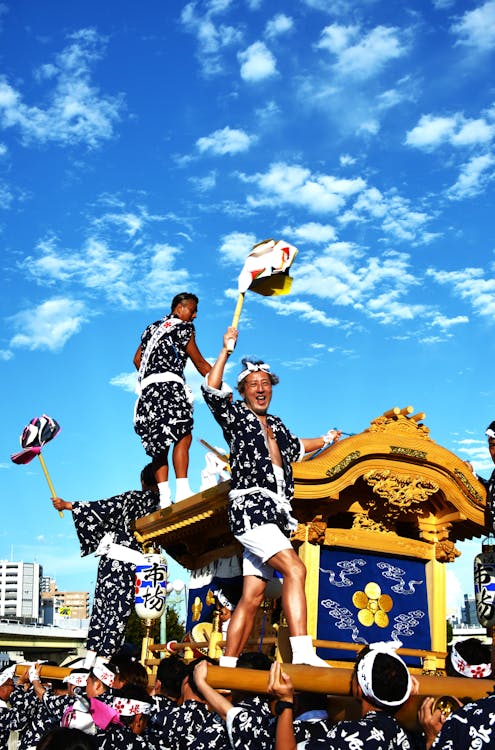
Kishiwada Danjiri Matsuri (September): massive wooden floats (danjiri) up to four tons hauled through tight streets at a sprint, with riders performing daring stunts on top. It’s been called the most dangerous festival in Japan and certainly the most thrilling, pure Osaka nerve. The main event is in Kishiwada City, about 30 minutes south, see our day trips guide for getting there.
Shitennoji Wasso (November): a festival at Japan’s oldest officially administered temple, marking Osaka’s ancient role as the gateway between Japan and the rest of Asia, with processions in historical costume representing Korean, Chinese and Southeast Asian exchange. It pairs naturally with a visit to Shitennoji Temple.
Aizen Matsuri (June 30 – July 2): the festival that opens Osaka’s summer, held at Aizen-do near Shitennoji. Beautiful yukata processions and a more intimate feel than the vast Tenjin Matsuri make it a gentle way into festival culture. For a full calendar, see our seasonal guide.
Neighbourhood shrine festivals
Beyond the famous names, nearly every Osaka neighbourhood runs its own smaller matsuri through the year. These intimate local-shrine events bring traditional music and dance, volunteer-run food stalls, kids in festival dress and mikoshi (portable shrine) processions through residential streets. They offer a closeness the big festivals can’t, you might be the only foreign visitor, and locals are usually delighted to have a curious onlooker.
Museums and cultural centres
Osaka Museum of Housing and Living
This one recreates a full-scale Osaka townscape from the 1830s that you walk straight through, shops, homes, a bathhouse, a shrine, and lighting that shifts from dawn to dusk overhead. It’s among the most immersive cultural stops in the city, and you can rent a kimono (¥500 extra) to stroll the recreated streets in period dress. Admission is ¥600, and it’s on the Osaka Amazing Pass.
Kamigata Ukiyo-e Museum
This tiny museum near Namba is the only one in the world devoted purely to kamigata (Osaka-Kyoto) ukiyo-e woodblock prints. Unlike the Edo-style prints most people know, the Osaka tradition focused on kabuki actors and theatre, reflecting the city’s performing-arts roots. It runs hands-on woodblock printing workshops where you make your own print to take home. Find more in our off-the-beaten-path guide.
National Museum of Ethnology (Minpaku)
Set inside Expo ’70 Commemorative Park, Minpaku is one of the world’s great ethnological museums, with over 340,000 artifacts from cultures across the globe and especially strong East Asian, Southeast Asian and Oceanian collections. It’s a fine bit of context for how Osaka’s merchant culture was shaped by centuries of trade. Admission is ¥580, easily combined with the park’s other draws.
Spiritual and meditative experiences
Temple stays and morning meditation
Several temples around Osaka open morning meditation (zazen) to visitors, about as contemplative as it gets. Sitting in silence on a cushion in a centuries-old hall, breath and posture and drifting incense, makes a sharp counterpoint to the city’s usual volume, and a lot of visitors find it genuinely shifts something.
Sessions are typically early (6–7am) and free or donation-based. Some temples, especially up in the Koya-san area (an easy day trip), offer overnight stays (shukubo) with morning services, meditation and shojin ryori, the traditional vegetarian temple cuisine. These deeper immersions (¥8,000–15,000 a night) reach well past the standard itinerary.
Shrine rituals and etiquette
Learning the proper way to visit a Japanese shrine turns a casual photo stop into a real exchange. The purification at the temizuya (water basin), the correct way to offer a prayer, the meaning behind different shrine elements, all of it carries layers worth knowing. Many of Osaka’s major shrines, including Sumiyoshi Taisha, hold seasonal prayers and rituals you can watch or join.
Planning your cultural experiences
Booking and what to expect
Book ahead for most workshops. The popular ones, tea ceremony, cooking classes, pottery, sell out days or weeks early, especially in cherry-blossom season (March–April) and autumn foliage (November). Klook, Viator, airKitchen, Magical Trip and the providers’ own sites all take online bookings with instant confirmation.
Language: most tourist-facing workshops teach in English. The performing arts (Bunraku, Kabuki, Rakugo) are in Japanese, but English audio guides, subtitles or program notes are increasingly common, and the visual nature of these forms makes them more accessible than you’d guess.
Dress: comfortable, modest clothing works for most. For tea ceremony, bring clean socks (shoes come off). Wear something you don’t mind staining for pottery and dyeing.
Photos: many workshops welcome photos during and after, but always ask first. Performance venues generally ban photography mid-show. Festival photography is fine, just respect people’s privacy.
What it costs
There’s a tier for every budget here:
Free: shrine and temple visits (most exterior areas), neighbourhood matsuri, the Osaka Museum of Housing and Living (with the Amazing Pass), Osaka Craft Park observation areas, seasonal public events.
Under ¥3,000 (about $20): basic tea ceremony (¥2,500), Bunraku balcony seats (¥2,400), Rakugo (¥2,000–3,000), calligraphy basics, museum admissions.
¥3,000–8,000 (about $20–55): cooking classes, pottery, kimono rental, full tea ceremony with wagashi, combined packages, premium theatre seats.
Over ¥8,000 (about $55+): private experiences, multi-activity packages, temple stays with meals, VIP festival viewing, extended artisan sessions.
For more on doing all this affordably, see our seasonal guide on timing your trip for value.
A two-day cultural itinerary
Day 1, traditional arts and crafts: morning tea ceremony with wagashi-making (9:30–11:30am), lunch near Namba, afternoon at the Kamigata Ukiyo-e Museum with a woodblock workshop (1–3pm), then an evening Bunraku performance at the National Bunraku Theatre (4–7pm), followed by dinner in the atmospheric back streets behind Namba.
Day 2, hands-on and living culture: morning kimono rental and a stroll around Sumiyoshi Taisha (9am–12pm), a lunchtime cooking class on takoyaki and okonomiyaki (12:30–2:30pm), an afternoon pottery session at Tougei Tocoton (3–5pm), and an evening among the standing bars of Tenma for a taste of modern Osaka.
Getting the most out of it
Come curious, not expert. The best of these experiences aren’t about getting it right, they’re about taking part. Instructors work with absolute beginners all the time and genuinely enjoy sharing the craft. Mistakes are the lesson, not the problem.
Leave buffer time. Cultural sessions routinely run long when the conversation flows or you’re deep in the making. Don’t stack bookings back to back, give yourself at least an hour between them.
Combine cleverly. Many pair naturally, tea ceremony with kimono, a cooking class with a market visit, temple meditation with a neighbourhood walk. Planning complementary experiences deepens each one.
Mind the timing. Some are transformed by the season, cherry blossoms lend magic to a kimono walk, summer brings the biggest festivals, autumn brings special tea-ceremony ceramics and sweets, winter brings intimate workshop weather and holiday events.
Talk to your hosts. Osaka people are famously warm and love sharing their culture. A tea instructor, a pottery master, a festival organiser, ask questions and show real interest and you’ll get insights no guidebook carries. For the wider trip, our complete Osaka travel guide has the rest, and families should check our family guide for which experiences suit younger visitors.
Osaka’s traditions aren’t museum pieces, they’re living practices still evolving while keeping faith with their roots. Take part, even just for an afternoon, and you become a small part of that continuity. That’s the real pull of these cultural experiences: they don’t just show you another culture, they invite you in.
Explore the full Osaka Cultural Experiences series
Want to do more than look? These guides cover hands-on culture, from tea to sumo:
- Osaka Art Galleries 2026: Contemporary Art Museums & Indie Galleries
- Osaka Bunraku 2026: National Bunraku Theatre Guide for Visitors
- Osaka Cooking Classes 2026: Learn Takoyaki, Sushi & More
- Osaka Craft Workshops 2026: Sakai Knives, Pottery, Calligraphy
- Osaka Kimono Rental 2026: Best Shops, Prices & Photo Spots
- Osaka Onsen & Sento 2026: Hot Springs, Public Baths & Tattoos
- Osaka Sumo Tournament 2026: Haru Basho Spring Tournament Guide
- Osaka Tea Ceremony 2026: Best Chado Experiences for Visitors