This article contains advertising. Our booking links are routed through a partner that adds commission tracking automatically, so if you book through one we earn a commission from the provider, at no extra cost to you. It never affects what we recommend. Affiliate disclosure
There are five sensible ways to get to Osaka, and the right one depends almost entirely on where you are starting from. Flying in from abroad? You will land at Kansai. Already in Japan? The bullet train from Tokyo, a cheap overnight bus, or a short domestic flight will all get you here, and the cheapest option is not always the one you think. This guide walks through every route into the city, what each costs, how long it takes, and when it is worth paying more.
One thing to settle first: getting to Osaka and getting around Osaka are two different problems. Once you have a plan for the journey here, our wider Osaka travel guide covers what to do when you arrive.
Osaka has two airports, and they are not interchangeable
This trips people up constantly, so let me be blunt about it. Osaka is served by two airports that do completely different jobs.
Kansai International (KIX): the airport for overseas flights
Kansai International is where nearly every international visitor lands. It sits on a man-made island in Osaka Bay, about 50 kilometres southwest of the centre, so there is always a transfer of 35 to 75 minutes between the runway and your hotel. There are two terminals. Terminal 1 handles the full-service carriers; Terminal 2 is the budget shed, home to Peach Aviation, Jetstar Japan, and Spring Airlines. If you are flying a low-cost carrier, double-check which terminal you land at, because a free shuttle connects the two and you do not want to discover that gap at the last minute.
The transfer into the city is its own small decision, with trains, buses, and taxis all in play. Rather than cram it in here, I have given it a dedicated breakdown: see the full Kansai Airport to Osaka transport comparison for fares and timings on every option. The short version: the Nankai Airport Express runs to Namba for around ¥970 in roughly 43 minutes, the sleek Nankai Rapi:t does the same trip in 38 with a reserved seat, and the JR Haruka heads north to Tennoji, Osaka Station, and on to Kyoto.
Itami (ITM): the airport for domestic flights
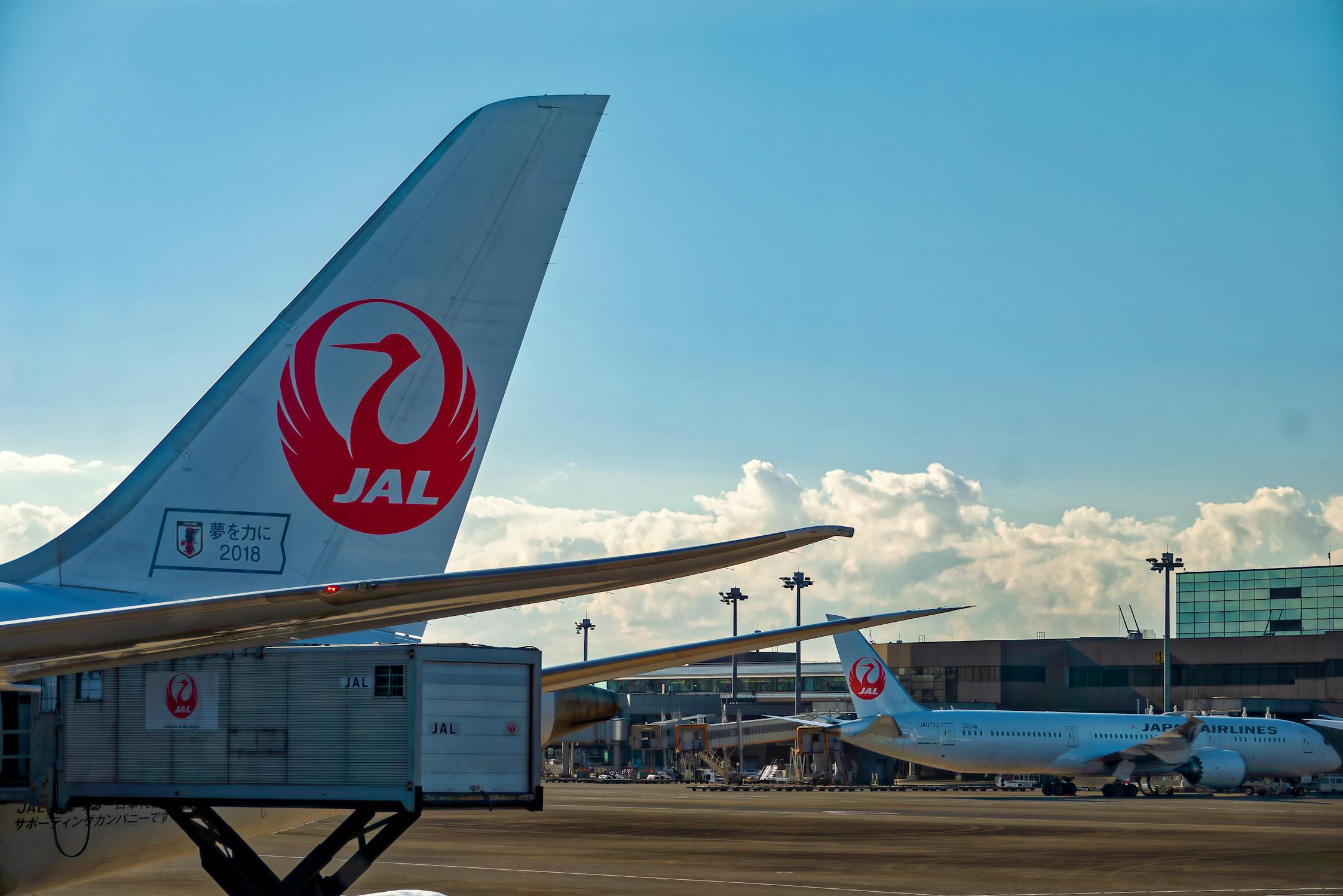
Osaka International Airport, which absolutely everyone calls Itami, handles domestic flights only. The name is a leftover from the days before Kansai opened. If you are already in Japan and flying in from Tokyo’s Haneda, Sapporo, Fukuoka, or Okinawa, Itami is the better landing spot by a wide margin: it is far closer to the centre and smaller, so you clear it fast. A limousine bus to Osaka Station and Umeda runs ¥660 and takes about half an hour. Prefer rail? The Osaka Monorail links to Senri-Chuo (¥340), where you change onto the Midosuji subway line for the run into town.
So the rule is simple. Coming from outside Japan, you are landing at Kansai whether you like it or not. Hopping between Japanese cities by air, aim for Itami.
Flying in from abroad
Kansai is well connected, and crucially it is often cheaper to fly into than Tokyo. Here is roughly what is on offer, by region.
- North America: Direct flights from Los Angeles (JAL, ANA, United, about 12 hours), San Francisco (ANA, around 11.5 hours), and Vancouver (Air Canada, roughly 10.5 hours). From most other US and Canadian cities you will connect through Tokyo or an Asian hub.
- Europe: Nonstop from London (British Airways), Helsinki (Finnair), Paris (Air France), and Frankfurt (Lufthansa), all in the 10.5 to 12 hour range. Finnair’s Helsinki connection is one of the quicker ways through from Europe.
- Asia: Heavy frequency from Seoul (1.5 hours), Shanghai (2.5), Taipei (3), Hong Kong (4), Bangkok (5.5), and Singapore (7). Budget carriers like Peach, Jetstar, and AirAsia make these routes genuinely cheap.
- Oceania: Direct from Sydney (Qantas, about 10 hours), with seasonal links from other Australian cities.
A money tip worth taking seriously: flying into Kansai on a budget airline often beats flying into Narita and then paying to cross the country. Peach, based at KIX Terminal 2, runs some of the lowest fares in Japan on both international and domestic legs. If you are watching every yen, our Osaka budget travel guide has more of this kind of thing.
The Shinkansen: how most people arrive from Tokyo
If you are already in Japan, the bullet train is almost always the answer. It is fast, it leaves on the minute, and the ride itself is part of the trip. The Tokaido Shinkansen links Tokyo and Shin-Osaka, and you will see three service names on the board.
- Nozomi: the fast one. Tokyo to Shin-Osaka in 2 hours 21 minutes, leaving every 10 to 15 minutes all day. A reserved ordinary seat costs around ¥13,870 one way.
- Hikari: about 2 hours 50 minutes, a handful fewer departures.
- Kodama: stops everywhere and takes roughly 3 hours 50 minutes. Skip it unless you are getting off somewhere obscure.
Here is the catch that catches everyone with a rail pass. The Japan Rail Pass covers the Hikari and Kodama but not the Nozomi. If you hold a pass, take the Hikari: you lose half an hour and save the entire fare. If you do not hold one, the Nozomi is worth the extra for the speed and the frequency. Whether a pass pays off at all depends on how much else you are riding, which our Osaka transportation guide gets into.
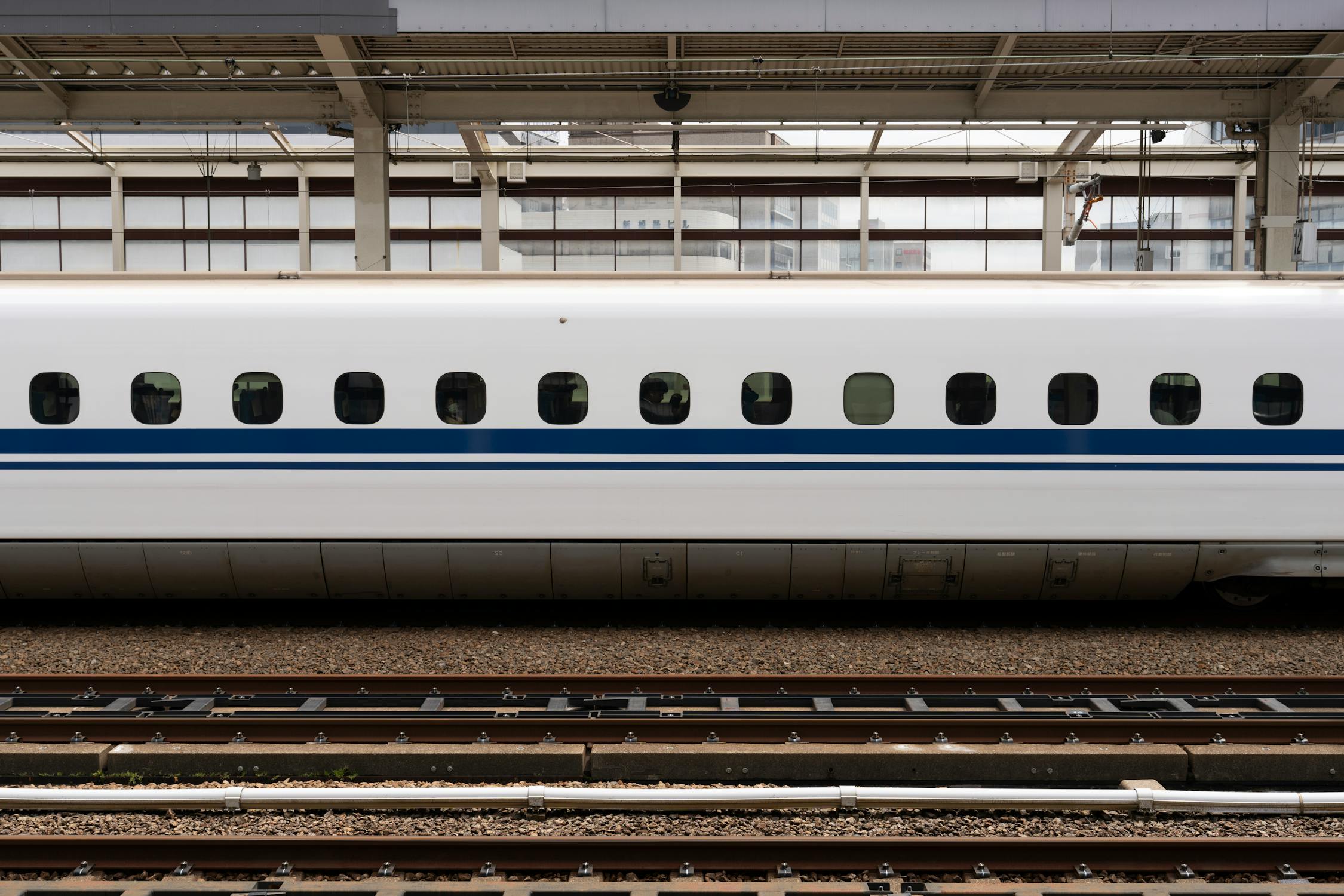
Every Shinkansen terminates at Shin-Osaka, up in the north of the city. It is not the centre, but it is one Midosuji subway stop from Umeda and about 15 minutes from Namba, so you are never stranded. Grab a station bento before you board; the ones at Tokyo Station are a small art form.
Coming from Kyoto
Kyoto to Osaka is one of the busiest rail corridors in the country, and you have four ways to ride it depending on which side of town you start and end. The Shinkansen covers Kyoto to Shin-Osaka in a flat 15 minutes (¥1,440, free on the pass). JR’s Special Rapid runs Kyoto to Osaka Station in about 28 minutes for just ¥580, the value pick. The private Hankyu Line connects Kawaramachi and Karasuma to Umeda in roughly 44 minutes for ¥400, while the Keihan Line links eastern Kyoto to Yodoyabashi in about 51 minutes for ¥420. For anyone bouncing between the two cities, our Kyoto day trip guide sorts out which line lands you where.
From other Japanese cities
The Sanyo Shinkansen carries most of the longer-haul traffic into Shin-Osaka:
- Hiroshima: about 1 hour 25 minutes on the Nozomi (¥10,440); the pass-friendly Sakura and Hikari take roughly 1 hour 40.
- Nagoya: around 50 minutes on the Nozomi (¥6,680), one of the quickest intercity hops anywhere in Japan.
- Fukuoka (Hakata): about 2 hours 25 minutes on the Nozomi (¥15,400); the Sakura is a touch slower but covered by the pass.
Highway buses: slow, cheap, and oddly practical
Buses are the budget answer, and the overnight services have a trick the train cannot match: they double as a night’s lodging. Board late, sleep through the journey, and roll into Osaka at breakfast having paid nothing for a hotel. Yes, you will sleep upright. No, it is not glamorous. But the maths is hard to argue with.
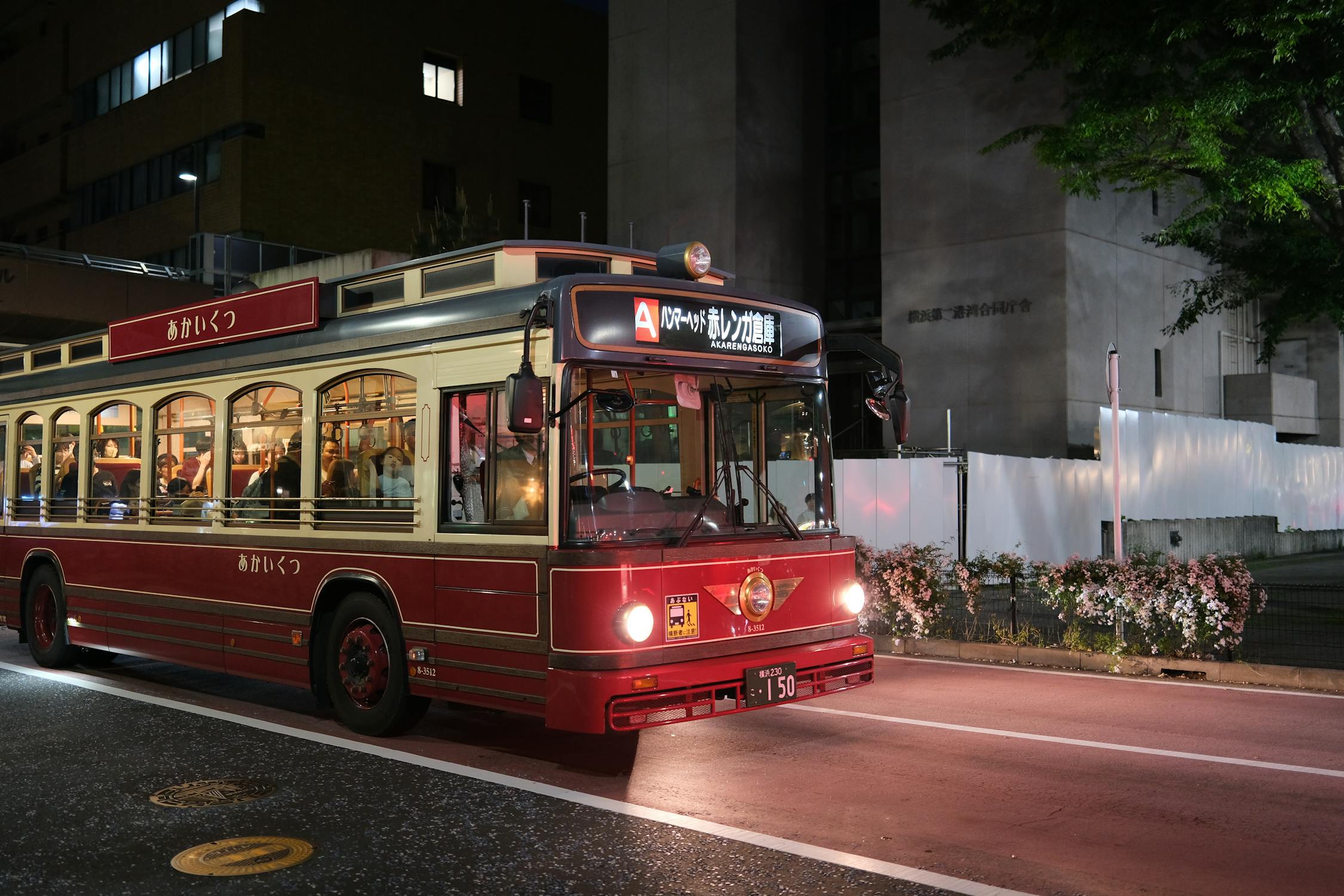
- From Tokyo: 8 to 9 hours, as little as ¥2,000 to ¥4,000 one way on budget operators like Willer Express and VIP Liner. Pay ¥5,000 to ¥8,000 for premium coaches with wider, deeper-reclining seats. Most overnight runs leave Tokyo around 10 or 11pm and arrive 6 to 7am.
- From elsewhere: Nagoya in about 3 hours from ¥1,500, Hiroshima in roughly 5 hours from ¥3,000, Kanazawa in around 5 hours from ¥3,000.
Buses usually pull in at Osaka or Umeda, or at Namba OCAT (the Osaka City Air Terminal). Book through Willer Express, Japan Bus Online, or Kosoku Bus; reserving early and travelling midweek gets you the cheapest seats. Most coaches throw in free Wi-Fi and a USB port. One honest warning: an upright seat for nine hours is not everyone’s idea of rest, so if you have a packed first day planned, the train may earn its higher price.
Domestic flights
For shorter hops the train wins, but over longer distances a domestic flight can quietly beat the Shinkansen on both price and time. The Tokyo to Osaka flight is about 1 hour 15 minutes in the air, though once you fold in airport transit, check-in, and security, door to door is realistically 3.5 to 4 hours. Budget carriers like Peach and Jetstar start around ¥5,000 to ¥8,000; ANA and JAL run ¥10,000 to ¥20,000 but reward booking ahead.
Flying makes the most sense where the train would eat four hours or more. Sapporo to Osaka (1h 50m), Okinawa to Osaka (2h 15m), and Fukuoka to Osaka (1h 15m) are all clear cases for the plane. And remember: most of these domestic flights land at Itami, closer in than Kansai, which shaves time off the back end of the trip.
Ferries, for the scenic route
This one is niche, but it exists and it is lovely. Overnight ferries connect Osaka’s Nanko Port with cities such as Beppu and Kagoshima down in Kyushu. They are slow, but like the night bus they include your bed, and you trade speed for a cabin, an onboard bath, ocean views, and a quiet deck at dawn. Nobody takes the ferry to save time. People take it because the journey is the point.
Where you will actually arrive: the four hubs
Knowing which station you land in helps you judge how far you still are from your bed. Osaka has four arrival hubs that matter.
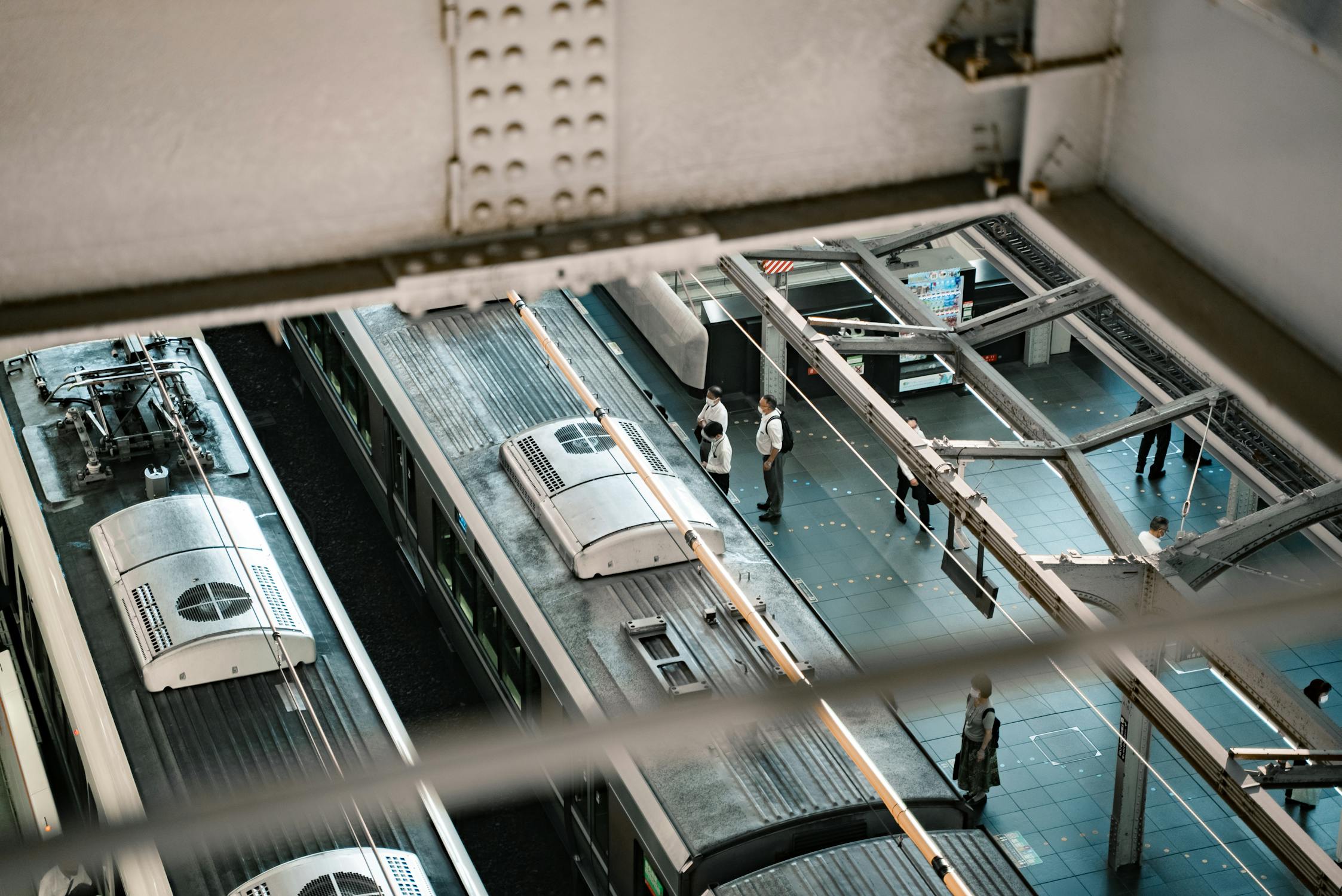
- Shin-Osaka: every Shinkansen ends here. Plug into the Midosuji subway or JR lines; Umeda is about 6 minutes away, Namba about 15.
- Osaka / Umeda: the big northern hub, where the JR, Hankyu, and Hanshin lines all meet over a knot of subway lines. If you are staying north, this is your station.
- Namba: the southern hub, closest to Dotonbori and Shinsaibashi, and where the Nankai trains from Kansai Airport arrive.
- Tennoji: the southern gateway near Shinsekai and Abeno Harukas, and the stop where the JR Haruka from Kansai pulls in.
Whichever one you surface in, the subway map ties them together, and your hotel is rarely more than a stop or two away. New to the system? Our transportation guide walks through IC cards and passes so you are not fumbling at the gate.
How to actually choose: train, bus, or plane
The numbers tell you the timings. The harder question is which set of trade-offs fits the trip you are taking. A few rules of thumb that hold up well.
Distance decides train versus plane. Out to about four hours of rail time (Tokyo, Nagoya, Hiroshima, anywhere in Kansai), the Shinkansen wins outright, because it runs city centre to city centre with no security theatre and no airport sitting an hour outside town at either end. Past four hours, the plane pulls ahead: Sapporo, Okinawa, and the far ends of Kyushu are flying territory, and the time you lose to airports is more than repaid by the shorter leg.
Budget decides train versus bus. If the difference between a ¥13,870 bullet train and a ¥3,000 overnight bus is the difference between an extra night out in Osaka or not, the bus is doing real work for you, especially because it also wipes out a hotel bill. The cost is comfort and a proper night’s sleep. Only you know how much you value those after a flight.
And your first morning decides whether the savings are worth it. A night bus that drops you in Osaka at 6am sounds efficient until you are standing outside your hotel at dawn, bleary, with check-in seven hours away. If your plan for day one is ambitious, arrive rested. If day one is a write-off anyway, save the money. For working out what that first day might cost you, our Osaka trip cost breakdown is a useful sanity check.
Timing and booking your arrival
When you travel changes both the price and the crush. Two periods in particular are worth steering around if you can. Cherry blossom season in late March and early April, and the Golden Week holidays at the start of May, send domestic demand through the roof: Shinkansen reserved seats sell out, bus fares climb, and flights fill. If your dates are flexible, shoulder seasons are kinder on both the wallet and the queues, and our guide to the best time to visit Osaka lays out the seasonal trade-offs in full.
Booking windows differ by mode, too. Budget flights and overnight buses reward early reservations hardest: the cheapest fares vanish first, and weekday departures almost always beat weekends. The Shinkansen is the relaxed one: you can reserve a seat days ahead for peace of mind during peak weeks, or simply walk up and ride in a non-reserved car the rest of the year, since trains leave every few minutes anyway. Whatever you book, give yourself a buffer on connection times. Japanese transport runs to the minute, which is wonderful until you are the one sprinting for a platform.
Tokyo to Osaka, side by side
Since Tokyo to Osaka is the route most visitors weigh up, here is the whole thing in one glance.
| Option | Time | Cost (one way) | Best for |
|---|---|---|---|
| Shinkansen Nozomi | 2h 21m | ~¥13,870 | Speed and comfort, no pass |
| Shinkansen Hikari (JR Pass) | 2h 50m | Covered by pass | Rail Pass holders |
| Domestic flight | ~1h 15m air (3.5–4h door to door) | ¥5,000–¥20,000 | Early bookers on budget carriers |
| Highway bus | 8–9h | ¥2,000–¥8,000 | Saving a night’s hotel |
For most people the Shinkansen hits the sweet spot: quick enough, comfortable, and an experience in itself. If you are counting pennies, the overnight bus or a budget flight booked well ahead will do it for less. Either way, plan your dates around the seasons too, because peak periods change both price and crowds, and our guide to the best time to visit Osaka helps you pick your window.
Frequently asked questions
What is the fastest way to get to Osaka from Tokyo?
The Nozomi Shinkansen, at 2 hours 21 minutes city centre to city centre. A flight is shorter in the air but loses its lead once you add airport transfers and security, landing at a realistic 3.5 to 4 hours door to door.
What is the cheapest way to get to Osaka?
An overnight highway bus, from as little as ¥2,000 from Tokyo, and it saves you a night’s accommodation on top. A budget flight booked weeks ahead can rival it, but only if you avoid pricey airport transfers at both ends.
Should I fly into Osaka or fly into Tokyo?
If Osaka and the Kansai region are your focus, fly straight into Kansai International. Budget-carrier fares into KIX are often lower than into Narita, and you skip the long, expensive haul across from Tokyo entirely.
Which Osaka airport will my flight use?
International flights all use Kansai International (KIX). Domestic flights from within Japan mostly use Itami (ITM), which is closer to the city centre and quicker to clear.
Is the Japan Rail Pass worth it for getting to Osaka?
It depends on your wider itinerary. A pass covers the Hikari but not the faster Nozomi, so a single Tokyo–Osaka return alone rarely justifies the price. It tends to pay off only if you are also riding the Shinkansen to places like Hiroshima or Kyoto on the same trip.
Sorted your route in? Your next job is the last leg from the runway to your hotel, and that is its own puzzle worth getting right. Read the Kansai Airport to Osaka transport guide before you land so you walk off the plane knowing exactly which platform to head for.
Arriving via Tokyo? Our Osaka to Tokyo guide compares the Shinkansen, the night bus and the flight in both directions, with 2026 fares.
Landing at the domestic airport? Our Itami airport guide compares the limousine buses, both monorail routes and taxis, with the best option for each part of the city.