This article contains advertising. Our booking links are routed through a partner that adds commission tracking automatically, so if you book through one we earn a commission from the provider, at no extra cost to you. It never affects what we recommend. Affiliate disclosure
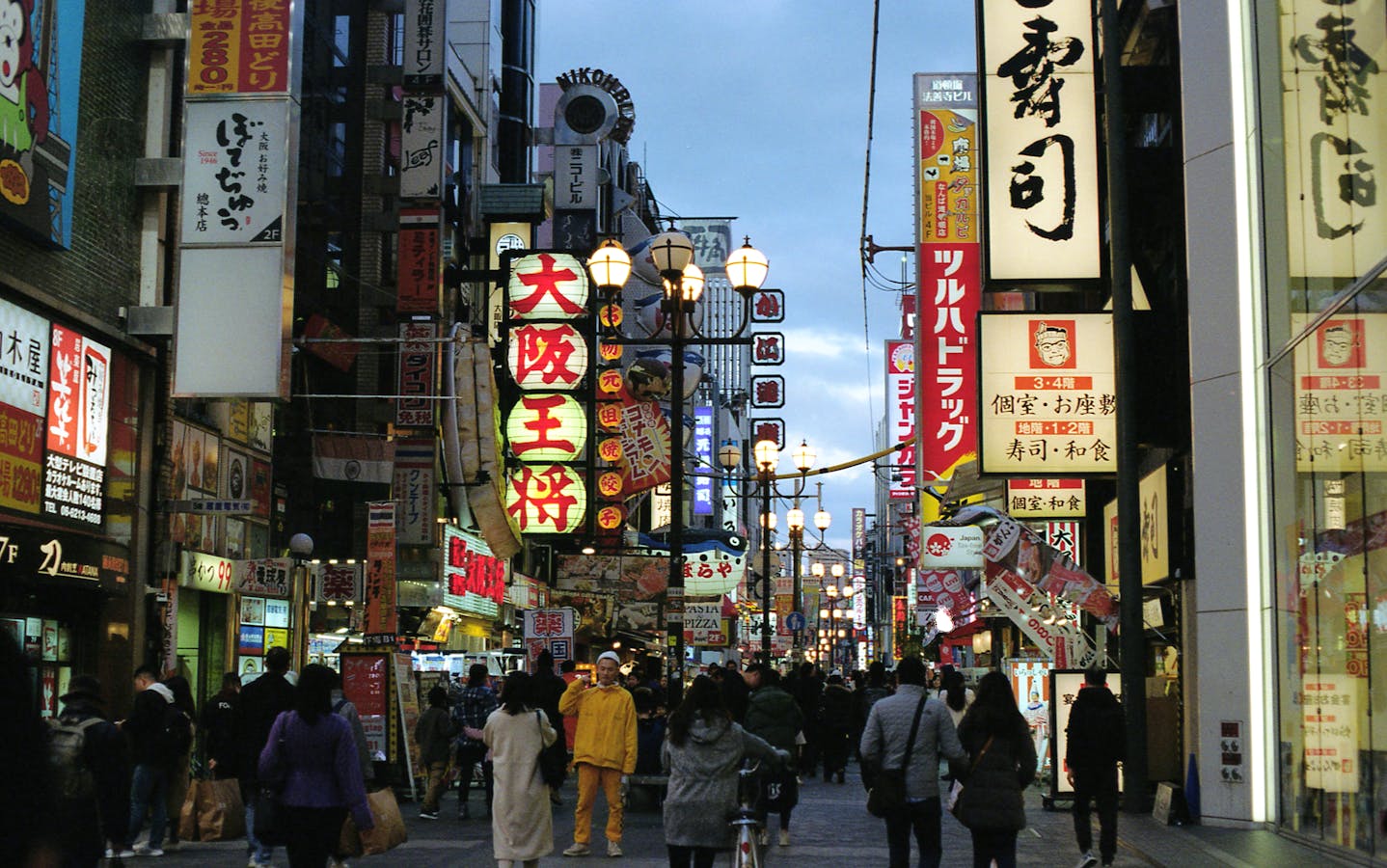
Planning your first time in Osaka? You’re in for a treat. Japan’s third-largest city is the loud, food-obsessed, neon-soaked counterweight to buttoned-up Tokyo, and it’s arguably the easiest big Japanese city for first-time visitors to fall in love with. Locals are famously direct and friendly, the food scene is outrageously good, and most of the big-name attractions are clustered into a few walkable districts.
That said, there’s a learning curve. Cash etiquette, train fare gates, escalator sides (yes, really), tipping rules, restaurant queue systems, and even how you eat takoyaki on the street all have unwritten rules. This guide covers the 15 essential first-time Osaka tips we wish every visitor knew before landing at Kansai Airport. Read it before you book, then again the night before you fly.
Quick-Reference: First Time Osaka Tips at a Glance
- Plan 3–5 days minimum if Osaka is your only stop, or 2–3 days if pairing with Kyoto.
- Buy an ICOCA IC card at the airport and load 5,000–7,000 yen for transit and convenience-store payments.
- Stay in Namba or Umeda. Both are walkable, transit-rich, and beginner-friendly.
- Carry cash. Many small restaurants, izakayas, and shrines are still cash-only.
- Stand on the right on escalators (the opposite of Tokyo).
- Don’t tip. It’s not just unnecessary – it can confuse or offend staff.
- Don’t eat while walking, even in food-stall areas. Eat on the spot, or step aside.
- Reserve big-name restaurants 1–4 weeks ahead, especially for sushi, kaiseki, and famous ramen counters.
1. Pick the Right Length of Stay (3–5 Days Is the Sweet Spot)
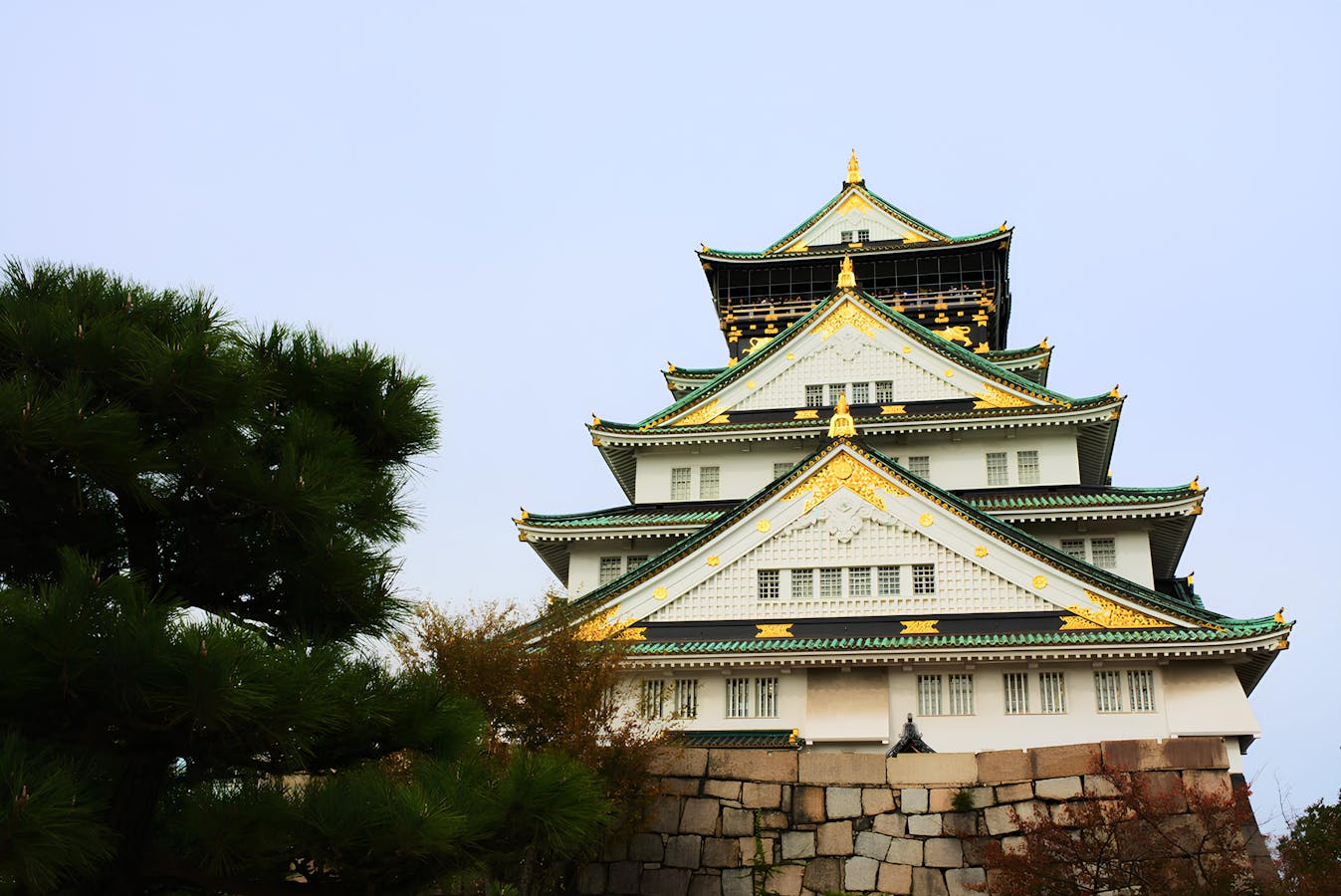
The single biggest mistake first-time visitors make is treating Osaka as a one-night stopover between Tokyo and Kyoto. Osaka is a destination in its own right, with two distinct downtown cores (Namba/Minami in the south, Umeda/Kita in the north), a food scene that ranks among Japan’s best, a 16th-century castle, family attractions like Universal Studios Japan and the Kaiyukan Aquarium, and easy day trips to Nara, Kobe, Himeji, and Kyoto.
Three days is the bare minimum for a satisfying first visit. Four to five days lets you slow down, take a day trip, and actually sit at a counter ramen shop or okonomiyaki spot without rushing. If you’re trying to squeeze Osaka, Kyoto, Nara, and Hiroshima into one week, scrap one and use that extra day in Osaka instead. The trip will be better. That spare morning is what buys you somewhere like Sumiyoshi Taisha, Osaka’s oldest shrine, ten minutes south of Namba on a Nankai local train for ¥240.
2. Fly Into Kansai International Airport (KIX), Not Itami
Most international travelers arrive at Kansai International Airport (KIX), the artificial-island airport about 45 km south of central Osaka. KIX has direct international service from North America, Europe, Australia, and most of Asia. Itami Airport (ITM) is closer to the city but handles only domestic flights, so you’ll only see it on a connecting itinerary.
From KIX into central Osaka, your three best options are:
- Nankai Rapi:t Express – about 38 minutes to Namba Station, around ¥1,490. The fastest direct route to the south side of town.
- JR Haruka Express – 50 minutes to Tennoji or Shin-Osaka, ideal if you’re heading to a JR-connected hotel or onward Shinkansen.
- Airport limousine bus – 50–70 minutes door-to-door at major hotels, ¥1,600–1,800. Best with bulky luggage.
For a deeper comparison of all transfer options including pricing, journey times, and which to pick based on your hotel area, see our Kansai Airport to Osaka transfer guide.
3. Buy an ICOCA Card on Arrival – It’s Non-Negotiable
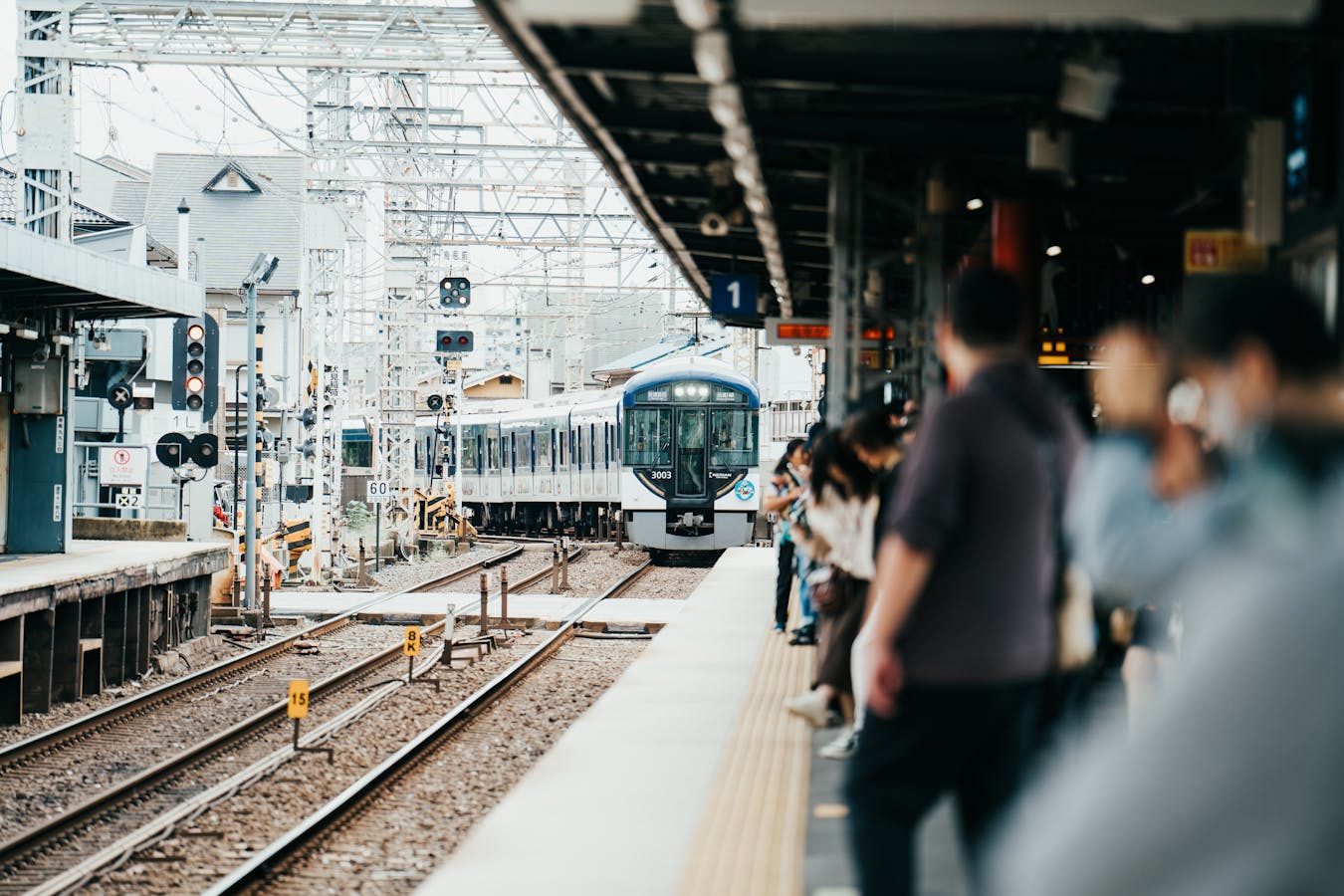
An ICOCA is Osaka’s prepaid IC card – a tap-to-pay smart card that works on every subway, train, and most buses across the entire Kansai region (and Tokyo, and Kyoto, and pretty much anywhere with a transit gate). You can also use it at convenience stores, vending machines, station coin lockers, and many shops. It eliminates almost every paper-ticket interaction in your trip.
Pick one up at any JR ticket office at Kansai Airport (look for the green JR West signage) or at a Suica/PASMO/ICOCA vending machine in any major station. Load 5,000–7,000 yen at the start. You can top up anywhere with cash. Suica and PASMO from Tokyo work identically – if you’re flying in via Tokyo and already have one, just keep using it.
For deeper subway navigation including line colors, transfer stations, and hidden cost-savers, see our complete Osaka transportation guide.
4. Stay in Namba or Umeda for Your First Trip
Where you sleep dictates how much time you waste in transit. For a first visit, two areas dominate:
- Namba (Minami) – Walking distance to Dotonbori, Shinsaibashi shopping, Kuromon Market, and the nightlife strip of Amerikamura. Energetic, neon-lit, slightly chaotic. Best for first-timers who want to be in the middle of everything.
- Umeda (Kita) – Around Osaka Station and Umeda Sky Building. Cleaner, quieter, more business-like. Excellent for travelers continuing to Kyoto, Hiroshima, or Tokyo by Shinkansen because Shin-Osaka is two stops away.
Avoid staying near Osaka Castle, Universal Studios, or the Bay area on your first visit. They’re scenic but isolated, and you’ll burn 30–45 minutes each way getting to the food and shopping districts.
For a full breakdown of every neighborhood with hotel recommendations across budgets, see our where to stay in Osaka guide.
5. Don’t Underestimate How Much Cash You’ll Need
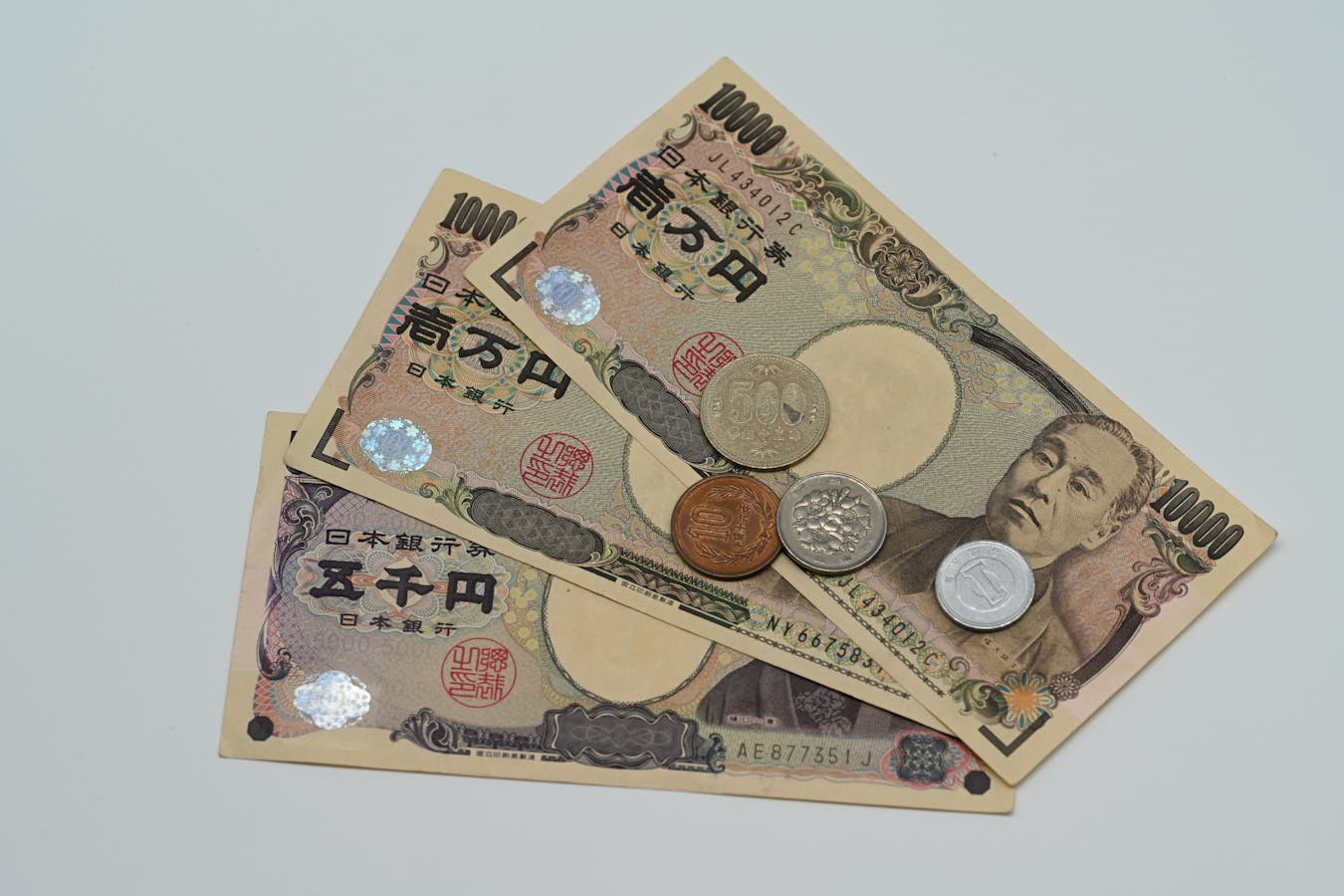
Japan is more cash-based than its high-tech reputation suggests, especially in older neighborhoods and family-run restaurants. Credit cards are accepted at hotels, department stores, large chain restaurants, and most convenience stores, but a surprising number of izakayas, ramen counters, market stalls, kissaten cafés, and small shrines are cash only.
Withdraw cash from the ATM at any 7-Eleven, FamilyMart, or Lawson – these convenience stores have the only ATMs in Japan that reliably accept foreign-issued debit cards 24/7. Bank ATMs often refuse foreign cards or close at night. Plan to carry at least ¥10,000–20,000 in cash at any given time.
For a detailed daily-spend estimate including hotels, transport, food, and attractions, see our Osaka trip cost breakdown.
6. Learn the Escalator Rule (It’s the Opposite of Tokyo)
This is the tip that separates the prepared first-timer from the obvious tourist. In Osaka, you stand on the right side of the escalator, leaving the left side open for people walking up. In Tokyo, it’s reversed – stand on the left, walk on the right. Almost every other Japanese city follows the Tokyo rule, which is why Osaka’s habit feels deliciously rebellious.
The local theory is that this dates back to the 1970 Osaka Expo, when the city wanted to accommodate international visitors. Whatever the origin, you’ll catch yourself on the wrong side at least once, and the gentle nudge from a businessman trying to get past will be your reminder.
7. Don’t Tip. Anywhere. Ever.
Tipping is not a Japanese custom, and trying to tip can actively confuse staff. Service charges are built into prices. If you leave money on a restaurant table, expect a server to chase you down the street to return it – that’s not exaggeration, it happens regularly. Taxi drivers, hotel staff, tour guides, hairdressers, and bartenders all expect zero gratuity.
The exception is private guides hired through international platforms who explicitly mention tipping in their booking confirmation. Otherwise, the most you should do is offer a sincere “arigatou gozaimasu” (thank you very much) and a small bow.
8. Eat Where the Food Is – Standing, Sitting, or in a Tiny Counter Shop
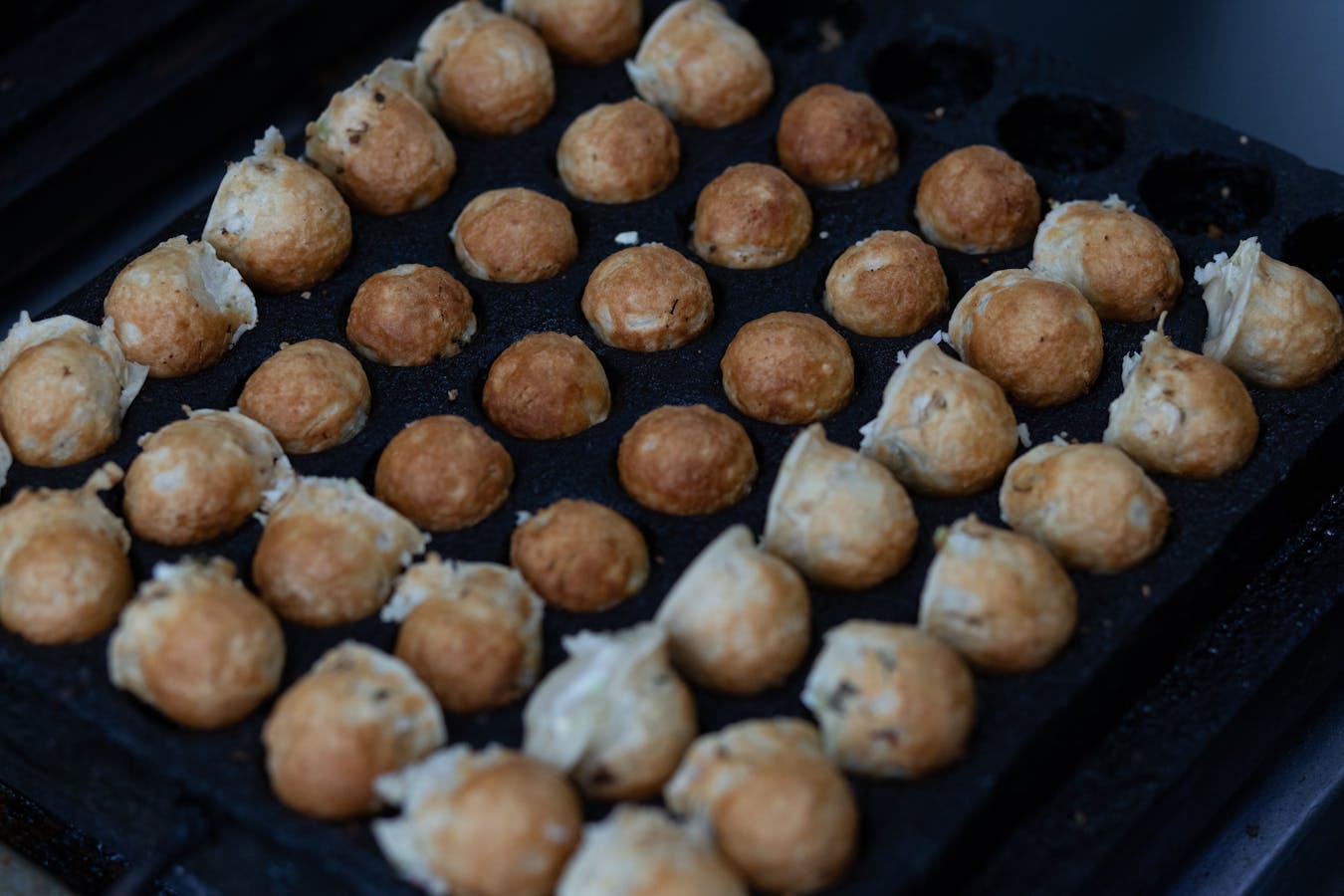
Osaka isn’t called tenka no daidokoro (“the nation’s kitchen”) for nothing. The unwritten rule for first-time eaters: don’t waste a meal on hotel buffets or international chains. Some essentials to hit:
- Takoyaki – Wheat-flour balls stuffed with octopus, scallions, and pickled ginger, drizzled with sauce, mayo, bonito flakes, and seaweed. Osaka invented this. Try a piping-hot batch at any Dotonbori standing-counter stall.
- Okonomiyaki – A savory cabbage pancake cooked on a hot teppan grill at your table. Often described as “Japanese pizza,” but it’s really its own thing. Order at Mizuno or Chibo in Dotonbori.
- Kushikatsu – Skewered, breaded, deep-fried bites of meat, seafood, and vegetables. Born in Shinsekai. The big rule: don’t double-dip in the communal sauce.
- Kuromon Market sashimi – Wagyu skewers, fresh oysters, and uni eaten standing up at the stall. Bring cash.
For a curated list of where to eat each Osaka specialty, see our complete Osaka food guide.
9. Don’t Eat While Walking (Even at the Food Stalls)
This trips up almost every Western tourist. In Japan, eating while walking down the street is considered messy and disrespectful. At food-stall districts like Dotonbori or Kuromon Market, the convention is to eat your takoyaki, croquette, or skewer standing right next to the stall, then drop your trash in the vendor’s bin before moving on.
The same rule applies to drinks. If you buy a coffee or smoothie, drink it standing or sitting near the shop. Public bins are scarce in Japan, so you’ll be carrying any trash for a while if you wander.
10. Voices Down on Trains and Buses
Japanese public transport is uncannily quiet. People don’t talk on phones (it’s actually announced as forbidden), conversations are whispered, and noise from a tour group of foreigners is instantly recognizable to every local in the carriage. Set your phone to silent (Japanese call it “manner mode”), and save the loud catch-up chats for when you’re off the train.
11. Reserve Top Restaurants 1–4 Weeks Ahead
Osaka’s most famous restaurants – think Michelin-starred sushi, kaiseki specialists, and viral ramen counters – book out weeks in advance. If there’s a specific spot you’ve seen on YouTube or in a guidebook, reserve via your hotel concierge or platforms like TableCheck or Pocket Concierge before you fly.
For walk-ins, avoid prime dinner hours (7–8:30 pm). Lunch is far easier and often half the price for the same chefs. The “second seating” at 9 pm is another reservation hack at busy spots. Nine is also when the drinking districts fill up, and our guide to Osaka’s bars and late-night districts sorts out which one to walk to after dinner.
12. Pack the Right Gear for the Right Season
Osaka’s climate has four pronounced seasons, and what you pack matters more than first-time visitors expect:
- Spring (March–May) – Layers and a light rain shell. Cherry blossom season is busy and showers are common.
- Summer (June–September) – Brutally humid (35°C+). Linen, breathable fabrics, sunscreen, a hand fan, and a folding umbrella for typhoon-season showers.
- Autumn (October–November) – The most comfortable season. Light sweater plus a packable jacket.
- Winter (December–February) – Chilly but rarely below freezing. A warm coat, scarf, and gloves are enough; snow is uncommon in central Osaka.
For full season-by-season packing details, see our Osaka packing list.
13. Get Pocket Wi-Fi or an eSIM Before You Need It
Free Wi-Fi exists in Japan but it’s spottier than locals admit. Stations, cafés, and convenience stores often have it, but you’ll be navigating Google Maps, translating menus, and checking train times constantly – and you do not want to lose connectivity halfway through a transit transfer.
The two solid options are a pocket Wi-Fi rental (delivered to your hotel or picked up at the airport, typically ¥600–900/day) or a travel eSIM like Airalo, Ubigi, or Sakura Mobile (¥1,500–4,000 for 1–2 weeks of data). For most travelers eSIMs are now the easier choice – nothing to pick up, nothing to return.
14. Plan One Day Trip – But Just One
Osaka is the most strategically located base in western Japan. From any central station, you can be in Kyoto in 15 minutes, Nara in 35, Kobe in 30, and Himeji in 1 hour. First-timers often try to fit two or three day trips into a 4-day Osaka stay – it’s a mistake. Pick one, go slow, and actually enjoy it. On your first morning in the city itself, a tip-based walking tour is the fastest way to get your bearings.
- Kyoto – The classic culture-first day trip. Fushimi Inari, Arashiyama bamboo, and Gion in one well-paced day.
- Nara – Half-day option. Friendly free-roaming deer, Todai-ji’s giant Buddha, and Nara Park.
- Himeji – Japan’s most beautiful surviving castle, an hour each way by Shinkansen.
- Kobe – Wagyu beef, port views, and easy half-day pacing.
For full itineraries, opening hours, and transit details, see our day trips from Osaka guide.
15. Slow Down – The Best Osaka Memories Aren’t on the Itinerary
The biggest first-timer regret isn’t missing an attraction – it’s running so hard between the big sights that you never sat at a counter in a 6-seat izakaya, never wandered into a back-alley jazz bar in Shinsaibashi, never accepted the half-conversation in broken English from a curious salaryman at the next stool over. Osaka is a city designed for serendipity. Build at least one unstructured evening into your itinerary. An hour in one of Osaka’s private karaoke boxes runs ¥100 to ¥300 per person per half hour outside peak nights, and most chains stay open round the clock, so it works as a late fallback. You’ll remember it longer than the castle photos.
First-Time Osaka Tips: Quick FAQ
How many days should a first-time visitor spend in Osaka?
Three to five days is the sweet spot. Three days covers the major districts (Namba, Umeda, Osaka Castle, Universal Studios area) at a reasonable pace. Four to five lets you add a Kyoto or Nara day trip without feeling rushed.
Is Osaka safe for first-time solo travelers?
Extremely. Japan is consistently rated one of the safest countries on earth, and Osaka is safe even late at night. Petty crime is rare, lost wallets are routinely returned with cash intact, and women travel solo throughout the city without issues. Standard urban awareness is enough.
Do I need to speak Japanese?
No. English signage covers all major stations, attractions, and tourist areas. Restaurants in Namba and Umeda often have English menus or photo menus. Outside the tourist core, English drops off, but Google Translate’s camera mode handles menus and signs reliably.
Should I visit Tokyo first or Osaka first?
Either works. Many travelers prefer flying into Tokyo and exiting from Osaka (or vice versa) using a multi-city ticket. If your trip is Osaka-only, KIX has direct flights from most major hubs and is genuinely a better introduction to Japan than Tokyo for many first-timers – it’s friendlier, smaller, and more food-focused.
What’s the biggest mistake first-time visitors make in Osaka?
Treating it as a one-day side trip from Kyoto. Osaka rewards visitors who slow down, especially around food and nightlife. The second biggest mistake is not bringing enough cash – you’ll need it for half the food worth eating.
Ready to Plan Your First Osaka Trip?
These 15 tips will save you the rookie mistakes – but the rest of your planning still needs to happen. Start with the Ultimate Osaka Travel Guide for the full overview, then dive into when to visit, where to stay, and what to do. Osaka rewards travelers who do their homework. See you in Dotonbori.
Once you have the basics, our Osaka travel tips guide is the deeper practical reference — money, the 2026 tax-free change, accessibility and the mistakes we watch visitors repeat.
For a ready-made plan to hang all of this on, see our 3 days in Osaka itinerary, which is built around how the city is actually laid out.
A dozen words changes how people respond to you — our Japanese phrases for Osaka guide covers the useful ones, including the Kansai dialect locals are delighted to hear.
Getting money right on day one saves a fortnight of small irritations. Cash, cards and IC cards in Osaka covers how much yen to withdraw, why you should always decline your own currency at a terminal, and where cash is still the only option.


