This article contains advertising. Our booking links are routed through a partner that adds commission tracking automatically, so if you book through one we earn a commission from the provider, at no extra cost to you. It never affects what we recommend. Affiliate disclosure
Free walking tours Osaka deliver one of the highest-value introductions to the city for budget travelers. Tip-based group tours (run by local guides who depend on tips) cost JPY 1,500-2,500 per person in customary tips; self-guided walking routes via free apps cost JPY 0, which puts them alongside the best free things to do in Osaka; design-your-own routes give complete flexibility over pace and stops. This 2026 guide covers the main tip-based tour operators (Osaka Free Walking Tour, Osaka Localized), best apps for self-guided exploration (GPSmyCity, VoiceMap, izi.travel), and three downloadable walking-route templates designed for different traveler types – history, food, and neighborhoods. Plus practical advice on tipping customs, meeting points, and what to bring.
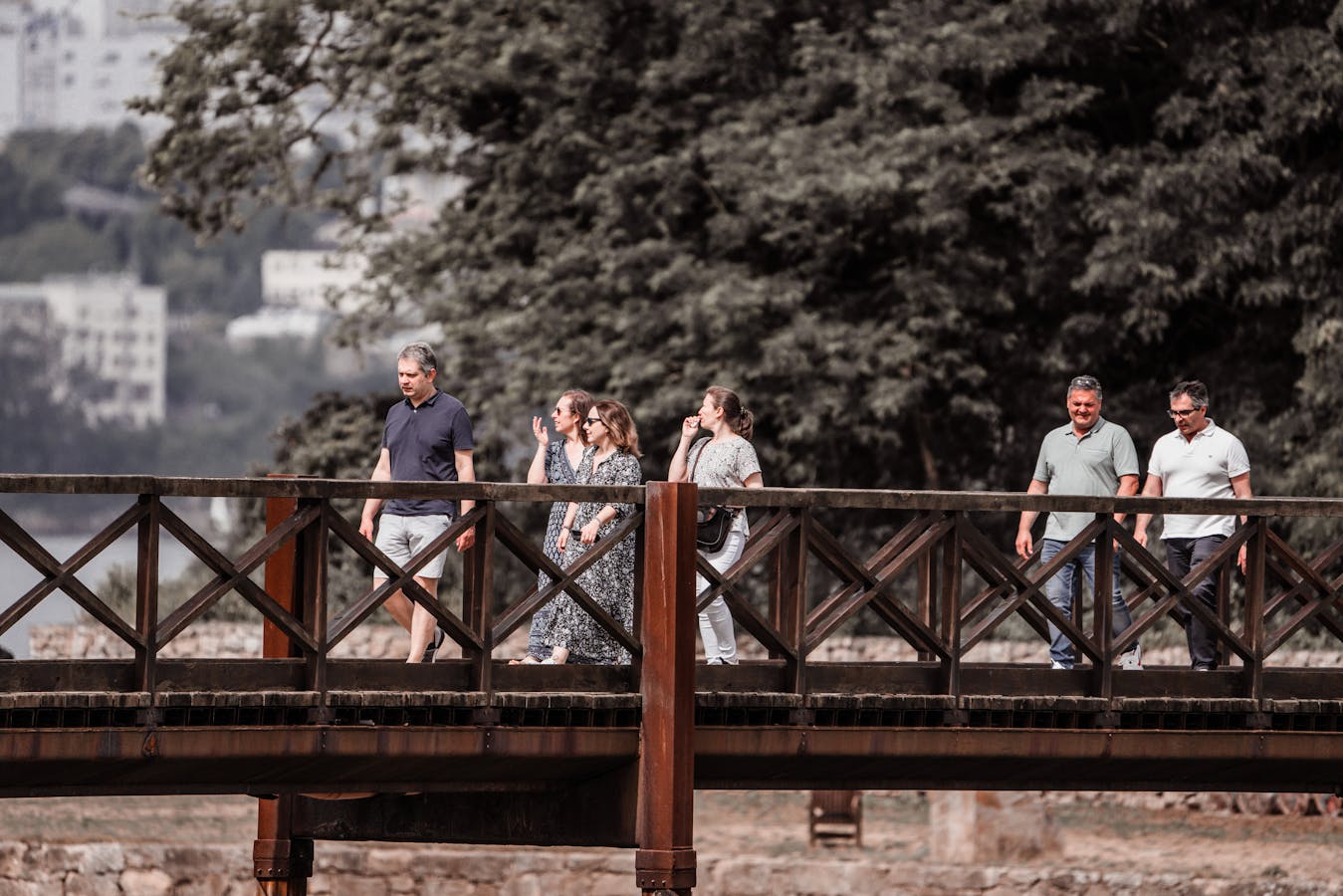
Tip-Based Group Tours
Osaka Free Walking Tour
- Operator: Local volunteer guides
- Meeting point: Osaka Castle Otemon Gate
- Schedule: Daily 10:00 AM
- Duration: 2.5-3 hours
- Route: Osaka Castle outer grounds + historical sites
- Languages: English (Japanese for locals)
- Cost: Free; customary tip JPY 1,500-2,500
- Group size: 8-25 typical
- Best for: First-time visitors wanting historical context
Osaka Localized
- Operator: Local guide network
- Meeting point: Ebisu Bridge (Glico sign) in Dotonbori
- Schedule: Daily 11:00 AM and 4:00 PM
- Duration: 2-2.5 hours
- Route: Dotonbori, Hozenji Yokocho, Namba, Ura-Namba
- Languages: English
- Cost: Free; customary tip JPY 1,500-2,500
- Best for: Food and nightlife focus
GuruWalk Aggregator
- Platform: Free booking site listing many local guides
- Search: “Osaka” on GuruWalk.com
- Tour variety: 20+ different themed tours
- Booking: No credit card required
- Cost: Free tour + customary tip JPY 1,500-2,500
Tipping Customs for Free Walking Tours
- Standard tip: JPY 1,500-2,500 per person
- Premium tip (excellent experience): JPY 3,000-5,000
- Minimum acceptable: JPY 1,000 per person
- Currency: Yen preferred over USD
- Payment: Cash to guide at end of tour
- Note: Tipping is NOT customary in Japan generally – free walking tours are an exception
Self-Guided Walking Apps
GPSmyCity
- Format: Pre-designed walking tours; offline maps
- Osaka tours available: 10+ themed routes
- Cost: Most free; some premium routes USD 5-10
- Languages: Multiple including English
- Offline functionality: Yes (essential)
- Best for: Smartphone-comfortable solo travelers
VoiceMap
- Format: Audio-guided walks; GPS-triggered narration
- Osaka tours: Multiple themed walks
- Cost: USD 4-8 per tour
- Languages: English
- Best for: Travelers who want narrated context
izi.travel
- Format: Free audio tours by independent creators
- Osaka tours: 5-10 user-created tours
- Cost: Free
- Quality: Variable (read reviews before downloading)
- Best for: Budget travelers willing to experiment
Three Self-Guided Walking Routes
Route 1: Osaka Castle to Tenjinbashi (Historical) – 4 km
- Start: Osaka Castle Park (Tanimachi-yonchome Station)
- Stop 1 (1km in): Osaka Museum of History
- Stop 2 (2km in): Walk along Honmachi-dori
- Stop 3 (3km in): Cross Yodogawa River
- End: Osaka Tenmangu Shrine + Tenjinbashi-suji arcade entrance
- Time: 90-120 minutes walking + 30-45 min museum
- Highlights: Castle history, Edo-period Osaka, longest shopping arcade in Japan
- Cost: JPY 600 castle donjon admission + JPY 600 museum admission = JPY 1,200
Route 2: Namba to Shinsekai (Food + Nightlife) – 3 km
- Start: Namba Station + Dotonbori canal area
- Stop 1 (0.5 km in): Hozenji Temple + Yokocho lantern alley
- Stop 2 (1.5 km in): Den Den Town anime district
- Stop 3 (2.5 km in): Tsutenkaku Tower + Shinsekai retro district
- End: Shinsekai kushikatsu dinner
- Time: 2-3 hours including snacks and photos
- Cost: Free + food (JPY 2,000-3,000)
Route 3: Nakanoshima Museum Loop (Culture) – 5 km
- Start: Higobashi Station
- Stop 1 (0.5 km in): Nakanoshima Museum of Art
- Stop 2 (1.5 km in): National Museum of Art
- Stop 3 (3 km in): Central Public Hall (1918 architecture)
- Stop 4 (4 km in): Cross Yodogawa to Umeda Sky Building
- End: Umeda Station
- Time: 3-4 hours including museum visits
- Cost: JPY 1,500-3,000 admissions
Design Your Own Walking Route
Building Block Approach
- Pick 4-6 stops based on your interests (food, history, neighborhoods)
- Connect via walking (not Metro) when feasible (under 2 km between stops)
- Plan 30-60 minutes per stop + 10-15 min walking between
- Total tour: 3-5 hours typically
- Build in lunch stop: Around hour 2.5-3
- End near transit: So you can take Metro back easily
Sample Custom Itinerary (Foodie Focus)
- Stop 1: Kuromon Market (morning food crawl)
- Walk: 15 min to Dotonbori
- Stop 2: Takoyaki at Wanaka or Aizuya
- Walk: 10 min to Hozenji Yokocho
- Stop 3: Hozenji Temple + alley browse
- Walk: 15 min to Shinsekai
- Stop 4: Kushikatsu lunch at Daruma
- Walk: 10 min to Tennoji
- Stop 5: Tennoji Park rest
- Total: 3.5 hours; ~5 km walking; JPY 4,000-5,000 food
Day Pass Strategy for Walking Tours
- Enjoy Eco Card (1-day Metro): JPY 620 weekend / JPY 820 weekday
- Best for: Multi-walking-tour days where you Metro between distant neighborhoods
- Osaka Amazing Pass: JPY 3,500 if combined with attraction-heavy day
- ICOCA Card: Pay-as-you-go; flexible
What to Bring on a Walking Tour
- Comfortable walking shoes (will cover 5-15 km)
- Light backpack (water, snacks, charger)
- Phone with offline maps downloaded
- Phone charger battery
- Cash (for snacks, drinks, vendor purchases)
- Hat and sunscreen (April-October)
- Light rain jacket (year-round wisdom)
- Camera or smartphone with sufficient battery
- Towel for sweating (summer)
- Hand warmers (December-February)
Pace Strategy
- Total walking distance per day: 5-10 km comfortably; 15+ km is taxing
- Pace: 4-5 km/hour normal; 3-4 km/hour with stops and photos
- Rest stops: Plan one every 1-1.5 hours
- Mid-day break: 60-90 minutes for lunch + sit-down rest
- Afternoon hydration: 500 ml water every hour
Best Times for Walking Tours
- April-May: Cherry blossoms + comfortable weather; ideal walking
- October-November: Cool, dry weather; autumn foliage adds visual interest
- Mid-March-Early April: Sakura week; high-traffic but visually rewarding
- Late November-Early December: Foliage peak in mountain spots
- Avoid: Mid-July to mid-September (extreme heat + humidity)
- Avoid: June (rainy season)
- Less ideal: January-February (cold but dry)
Photography Tips on Walking Tours
- Lens choice: Wide-angle 24-50mm for streetscape; mid 50-85mm for portraits; long 70-200mm rarely needed
- Smartphone: Modern phones cover 90% of walking-tour photography needs
- Tripod: Useful for night photography (Dotonbori illumination); usually OK on public streets but check at specific sites
- Drone: Prohibited at most major Osaka attractions
- Photographing people: Ask before photographing local residents in their daily routines
- Avoid: Flash inside temples, museums, or in dark restaurants
Walking Tour Etiquette
- Stay to the left on sidewalks (Japanese pedestrian rule)
- Avoid blocking shop entrances when stopping for photos
- Quieter voices on residential streets (mornings especially)
- Don’t enter shrine sub-buildings or residential areas not marked for tourists
- Respect requested no-photography zones
- Carry your trash with you (limited public trash cans)
- Don’t smoke while walking (designated smoking areas only)
- Stop for pedestrian signals even if no traffic visible
Combining Walking Tours with Other Activities
- Morning walking tour + afternoon attraction: Castle tour + USJ next day
- Walking tour + cooking class: Cultural + food immersion day
- Walking tour + temple visit: Tennoji area combined approach
- Multi-day walking tour series: Different neighborhood each day
Practical Tips
- Confirm meeting points: Glico sign in Dotonbori has multiple Ebisu Bridges; verify exact location
- Arrive 10 minutes early: Tours often start exactly on time
- Bring water: Vendors abundant but pricing premium near attractions
- Charge phone overnight: Daily 8-10 hour walking drains battery
- Battery pack: Bring 10,000 mAh+ for safety
- Cash on hand: JPY 5,000+ for spontaneous food and emergencies
- Tour cancellation: Tip-based tours rarely cancel; weather extremes may shorten route
- Group size: Walking tour groups can be large (15-30); arrive early to position near guide
Solo vs. Group Walking
Tip-Based Group Tours
- Pros: Local guide context; meeting fellow travelers; structured itinerary
- Cons: Pace dictated by group; large group photos awkward; tip required
Self-Guided
- Pros: Complete pace control; pause anywhere; cheap or free
- Cons: Less local context; possible to miss key details; can feel lonely
Audio-Guided
- Pros: Narrated context; flexible pace; affordable
- Cons: Requires headphones; quality varies; less interactive
Sample 3-Day Walking Tour Trip
Day 1: Free Group Tour Introduction
- Morning: Osaka Free Walking Tour (Castle area)
- Lunch: Hozenji Yokocho
- Afternoon: Self-guided Dotonbori + Shinsaibashi shopping
- Evening: Dinner in Tenma
Day 2: Self-Guided Cultural Day
- Morning: Osaka Museum of History
- Mid-day: Walk through Nakanoshima
- Lunch: Museum cafe or nearby
- Afternoon: Nakanoshima Museum of Art + National Museum of Art
- Evening: Cocktail bar in Kitashinchi
Day 3: Self-Guided Neighborhood Crawl
- Morning: Nakazakicho hipster cafes
- Mid-day: Walk to Tenma; explore Tenjinbashi-suji arcade (Japan’s longest)
- Lunch: Tenma area
- Afternoon: Continue walking arcade to Osaka Tenmangu Shrine
- Evening: Tenma standing-bar crawl
Common Mistakes
- Booking too long a tour: 4+ hour walking tours exhaust most travelers
- Not bringing water: Dehydration is real on hot/cold days
- Wearing new shoes: Blisters on day 1 ruin the trip
- Skipping the tip: Free walking tour guides depend on tips
- Not downloading offline maps: Phone-free moments common in residential areas
- Overpacking: 5+ kg backpack adds fatigue over 6-8 hour day
- Mid-day in summer: Schedule outdoor walking for 06:00-10:00 and 16:00-21:00
Final Word: Free Walking Tours Osaka
Free walking tours Osaka deliver one of the highest-value introductions to the city – tip-based group tours run JPY 1,500-2,500 per person for 2.5-hour deep-context walks; self-guided routes cost JPY 0 with full flexibility. Pick a tour type based on your travel style: group tours for first-day cultural context; self-guided for budget-conscious second day; design-your-own routes for repeat visitors. Combine multiple walking experiences across your trip – the variety adds depth and gives you walks across all major neighborhoods.