This article contains advertising. Our booking links are routed through a partner that adds commission tracking automatically, so if you book through one we earn a commission from the provider, at no extra cost to you. It never affects what we recommend. Affiliate disclosure
The right Osaka money saving tips can shave JPY 3,000-5,000 per day off your trip cost without sacrificing quality. Osaka is already 15-30% cheaper than Tokyo for restaurants, hotels and shopping; with these 20 specific tactics you can stretch your yen even further. The good news: Osaka’s value-conscious local culture (the city’s slogan is kuidaore, “eat until you drop”) means budget options are abundant, well-loved and high-quality. A budget-conscious traveler can enjoy excellent food, comfortable accommodation, and full sightseeing on JPY 8,000-12,000 per day. This 2026 guide covers the highest-impact money-saving tactics across accommodation, transit, food, attractions and shopping.
Daily Budget Targets for Osaka
- Shoestring: JPY 5,000-7,000/day – hostel dorm + chains + free attractions
- Budget: JPY 8,000-12,000/day – budget hotel + cheap eats + 1 paid attraction
- Mid-range: JPY 15,000-25,000/day – 3-star hotel + restaurant dinners + multiple attractions
- Premium: JPY 30,000+/day – 4-5 star hotel + omakase + premium attractions
Accommodation Money Saving Tips (Save JPY 5,000-15,000/Night)
1. Stay in Hostels or Capsule Hotels
Osaka hostels run JPY 3,000-5,000/night for dorms; capsule hotels JPY 3,500-5,500. Premium hostels (First Cabin, Bingo Hostel) offer hotel-quality private capsules for JPY 4,500-6,500.
2. Stay Outside Central Osaka but on Metro Lines
Hotels in Tennoji, Shin-Osaka, or Higashi-Umeda run 30-40% cheaper than identical hotels in Namba/Dotonbori. Metro takes 5-10 minutes to central Osaka. Trade location for value.
3. Book 3-6 Months Ahead for Sakura/Foliage Season
Hotel prices triple during cherry blossom week (April 1-7) and double during autumn foliage peak (mid-late November). Booking 3-6 months ahead secures rooms at moderate season rates.
4. Travel in Off-Season (Mid-January to Mid-February)
The year’s cheapest hotel rates – 40-60% below sakura season for identical rooms. Weather is cold (3-10°C) but dry; major attractions all open; Toka Ebisu and Setsubun festivals add cultural value.
Transit Money Saving Tips (Save JPY 1,000-3,000/Day)
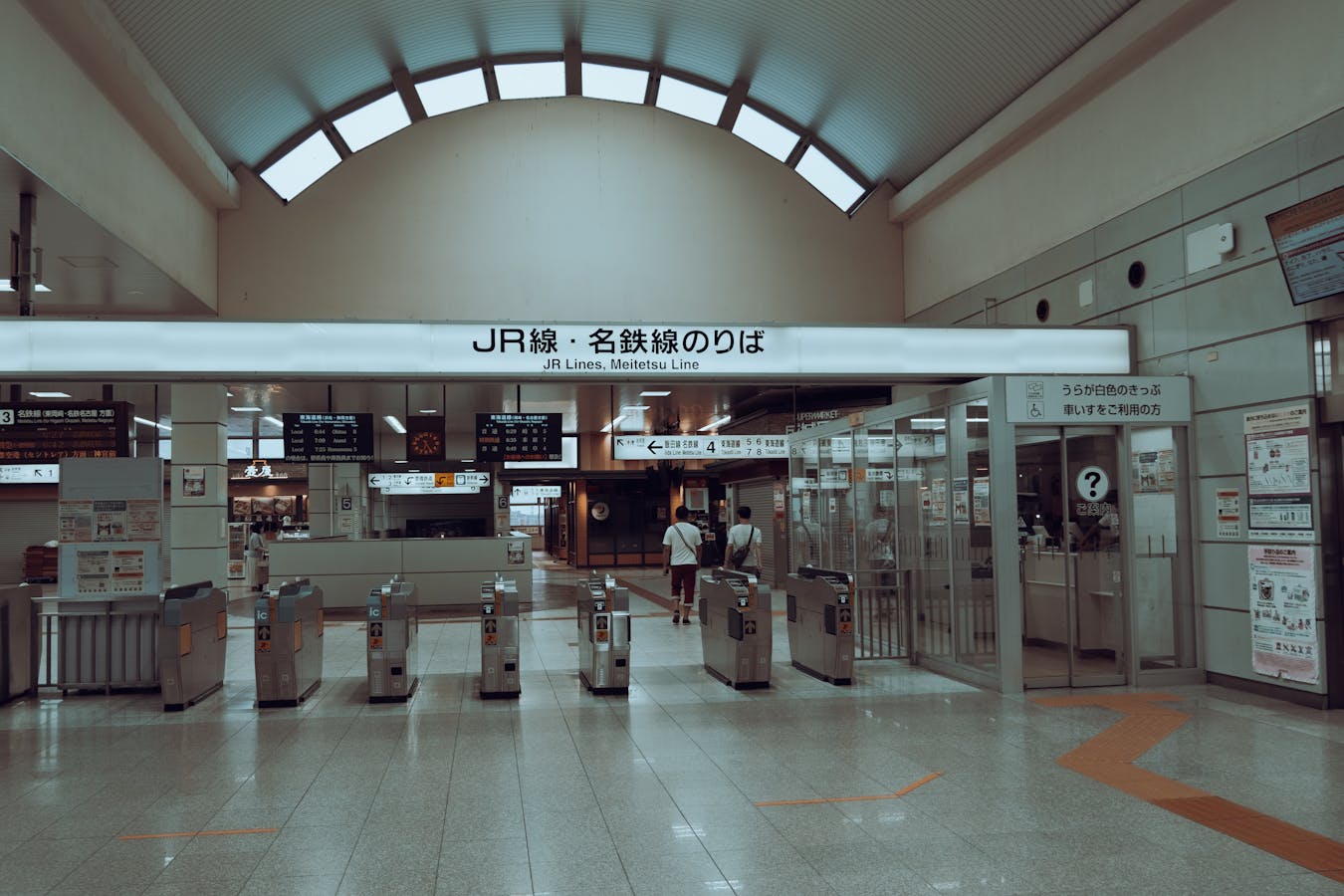
5. Buy ICOCA at KIX on Arrival
ICOCA card requires JPY 2,000 deposit + loaded balance. Card works on all Kansai trains and convenience stores. Saves time at ticket machines (no language hurdles). Deposit refundable at JR ticket counters before departure.
6. Use Enjoy Eco Card on Weekend Days
JPY 620 for unlimited weekend Metro rides (cheaper than JPY 820 weekday). Pays off at 3 rides. Lower than single-ticket fares totaling JPY 700+ for a typical 3-attraction day.
7. Buy the Osaka Amazing Pass Only for Power-Tourist Days
JPY 3,500 pays off only with 3+ free attractions plus heavy Metro use. Skip for half-days or single-attraction days.
8. Walk Where You Can
Many sightseeing combinations are walkable: Dotonbori to Shinsaibashi (10 min), Namba to Den Den Town (10 min), Umeda Sky Building to Hep Five (15 min). Walking saves JPY 200-400 per leg and gives better neighborhood feel.
9. Use the JR Loop Line for Sightseeing
The JR Osaka Loop Line circles the central city, hitting Tennoji, Osaka Castle, Nishi-Kujo (USJ transfer), Bentencho (Tempozan bus), and Osaka Station. Cheap (JPY 170-330 per ride) and faster than Metro for east-west travel.
Food Money Saving Tips (Save JPY 1,500-3,000/Day)
10. Eat Your Big Meal at Lunch
Lunch sets are 20-30% cheaper than identical dinner sets at the same restaurant. A JPY 1,500 dinner becomes JPY 1,000 lunch teishoku set with the same fish or pork dish, miso soup, rice, and pickles.
11. Visit Department Store Basements After 19:00
Hankyu, Hanshin, Daimaru, Takashimaya all discount premium bento and sushi 30-50% starting 19:00. JPY 2,000 bento become JPY 1,000. Quality is identical – they’re clearing for closing.
12. Use Convenience Stores for Breakfast
Onigiri JPY 130-220, hot coffee JPY 130, fruit JPY 200. Total JPY 460-550 vs JPY 1,200-2,500 for hotel breakfast. Convenience store food in Japan is genuinely good – not the gas-station food Americans imagine.
13. Eat at Chains and Standing Bars
Sukiya gyudon JPY 430, Matsuya gyudon JPY 400, Hanamaru udon JPY 290, Saizeriya pasta JPY 400-600. Standing-bar tachinomi in Tenma serve beer JPY 350 and snacks JPY 200-500.
14. Avoid Tourist-Strip Restaurants
Restaurant prices on Dotonbori main canal are 30-50% higher than identical restaurants one block away. Walk perpendicular to the strip; you’ll find authentic Osaka food at half the price.
Attraction Money Saving Tips (Save JPY 1,000-3,000/Day)
15. Use Free Observation Decks
Osaka City Hall observation deck (JPY 0); Hep Five Ferris Wheel is JPY 800 (cheaper than Tempozan); Namba Parks rooftop garden (free); Cosmo Tower lower decks (variable). Skip the JPY 1,500 Abeno Harukas observation deck if budget-conscious.
16. Visit Free Temples and Shrines
Sumiyoshi Taisha, Osaka Tenmangu, Hozenji Temple, Namba Yasaka Shrine, Imamiya Ebisu – all major spiritual sites have free outer grounds. Only Shitennoji inner precinct and Katsuo-ji charge admission.
17. Walk Osaka Castle Park (Skip Donjon)
The castle exterior, moats, gardens, and grounds are free. Donjon interior museum is JPY 600 but mostly displays – photographs and exterior views deliver 70% of the experience.
Shopping Money Saving Tips (Save JPY 1,000-5,000/Trip)
18. Tax-Free Shopping Above JPY 5,000
Foreign tourists save 10% consumption tax on purchases over JPY 5,500 per store. Bring passport. Don Quijote, BIC Camera, major department stores all participate. Best for cosmetics, electronics, snacks, and luggage purchases.
19. Visit Don Quijote for Souvenirs and Snacks
The 24-hour discount chain has the cheapest Japanese snacks and cosmetics in Osaka. 20-40% below department store prices. The Dotonbori location has a giant moving crab sign and Ferris wheel; the Tennoji location is calmer.
20. Avoid Currency Exchange at Airports
KIX airport currency exchange offers rates 3-7% worse than ATMs. Use 7-Eleven ATMs throughout the city – they accept foreign cards and offer interbank rates with JPY 220 flat fee per withdrawal.
Bonus Money Saving Tips
Free Water Everywhere
Tap water is safe and free at restaurants, hotels, and public fountains. Skip bottled water purchases (JPY 130-200 each times 4-5 daily). Bring a refillable bottle (Uniqlo and 100-yen stores both sell).
Coin Laundries
Hotel laundry costs JPY 500-1,500 per item. Coin laundries throughout Osaka charge JPY 300 wash + JPY 100 dry for a full load. Most are open 24 hours; find via Google Maps.
Public Sento Baths
Local sento public baths charge JPY 490 vs onsen at JPY 1,500-3,000. Same cultural experience, lower price. Find a sento in any residential neighborhood (look for tall chimney + steam vent + curtain entrance).
Free Wi-Fi
Almost every coffee shop, convenience store, train station, mall and hotel has free Wi-Fi. Skip the JPY 1,000-2,000/day pocket Wi-Fi rentals if you can plan around it. Osaka Free Wi-Fi covers many central areas.
Tax-Free Drugstore Trips
Matsumoto Kiyoshi, Sun Drug, Cocokara Fine – all tax-free for foreign visitors. Stock up on Japanese skincare, makeup, and vitamins (often 30-50% below US prices for the same brands).
Sample Daily Budget Implementing These Tips
- Accommodation (capsule hotel): JPY 4,000
- Breakfast (convenience store): JPY 500
- Transit (Enjoy Eco Card weekend): JPY 620
- Lunch (teishoku set): JPY 850
- Attraction (free shrine + Castle Park free outer): JPY 0
- Snack (takoyaki + tea): JPY 700
- Dinner (depachika 50% off): JPY 900
- Drink at standing bar: JPY 450
- Daily total: JPY 8,020
Where to Splurge (Some Things Worth Paying For)
- One excellent meal: A JPY 5,000-8,000 sushi omakase or kaiseki dinner is genuinely memorable
- Hot springs day trip: Arima Onsen JPY 2,800 which pass actually pays off + train is worth it once
- USJ: If you’re a theme park person, JPY 8,600 is the right price
- One premium hotel night: Conrad, Ritz-Carlton, or Park Hyatt for one night of luxury
- Kaiseki dinner: Multi-course traditional Japanese meal at a kappo counter
- Hanami picnic on cherry blossom peak day: Premium bento + sake + park entry adds up but is the one splurge the year is built around
Common Money-Wasting Mistakes
- Buying the Amazing Pass for half-day arrivals
- Taking taxis when Metro is 10-minute walk away
- Hotel breakfast buffets (JPY 2,000+) when convenience stores are JPY 500
- Bottled water at hotels (JPY 200-400) when tap water is free
- Currency exchange at hotels (worst rates of any option)
- Premium-line trains (Rapi:t, Haruka) when local trains are 30% cheaper
- Dotonbori main-strip restaurants charging 50% premium for tourist atmosphere
- Generic “Japanese set meal” buffets aimed at tourists (mediocre food, premium price)
Final Word: Osaka Money Saving Tips
Osaka money saving tips in 2026 deliver more impact per traveler than in almost any other major city – the gap between premium and budget options is wide and the budget options are genuinely high-quality. Implement 10 of these 20 tactics and you’ll save JPY 30,000+ on a one-week trip without sacrificing experience. Osaka rewards the value-conscious traveler – lean into the local kuidaore culture (eat well, drink well, don’t overspend) and the city becomes one of the best-value destinations in the developed world. These tactics compound. Stack them with the full Osaka budget breakdown and a week here costs less than three days in Tokyo.