This article contains advertising. Our booking links are routed through a partner that adds commission tracking automatically, so if you book through one we earn a commission from the provider, at no extra cost to you. It never affects what we recommend. Affiliate disclosure
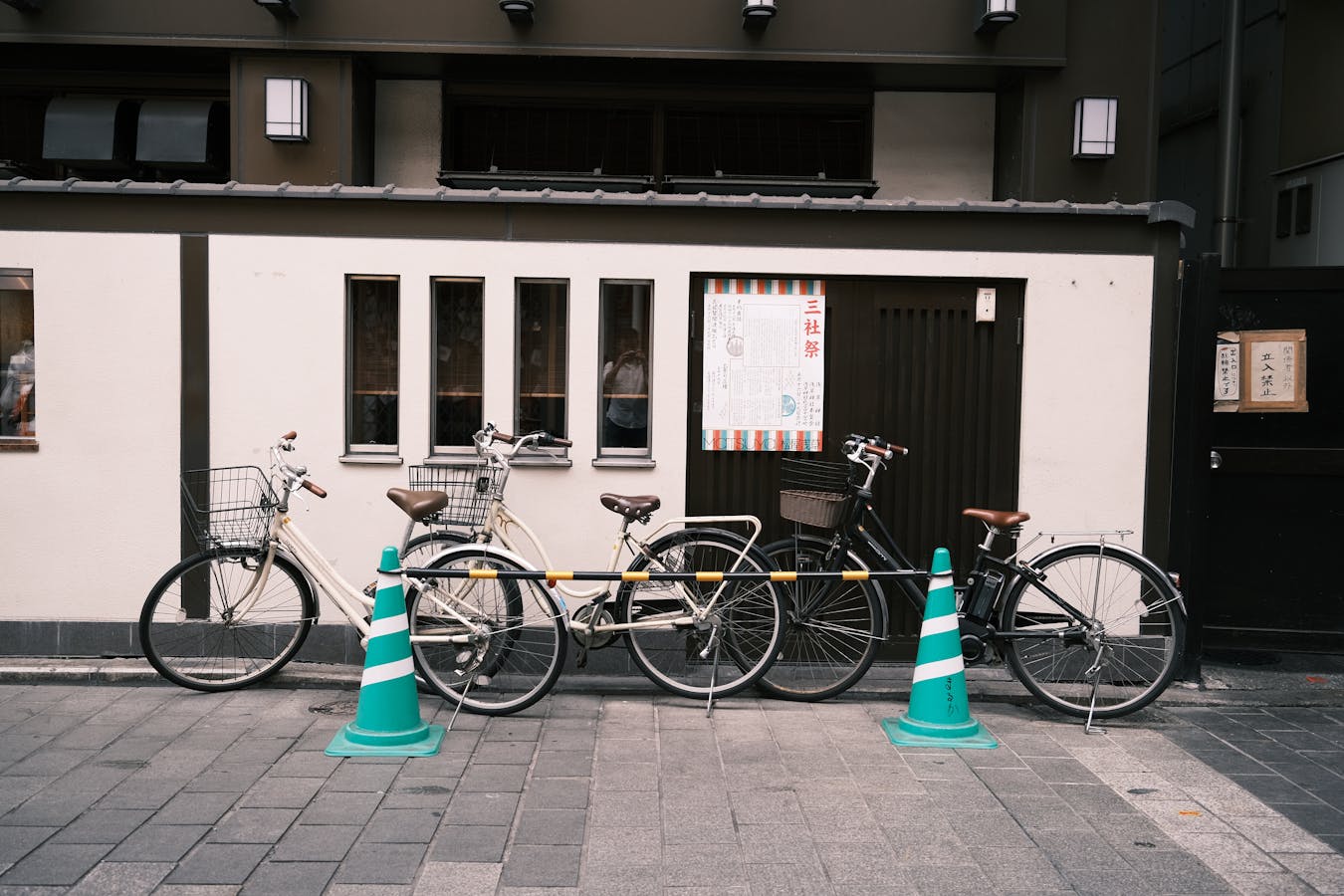
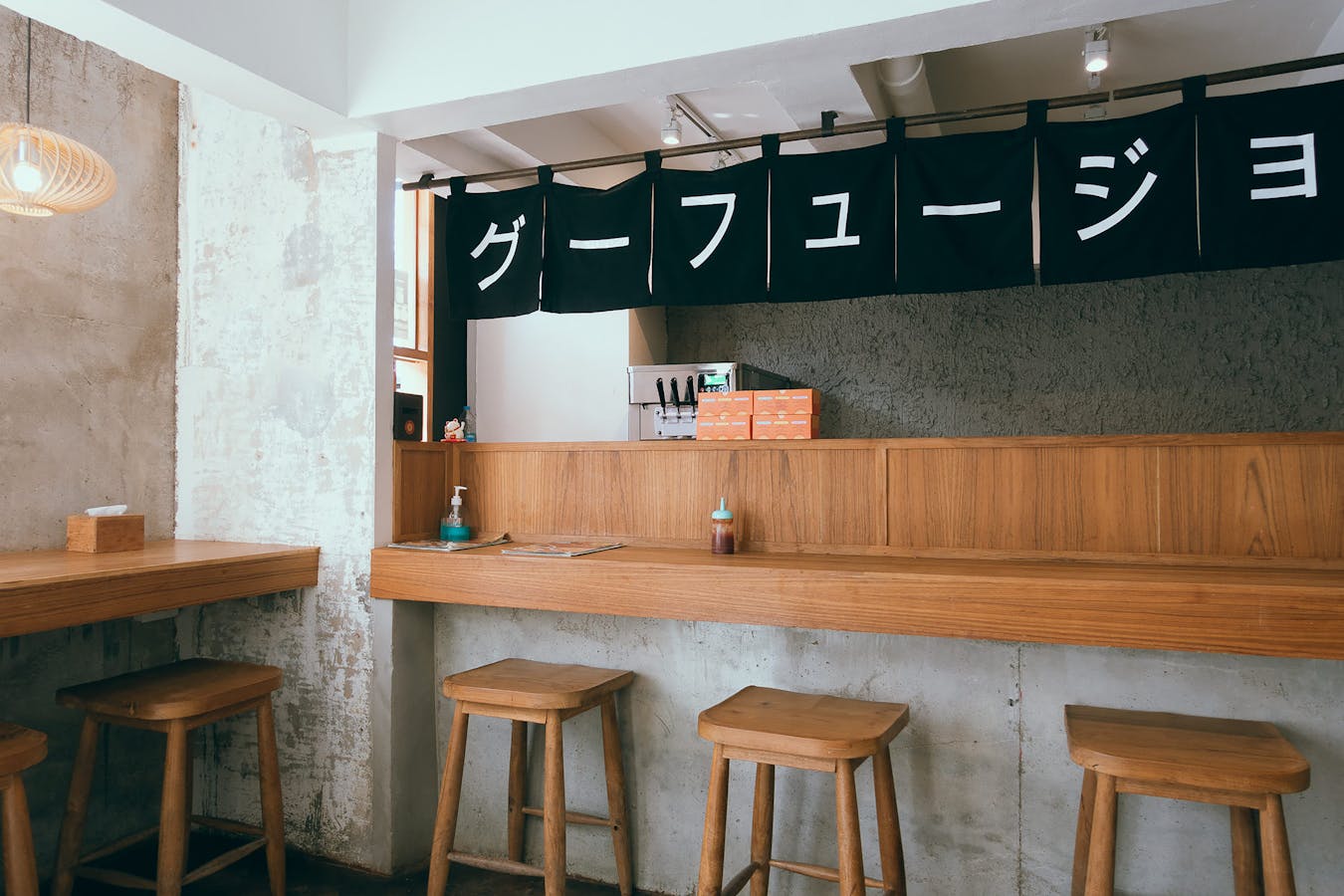
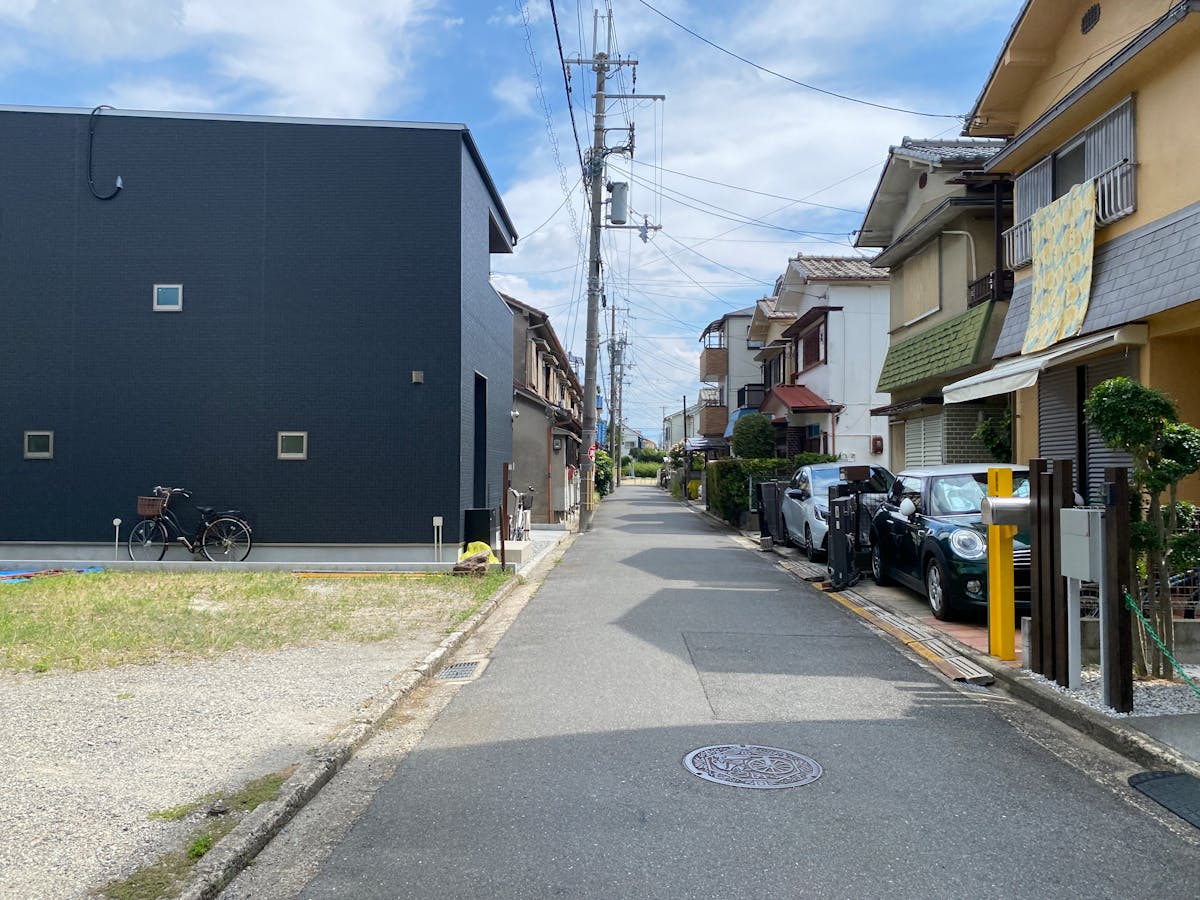
Nakazakicho Osaka is the city’s most beloved hipster neighborhood – a 6-minute walk from Umeda Station that feels like a different city. Wooden pre-war machiya houses (which survived the 1945 firebombing while everything around burned) have been converted into 30+ indie cafes, vintage clothing shops, themed boutiques, art galleries and tiny restaurants. The streets are narrow and quiet; the pace is slow; the aesthetic is curated Showa-nostalgic. It’s the kind of neighborhood that doesn’t appear in standard tourist guides but consistently ranks as a “favorite Osaka experience” for visitors who find it. This 2026 walking guide covers the best cafes, vintage shops, photo spots, and a GPS-pinned 2-hour route to see it all.
Quick Facts: Nakazakicho
- Location: Kita-ku, between Umeda and Nakazakicho Station
- Access: Nakazakicho Station (Osaka Metro Tanimachi Line, 1 stop east of Higashi-Umeda); or 6-min walk from Umeda Station
- Atmosphere: Quiet, narrow streets, pre-war wooden houses, indie shops
- Cafes: 30+ indie cafes specializing in coffee, tea, sweets
- Vintage shops: 20+ vintage clothing, second-hand goods, themed boutiques
- Time needed: 2-3 hours for a relaxed walking visit
- Best for: Cafe-hopping, vintage shopping, photography, slow-travel afternoons
- Average meal: JPY 1,200-1,800; coffee JPY 500-700
Why Nakazakicho Exists (The History)
Nakazakicho is the rare central Osaka neighborhood that escaped the 1945 air raids – the wooden machiya houses, which would normally have burned in the firebombing, survived because of unusual wind patterns and the dense network of small canals. After the war, while surrounding neighborhoods were rebuilt with concrete office blocks, Nakazakicho’s wooden houses remained. By the 1990s, young creatives began renting and converting these houses into cafes, galleries, and shops. Today the neighborhood is one of the few central Osaka districts that preserves the pre-war architectural character.
The neighborhood’s slow-travel atmosphere is the deliberate result of zoning – no chain stores, no major office buildings, no high-rise hotels. Just narrow streets, wooden houses, and small businesses operating on weekday/weekend schedules.
Top Cafes in Nakazakicho
Taiyo No To Cafe (The Purple Building)
The most photogenic cafe in Nakazakicho – a vivid purple-painted wooden building with eclectic interior. Specializes in homemade pancakes (JPY 850-1,300) and coffee (JPY 550). The exterior alone is worth the visit; the interior is a Showa-era curiosities collection. Closed Tuesdays.
Yatt
Specialty third-wave coffee with single-origin beans roasted in-house. Pour-over JPY 600-800. Tiny seating (5 seats). Cash only. Closed Wednesdays.
Chacanoko (Tea + Kimono)
Traditional Japanese tea house in a restored machiya. Matcha set JPY 1,200-1,800 with wagashi sweets. Optional kimono rental for cultural photography (JPY 4,500 add-on).
Noon+Cafe
30-year-old club-cafe-bar with vintage 1990s atmosphere. Coffee JPY 500 daytime; transitions to bar pricing in evening. Often hosts indie music events.
Bagel & Bagel
Fresh-baked New York-style bagels with cream cheese spreads JPY 400-700. Best for breakfast or quick lunch.
Atelier Marka
Premium shaved ice (kakigori) cafe – one of Osaka’s best. Seasonal flavors from JPY 1,200. Summer specialty.
Top Vintage and Themed Shops
Asobiya (Giraffe Goods)
Themed boutique selling giraffe-themed everything – figurines, stationery, plush toys, prints. JPY 500-3,000 per item.
Only Planet (Animals)
Animal-themed gifts, prints and accessories. Particularly strong on cat and dog illustrations.
Vintage Clothing Shops
Multiple shops specializing in 1960s-90s Japanese and American vintage clothing. Levi’s 501s JPY 8,000-15,000; vintage band T-shirts JPY 3,000-8,000; kimono JPY 5,000-25,000. Sizing tends to run small – try on before buying.
Independent Bookstores
Several tiny indie bookstores selling Japanese photography books, indie zines, and used art books. Most are in Japanese only but the photography volumes are universally appreciable.
Best 2-Hour Walking Route
- Start: Nakazakicho Station Exit 4
- 0:00-0:15: Walk south along Nakazakicho Park edge; photograph wooden house facades
- 0:15-0:45: Coffee at Yatt; 5-seat counter, slow pour-over
- 0:45-1:15: Vintage clothing browsing along Nakazaki-Nishi-dori
- 1:15-1:45: Photograph Taiyo No To Cafe (purple building) – exterior + interior if open
- 1:45-2:15: Themed boutique stop at Asobiya or Only Planet
- 2:15-2:45: Matcha tea ceremony lite at Chacanoko
- 2:45-3:00: Walk back to Umeda Station via Nakazaki Park
Best Photo Spots
- Taiyo No To Cafe purple exterior: The signature Nakazakicho photo
- Wooden machiya streetscapes: Look for the narrow lanes between Nakazakicho Station and Umeda
- Vintage shop window displays: Particularly photogenic in the late afternoon
- Indie bookstore signage: Hand-painted Showa-era signs throughout
- Street art murals: Several walls feature commissioned indie artist murals
- Cat alleys: Several side streets have resident cats that pose well
Best Time to Visit Nakazakicho
- Weekday mornings (10:00-12:00): Calmest atmosphere; most cafes open by 10:30
- Weekday afternoons (14:00-17:00): Most shops fully staffed; gentle foot traffic
- Saturday afternoons: Most lively; better for music events and pop-up galleries
- Sunday brunches: Top cafes can have 20-30 min waits
- Avoid: Tuesday-Wednesday (many cafes closed) and Monday early morning (cleaning day for many shops)
Combine With Umeda Sightseeing
- Umeda Sky Building: 15 min walk; observation deck with city views
- Hep Five Ferris Wheel: 10 min walk; red wheel on the Hep Five mall roof
- Hankyu Umeda Main Store: 8 min walk; massive department store with depachika
- Osaka Tenmangu Shrine: 15 min walk; scholar’s shrine, plum blossoms in February
- Tsuyu no Tenjin (Ohatsu Tenjin): 8 min walk; love shrine in Umeda backstreets
What to Eat in Nakazakicho
- Brunch JPY 1,000-1,800: Bagels at Bagel & Bagel; pancakes at Taiyo No To
- Lunch JPY 1,200-2,000: Small-plate cafes serving home-style Japanese or Western
- Coffee JPY 400-800: Specialty pour-over at Yatt; cafe au lait at most
- Tea JPY 800-1,800: Matcha sets with wagashi at Chacanoko
- Kakigori (summer): Atelier Marka premium shaved ice JPY 1,200-1,800
- Evening drinks JPY 600-1,000: Noon+Cafe shifts to bar pricing after 18:00
What to Wear and Bring
- Camera or smartphone: The neighborhood is photogenic – you’ll fill memory cards
- Cash: Many small cafes are cash-only; bring JPY 5,000-10,000
- Comfortable shoes: Walking surfaces are uneven (cobblestones, old wooden boards)
- Tote bag: Buying anything vintage will need transport
- Power bank: Most cafes don’t allow laptop charging; phones drain on photo days
- Casual fashion: Locals dress simply; nothing overly touristy
Nakazakicho vs. Other Hipster Neighborhoods
- Nakazakicho: Pre-war wooden houses; cafes + vintage; quiet pace
- Amerikamura: Youth fashion + nightlife; busier and louder
- Nakanoshima: Riverside cultural quarter; museums and high-end coffee
- Tenma: Working-class drinking + tachinomi; more raw than curated
- Horie: Modern minimalism; concept stores and architectural cafes
Practical Tips
- Most cafes seat 4-12 people; arrive early or expect 15-30 min waits at popular spots
- Laptops are not welcomed at most cafes – this is a slow-conversation neighborhood, not a coworking destination
- Vintage shop sizing runs small for Western bodies – try on before buying
- Bring a JPY 100 coin for any photo machines you encounter at older cafes
- Free Wi-Fi available at some cafes but expect to ask for password
- Public restrooms scarce – use cafe restrooms with purchase
- The neighborhood is very compact (~10 min walk across); easy to cover in 2-3 hours
- Combine with the Umeda food crawl for a full day in northern Osaka
Final Word: Nakazakicho Osaka
Nakazakicho Osaka is the slow-travel jewel of the city – the kind of neighborhood that doesn’t appear in standard guidebooks but consistently turns into a highlight for travelers who visit. The combination of pre-war wooden architecture, indie cafes, vintage shopping, and the absence of chains creates a Sunday afternoon atmosphere that most central Osaka neighborhoods abandoned decades ago. Build a 2-3 hour stop into your Umeda day; you’ll come away with photos, a cafe memory, and possibly a vintage piece you’ll keep for years. Nakazakicho is one of several pockets covered in the guide to the quieter side of Osaka.