This article contains advertising. Our booking links are routed through a partner that adds commission tracking automatically, so if you book through one we earn a commission from the provider, at no extra cost to you. It never affects what we recommend. Affiliate disclosure
Osaka secret restaurants are where the locals eat. While tourists queue at Dotonbori takoyaki stands and Shinsaibashi sushi counters, Osaka’s serious food scene operates one or two blocks away in Tenma izakaya alleys, Kyobashi standing bars, Fukushima backstreets, Karahori machiya conversions, and Tabelog-rated Tabelog 3.8+ spots that don’t advertise to international visitors. This 2026 guide profiles 15 locally-loved hidden eateries across central Osaka, plus the etiquette and search strategies for finding more on your own, in the spirit of eating like a local (the Tabelog scoring system, how to enter a no-English counter shop, what to order without a menu).
Quick Picks: Best Osaka Secret Restaurants
- Best okonomiyaki off-tourist: Kiji (Shin-Umeda Shokudogai, JR Osaka 5-min walk)
- Best kushikatsu authentic: Yaekatsu (Shinsekai, est. 1949)
- Best izakaya neighborhood: Tenma area generally
- Best standing-bar district: Fukushima Tachinomi Yokocho
- Best Korean fusion: Tsuruhashi market restaurants
- Best machiya conversion: Karahori district (Matsuyamachi Station)
- Best upscale hidden: Kitashinchi back-alley counters
Why These Restaurants Stay Secret
Osaka’s hidden eateries stay hidden for specific reasons: 8-12 seat counter spaces (no scale for tourist crowds), all-Japanese signage and menus, cash-only operations, no online reservations, and reliance on local word-of-mouth via Tabelog (the Japanese version of Yelp). The Tabelog scoring system is the key to discovery – 3.5+ is genuinely good, 3.8+ is exceptional, 4.0+ is national-tier. Many of Osaka’s best restaurants score 3.7-3.9 with zero international marketing – including places that never appear in the Michelin guide.
Hidden Restaurants by Neighborhood
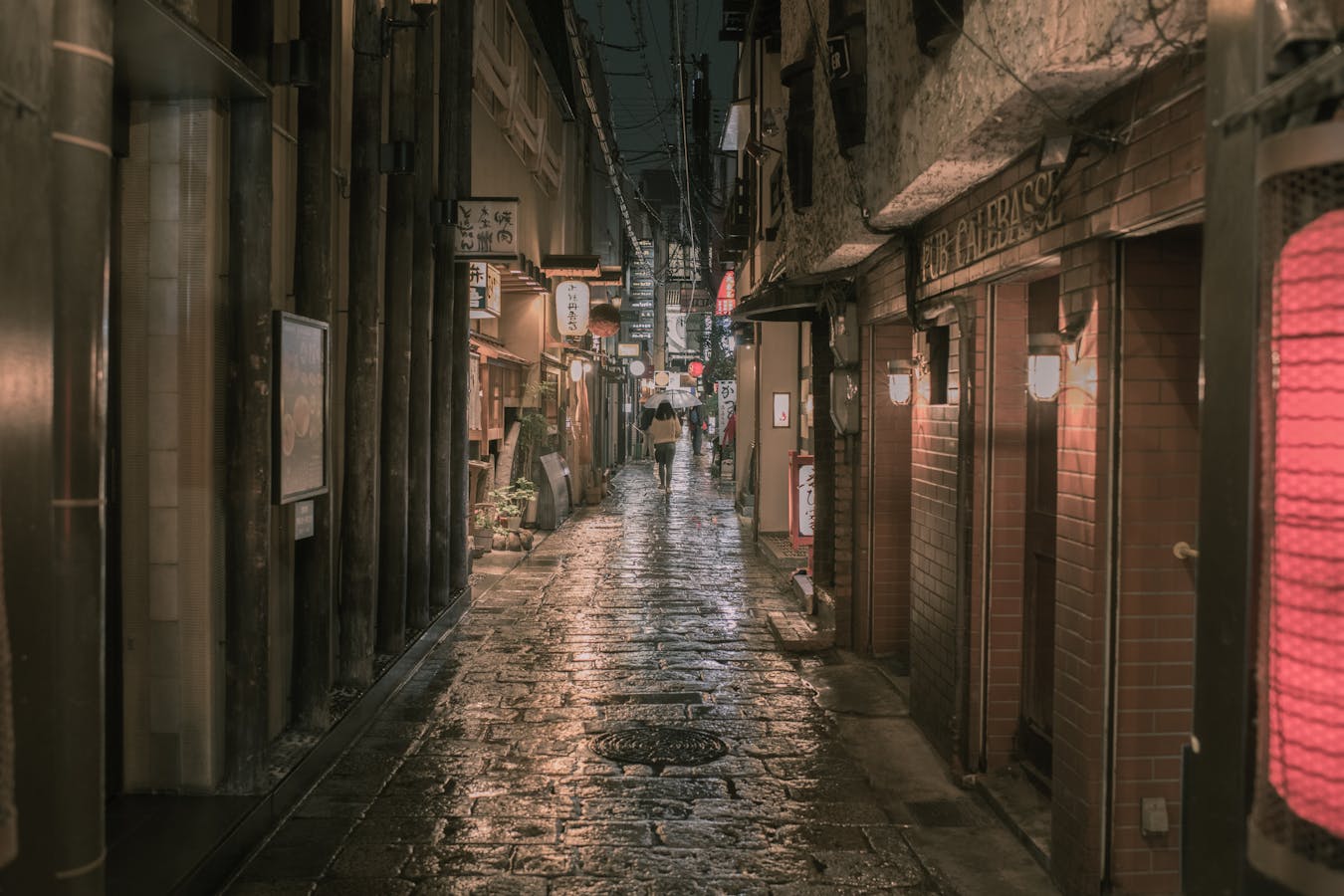
Tenma (The Locals’ Favorite)
Tenma is the working-class neighborhood north of Umeda – serious local food at standing-bar prices. The area between Tenma Station and Tenjinbashi-suji shopping arcade contains 40+ izakaya within a 10-min walk.
- Yotuba: Counter-only kappo restaurant; 8 seats; JPY 8,000-12,000 multi-course; reservations 1-2 weeks ahead
- Sake Tasting Bar Asakichi: 100+ sake by glass; JPY 600-1,500 per pour
- Magurokita: Tuna specialist standing bar; otoro JPY 500; chu-toro JPY 350
- Random tachinomi: Walk Tenma backstreets; any standing bar with red lanterns and queue is worth trying
Kyobashi (Standing Bar Paradise)
Kyobashi Station area has the cheapest serious-drinking standing bars in central Osaka. The streets immediately south of Kyobashi Station (JR/Keihan) host 30+ tachinomi.
- Standing bars open 17:00: Beer JPY 350-450; snacks JPY 200-500
- Late-night ramen counters: Several open until 02:00-03:00
- Fugu restaurants in alley back: Multi-course JPY 6,000-12,000
Fukushima (Backstreet Drinking District)
Fukushima Station is 1 stop west of Osaka Station on the JR Loop. The “Fukushima Tachinomi Yokocho” is a 200-meter standing-bar alley with 15+ small bars; most open 17:00.
- Beer JPY 350-500; sake JPY 500-800; snacks JPY 250-700
- Compact alley; everyone elbow-to-elbow
- Local salaryman crowd; some English at younger bars
Tsuruhashi (Korean-Japanese Fusion)
Tsuruhashi is Osaka’s Korean Town – the largest in Japan. The neighborhood market (Tsuruhashi Market) houses restaurants serving Korean BBQ, naengmyeon, kimchi specialties, and fusion dishes.
- Yakiniku: Premium Korean BBQ JPY 3,000-8,000
- Korean home-cooking: JPY 800-1,500 set meals
- Bingsoo (Korean shaved ice): JPY 800-1,500
- Access: Tsuruhashi Station (JR Loop, Kintetsu)
Karahori (Machiya Conversions)
Karahori is a Showa-era residential neighborhood near Matsuyamachi Station. Traditional machiya wooden townhouses have been converted into intimate cafes, ramen counters, and modern izakaya.
- Kappo counters: JPY 6,000-12,000 multi-course
- Specialty ramen: JPY 1,000-1,800 (try the kawa zaru-ramen in summer)
- Antique-themed cafes: JPY 600-1,200 coffee + sweet
- Access: Matsuyamachi Station (Tanimachi Line)
Kitashinchi (Premium Hidden)
Kitashinchi has hidden premium counters behind unmarked doors. Most require reservations and Japanese-language facility, but several offer English-friendly experiences for foreigners.
- Sushi counters (omakase): JPY 15,000-30,000
- Premium kappo: JPY 12,000-25,000
- Hidden cocktail bars (no signage): JPY 1,500-2,800 per cocktail + JPY 1,500 cover
- Access: Kitashinchi Station (JR Tozai)
15 Specific Hidden Eateries
1. Kiji (Okonomiyaki)
- Location: Shin-Umeda Shokudogai (basement passage near JR Osaka Station)
- Access: JR Osaka 5-min walk
- Style: Classic Osaka okonomiyaki; queue by 11:30
- Price: JPY 1,200-1,800
- Why secret: Underground basement food alley; locals know, tourists rarely visit
2. Yaekatsu (Kushikatsu)
- Location: Shinsekai (est. 1949)
- Access: Dobutsuenmae Station (Sakaisuji/Midosuji)
- Style: Classic Osaka kushikatsu; deep-fried skewers
- Price: JPY 130-300 per skewer; set meals JPY 1,500-2,500
- Why secret: Daruma gets the tourist crowd; Yaekatsu maintains local atmosphere
3. Yotuba (Hozenji Yokocho Kappo)
- Location: Hozenji Yokocho lantern alley
- Style: 8-seat counter kappo; multi-course
- Price: JPY 8,000-12,000
- Reservation: 1-2 weeks ahead; English email possible
4-6. Tenma Izakaya Cluster
Walk Tenma backstreets and pick any 3 small izakaya with red lanterns. Average meal JPY 1,500-2,500 per person including 2-3 drinks.
7-8. Fukushima Standing Bars
Walk the Tachinomi Yokocho; try 2 bars on the same evening. Average JPY 1,200-1,800 per stop.
9. Marufuku (Ura-Namba Tachinomi)
- Location: Ura-Namba
- Style: 30-seat standing bar; 200+ sake bottles
- Price: Sake JPY 500-700; snacks JPY 300-500
10. Tachi-zushi (Standing Sushi)
- Locations: Various central Osaka standing sushi counters
- Style: Premium sushi at standing-bar prices
- Price: JPY 150-400 per piece; 8-piece set JPY 1,500-2,500
11. Karahori Soba Counter
Hand-cut soba in a converted machiya. JPY 1,200-2,000. Access: Matsuyamachi Station.
12. Doteyaki Specialist (Sennichimae)
Beef tendon simmered in miso. Working-class Osaka specialty. JPY 400-600 per bowl; standing bar atmosphere.
13. Tsuruhashi Korean BBQ
Multiple high-quality Korean BBQ restaurants in Tsuruhashi Market. JPY 3,000-5,000 per person; advance reservations recommended for weekends.
14. Late-Night Ramen Counter (Tenma)
Open until 02:00; small 6-seat counter; tonkotsu broth. JPY 850-1,200. Cash only.
15. Premium Kappo at Kitashinchi
Hidden 10-seat counter; multi-course seasonal kappo. JPY 15,000-25,000 per person. Reservation only via concierge.
How to Use Tabelog (The Japanese Yelp)
- Tabelog.com: Japanese restaurant review site; English version available
- Scoring system: 1-5 stars; 3.5+ is genuinely good
- 3.8+ is exceptional
- 4.0+ is national-tier (very rare; reservations weeks ahead)
- Bronze, Silver, Gold awards: Top 5%, 1%, 0.5% restaurants
- Reviews: Mostly Japanese; use Google Translate
- Phone numbers: Listed for direct booking
- Hours and closures: Reliable
How to Enter a No-English Counter Shop
- Open the door confidently; bow slightly
- Hold up 1, 2, or 3 fingers to indicate party size
- Take whatever seat the staff indicates
- If menu has pictures, point
- If menu is text-only, ask “osusume?” (what do you recommend?) or “omakase” (chef’s choice)
- Tilt head + thumb up = good
- Pay at the door on exit (cash universal)
- Bow slightly when leaving; say “gochisousama deshita” (thank you for the meal)
What to Order Without a Menu
Universal Safe Bets
- “Edamame”: Boiled soybeans; always good with beer
- “Tofu”: Cold or hot; appetizer staple
- “Karaage”: Fried chicken
- “Sashimi moriawase”: Mixed raw fish platter
- “Yakitori”: Grilled chicken skewers
- “Tonkatsu”: Pork cutlet
- “Donburi”: Rice bowl with meat or fish
- “Tempura”: Fried vegetables and seafood
Osaka Specialties to Try
- Okonomiyaki: Cabbage pancake with pork
- Takoyaki: Octopus balls
- Kushikatsu: Deep-fried skewers
- Negiyaki: Welsh onion pancake
- Doteyaki: Miso-simmered beef tendon
- Hamayaki: Grilled seafood
- Fugu: Pufferfish (winter season)
Reservation Strategies
- Hotel concierge call: Most premium counters reserve through this
- Tabelog reservations: Some restaurants have direct booking
- Pocket Concierge app: English-friendly premium booking
- OpenRice / Pocket Concierge: Various platforms
- Walk-in: Possible at standing bars and counter izakaya without reservation
- Deposit policy: Some kappo require deposit (JPY 5,000-10,000) for first-time visitors
- English support: Confirm at booking time
Etiquette at Counter Restaurants
- Cash priority: Many cash-only
- Phone silent: Quiet atmosphere expected
- No photography of staff without permission
- Quiet conversation: Conversational volumes only
- Eat what you’re served: Don’t request modifications
- Drink at chef’s pace: If they serve sake, drink it; don’t rush
- Bring small bills: Easier for the chef to make change
- Tipping not customary: Round up not expected
When to Visit Hidden Restaurants
- Weeknights 17:30-19:00: Calm; locals just starting
- Weeknights 19:00-21:00: Peak local crowd; reservations needed
- Weekends: Hardest to get in without reservation
- Late nights (23:00+): Standing bars still open; counter restaurants closed
- Avoid: Mondays (many independent restaurants closed)
Walking Tour: A Hidden Osaka Restaurant Crawl
- 18:00: Start at Tenma Station; walk Tenjinbashi-suji arcade
- 18:30: First stop – random tachinomi with red lanterns and queue
- 19:30: Second stop – Asakichi for sake flight + small plates
- 20:30: Third stop – walk south to Yotuba in Hozenji Yokocho for sit-down kappo
- 22:00: Late-night ramen counter in Tenma backstreets
- Total spend: JPY 8,000-12,000 per person
Practical Tips
- Bring JPY 10,000+ cash per dinner
- Restaurant addresses: Often only in Japanese; use Google Maps
- Solo dining welcomed: Counter seats designed for individuals
- Smoking: Some older izakaya permit; check at door
- Dress code: Smart-casual is universal; jeans OK at most
- Allergies: Carry an allergy card in Japanese
- Late arrival: Counter restaurants don’t hold reservations past 15 minutes
- Limited group sizes: 8+ usually means reservation 1 month ahead
Foreigner-Friendly Levels
- Beginner friendly: Sushi counters with English menus; Yotuba; Marufuku (gestures work)
- Moderate: Most standing bars; Tabelog-rated mid-tier counters
- Advanced (Japanese needed): Premium Kitashinchi kappo; remote neighborhood izakaya; chef’s specialty seasonal counters
Final Word: Osaka Secret Restaurants
Osaka secret restaurants reward visitors willing to walk 5-10 minutes beyond the main tourist strips. The Tabelog rating system + Google Translate + a willingness to point at menus opens up hundreds of locally-loved restaurants serving better food at half the price of Dotonbori. Build at least one “hidden dinner” into any Osaka trip – the difference between tourist meals and local meals is one of the most striking aspects of Japanese dining culture.