This article contains advertising. Our booking links are routed through a partner that adds commission tracking automatically, so if you book through one we earn a commission from the provider, at no extra cost to you. It never affects what we recommend. Affiliate disclosure
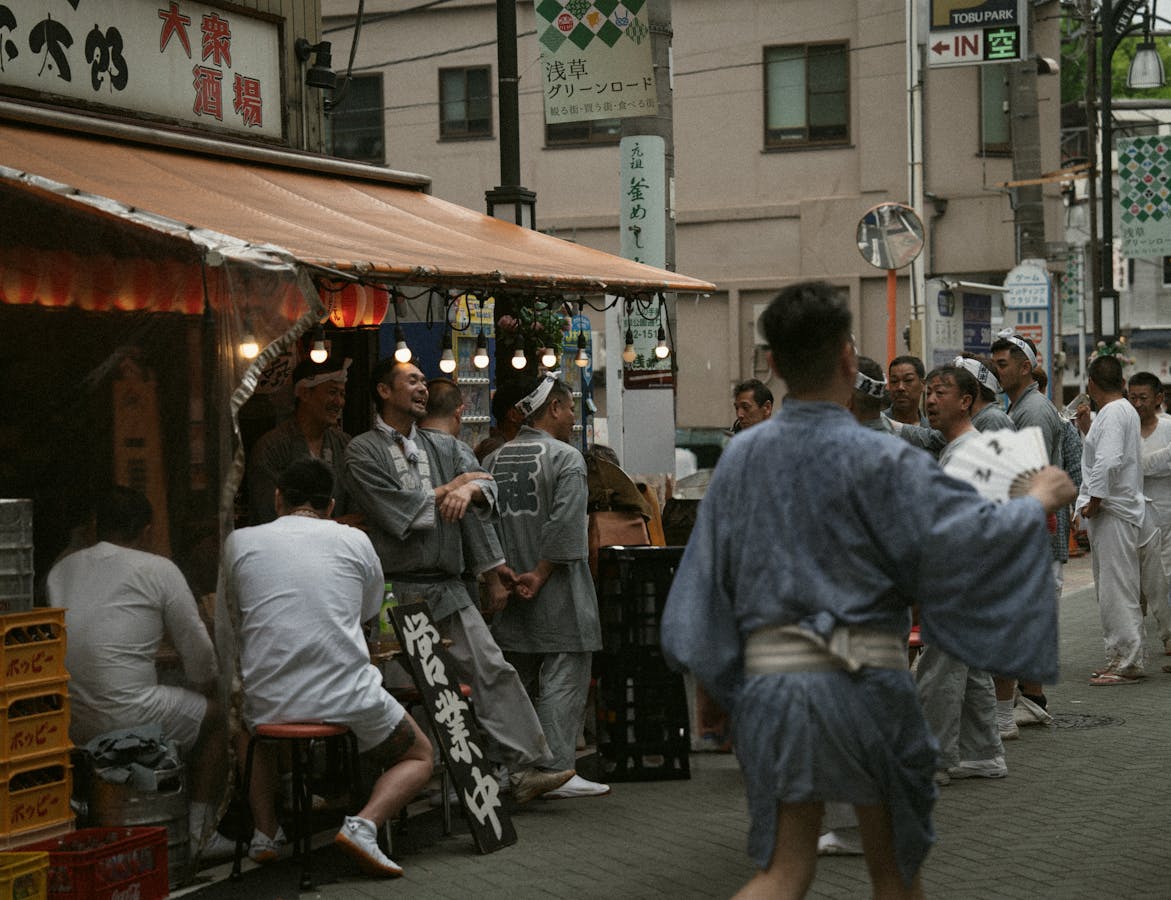
Osaka local festivals are the small neighborhood matsuri (festivals) that operate outside the tourist gaze of Tenjin Matsuri, Sumiyoshi Matsuri, and Kishiwada Danjiri. These smaller events – shotengai (shopping arcade) summer festivals, ward-level bon odori dances, monthly craft markets at lesser-known shrines, fall harvest festivals at residential shrines – reveal the everyday cultural life of the city. They cost nothing to attend – a rare entry on any list of free things to do in Osaka – and draw mostly local residents rather than tourists, and offer a more intimate version of Japanese festival culture. This 2026 guide profiles 15+ local festivals with dates, locations, and what to expect, plus how to find more on your own.
Quick Calendar: Osaka Local Festivals 2026
- January: Hatsumode at various neighborhood shrines + Doya-Doya
- February: Setsubun bean-throwing at various shrines + Plum Festival at Osaka Tenmangu
- April: Cherry blossom seasonal events + Shoryoe at Shitennoji
- May: Pillow Festival (Reitaisai) at Hine Shrine
- June: Otaue Shinji rice-planting at Sumiyoshi Taisha + Aizen Matsuri
- July: Tenjin Matsuri + smaller July festivals
- August: Bon odori dances + Tennoji Wasshoi + Awa-Odori in Den Den Town
- September: Kishiwada Danjiri + autumn shrine events
- October: Naniwa Yodogawa Hanabi + Midosuji Festival
- November: Shitennoji Wasso + autumn harvest festivals
- December: Joya-no-Kane + countdown events
Small Neighborhood Festivals (Hidden from Tourists)
Reitaisai (Pillow Festival)
- Location: Hine Shrine, Izumisano
- Access: Nankai Izumisano Station (~30 min from Namba)
- Date: October each year
- What: Local shrine festival with unique pillow-throwing tradition
- Free attendance
- Best for: Off-tourist authentic festival experience
Takatsuki Festival
- Location: Takatsuki City
- Access: JR Takatsuki Station (~30 min from Osaka)
- Date: Early August
- What: Local fireworks + traditional dance
- Free attendance; food stalls cash-only
Tenshiba Natsu Matsuri (Tennoji)
- Location: Tennoji Park entrance plaza
- Access: Tennoji Station (Midosuji, JR Loop, Tanimachi)
- Date: August evenings (rotating dates)
- What: Open-air food stalls, music performances
- Free attendance
- Best for: Casual summer evening with kids
Aizen Matsuri (Detail)
- Location: Shotenji-Aizendo, Tennoji-ku
- Access: Shitennoji-mae Yuhigaoka Station
- Date: June 30 – July 2 (opens summer festival season)
- What: Palanquin processions of women in elaborate dress; smaller than Tenjin Matsuri but more visually intimate
- Free attendance
Ikukunitama Shrine Summer Festival
- Location: Ikukunitama Shrine, Chuo-ku
- Access: Tanimachi 9-chome Station
- Date: July (specific dates vary)
- What: Local shrine summer festival with food stalls and traditional dance
Karahori Tezukuri Ichi (Monthly Craft Market)
- Location: Karahori Shrine
- Access: Matsuyamachi Station
- Date: Monthly (third weekend typically)
- What: 60+ artisan vendors selling handmade goods
- Free entry; cash for purchases (JPY 500-5,000 typical items)
Bon Odori Dances (August 13-16)
What Is Bon Odori?
Bon Odori is the traditional Japanese summer dance performed during Obon (the August festival honoring ancestors). Dancers form circles around a central wooden platform (yagura) and perform simple repetitive choreography to traditional music. The atmosphere is participatory – anyone can join, locals welcome foreign participants.
Where to Find Bon Odori in Osaka
- Local shrines: Most neighborhood shrines host bon odori during August 13-16
- Public parks: Many city parks host evening dances
- Shopping arcades (shotengai): Some arcades host dances
- Community centers: Ward-level bon odori events
- Time: Evening 18:00-21:00 typically
- Free to attend and participate
- Best dress: Yukata if you can rent one; casual summer clothes otherwise
Bon Odori Etiquette
- Watch the regulars and copy their movements (the choreography is intentionally simple)
- Don’t take photos of dancers without permission
- Yukata-clad participation is welcomed
- Food stalls accept cash
- Quiet voices on the dance circle’s outside
Awa-Odori Dance Festival (Den Den Town)
- Location: Den Den Town streets, Nipponbashi
- Access: Nipponbashi Station
- Date: Mid-August (specific dates vary)
- What: Awa-Odori dance imported from Tokushima Prefecture – distinctive choreography
- Free attendance; spectator-only event
- Best for: Photography; cultural exposure to a regional Japanese folk dance
Setsubun (February 3) Bean Throwing
Setsubun is the traditional bean-throwing ceremony marking the end of winter. Children scatter soybeans at home shouting “Oni wa soto, fuku wa uchi!” (Demons out, fortune in!). Most major shrines host public Setsubun events with bean-throwing demonstrations.
- Locations: Various neighborhood shrines
- Date: February 3
- What: Bean throwing; sometimes mochi distribution
- Atmosphere: Family-oriented; many children participate
- Best for: Family travelers with kids who can join
Hatsumode (January 1-3) – Beyond the Big Shrines
While Sumiyoshi Taisha draws 2.3 million visitors during Hatsumode, dozens of smaller neighborhood shrines host quieter first-shrine-visit traditions. These have similar cultural depth without the crowd:
- Smaller neighborhood shrines: Calm; locals only
- Time: January 1-3 main; January 4-7 quieter
- Free entry
- Amulets and goshuin: Available; JPY 200-1,500
- Best for: Travelers wanting cultural depth without crowds
Imamiya Ebisu Toka Ebisu (January 9-11)
- Location: Imamiya Ebisu Shrine
- Access: Imamiyaebisu Station (Nankai Koya)
- Date: January 9-11, 2026
- What: Commerce-prayer festival; ~1 million visitors; fukuzasa lucky bamboo
- Smaller than Tenjin Matsuri but uniquely Osakan
- Best for: Cultural depth + Osaka mercantile heritage
How to Find More Local Festivals
Sources
- Osaka tourism site: osaka-info.jp – English festival calendar
- Local shrine websites: Most major Osaka shrines publish festival dates on their own websites
- City government: Each ward (ku) publishes local festival calendars
- Hotel concierge: Can recommend nearby ongoing festivals
- Tabelog / Google Maps: Festival events often listed on shrine pages
- Local resident networks: Locals on tour can recommend lesser-known events
Festival Hunting Strategy
- Walk through a residential neighborhood on a weekend; listen for festival drums
- Look for paper lantern strings strung between buildings – signal of upcoming festival
- Check shrine ema (votive plaques) for fresh wishes – active community engagement
- Ask at restaurants in residential neighborhoods about upcoming events
- Visit local shrine offices and ask about coming events
Festival Etiquette (Smaller Events)
- Respect local community: Smaller festivals are intimate gatherings
- Quiet voices: Conversational volumes only
- Photography: Ask before close-up portraits
- No flash photography during ceremonies
- Participation welcomed at bon odori; ask before joining dance circle
- Don’t disturb processions: Stay behind ceremonial pathways
- Bring cash for food stalls
- Yukata appreciated at summer festivals; not required
- Children welcome but expected to maintain shrine etiquette
Festival Food Stalls (Yatai)
Common Items
- Takoyaki: JPY 600-800 for 8 balls
- Yakisoba: JPY 500-700
- Karaage (fried chicken): JPY 400-600
- Cotton candy: JPY 500-800
- Candied apples: JPY 500
- Ikayaki (grilled squid): JPY 500-700
- Kakigori (shaved ice): JPY 500-800
- Beer and chu-hi: JPY 400-600
- Watermelon: JPY 500 per slice
Payment
Cash universal. Most stalls don’t accept cards. Bring JPY 5,000 minimum for a full festival evening.
Best Local Festivals by Traveler Type
For Photographers
Aizen Matsuri (palanquin processions); Awa-Odori Den Den Town (distinctive choreography); local bon odori dances (intimate atmosphere)
For Cultural Travelers
Ikukunitama Summer Festival; Karahori monthly craft market; Tenshiba park summer evenings
For Families
Setsubun bean throwing; local bon odori (kids welcome to dance); summer shrine festivals with food
For Spiritual Travelers
Hatsumode at smaller shrines (less crowded than Sumiyoshi); Setsubun ceremonies; equinox Higan
Festival Calendar Quick-Reference
Each Month
- 21st-22nd of each month: Shitennoji Garakuta-Ichi flea market
- First Sunday of each month: Tenjin Antique Market at Osaka Tenmangu
- Monthly Hattatsu day: Sumiyoshi Taisha Hattatsu-mairi pilgrimage
- Monthly Karahori event: Tezukuri Ichi craft market
Year-End and New Year
- Dec 31 evening: Joya-no-Kane bell ringing at temples
- Jan 1-3: Hatsumode shrine visits
- Jan 9-11: Toka Ebisu
- Jan 14: Doya-Doya at Shitennoji
Suggested Festival-Hunting Day
- 10:00: Check local tourism site for events that day
- 11:00: Visit a smaller shrine (Imamiya Ebisu or Naniwa Yasaka) – quieter than Sumiyoshi
- 13:00: Lunch in nearby restaurant
- 14:00: Walk a residential neighborhood; look for festival preparations
- 18:00: Return to popular festival area for evening events
- 20:00: Dinner from yatai food stalls
Practical Tips
- Bring cash – festival food stalls universally cash-only
- Wear comfortable shoes – long walking + standing
- Layered clothing – venues outdoor, temperatures vary
- Phone charged – for photos and navigation
- Small bag for purchases (omamori, snacks)
- Sun protection for afternoon festivals
- Light umbrella – weather changes
- Yukata rental: JPY 3,300-5,000 nearby summer festival venues
- Arrive early for popular dance events
Final Word: Osaka Local Festivals
Osaka local festivals reward visitors who skip the big three (Tenjin, Sumiyoshi, Kishiwada Danjiri) and instead seek out the small neighborhood matsuri that operate continuously throughout the year – the main festivals guide covers the big ones. Setsubun at a residential shrine, bon odori at a local park, Karahori craft market – these intimate gatherings reveal aspects of Japanese cultural life that mainstream tourism rarely encounters. Build one or two local festival visits into your trip; the difference between tourist-festival and resident-festival is profound.