This article contains advertising. Our booking links are routed through a partner that adds commission tracking automatically, so if you book through one we earn a commission from the provider, at no extra cost to you. It never affects what we recommend. Affiliate disclosure
Hozenji Temple is the great hidden treasure of Dotonbori – a tiny Buddhist temple one block south of the neon canal, where the Mizukake Fudo statue (the “Water-Splashing Fudo”) sits permanently encased in centuries of moss from the water that visitors have splashed on it as a prayer offering. The temple was founded in 1637, survived the 1945 firebombing while everything around it burned, and sits at the entrance to Hozenji Yokocho – a 60-meter stone-paved lantern alley where Osaka’s most atmospheric kappo restaurants and izakaya have operated for generations. Free, open 24 hours, takes 10 minutes to visit, and rewards anyone who pauses for a moment between Dotonbori meals. It is the smallest site on Osaka’s temple and shrine circuit, and the only one you can reach in 60 seconds from a takoyaki counter. This 2026 guide covers everything.

Quick Facts: Hozenji Temple
- Address: 1-2-16 Namba, Chuo-ku, Osaka 542-0076
- Access: 3-5 min walk from Namba Station (Osaka Metro Midosuji/Yotsubashi/Sennichimae Lines, Nankai, Kintetsu, Hanshin); just south of Dotonbori canal between Sennichimae and Dotonbori
- Hours: Grounds open 24/7. Reception desk (amulets, omikuji, goshuin) 10:00-18:00
- Admission: FREE (small donations for the water bucket appreciated)
- Founded: 1637
- Sect: Pure Land (Jodo-shu) Buddhism
- Deity: Fudo Myo-o (Acala, the Wisdom King) – flanked by attendant statues Kongara Doji and Seitaka Doji
- Visit duration: 10-15 minutes (longer if eating in Hozenji Yokocho)
The Water-Splashing Tradition
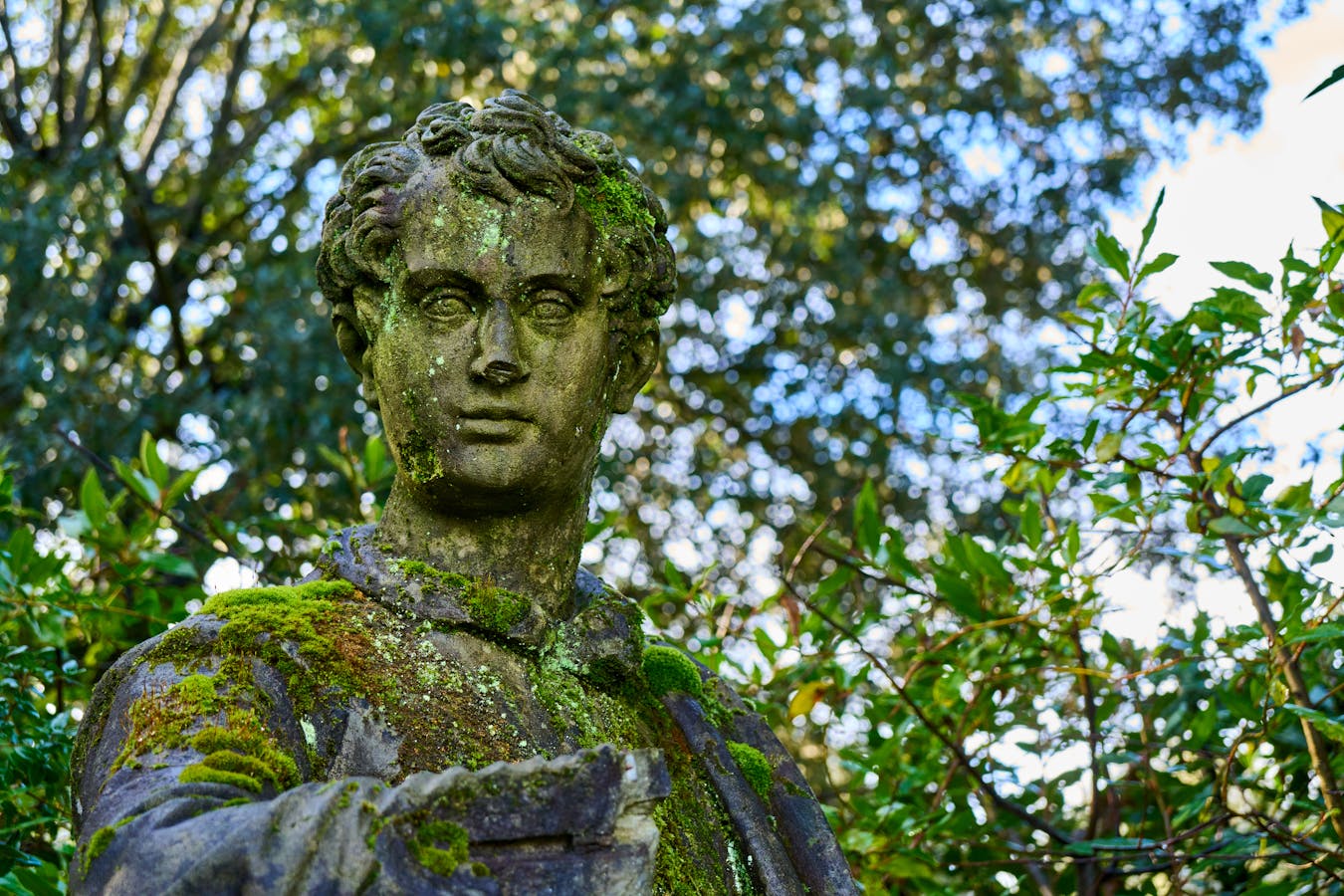
The defining feature of Hozenji is its water-splashing prayer ritual. A small bucket and ladle sit in front of the Mizukake Fudo statue. Visitors scoop water from the bucket and pour it gently over the statue’s head and shoulders while making a silent prayer. The tradition is roughly 80 years old (younger than the temple itself), said to have begun when a woman in distress poured water on the statue while praying and her wish was granted – the practice spread by word of mouth, and decades of continuous water flow have produced the dense green moss covering that gives the statue its famous appearance.
The two attendant statues (Kongara Doji and Seitaka Doji) are also covered in moss to a lesser extent. Pour water on all three for a complete prayer. The bucket costs nothing to use, which is why the temple turns up on our list of no-cost Osaka attractions.
The 1945 Firebombing Survivor Story
The Osaka air raids of March-August 1945 destroyed most of central Osaka including the entire neighborhood around Hozenji. The original wooden temple buildings burned. The Mizukake Fudo statue itself – a stone carving rather than wood – survived intact in the rubble, with its moss covering still wet from the previous day’s prayers. The current temple buildings were rebuilt in the 1950s around the surviving statue, which sits today in its original 1600s position.
Hozenji Yokocho – The Lantern Alley
Adjacent to the temple (and accessible via the temple grounds) is Hozenji Yokocho – a 60-meter stone-paved alley lined with 13 small kappo restaurants, izakaya, sushi counters and bars. The alley has been there in some form since the Edo period and was made famous by Sakunosuke Oda’s 1940 novel “Meoto Zenzai” (Sweet Beans for Two), set in this exact alley. The original Meoto Zenzai red-bean dessert shop still operates at the western end – a generations-old institution where you can order the namesake “Sweet Beans for Two” (two small bowls of red bean soup).
The alley is at its most photographic at dusk and after dark, when the red lanterns light up. Restaurants typically open 17:00-23:00. Many seat only 6-12 people; reservations recommended for the kappo counters. Cheaper standing izakaya sit two blocks west in Ura-Namba, and our pick of Osaka izakaya covers which ones take walk-ins.
Etiquette at Hozenji Temple
- Bow before approaching the statue
- Use the bucket and ladle provided – scoop water and pour gently on the statue’s head, shoulders, and the smaller attendant statues
- Place hands together (gassho), bow, pray silently – do not clap (it’s a Buddhist temple, not a Shinto shrine)
- Bow once more before leaving
- Photography permitted; flash is discouraged
- Small coins for the donation box appreciated (JPY 5-100)
- Voices low – even though the temple is in central Dotonbori, this is a place of prayer
- If a service is in progress, stand respectfully to the side
Best Time to Visit Hozenji Temple
- Dusk (17:00-19:00): Best for photography – lanterns on, atmospheric light
- After dark (19:00-23:00): Most photographic alley shots; combined with Hozenji Yokocho dinner
- Early morning (07:00-09:00): Calmest, best for quiet prayer
- February 3 (Setsubun): Bean-throwing ceremony – small, atmospheric, free
- Year-round: Open 24/7, never crowded enough to require waiting
Where to Eat in Hozenji Yokocho
Meoto Zenzai (Sweet Beans Shop)
The original 1883 sweets shop made famous by Oda’s 1940 novel. Order the namesake “Meoto Zenzai” – two small bowls of warm red bean soup with mochi (JPY 800). The interior is preserved 1900s-era with low wooden tables. Open 10:00-22:00.
Yotuba
Counter-only kappo restaurant – 8 seats, JPY 8,000-12,000 multi-course dinner. The chef speaks some English. Reservations 1-2 weeks ahead.
Bar Hibikiya
Small Showa-era bar with whisky and shochu. JPY 500 cover. Photogenic.
Standing Sushi Counter
Several standing sushi counters in the alley – JPY 2,000-3,000 for 8-10 pieces.
Photography Tips
- Best statue shot: Use a wide lens (24-35mm), shoot from slightly below to capture the full moss covering against the temple roof
- Best alley shot: Stand at one end of Hozenji Yokocho looking down the length – red lanterns recede into the distance, stone path glistening when wet
- Time of day: Blue hour (just after sunset, ~19:00 in summer / 17:30 in winter) gives the deepest reds and ambient light balance
- Tripod use: Tolerated in the alley if not blocking foot traffic; not encouraged inside the temple grounds
- People in shot: The alley is narrow; expect occasional passing pedestrians – either embrace the human element or wait 30 seconds for clearance
Combine With Other Stops
Dotonbori Canal (1 min walk)
The Glico sign and main neon strip are 60 seconds north of Hozenji. Our Dotonbori canal walkthrough maps the food stalls along the way.
Namba Yasaka Shrine (7 min walk)
The giant lion-head shrine – one of Osaka’s most photographed Shinto sites.
Sennichimae Doguya-Suji (3 min walk)
Osaka’s kitchen-supply shopping street – 800m of professional cookware shops, knives, ceramics. It runs south into the Namba station district, where the department stores and the Nankai concourse start.
Kuromon Market (10 min walk)
“Osaka’s Kitchen” – 580m covered food market. Open 09:00-18:00 most days.
Suggested Hozenji Evening Itinerary
- 17:30: Walk from Namba Station to Hozenji – photograph the alley before lanterns turn on
- 18:00: Visit the Mizukake Fudo statue – water offering and prayer
- 18:15: Photograph the alley after lanterns light up
- 18:30: Sit-down meal at one of the kappo counters or izakaya in the alley
- 20:30: Walk to Dotonbori canal for the Glico sign and a takoyaki snack
- 21:30: Tombori River Cruise (last sailing 21:30 – book in advance)
Practical Tips
- Cash for amulets and omikuji – JPY 200-1,000
- Goshuin (temple stamps) available 10:00-18:00 – JPY 500
- The temple has no public restroom; nearest at Don Quijote Ebisu Tower (90 seconds away)
- Hozenji Yokocho restaurants are mostly cash-only – bring sufficient bills
- Counter seats at the kappo restaurants book 1-2 weeks ahead in peak season; weeknight walk-ins sometimes possible at 17:30 opening
- Smoking is permitted in some Hozenji Yokocho bars – confirm before sitting if it bothers you
- The alley narrows to about 2 meters wide – mobility-impaired visitors may find it cramped
- The temple is wheelchair-accessible at the main entrance facing Sennichimae street
Why Hozenji Matters
Hozenji Temple is the most concentrated example of why Osaka rewards slow exploration. The temple is 60 seconds from one of the world’s most photographed neon strips, but produces a completely different atmosphere – intimate, quiet, prayerful, with a 400-year-old moss-covered Buddha and a literary alley that has fed Osaka’s residents continuously since the Edo period. Most visitors to Dotonbori never notice it. The ones who do remember it for years.
Final Word: Hozenji Temple
Hozenji Temple is the easiest spiritual stop to combine with a Dotonbori evening – free, open 24/7, 60 seconds south of the canal, and pairs naturally with dinner in the Hozenji Yokocho lantern alley. Pour the water, say a prayer, then sit down to a kappo meal in the alley that gave Sakunosuke Oda his 1940 novel. A 90-minute combined visit produces some of the most atmospheric memories available in central Osaka.