This article contains advertising. Our booking links are routed through a partner that adds commission tracking automatically, so if you book through one we earn a commission from the provider, at no extra cost to you. It never affects what we recommend. Affiliate disclosure
Most theme parks reward the person who turns up. Universal Studios Japan rewards the person who did homework three weeks earlier. That is not a criticism, exactly — it is simply the deal. USJ has spent a decade turning itself into the most ticket-engineered park on earth, with more than thirty species of Express Pass, a timed-entry system inside a timed-entry area, and a price calendar that moves like an airline’s. Show up with a plain ticket on a Saturday in the 25th-anniversary year and you will spend nine hours queuing for four rides. Show up having spent an hour on the app the night before and you will ride everything that matters by four in the afternoon.
This guide is the homework. It covers what to buy, what to skip, how the Super Nintendo World entry system actually works in practice rather than in the FAQ, and where the park quietly wastes your time. It assumes you have one day, because almost everybody does.
What Universal Studios Japan actually is
USJ opened in Osaka Bay in 2001 and has always been the more chaotic, more Japanese sibling of the Universal parks. It is compact — genuinely walkable end to end in fifteen minutes — which sounds like an advantage until you realise it means the crowds have nowhere to disperse to. Where Tokyo Disneyland spreads its guests across a lot of land, USJ concentrates them.
The park’s identity today rests on three things: Super Nintendo World, the Wizarding World of Harry Potter, and a rotating slate of anime and game collaborations under the Universal Cool Japan banner that changes every year and is often the single best thing in the park. The rest is a solid but unremarkable collection of screen-based rides and a coaster that plays music.
Who it suits: anyone travelling with children over about seven, anyone who grew up on Nintendo, and anyone who likes Japanese theme-park craft — the detailing in Nintendo World and Hogsmeade is genuinely world class. Who it does not suit: travellers on a tight three-day Osaka trip who have never much cared about theme parks. A full USJ day costs a day and roughly ¥15,000–30,000 a head once you include an Express Pass. That is a lot of Osaka you are not seeing.
If you are working out whether USJ earns its slot, see our 3 days in Osaka itinerary.
The 25th anniversary year changes the maths
USJ’s 25th anniversary season, themed Discover U!!, runs from 31 March 2026 to 30 March 2027, and it overlaps with Universal Cool Japan 2026. This matters more than a marketing banner usually would. Anniversary years pull in enormous domestic crowds, and reported standby waits on the headline attractions have been running at 180 to 240 minutes on peak dates — three to four hours for one ride.
The practical consequence: through this season, an Express Pass moves from “nice if you can afford it” to close to essential on weekends and Japanese holidays, and the Super Nintendo World free timed-entry tickets run out earlier in the morning than they used to. Plan for a busier park than the older guidance online describes.
Tickets: what to buy, what to ignore
The 1-Day Studio Pass
The basic adult 1-Day Studio Pass starts at around ¥8,900, but that figure is close to meaningless on its own because USJ prices dynamically by date. The same ticket on a quiet Tuesday in June and a Saturday in the New Year period can differ by several thousand yen. All prices here are 2026 estimates and should be checked against the official calendar before you commit — they have risen every year since 2022 and there is no sign of that stopping.
The date calendar is also the single most useful crowd forecast the park gives you for free. USJ prices high on days it expects to be busy. If the calendar shows a cheap day, that day will be quieter. Choosing your date off the price calendar is the cheapest crowd-avoidance strategy available.
Two days, and when it is worth it
A 2-Day Studio Pass exists and is worth considering in exactly one situation: you have young children, you are staying at a partner hotel on the doorstep, and you want two half-paced days rather than one forced march. For adults without children, two days at USJ is a poor use of an Osaka trip. One well-planned day with an Express Pass covers everything.
Where to buy
- The official USJ website and app — the only place that sells the full Express Pass range, and the only place the free Area Timed Entry Tickets exist. Buy here by default.
- Partner hotels — several sell tickets with early park entry attached. That early entry is worth more than most Express Pass tiers on a crowded day.
- Klook, KKday and similar resellers — convenient, sometimes marginally cheaper, but their Express Pass inventory is a subset of the official one and the good tiers sell out there first.
- Lawson and other konbini machines — they work, but the interface is Japanese-first and there is no reason to bother when the app exists.
Buy at least three to four weeks ahead for a weekend, longer for Golden Week, Obon and the New Year period. Express Passes are capped per day and genuinely sell out.
The Express Pass decision
This is where most of the money and nearly all of the confusion lives. USJ sells more than thirty Express Pass variants, and they are not simply tiers of the same thing — different variants cover different specific rides, and only some include Super Nintendo World area entry.
The tiers
| Tier | Roughly covers | Indicative add-on price | Verdict |
|---|---|---|---|
| Express Pass 4 | Four attractions, several variants | from about ¥10,800 | Only worth it if the variant includes Nintendo World entry |
| Express Pass 7 | Seven attractions, the widest standard coverage | often ¥18,000 and up | The sensible choice on a busy day |
| Express Pass 8 / Premium | Broadest coverage plus seasonal attractions | top tier, peak dates only | Rarely necessary unless Cool Japan is the point of the trip |
| VIP Pass | Guided, includes Donkey Kong Country entry | substantial | Genuinely good, genuinely expensive |
Read the variant, not the number. This is the single most expensive mistake visitors make at Universal Studios Japan. Two passes both called “Express Pass 7” can cover different rides, and only some guarantee Super Nintendo World timed entry. Open the ride list on the product page before you pay. If Nintendo World entry is your priority and the pass does not name it, that pass will not get you in.
When you actually need one
- Weekends, Japanese public holidays, Golden Week, Obon, New Year and the anniversary peaks. Yes. Without one you will ride three or four things.
- Any day you have one shot at the park and cannot come back. Yes. The pass is expensive; a wasted day is more expensive.
- Weekday mornings outside school holidays, arriving before opening. No. Get there early, ride the big things in the first ninety minutes, and spend the money on dinner in Dotonbori instead.
What the Express Pass does not do
It does not let you skip everything — only the named attractions, once each. It does not shorten the walking. And it does not cover the shows, which have their own seating logic. Anyone counting yen should read our Osaka money-saving tips before deciding: skipping the Express Pass and going on a genuinely quiet weekday is the strategy that saves the most, and it is free.
Super Nintendo World, and why it needs its own plan
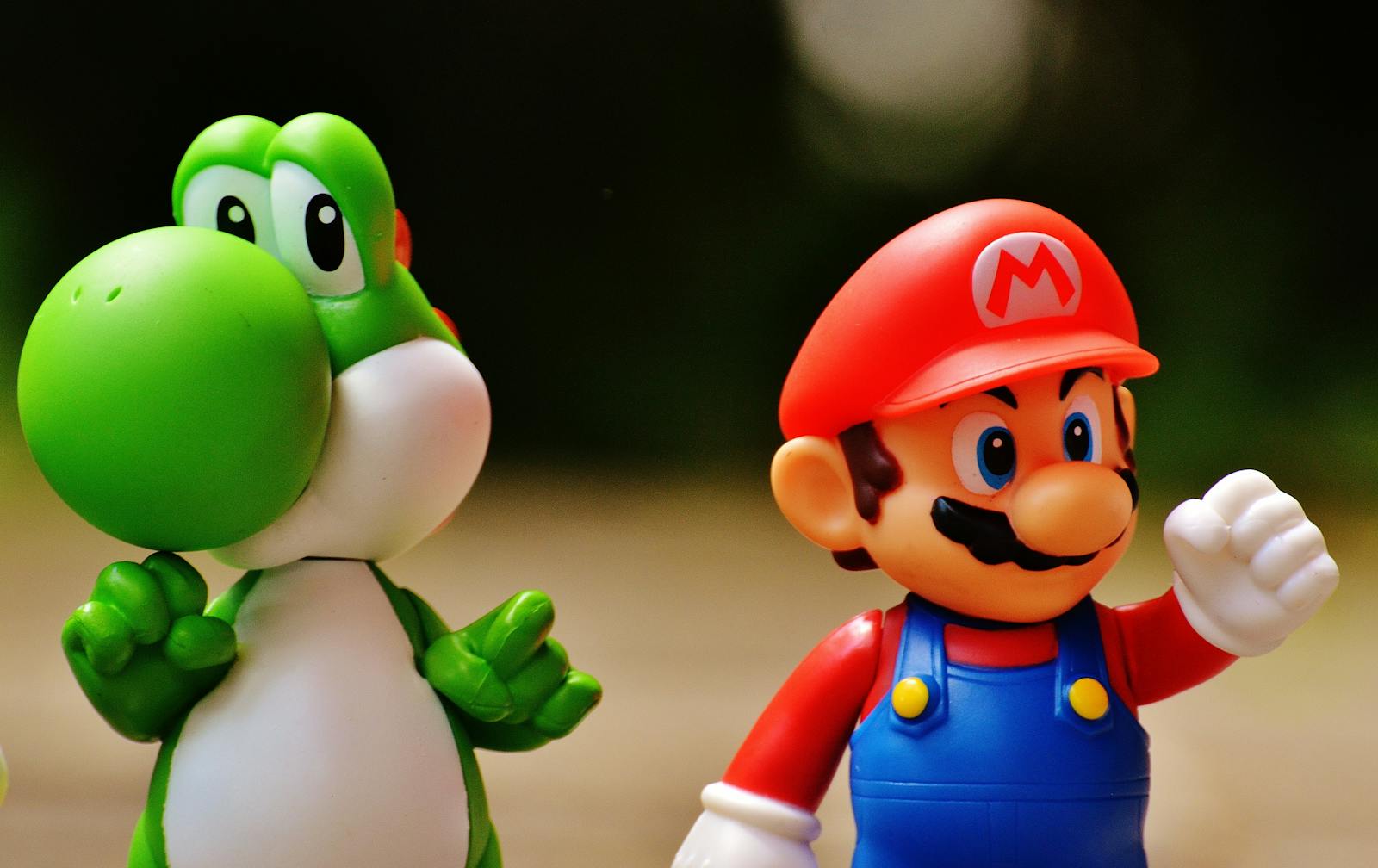
Super Nintendo World is the reason most international visitors come, and it is a controlled-entry area. Your park ticket does not, on its own, guarantee you get inside. Understanding this before you arrive is the difference between a great day and a furious one.
The three ways in
- An Express Pass that explicitly includes Super Nintendo World area timed entry. The reliable option, and the reason to check the variant list.
- A free Area Timed Entry Ticket, claimed in the official USJ app once you are inside the park gates. Free, but they go quickly on busy days, often within the first hour. You need the app installed, your ticket already loaded into it, and mobile data working. Sort your SIM card or pocket wifi before you travel; this is not the morning to be hunting for public wifi.
- Walking straight in before crowd control starts. On quieter days the area runs without entry restrictions, and even on busier ones there is usually a window at opening. This is why an early arrival is worth more than most people think.
Note the ordering problem: you cannot claim a timed-entry ticket until you are through the turnstiles, but the good slots go to the people through the turnstiles first. Being at the gate forty-five minutes before opening is, in effect, a free Express Pass.
Donkey Kong Country
Donkey Kong Country is the newer expansion inside Nintendo World, built around the Mine-Cart Madness coaster, and it opened in late 2024 after a delay from its original spring target. It remains one of the harder tickets in the park at peak times — on busy dates it can carry its own entry requirement on top of Nintendo World’s. The VIP Pass tier includes access; several Express variants do not. Check before you assume.
The rides that matter here
- Mario Kart: Koopa’s Challenge — an augmented-reality visor, steering, throwing shells. Clever and unlike anything else, though the AR takes a run or two to read properly. The headline ride of the area.
- Yoshi’s Adventure — gentle, slow, aimed squarely at small children. Adults without kids should skip it unless the queue is under fifteen minutes; the view over the area is the only real payoff.
- Mine-Cart Madness — the Donkey Kong coaster, and the best new ride USJ has built in years. The illusion of a broken track is done properly.
The Power-Up Band
The Power-Up Band is a wristband, around ¥4,000, that turns the area into a physical game — punch blocks, collect keys, fight a boss, track it all in the app. Honest verdict: it is excellent with children roughly six to twelve, and largely pointless for adults who just want to ride Mario Kart and take photographs. It is not required for any ride. Buy it for the kids, not for yourself.
Our dedicated Super Nintendo World first-visit guide goes deeper on the entry system and the Power-Up Band challenges.
The Wizarding World of Harry Potter

Hogsmeade at USJ is a full-scale, beautifully built version of the land, and it is the part of the park that most rewards simply standing still. The snow-topped roofs, the crooked chimneys, the Hogwarts Express sitting in the station — the craft is superb.
- Harry Potter and the Forbidden Journey — the robotic-arm dark ride through the castle, and still one of the best rides in Japan. The queue winds through the castle interior, so a moderate wait is genuinely part of the experience. Motion-sensitive visitors should be warned: it swings hard.
- Flight of the Hippogriff — a ninety-second family coaster. Fine. Do not queue more than twenty minutes for it.
Butterbeer costs around ¥800 and is worth having once. The frozen version is better in Osaka’s summer, which is punishing — see Osaka in summer for what August actually feels like. Wand shopping at Ollivanders involves its own queue for a short show; skip it unless a child in your group has been promised a wand.
Strategy note: Hogsmeade is busiest first thing, because everybody not sprinting to Nintendo World comes here instead. It empties noticeably from mid-afternoon. If you have Nintendo World entry for the morning, take Hogsmeade at four o’clock.
The rest of the park, ranked honestly
Worth a real wait
- Hollywood Dream – The Ride — a smooth coaster where you choose your own soundtrack. The backwards version, when it is running, is better.
- The Flying Dinosaur — a prone-position flying coaster and the most physically intense thing in the park. Genuinely world class.
- Whatever Universal Cool Japan is running — the annual anime and game collaborations are frequently the best-executed attractions on site, and they are temporary, which is precisely why they are worth prioritising.
Worth it if the queue is short
- Jurassic Park – The Ride — you will get wet. In summer that is a feature.
- Jaws — gloriously dated, carried entirely by the live guide performance. Charming rather than thrilling.
- Despicable Me Minion Mayhem — enormously popular with Japanese visitors, and the queue reflects that rather than the ride.
Skip without guilt
- Space Fantasy – The Ride — pleasant, forgettable, and never worth an hour.
- Most walk-through and meet-and-greet stops — unless you have children who want the photograph.
- The shopping streets in the middle of the day — do your souvenir buying in the last hour, when ride queues are longest and the shops are the better use of the time. Cheaper alternatives are in our Osaka souvenirs guide; USJ merchandise is priced exactly as you would expect.
A one-day plan that holds together
This assumes an Express Pass 7 with Nintendo World entry and a normal opening time — check yours, because USJ moves opening between 08:00 and 10:00 by season.
- Sixty minutes before opening — be at the gate. Not near it. At it. The park frequently opens early when the queue builds.
- Gate open — claim your Nintendo World timed entry in the app immediately, even if your Express Pass covers it, as a backup.
- First ninety minutes — The Flying Dinosaur and Hollywood Dream on standby. Waits are at their lowest of the day.
- Late morning — Nintendo World on your timed slot. Mario Kart first, then Mine-Cart Madness, then the area itself.
- Lunch at 13:30 or later — eat after the rush, not during it.
- Early afternoon — Jurassic Park, Jaws, and whatever Cool Japan is running.
- 16:00 — Hogsmeade, as it empties. Forbidden Journey, then Butterbeer.
- Last ninety minutes — shopping, the parade or night show if one is scheduled, and one repeat ride on whatever you liked most.
The single biggest scheduling error is eating at noon. The park’s restaurants all fill at once, you lose forty minutes to a queue for a tray of food, and you give up the quietest ride window of the middle of the day.
Eating in the park
Park food is fine and expensive — budget roughly ¥1,500–2,500 for a counter-service meal. The themed restaurants, Three Broomsticks in Hogsmeade and Kinopio’s Cafe in Nintendo World, are worth doing once for the room rather than the plate. Kinopio’s often requires an app reservation, which you should make in the morning, not when you are hungry.
You cannot bring your own food into the park, with the standard exceptions for baby food and documented dietary or medical needs. There are picnic areas outside the gates if you want to bring lunch and step out. Sealed water bottles are allowed and you should carry one — Osaka’s summer heat inside a queue line is no joke, and refill points exist.
Honestly, the best meal of your USJ day is the one you eat afterwards, back in the city. The park is half an hour from some of the best cheap food in Japan — our Osaka food guide and street food guide cover where to take a tired, hungry group at nine in the evening, and cheap eats in Osaka covers doing it for under ¥1,000.
Getting to Universal Studios Japan
The park sits at Universal City Station on the JR Yumesaki line, also signed as the JR Sakurajima line, in the Osaka Bay area.
- From Osaka Station (Umeda) — about 15 minutes, changing at Nishikujo. The most common route, and the one from Umeda.
- From Namba — Midosuji line to Umeda then as above, or the Hanshin Namba line to Nishikujo and change. Around 30 minutes either way; see our Namba guide.
- From Kansai Airport — direct limousine buses run to Universal City, which is the sane choice with luggage. The rail route means changes; see Kansai Airport to Osaka.
Use an ICOCA card and tap through. The Osaka Amazing Pass does not cover USJ admission, and the JR passes cover the train out here but nothing at the gate. That is worth stating plainly, because it is the most common pass misunderstanding we get asked about. Full route options are in the Osaka transportation guide and the subway guide.
Trains back after the night show are packed. With small children, waiting twenty minutes on the platform for the crush to clear is far more pleasant than joining it. Lockers exist at Universal City Station and inside the park; if you are coming straight from a hotel checkout, see luggage storage in Osaka.
Where to stay for an early start
The case for a partner hotel is simple: you can be at the gate at 07:30 without a train journey, and several sell tickets with early park entry attached. The case against is price, and the fact that you are sleeping in a theme-park suburb rather than in Osaka.
Our verdict for most travellers: stay in the city and take the fifteen-minute train, unless you have children under about eight or you are doing two park days. Then the doorstep hotel earns its premium. Full options are in hotels near USJ, and the wider city picture is in where to stay in Osaka, with area pages for Umeda, Namba and Shinsaibashi. Families should start with family hotels in Osaka; anyone counting yen, with budget hostels.
When to go
Avoid, in order of severity: New Year, Golden Week in late April and early May, Obon in mid-August, and Japanese school holidays generally. See Osaka during Golden Week if your dates are fixed and unfortunate.
Best conditions: weekdays in late January and early February, or mid-June before the school holidays, accepting that June is the rainy season. Late autumn is the sweet spot for weather. Our best time to visit Osaka and Osaka weather pages have the month-by-month detail, and Osaka in winter covers what a January park day is actually like: cold, clear and gloriously empty.
Rain is not a reason to cancel. Queues shorten, ponchos are sold everywhere, and the indoor rides carry the day. If the forecast is truly grim, our rainy day Osaka guide has alternatives.
Things that will save you grief
- Install the official app and load your ticket into it before you arrive. Not at the gate, on a congested network.
- Charge your phone and bring a power bank. The app is your ticket, your timed entry and your queue times. A dead phone is a ruined day.
- Check the ride list on your Express Pass product page. The number in the name is not the specification.
- Single-rider queues exist on several attractions and can cut an hour to fifteen minutes if you do not mind being split up.
- Height restrictions are strictly enforced and several headline rides sit at 122 cm. Measure your child at home, not in the queue.
- Locker up early. Coin lockers inside the park fill by mid-morning.
- Do not buy the Power-Up Band on impulse for adults. It is ¥4,000 that mostly ends up in a drawer.
More of this kind of thing, across the whole city, in our Osaka travel tips guide.
Universal Studios Japan FAQ
Is one day at Universal Studios Japan enough?
Yes, with an Express Pass or on a genuinely quiet weekday. One day covers Nintendo World, Hogsmeade and the three or four rides that matter. Two days only makes sense with young children, or if Universal Cool Japan is a major draw for you.
Do I need an Express Pass?
On a weekend, a Japanese holiday or an anniversary peak date, effectively yes. On a quiet weekday with an early arrival, no. Decide by looking at the official price calendar: expensive days are busy days.
Do I need a separate ticket for Super Nintendo World?
Not a separate paid ticket, but you do need entry — either an Express Pass that names the area, a free Area Timed Entry Ticket claimed in the app after you enter the park, or walking in before crowd control begins. Do not assume your park ticket alone gets you in.
How much does a day at USJ cost?
Realistically ¥15,000–30,000 per adult with an Express Pass, food and transport, or around ¥12,000 without one. Those are 2026 estimates and dynamic pricing moves them. Our Osaka trip cost breakdown puts the figure in context against the rest of a trip, and budget travel in Osaka covers how to claw it back elsewhere.
Is USJ better than Tokyo Disneyland?
Different, not better. USJ is more intense, more compact and more oriented to teenagers and adults. Tokyo Disneyland and DisneySea are prettier and better for under-sevens. If you only do one Japanese theme park and you like coasters and video games, USJ.
Can I bring my own food?
No, aside from baby food and documented dietary or medical needs. Sealed water bottles are fine, and there are picnic areas outside the gates.
What is the minimum height for the big rides?
Several headline attractions sit at 122 cm, with lower thresholds on the family rides. Check the official ride pages against your child’s actual height before you buy anything.
Is Universal Studios Japan good for toddlers?
Only partly. Yoshi’s Adventure, the Minion area and the shows work; almost nothing else does. See USJ with kids and Osaka with toddlers for a realistic read, and consider the Osaka Aquarium instead for the very young.
Where to go next
USJ is one day of an Osaka trip, and the city around it is the reason to come. Start with the Osaka travel guide for the overview, things to do in Osaka for what fills the other days, and the Osaka itinerary hub for plans of one to seven days. Families should read Osaka with kids alongside this page.
If USJ has put you in a Japanese pop-culture mood, Den Den Town is the electronics and anime district and a natural next stop. For the rest of the region, our day trips from Osaka page covers Kyoto, Nara, Kobe and Himeji, and Osaka neighbourhoods explains how the city fits together.
And for trips that run beyond a single day, see our Kansai region guide.
The area needs a plan of its own before you arrive — our Super Nintendo World guide walks through the timed-entry system, the rides and whether the Power-Up Band is worth buying.
Before anything else, get the ticket right. Our guide to Universal Studios Japan tickets covers Studio Pass prices, how dynamic pricing works, which Express Pass variants actually include Super Nintendo World entry, and the app rule that changed in January 2026.
The Express Pass decision deserves its own page: our USJ Express Pass guide explains how to read the variants, which include Super Nintendo World, and when the money is better spent elsewhere.