This article contains advertising. Our booking links are routed through a partner that adds commission tracking automatically, so if you book through one we earn a commission from the provider, at no extra cost to you. It never affects what we recommend. Affiliate disclosure
Buying Osaka souvenirs is more loaded than it looks. The Japanese word is omiyage, and the custom behind it runs deep: you are more or less expected to bring something back from a trip, often for the whole office, and the choosing is taken seriously. Osaka makes this easy, because it has its own distinct lineup. There are edible souvenirs you cannot get elsewhere, takoyaki-flavoured Pringles, okonomiyaki crackers, milk manju. There are crafts worth real money, Sakai chef knives chief among them. There is the Glico Running Man on everything, and there is the usual wall of Japanese cosmetics that tourists clear out by the basket.
This guide covers what to buy, what to skip, and where to find it, from the snack shelves at Shin-Osaka Station to the knife counters in town. It also gets into the practical stuff people learn the hard way: which souvenirs to buy last, what survives a long flight, and why the knives go in your checked bag.
A quick word on omiyage etiquette
If you are buying for Japanese friends or colleagues, a couple of conventions are worth knowing. Omiyage are usually shareable: a box of individually wrapped pieces that can be set out for a team to take one each, rather than a single personal gift. That is why so many snack boxes come in counts of twelve or more. Presentation matters too, which is why the shops wrap everything so carefully and why the regional, named products carry more meaning than a generic item would. You are not expected to spend a fortune. A ¥1,000 box from a recognisably Osakan maker reads as more thoughtful than something pricier but placeless. For gifts to take home to family abroad, none of this is binding, but the same logic holds: the specific and local beats the expensive and forgettable.
The edible souvenirs that matter
Start here, because this is what most people come for and what travels best when you buy it right. The Kansai-exclusive flavours are the gifts that get a reaction back home, precisely because nobody else can find them.
- Takoyaki-flavoured Pringles (around ¥240). The Kansai-only flavour, and probably the single most-shared Osaka souvenir in the world. Cheap, light, and an easy crowd-pleaser.
- Tsukigesho milk manju (about ¥1,200 a box). A soft milk-custard pastry with a near-cult following, by some counts selling one every couple of seconds. A safe premium gift.
- Okonomiyaki senbei (around ¥600). Crisp rice crackers built to taste like Osaka’s savoury pancake. Odd, moreish, very local.
- Osaka no Koibito (about ¥1,500). Strawberry-cream langue de chat cookies, a knowing play on the famous Hokkaido original.
- Tsutenkaku no Koibito (about ¥1,500). The white-cream counterpart, themed on the Tsutenkaku tower.
- Jagabee takoyaki flavour (around ¥350). Crisp potato sticks, again Kansai-only.
- Happy Turn takoyaki flavour (about ¥250). A beloved Japanese snack with the local seasoning.
- Glico Pretz, Osaka edition (around ¥200). Fitting, given Glico is an Osaka company and the Running Man sign is two minutes from the shopping streets.
- Osaka-themed senbei (¥500 to ¥1,500). Rice crackers in a range of local flavours, good for bulk gifting.
- Local sake (¥1,500 to ¥5,000). Plenty of regional brands; ask the shop for something from the Kansai breweries.
Crafts worth investing in
If you want a souvenir that lasts longer than a snack box, Osaka and its surrounds make some genuinely good things. These are the gifts you buy once and keep.
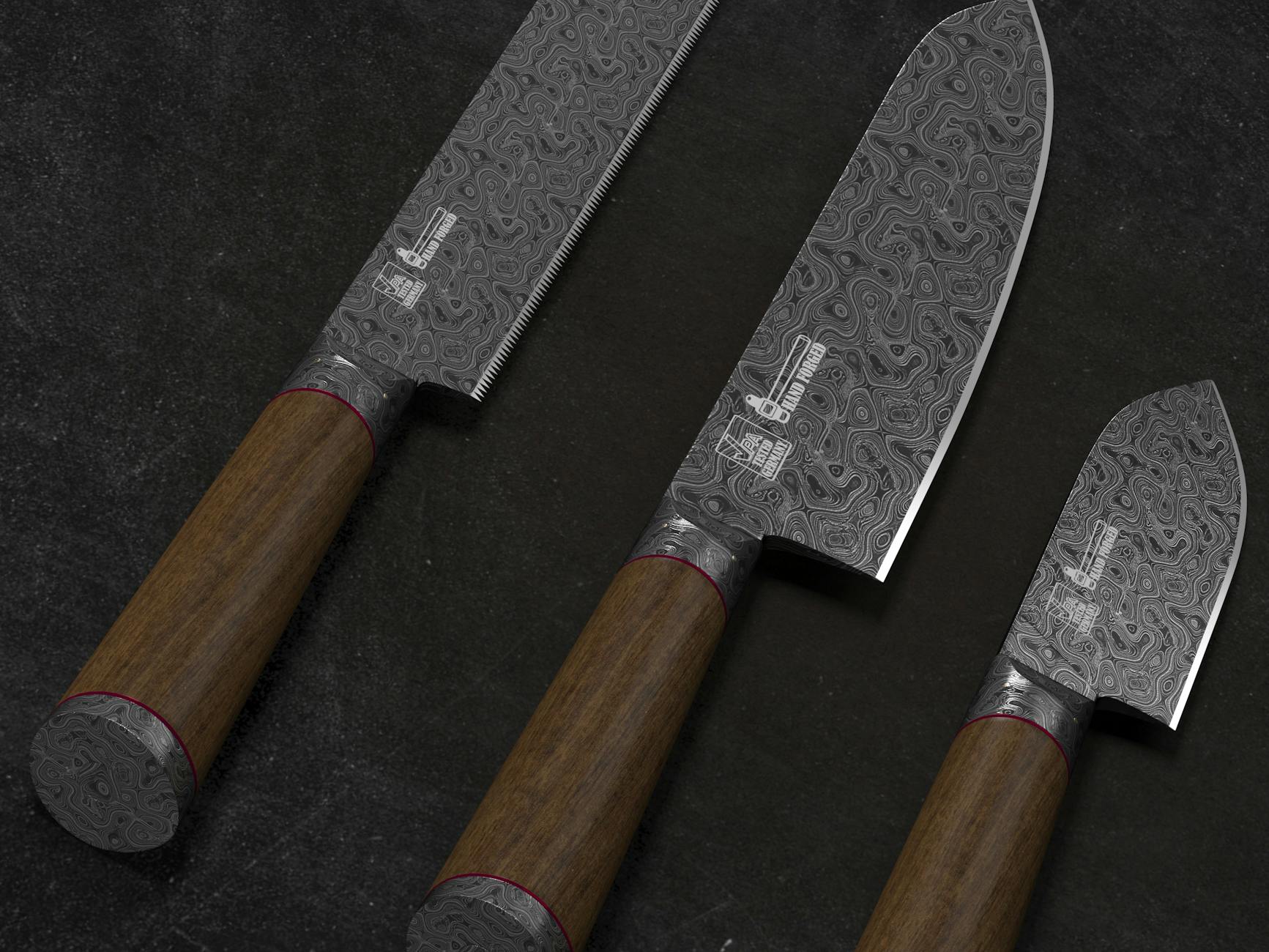
- Sakai chef knives (¥8,000 to ¥35,000 and up). Forged in Sakai, just south of the city, on a knife-making tradition some six centuries old. The best single craft buy in Osaka if you cook, and the kind of gift people remember.
- Tenugui hand towels (¥1,200 to ¥3,500). Thin printed cotton cloths, endlessly useful and flat enough to slip into any bag.
- Osaka leather goods (¥3,000 to ¥30,000). The city has a long leatherworking trade; wallets and small bags are the sensible buys.
- Furoshiki wrapping cloths (¥1,500 to ¥4,500). A square of cloth that wraps gifts, bottles or your lunch; a souvenir that is also a skill to learn.
- Yukata, the summer kimono (¥3,000 to ¥15,000). Lighter and far cheaper than a formal kimono, and actually wearable.
- Regional pottery (¥2,000 to ¥8,000). Mino-region ware and similar turn up at the department-store craft floors.
- Glico Running Man merch. Limited Pocky boxes, T-shirts and accessories tied to the sign everyone photographs in Dotonbori.
Character and pop-culture buys
- Pokémon Center Osaka, on the 13th floor of Daimaru Shinsaibashi, with Osaka-exclusive merch you will not find at other branches.
- Hello Kitty Osaka editions, the character done up in local dress and motifs.
- Sanrio Shinsaibashi, for the wider character lineup in Osaka-themed form.
- Glico Pocky special editions, in flavours sold only around here.
- Cup Noodles Museum, Ikeda, a short trip out, where you can design your own cup and pick up ramen-themed odds.
- Anime finds in Den Den Town, covered in more depth in our Den Den Town shopping guide.
Cosmetics and beauty
Japanese drugstore skincare is one of the great tourist value buys, and Osaka’s drugstores are stocked deep. A few that consistently end up in suitcases:
- Shiseido, available tax-free at the major drugstores.
- SK-II, the premium end of Japanese skincare.
- Hada Labo, the hyaluronic-acid lotion with a cult following.
- Naturie Hatomugi skin conditioner, a cheap, much-loved toner.
- Japanese eye drops (¥800 to ¥2,000), a category Japanese travellers stock up on for a reason.
- Curel hand cream (around ¥800), good and gift-sized.
Where to buy it
Different spots suit different missions. Match the shop to what you are after and the day you have left.
- Shin-Osaka Station. The Shinkansen hub, lined with 100-plus omiyage shops. This is where last-minute snack shopping happens, often minutes before a train.
- Hankyu Umeda Main Store. The place for the premium end, traditional crafts, yukata and good sake, with a famous basement food hall.
- Daimaru Shinsaibashi. Pokémon Center, Nintendo Store and character goods under one roof.
- Don Quijote Dotonbori. Open 24 hours, tax-free, several floors of variety for the scattergun shop.
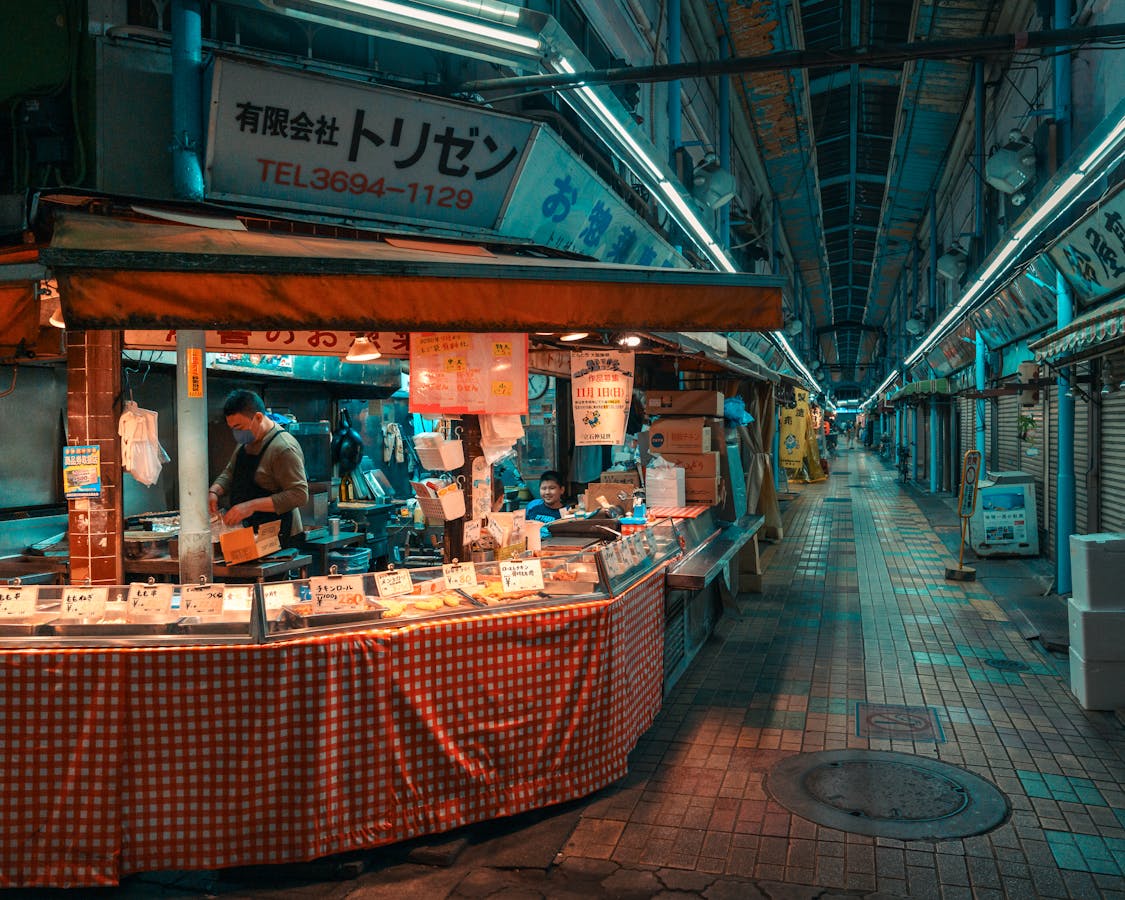
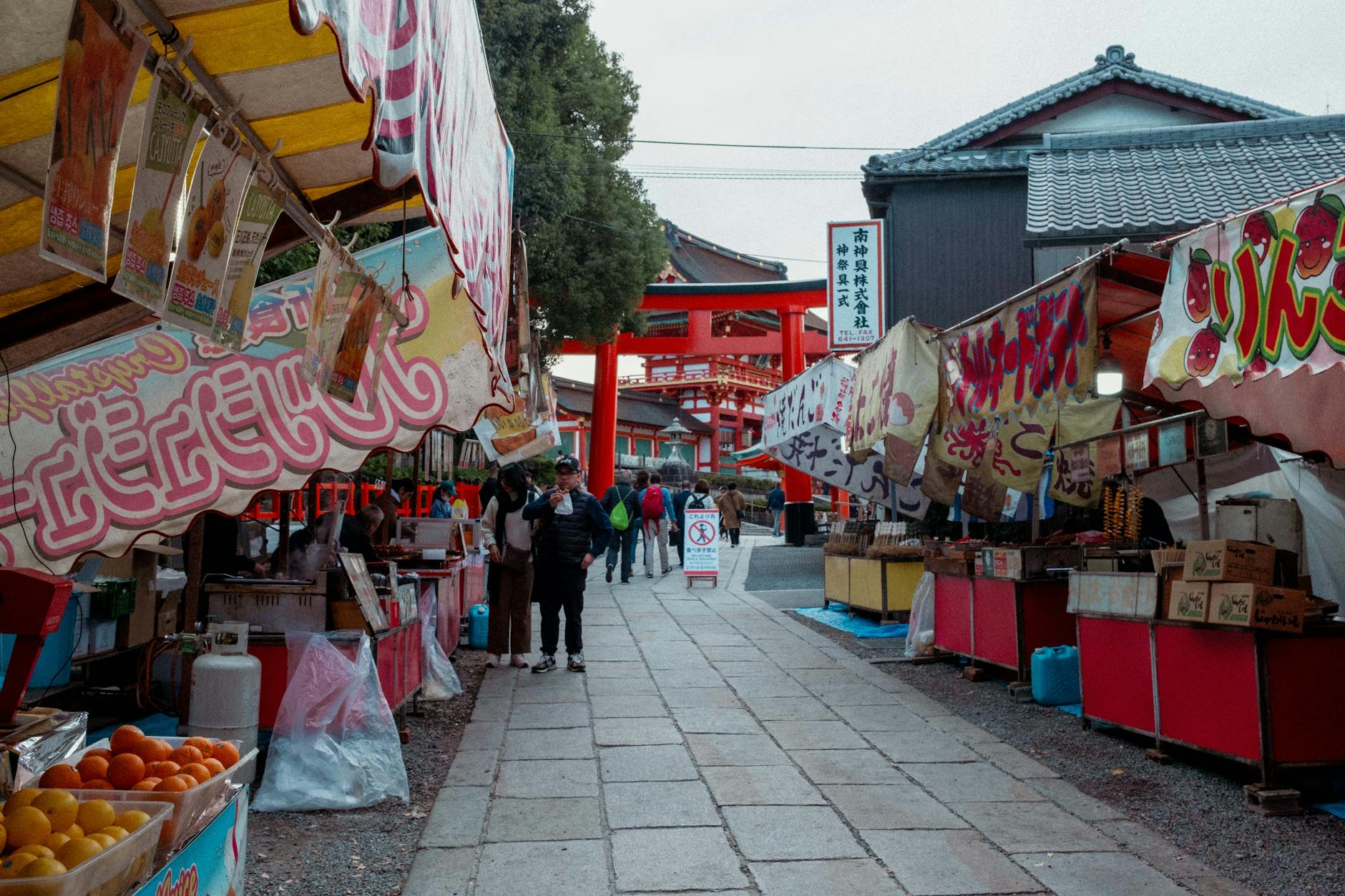
- Kuromon Market. Edible souvenirs, fresh seafood and premium fruit, plus plenty to eat on the spot.
- Doguyasuji Arcade. The kitchenware street near Namba, where the takoyaki pans and knives live.
- Den Den Town, Nipponbashi. Anime, electronics and character goods.
- Kansai Airport. The last-chance counter, with tax-free and a solid brand selection if you ran out of time in town.
What to budget
- Small edible box for the office: ¥800 to ¥1,500.
- Premium edible (Tsukigesho, good senbei): ¥1,500 to ¥3,000.
- Tenugui: ¥1,500 to ¥3,500.
- Sakai chef knife: ¥8,000 to ¥35,000.
- Yukata: ¥3,000 to ¥15,000.
- A week’s worth of souvenirs all in: ¥5,000 to ¥30,000 or more, depending on how many people you are buying for.
How tax-free works
The threshold is ¥5,000 in a single transaction at a participating store, with your passport at the till or tax-free counter. Daimaru, Don Quijote, BIC Camera and Hankyu all handle it. Tax-free goods are meant to leave Japan unopened within 30 days, and consumables get sealed in a bag, so do not crack into your souvenir snacks before the flight if you bought them tax-free. Keep the receipt slip in your passport for customs. If you are buying a lot from one shop, pool it into one transaction to clear the threshold.
The practical bits people learn the hard way
- Buy edible souvenirs last. Sweets and snacks have a shelf life, so pick them up on departure day rather than day two.
- Bulk-buy for the office. Many snack boxes come in 12-plus individually wrapped pieces, built for exactly this.
- Pack soft goods flat. Tenugui and yukata crease; lay them flat or roll them.
- Knives go in checked baggage. They are banned from carry-on, no exceptions, so do not pack that ¥20,000 blade in your day bag.
- Photograph the knife receipt in case you need it for a customs declaration.
- Do not agonise over the perfect gift. In omiyage culture the gesture counts for more than the item, and a ¥500 box of senbei lands fine.
A simple souvenir plan
- Throughout the trip: pick up the lasting crafts, a Sakai knife, leather, a yukata, when you come across them, since these do not spoil.
- Penultimate day: shop edible souvenirs at Shin-Osaka or a department-store basement, while selection is good.
- Departure morning: top up on last-minute snacks at Shin-Osaka Station or the airport.
Osaka souvenirs FAQ
What is the most popular Osaka souvenir?
Takoyaki-flavoured Pringles, a Kansai exclusive, and Tsukigesho milk manju are two of the most-shared Osaka souvenirs internationally. The Pringles win on price and portability; the manju on being a genuine local pastry.
Where do I buy souvenirs in Osaka?
Shin-Osaka Station for last-minute snacks, Hankyu Umeda for premium gifts, Daimaru Shinsaibashi for character goods, Don Quijote for tax-free variety, Kuromon Market for edible souvenirs, and Kansai Airport on the way out.
How much should I budget for souvenirs?
Roughly ¥5,000 to ¥30,000 for a week, depending on numbers. An edible box runs ¥800 to ¥3,000; premium gifts start around ¥10,000.
Can I get tax-free souvenirs?
Yes, at the major stores, Daimaru, Don Quijote, BIC Camera and Hankyu among them, on purchases of ¥5,000 or more with your passport.
Are Sakai knives a good souvenir?
For anyone who cooks, they are the best craft buy in Osaka, ¥8,000 to ¥35,000 depending on the blade. One rule: pack them in checked baggage only, never carry-on.
What should I avoid?
Generic mass-produced trinkets from the touristy stalls, which are overpriced for what they are. Skip anything with a short shelf life if you are flying far, and fragile pieces unless you can pack them properly.
If you only have room for a few things
Suitcases fill up fast, so here is the honest ranking. The Kansai-only snacks earn their place first, because they are light, cheap, and impossible to find at home, which is the whole point of a souvenir. After that, if you cook at all, a Sakai knife is the one big buy that justifies its weight and price; people use them for years and remember where they came from. Tenugui cloths are the smart filler, flat, useful, and a few hundred yen each, so buy several. The Japanese skincare is worth a slot if it is genuinely cheaper than at home and you will use it. What I would leave behind: the fragile pottery unless you are checking a bag with room to pad it, the bulky character plush that costs more than it is worth, and anything you could buy in your own city for a similar price. Spend your luggage allowance on the things that are specifically, unmistakably Osaka.
Plan the rest of your Osaka shopping
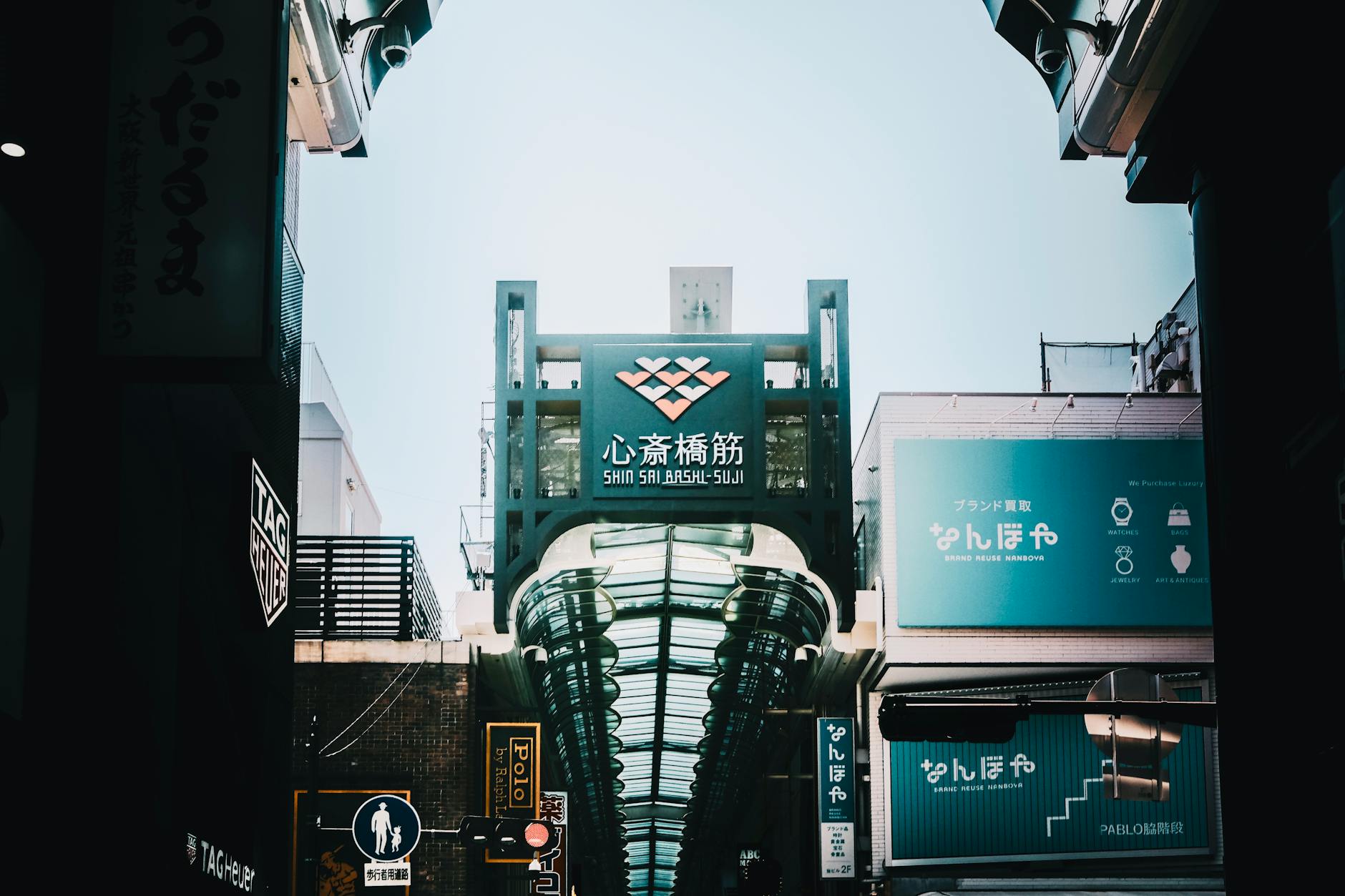
For the best edible souvenirs and a meal while you shop, our Kuromon Market guide is the place to start. The covered arcade nearby is the other obvious hunting ground, covered in our Shinsaibashi shopping guide. And for everything from department stores to discount halls, our Osaka shopping guide maps out the whole city. Vintage and secondhand finds make better gifts than the airport shelves; our vintage shopping guide has the shops, and the tax-free guide explains how to claim the 10% back.
Some of the best things to take home are not in a souvenir shop at all. Osaka drugstore shopping covers the skincare, sheet masks and snacks that cost a fraction of the imported price back home.