This article contains advertising. Our booking links are routed through a partner that adds commission tracking automatically, so if you book through one we earn a commission from the provider, at no extra cost to you. It never affects what we recommend. Affiliate disclosure
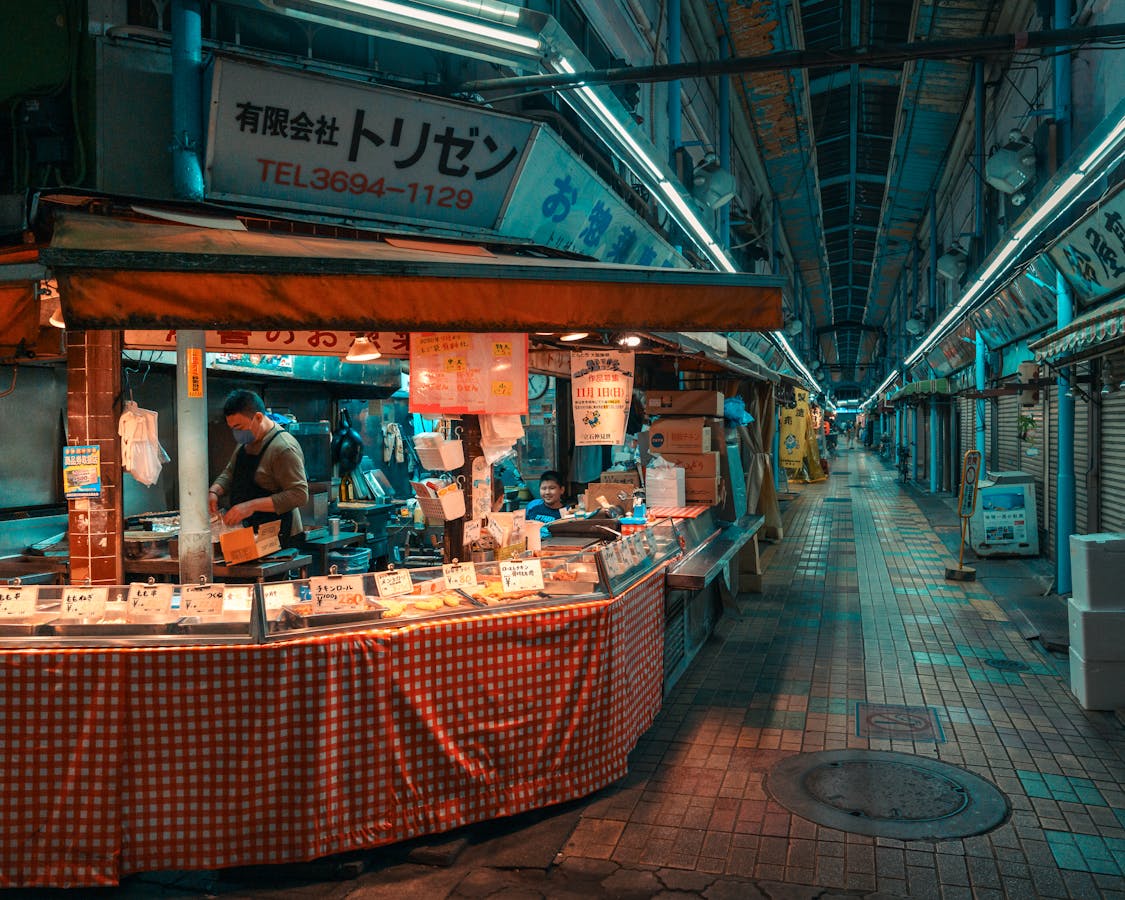
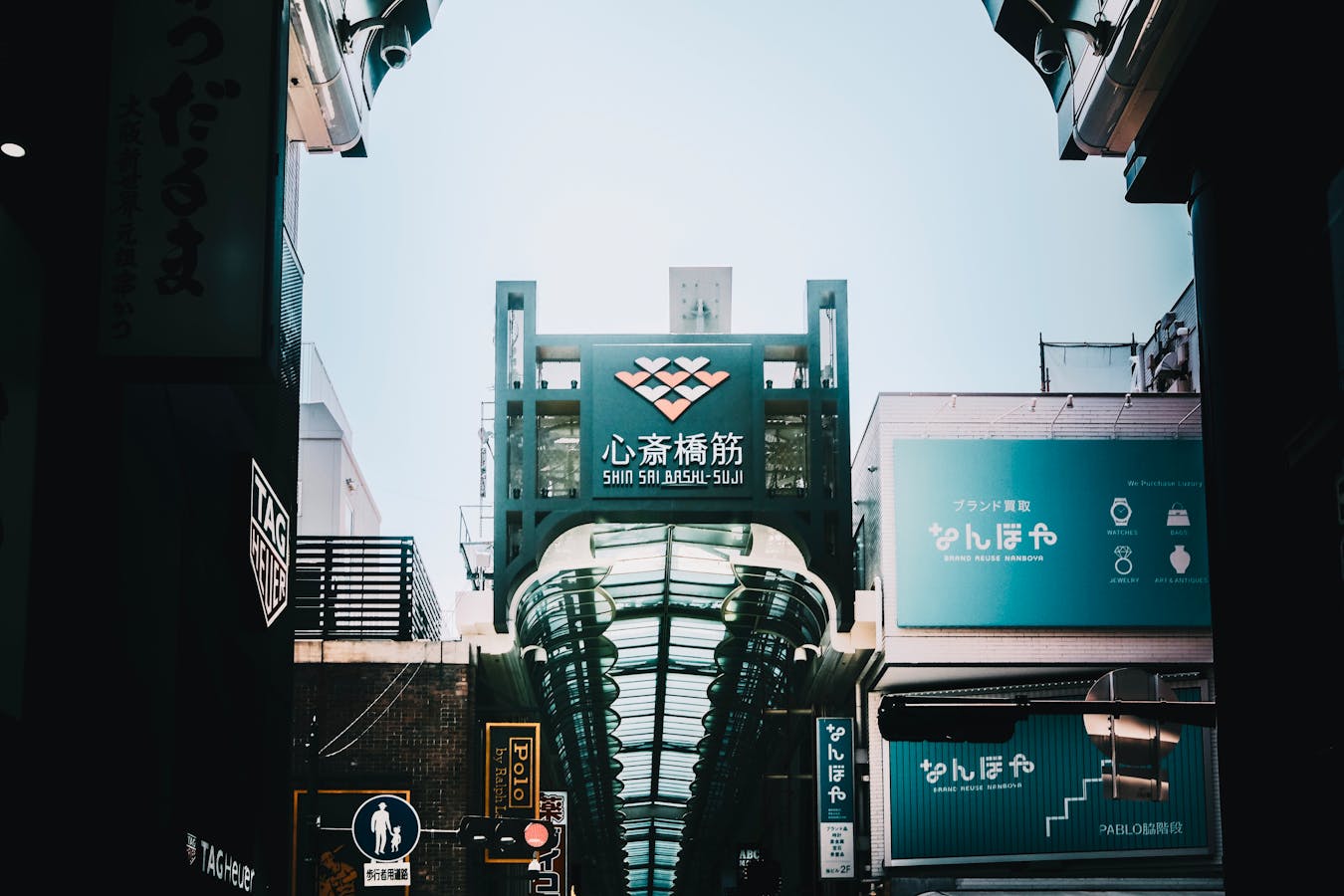
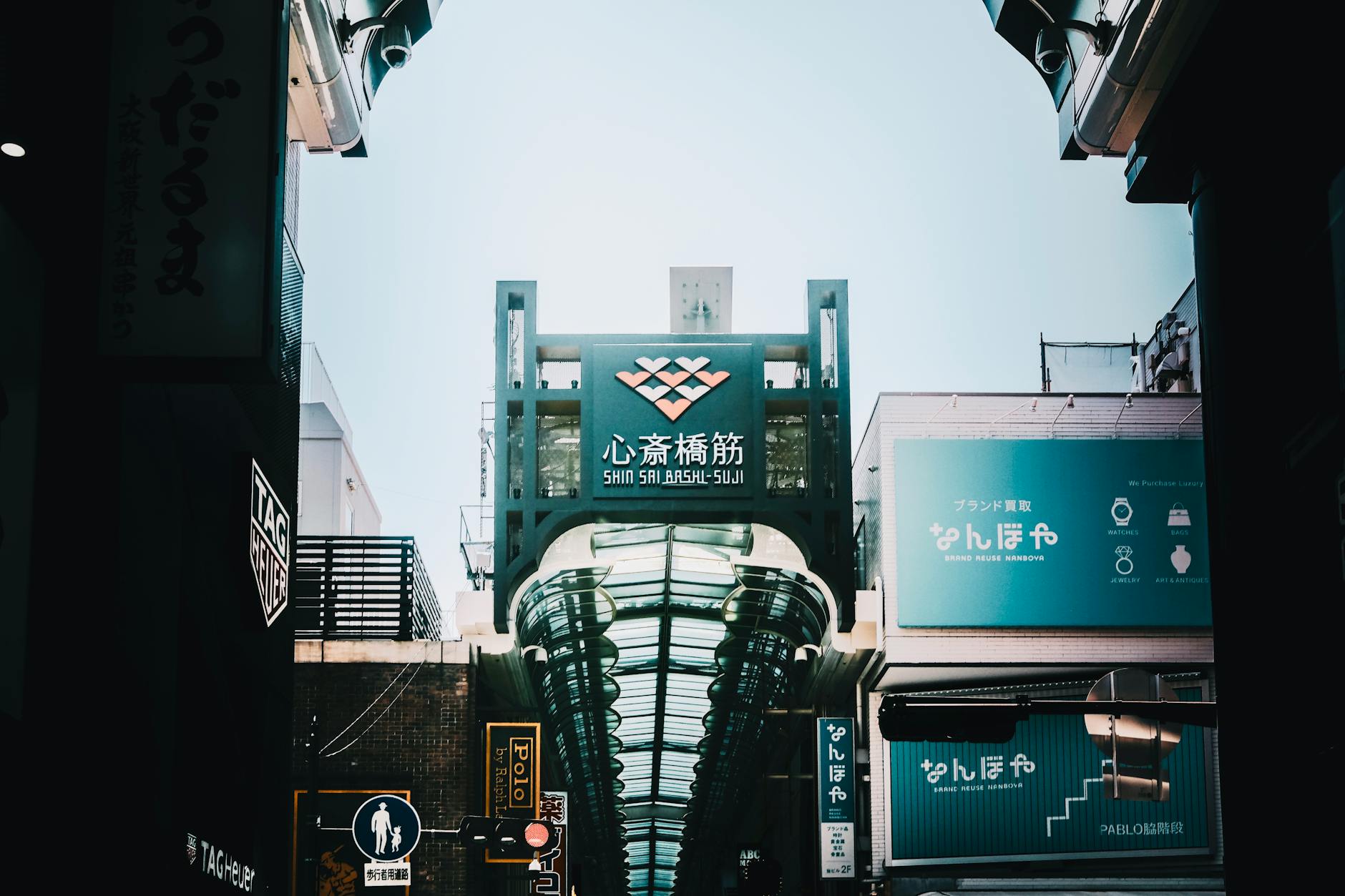
The Shinsaibashi shopping arcade is the spine of Osaka’s Minami district: a covered, 600-metre pedestrian street that runs dead straight from Shinsaibashi subway station south to Ebisubashi Bridge, where it spills into the neon of Dotonbori. Roughly 180 shops line it, the roof keeps the rain and the August sun off your head, and on a Saturday afternoon you will move at the pace of the crowd whether you like it or not. People have been trading on this stretch since the Edo period, more than 380 years, which is the kind of fact locals will tell you with a shrug.
Here is how to shop it well. This guide covers the Daimaru anchor and its Midosuji-facing luxury flagships, the chain stores worth your time, the drugstores and 100-yen shops where the real bargains hide, the side streets most visitors walk straight past, what to actually buy, how tax-free works, and a route that gets you through in three hours without losing your group or your patience.
The lay of the land
Two parallel arteries do the heavy lifting here, and tourists routinely confuse them. Shinsaibashi-suji is the covered arcade, narrow, busy, chain-store dense, running all the way down to Dotonbori. One block west is Midosuji, the wide tree-lined boulevard that holds the luxury flagships: this is where the Chanel, Louis Vuitton, Cartier and Apple storefronts sit behind plate glass, with room to breathe and a fraction of the foot traffic. Want the big-name boutiques? Walk Midosuji. Want depth and variety? Stay under the arcade roof. Most people do both, crossing between them through the side streets every couple of blocks.
The arcade is flat, straight, and almost impossible to get lost in. You enter at the north end by the station and exit at the south by the bridge. Everything in between is shopping. There is a third layer too, easy to miss: directly beneath Nagahori-dori, the cross-street near the station, runs Crysta Nagahori, one of Japan’s longer underground shopping malls. On a wet day you can move between subway lines and shops without surfacing at all.
How it compares, and where it fits
If you only have time for one shopping district in Osaka, this is the sensible default, and the reason is range. Kuromon Market is for food. Den Den Town is for electronics and anime. Umeda is department stores stacked on top of train stations. Shinsaibashi is the one place that does a bit of all of it, from a ¥100 hair clip to a ¥400,000 handbag, inside a 15-minute walk. The trade-off is crowds. This is the busiest retail corridor in western Japan, and at peak hours it feels like it. If you hate queues and shoulder-to-shoulder walking, come early or come on a weekday. Timing cuts the other way after dark: the shops shut around 21:00 and the lanes west of the arcade fill up with Osaka’s biggest nightclubs, so what the district is depends on when you show up.
The numbers, fast
- Length: about 600 metres, fully covered end to end.
- Shops: 180-plus, from luxury houses to ¥100 shops.
- Most stores open: 10:00 to 21:00; Daimaru closes earlier, around 20:00.
- Cost to walk it: nothing.
- Time to do it properly: two to four hours.
- Getting there: two minutes from Shinsaibashi Station (Midosuji line) at the north end; about five minutes’ walk from Namba Station at the south.
Daimaru Shinsaibashi: start here
Daimaru is the anchor, and it is the reason to arrive at opening. The store spreads across multiple buildings, North, Main and South, each running 13-plus floors. The Main building’s ground and lower floors hold the luxury concessions: Chanel, Tiffany, Yves Saint Laurent and the rest, along with beauty counters that draw a queue of their own. The basement is a depachika, a food hall where the sampling is generous and lunch is easy. The building itself is worth a look, with an art-deco facade and lobby that survived from the original 1930s store.
The part most visitors are really after sits high up: the Pokémon Center on the 13th floor, with a Nintendo Store alongside it. Go first thing or expect a wait, especially at weekends and during school holidays, when staff sometimes hand out timed-entry tickets. Daimaru does tax-free on purchases of ¥5,000 or more with your passport, so bring it if you plan to spend; there is a dedicated tax refund counter rather than processing at each till. Opening is around 10:00 and the doors close near 20:00, earlier than the arcade shops, so prioritise it before the smaller stores.
What lines the arcade
Walk south from Daimaru and the mix shifts fast. The Japanese high-street brands are all here at flagship scale: UNIQLO carries lines you will not find at home, and its budget sibling GU is a few doors along. ZARA, H&M and MUJI hold large stores too. Cosmetics and drugstore chains turn up every few metres, Matsumoto Kiyoshi and Cosme Drug among them, and they are where Japanese skincare costs less than you would guess.
- Don Quijote Shinsaibashi: the 24-hour discount mega-store, several floors of everything from snacks to electronics to costumes. Chaotic, cheap, tax-free counter on site.
- BIC Camera Shinsaibashi: multi-floor electronics, cameras, headphones, gadgets, with tax-free handling and English-speaking staff on the busier floors.
- 100-yen shops: Daiso, Can Do and Seria, the best place to load up on small gifts and travel kit.
- Sanrio Shinsaibashi: Hello Kitty and the wider character lineup.
- One Piece Mugiwara Store: for the anime collectors.
- Mandarake Grand Chaos sits just off the arcade, used manga, anime and collectibles across several floors.
The side streets most people miss
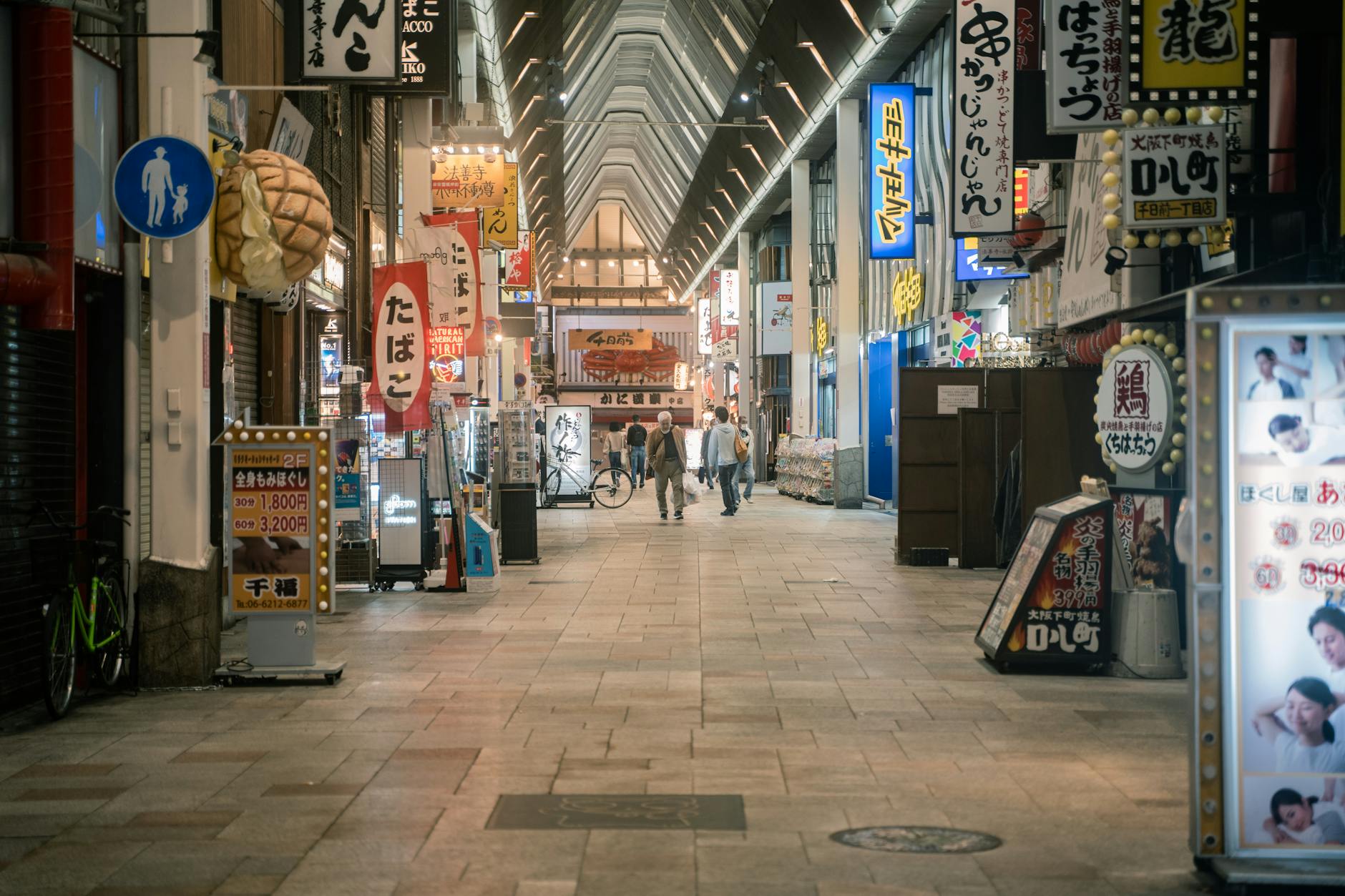
The main drag is the obvious bit, but the small lanes branching off it are where the arcade gets interesting. Duck west and you slide toward Amerikamura, the youth-fashion and vintage quarter, within a couple of minutes. Duck east and you find smaller independent boutiques, specialist coffee, and the kind of one-room shops that do not bother with English signage. Shinsaibashi OPA and Big Step sit on the fringes, both fashion-led buildings aimed at a younger crowd. If you have done the chains and want something with more character, this is where to wander. Give yourself an unstructured half-hour and follow whatever looks good.
What to actually buy
If your suitcase has limited room, spend it on things that are genuinely cheaper here or simply unavailable elsewhere. In rough order of value:
- Japanese skincare and cosmetics. Shiseido, SK-II, Hada Labo and the drugstore staples. The mid-range stuff in particular is a fraction of overseas prices.
- Drugstore essentials. Eye drops, cooling patches, supplements and pain relief that Japanese travellers swear by, small, light, easy to gift.
- UNIQLO and GU. Japan-only collaborations and seasonal lines, often before they reach other markets.
- Character merchandise. Pokémon, Sanrio and the rest, with Osaka-only items at Daimaru’s 13th floor.
- Electronics from BIC Camera, if you can confirm voltage and warranty before you buy.
- Luxury fashion on Midosuji, where tax-free on a big-ticket item genuinely adds up.
A word on what to skip. The generic “Japan” souvenir stalls near the bridge sell the same fans and chopstick sets you will find at the airport for less hassle. And anything you can buy at home for a similar price, leave it; the point of shopping here is the stuff you cannot get otherwise.
Eating along the way
You will get hungry, and the arcade feeds you well. Takoyaki Wanaka turns out Osaka’s signature octopus balls hot off the griddle. 551 Horai sells its steamed pork buns at about ¥190 each, and the queue tells you they are worth it. Rikuro Ojisan bakes a famously jiggly cheesecake, around ¥865 fresh from the oven, with staff ringing a bell when a new one comes out. For something heavier, Daimaru’s depachika does ready meals and the side streets hide ramen, sushi and izakaya at every price. One block over in Dotonbori, Mizuno serves okonomiyaki good enough for a Michelin Bib Gourmand nod, worth the detour if the line is short. Plan to graze rather than sit down for a long lunch; it keeps the shopping moving.
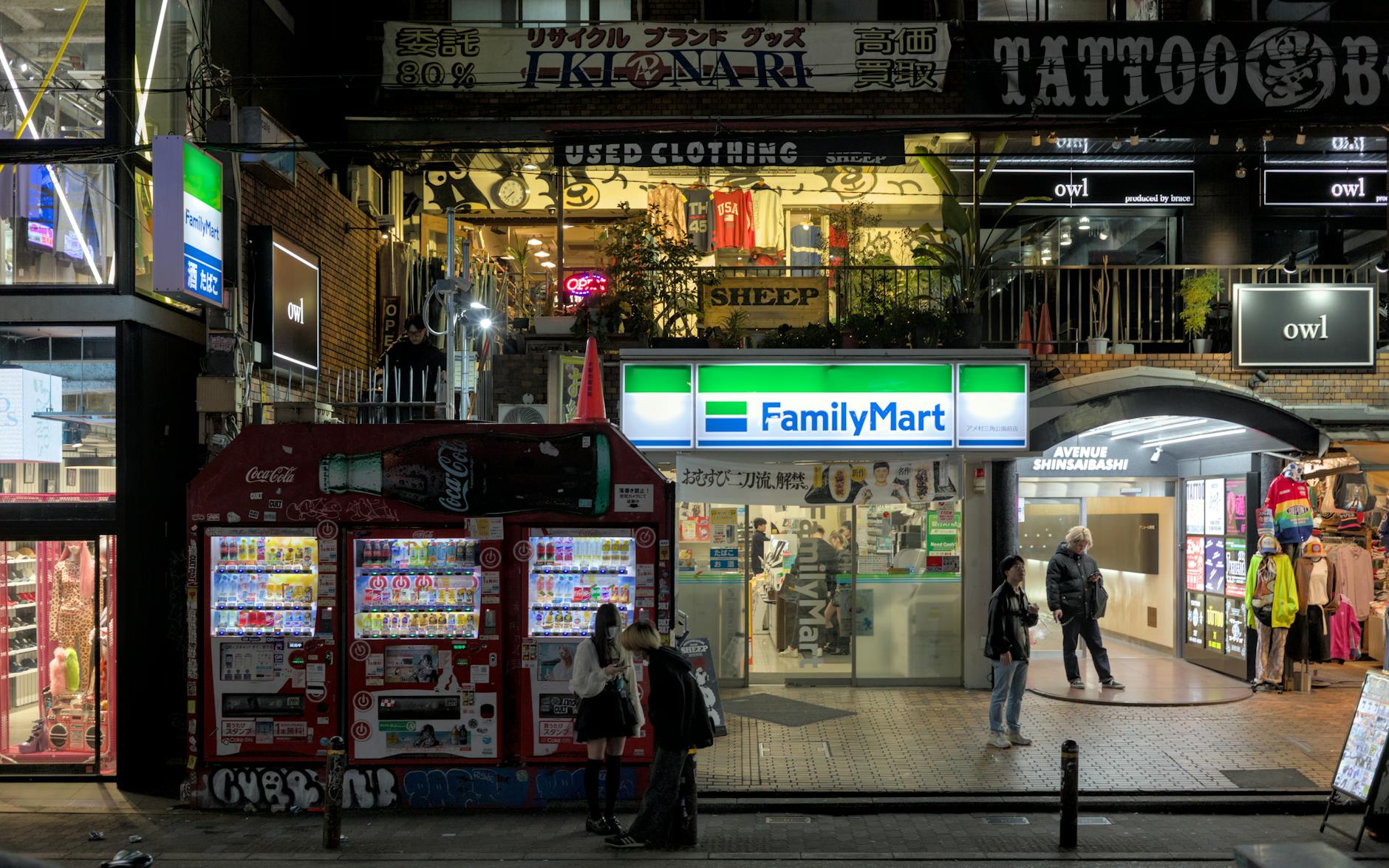
How tax-free works
The rule is simple. Spend ¥5,000 or more in a single transaction at a participating store, show your passport at the till or the tax-free counter, and the consumption tax comes off. Daimaru, BIC Camera, Don Quijote and most of the larger shops handle it. The catch: tax-free goods are meant to leave Japan unopened within 30 days, and consumables get sealed in a bag you are not supposed to crack until you go. Keep the paperwork they staple into your passport, because you may be asked for it at the airport. One practical tip: pool your buys. If you are circling back to the same store, do it all in one transaction to clear the ¥5,000 threshold rather than paying tax on three smaller ones.
Timing it by season
The covered roof makes Shinsaibashi a genuine all-weather option, which matters more than it sounds. Osaka summers are brutally humid, and an afternoon under the arcade beats melting on an open street. The rainy season in early summer is the same story; this is the place to shop when the forecast is grim. The real crowd spikes come during Golden Week in early May, the August Obon period, and the New Year sales, when Japanese department stores sell their famous fukubukuro lucky bags. If you are here for the sales, arrive at opening on the first business day of January; if you want to shop in peace, those are the weeks to avoid.
A three-hour route that works
- 10:30 In at Shinsaibashi Station, north end.
- 10:40 Daimaru as it opens. Luxury and beauty floors while they are quiet.
- 11:30 Up to the Pokémon Center and Nintendo Store on 13F before the queue builds.
- 12:30 Lunch in the depachika basement, or a bun from 551 Horai on the move.
- 13:30 Walk south through the arcade. UNIQLO, the drugstores, the 100-yen shops.
- 14:30 Don Quijote for the tax-free haul.
- 15:30 Out at Ebisubashi Bridge, straight into Dotonbori.

Worth knowing before you go
- Wear shoes you can walk in. Six hundred metres each way, plus the floors of Daimaru, adds up to real distance.
- Tap-to-pay is everywhere, and your ICOCA works for small buys. Still, carry some cash for the smallest shops.
- Skip weekend afternoons if you can. The arcade gets shoulder-to-shoulder from about 14:00 on Saturdays and Sundays.
- Pack a foldable bag. You will fill it.
- Have your passport ready, not buried at the bottom of your day pack.
- Use the underground. Crysta Nagahori links you to other subway lines without dealing with the street-level crowds.
- Pair it with Dotonbori. The southern exit drops you right at the canal, shop by day, eat by night.
Shinsaibashi shopping FAQ
How long is the Shinsaibashi shopping street?
About 600 metres, covered the whole way, with roughly 180 shops between the station and Ebisubashi Bridge. Walking it without stopping takes ten minutes; shopping it properly takes hours.
Is the Shinsaibashi-suji arcade covered?
Yes. The full length sits under a roof, so rain or a heatwave makes no difference to a day’s shopping. That is a big part of its appeal in an Osaka summer.
When is the best time to go?
A weekday morning, between 10:00 and 11:30, when the crowds are thinnest and the stores have just opened. Weekends are louder and far busier, and the May and New Year holidays busier still.
Can I shop tax-free here?
Yes, at Daimaru, BIC Camera, Don Quijote and most large stores. The minimum is ¥5,000 in one transaction, and you will need your passport.
How much should I budget?
It scales with appetite. A casual browser can keep it under ¥10,000; someone hunting cosmetics, fashion and electronics should plan for ¥30,000 to ¥80,000 or more.
Is Shinsaibashi-suji the same as Dotonbori?
No. Shinsaibashi-suji is the covered shopping arcade; Dotonbori is the canal-side district of neon and food just south of it. They meet at Ebisubashi Bridge, which is why people treat them as one outing.
Plan the rest of your Osaka shopping
To see how this fits the wider district, read our Shinsaibashi neighbourhood guide, and if you are basing yourself nearby, our rundown of the best Shinsaibashi hotels covers where to stay within a short walk. For the full picture across the city, our Osaka shopping guide ties the districts together, and vintage hunters should detour to Osaka’s vintage and secondhand scene.
Six competing drugstores in one covered kilometre make this the best street in the city for the purpose. See our drugstore shopping guide for what to buy and how far prices really vary between them.