This article contains advertising. Our booking links are routed through a partner that adds commission tracking automatically, so if you book through one we earn a commission from the provider, at no extra cost to you. It never affects what we recommend. Affiliate disclosure
Osaka in summer is intense – brutally hot (highs 30-36°C with 70-80% humidity from mid-July through August), but it’s also Osaka’s biggest festival season. The Tenjin Matsuri (July 24-25) is one of Japan’s top three festivals; the Sumiyoshi Matsuri (July 30-August 1) closes the summer trio; PL Hanabi (August 1) is one of Japan’s largest fireworks displays with ~20,000 shells. Beer gardens take over Umeda rooftops, kakigori (shaved ice) shops appear in every district, and yukata-clad Osaka residents stroll Dotonbori in the evening cool. This 2026 guide covers the full summer festival calendar, heat survival strategies, the best summer activities, and how to plan an Osaka summer trip without getting cooked.

Osaka in Summer at a Glance
- Season: June (rainy season) through August (peak heat)
- June: 19-27°C, rainy season (Tsuyu) mid-month, high humidity
- July: 24-32°C, rainy season ends ~July 20, hot afterward, festival peak
- August: 25-36°C with 70-80% humidity, the most extreme month
- Best for: Festival enthusiasts, fireworks photographers, yukata culture
- Worst for: Outdoor sightseeing during midday hours; heat-sensitive travelers
- Pricing: Peak during major festivals; moderate otherwise
The Three Great Osaka Summer Festivals
Aizen Matsuri (June 30 – July 2)
Opens Osaka’s summer festival season. Held at Aizen-do Shomanin Temple in Tennoji-ku. Famous for the Aizen Kago – palanquin processions of women in elaborate Edo-period dress carried by male attendants. The “Hoekago” parade is the highlight. Free attendance.
- Access: Shitennoji-mae Yuhigaoka Station
- Dates: June 30 – July 2, annually
- Best viewing: Hoekago parade route along Tanimachi-suji street
Tenjin Matsuri (July 24-25)
One of Japan’s top three festivals (with Kyoto Gion Matsuri and Tokyo Kanda Matsuri). 1,000+ year history. ~1.3 million attendees. Centered at Osaka Tenmangu Shrine.
- July 24 (Yoimiya): Opening ceremonies including the Hokonagashi-shinji halberd ritual
- July 25 (Honmiya – Main Day): 3,000-person land procession in Heian/Edo costume (15:30+); 100-boat Funatogyo river procession (17:00+); ~5,000 fireworks (19:00+)
- Best fireworks viewing: Sakuranomiya Park, Tenjinbashi Bridge, paid grandstand seats (JPY 4,000-15,000 – book 2-3 months ahead)
- Free riverside viewing: Okawa riverbanks; arrive by 16:00 for a good spot
Sumiyoshi Matsuri (July 30 – August 1)
Closes the summer festival trio. Held at Sumiyoshi Taisha. The August 1 mikoshi procession (5 km route to Shukuin Tongu Shrine) features one of Japan’s largest portable shrines (2 tons, 11m long).
- Access: Sumiyoshi Taisha Station (Nankai)
- Best viewing: Mikoshi procession crossing the Yamato River into Shukuin
- Note: Extremely hot – bring multiple water bottles and sun protection
Major Fireworks Displays (Hanabi)
PL Hanabi (August 1, Tondabayashi)
One of Japan’s largest fireworks displays – approximately 20,000 shells launched by the Perfect Liberty religious organization. Free to attend. Approximately 200,000 spectators. Takes 40-50 minutes via Kintetsu or Nankai trains from central Osaka. Arrive 14:00-15:00 for a good spot; trains return packed until midnight.
Tenjin Matsuri Hanabi (July 25)
~5,000 shells launched from the Okawa River banks. Free riverside viewing.
Naniwa Yodogawa Hanabi (October 17, 2026)
Recently shifted from August to October due to extreme heat – ~10,000 shells along the Yodogawa. Free riverside; paid seats JPY 4,000-15,000.
Heat Survival Strategies
- Water: 2-3 liters per day; vending machines on every block (drinks JPY 130-200)
- Salt tablets: JPY 200-400 at any pharmacy; prevent heat exhaustion
- Neck fans: JPY 1,500 at Don Quijote; battery-powered, surprisingly effective
- Cooling towels: JPY 500-1,000; soak in cold water, drape over neck
- Kakigori (shaved ice): JPY 500-800 per bowl; mandatory afternoon break
- Schedule: Outdoor sightseeing 06:00-10:00 and 17:00-21:00; spend midday (11:00-16:00) indoors
- Cooling shelters: Osaka Metro (air-conditioned), department stores, malls, museums – all free entry
- Sunscreen: SPF 50+ reapplied every 2 hours; arms and back of neck critical
- Hat: Wide-brim sun hat (not baseball cap) – JPY 1,500-3,000 at Uniqlo
- Heatstroke signs: Dizziness, nausea, confusion – go indoors immediately, drink electrolyte beverages (Pocari Sweat, Aquarius – JPY 130 at vending)
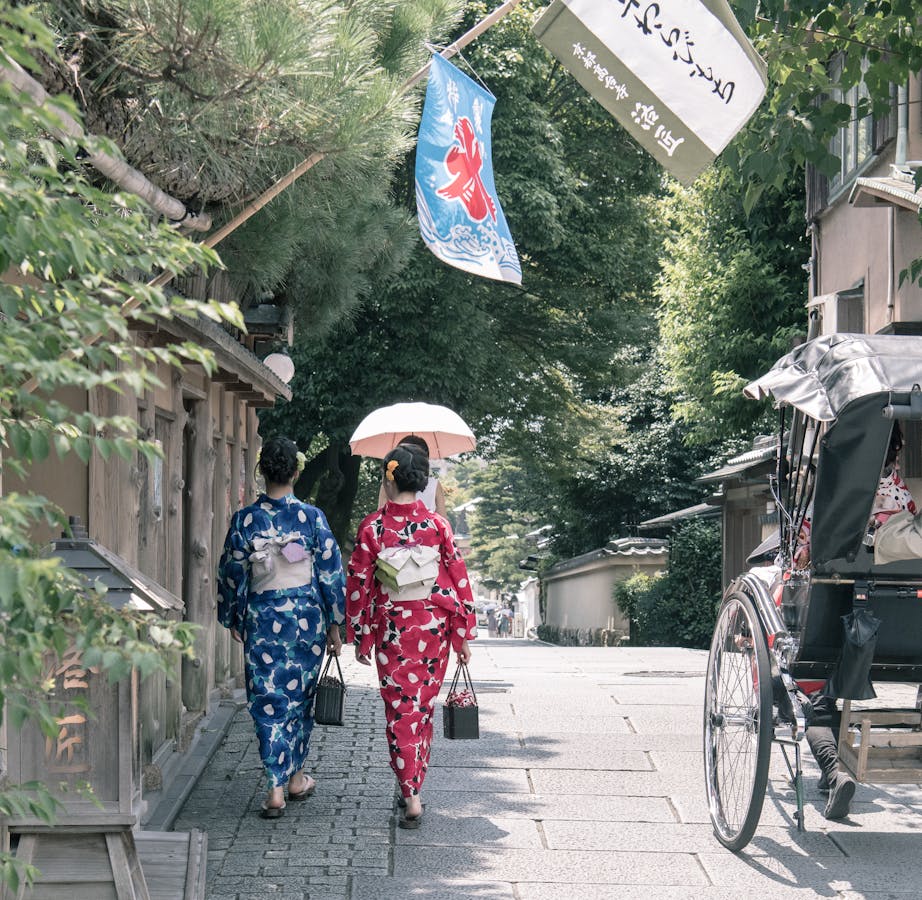
Yukata Rental and Wearing
Yukata – the cotton summer kimono – is the traditional festival attire. Wearing one to a festival is welcomed and adds significantly to the experience.
- Rental: JPY 3,000-7,000 per day including obi, geta sandals, and accessories
- Popular shops: Tsutaya Ebisubashi (Dotonbori), Yumeyakata (Namba), Wargo (Shinsaibashi)
- Booking: Reserve 2-3 days ahead during festival weeks
- Try-on time: 30-45 minutes including dressing assistance
- Return: Same day before shop closing (~18:00-20:00)
- Tips: Walk slowly in geta sandals; bring a small bag (yukata pockets are limited); takes about 30 minutes to get comfortable
Best Summer Activities (Indoor + Heat-Friendly)
Osaka Aquarium (Kaiyukan)
The top summer cool-down. 2-3 hours indoors with whale sharks and cool lighting. JPY 2,400-2,700.
Department Store Food Halls (Depachika)
Hanshin, Hankyu, Takashimaya – massive air-conditioned food courts. Lunch JPY 800-2,500 and a multi-hour cooling break.
Beer Gardens
Rooftop and open-air beer gardens take over Umeda buildings each summer. All-you-can-drink packages: JPY 4,500-5,500 for 2 hours, includes appetizers. Best at sunset; reserve weekends.
- Hankyu Umeda Hall Beer Garden: rooftop, JPY 4,500/2hr
- Asahi Beer Suita Brewery Beer Garden: outside the city, brewery tour combo
- Shin-Umeda Sky Beer Garden: Sky Building rooftop, premium pricing
Kakigori Cafes
Premium shaved ice cafes have multiplied in Osaka over the past decade. Try Kashitsu (Shinsaibashi), Yelo (Nakazakicho), Atelier Marka (Tenma). Bowls JPY 800-1,800.
Museums and Art Galleries
Osaka has 15+ major museums; all are air-conditioned. The Nakanoshima Museum of Art, Osaka City Museum of Fine Arts, and Osaka Museum of History are all summer-friendly cooling stops.
Pool and Water Park Day Trips
Hirakata Park, Spaworld in Shin-Imamiya. Family-friendly water options for active heat coping.
Summer Food
- Kakigori: Shaved ice with flavored syrups; matcha, strawberry, melon – JPY 500-1,800
- Hiyashi chuka: Cold ramen with shredded toppings; only available May-September
- Somen: Thin cold noodles, dipped in tsuyu sauce
- Edamame: Salt-boiled soybeans; bar snack staple
- Unagi (grilled eel): Late July “Doyo no Ushi no Hi” eel-eating tradition
- Cold sake (reishu): Light summer sakes served over ice
- Watermelon: JPY 500-1,500 a slice at convenience stores in season
- Yakitori: Grilled chicken skewers paired with cold beer at any izakaya
Rainy Season (Tsuyu – Mid-June to Mid-July)
The rainy season typically runs mid-June through July 20. Rain is daily but rarely all-day – typically morning or evening showers with sunny windows. Humidity is high. Pros: lower crowds, lower hotel prices, lush green parks. Cons: rain delays photography, some outdoor festivals affected.
- Bring a compact umbrella (Don Quijote and 7-Eleven sell JPY 500 backup umbrellas)
- Waterproof shoes recommended
- Plan indoor backup activities for each day
- Hydrangeas (ajisai) bloom during this period – look for them at Yokoyama Park
Suggested Summer Day in Osaka
- 06:30: Early breakfast at hotel; depart while cool
- 07:30-10:30: Osaka Castle Park outdoor walk (before peak heat)
- 10:30-12:00: Move to Kuromon Market (semi-covered) for food crawl
- 12:00-15:30: Indoor lunch at department store, then Aquarium (2 hours indoors)
- 15:30-17:00: Kakigori cafe break
- 17:00-19:00: Sunset walk along Dotonbori (temperature dropping)
- 19:00-22:00: Yukata-clad evening at Tenjin Matsuri or beer garden
Best Time Within Summer
- Best: Early June (before rainy season; lower temperatures)
- Festival peak: July 24-25 (Tenjin) or July 30-Aug 1 (Sumiyoshi)
- Fireworks: August 1 (PL Hanabi)
- Worst heat: August 1-15 (Obon week peak)
- Avoid: Mid-August Obon (Aug 13-16) – hotels overflow with domestic travelers
Practical Tips for Summer Osaka
- Book hotels with strong air conditioning and blackout curtains
- Pack moisture-wicking clothing (Uniqlo Airism, Dry-Ex – JPY 1,000-1,500 each)
- Plan 2 outfit changes per day; sweat soaks everything
- Slip-on shoes for temple visits (faster removal in heat)
- Travel insurance recommended (heatstroke is a real risk)
- Cash for festival food stalls (cards rare)
- Download Osaka Metro app for AC route planning
- Coin lockers at major stations for stashing gear during the day
- Some attractions have summer extended hours (Osaka Castle until 19:00)
Final Word: Osaka in Summer
Osaka in summer rewards visitors who embrace the heat and the festival atmosphere – and punishes those who don’t plan for the temperature. Build trip dates around the Tenjin Matsuri (July 24-25) or the Sumiyoshi Matsuri/PL Hanabi (July 30-Aug 1) for the most rewarding experience. Wear yukata, drink cold sake, eat kakigori, and pace your sightseeing around the heat curve – early morning and evening for outdoor activities, midday for indoor stops. The festival season is genuinely one of the great cultural experiences in Japan. Summer is the loudest season here and the hardest on the body. Compare it against the alternatives in the seasonal guide to Osaka.