This article contains advertising. Our booking links are routed through a partner that adds commission tracking automatically, so if you book through one we earn a commission from the provider, at no extra cost to you. It never affects what we recommend. Affiliate disclosure
Let’s be honest about Osaka and ryokan: this is not Kyoto, and it is definitely not the Japanese Alps. If your heart is set on a centuries-old wooden inn perched over a mountain river, Osaka is the wrong base. But the city does two things well. It has a handful of genuine traditional inns walking distance from Dotonbori, so you can do a kaiseki dinner and a tatami sleep without burning a travel day. And within about 30 to 60 minutes of the centre, the Kansai foothills hide several proper onsen ryokan with private open-air baths. This guide covers both, with real prices, what’s actually included, and which one fits the kind of trip you’re taking.
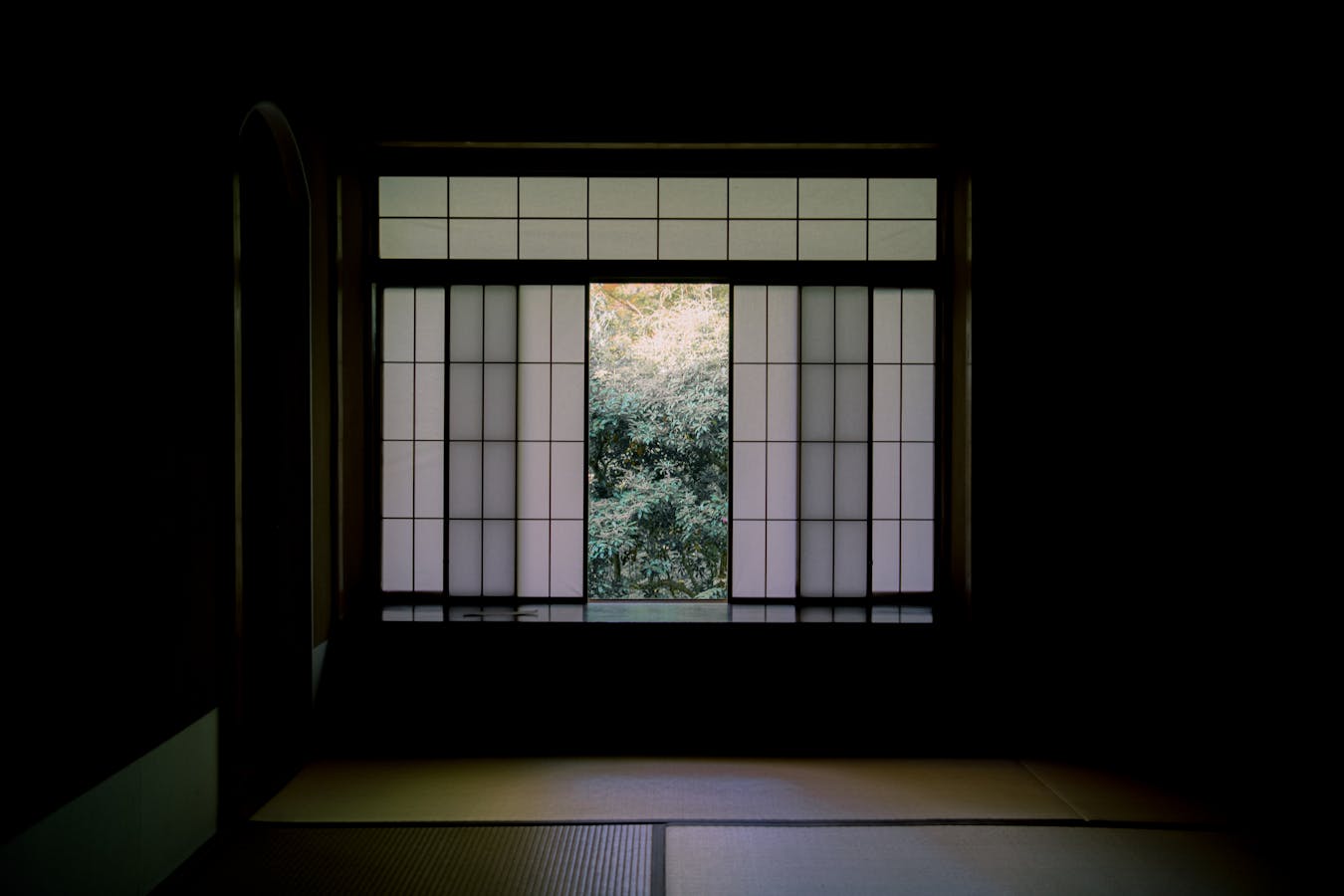
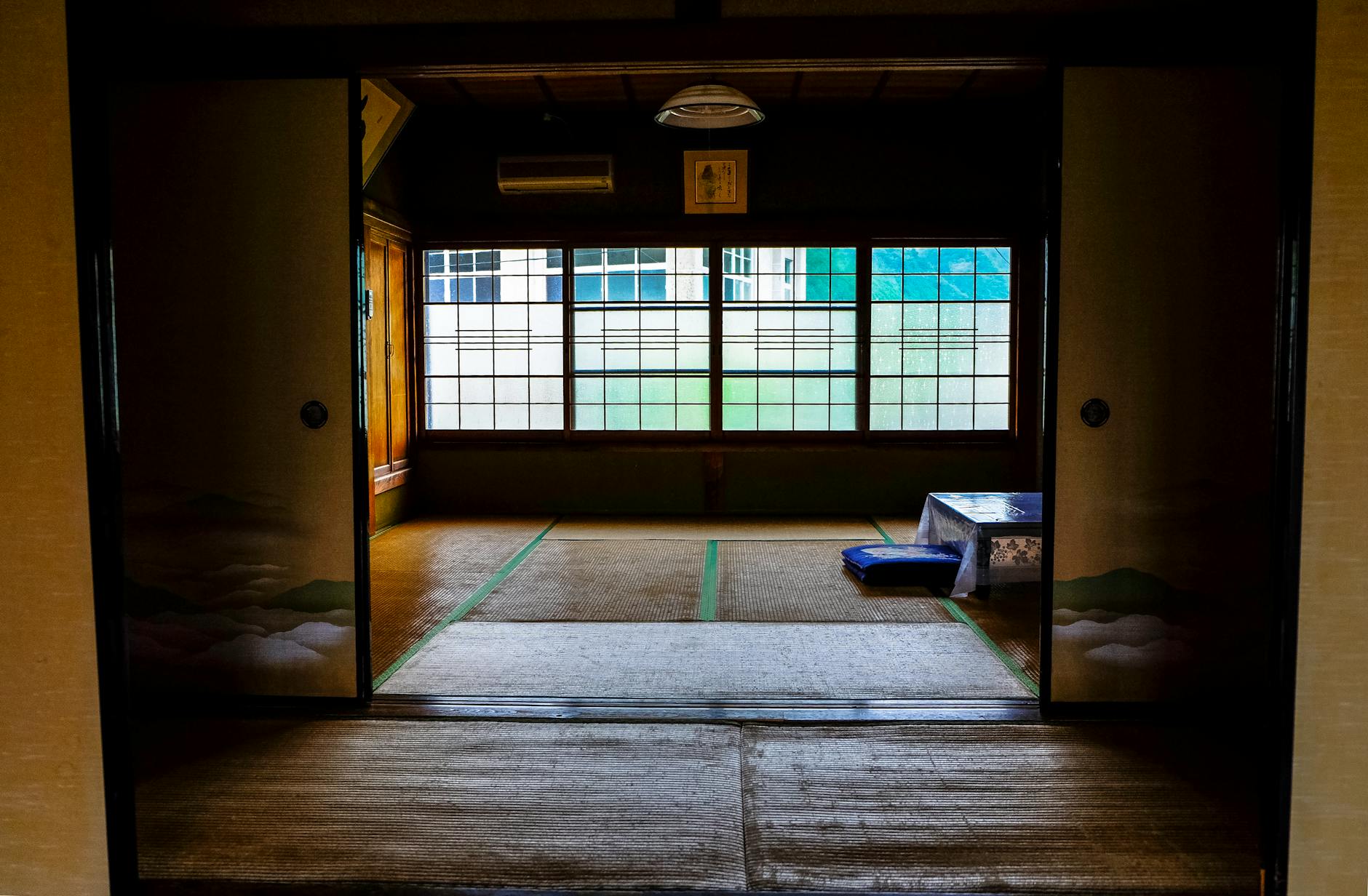
A ryokan in Osaka gives you the full traditional package: tatami-mat rooms, futon laid out at night, sliding shoji screens, a yukata to lounge in, a multi-course kaiseki dinner, and a communal bath you soak in before bed. The service is unhurried and a little ritualized. One night of it inside a longer Osaka trip is, for most people, exactly right.
Quick picks, if you just want the answer
- Most central: Kaneyoshi Ryokan, a short walk from Nipponbashi Station, right in Dotonbori.
- On the canal: Yamatoya Honten, beside the Dotonbori river, with both Japanese and Western rooms.
- Quieter and historic-feeling: Hotel Yu-Shu, central, with a public bath and sauna.
- The full mountain experience: Sanso Kazenomori, north of the city, private open-air baths and views over the Osaka plain.
- For onsen obsessives: Ryokan Okumizuma Onsen in Kaizuka, buried in trees south of Osaka.
- Old-world countryside: Nanten-En in Kawachinagano, beside a river, with some buildings registered as cultural property.
- Lowest price in the centre: Ryokan Kuramoto, tatami and futon without the kaiseki markup.
What a ryokan actually is
A ryokan (旅館) is a traditional Japanese inn, a format that goes back to the Edo period. The mechanics matter, because they shape how the whole stay feels. Shoes come off at the entrance and stay off; you pad around in slippers, and even those come off on the tatami. Here’s what defines the experience:
- Tatami rooms. Woven straw-mat flooring, low furniture, no bed in sight when you arrive.
- Futon bedding. Staff roll out the mattress and quilt in the evening and put it away in the morning. You won’t see them do it; it happens while you’re at dinner.
- Shoji screens. Sliding wood-and-paper panels between your room and, ideally, a small garden.
- A yukata. A light cotton robe, yours for the stay. Wear it to the bath, to dinner, around the halls. Nobody bats an eye.
- Kaiseki dinner. A long, seasonal, many-course meal, usually the centrepiece of the night and often the reason the rate is what it is.
- The bath. Communal, usually gender-separated, sometimes with a private family bath you can reserve. Mountain ryokan use real hot-spring water; central city ones often have a regular hot bath instead.
- Welcome tea. Green tea and a small sweet waiting in your room when you check in.
- One attendant. At traditional inns a single nakai often handles your meals and your futon, start to finish.
Ryokan in central Osaka
These are for travellers who want the tatami-and-kaiseki night without giving up a day to travel. The trade-off is obvious: you’re in the middle of the city, so the soundtrack is Dotonbori, not a mountain stream. None of them have a genuine natural onsen. What you get instead is location, and the chance to roll straight from a kaiseki dinner into the neon.
Kaneyoshi Ryokan
The most central traditional inn in the city, a few minutes’ walk from Nipponbashi Station and basically inside Dotonbori. Tatami rooms, the full tea service, a public bath. Rates run roughly ¥18,000 to ¥35,000 per person, often with breakfast. This is the one to book if your plan is shopping and street food by day, ryokan by night. Don’t expect tranquillity; expect convenience and a real tatami room.
Yamatoya Honten
Right on the Dotonbori river, with a long history and service traditions to match. It runs a mix of Western and Japanese-style rooms, so book deliberately. Pick the tatami room if you came for the experience; the Western rooms are comfortable but defeat the point. Around ¥20,000 to ¥38,000 per person.
Hotel Yu-Shu
Less famous than Kaneyoshi, and quieter for it. Tatami mats, a public bath, sauna access, and the same attentive hospitality. If the idea of a busy, well-known inn puts you off, this is the calmer central pick.
Ryokan Kuramoto
The budget option in the centre, roughly ¥10,000 to ¥20,000 per person. Tatami, futon, low chabudai tables for floor-level dining. You’re trading the full kaiseki ceremony for a much friendlier price, which is a fair deal if you mainly want to sleep on tatami once and don’t need the elaborate dinner.
Mountain and onsen ryokan within reach of Osaka
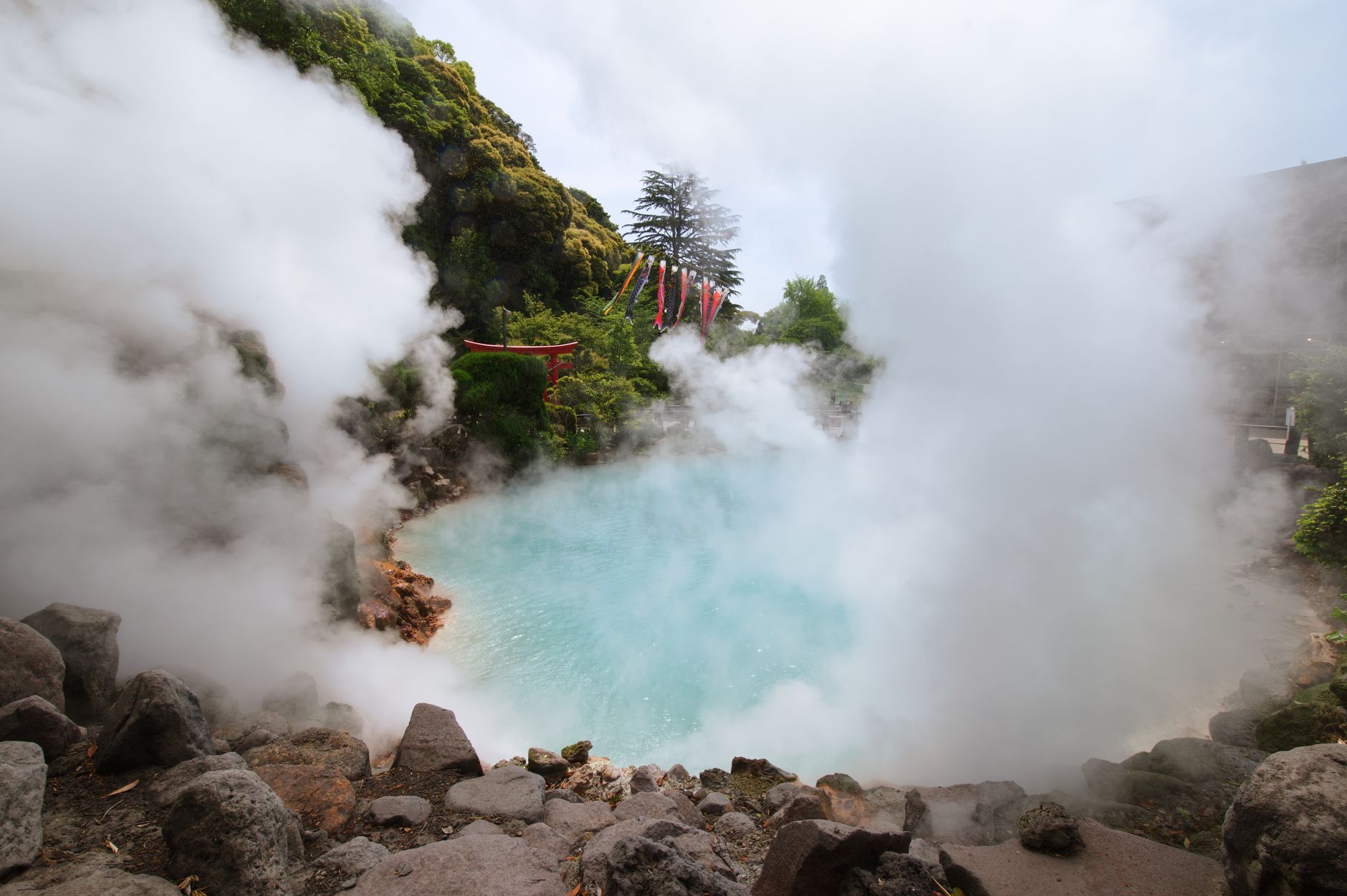
This is where the format comes alive. Real hot-spring water, garden views, a kaiseki dinner that’s part of the rate rather than an upsell, and quiet you can actually hear. All three below sit inside the Kansai region, reachable in well under an hour or so by train from central Osaka. If you only do one traditional night and you want it to land, do it here, not downtown.
Sanso Kazenomori
On a quiet mountain just north of the city, looking out over the Osaka plain. Its calling card is the private open-air baths (rotenburo) attached to rooms with their own balconies, so you can soak in the open air without sharing. Rates land around ¥35,000 to ¥75,000 per person with kaiseki dinner and breakfast. It’s the closest you’ll get to a famous mountain ryokan without leaving Kansai, and it’s where I’d point a couple marking an anniversary.
Ryokan Okumizuma Onsen
South of Osaka in Kaizuka, ringed by trees and hills. The draw is the water: several natural-source baths and a serious onsen focus. It flies under the radar with international visitors, which is part of the appeal, because it reads as a local favourite rather than a checklist stop. Come for the baths and the quiet, not for big-name recognition.
Nanten-En
Out in the Kawachinagano countryside, set beside a river, with traditional architecture and a real sense of age. Some of its buildings are registered as cultural property, and it shows. Around ¥22,000 to ¥45,000 per person. Choose this one for the old-world atmosphere and the riverside setting; it leans more historic-inn than spa.
How a ryokan night actually unfolds
If you’ve only ever stayed in hotels, the rhythm of a ryokan can catch you off guard. It’s slower, and it runs on a schedule built around two things: the bath and the meals. Here’s the shape of a typical stay.
- Check-in, usually from 3pm. Welcome tea and a small sweet, a quick room introduction, and you’re left to settle.
- Settle in. Find your yukata folded on the table, your slippers by the door, the garden through the shoji. Change into the yukata now; you’ll live in it.
- First bath. Most people soak before dinner. Wash at the seated shower stalls first, rinse, then get in. The bath is for soaking, not scrubbing.
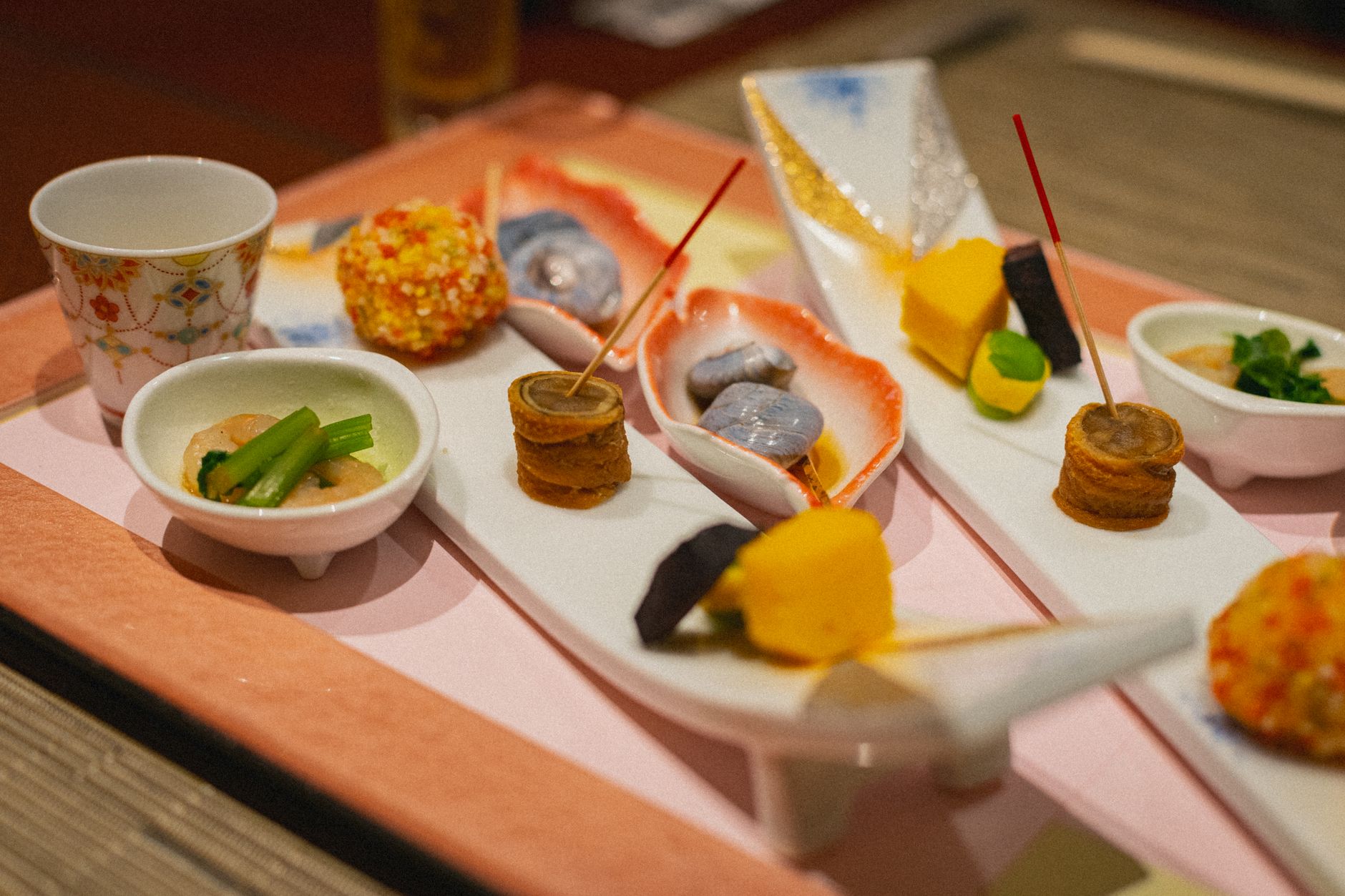
- Dinner, around 6 or 7pm. Kaiseki, often in your room or a private dining room. Seven to twelve small courses, paced over roughly 90 minutes. Don’t rush it; the pacing is the point.
- Futon appears. While you’re eating, the attendant lays out your bedding. You return to a made-up room.
- The evening. A second soak is common. Otherwise: a book, the garden, or, at a mountain ryokan, actual stars.
- Breakfast, around 7:30 or 8. A full Japanese spread: rice, miso soup, grilled fish, pickles, a folded tamagoyaki omelette.
- Check-out, 10 or 11am. Often warmer than a hotel goodbye; staff frequently see you off at the door.
Onsen etiquette, quickly
The bath has rules, and breaking them is the fastest way to feel like a tourist. None of it is hard. Read this once and you’re fine.
- Wash first, properly. Use the shower stalls and scrub down before you go anywhere near the communal bath.
- You bathe naked. No swimsuits, ever.
- Keep the towel out of the water. Carry the small modesty towel, then park it on your head or on the rim of the bath.
- Tie long hair up. It stays out of the water.
- No phones or cameras. The bath area is off-limits to electronics. Don’t even bring it in.
- Keep your voice down. This is a quiet space, not a pool party.
- Drink water before and after. The water is hot enough to dehydrate you faster than you’d think.
One thing to sort before you book: tattoos. Plenty of traditional onsen still turn away visible ink. Some accept small tattoos if you cover them with a sticker, and some offer a private family bath that sidesteps the issue entirely. If this applies to you, ask the property directly at the time of booking. The answer varies inn by inn, and you don’t want to discover the policy at the changing-room door.
What you’ll actually pay in 2026
Ryokan pricing is almost always quoted per person, not per room, which trips up a lot of first-timers comparing it to hotels. And the rate usually bundles dinner and breakfast, so the headline number is doing more work than a hotel’s. Rough bands as of 2026:
- Budget central ryokan: ¥10,000–¥20,000 per person, room only or with breakfast.
- Standard central ryokan with breakfast: ¥18,000–¥35,000.
- Mountain ryokan with kaiseki and breakfast: ¥35,000–¥75,000.
- Premium mountain ryokan with a private rotenburo: ¥55,000–¥120,000.
- Kaiseki dinner as an add-on, where it’s optional: ¥10,000–¥18,000.
Prices climb hard during cherry blossom season and autumn foliage, when the best mountain inns sell out months ahead. If your dates are flexible, a midweek night outside those windows is dramatically cheaper and quieter.
How to book one
- Direct on the ryokan’s site. Usually the best rate, but smaller properties may run Japanese-only pages.
- Booking.com or Expedia. English throughout, occasionally a 5–10% premium for the convenience.
- Rakuten Travel. Deep selection in Japan, with an English option.
- Japan Ryokan Association. A vetted list of certified inns if you want a quality floor.
- High-end operators like Inside Japan Tours or Boutique Japan, if you’d rather hand the whole thing to a concierge in your own language.
If it’s your first ryokan, read this
- Book early. Top mountain ryokan go two to four months out, and faster in blossom and foliage season.
- Check whether meals are included. A “room-only” rate strips out the kaiseki, which is the part you came for. Read the rate description.
- Flag dietary needs at booking, not on arrival. A vegetarian or seafood-free kaiseki needs a week or more of notice; the kitchen builds the menu around the season and your needs.
- Pack almost nothing. Yukata and toiletries are provided. For one or two nights you need very little.
- Travel light, literally. Some mountain inns lack full lifts, and you may carry your own bag up.
- Don’t tip. It’s not done, and it can cause awkwardness. The service is already in the rate.
A two-night version that works
If you want both faces of the Osaka ryokan scene, split the nights. Spend one in the centre to bank the convenience, then move to the mountains for the real soak.
- Day 1: Arrive, do central sights (Osaka Castle, a wander through Dotonbori), then check into Kaneyoshi in the late afternoon and ease into a kaiseki dinner.
- Day 2: Morning bath, then train north to Sanso Kazenomori or south to Okumizuma. Check in, soak, eat, sleep on a futon under proper quiet.
- Day 3: Final morning bath and breakfast, then back to the city or onward to Kyoto.
Want the onsen without the full ryokan?
If sleeping on a futon and committing to a long kaiseki isn’t your idea of a good night, but you still want a soak, there’s a middle path. Several Osaka hotels now build in rooftop or private bath facilities: a normal hotel room, plus onsen-style bathing down the hall. Our guide to Osaka onsen hotels covers those hybrids, which suit travellers who want the water without the ritual.
Ryokan Osaka FAQ
What is the best ryokan in Osaka?
For a central stay, Kaneyoshi Ryokan or the quieter Hotel Yu-Shu. For the full traditional experience with a real onsen and mountain views, Sanso Kazenomori or Ryokan Okumizuma Onsen. “Best” really comes down to what you’re after: location or the soak.
How much does a ryokan stay in Osaka cost?
Budget central ryokan run ¥10,000–¥20,000 per person. Standard central inns with breakfast are ¥18,000–¥35,000. Mountain ryokan with kaiseki and breakfast sit at ¥35,000–¥75,000, climbing past ¥100,000 for the best rooms with a private open-air bath.
Is the kaiseki dinner included in the rate?
At mountain ryokan, almost always: it’s the experience. At central Osaka inns it’s often optional, so check the rate description carefully before you assume dinner is part of it.
Can I stay at a ryokan that doesn’t have an onsen?
Yes. Several central Osaka ryokan have a regular public bath rather than a natural hot-spring onsen. If the onsen specifically is what you want, you’ll need to head for the mountain properties.
Are tattoos allowed at Osaka ryokan baths?
It varies by inn. Some allow small covered tattoos, some offer a private family bath that avoids the issue, and some still say no. Always confirm directly when you book.
How many nights should I stay?
One night is the standard, and it slots neatly into a longer Osaka or Japan trip. Two nights lets the slow rhythm fully sink in without any travel pressure. Three is a genuine luxury most people don’t need.
Where this fits in your trip
A ryokan night is a high point, not a base camp, so build the rest of the stay around it. Start with the full where to stay in Osaka guide to lock down your main neighbourhood, then weigh the splurge against our luxury hotels in Osaka picks if you’re already in treat-yourself mode. Travelling with family and wondering whether a ryokan works for kids? Our family hotels in Osaka rundown covers the easier alternatives.