This article contains advertising. Our booking links are routed through a partner that adds commission tracking automatically, so if you book through one we earn a commission from the provider, at no extra cost to you. It never affects what we recommend. Affiliate disclosure
An Osaka onsen hotel is the sensible compromise between a mountain ryokan and a plain city hotel. You get the soak, the yukata, the bone-deep relaxation of hot spring water, but with a normal hotel room, a central location, English-friendly check-in, and a bill well below what a famous onsen town charges. The Kansai region’s truly legendary baths, Arima, Mount Koya, the Wakayama coast, sit 30 to 90 minutes outside the city. But Osaka itself has a respectable handful of hotels with genuine hot spring water, from rooms where it runs out of your own bathroom tap to rooftop baths looking out over the skyline.
This guide picks the best Osaka onsen hotel options across budgets, and it’s honest about the one thing that trips people up: not all of them are real onsen. I’ll flag which use natural hot spring water and which quietly heat the tap, which baths are rooftop versus indoor, and which give you a private soak versus a communal one. If you want the experience without leaving central Osaka, you have more choice than you’d expect.
The quick read
- Best in-room hot spring: Hotel Hanshin Osaka, with onsen water piped to every ensuite bathroom.
- Best rooftop city bath: Candeo Hotels Osaka Shinsaibashi and its open-air SkySpa.
- Best onsen near USJ: Liber Hotel Osaka, with a real hot spring a short walk from the park.
- Best skyline soak: Hotel Keihan Universal Tower, with a 31st-floor bath over the bay.
- Best budget pick: City Plaza Osaka, free rooftop spa plus hot spring water in the room tap.
- Best for tattooed guests: the in-room onsen at Hotel Hanshin or City Plaza, which skips the public-bath rules.
- Best for couples: Candeo Shinsaibashi, or the private in-room bath at Hotel Hanshin.
Real onsen versus a hotel bath
This matters, so read it before you book. Japanese law reserves the word “onsen” for natural hot spring water that meets specific mineral and temperature standards. Plenty of places marketed as “Osaka onsen hotels” actually run heated tap water, which is technically a daiyokujo, a large public bath, not an onsen. It’s still a pleasant soak. It’s just not the real thing, and you’re sometimes paying a premium as if it were. The genuine properties pump natural hot spring water up from underground. A real onsen hotel will say so plainly, usually with the characters 天然温泉, “natural hot spring,” on its website. If you can’t find that claim, assume it’s heated tap and decide whether you mind.
The Osaka onsen hotels worth booking
1. Hotel Hanshin Osaka
The most unusual onsen hotel in the city. Natural hot spring water comes out of the tap in every ensuite bathroom, so you can fill your own tub with real onsen and soak in private. That solves three problems at once: it suits couples who’d rather not share a communal bath, it sidesteps the no-tattoos rule that public baths enforce, and it’s available whenever you like, since it’s in your room. It sits a two-minute walk from JR Fukushima Station, an easy hop from Osaka Station. Rates run roughly ¥18,000 to ¥35,000. If a private soak is the whole point for you, start here.
2. Candeo Hotels Osaka Shinsaibashi
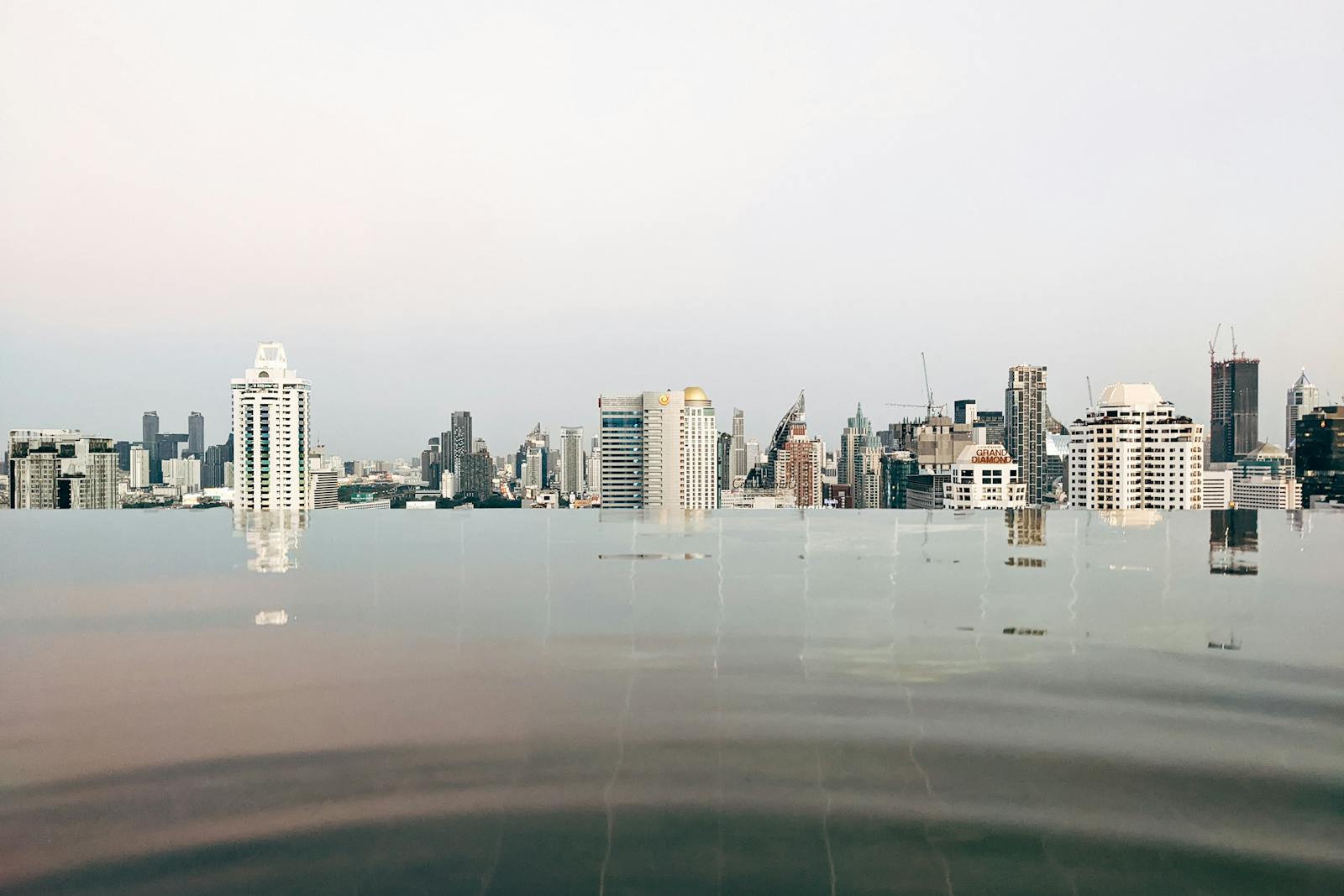
Five minutes on foot from both Shinsaibashi and Namba stations, which puts the city’s best eating and shopping at your doorstep. The signature is a rooftop SkySpa with an open-air bath and dramatic underwater lighting, the most Osaka version of an onsen night you’ll find, with neon below instead of pine forest. There’s a strong food and wine program too, and the place is built to be a destination in its own right. Around ¥25,000 to ¥38,000. The pick for couples, design types, and anyone who wants the bath without a train ride out of the center.
3. Liber Hotel Osaka
About 13 minutes’ walk from Universal Studios Japan, with a real on-site natural hot spring. This is the one that combines a park trip with an actual soak, so you can spend the day queuing for roller coasters and end it neck-deep in hot water. Roughly ¥18,000 to ¥35,000. Families do well here, and it overlaps with our hotels near Universal Studios Japan roundup if the park is your main reason for the trip.
4. Hotel Keihan Universal Tower
The 31st-floor Skyspa S-Park has onsen baths behind panoramic windows looking out over Osaka Bay, plus a sauna and jacuzzi. It’s a USJ partner hotel five to eight minutes from the park gates, so it pulls double duty: theme park by day, skyline bath by night. Around ¥22,000 to ¥42,000. Book it if a view from the water ranks high on your list.
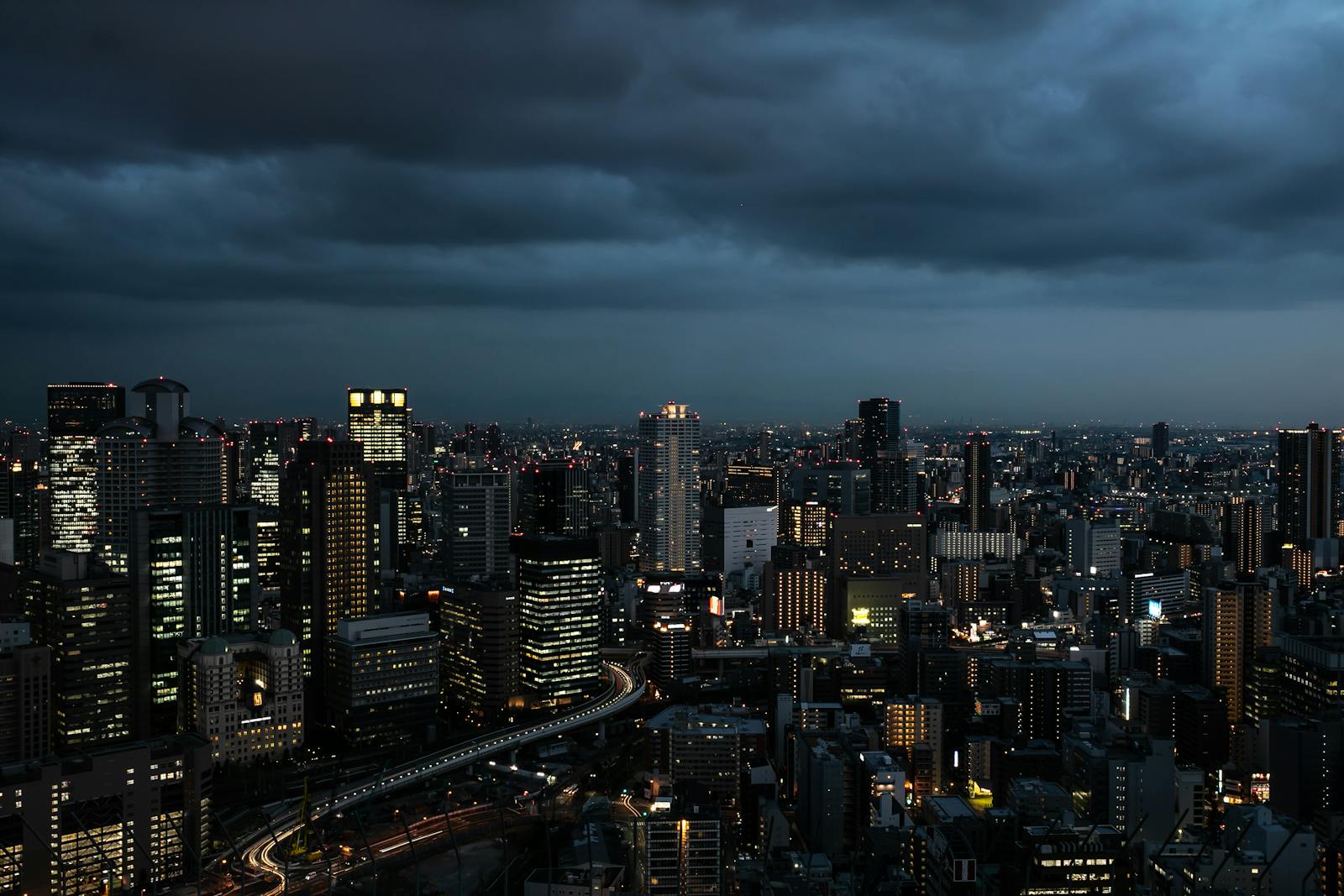
5. City Plaza Osaka
The budget standout. There’s a free-to-use rooftop spa with open-air baths and massage chairs, and, like Hotel Hanshin, hot spring water runs from the tap in your room, so you can fill your own tub with natural onsen too. It’s a six-minute walk from Sakaisuji Honmachi subway station. Roughly ¥15,000 to ¥25,000. If you want real hot spring water without the upscale price tag, this is the one.
6. Hotel Sun Plaza
A smaller chain hotel with a public natural onsen on an upper floor. Compact and functional rather than fancy, but a dependable budget-onsen option if the bigger names are booked out.
7. Solaria Nishitetsu Hotel Osaka
A modern Western-style hotel with an on-site natural hot spring spa. Nothing flashy, but a solid mid-tier choice that does the basics well.
8. Spa World (the day-trip alternative)
Not a hotel, but worth knowing about. Spa World in Tennoji is an eight-floor onsen complex with multiple themed bathing zones, and a day pass runs roughly ¥1,500 to ¥2,500. The smart move: stay at any Osaka hotel you like, then dedicate one afternoon to Spa World instead of paying a premium for an onsen-specific room every night. For a single soak, it’s far cheaper than upgrading your whole stay.
What to check before you book
- Look for 天然温泉. “Natural hot spring” on the website is your confirmation it’s the real thing, not a heated tap.
- Open-air bath, or rotenburo. If you want the proper outdoor-soak experience, check there’s one rather than just an indoor tub.
- Single-gender separation. Standard at Japanese onsen. If you want a family or couples bathing option, look for a private bath instead.
- Tattoo policy. Public baths often refuse tattoos. Confirm before booking, or choose an in-room option that avoids the issue.
- Hours. Many hotel onsen close around 23:00 or midnight. If you want a late-night soak, check the cutoff.
- In-room versus communal. Hotel Hanshin and City Plaza both pipe hot spring water to the room. Everywhere else is communal.
- Whether it’s included. Some hotels fold onsen access into the room rate; others charge separately. Ask.
- Towel and yukata. Usually provided, but confirm at the budget end.
Onsen etiquette, briefly
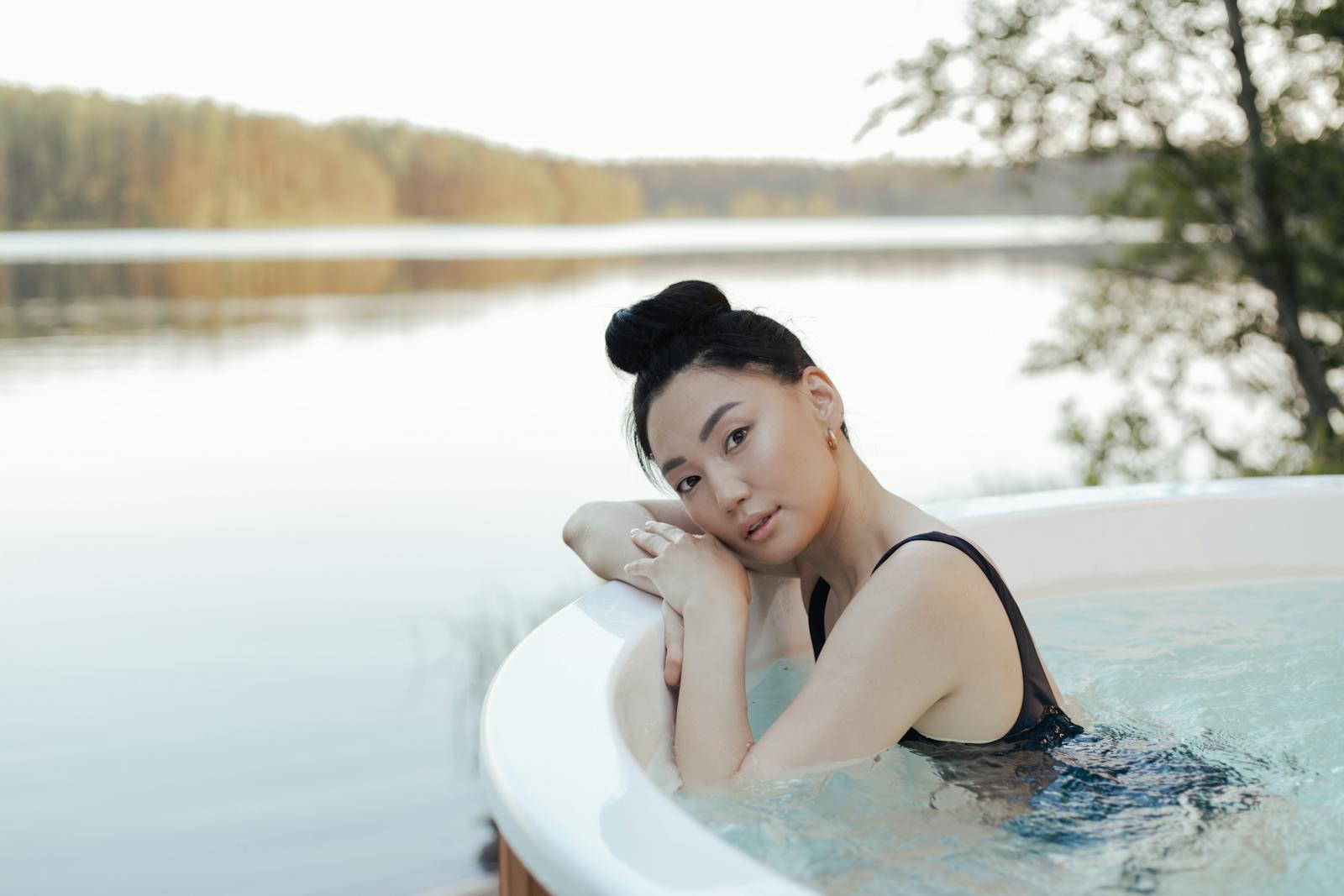
If it’s your first communal bath, the rules are simple and taking them seriously matters to everyone else in the water. Wash thoroughly at the seated shower stalls before you get in, soap and rinse completely. No swimsuits; onsen bathing is done naked. Keep your small towel out of the water, folded on your head or set by the edge. No phones or photos, ever. Tie long hair up so it doesn’t trail in. Keep your voice down, since the bath is meant to be a quiet space. Skip the alcohol, which most hotel baths ban anyway, and drink water before and after, because the heat dehydrates you faster than you’d think.
If any of that puts you off, the in-room onsen at Hotel Hanshin or City Plaza removes all of it. You fill your own tub, behind your own door, on your own terms. For first-timers, the nervous, the tattooed, or anyone who simply prefers privacy, that’s often the better introduction to soaking in hot spring water.
Best time of year for an onsen stay
Onsen are a year-round pleasure, but the cold months are when they shine. A rooftop open-air bath in December or January, steam rising off the water while the air bites, is the experience at its best, and Osaka’s winters are mild enough that you’re never trekking through deep snow to get to it. Autumn runs a close second, with comfortable evenings that suit a long soak after a day of sightseeing. Both seasons also tend to be cheaper and less crowded than spring, so the rooftop spas are calmer.
Summer is the awkward one. Osaka gets genuinely hot and humid from July into early September, and the idea of lowering yourself into 40-degree water can feel absurd at the end of a sweltering day. The workaround is timing: go late, after the air has cooled a little, and lean on the cold-water plunge or the indoor air-conditioned changing area between dips. An in-room onsen helps here too, since you control the water and can run it cooler than a communal bath ever would.
What it costs in 2026
- Budget onsen hotel: roughly ¥15,000 to ¥22,000 a night.
- Mid-range: around ¥18,000 to ¥35,000.
- Upscale (Candeo, Hotel Hanshin): ¥25,000 to ¥45,000.
- Day visit to Spa World: ¥1,500 to ¥2,500, no room required.
For comparison, a night at a famous onsen-town ryokan with kaiseki dinner often starts well north of these figures, which is the whole financial case for the city version. If you’d rather have the full traditional treatment instead, that price gap is exactly why a single splurge night at a proper inn, or a Spa World afternoon bolted onto a cheaper hotel, often makes more sense than paying an onsen premium every night.
Where to base yourself for an onsen stay
The onsen hotels split roughly into two camps, and which you pick shapes the rest of your stay. The central-city group, Hotel Hanshin near Fukushima, Candeo and City Plaza in the Shinsaibashi and Honmachi orbit, keeps you walking distance from Osaka’s food and shopping, so you can spend the day in Dotonbori and Kuromon Market and fall into a hot bath at night without a train ride. This is the right base if the soak is a bonus on top of a normal Osaka trip rather than the whole point.
The USJ-area group, Liber and Hotel Keihan Universal Tower, sits out by the bay near the theme park. Brilliant if your trip revolves around Universal Studios and you want to soak away a day of coasters, but a 20-to-30-minute trek from the central nightlife, so a poor base if you’d rather be eating in Namba each evening. Pick your camp by what you actually want your days to look like, then choose the hotel within it. Getting this wrong is the most common onsen-hotel mistake: a gorgeous bath is small comfort if it’s nowhere near anything else you came to Osaka for.
What a city onsen night actually feels like
Set your expectations right and you’ll enjoy it more. A city onsen hotel doesn’t deliver the postcard scene of a wooden tub under maple trees with a river running past. What it delivers is genuinely good hot spring water, often a rooftop or high-floor bath with the Osaka skyline glittering below, and the rare luxury of soaking after a long day without packing a bag and riding a train into the mountains. On a clear night, sitting in an open-air rooftop bath while the city blinks underneath you is its own kind of magic, just an urban one rather than a rural one.
The water itself does real work. Osaka days mean a lot of walking on hard pavement, and the heat draws the ache out of tired legs in a way a hotel shower never will. Go in the evening once you’re done sightseeing, give it 15 minutes in and a cool-down out, repeat a couple of times, and you’ll sleep better for it. Time it for a weekday evening if the bath is communal, since the rooftop spas fill up on weekend nights when everyone has the same idea.
Real onsen towns within day-trip range
If you want the genuine onsen-town experience to go with your city base, three trips work well from Osaka:
- Arima Onsen, about an hour out: one of Japan’s three oldest hot spring towns, with day-pass options for the public baths if you don’t want to stay over.
- Mount Koya, around 90 minutes: a Buddhist temple town where you can book shukubo lodging, sometimes with onsen attached, for a very different kind of night.
- The Wakayama coast, one to two hours: coastal onsen towns including Shirahama, where you soak with an ocean view.
A two-night onsen plan
- Day one: arrive, check into Candeo Shinsaibashi, and end the evening on the rooftop SkySpa once the city lights up.
- Day two: work through central Osaka by day, then a second SkySpa soak and a long dinner nearby.
- Day three: a day trip out to Arima Onsen for the traditional version, back in the evening for a final night.
Osaka onsen hotels: FAQ
What is the best Osaka onsen hotel?
For a private in-room soak, Hotel Hanshin Osaka. For a rooftop city bath, Candeo Hotels Osaka Shinsaibashi. For a USJ trip, Liber Hotel Osaka. For budget, City Plaza Osaka. The right answer depends on whether you want privacy, a view, or a low price.
Are there real natural onsen in central Osaka?
Yes. Hotel Hanshin Osaka, Candeo Shinsaibashi, and City Plaza Osaka all use genuine natural hot spring water. Many other “onsen hotels” heat the tap, so look for 天然温泉 on the website to be sure.
Can guests with tattoos use Osaka hotel onsen?
Public baths often turn tattooed guests away. The in-room hot spring taps at Hotel Hanshin and City Plaza avoid the rule entirely, since you bathe privately. Some hotels also offer bookable private family baths.
How much does an Osaka onsen hotel cost?
Roughly ¥15,000 to ¥45,000 a night. The rooftop options like Candeo and Hotel Keihan Universal Tower run about ¥22,000 to ¥42,000. The in-room onsen at Hotel Hanshin sits around ¥18,000 to ¥35,000.
Do Osaka hotel onsen stay open late?
Most close between 23:00 and midnight, so check if you want a late soak. The exception is the in-room hot spring at Hotel Hanshin, which is available any hour because it’s in your own bathroom.
Is a city onsen hotel worth it compared with a mountain ryokan?
For convenience and price, a central Osaka onsen hotel is hard to beat. For the full traditional experience, the kaiseki dinners, garden views, and slower pace, a mountain ryokan still wins. Many travelers do both: city base, plus one ryokan night or an Arima day trip.
Plan the rest of the trip
Once the soak is sorted, build out the rest. Our where to stay in Osaka overview maps the city by area and budget, the best ryokan in Osaka guide covers the traditional-inn route, and the luxury hotels Osaka guide handles the high end if you’re after a serious city spa.