This article contains advertising. Our booking links are routed through a partner that adds commission tracking automatically, so if you book through one we earn a commission from the provider, at no extra cost to you. It never affects what we recommend. Affiliate disclosure
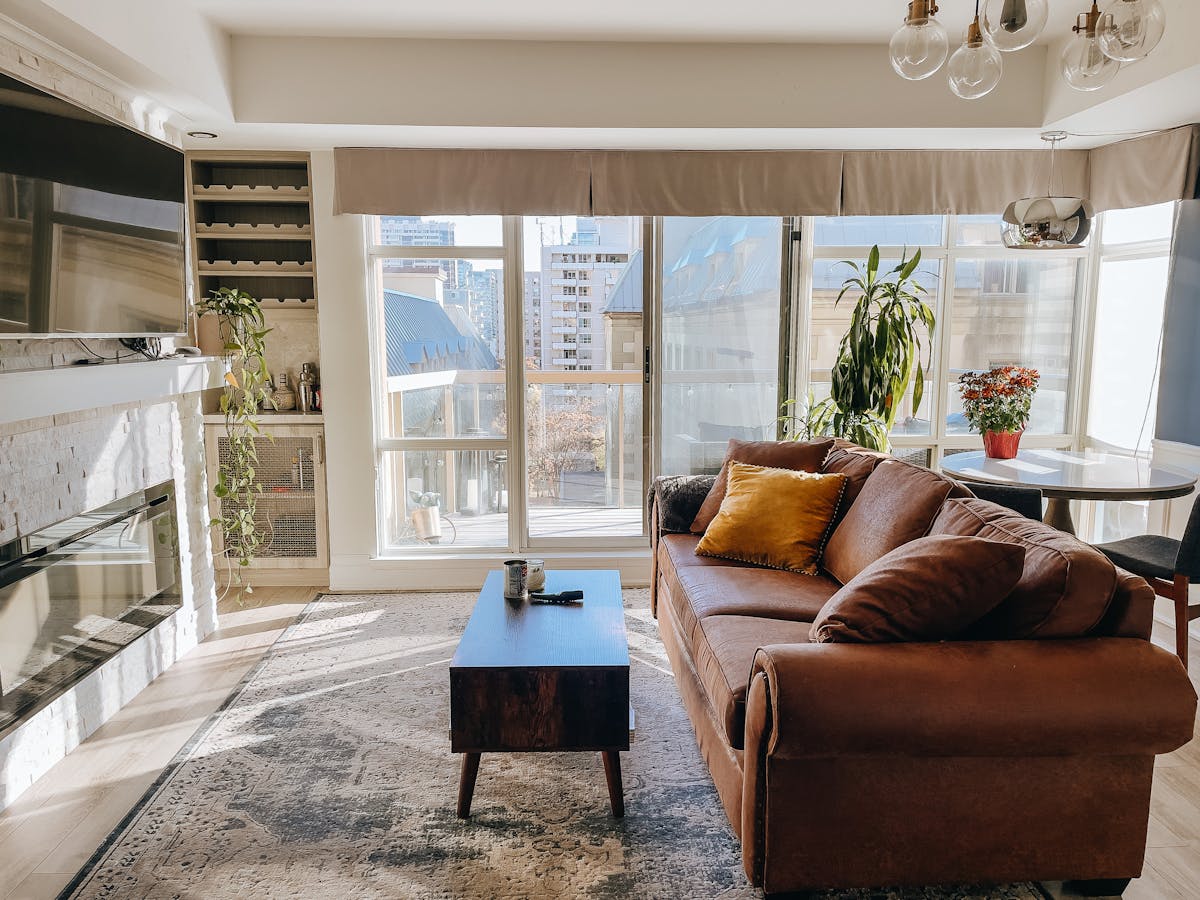
The case for an Osaka Airbnb comes down to one number: floor space. A standard Osaka hotel room runs 13 to 18 square metres, which is fine for a couple of nights and tight for anything longer. A converted apartment gives you 25 to 60, plus a kitchen, a washing machine, and somewhere to put your shopping down. The supply here is deep — Osaka has one of the busier short-term rental markets in Japan, occupancy sits high across the year, and the overwhelming majority of listings are entire homes rather than spare rooms. Rates open around ¥6,000 for a compact studio and climb past ¥30,000 for a whole multi-bedroom flat.
That makes it the default for families, groups, and anyone staying four nights or more. But Japan regulates short-term rentals more tightly than most countries, and a listing without a visible licence number is a real risk, not a technicality. This 2026 guide covers the neighbourhoods worth booking, the legal rules you have to check, how to read a listing properly, and when an apartment hotel beats Airbnb outright.
Quick pick: best Osaka Airbnb neighbourhoods
- First-time visitors: Namba, Shinsaibashi, Dotonbori — central, food everywhere.
- Families: Tennoji — more residential, parks nearby, bigger flats.
- Transit-led trips: Umeda — direct Shinkansen via Shin-Osaka.
- Tight budgets: Tengachaya, Nishi-ku, Naniwa-ku — cheaper, still on the subway.
- Food obsessives: Nihonbashi — minutes from Kuromon Market.
- A more local feel: Fukushima — residential, restaurant-dense, just north of Umeda.
- USJ visitors: Bentencho or the Bay area — direct rail to Universal.
Why an apartment beats a hotel room
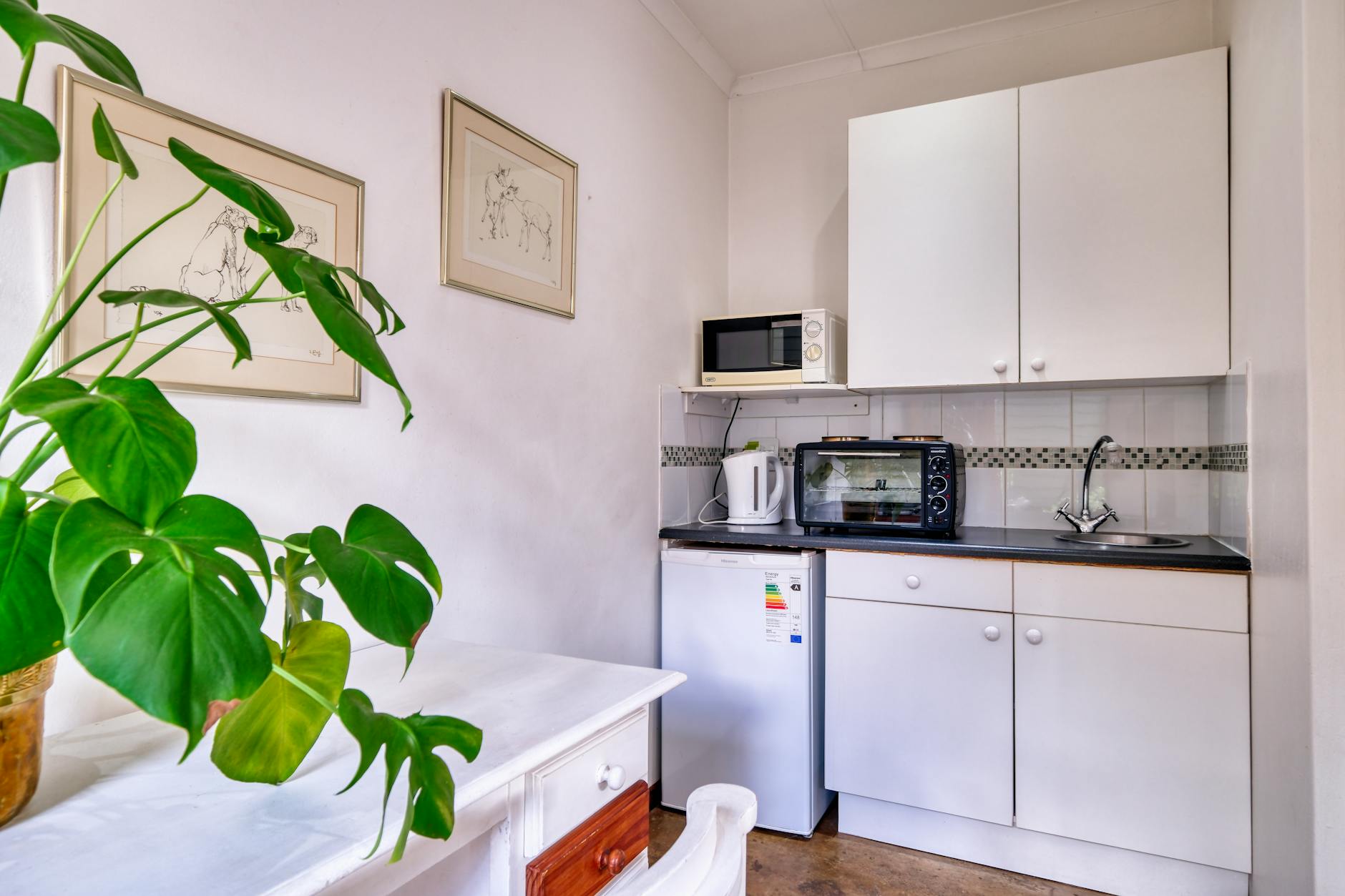
- Room to breathe. Hotel rooms here run 13–18 m². Airbnb flats are often 25–60.
- A real kitchen. Cook breakfast, store the leftovers from Kuromon, brew coffee that isn’t from a sachet.
- Better maths for groups. A two-bedroom for four to six people works out cheaper per head than a pair of hotel rooms.
- A residential setting. You’re usually in an ordinary building among people who actually live in Osaka.
- Laundry. Many flats include a washer — quietly essential past a few days.
The legal part you can’t skip
Japan’s Minpaku law, in force since June 2018, requires every short-term rental host to register with local authorities. This isn’t bureaucratic background noise — it’s the difference between a listing that’s safe to book and one that could be shut down while you’re mid-trip. A legitimate Osaka listing should do all of the following:
- Show a valid licence number in the listing description — look for the “M-Mark” or a municipal registration number.
- Collect your details at check-in — name, address, occupation, dates, and a passport copy for foreign guests.
- Operate within the 180-day annual cap that applies to Minpaku licences.
- Be registered for tax.
If there’s no licence number on the page, treat it as a red flag and book something else — an unlicensed rental can be closed without warning, and you’d be the one left scrambling for a bed. Airbnb’s filter for listings with a visible registration number screens out the worst of it, and it costs you nothing to use.
The neighbourhoods, compared
Namba, Shinsaibashi and Dotonbori
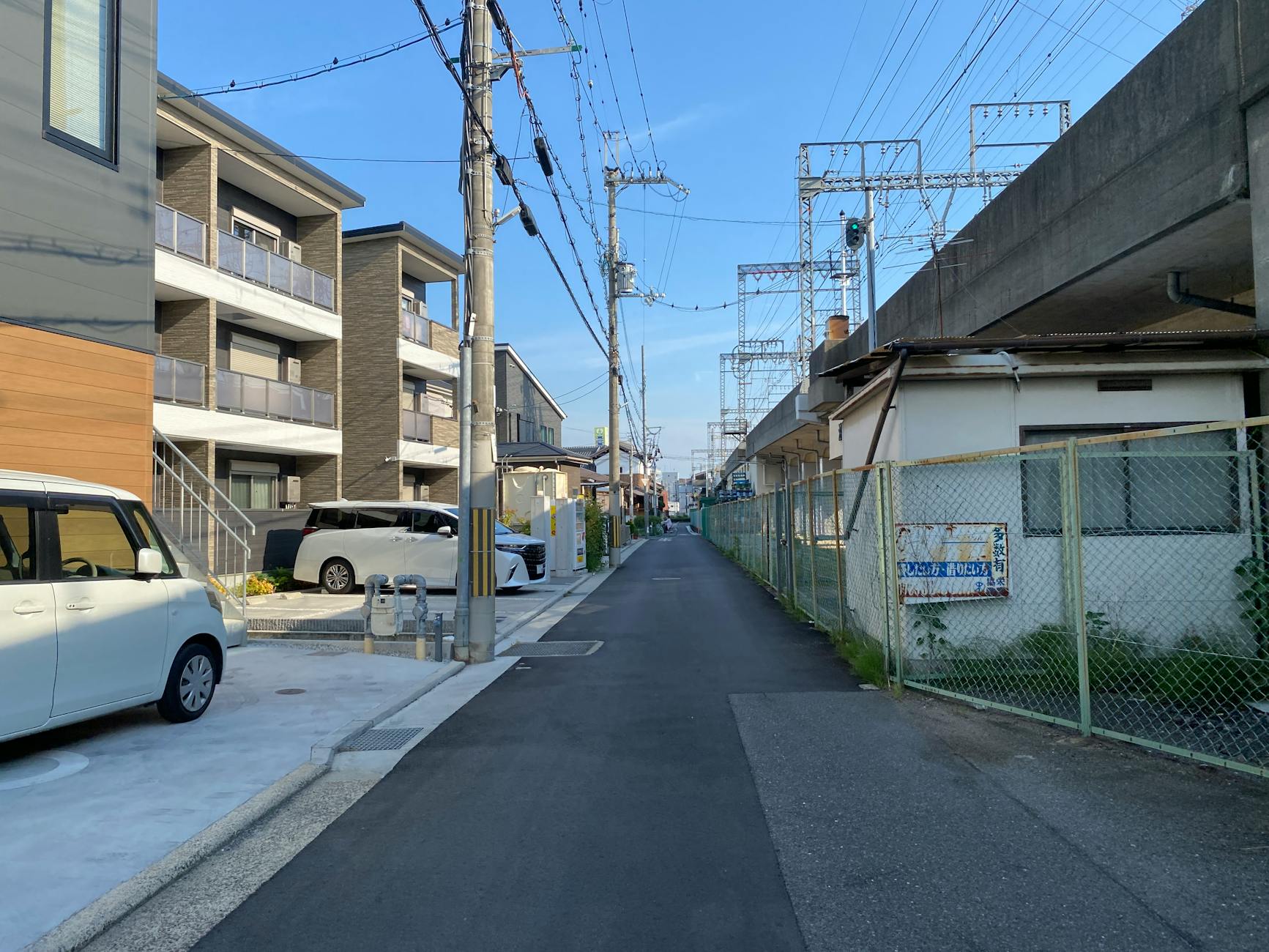
The most-booked area for first-timers, and the obvious choice if you want to walk to Dotonbori, Kuromon, and the Shinsaibashi arcades. Pricing is mid-range, roughly ¥10,000 to ¥22,000 a night for a one- or two-bedroom. The catch: buildings here are often old and close to busy streets, so traffic noise is the common complaint. If you’d rather have a hotel in this exact area, our Namba hotels and Shinsaibashi hotels guides cover it.
Tennoji
A southern transit hub that runs quieter and more residential, with larger apartments and park access nearby — and Abeno Harukas, with its free 16th-floor Sky Garden, in walking distance. Generally ¥8,000 to ¥18,000. The pick for families and anyone travelling at a slower pace.
Umeda and Osaka Station
Premium pricing for transit-direct convenience, with Shin-Osaka and the Shinkansen a short JR hop away. Around ¥12,000 to ¥25,000. Best for travellers continuing on to Tokyo or Hiroshima by bullet train. If trains drive your trip, weigh it against the Umeda hotels too.
Tengachaya, Fukushima and Nipponbashi
Three useful alternatives. Tengachaya is an underrated hub south of centre with direct subway to both Namba and Umeda and noticeably cheaper rates, around ¥6,500 to ¥12,000 — good for budget and mid-length stays. Fukushima, just north of Umeda, is quieter and residential but stacked with independent restaurants and bars, a locals’ favourite, roughly ¥9,000 to ¥18,000. And Nipponbashi, the anime and electronics district next to Kuromon Market, suits shoppers and eaters at mid-range prices.
Bay area and Bentencho
West Osaka, with direct rail to Universal Studios Japan and a good supply of larger, family-friendly apartments. Moderate pricing, about ¥9,000 to ¥20,000. The sensible base for families doing USJ or anyone travelling with kids on a longer stay.
How to read a listing properly
- Licence number visible in the listing — non-negotiable, as above.
- Recent reviews, ideally within the last three months. Stale listings often mean slipping standards.
- Superhost badge — imperfect, but a useful signal.
- An exact map pin, not an approximate circle. You want to know the real walk to the station.
- Honest photos. Be wary of wide-angle shots that inflate a small room; look for images that show true scale.
- A detailed amenity list: wifi (essential), heating and air-conditioning, washing machine, proper kitchen kit.
- Building age noted. Older blocks may have tiny lifts or stairs only — a real consideration with luggage.
- Soundproofing comments in the reviews. Osaka buildings can carry noise.
- A clear check-in method, whether self-service by key box or in person.
- A transparent cleaning fee — some listings bury it.
- A cancellation policy you can live with if plans shift.
What you’ll really pay in 2026
- Compact studio (15–25 m²): ¥6,500–¥12,000 a night.
- One-bedroom (25–40 m²): ¥10,000–¥18,000.
- Two-bedroom (40–65 m²): ¥18,000–¥35,000.
- Three-plus-bedroom family flat (65 m²+): ¥30,000–¥60,000.
- Cleaning fee: ¥3,500–¥10,000, charged separately from the nightly rate.
- Service fee: Airbnb adds roughly 14 percent on top of the host’s price.
- Cherry-blossom premium: expect 30 to 50 percent more over late March and April.
When an apartment hotel is the smarter call
If you like the apartment format but not Airbnb’s hit-or-miss quality, Osaka has a strong middle option: apartment hotels that pair kitchen-equipped units with a real front desk. You lose a little of the local feel and pay a bit more, but you gain reception, housekeeping, and a guarantee the place actually exists as photographed. And if it’s a more characterful stay you’re after rather than space, a traditional Osaka ryokan trades the kitchen for tatami, futons, and an entirely different kind of night.
- Citadines Namba Osaka — kitchenette units in a central spot, ¥15,000–¥30,000.
- MIMARU Osaka — an apartment-hotel chain with several Osaka locations built for families, ¥18,000–¥30,000.
- Ascott Marunouchi Osaka — premium serviced apartments.
- Element by Westin — Marriott’s extended-stay format, with kitchenettes.
The trade-off in plain terms: apartment hotels tend to run 20 to 40 percent more than an equivalent Airbnb, and in return you get reliability and a person to call when something breaks. For a wider look at hotel-side options, a dedicated luxury hotels in Osaka roundup compares the top-tier stays.
What living in an Osaka apartment is actually like
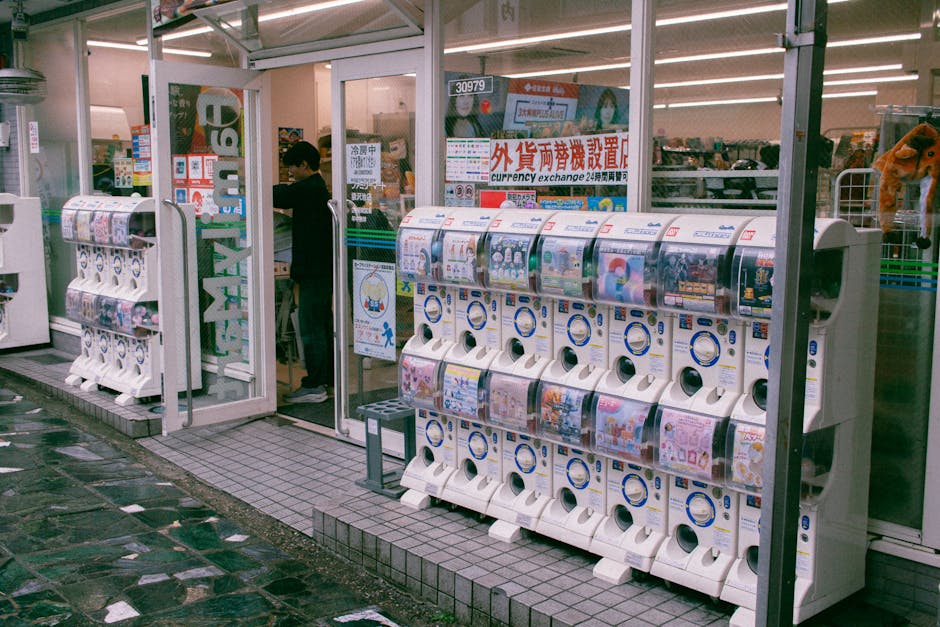
Choosing a rental over a hotel means briefly living like a resident, and Osaka has a few rhythms worth knowing before you arrive. The convenience stores — Lawson, FamilyMart, 7-Eleven — are your kitchen’s extension: cash, hot food, ATMs that take foreign cards, and parcel collection, usually within a block. Many apartments come with a tiny induction hob and a single pot, so the conbini fills the gaps the kitchen can’t. Bins are the thing first-timers trip over. Households separate burnable from plastics from cans and bottles, each collected on set days, and a good host leaves clear instructions. Get it wrong and you might just be asked to hold the bag until the right morning.
The buildings themselves teach you fast. Shoes come off at the entrance — there’s usually a step that marks the line. Baths are run deep and hot, and the unit heater that warms the water is its own small puzzle the first night. Walls can be thin, so the unspoken rule is to keep it quiet after about 10pm, the same courtesy your neighbours extend to you. None of this is hard; it just rewards reading the house manual properly instead of skimming it on arrival.
Paying, communicating and the small print
Keep the whole transaction on-platform. Pay through Airbnb itself, and treat any host who asks you to settle off-site — by bank transfer or cash before arrival — as a reason to walk away, since it strips you of the platform’s protection if something goes wrong. The same goes for communication: keep it in the app’s message thread so there’s a record of what was promised about check-in, the licence, and the address.
A few details save grief at the end. Some hosts hold a security deposit or place a temporary card authorisation, so check the listing for it rather than being surprised. Confirm the exact check-out tasks — bagging rubbish, starting the dishwasher, leaving keys in the box — because skipping a listed step is a common trigger for a surprise charge. And screenshot the address and the access code before you land; Osaka’s data coverage is good, but you don’t want to be hunting a key box in the rain on a dying battery. For how rentals fit into a wider budget, the Osaka trip cost guide puts the numbers in context.
Booking strategy that pays off
- Book two to four months out for the peak weeks — late March to April, and October to November.
- Cross-check the same flat on Vrbo and Booking.com. Listings often appear on several platforms with different fees.
- Read at least ten recent reviews and look for repeated complaints — noise, cleanliness, a slow host.
- Make sure check-in instructions arrive 24 to 48 hours ahead. If they don’t, message the host before you fly.
- Keep a backup in mind. If a rental falls through, Osaka hotels are usually bookable same-day.
- Pack a power strip. Many older flats have only one or two outlets per room.
- Learn the rubbish rules. Japan separates waste strictly, and getting it wrong can trigger a cleaning surcharge.
Staying a week or working remotely
The longer your stay, the more an apartment makes sense — and the more a few specifics matter. Past about a week, look for a monthly or weekly discount, which many hosts set quietly in the listing and which can knock a real chunk off the nightly rate. A washing machine stops being a nice-to-have and becomes the reason you packed light. And the kitchen pays for itself across breakfasts and the odd cooked-in dinner, especially when you’ve been eating out for days and want a quiet night with a supermarket bento.
If you’re working while you’re here, vet the connection before you commit. Ask the host for the actual wifi speed rather than trusting a tick-box, since older buildings can disappoint on a video call. Confirm there’s a desk or at least a proper table, not just a low kotatsu, and consider a neighbourhood like Fukushima or Tennoji where you’re a little removed from the late-night noise of Minami but still a short subway ride from it. A pocket wifi or a local SIM as backup means a flaky apartment router never costs you a meeting — and gives you something to tether to on the move.
The downsides nobody photographs
- Slow wifi, especially in older buildings — confirm the speed if you’re working.
- Thin walls. Multi-family blocks carry more neighbour noise than you’d expect.
- Tiny bathrooms. Standard for Japan; think closet-sized.
- Drifting cigarette smoke through old ventilation from neighbouring units.
- Rubbish-day timing. If your stay spans the wrong night, you may have to carry waste to a set collection point.
- Early check-out. Many rentals want you out by 10:00, against the 11:00 or 12:00 you’d get at a hotel.
Osaka Airbnb: common questions
Is Airbnb legal in Osaka?
Yes, with proper licensing. Hosts have to register under the Minpaku law and display a licence number. Stick to listings that show one.
How much does an Osaka Airbnb cost?
Roughly ¥6,500–¥12,000 a night for a studio, ¥10,000–¥18,000 for a one-bedroom, and ¥18,000–¥35,000 for a two-bedroom — plus a cleaning fee of ¥3,500–¥10,000 and Airbnb’s service fee.
Which Osaka Airbnb neighbourhood is best?
Namba or Shinsaibashi for first-timers, Tennoji for families, Umeda for transit, Fukushima for food. Whatever you pick, confirm the walking distance to a subway station before booking.
Are Osaka Airbnbs better than hotels?
For groups of four-plus, stays of four nights or more, and travellers who want to cook, yes. For short solo or couple trips, a hotel is usually the more reliable bet.
Can I check in late at an Osaka Airbnb?
Most listings offer self-check-in by key box, which makes a late arrival easy. Confirm it specifically if you’ll land after 22:00.
Do I need my passport at an Osaka Airbnb?
Yes — it’s a legal requirement. Hosts must record passport details for foreign guests, and most ask you to upload a photo to the Airbnb message thread before check-in.
Plan the rest of your trip
Weigh rentals against hotels in the where to stay in Osaka guide, then build the rest with the things to do in Osaka overview and the first-time Osaka tips.