This article contains advertising. Our booking links are routed through a partner that adds commission tracking automatically, so if you book through one we earn a commission from the provider, at no extra cost to you. It never affects what we recommend. Affiliate disclosure
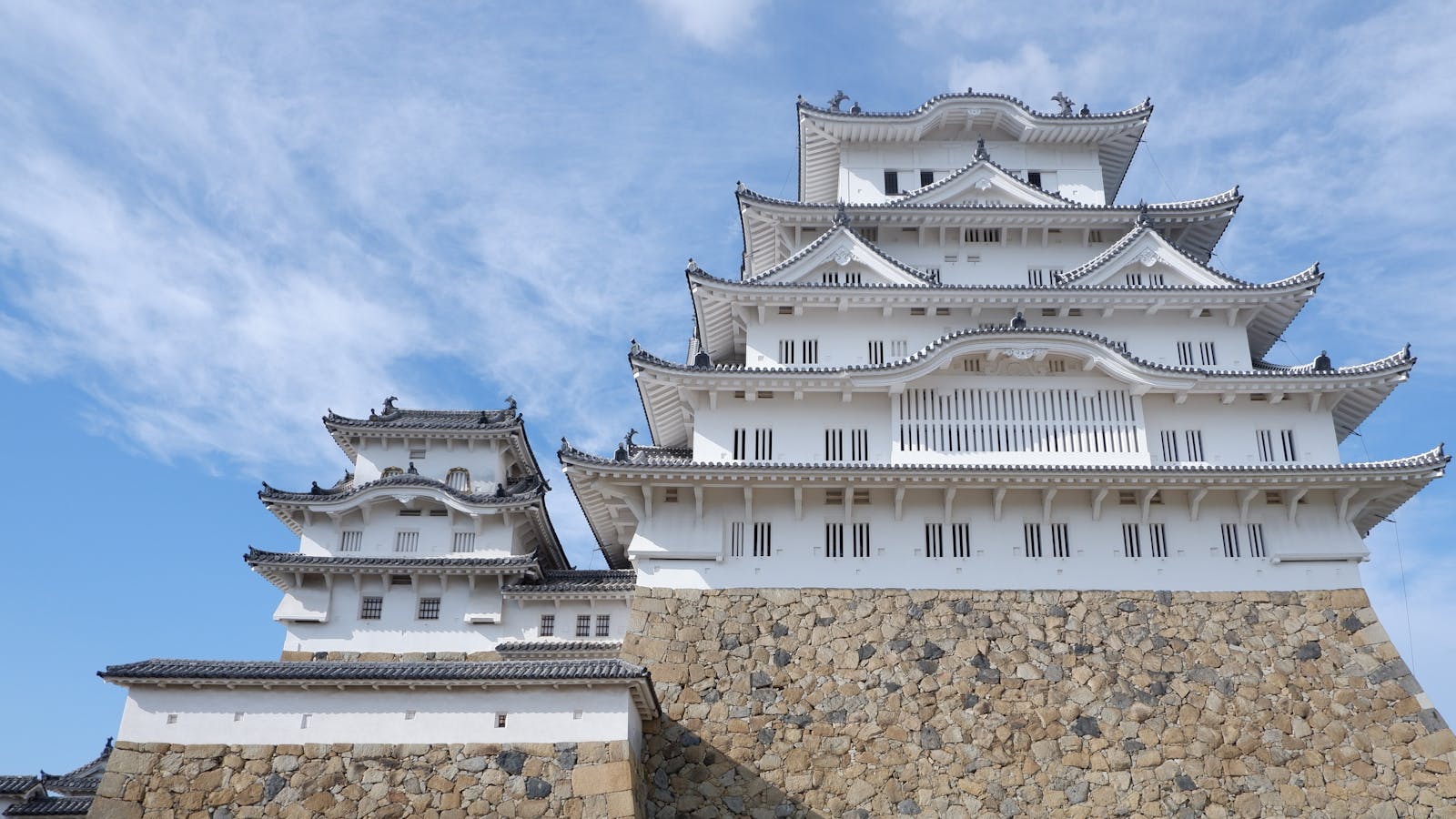
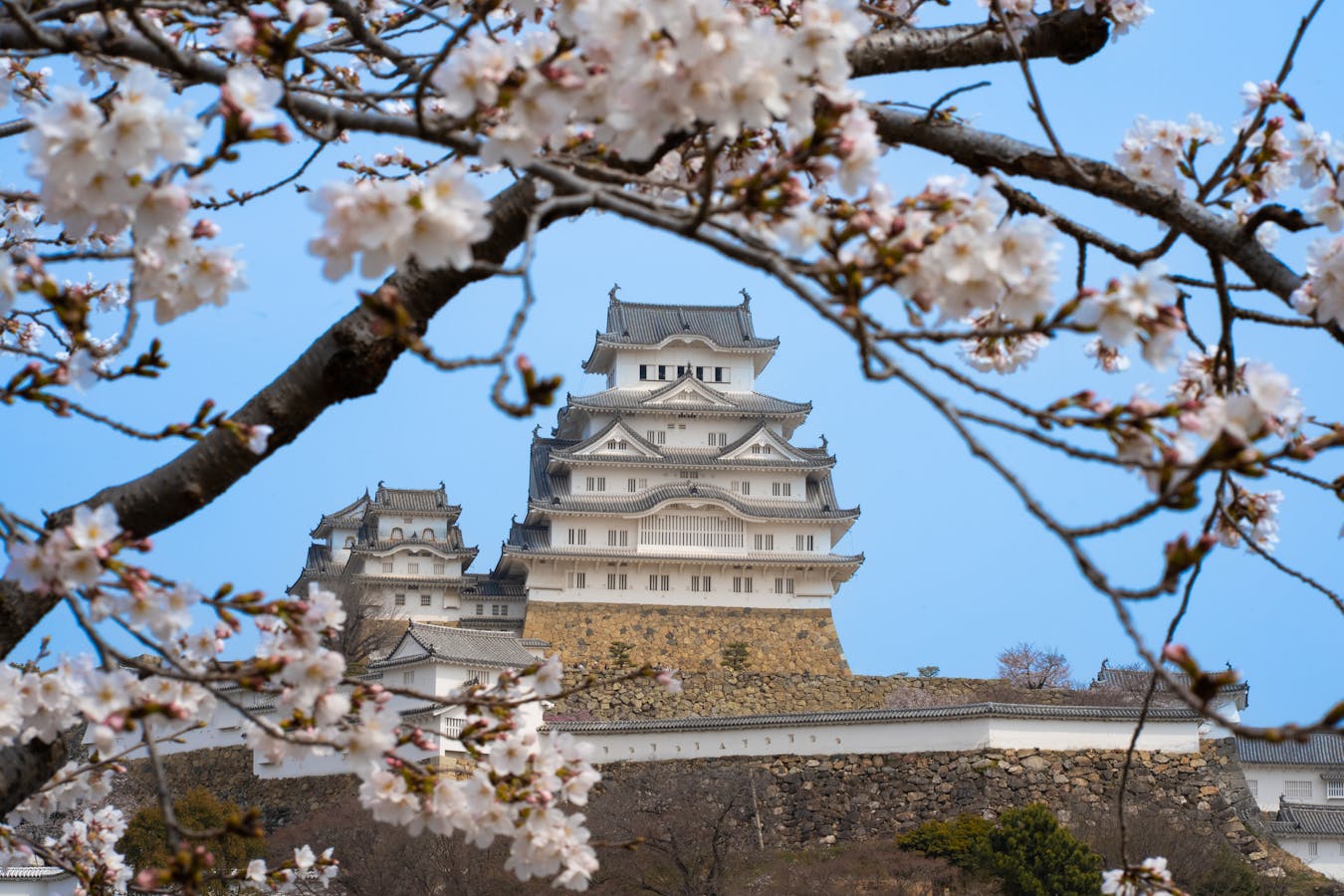
If you have seen Osaka Castle and come away a little underwhelmed, here is the fix. A Himeji Castle from Osaka day trip takes you 30 minutes west by Shinkansen to the largest, most complete and most beautiful original feudal castle in Japan. Built in 1609 and nicknamed “Shirasagi-jo,” the White Heron Castle, for its white plaster skin and wings-spread silhouette, Himeji is a UNESCO World Heritage Site and one of the country’s three premier castles. The crucial difference: where Osaka Castle is a 1931 concrete reconstruction, Himeji’s keep, gates, walls and turrets are 400-year-old originals. This is the real thing.
This guide covers the day itself – what to see inside the keep, how to pace the climb, the gardens next door, where to eat in town, and which season to aim for. The castle is the whole reason to come, so the plan is built around giving it the time it deserves and getting you back to Osaka for dinner.
Himeji Castle from Osaka Quick Facts
- Distance from Osaka: about 92 km west.
- Train: 30 min by Shinkansen (¥3,000) or 60 min by JR Special Rapid (¥1,520).
- Castle hours: 9:00-17:00, last entry 16:00; extended to 18:00 in summer.
- Castle entry: ¥1,000 for the castle, or ¥1,050 for the castle-plus-Koko-en combo ticket.
- Time needed: 6-8 hours for the full day trip.
- UNESCO designated: 1993, among Japan’s first.
- Best seasons: late March to early April (cherry blossom), mid-November (autumn colour).
The number that catches people out is the ¥3,000 Shinkansen fare versus ¥1,520 on the Special Rapid. The bullet train halves the journey to 30 minutes, but unless a JR Pass is covering it, the slower train at half the price is the sensible call for most day-trippers. Either way, Himeji Station puts you a straight 15-minute walk from the gate. Himeji also sits on the Sanyo Shinkansen, the same line that runs on to Hiroshima’s Peace Park and floating torii in roughly another hour, if you are weighing how far west to go.
Why Himeji Is Worth the Trip
Plenty of Japanese castles are reconstructions, rebuilt in concrete after fire, war or neglect. Himeji is one of the rare originals, and the difference is felt the moment you step inside. A few reasons it stands apart:
- The largest surviving original castle in Japan – 83 buildings across the complex, not a single modern rebuild among the core structures.
- One of the best preserved – it came through WWII bombing intact when much of the city around it did not.
- The most photogenic – bright white plaster, a multi-tiered main keep, and layered defensive walls that fan out below it.
- A UNESCO World Heritage Site since 1993, one of the first sites in Japan to be inscribed.
- Recently restored (2009-2015) – the plaster was repainted brilliant white and the structure seismically reinforced, so what you see is both authentic and sound.
Getting from Osaka to Himeji
Two trains, one clear trade-off between speed and money.
Shinkansen (fastest)
- From / to: Shin-Osaka Station to Himeji Station.
- Time: 30 minutes.
- Cost: ¥3,000 for an unreserved seat.
- Covered by: the Nationwide JR Pass and the JR Kansai Wide Pass.
Worth it if you hold a pass that covers it, or if every minute counts. From Himeji Station, walk straight up Otemae-dori to the castle, about 15 minutes with the keep dead ahead of you the whole way.
JR Special Rapid (best value)
- From / to: Osaka Station to Himeji Station.
- Time: 60 minutes.
- Cost: ¥1,520.
- Covered by: all JR passes, including the JR Kansai Area Pass.
For most people paying out of pocket, this is the one to take – half the cost of the Shinkansen for an extra half-hour each way, and a comfortable ride at that.
The Day Trip Itinerary
A single castle does not sound like a full day until you are inside it. Between the outer baileys, the six-floor keep, the West Bailey and the gardens next door, Himeji easily fills the hours. Here is a workable shape for the day:
- 9:00 – JR Special Rapid from Osaka; arrive Himeji around 10:00.
- 10:15 – walk Otemae-dori to the castle entrance (15 min).
- 10:30 – enter the grounds; work through the gates and outer baileys.
- 11:00 – climb the main keep, six floors of steep wooden stairs.
- 12:30 – explore the West Bailey (Nishi-no-maru) and its long corridor.
- 13:30 – lunch in town; try the local anago (grilled eel).
- 14:30 – the adjacent Koko-en Gardens (¥350 alone, or on the combo ticket).
- 16:00 – stroll back down Otemae-dori; browse the shops.
- 17:00 – train back to Osaka, arriving around 18:00 for dinner.
Inside Himeji Castle
The castle is a defensive maze as much as a palace, and walking it in sequence is part of the appeal – the path deliberately doubles back and narrows to confuse attackers. The pieces worth slowing down for:
- Outer baileys: layered courtyards behind massive sloped stone walls and a sequence of gates.
- Hishi Gate (Diamond Gate): the grand first gate, and one of the best photo spots before you go in.
- The main keep (Daitenshu): six floors rising 46.4 metres, linked by steep, narrow wooden staircases that get tighter as you climb.
- The top floor: a small shrine and a 360-degree view back over Himeji city and out toward the sea.
- The West Bailey (Nishi-no-maru): former residences and the famous Hyakken-roka, the Hundred-Foot Corridor, where a princess once lived.
- Sengan-yagura: an arrowhead-storage turret, open during special exhibitions.
The keep climb is real exercise – the stairs are closer to steep ladders than staircases, and you go shoeless on cold wooden floors. Allow at least 90 minutes inside the keep alone, and closer to three hours if you want the West Bailey too.
Koko-en Gardens, Next Door
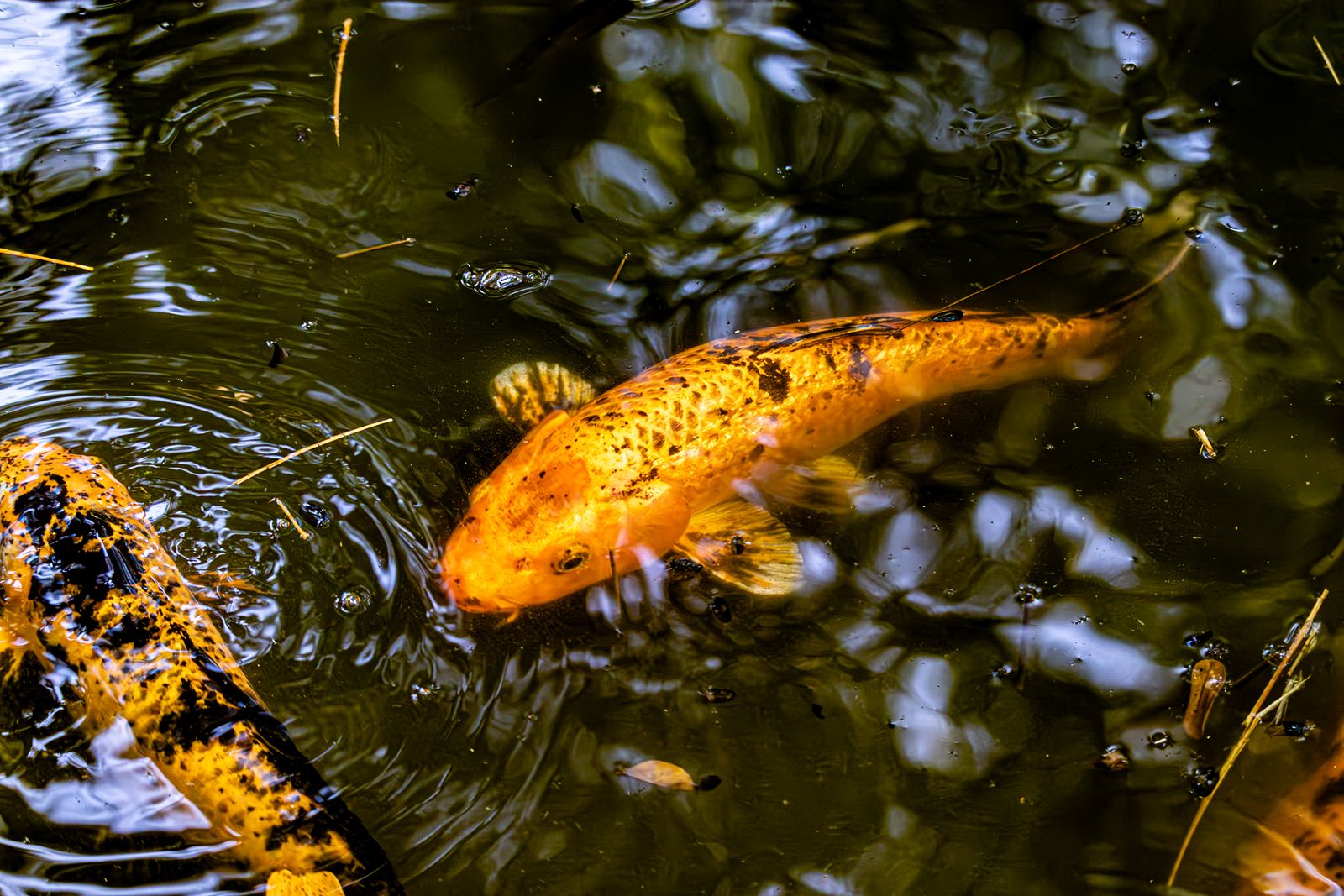
Right beside the castle, Koko-en is a set of nine small Edo-style gardens laid out in 1992 to mark Himeji’s UNESCO designation. There are koi ponds, a tea house where you can take matcha, a bamboo grove and a series of walled garden “rooms,” each in a different style. It is a calm counterpoint to the climb, and the combo ticket makes it close to free.
- Hours: 9:00-17:00.
- Price: ¥310 on its own, or ¥1,050 on the castle-plus-garden combo.
- Time: 60-90 minutes.
When to Visit
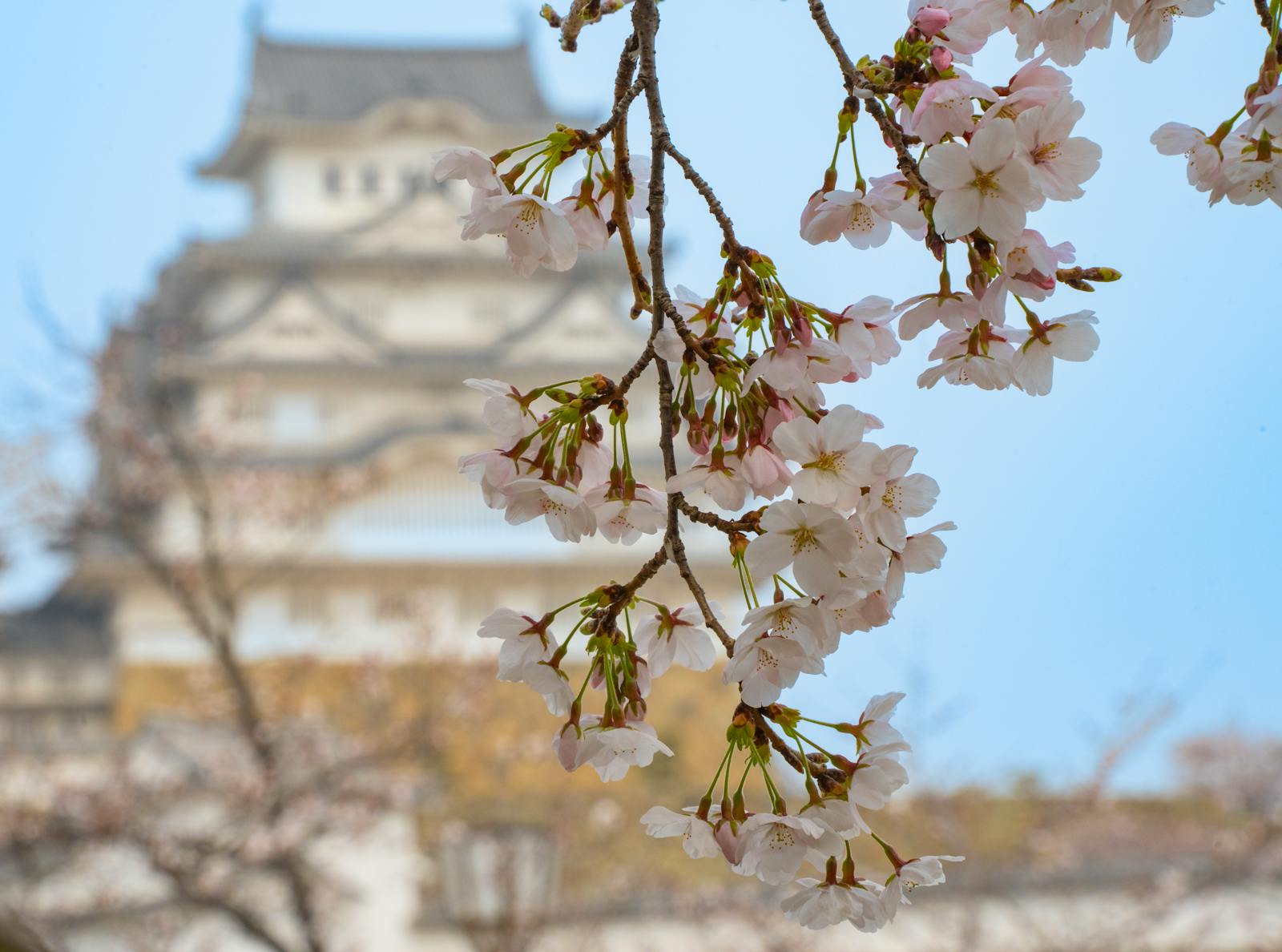
Himeji is striking year-round – that white keep photographs well against any sky – but two windows stand out, and both come with crowds to match.
- Late March to early April: cherry blossom around the moat and grounds, the single most photographed Himeji moment of the year. Expect heavy crowds.
- Mid-November: autumn foliage, the red and gold playing beautifully off the white plaster, and generally a little less crowded than blossom season.
- Tuesday to Thursday: the quietest days at any time of year.
- Worth avoiding: weekends during blossom season, and Golden Week (roughly April 29 to May 5), when the whole country is travelling.
Where to Eat in Himeji
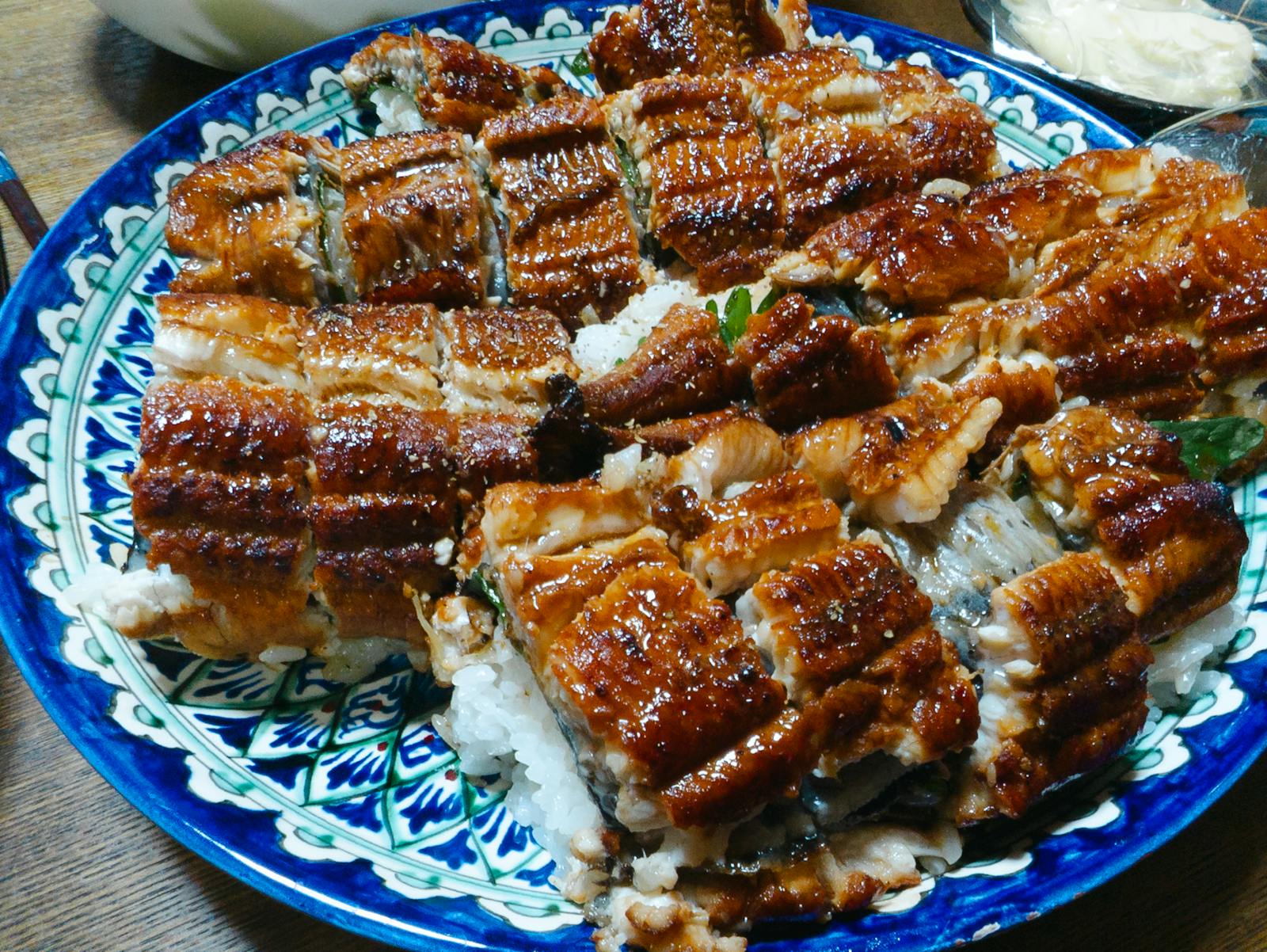
Himeji is a proper town, not just a castle, and Otemae-dori between the station and the gate is lined with places to eat. The local thing to seek out is anago – saltwater eel, grilled and served over rice, lighter and a touch sweeter than the freshwater unagi you find elsewhere.
- Otemae-dori cafes: a string of casual, mid-range options, handy before or after the castle.
- Anago specialists: the dish Himeji is known for – look for anago-meshi (eel over rice) sets.
- Local udon and set-meal spots: simple, filling lunches a short walk off the main avenue.
- Himeji Station food court: reliable quick options if you would rather eat on the way back.
Practical Tips
- Wear thin socks: you remove your shoes to climb the keep, and the floors are cold.
- Respect the stairs: the six-floor climb is steep and narrow – take your time and hold the rail.
- No backpacks in the keep: there are lockers at the entrance for bags.
- Photography is allowed throughout the castle and grounds.
- An audio guide is available in several languages for around ¥500, and it adds a lot to the climb.
- Buy the combo ticket: castle plus Koko-en saves around ¥260 over separate entries.
- Budget 90 minutes minimum inside, three hours-plus if you do the West Bailey properly.
What the Day Costs
Himeji is mostly a one-big-ticket day, and that ticket is the train. A per-person estimate:
- Round-trip Shinkansen: ¥6,000.
- Round-trip JR Special Rapid: ¥3,040.
- Castle plus Koko-en combo: ¥1,050.
- Audio guide: ¥500.
- Lunch: around ¥1,500.
- Realistic total: ¥6,000-¥10,000 per person, depending on which train you take.
Himeji Castle from Osaka FAQ
Is Himeji Castle worth the day trip from Osaka?
Yes, without much argument. It is the largest, best-preserved and most authentic feudal castle in Japan, a UNESCO World Heritage Site, and a different order of experience from the 1931 reconstruction at Osaka Castle. If you see one castle in Kansai, make it this one.
How long does it take to get from Osaka to Himeji?
30 minutes by Shinkansen from Shin-Osaka, or 60 minutes by JR Special Rapid from Osaka Station. Unless a JR Pass covers the bullet train, the Special Rapid is the better-value pick at roughly half the fare.
How much time do I need at Himeji Castle?
Three to four hours for the castle and main keep, five to six including Koko-en Gardens, and six to eight for the full day trip once you fold in the train. The keep climb alone wants 90 minutes.
Why is it called the White Heron Castle?
Two reasons: the brilliant white plaster (shiro shikkui) coating the walls and even the joints between the roof tiles, and the silhouette of the keep with its surrounding turrets, which is said to resemble a heron taking flight.
Can I visit Himeji Castle on a JR Pass?
Yes. The Nationwide JR Pass and the JR Kansai Wide Pass both cover the Osaka-Himeji Shinkansen. The cheaper JR Kansai Area Pass covers the Special Rapid only, not the bullet train – worth knowing before you buy.
When is the best time of year to visit Himeji Castle?
Late March to early April for cherry blossom, the busiest and most photographed season, or mid-November for autumn colour against the white walls. Both bring crowds; midweek visits are noticeably calmer.
The History Behind the White Walls
Himeji is not just old; it is a working diagram of how a Japanese castle was meant to defend itself. The site has been fortified since the 14th century, but the castle you climb today took its current form under Ikeda Terumasa, son-in-law of the shogun Tokugawa Ieyasu, who rebuilt it on a grand scale between 1601 and 1609. It never saw a battle in that form – and that is exactly why it survived so complete.
The design is all misdirection. The approach to the keep spirals and doubles back through a series of gates and courtyards, so an attacker who breached the outer wall would find themselves funnelled, exposed and disoriented, under fire from the walls above. Look for the narrow slots in the plaster – rectangular, triangular and circular openings called sama, built for archers and gunners – and the angled chutes above the gates for dropping stones. The white plaster itself was practical as well as beautiful: it is fire-resistant, a serious consideration in an age of wooden buildings and flaming arrows.
That it came through the WWII firebombing of Himeji intact is close to miraculous. The city around it was largely destroyed; a bomb that landed on the keep reportedly failed to detonate. So the castle stands as one of the very few in Japan where the keep, gates, walls and turrets are genuine survivors rather than later rebuilds – which is what the 1993 UNESCO listing recognised.
Himeji vs Osaka Castle: An Honest Comparison
Visitors often ask whether Himeji is worth the trip when there is a perfectly good castle in Osaka. The short answer is that they are different things. Osaka Castle is a 1931 ferro-concrete reconstruction with a modern museum and a lift inside – impressive on its skyline, easy to reach, and genuinely worth seeing, but it is a recreation. Himeji is the real, 400-year-old structure, wood and plaster and steep dark staircases, with no lift and no museum gloss.
If your time in Kansai is short and you only want a castle photo and a city view, Osaka Castle does the job without a day trip. If you want to walk through an authentic feudal fortress and understand how one actually worked, Himeji is in a different league, and the hour on the train is a small price. Many people do both and find the contrast itself instructive – the reconstruction up close in Osaka, the original out west.
A Worthwhile Add-On: Engyo-ji on Mount Shosha
If the castle leaves you with a few hours and you would rather have temples than shops, Engyo-ji is a thousand-year-old mountain temple complex on Mount Shosha, just outside town. A bus from Himeji Station and a short ropeway take you up to a scatter of weathered wooden halls in deep forest – you may recognise the Maniden hall and the great Jogyodo from “The Last Samurai,” which filmed here. It is a complete change of mood from the castle: quiet, mossy and remote-feeling.
Be realistic about the time, though. With the bus and ropeway each way, Engyo-ji adds at least two and a half to three hours, which only works if you took an early train and moved briskly through the castle. On a relaxed castle-and-gardens day it is a stretch too far – better saved for a second visit, or for travellers who skip Koko-en in its favour.
What to Skip When Time Is Short
A Himeji day has fewer moving parts than Kyoto or Kobe, so cutting is rarely necessary – but a couple of things go first if the clock is against you. The Sengan-yagura turret is only open for special exhibitions and is easy to miss with no real loss. Koko-en, lovely as it is, can be dropped if you would rather linger longer in the castle itself or attempt Engyo-ji. And in peak blossom season, if the queue to enter the keep is running long, the grounds, moat and outer baileys are free to wander and give you most of the photographs without the wait.
The one thing not to rush is the keep climb. People sometimes treat it as a quick up-and-down, but the upper floors, the joinery, the views from the top and the small details of the defensive design are the heart of the visit. Give it the time, even if it means skipping the gardens.
Plan More Kansai Day Trips
Himeji is the castle day; the rest of the region offers very different flavours. Start with the full day trips from Osaka overview, swap stone walls for temples and torii on a Kyoto day trip, meet the bowing deer on a Nara day trip, or head for beef and harbour views on a Kobe day trip.