This article contains advertising. Our booking links are routed through a partner that adds commission tracking automatically, so if you book through one we earn a commission from the provider, at no extra cost to you. It never affects what we recommend. Affiliate disclosure
Kobe is the fastest day trip you can make from Osaka, and the one most shaped by lunch. The JR Special Rapid covers the 30 kilometres west to Sannomiya in about 20 minutes for ¥420; the Shinkansen does it in 13. On the far end waits one of Japan’s most outward-looking port cities – the home of genuine Kobe beef, the ten-million-dollar night view from Mount Rokko, a hillside of preserved European houses, a working harbour, and the country’s largest functional Chinatown. Plan it right and you can fit a beef lunch, a harbour stroll and a sunset on the mountain into a single day.
This is the itinerary, not the timetable. For the fare-by-fare comparison of how to actually get across, see the Osaka to Kobe transit guide. Here we map out the day: where to eat Kobe beef at every budget, how to ride the cable car up Rokko for the night panorama, what to see in the Kitano-cho foreign quarter, and where the city’s sobering 1995 earthquake memorial fits in.
Kobe Day Trip Quick Facts
- Distance from Osaka: about 30 km / 20 miles west.
- Train: 13 min Shinkansen (¥660), 20 min JR Special Rapid (¥420), 30 min Hankyu or Hanshin (¥320-¥330).
- Time needed: 6-10 hours for a proper full day with Mount Rokko.
- Whole-day budget: ¥7,000-¥15,000 per person – it swings entirely on the beef.
- Best seasons: spring (March to May) and autumn (October to November) for the clearest Rokko views.
Notice how wide that budget range is. Kobe beef is the swing factor: a mid-range teppanyaki lunch runs ¥3,500 to ¥6,000, while a premium course can clear ¥10,000 before you have ordered a drink. Everything else – trains, the harbour, the mountain – is modest by comparison. Decide your beef budget first and the rest of the day plans itself.
The Full-Day Itinerary
This plan runs from a late-morning arrival through a hillside walk, a beef lunch, the waterfront and up the mountain for the night view – the order matters, because Rokko is the payoff and it only works after dark. A 10am start is plenty; Kobe is too close to need a dawn alarm.
10:00 – Leave Osaka
Catch the JR Special Rapid from Osaka Station; you will be at Sannomiya, Kobe’s central hub, by about 10:20. Sannomiya is where almost everything in this itinerary begins and ends.
10:30 – Walk Kitano-cho
Climb the hill north of Sannomiya into Kitano-cho, the district of “ijinkan” – the Western-style foreign-residence houses built by traders and diplomats in the late 1800s. Wandering the steep lanes is free; stepping inside individual houses costs roughly ¥350 to ¥1,050 each. The mix of weatherboard mansions and harbour views is genuinely unusual for Japan. Give it 60 to 90 minutes, and wear shoes that handle a slope.
12:00 – Kobe Beef Lunch
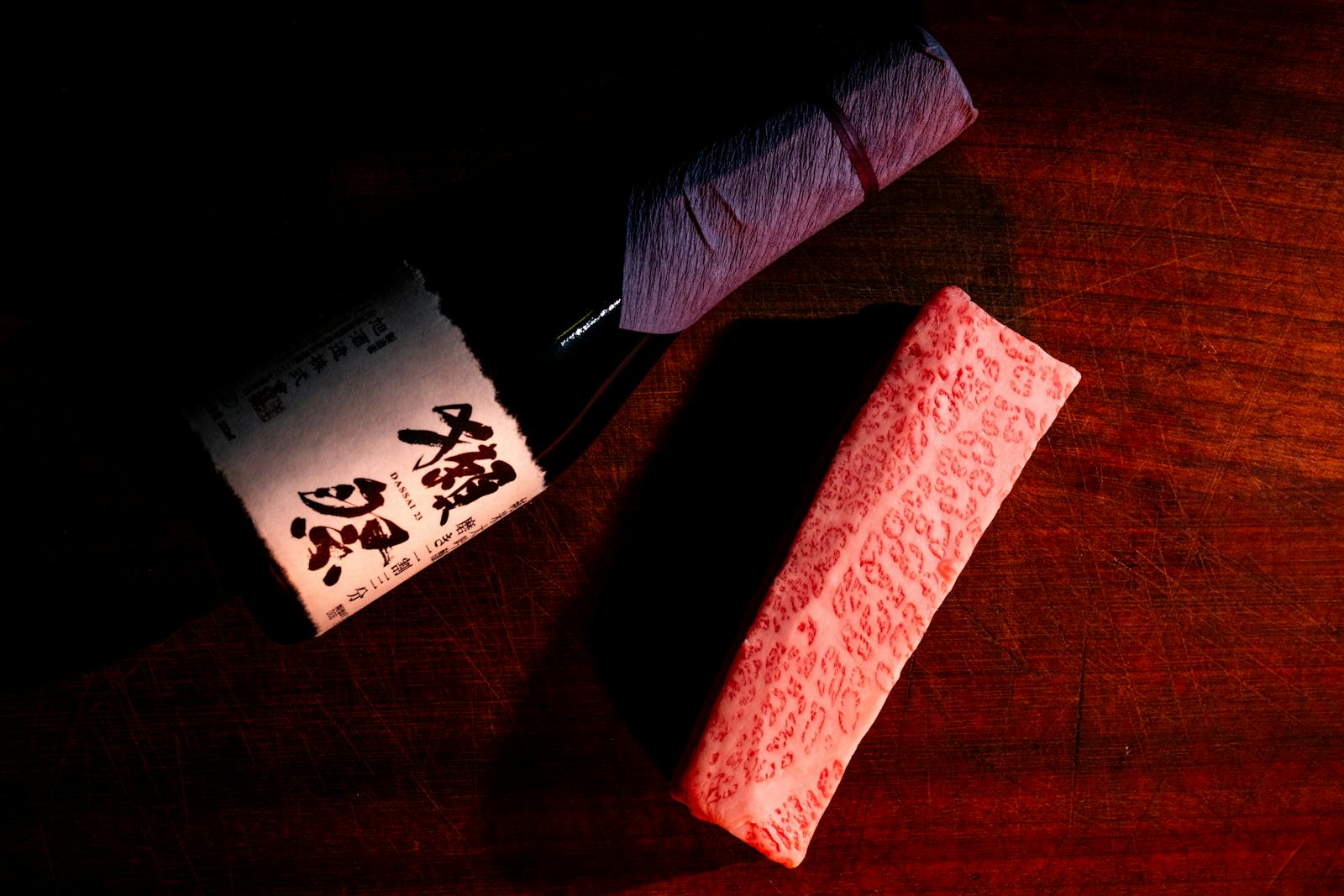
The reason most people come. Genuine Kobe beef is a tightly certified subset of Tajima wagyu – only a few thousand cattle a year make the grade – and lunch is the smart way to eat it without a four-figure dinner bill. Reserve ahead at the premium spots; mid-range places usually take same-day walk-ins. A few reliable names across the budget tiers:
- Steakland Kobe: ¥3,500-¥6,000 lunch courses. Mid-range teppanyaki, used to foreign diners, an easy first Kobe-beef experience.
- Kobe Plaisir: from around ¥3,500 at lunch. Casual but legitimate, with certified beef.
- Mouriya Sannomiya: ¥4,500-¥9,000. A long-running mid-premium house with multi-course options.
- Misono: ¥8,000 and up. The restaurant that claims to have invented teppanyaki steak back in 1945.
- Wakkoqu: ¥10,000 and up. A premium wagyu specialist for a splurge.
Whichever you pick, sit at the teppan counter if you can – watching the chef cook the steak in front of you is half the experience.
14:00 – Meriken Park and the Port Tower
Walk south to the water and Meriken Park, where the 108-metre red Port Tower and the Maritime Museum mark the harbour. The park is free; the tower observation deck costs ¥800. Tucked into the park is the Earthquake Memorial Park – a section of the quay left exactly as the 1995 Great Hanshin earthquake buckled it, with the broken lamp posts and tilted pavement preserved. It is a quiet, sobering ten minutes, and it puts the rebuilt city around you in perspective.
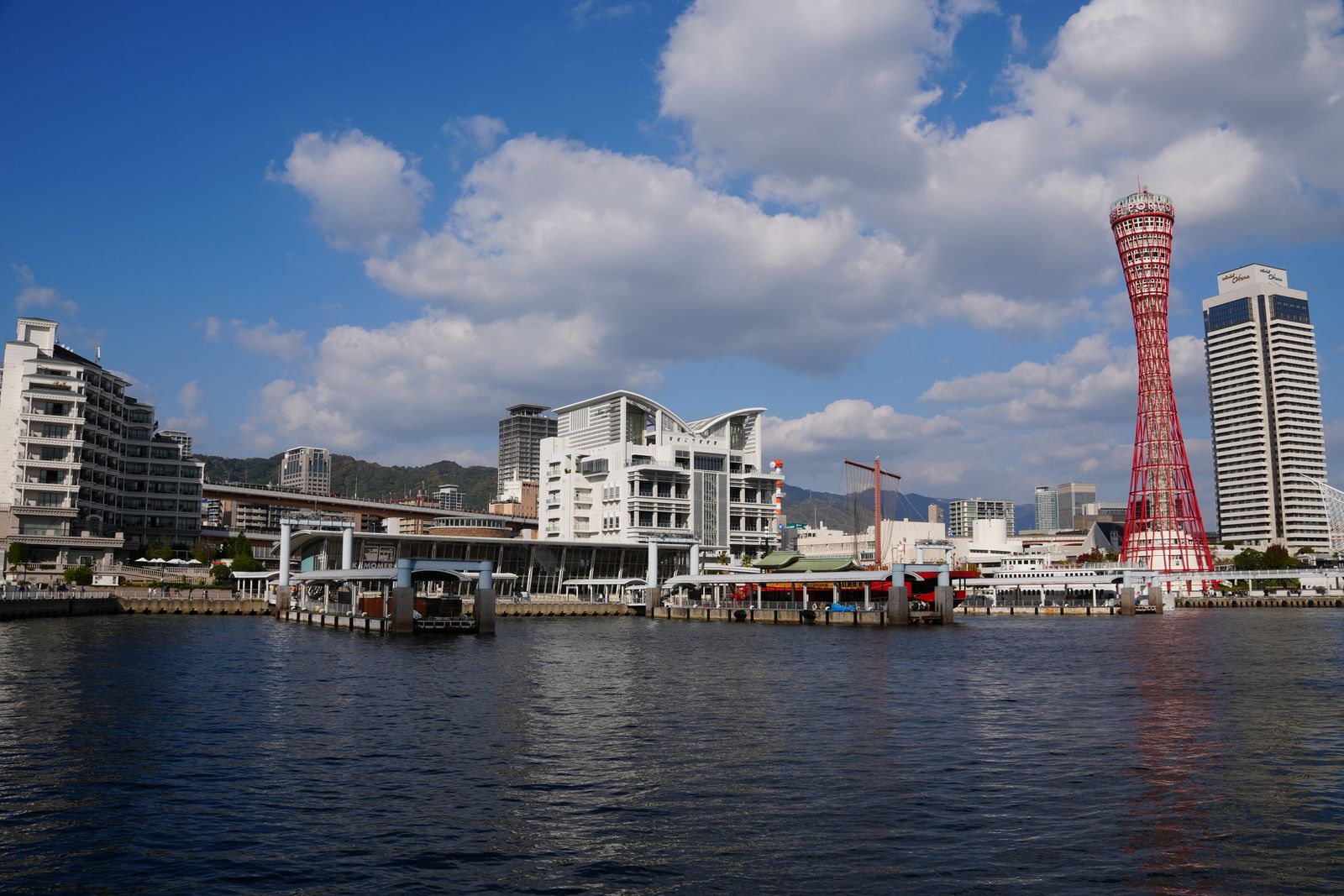
15:30 – Kobe Harborland and Mosaic
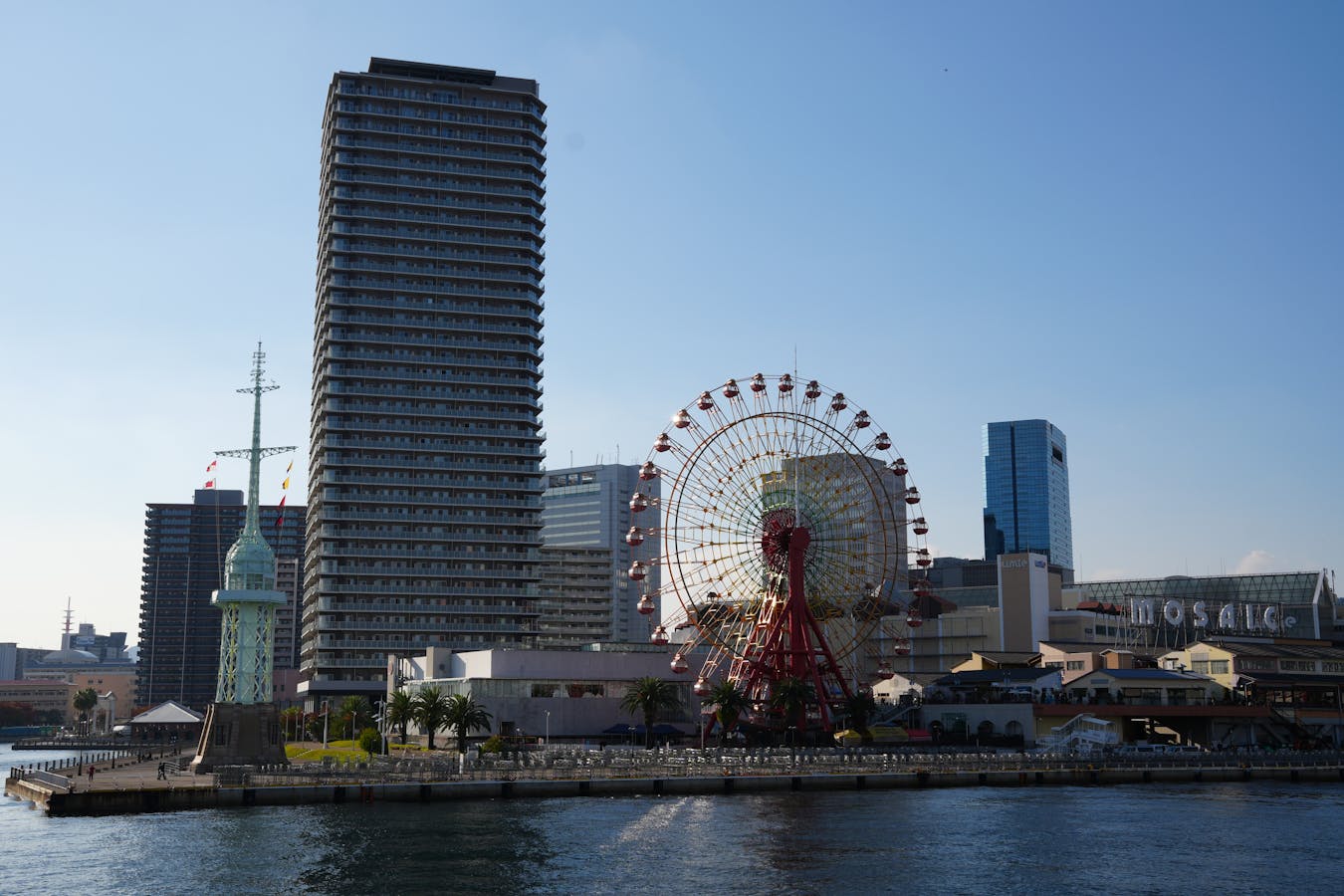
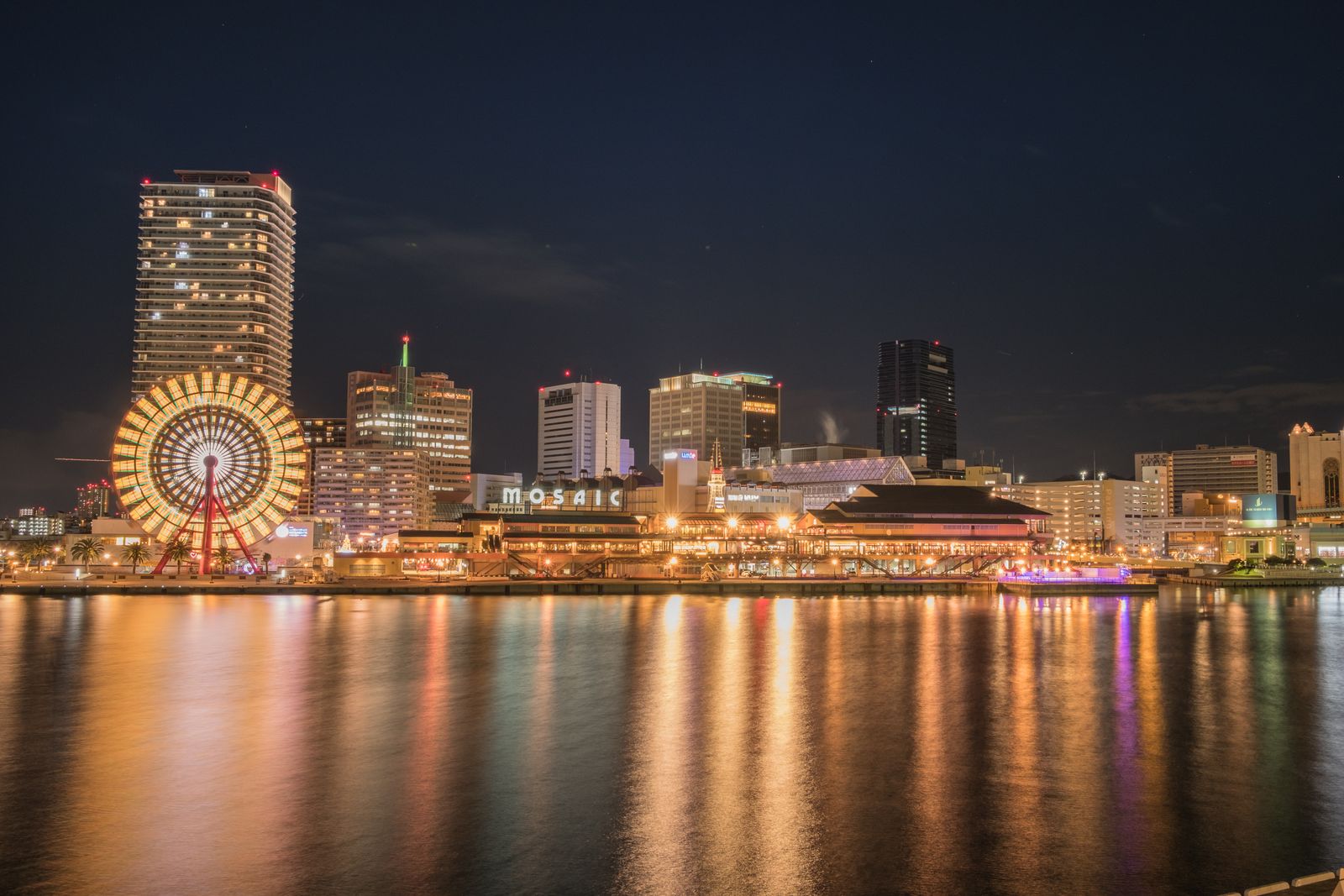
Next door to Meriken Park, the Harborland and Mosaic complex is a waterfront stretch of shops, restaurants and the Mosaic Big Ferris Wheel (¥600). The outdoor promenade along the water is the best free photo stop in the city, especially as the light starts to soften. Browse, grab a coffee, and time your exit for the mountain.
16:30 – Up Mount Rokko
Getting up the mountain is a three-step relay, and it is part of the fun. Take the Hankyu line from Sannomiya to Rokko Station (about 15 min, ¥200), then Kobe City Bus 16 to the cable car base (about 14 min, ¥210), then the Rokko Cable Car up to Rokko Sanjo Station (about 10 min, ¥630 round trip). It sounds fiddly; in practice it is well signposted and runs like clockwork.
17:30 – Sunset and the Night View
The “ten-million-dollar view” is the spread of city lights below you – Kobe, Osaka Bay, Awaji Island and beyond – and it earns the name once the sun drops. The Rokko Garden Terrace is the prime vantage point, with a small botanical garden, a music-box museum and an observation deck up top. Aim to arrive about 30 minutes before sunset so you catch the gold-to-blue transition; that window is the best of it. Bring a layer – Rokko runs around 10°C cooler than the city below, and a clear evening up there is genuinely chilly.
19:00 – Back Down to Sannomiya
Reverse the relay – last cable cars typically run until around 21:00, so there is no need to rush, but do not dawdle past the timetable. You will be back in central Kobe by about 19:30.
20:00 – Optional Nankin-machi
If you have appetite and time, Nankin-machi – Japan’s largest functioning Chinatown – is a 10-minute walk from Sannomiya. It is a compact grid of lantern-strung streets selling steamed pork buns, dim sum and dumplings to eat on your feet. A light second supper, not a sit-down dinner.
21:00 – Return to Osaka
The JR Special Rapid runs Sannomiya back to Osaka in 20 minutes. You will be home well before the trains stop, with a steak, a sunset and a harbour behind you.
What the Day Costs
Strip out the beef and Kobe is a cheap day; the beef is where it gets serious. A mid-range per-person estimate:
- Round-trip JR Osaka-Sannomiya: ¥840.
- Rokko relay (Hankyu + bus + cable car, round trip): about ¥1,250.
- Kobe beef lunch (mid-range): ¥4,500.
- Port Tower observation deck: ¥800.
- Mosaic Ferris wheel: ¥600 (optional).
- Mid-range total: roughly ¥7,000-¥9,000; budget ¥12,000-plus if you go premium on the beef.
What to See in Kobe
Beyond the core itinerary, here is the wider menu – useful if you want to swap something out or stay longer:
- Meriken Park and Port Tower: the harbour’s 108-metre red landmark and waterfront.
- Kitano-cho: the hillside of preserved 19th-century foreign-residence houses.
- Mount Rokko: the cable-car ride and the famous night panorama.
- Harborland and Mosaic: waterfront shopping, dining and the Ferris wheel.
- Nankin-machi: the country’s largest functioning Chinatown, best after dark.
- Earthquake Memorial Park: a preserved slice of the 1995 disaster on the quay.
- Ikuta Shrine: a free, ancient shrine right in the middle of Sannomiya.
- Maritime Museum: ¥600, inside the Meriken Park area.
- Kobe Animal Kingdom: an all-weather indoor garden with animals and a bird show on Port Island, around ¥2,200 – a good rainy-day or family option.
Understanding Kobe Beef Before You Order
“Kobe beef” gets used loosely around the world, so it helps to know what you are paying for. Genuine Kobe beef is Tajima-strain Japanese Black cattle, raised in Hyogo Prefecture, that pass a strict grading bar for marbling, colour and yield – only a few thousand carcasses a year qualify. The certification comes with a ten-digit identification number and a chrysanthemum-seal trademark; serious restaurants will have the paperwork and often display it.
Two practical notes. First, marbling this intense is rich – a smaller portion of true Kobe beef satisfies more than a big slab of ordinary steak, which is part of why the per-gram price looks steep. Second, plenty of excellent restaurants in Kobe serve high-grade wagyu that is not certified Kobe beef specifically; that is not a scam, just a different (and usually cheaper) product. If the certified label matters to you, ask – a legitimate place answers happily.
Where to Eat the Best Kobe Beef
The lunch list above is the working shortlist, but here it is laid out by what you are actually choosing between, so you can match a restaurant to your budget and appetite:
- Steakland Kobe – ¥3,500-¥6,000. The reliable mid-range teppanyaki most first-timers start with; foreigner-friendly and central.
- Kobe Plaisir – from about ¥3,500 at lunch. Casual setting, certified beef, good value.
- Mouriya Sannomiya – ¥4,500-¥9,000. A Kobe institution with multi-course options and a long pedigree.
- Misono – ¥8,000-plus. The self-styled birthplace of teppanyaki steak, dating to 1945.
- Wakkoqu – ¥10,000-plus. The premium specialist when the meal is the whole point of the day.
Book the premium and mid-premium places a week or more ahead, especially for weekend lunch. The mid-range spots usually seat walk-ins, but turning up at noon on a Saturday with no plan can still mean a wait.
What to Skip, and Honest Trade-offs
A Kobe day has more on the menu than fits comfortably, so a few things can go. If your beef budget is tight, skip the Port Tower observation deck (¥800) – the free harbour promenade gives you nearly the same view. If you are not doing Rokko, you can drop the whole afternoon-into-evening relay and turn this into an easy half-day. And the Mosaic Ferris wheel is pleasant but skippable unless you are travelling with kids.
The one thing not to skip if you came for the headline experiences is Mount Rokko after dark. The mountain in daylight is a nice-enough viewpoint; at the blue-hour transition it is the reason the city is on this list. If clouds are forecast to socked in the summit, though, be willing to cut it – a foggy Rokko is just a cold bus ride. Check the forecast before committing the evening.
Practical Tips
- Reserve premium beef 1-3 weeks ahead; same-day is usually fine at mid-range spots.
- Wear shoes for slopes. Kitano-cho is genuinely hilly, and you will feel it after the beef.
- Time Rokko for about 30 minutes before sunset to catch the gold-to-blue transition – the best of the night view.
- Mind the last cable car, typically around 21:00, so you are not stranded up the mountain.
- Avoid Mondays if museums matter – several Kobe attractions close at the start of the week.
- Layer up for the summit. Rokko sits roughly 10°C below the city, and that gap bites after sunset.
- Consider a Hanshin tourist pass (around ¥500-¥700) if you plan to lean on the private lines; the transit guide breaks down whether it pays off.
Kobe Day Trip from Osaka FAQ
Is a Kobe day trip from Osaka worth it?
For anyone who likes food, the Kobe beef alone justifies the 20-minute ride – and the Mount Rokko night view, the Kitano-cho houses and the harbour round it out into a varied full day. Six to ten hours is the sweet spot.
How much does real Kobe beef cost?
At lunch, expect ¥3,500-¥6,000 mid-range, ¥4,500-¥9,000 mid-premium, and ¥10,000-plus at the top end. Dinner courses climb to ¥15,000-¥30,000 and beyond, which is exactly why lunch is the value play.
What is the Mount Rokko night view called?
The “ten-million-dollar view” – a nickname from the 1950s for the panorama of city lights spread across Kobe and Osaka Bay. The figure was a fanciful estimate of the electricity lighting the scene below; the name stuck.
How long is the trip from Osaka to Kobe?
13 minutes by Shinkansen, 20 minutes by JR Special Rapid, or about 30 minutes on the Hankyu or Hanshin private lines. The JR Special Rapid is the everyday pick; the full comparison is in the Osaka to Kobe transit guide.
Should I do Kobe as a half day or a full day?
Go full day if Mount Rokko is on your list – the night view is the highlight and it needs the evening. A half-day works fine for just Kitano-cho, a beef lunch and the harbour, which is a perfectly good trip in its own right.
When is the best time to visit Kobe?
Spring (March to May) and autumn (October to November) deliver the clearest Rokko views. Summer evenings can turn hazy over the bay; winter has the sharpest skies but a properly cold mountaintop, so dress for it.
Choosing Your Season and Weather
Kobe is a year-round day trip, but Mount Rokko makes the weather matter more than it would elsewhere. The night view is only as good as the visibility, so a clear evening is worth chasing.
- Spring (March to May): mild, often clear, with cherry blossom around Kitano and the parks. Among the best windows for a sharp Rokko panorama.
- Summer (June to August): hot and humid in the city, and the bay air can turn hazy, softening the night view. Evenings on the mountain are a welcome cool-down.
- Autumn (October to November): crisp, stable air and colour on the Rokko slopes – arguably the single best season for the view.
- Winter (December to February): the clearest, sharpest skies of the year over the bay, at the cost of a genuinely cold summit. Dress seriously and the reward is the crispest lights.
Whatever the season, glance at the evening forecast before you commit to the mountain. A clear night up Rokko is unforgettable; a clouded one is a long way to go for grey.
Kobe in Context: A Port City That Looks Outward
Part of what makes Kobe feel different from the rest of Kansai is its history as one of the first Japanese ports opened to foreign trade in the 1860s. That legacy shows up everywhere – in the European houses of Kitano, in a Chinatown that has thrived for over a century, in the bakeries and coffee culture the city is quietly known for, and in a general sense of being a little more cosmopolitan and a little less buttoned-up than its neighbours.
It also shows up in resilience. The 1995 earthquake levelled large parts of the city and killed thousands; the Kobe you walk through today was almost entirely rebuilt in the years since. The small preserved section of broken quay at Meriken Park is there precisely so that is not forgotten. It is a short stop, but it gives the gleaming harbour around it real weight.
Plan More Kansai Day Trips
Kobe is the quick one, but the region is full of contrasts. Start from the full day trips from Osaka overview, trade port views for temples and torii on a Kyoto day trip, or meet the bowing deer and the Great Buddha on a Nara day trip.