This article contains advertising. Our booking links are routed through a partner that adds commission tracking automatically, so if you book through one we earn a commission from the provider, at no extra cost to you. It never affects what we recommend. Affiliate disclosure
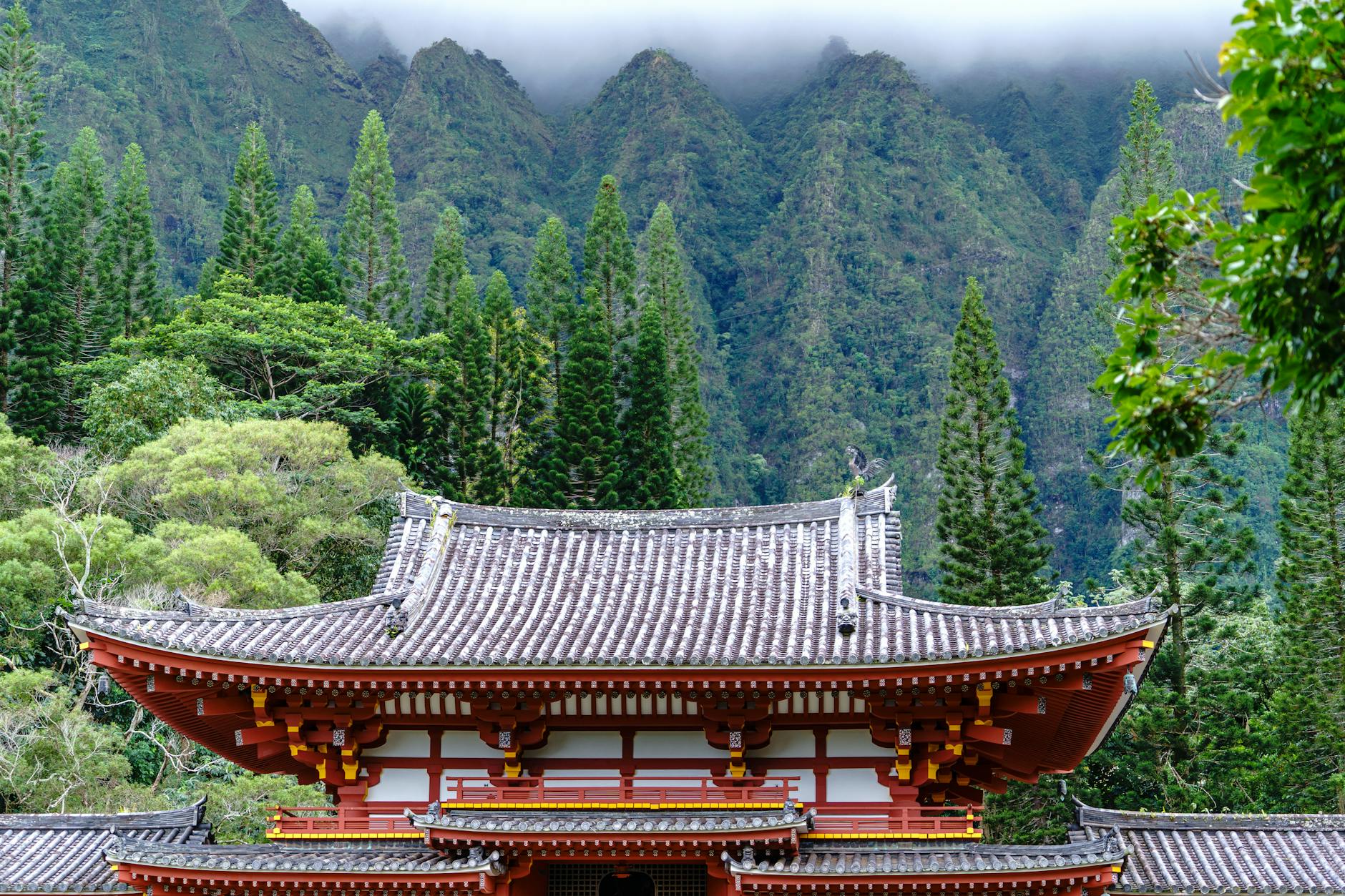
Of all the day trips you can take out of Osaka, Mount Koya from Osaka is the one that doesn’t feel like a day trip at all. You climb a forested ridge in Wakayama Prefecture, the temperature drops a few degrees, the air smells of cedar and incense, and suddenly you’re standing inside a 1,200-year-old Buddhist settlement that still runs on prayer bells. Koyasan was founded in 819 by the monk Kukai (known after death as Kobo Daishi), it’s the headquarters of the Shingon school, and UNESCO put the whole mountain on its World Heritage list in 2004. More than 100 temples are still active up here. Over 50 of them rent rooms to overnight guests.
Here’s the honest framing before you go any further. You can do Koyasan in one long day from Osaka, and plenty of people do. But the things that make this place unforgettable — the monk-led night walk through Okunoin, a vegetarian temple dinner served on lacquerware, a 6:30am fire ceremony you can actually sit in on — only happen if you stay the night. This guide walks you through both versions: what to see in a single day, what you gain by sleeping in a temple, and exactly how to get up the mountain.
The quick version: what you need to know
- Where it is: Wakayama Prefecture, about 2 hours 20 minutes south of central Osaka.
- Founded: 819, by Kukai (Kobo Daishi).
- What it is: The headquarters of Shingon Buddhism, plus Japan’s most atmospheric cemetery.
- UNESCO listed: 2004.
- Time it deserves: One long day at minimum; one night is far better.
- When to go: May through November. Snow can close access in deep winter, and the altitude keeps it cool even in August.
Getting from Osaka to Mount Koya
Everything starts at Namba. From there it’s a single train company — Nankai — most of the way, which keeps the logistics simple even if it looks like a multi-leg journey on paper.
- Board the Nankai Koya Line at Namba Station. The Limited Express (Koya) is the fast, comfortable option; the regular express is cheaper and only a little slower, with a transfer at Hashimoto.
- Ride to Gokurakubashi, the end of the line, deep in the valley below the plateau.
- Switch to the cable car — a steep five-minute funicular that hauls you up the mountainside.
- At the top, hop on the mountain bus to the town centre (about 10 minutes; you cannot walk this stretch, and the road is closed to pedestrians anyway).
Total door-to-town time runs around 2 hours 20 minutes. The smart buy is the Koyasan World Heritage Ticket, which bundles the round-trip Nankai fare, the cable car, and unlimited buses on the mountain into one discounted pass — roughly ¥1,930 for the round trip portion, plus small discounts at some attractions. Buy it at the Nankai ticket counters in Namba before you set off; it’s cheaper than paying each leg separately and saves you fumbling for change at the bus door.
One day or one night? The real trade-off
A day trip means roughly five hours on trains and cable cars, round trip. That’s the cost of admission. You’ll still get the two headline sights — Okunoin and the central temple complex — and you’ll be back in Osaka for dinner. For a lot of travellers on a tight Kansai schedule, that’s the right call, and there’s no shame in it.
The overnight is a different animal. Staying in a shukubo (temple lodging) is the whole point of Koyasan for many people. You get the evening Okunoin walk after the day-trippers have gone home, a multi-course vegetarian dinner, a quiet tatami room, and a morning prayer service that starts before the town wakes up. Reckon on ¥10,000–¥40,000 per person including two meals; mid-range temples land around ¥15,000–¥25,000. If your itinerary can spare the night, take it.
The three things you can’t skip
Okunoin and Kobo Daishi’s mausoleum
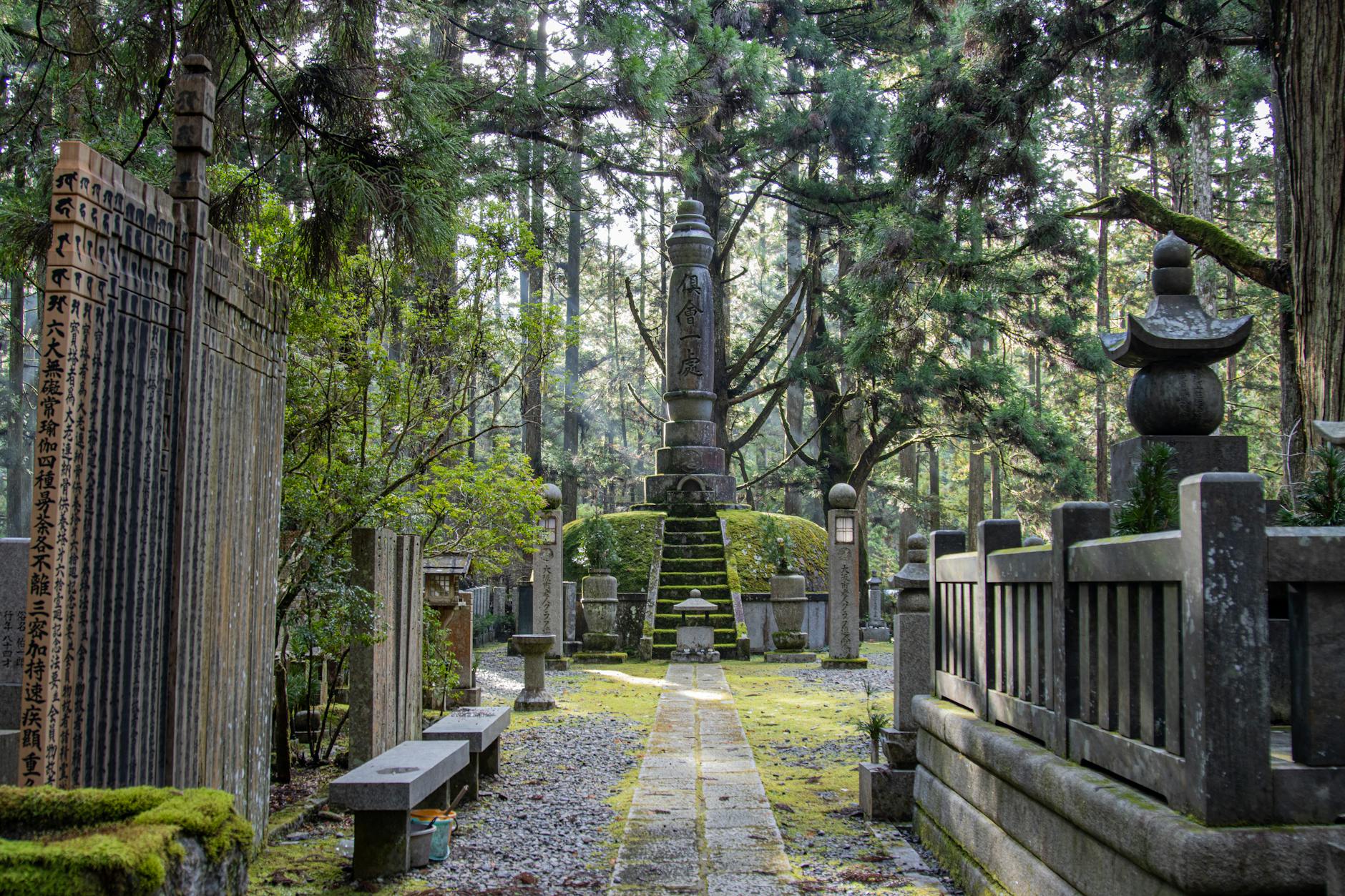
This is the reason to come. Okunoin is a two-kilometre stone path threading through old-growth cedar forest, flanked by more than 200,000 gravestones — feudal warlords, monks, ordinary families, and a few corporate memorials that will make you smile (yes, there’s one shaped like a rocket). The path ends at the Gobyo, the mausoleum where Shingon believers hold that Kobo Daishi sits in eternal meditation, not dead but waiting. Just before it stands the Torodo, the Hall of Lanterns, where roughly 10,000 oil lamps are kept burning, some said to have stayed lit for centuries.
Entry is free. Give it 90 minutes to walk in, sit a while, and walk back. Go at first light or at dusk if you can — the low sun through the cedars does something to the place that midday flatness can’t. Photography is fine along the path; past the final bridge near the mausoleum, cameras go away out of respect.
Kongobu-ji, the head temple
The administrative heart of Shingon Buddhism, and home to Banryutei, the largest rock garden in Japan — raked gravel and 140 stones arranged to read as a pair of dragons rising through cloud. Inside, sliding screens painted in gold leaf and a hall where the temple serves you a cup of tea as part of the ¥1,000 entry. It’s calmer than the big Kyoto temples and you won’t be elbowing through tour groups.
Konpon Daito, the Great Pagoda
A 50-metre vermilion pagoda that anchors the Danjo Garan, the mountain’s original temple precinct. Step inside (¥500) and you’re standing in the middle of a three-dimensional mandala — a central cosmic Buddha ringed by pillars painted with bodhisattvas. It photographs brilliantly against the cedars, especially in the soft light of late afternoon.
Staying in a temple: the shukubo experience
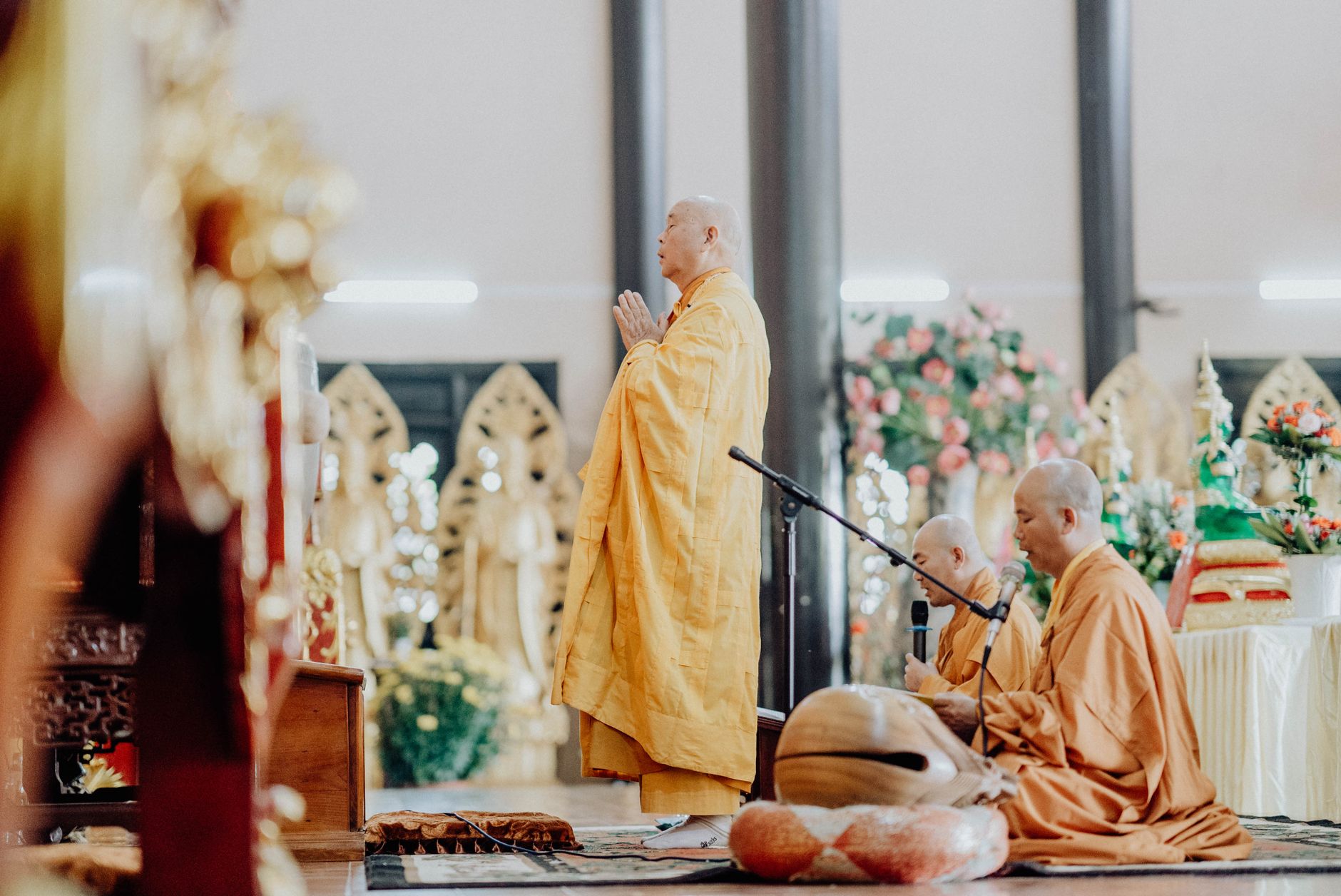
A shukubo is not a hotel pretending to be a temple. It’s a working monastery that happens to keep a few tatami rooms for visitors. You’ll sleep on a futon, share or use simple bathing facilities, and be woken by the morning service. Established names like Eko-in, Sojiin, Henjoko-in and Fukuchi-in book out months ahead, so reserve early — cherry-blossom season and the autumn colour weeks can sell out four or more months in advance. Booking.com lists many of them, or you can go direct through a temple’s own site.
What’s included: dinner and breakfast (both shojin ryori, more on that below), bedding, and an open invitation to the morning prayers. Most temples run a goma fire ritual at dawn — a monk feeds wooden tablets into a roaring fire while chanting, and you sit a few feet away watching the flames climb. Some also offer seated meditation (zazen or the breath-and-syllable practice ajikan) and sutra copying. None of it requires you to be Buddhist. Bring warm layers; toiletries are usually provided, and you leave your meat and alcohol at the bottom of the mountain.
Eating shojin ryori
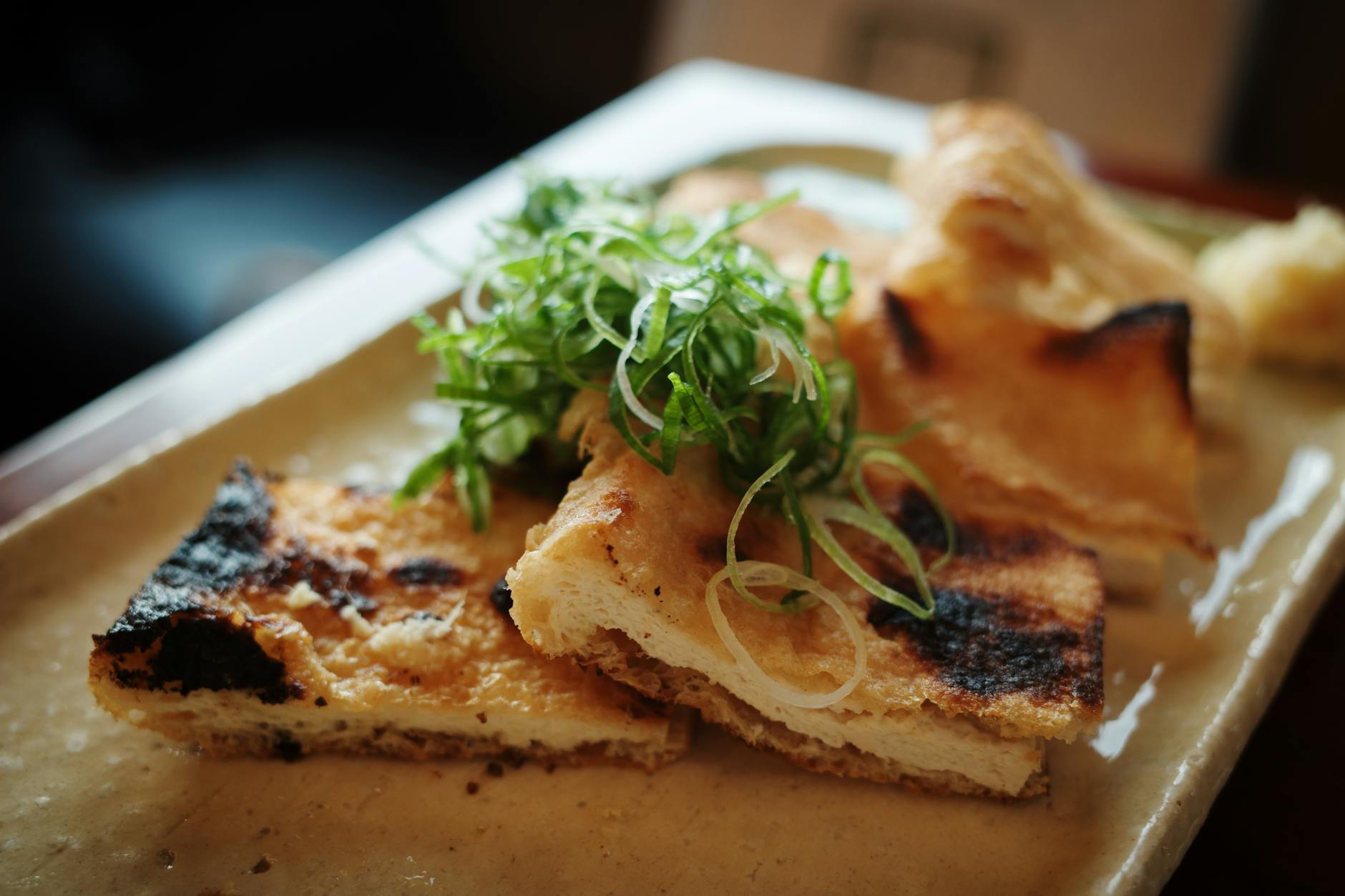
Shojin ryori is the vegetarian cuisine Buddhist monks have eaten here for centuries, and Koyasan does it as well as anywhere in Japan. A meal comes as a spread of small dishes: sesame tofu with a texture like set custard, simmered mountain vegetables, clear broth, pickled radish, miso soup, rice. No meat, no fish, no egg, no dairy. The local star is koya-dofu, a freeze-dried tofu invented on this mountain that soaks up dashi like a sponge. Even committed carnivores tend to leave the table surprised. If you’re not staying overnight, several restaurants in town serve a lunch set for around ¥1,500.
A one-day itinerary
- 7:30 — Depart Namba on the Nankai Limited Express.
- 10:00 — Arrive on the mountain; bus to the town centre.
- 10:30 — Konpon Daito and Kongobu-ji (about 90 minutes).
- 12:00 — Lunch; track down a shojin ryori set.
- 13:30 — Walk the Okunoin path (about 90 minutes).
- 15:00 — A meditation session at a participating temple (around ¥1,500, 60 minutes).
- 16:30 — Bus down to the cable car.
- 17:00 — Cable car and Nankai train back.
- 19:30 — Back at Namba.
An overnight itinerary
Day one
Take a late-morning train up. Spend the afternoon at the Danjo Garan and Kongobu-ji, then check into your shukubo around 3 to 4pm. Slow down. Dinner is served early, usually 5:30, in your room or a shared dining hall. After dark, join the monk-guided Okunoin night walk (around ¥1,500 through temples like Eko-in) — the cemetery lit only by lanterns is the single best thing on this mountain.
Day two
Up early for the 6:30 prayer service and goma fire ritual. Breakfast around 7:30. Then walk Okunoin again in the morning light — it’s a completely different place empty and sunlit — and detour to the Tokugawa family mausoleum on your way out. Catch a late-morning train and you’re back in Osaka by early afternoon.
What a day on Koyasan costs
- Koyasan World Heritage Ticket (round trip portion): about ¥1,930.
- Lunch (shojin ryori set): ¥1,500.
- Konpon Daito plus Kongobu-ji: ¥1,500 combined.
- Meditation session: ¥1,500.
- Day-trip total: roughly ¥6,500–¥9,000 per person.
- Overnight shukubo (mid-range, two meals): ¥15,000–¥25,000 per person.
Practical tips before you go
- Pack layers. At roughly 800m, the plateau runs 5 to 10°C cooler than Osaka, and evenings get genuinely chilly even in summer.
- Wear real walking shoes. The Okunoin cobbles are uneven and slick after rain.
- Book any temple stay early — months ahead for spring and autumn.
- Keep your voice down. People come here to pray, not to sightsee.
- Mind the last cable car. If you’re day-tripping, check the evening departure times before you wander off into Okunoin at dusk.
- Carry some cash. Smaller temples and snack stalls don’t all take cards.
Mount Koya from Osaka: common questions
Is Mount Koya worth it as a day trip?
Yes, if you accept the roughly five hours of round-trip travel. You’ll still see Okunoin and the central temples, and the atmosphere is unlike anywhere else in Kansai. But if you can give it a night, do — the night walk and morning ritual are what people remember.
How long does it take to get there from Osaka?
About 2 hours 20 minutes from Namba: Nankai train to Gokurakubashi, a five-minute cable car, then a 10-minute mountain bus into town.
How much does a temple stay cost?
Between ¥10,000 and ¥40,000 per person per night, both meals included. Mid-range temples sit around ¥15,000–¥25,000.
Can non-Buddhists attend the morning prayers?
Yes. Nearly every shukubo welcomes all guests to the dawn service and the goma fire ceremony. No religious affiliation is expected.
What’s the best time of year to visit?
Late spring and autumn (October–November) are the sweet spots. The altitude keeps summer pleasant; winter brings snow that can disrupt the trains and roads.
Plan the rest of your Kansai trips
Koyasan is one stop on a region full of them. Start with our overview of the best day trips from Osaka, then weigh it against a temple-and-deer day in Nara or the day-long pilgrimage to Himeji Castle. If you want the polar opposite of a mountain monastery, our one-day Kyoto itinerary packs a lot into a short hop north.
Koyasan is the strongest overnight case in the region, and it sits inside a wider loop — see our Kansai region guide for how it fits with Ise, the Kumano Kodo and the rail passes that cover them.