Planning a trip to Osaka and wondering how much it will actually cost? Maybe you’re a budget backpacker stretching every yen, maybe a comfort-seeker who wants the best experience without financial surprises, understanding Osaka trip cost is essential for smart planning. The good news is that Osaka is widely considered one of the most affordable major cities in Japan — roughly 15–30% cheaper than Tokyo across accommodation, dining, and daily expenses.
This comprehensive cost guide breaks down every major expense category so you can build a realistic budget for your Osaka adventure. From accommodation and food to transportation and attractions, we’ll cover exact prices in both Japanese yen and US dollars to help you plan with confidence.
Osaka Trip Cost at a Glance: Daily Budget Ranges
Before diving into the details, here’s a quick overview of what you can expect to spend per person per day in Osaka (excluding international flights). These ranges are based on 2025–2026 traveler data and current exchange rates of approximately ¥150 to $1 USD.
| Expense Category | Budget (per day) | Mid-Range (per day) | Luxury (per day) |
|---|---|---|---|
| Accommodation | ¥3,000–5,000 ($20–33) | ¥12,000–20,000 ($80–133) | ¥30,000–60,000 ($200–400) |
| Food & Drinks | ¥2,000–3,500 ($13–23) | ¥5,000–8,000 ($33–53) | ¥12,000–25,000 ($80–167) |
| Transportation | ¥600–1,000 ($4–7) | ¥1,000–1,500 ($7–10) | ¥3,000–8,000 ($20–53) |
| Attractions | ¥0–1,000 ($0–7) | ¥1,500–3,000 ($10–20) | ¥5,000–10,000 ($33–67) |
| Miscellaneous | ¥500–1,000 ($3–7) | ¥1,500–3,000 ($10–20) | ¥3,000–5,000 ($20–33) |
| Daily Total | ¥6,100–11,500 ($41–77) | ¥21,000–35,500 ($140–237) | ¥53,000–108,000 ($353–720) |
These figures show that a budget-conscious traveler can explore Osaka for as little as $41–77 per day, while a mid-range trip with comfortable hotels and sit-down restaurants costs $140–237 daily. If you’re planning your overall travel itinerary, our Osaka travel guide covers everything you need to know about visiting the city.
Accommodation Costs in Osaka
Where you sleep will likely be your biggest single expense in Osaka. Fortunately, the city offers an incredible range of accommodation options to suit every budget level. Osaka’s hotel market is competitive, which means better value for travelers compared to many other Japanese cities.
Budget Accommodation (¥3,000–8,000 / $20–53 per night)
Osaka has an excellent selection of budget stays. Hostel dormitory beds in popular areas like Namba and Shinsaibashi start at ¥2,800–3,500 per night, with most quality hostels charging ¥3,500–5,000. Capsule hotels — a uniquely Japanese experience — typically cost ¥3,500–5,500 per night and are found throughout the Umeda and Namba districts. Budget business hotels start around ¥6,000–8,000 per night for a compact but clean private room.
Popular budget areas include Shin-Imamiya (near Shinsekai), which has some of the cheapest accommodation in the city, and the area around Namba Station, which offers great hostel options with easy access to Dotonbori and Osaka’s key neighborhoods.
Mid-Range Hotels (¥12,000–25,000 / $80–167 per night)
The mid-range bracket in Osaka delivers excellent value. Business hotels from chains like Daiwa Roynet, Dormy Inn, and Mitsui Garden offer comfortable rooms with amenities like public baths (onsen), complimentary breakfast, and excellent locations for ¥12,000–18,000. Boutique hotels and higher-end business hotels in Shinsaibashi and Umeda run ¥18,000–25,000 per night. Many mid-range hotels include a Japanese-style breakfast buffet, which saves you ¥1,000–1,500 per morning compared to eating out.
Luxury Hotels (¥30,000–60,000+ / $200–400+ per night)
For luxury stays, Osaka offers five-star international brands and premium Japanese hotels. Properties like the Ritz-Carlton Osaka, Conrad Osaka, and the W Osaka typically range from ¥35,000–80,000+ per night depending on the season. Traditional ryokan experiences in or near Osaka can cost ¥25,000–50,000 per person and usually include elaborate multi-course kaiseki dinner and breakfast.
Money-saving tip: Booking accommodation 2–3 months in advance and avoiding peak seasons like cherry blossom season (late March–mid April) and Golden Week (late April–early May) can save you 20–40% on hotel costs. Check our guide to the best time to visit Osaka to find the most affordable travel windows.
Food and Dining Costs in Osaka
Osaka is famously known as “Japan’s Kitchen” (天下の台所, tenka no daidokoro), and food is one of the best reasons to visit. The great news for your budget is that Osaka’s street food culture means you can eat incredibly well for very little money. This is one category where your Osaka trip cost can be surprisingly low without sacrificing quality.

Budget Eating (¥2,000–3,500 / $13–23 per day)
Eating cheaply in Osaka doesn’t mean eating badly. A typical budget food day might include: a convenience store (konbini) breakfast with onigiri and coffee for ¥300–500, a lunch set (teishoku) at a chain restaurant like Yoshinoya or Matsuya for ¥500–800, afternoon takoyaki from a street vendor for ¥500, and a bowl of ramen or udon for dinner at ¥700–1,000. Convenience stores like 7-Eleven, Lawson, and FamilyMart offer surprisingly high-quality prepared meals, sandwiches, and bento boxes at prices that make budget eating easy.
Mid-Range Dining (¥5,000–8,000 / $33–53 per day)
At the mid-range level, you can enjoy Osaka’s full culinary diversity. A typical day might include: a hotel breakfast buffet (often included), a seated lunch at a restaurant in Dotonbori or Shinsekai for ¥1,000–1,500, an afternoon snack at Kuromon Market for ¥500–1,000, and a proper izakaya dinner with drinks for ¥3,000–4,500. At this budget level, you’ll be trying local specialties like okonomiyaki (¥800–1,200), kushikatsu deep-fried skewers (¥1,500–2,500 for a full meal), and fresh sashimi sets (¥1,500–2,500).
Luxury Dining (¥12,000–25,000 / $80–167 per day)
Osaka has more Michelin-starred restaurants than most cities in the world. A multi-course lunch at a Michelin-starred restaurant can start from ¥5,000–8,000 (surprisingly affordable), while dinner omakase sushi or kaiseki courses range from ¥10,000–30,000+. Premium wagyu beef teppanyaki meals at renowned restaurants typically cost ¥8,000–15,000 per person. If fine dining is a priority, you can eat extraordinarily well while keeping other expenses modest to balance your overall Osaka trip cost.
For a deep dive into the city’s food scene, our guide to Osaka’s famous food and street food covers the must-try dishes and where to find them.
Transportation Costs in Osaka
Getting around Osaka is efficient and relatively affordable compared to taxis or ride-shares. The city has an extensive subway and rail network that covers all major tourist areas. Understanding your transport options is key to managing your Osaka trip cost effectively.

Osaka Metro and Rail Fares
Individual Osaka Metro rides cost ¥190–380 depending on distance. Most tourist trips between major stations (Namba, Umeda, Shinsaibashi, Tennoji) fall in the ¥230–280 range. If you plan to make three or more trips in a day, the Osaka Metro Eco Card is excellent value at ¥820 on weekdays or just ¥620 on weekends and holidays for unlimited rides.
The Osaka Amazing Pass is another option worth considering at ¥2,800 for one day or ¥3,600 for two days. It includes unlimited subway and bus rides plus free entry to over 40 attractions including Osaka Castle, Tempozan Ferris Wheel, and several museums. If you plan to visit even 2–3 of the included attractions, this pass pays for itself. For getting to Osaka from the airport, check our detailed Kansai Airport to Osaka transport guide.
Taxis and Other Transport
Osaka taxis start at ¥680 for the first 1.7 km, then add ¥80 per 296 meters. A typical cross-city taxi ride costs ¥1,500–3,000. Late-night surcharges of 20% apply between 11 PM and 5 AM. Taxis are best reserved for late-night returns to your hotel or when traveling in groups of 3–4 where splitting the fare makes it competitive with the subway. Ride-share apps like Uber and DiDi also operate in Osaka with similar pricing.
For day trips to nearby cities like Kyoto or Nara, JR trains cost ¥580 to Nara (about 45 minutes) and ¥580 to Kyoto (about 30 minutes on the rapid service). The JR Kansai Area Pass (¥2,800 for one day) makes sense if you’re making a round trip plus additional rides. For broader travel guidance, see our guide on how to get to Osaka.
Attraction and Activity Costs
One of the best things about Osaka is how many top-tier experiences are either free or very affordable. Here’s what you can expect to spend on the city’s top attractions and activities.
Free Attractions
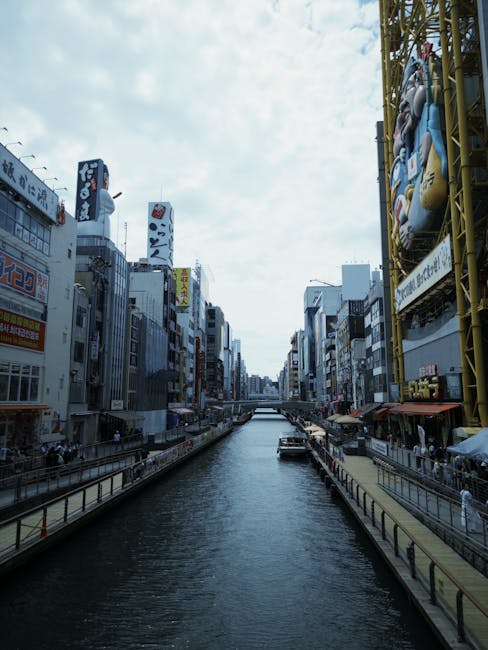
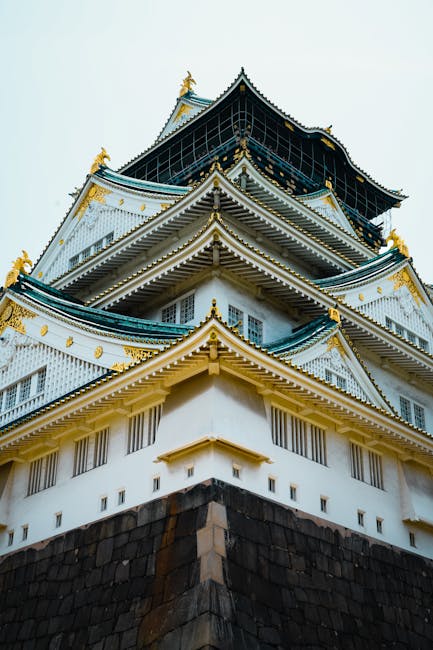
Budget travelers will love that many of Osaka’s best experiences cost nothing. Walking through the neon-lit Dotonbori entertainment district is a quintessential Osaka experience. Exploring the grounds of Osaka Castle Park (the castle exterior and park are free — only the interior museum costs ¥600) offers beautiful scenery year-round. Visiting Sumiyoshi Taisha, one of Japan’s oldest and most beautiful shrines, costs nothing. Browsing Kuromon Market, strolling through Shinsekai’s retro streets, and people-watching in Amerikamura are all free.
Paid Attractions
For paid attractions, here are the current admission prices for Osaka’s most popular sites:
| Attraction | Adult Price | Notes |
|---|---|---|
| Osaka Castle (interior) | ¥600 ($4) | Free with Osaka Amazing Pass |
| Universal Studios Japan | ¥8,600–9,800 ($57–65) | Varies by date; Express Pass extra |
| Osaka Aquarium Kaiyukan | ¥2,700 ($18) | One of the world’s largest aquariums |
| Abeno Harukas (observation) | ¥1,500 ($10) | Japan’s tallest building; city views |
| Tempozan Ferris Wheel | ¥800 ($5) | Free with Osaka Amazing Pass |
| Osaka Museum of History | ¥600 ($4) | Free with Osaka Amazing Pass |
| Sumiyoshi Taisha Shrine | Free | One of Japan’s oldest shrines |
| Dotonbori area | Free | Walking, sightseeing, and photos |
Universal Studios Japan is by far the most expensive single-day activity. If it’s on your list, budget ¥12,000–18,000 per person including food and an Express Pass. For other attractions, you can see many of Osaka’s highlights for ¥2,000–4,000 in a full day. Check our Osaka attractions and things to do guide for a complete rundown of the best sightseeing experiences.
Sample Osaka Trip Budgets by Duration
Here’s how your total Osaka trip cost adds up for the most common trip lengths. These estimates include accommodation, food, transport, and attractions but exclude international flights.
3-Day Osaka Trip Cost
| Budget Level | 3-Day Total (¥) | 3-Day Total ($) |
|---|---|---|
| Budget | ¥18,300–34,500 | $122–230 |
| Mid-Range | ¥63,000–106,500 | $420–710 |
| Luxury | ¥159,000–324,000 | $1,060–2,160 |
A 3-day trip is ideal for hitting Osaka’s highlights: Dotonbori and Namba on day one, Osaka Castle and Shinsekai on day two, and a day trip to Nara or Universal Studios on day three.
5-Day Osaka Trip Cost
| Budget Level | 5-Day Total (¥) | 5-Day Total ($) |
|---|---|---|
| Budget | ¥30,500–57,500 | $203–383 |
| Mid-Range | ¥105,000–177,500 | $700–1,183 |
| Luxury | ¥265,000–540,000 | $1,767–3,600 |
Five days gives you time to explore Osaka in depth plus day trips to Kyoto and Nara. This is the most popular trip length for first-time visitors to the Kansai region.
7-Day Osaka Trip Cost
| Budget Level | 7-Day Total (¥) | 7-Day Total ($) |
|---|---|---|
| Budget | ¥42,700–80,500 | $285–537 |
| Mid-Range | ¥147,000–248,500 | $980–1,657 |
| Luxury | ¥371,000–756,000 | $2,473–5,040 |
A full week lets you experience Osaka at a relaxed pace, with time for day trips to Kyoto, Nara, Kobe, and even Himeji Castle. Many travelers base themselves in Osaka for the entire week because of its central location and lower accommodation costs compared to Kyoto.
International Flight Costs to Osaka
Flights are typically the largest single expense of an Osaka trip. Kansai International Airport (KIX) serves as the main gateway. Here are typical round-trip fare ranges from major departure regions:
| Departure Region | Economy (Round-trip) | Business Class | Best Booking Window |
|---|---|---|---|
| North America (West Coast) | $600–1,200 | $3,000–6,000 | 2–3 months ahead |
| North America (East Coast) | $800–1,500 | $4,000–8,000 | 2–3 months ahead |
| Europe | $700–1,300 | $3,500–7,000 | 2–4 months ahead |
| Southeast Asia | $200–500 | $1,000–2,500 | 1–2 months ahead |
| Australia / NZ | $500–1,000 | $2,500–5,000 | 2–3 months ahead |
Booking during off-peak months (January–February, late May–June, November) typically yields the lowest fares. Budget airlines like Peach Aviation, Jetstar Japan, and AirAsia also offer significantly cheaper routes from many Asian cities. For full airport transfer details once you land, check our guide on getting from Kansai Airport to Osaka.
Money-Saving Tips for Your Osaka Trip
Seasoned Osaka travelers have discovered many ways to significantly reduce their Osaka trip cost without sacrificing the experience. Here are the most effective strategies:
Book accommodation strategically. Stay in areas like Shin-Imamiya or slightly outside the Namba/Shinsaibashi core for 20–30% savings. Consider apartment-style hotels for stays of 3+ nights, as having a small kitchen lets you prepare some meals. Traveling during shoulder seasons like early December, late January, or May (before Golden Week) means lower hotel rates and fewer crowds.
Maximize your food budget. Eat your main meal at lunch when restaurants offer set menus (teishoku) at 30–50% less than dinner prices. Explore convenience stores for quality breakfast and snack options — Japanese konbini food is genuinely excellent. Visit Kuromon Market or Shinsekai late in the day for discounted items. Fill up on Osaka’s famous cheap eats: takoyaki (¥500–800), okonomiyaki (¥600–1,000), and kushikatsu (¥100–200 per skewer).
Use transit passes wisely. The Osaka Eco Card (¥620–820 for unlimited metro) pays for itself after 3 rides. The Osaka Amazing Pass bundles transport with attraction entries. Walk between nearby attractions in compact areas like Namba–Dotonbori–Shinsaibashi to save on individual fares. For the weather considerations that affect your sightseeing plans, check our seasonal guide.
Take advantage of free experiences. Many of Osaka’s best experiences cost nothing: shrine and temple visits, park exploration, neighborhood walking tours, and evening strolls through illuminated entertainment districts. Free observation decks at shopping malls and public buildings offer city views without the admission fees of dedicated observation towers.
Hidden Costs to Budget For
Beyond the main expense categories, there are several additional costs that can catch travelers off guard if they’re not accounted for:
Coin lockers: ¥300–700 per use depending on size. Available at all major stations and tourist areas. Essential for storing luggage during day trips.
Luggage forwarding: If you’re moving between cities, luggage forwarding services (takkyubin) cost ¥1,500–2,500 per bag and let you travel hands-free while your luggage arrives at your next hotel.
Internet connectivity: Pocket WiFi rentals cost ¥500–1,000 per day, while travel SIM cards start from ¥1,500 for 7 days with data. For detailed options and pricing, see our guide to Osaka SIM cards and WiFi.
Souvenir and shopping expenses: Osaka’s shopping districts are tempting. Budget at least ¥2,000–5,000 per day if you plan to shop for souvenirs, snacks to bring home, or clothing from areas like Shinsaibashi-suji and Amerikamura.
Travel insurance: While not technically a cost in Osaka, travel insurance for Japan typically runs $30–80 for a 7-day trip and is highly recommended. For more details, read our Osaka travel insurance guide.
Osaka vs. Tokyo: Cost Comparison
One of the most common questions for Japan trip planners is how Osaka compares to Tokyo in terms of cost. The short answer: Osaka is consistently cheaper across almost every category.
| Category | Osaka Average | Tokyo Average | Savings |
|---|---|---|---|
| Budget Hotel | ¥6,000–8,000/night | ¥8,000–12,000/night | ~25–30% |
| Street Food Meal | ¥500–800 | ¥600–1,000 | ~15–20% |
| Sit-down Dinner | ¥2,000–4,000 | ¥2,500–5,000 | ~15–20% |
| Day Pass (Metro) | ¥620–820 | N/A (no equivalent) | Osaka wins |
| Craft Beer | ¥600–800 | ¥700–1,000 | ~15% |
Osaka’s lower accommodation costs are the biggest differentiator. Combined with the city’s famously affordable street food scene, choosing Osaka as your base can save a couple traveling together ¥5,000–10,000 per day compared to a similar experience in Tokyo. Many travelers use Osaka as a base for exploring the entire Kansai region, including Kyoto and Nara, which is a smart budget strategy. For first-time visitors, our first-time Osaka tips guide covers essential planning advice.
Frequently Asked Questions
How much should I budget per day in Osaka?
A realistic daily budget for Osaka is ¥8,000–12,000 ($53–80) for budget travelers, ¥21,000–35,000 ($140–233) for mid-range comfort, and ¥53,000+ ($353+) for luxury experiences. These figures include accommodation, food, transport, and activities. The biggest variable is accommodation — choosing a hostel versus a mid-range hotel can change your daily total by ¥10,000 or more.
Is Osaka expensive for tourists?
Osaka is moderately priced by international standards and is one of the most affordable major cities in Japan. It’s significantly cheaper than Tokyo and comparable to cities like Bangkok or Taipei at the budget level. The weak yen in 2025–2026 has also made Japan — and Osaka specifically — an exceptional value destination for visitors from the US, Europe, and Australia.
How much spending money do I need for a week in Osaka?
For a 7-day trip excluding flights, budget travelers should prepare ¥42,700–80,500 ($285–537), mid-range travelers ¥147,000–248,500 ($980–1,657), and luxury travelers ¥371,000+ ($2,473+). We recommend bringing 10–15% extra as a buffer for unexpected expenses, shopping, or splurge meals. Cash is still important in Osaka, so plan to carry ¥10,000–20,000 in cash at all times for smaller vendors and restaurants.
Should I bring cash or use cards in Osaka?
Bring both. Japan has become more card-friendly in recent years, and major hotels, chain restaurants, department stores, and convenience stores accept Visa and Mastercard. However, many smaller restaurants, street food vendors, shrines, and local shops are still cash-only. A good rule of thumb is to have a credit card for larger purchases and keep ¥10,000–20,000 in cash for daily street food, markets, and small shops. 7-Eleven and Japan Post ATMs reliably accept international debit and credit cards for cash withdrawals.
Is the Osaka Amazing Pass worth the cost?
The 1-day Osaka Amazing Pass costs ¥2,800 and includes unlimited metro rides plus free entry to 40+ attractions. If you plan to visit Osaka Castle (¥600), take the Tempozan Ferris Wheel (¥800), visit the Museum of History (¥600), and use the subway 3–4 times (¥800–1,000), the pass saves you roughly ¥1,000. It’s best used on days when you plan to pack in multiple attractions. For days focused on food tours or specific neighborhoods, the cheaper Eco Card (¥620–820) makes more sense.
What’s the cheapest time to visit Osaka?
The cheapest months to visit Osaka are January, February, and early June through mid-July. Hotel prices are at their lowest, flights are cheaper, and attractions are less crowded. The most expensive periods are cherry blossom season (late March–mid April), Golden Week (late April–early May), and autumn foliage season (mid-November–early December). For detailed seasonal guidance, our best time to visit Osaka guide breaks down each month.