This article contains advertising. Our booking links are routed through a partner that adds commission tracking automatically, so if you book through one we earn a commission from the provider, at no extra cost to you. It never affects what we recommend. Affiliate disclosure
Osaka has four real seasons and they don’t do things by halves. Summer is a wet sauna, winter is dry and bright and genuinely cold, and the two stretches in between, spring and autumn, are when the city is at its most comfortable. Knowing the rough numbers before you book changes what you pack, what you plan outdoors, and whether you spend an afternoon sweating in a queue or strolling in shirtsleeves.
This is the practical version of Osaka weather: month-by-month temperatures, how much it actually rains, where the humidity bites, when typhoons matter, and how the city stacks up against Tokyo and Kyoto. If you’re still deciding when to come rather than what it’ll feel like, start with our best time to visit Osaka guide and circle back here for the detail.
Osaka’s climate in one paragraph
Osaka sits on the shore of Osaka Bay in the Kansai region and runs a humid subtropical climate, the kind meteorologists file under Cfa. In plain terms: hot, sticky summers and cool, mostly mild winters, with about 1,500mm of rain a year. Most of that water falls in two bursts, the June to July rainy season and the late-summer typhoon weeks, while winter stays dry. The numbers below are long-run averages, so treat them as the shape of the year rather than a forecast for your exact dates.
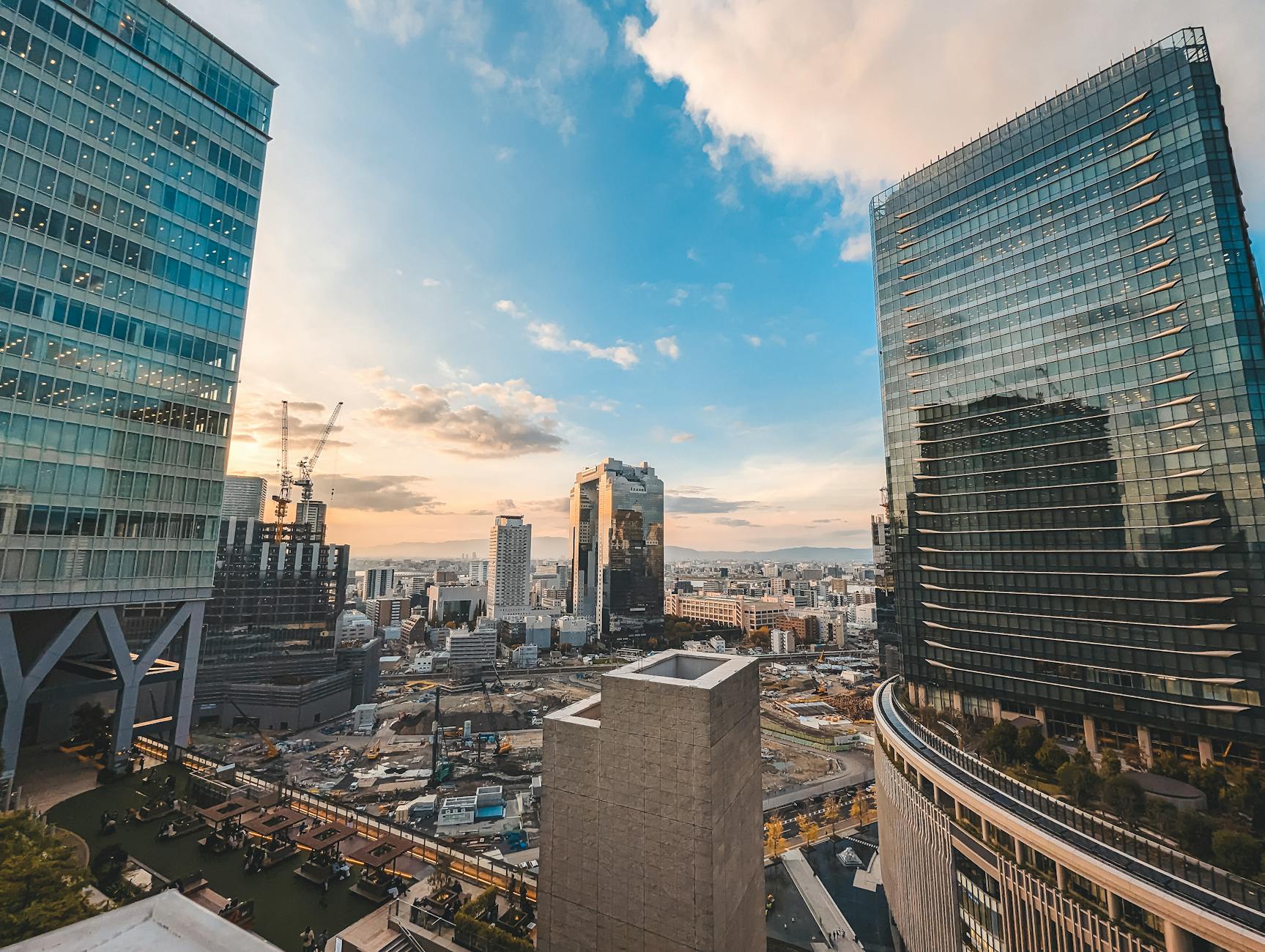
Osaka weather month by month
Here’s the full year in one place: average highs and lows, rainfall, the number of rainy days, and humidity. Skim for your month, then read the seasonal notes underneath for what those figures feel like on foot.
| Month | Avg high | Avg low | Rain (mm) | Rain days | Humidity |
|---|---|---|---|---|---|
| January | 9.7°C | 3.0°C | 45 | 6 | 61% |
| February | 10.5°C | 3.2°C | 60 | 7 | 60% |
| March | 14.2°C | 6.0°C | 105 | 10 | 59% |
| April | 19.9°C | 10.9°C | 100 | 10 | 58% |
| May | 24.9°C | 16.0°C | 135 | 10 | 61% |
| June | 28.0°C | 20.3°C | 185 | 12 | 68% |
| July | 31.8°C | 24.6°C | 175 | 11 | 70% |
| August | 33.7°C | 25.8°C | 115 | 8 | 66% |
| September | 29.5°C | 21.9°C | 155 | 11 | 67% |
| October | 23.7°C | 16.0°C | 135 | 9 | 65% |
| November | 17.8°C | 10.2°C | 75 | 7 | 64% |
| December | 12.3°C | 5.3°C | 55 | 7 | 62% |
A couple of things worth noticing in that grid. Humidity barely dips below 58 percent even in the driest months, so spring and winter feel dry mostly because the air is cool, not because the moisture has gone. And the rain doesn’t simply switch off after the June peak; September is nearly as wet, just warmer, because that’s typhoon weather rather than the steady drizzle of tsuyu.
Spring weather (March to May): the easy season, mostly
Spring is the kindest stretch for the weather. March still has a cold edge, with highs only around 14 and mornings near 6, so you’ll want a jacket. April climbs into the high teens and low twenties, and by May the afternoons reach a warm, easy 24 to 25. Rain is moderate, somewhere around 100 to 135mm a month, but it tends to arrive in short showers rather than all-day grey.
Late March into mid-April is blossom weather, with temperatures hanging around 15 to 20 degrees, more or less perfect for long days outdoors at Osaka Castle Park or along the Okawa. May is the underrated one: warm, comparatively dry, and with humidity still down around 61 percent before summer cranks it up. For deciding which spring week to target, the best time to visit Osaka guide breaks it down further.
What it means for you: layers. A light jacket or cardigan covers the cool mornings, especially in March, and comes off by afternoon. Pack a compact umbrella for the odd shower, and shoes you can walk all day in.
Summer weather (June to August): the hard season
This is the part of the Osaka year that asks something of you. July and August highs sit at 32 to 34, heat waves can nudge the thermometer toward 38, and with humidity at 66 to 70 percent the air feels heavier than the number alone suggests. The bay does little to cool things; if anything it adds to the stickiness.
The rainy season, tsuyu (June to mid-July)
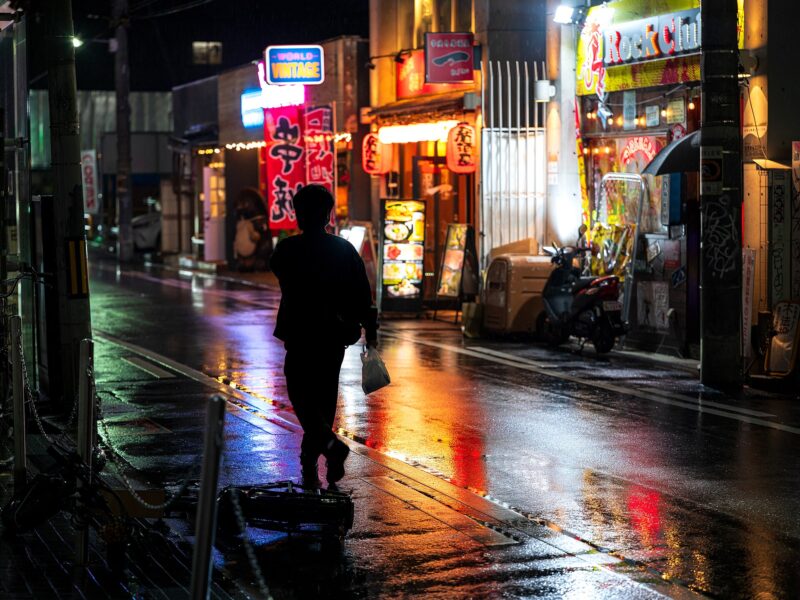
Japan’s rainy season, tsuyu, usually settles over Osaka from early June to around the middle of July. June is the single wettest month of the year here, roughly 185mm spread across a dozen rainy days. It is not a non-stop downpour, though. The pattern is bursts of rain, sometimes heavy, broken by humid sunshine, with temperatures in the 20 to 28 range. Plan indoor fallbacks and you’ll barely lose a day.
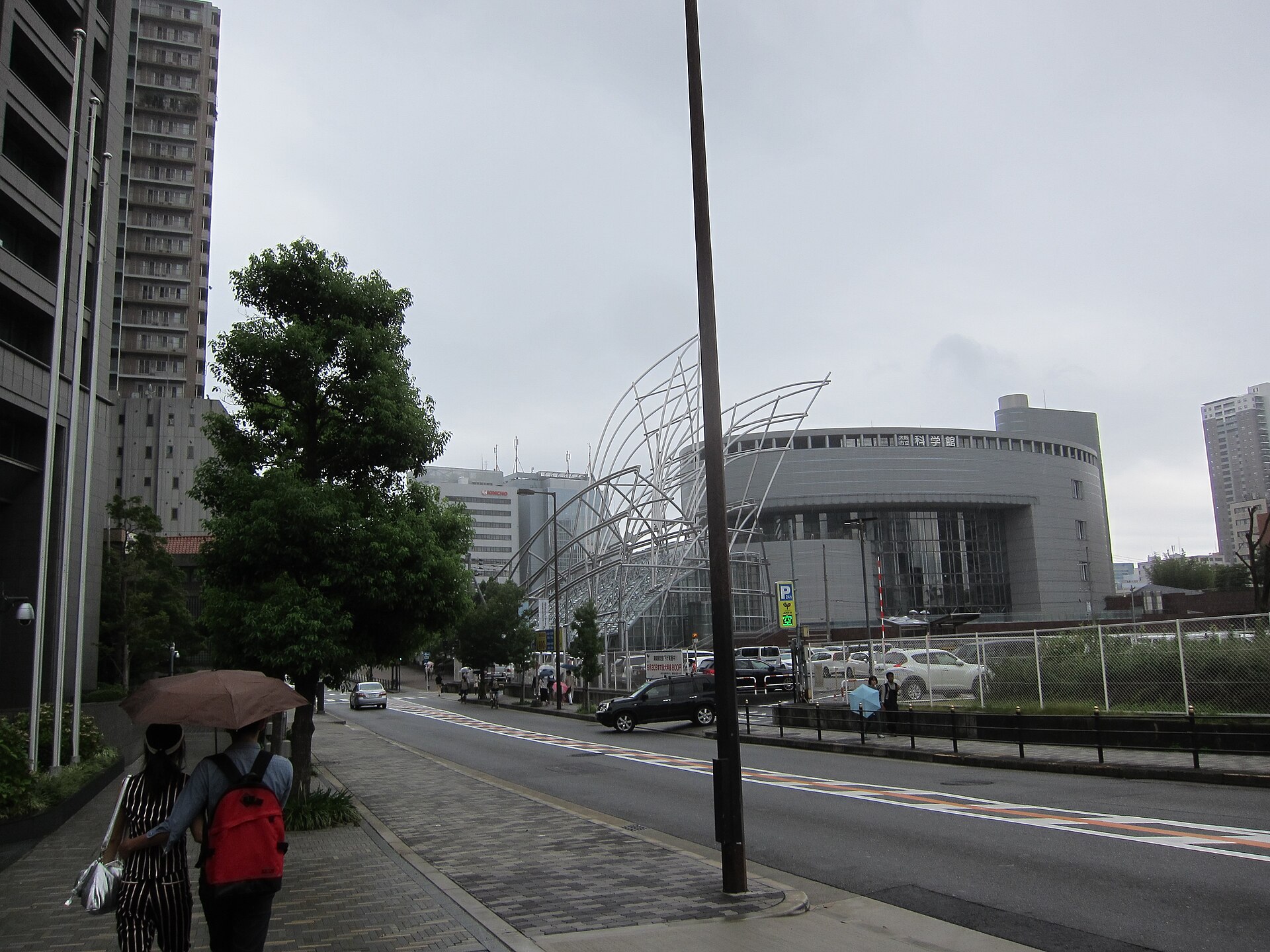
Once tsuyu lifts in mid-July, the heat takes over. August is actually drier than June, only about 115mm of rain, but it’s the hottest month on the calendar and the most relentless. This is peak festival season too, including the famous Tenjin Matsuri in late July, so the trade-off for the heat is some of the best nights of the year.
What it means for you: light, breathable clothing and a serious water habit. A portable fan, sunscreen and sunglasses earn their space, and a small towel for the sweat is what the locals carry for good reason. Keep a folding umbrella handy for the sudden ones. Counterintuitively, pack a thin layer for indoors too, because the air conditioning on trains and in malls can be fierce.
Autumn weather (September to November): relief, then colour
Autumn unwinds the summer slowly. September often still feels like an extension of August, 22 to 30 degrees and humid, and it carries real typhoon risk on top. Then October arrives and the weather turns about as good as Osaka gets: highs around 16 to 24, humidity easing toward 65 percent, and long runs of clear, dry days. November cools further into the 10 to 18 band but stays comfortable, classic sweater weather.
Late November is when the koyo, the autumn foliage, peaks across the city. The red and gold maples at Minoh Park, around Osaka Castle Park, and out at the Katsuo-ji temple grounds turn this into one of the most photogenic windows of the year, helped along by the stable, rain-light weather.
What it means for you: layered clothing again, with a medium-weight jacket for November evenings. Mornings run cool while afternoons stay warm, so plan to peel down through the day. A light rain layer handles the occasional shower, and proper walking shoes matter if you’re heading out to the foliage trails.
Winter weather (December to February): cold, dry, and clear
Winter in Osaka is cold but rarely brutal. December runs 3 to 12 degrees; January and February, the coldest months, sit around 3 to 10. Snow is genuinely rare in the central city. You might catch a light dusting once or twice in a winter, but it almost never sticks. Rain is low too, 45 to 60mm a month, which makes this the driest part of the year.
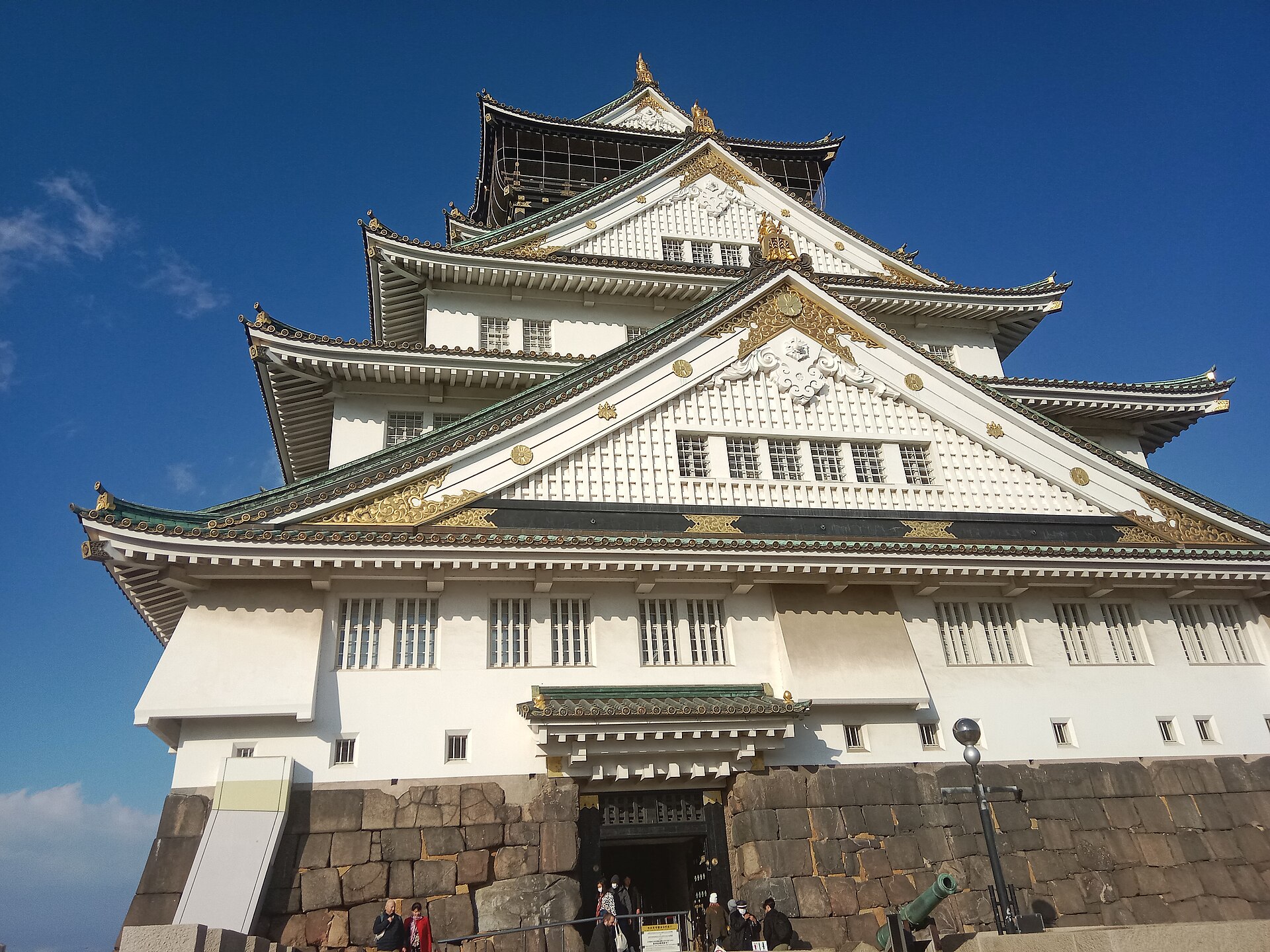
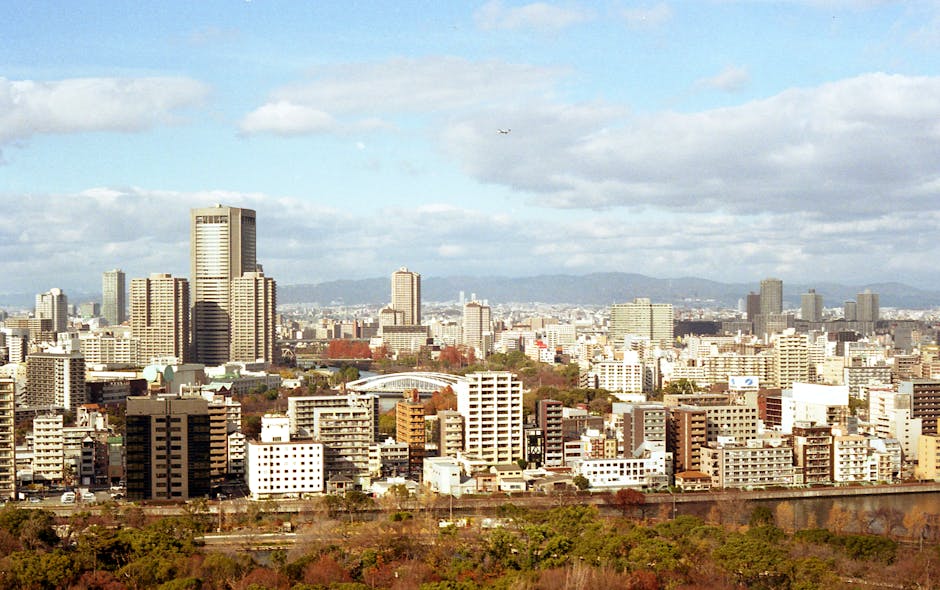
The dryness is the hidden upside. Humidity drops to 60 to 62 percent, the skies clear, and the city views from the observation decks are at their sharpest. Crowds thin right out, queues shorten, and Osaka’s cold-weather food, a steaming bowl of ramen, fresh takoyaki, a pot of oden, tastes that much better in the chill. It’s also the cheapest time to visit, with hotel rates at their floor.
What it means for you: a proper warm coat, a scarf and gloves for the evenings. Thermal base layers help on the coldest days. The wind off Osaka Bay is the thing that catches people out; it can make a 7-degree afternoon feel several degrees colder, so don’t go by the headline number alone.
Typhoon season: what to actually expect
Japan’s typhoon season runs from about May to October, with the real risk for Osaka concentrated in August and September. The good news is that Osaka’s position, tucked behind the bay and shielded somewhat by surrounding land, means a direct hit is uncommon. Far more often the city catches the edge of a system: a day or two of heavy rain, strong gusts and disrupted transport rather than a full-blown emergency.
When one does come through, the drill is predictable. Trains and buses may pause, outdoor attractions close, the odd shop shuts, and flights can slip or cancel. Most systems clear in 24 to 48 hours and normal service snaps back quickly afterwards.
How to stay ahead of it: keep an eye on the Japan Meteorological Agency forecasts and NHK World, and a weather app with typhoon tracking is worth installing before you fly. Have your hotel’s number saved and a wet-weather plan in your back pocket, the covered shopping arcades, museums and underground malls are made for exactly these days. If your dates fall in the risk window, travel insurance that covers weather disruption is a sensible buy.
How Osaka weather compares to Tokyo, Kyoto and beyond
Heading elsewhere in Japan on the same trip? Osaka runs a touch warmer than Tokyo most of the year thanks to its more southerly position. It’s noticeably milder than Kyoto in winter, because Kyoto’s inland basin traps cold air that the coast lets escape, while summers in the two cities feel much the same. Set against Hiroshima and Fukuoka, Osaka’s temperatures are similar but it sees a little more rain.
| City | Summer high | Winter low | Annual rain |
|---|---|---|---|
| Osaka | 33.7°C | 3.0°C | 1,500mm |
| Tokyo | 31.4°C | 2.5°C | 1,530mm |
| Kyoto | 33.6°C | 1.5°C | 1,490mm |
| Hiroshima | 33.0°C | 2.8°C | 1,540mm |
The practical upshot for trip planning: if you’re lining up day trips from Osaka to Kyoto, Nara or Kobe, you can pack for one climate and forget about it. They all share the same Kansai weather zone, so a day in Nara feels much like a day in Osaka, give or take Kyoto’s slightly colder winter mornings.
Turning the weather into a packing list
All of the above lands on the same point: Osaka rewards layering and a small bit of rain insurance, in every season. Spring and autumn want a packable jacket over lighter clothes. Summer is breathable fabrics, sun protection and that sweat towel, with a thin layer for over-cooled interiors. Winter calls for a real coat and accessories for the wind. For the full kit, including the easy-to-forget items and what to leave at home, see our what to pack for Osaka guide, and if this is your first trip, our first-time Osaka tips round out the practical side.
Frequently asked questions
Does it snow in Osaka?
Rarely. Central Osaka might get a light dusting once or twice a winter, usually in January or February, but it almost never accumulates. If you specifically want snow, the ski areas in Shiga and along the Japan Sea coast are reachable as day trips from Osaka.
What’s the hottest month in Osaka?
August, with average highs of 33.7 degrees and lows that barely drop below 26 at night. Heat waves can push past 38. It’s the humidity stacked on top of the heat that does the damage, so pace yourself, use air-conditioned spaces, and keep the hardest walking for early morning or evening.
Which month has the best weather?
October, for most people. You get comfortable temperatures in the 16 to 24 range, low rainfall, easing humidity and plenty of sun. May is a close second and a touch warmer. Our best time to visit Osaka guide weighs weather against crowds and price if you want the full picture.
Is Osaka humid?
Yes, especially in summer. Humidity peaks around 70 percent in July and stays above 66 from June through September, which is why those months feel so heavy. Spring and winter are far more comfortable, sitting around 58 to 62 percent. That summer stickiness is a big part of why many visitors aim for spring or autumn instead.
Should I worry about typhoons?
Only mildly, and only if you’re visiting between August and October. A direct hit on Osaka is uncommon, but a passing system can knock out a day or two with rain and wind. Watch the forecasts, keep an indoor plan ready, and lean toward flexible bookings in those months. Most typhoons clear within a day.
None of this should put you off; it should just shape your suitcase and your daily plan. Spring and autumn give you the gentlest weather, summer trades heat for festivals, and winter hands budget travellers clear skies and short queues. Whatever the forecast does, Osaka’s underground arcades, indoor food halls and warm welcome mean a wet or sweltering day is rarely a wasted one. To slot the weather into a full itinerary, head back to our complete Osaka travel guide.
Photo Credits
Umbrellas beside Osaka’s National Museum of Art: 相合折り畳み傘 (21002379656) by Yuya Tamai, CC BY 2.0, via Wikimedia Commons.
Osaka Castle beneath a clear winter sky: 2025,Osaka,15 (79) by SOUTHPASIFIC, CC BY-SA 4.0, via Wikimedia Commons.