Nobody sells Osaka as a green city, and on a first walk through Namba you’d believe them. But the centre is studded with parks far bigger than you’d guess from the skyline, plus a small tier of traditional Japanese gardens that genuinely hold their own against Kyoto’s. The best parks in Osaka run from the 106-hectare moated grounds of Osaka Castle to a wartime-era park under the tallest building in Japan, the 1970 World Expo site turned permanent forest, and a 4-kilometre river corridor that vanishes under cherry blossom every spring.
Here’s the thing that matters most, though: these parks are completely different places depending on the month. The same lawn is a sea of picnic tarps in April and an empty green in July. So this guide is organised around what’s actually happening when you go, with 12 parks and gardens, the practical detail (free zones versus paid, nearest station, picnic-friendliness), and an honest line on which ones reward the trip and which are a 30-minute time sink unless the timing is right.

Quick pick by what you want
- History plus cherry blossoms: Osaka Castle Park.
- Wide lawns and Showa-era nostalgia: Expo ’70 Commemorative Park.
- A quiet city walk: Nakanoshima Park.
- A proper traditional garden: Keitakuen in Tennoji Park.
- A nature day trip: Minoo Park, for the waterfall and autumn maples.
- Flowers by the thousand: Nagai Botanical Garden.
1. Osaka Castle Park
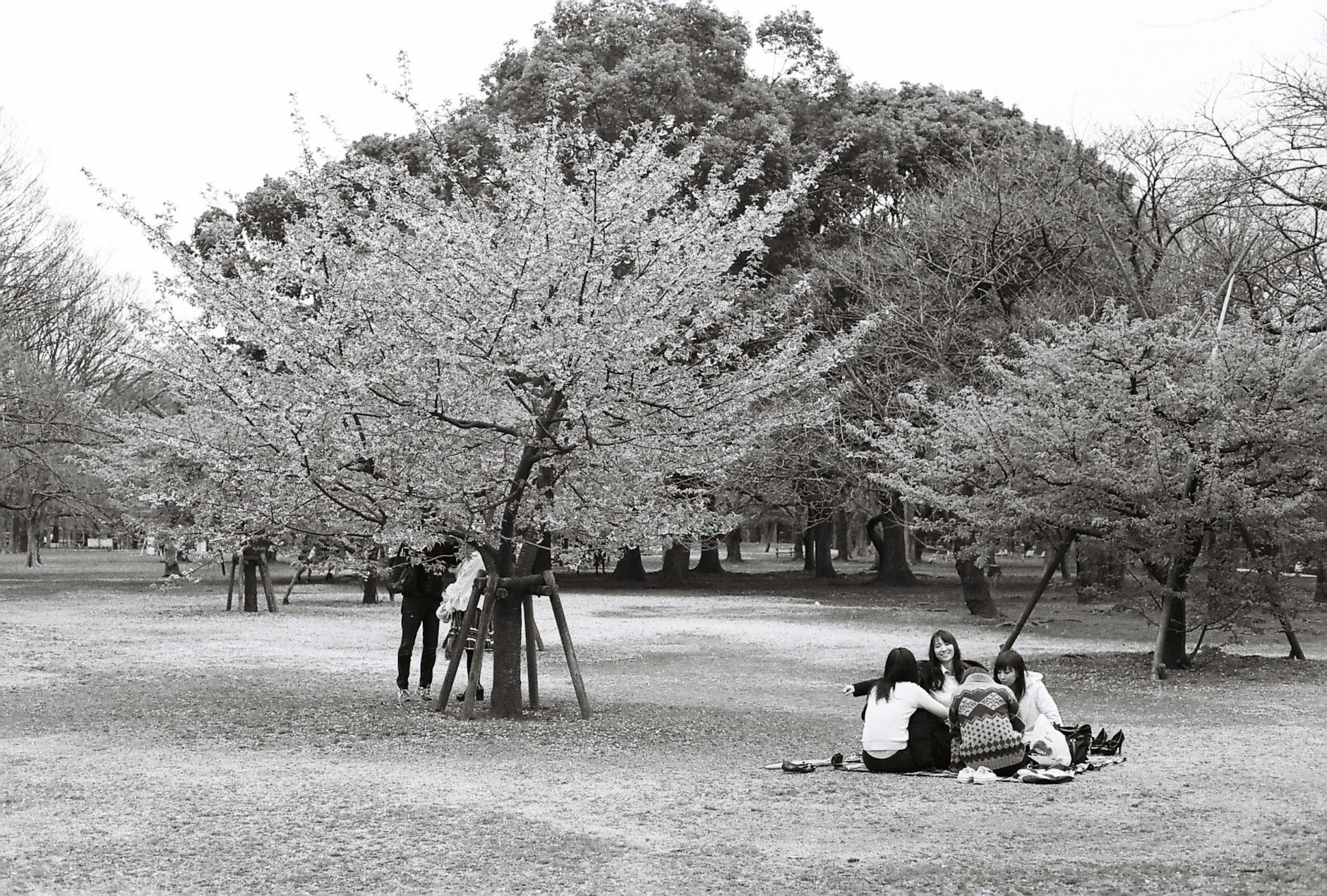
The flagship green of central Osaka, and the one to start with. 106 hectares of moats, lawns, plum groves, cherry trees, the Hokoku Shrine, and the keep at its centre. The park itself is free and open around the clock; only the specific gardens (Nishinomaru, the Plum Grove at peak) and the keep interior charge anything. It changes hard with the calendar: plum blossom in February, dense cherry in late March, then ginkgo and maple gold in mid-November. Come at sunrise in any season and you’ll have parts of it to yourself.
- Hours: Park grounds 24/7.
- Best time: Late-March cherry blossom; mid-November foliage; February for the plum grove.
- Stations: Osakajokoen (JR Loop), Tanimachi 4-chome, Morinomiya, Tenmabashi.
- Budget: 1 to 4 hours depending how deep you go.
- Don’t miss: The Sakuramon Gate viewing platform, the Plum Grove, the Nishinomaru lawn, Hokoku Shrine.
2. Expo ’70 Commemorative Park (Suita)
The site of Japan’s 1970 World Exposition, which drew 64 million visitors, is now a 264-hectare park with the Tower of the Sun, Taro Okamoto’s gloriously strange avant-garde monument, glaring out from its centre. The Japanese Garden inside is one of the largest in Kansai, moving through four landscape styles from the Heian to the Edo periods as you walk it. The on-site National Museum of Ethnology holds more than 250,000 objects from cultures worldwide. It’s a long way out, so treat it as a half-day at least; an hour here is wasted effort.
- Hours: 9:30 to 17:00; closed Wednesdays.
- Admission: ¥260 park, plus ¥720 to go inside the Tower of the Sun.
- Station: Bampaku Kinen Koen (Osaka Monorail), 30 minutes from Senri-Chuo.
- Best for: Architecture, picnics, and sheer room to wander.
3. Tennoji Park
The park complex south of Tennoji Station bundles a paid zoo (¥500) and the Keitakuen Garden (¥150), a 1909 stroll garden built by Sumitomo family architects, with a koi pond, stone lanterns, and a teahouse at its heart. The free outer areas, Chausuyama hill, the lawn by the open-air stage, the promenade, draw locals for picnics in the shadow of the glass tower of Abeno Harukas. The juxtaposition is the appeal: a century-old garden with a skyscraper looming behind it.
- Hours: Outer park 24/7. Keitakuen 9:30 to 17:00, closed Mondays.
- Admission: Outer park free, ¥150 Keitakuen, ¥500 zoo.
- Station: Tennoji.
- Best for: A traditional garden paired with the city skyline.
4. Nakanoshima Park and Rose Garden
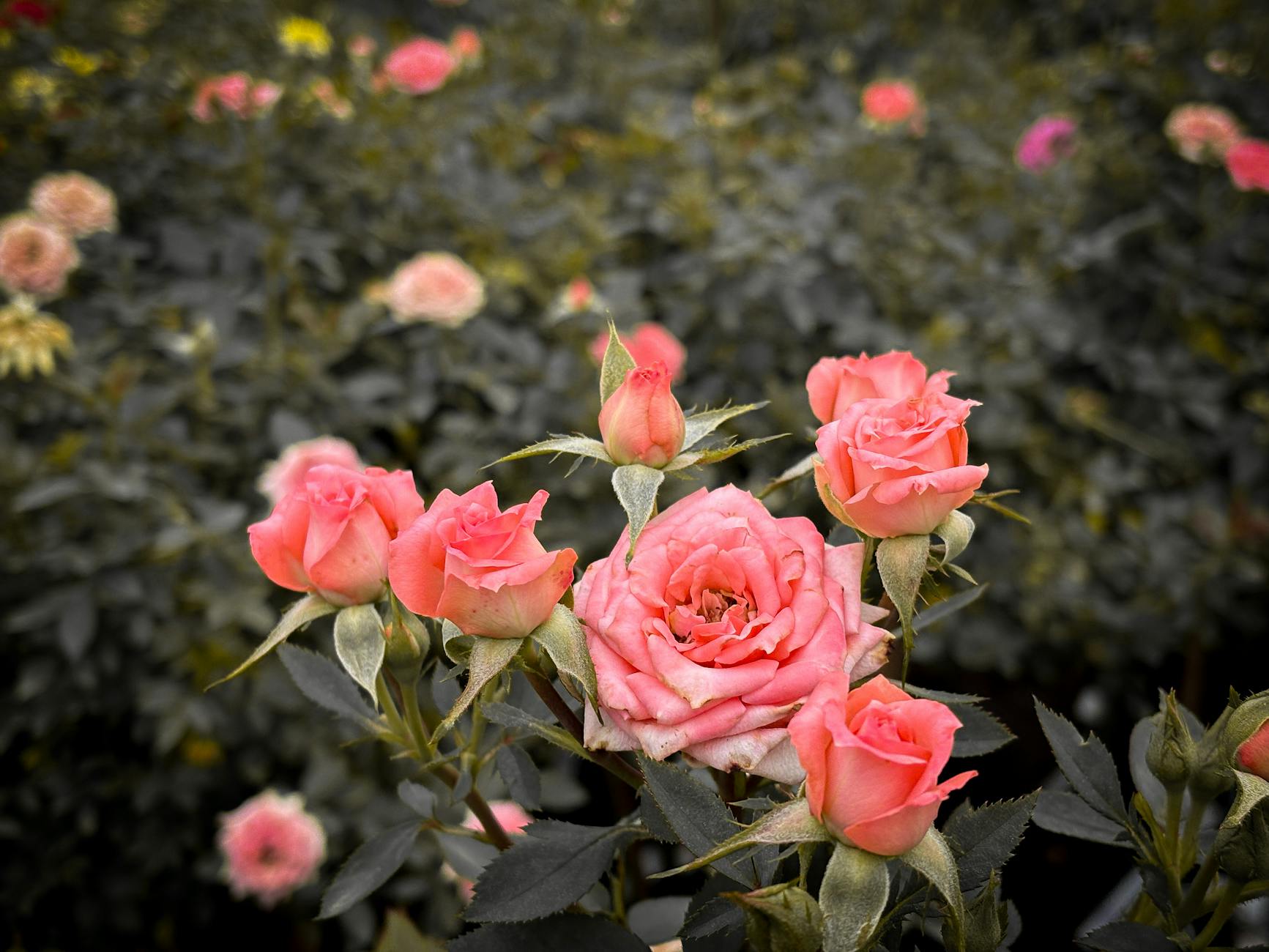
On the eastern tip of Nakanoshima island, wedged between the Dojima and Tosabori rivers, this is the calm counterweight to central Osaka’s intensity. The rose garden carries 4,000 roses across 300 varieties, peaking mid-May and again mid-October. From there a riverside promenade runs a kilometre west, past the red-brick Renaissance-style Central Public Hall and the National Museum of Art. It’s the easiest park here to fold into a museum afternoon, and the quietest stretch of water you’ll find downtown.
- Hours: 24/7.
- Admission: Free.
- Station: Naniwabashi.
- Best for: A quiet walk, the rose garden in May or October, museums next door.
5. Minoo Park (the day trip)
A wooded valley 30 minutes north of central Osaka on the Hankyu line, where a 3-kilometre, mostly paved trail follows the river up to the 33-metre Minoo Falls. The path passes a small temple and stalls frying the local oddity, momiji tempura, deep-fried maple leaves in batter, which taste better than they sound. Wild Japanese macaques turn up now and then. Entry is free, and in mid-November the maples go a red so deep it barely looks real. If you do one nature trip from Osaka, this is the one.

- Hours: Trail 24/7; some stalls 9:00 to 17:00.
- Admission: Free.
- Station: Minoo (Hankyu Minoo Line), about 30 minutes from Umeda.
- Best for: Autumn foliage in mid-November, half-day hikes.
- Budget: 3 to 4 hours round trip.
6. Nagai Botanical Garden
South Osaka’s botanical garden, inside the larger Nagai Park, spreads cherry trees, roses, hydrangeas, peonies, and seasonal beds across 24 hectares. The recent addition that’s worth planning around: a permanent teamLab installation that lights the gardens after dark, turning a daytime botanical walk into a different experience entirely at night. Two visits in one, if you time the evening session.
- Hours: 9:30 to 17:00; closed Mondays.
- Admission: ¥200 daytime, extra for the teamLab night session.
- Station: Nagai (Midosuji line).
7. Hattori Ryokuchi Park
A big suburban park just north of Umeda that holds the Open Air Museum of Old Japanese Farmhouses, 12 historic thatched houses from across the country reassembled in a wood. The surrounding park adds a lake, picnic areas, and a small zoo. It’s quiet, easy, and a clean half-day if the density of central Osaka is getting to you. Less of a destination in its own right than a pleasant reset.
- Hours: Park 24/7. Farmhouse museum 9:30 to 17:00, closed Mondays.
- Admission: Park free, ¥500 farmhouse museum.
- Station: Ryokuchi-Koen (Midosuji line).
8. Utsubo Park
A 30-minute walk west of Umeda, Utsubo is the local lunch park, where office workers eat bento on the grass and weekend craft markets and pop-up cafes appear along the central promenade. Its roughly 170 rose varieties make mid-May the time to come. The rest of the year it’s an honest neighbourhood park rather than a sight, but as a free breather between other plans it does the job.
- Hours: 24/7.
- Admission: Free.
- Station: Honmachi (Yotsubashi or Chuo lines).
- Best time: Mid-May rose bloom.
9. Kema Sakuranomiya Park
This is the cherry blossom park. A 4-kilometre corridor along the Okawa River between Osaka Castle and Tenmabashi, with roughly 4,800 cherry trees lining the bank, one of the longest hanami stretches anywhere in Japan, lit up at night during peak bloom. Outside of late March and early April there’s honestly not much reason to make a special trip; it’s a riverside walking path the rest of the year. But for those two weeks it’s one of the best free things in the city.
- Hours: 24/7.
- Admission: Free.
- Station: Sakuranomiya (JR Loop).
- Best time: Late March to early April.
10. Sumiyoshi Park
Right beside the ancient Sumiyoshi Taisha shrine, this park has one of central-southern Osaka’s only beach-like sandy stretches and a long, quiet promenade. It’s rarely busy. The reason to come is the pairing: see one of Japan’s oldest shrines, then walk it off here, all in one easy stop in the south of the city.
11. Osaka Maishima Seaside Park
On a man-made island out in Osaka Bay, this park is a one-season wonder. In April and May its slopes fill with the Maishima Flower Festival, millions of pale blue nemophila and bright tulips covering the hills, with paid entry to the flower zone during the run. Outside that window there’s little point. But if your trip lands in spring, the colour is genuinely worth the awkward journey.
- Station: Sakurajima Station plus a bus.
- Best time: April for nemophila and tulips.
12. Yodogawa Riverside
The Yodogawa is the wide river along northern Osaka, and its grassy banks carry a long cycling and walking path popular with morning runners and weekend picnickers. It’s less manicured than the central parks, more open sky and river breeze than landscaping. As a sight it’s nothing; as a place to breathe after days in the dense city core, it’s exactly right.
The Osaka parks calendar, month by month
Since these parks change so completely with the season, here’s when each is at its best. Plan around the bloom and you’ll see a far better version of the same place.
- February: the Plum Grove at Osaka Castle Park, roughly 1,270 trees.
- Late March to early April: cherry blossom peaks. Best at Osaka Castle Nishinomaru, Kema Sakuranomiya, and Expo ’70.
- April: nemophila and tulips at Maishima Seaside Park.
- Mid-May: roses at Nakanoshima and Utsubo.
- June: hydrangeas at Nagai Botanical Garden.
- October: the rose second bloom at Nakanoshima.
- Mid-November: maples peak at Minoo; ginkgo gold at Osaka Castle.
- December to February: camellias and winter blooms scattered across several parks.
Osaka gardens vs Kyoto: the honest comparison
Let’s be straight about it. If your sole goal is the single most perfect Japanese garden of your life, Kyoto wins, and it isn’t especially close. Kyoto has centuries of temple gardens designed by masters and refined over generations. Osaka was a merchant city, not a court or temple capital, so it was never building gardens at that scale or with that intent.
But there’s a real case for the Osaka gardens anyway, and it’s not just convenience. Keitakuen at Tennoji (1909) and the Japanese Garden inside Expo ’70 are genuinely good stroll gardens, and you’ll often have them nearly to yourself, which is almost unimaginable at Kyoto’s famous spots in season. The trade is depth for breathing room. A quiet hour in a fine garden with no crowd jostling for the same photo is its own kind of luxury, and Osaka offers that in a way Kyoto increasingly can’t.
The smart approach for most travellers: see Kyoto’s gardens as the headline act on a day trip, and treat Osaka’s as the calm, uncrowded everyday version you can drop into between other plans, no advance ticket, no tour-bus scrum, no 7am alarm to beat the queues.
A green half-day, two ways
If you want to string the parks into something rather than ticking them off, here are two easy loops that hold together geographically.
Central and cultural
Start at Osaka Castle Park early, walk the moats and the Nishinomaru lawn, then head to Nakanoshima for the riverside promenade and the rose garden, with the museums right there if the weather turns. Lunch on the island. It’s a flat, paved, low-effort half-day that mixes history, green space, and culture without a single difficult connection.
Nature and escape
Take the Hankyu line straight out to Minoo in the morning, walk the river trail up to the falls and back (three to four hours with snack stops), and you’ve swapped the concrete entirely for forest. Best in mid-November for the maples, but pleasant any time the weather’s mild. Back in the city by mid-afternoon if you start early.
Practical tips for Osaka parks
- Build a convenience-store picnic. The Lawson, FamilyMart, or 7-Eleven near every major park station stocks onigiri, bento, beer, and sake cheaply. Pack your own for ¥800 to ¥1,200 and you’ve matched the local move exactly.
- Bring a small tarp for spring hanami, and weigh the corners down with stones; it’s standard practice and nobody will blink.
- Crowds spike on weekends from late March into early April. A weekday visit during cherry blossom is a dramatically calmer experience.
- Bathrooms vary. Most major parks have public toilets, but the cleanest are almost always inside the adjacent train station.
- Free Wi-Fi reaches most major Osaka parks via the city network.
- Accessibility: Castle Park, Nakanoshima, and Nagai are largely paved and wheelchair-friendly. Minoo and Hattori have unpaved sections.
Osaka parks: FAQ
What’s the best park in Osaka?
It’s subjective, but most travellers rank Osaka Castle Park during cherry blossom season as the most photogenic, with Expo ’70 a close second for scale and the drama of the Tower of the Sun.
Are Osaka parks free?
Most of the big outdoor ones are, Castle Park, Nakanoshima, the outer area of Tennoji, Utsubo, Sumiyoshi. A few specific gardens inside parks charge ¥150 to ¥720, including Keitakuen, Nishinomaru, and the Tower of the Sun interior.
Which Osaka park has the best cherry blossoms?
Three real contenders: the Nishinomaru Garden at Osaka Castle (paid, dense bloom), the 4-kilometre free corridor at Kema Sakuranomiya (longest stretch), and Expo ’70 (best for a relaxed picnic). If you can, hit at least two.
Can I have a picnic in Osaka parks?
Yes, and you should. Picnicking is an everyday thing in Japan, and most parks allow tarps, food, and even alcohol on the open lawns. Specific landscaped gardens within parks may set stricter rules, so glance at the signage.
Are there traditional Japanese gardens in Osaka?
Yes, more than people expect. Keitakuen at Tennoji is a 1909 stroll garden, the Japanese Garden inside Expo ’70 is one of Kansai’s largest, and Nishinomaru at the castle has Edo-period landscaping. Less famous than Kyoto’s, but they hold up, and they’re far less crowded.
Fit the green spaces into your trip
Parks pair well with Osaka’s cultural sights and slow down an otherwise frantic itinerary. Plan around them with the full things to do in Osaka guide, read the Osaka Castle visitor guide since the castle grounds are the headline park here, and check the free things to do in Osaka list, which folds several of these parks into a no-spend day.