The single biggest packing mistake people make for Osaka is bringing too much. You’ll be hauling that bag up station stairs, wedging it into a hotel room the size of a generous wardrobe, and threading it through crowds on Midosuji. Overpack and the city punishes you daily. Underpack and you lose a morning hunting for a charger. The sweet spot is narrower than for most destinations, and it’s specific to Japan.
This is a packing list built around how Osaka actually works: humid summers, dry winters, shoes off at half the places worth visiting, a convenience store on every other corner, and a lot of walking. I’ll cover the clothes season by season, the gear that earns its space, the stuff you can safely buy when you land, and the few things to leave at home entirely. For the underlying numbers, our Osaka weather guide has the month-by-month detail.
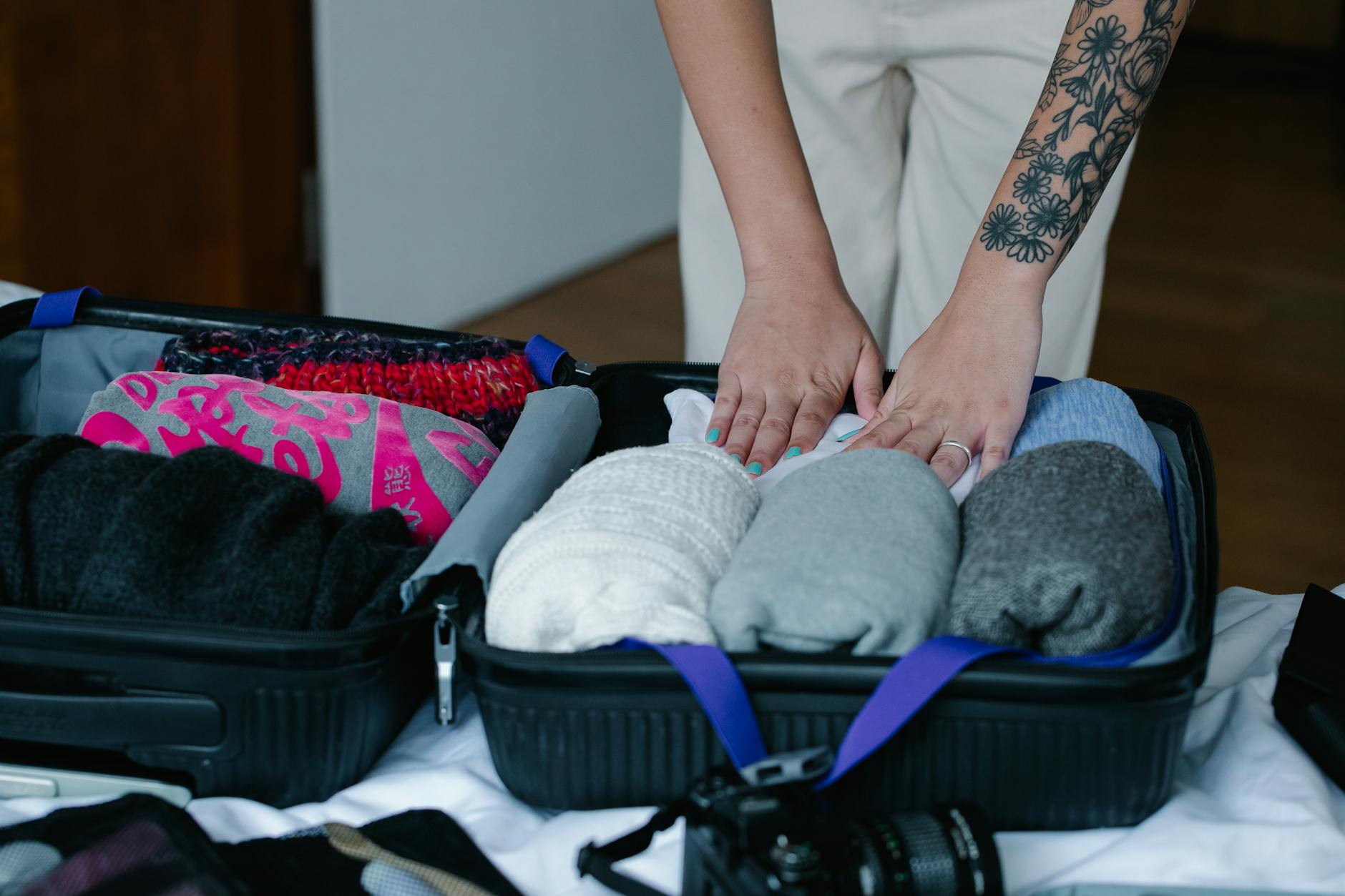
Documents and money: sort these before anything else
Clothes are negotiable. These aren’t. Your passport is the one item the trip can’t survive without, and it has to stay valid for your whole stay. You’ll need it at immigration, obviously, but also at the till for tax-free shopping in the bigger stores, so keep it on you, not in the hotel safe. Save a photo of it to your phone and to the cloud as backup.
Bring at least one credit card, Visa or Mastercard for the widest acceptance, plus a debit card that works in overseas ATMs. Japan still runs on cash in a lot of places: smaller restaurants, street stalls, neighbourhood shops. Plan to pull yen from a 7-Eleven or Japan Post ATM soon after you arrive, since those reliably take foreign cards when bank machines sometimes won’t.
Round out the document folder with your hotel confirmations, your Visit Japan Web QR codes (do that registration before you fly, not in the arrivals queue), your insurance details, and an international driving permit if you’re renting a car for any day trips. For the entry rules themselves, our Japan visa requirements guide covers who needs what.
Seasonal clothing: pack for the month you’re visiting
Osaka’s weather swings hard across the year, so the right clothes depend entirely on timing. Here’s the season-by-season version. If you’re still choosing dates, the best time to visit Osaka guide will help you land on a window first.
Spring (March to May)
Spring is popular and comfortable, but the temperature swings catch people out. March highs sit around 14 degrees while May reaches 24, and a single day can run cool in the morning and warm by mid-afternoon. Layering is the whole game. Pack light long-sleeve shirts you can roll up, a medium-weight jacket or cardigan for the cool ends of the day, and a mix of trousers and lighter bottoms. If you’re here in March or early April, throw in a fleece or sweater for the genuinely chilly mornings. Rain is moderate, so a folding umbrella earns its place.
Summer (June to August)
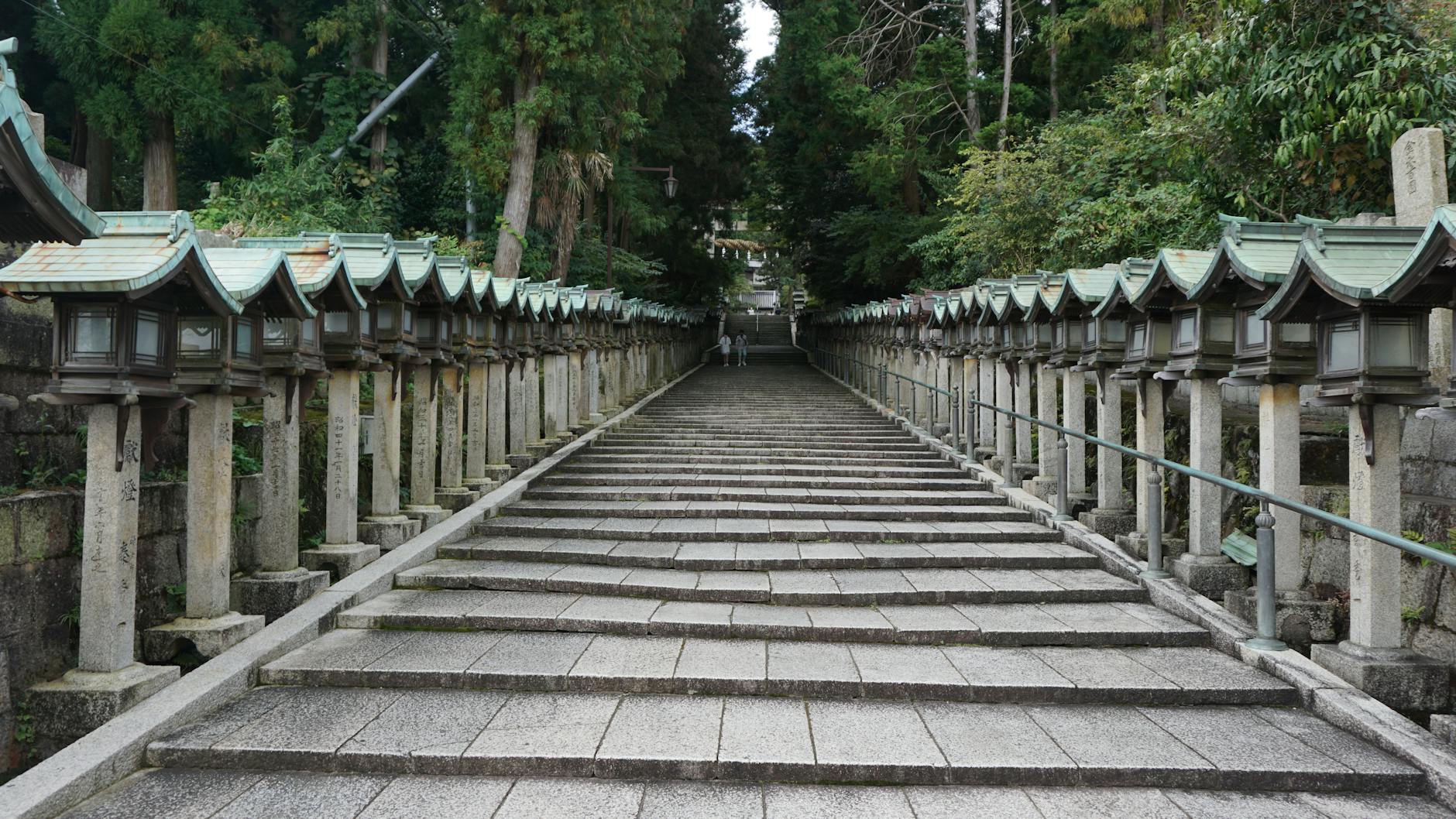
Osaka summers are hot and seriously humid, regularly past 33 degrees with humidity above 70 percent. Breathable fabrics are non-negotiable; cotton and linen are your allies. Bring plenty of light-coloured T-shirts, shorts or thin trousers, and consider moisture-wicking athletic gear for the big walking days. A packable hat, strong sunscreen and sunglasses handle the sun.
June and early July bring the rainy season, tsuyu, so add a good compact umbrella or a light rain shell. Here’s the catch most first-timers miss: indoors, Osaka is over-cooled. Trains, malls and restaurants crank the air conditioning to the point of feeling cold, so a thin cardigan or shawl for inside is a genuinely useful pack. A small hand towel for the sweat is what locals carry everywhere, and you’ll quickly understand why.
Autumn (September to November)
Autumn is some of the best sightseeing weather of the year. September still runs warm, around 28 degrees, but by November you’re down to a crisp 15 or so. Pack a mix of short- and long-sleeve shirts, comfortable trousers, and a light jacket or hoodie to layer. Come late November you’ll want a proper coat for evenings out. Rainfall is low this time of year, but keep an umbrella in the bag anyway; it’s cheap insurance.
Winter (December to February)
Winters here are cold but milder than Tokyo or the north, mostly between 3 and 10 degrees. Pack a warm coat, a few sweaters, thermal base layers and a scarf, with gloves and a warm hat for early mornings and evenings. Snow is rare, but the wind off Osaka Bay can make it feel colder than the forecast reads, so don’t underdress for the evenings. The winter air is dry, too, so moisturiser and lip balm stop your skin cracking.
Footwear: the decision that makes or breaks the trip
If Osaka regulars agree on one thing, it’s that your shoes matter more than anything else you pack. A normal sightseeing day here runs 15,000 to 25,000 steps, roughly 10 to 18 kilometres on your feet, and the wrong shoes will wreck a trip faster than bad weather ever could.
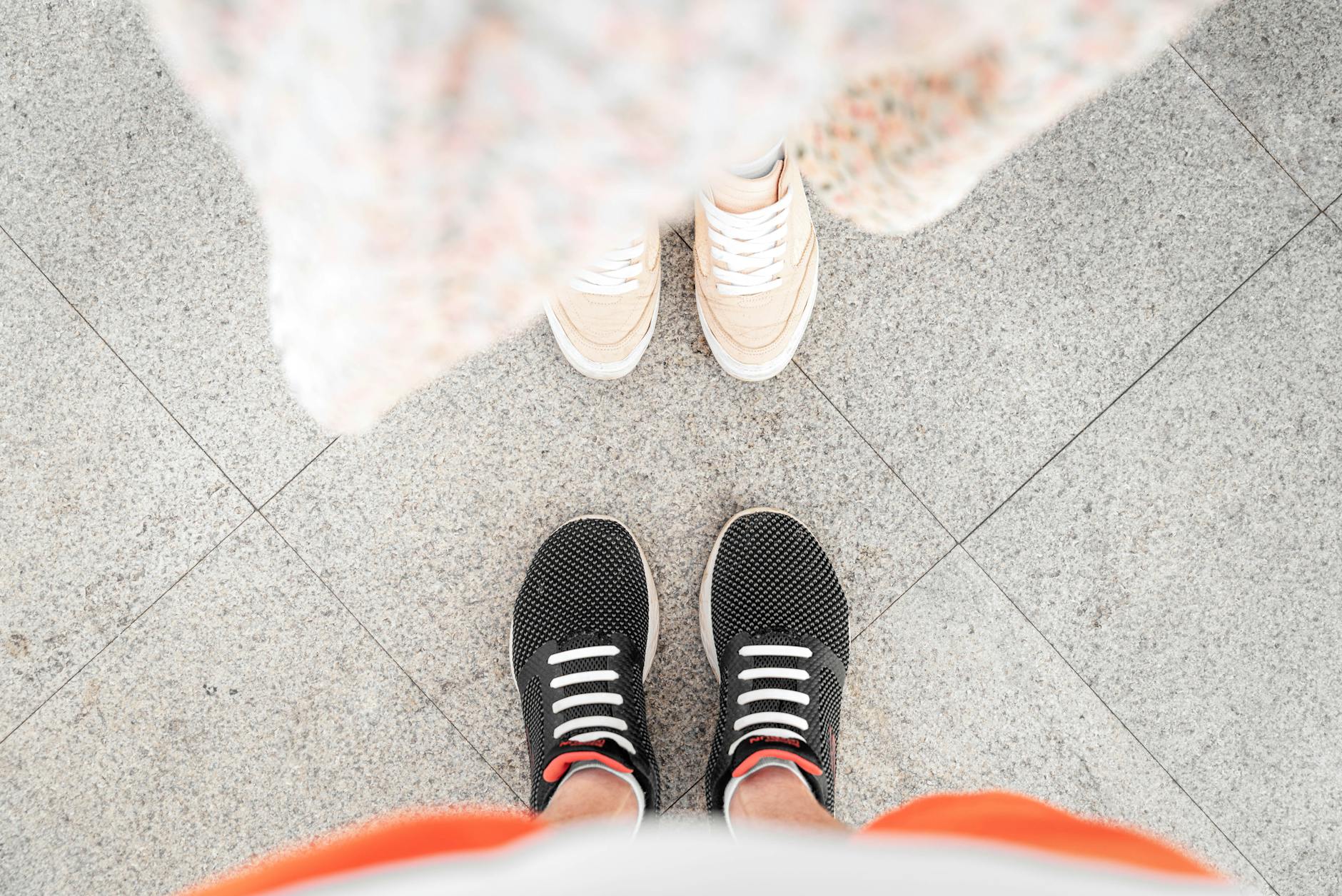
Proper walking shoes. Bring well-broken-in sneakers or walking shoes with real arch support. Do not, under any circumstances, bring a brand-new pair; break them in for at least two weeks before you fly. Cushioned models from New Balance, ASICS (a Japanese brand, fittingly) and Nike are popular for good reason.
Slip-on shoes. This is the pair first-timers forget, and they regret it. You’ll take your shoes off constantly here, at temples and shrines, traditional restaurants, ryokan rooms, parts of some museums, anywhere with tatami. At least one pair of easy-on, easy-off shoes, slip-on sneakers or loafers, saves enormous fuss. Save the lace-up boots for days that don’t involve temples.
Summer sandals. If you’re visiting in the heat, comfortable walking sandals like Teva or Birkenstock work for casual days, though keep supportive sneakers for the big-mileage ones. Worth knowing: wearing socks with sandals at temples is completely normal in Japan and actually preferred to bare feet on the mats.
Blister kit. Pack blister bandages, Compeed or the Band-Aid equivalent, no matter how comfortable your shoes are. Even broken-in pairs can turn on you after 20,000 steps in summer humidity. Japanese pharmacies sell excellent blister products too, but you’ll want some from day one.
Electronics and gadgets worth bringing
Get the tech right and you can navigate, translate and photograph your way through Osaka without a hitch. The essentials:
Power adapter. Japan uses Type A two-pin flat plugs, same as North America, so travellers from the US and Canada need nothing. Coming from Europe, the UK or Australia, you’ll need a travel adapter. The voltage is 100V, lower than most countries, but nearly every modern phone, laptop and camera charger is dual-voltage; check the label, and if it reads 100 to 240V you’re fine without a converter.
Portable power bank. Arguably the most important gadget you’ll bring. Between maps, translation and a day of photos, your phone drains fast, and a 10,000 to 20,000 mAh bank keeps you going. Note the airline rule: power banks over 100Wh, roughly 27,000 mAh, are restricted in the cabin, so check your carrier before you pack a big one.
Phone, loaded before you fly. Download the essentials at home: Google Maps (excellent for transit here), Google Translate with the Japanese pack saved offline, a currency converter, and your hotel’s app if it has one. For getting online, our Osaka SIM card and WiFi guide walks through pocket WiFi versus SIM versus eSIM.
Camera, optional but tempting. Osaka is a photogenic city, from the neon over the Dotonbori canal to the castle and the food stalls. A phone does the job for most people, but if you shoot seriously, a mirrorless or compact body is worth the weight. Bring enough memory cards, and a waterproof case if you’re here in the rainy season.
Toiletries and health: what to bring, what to buy there
Japan’s convenience stores and drugstores are so well stocked that you genuinely don’t need to bring much. A few things are worth packing anyway, mostly to dodge a first-day scramble.
Prescription medication. Bring enough for the whole trip plus a few spare days, in the original labelled containers, with a copy of the prescription. This one needs care: some common Western medicines, especially anything with pseudoephedrine, codeine above certain limits, or stimulant-type ADHD drugs, are restricted or outright banned in Japan. Check with the Japanese embassy or the Ministry of Health, Labour and Welfare guidance before you travel.
Sunscreen. High-SPF is a year-round item and essential in summer. Funnily enough, Japanese sunscreens are some of the best in the world, light and barely-there, and plenty of visitors end up buying them to take home. Still, bring your usual for day one.
Deodorant. Japanese pharmacies carry a thin selection, and what’s there tends to be milder than Western formulas. If you rely on a strong antiperspirant, pack your own; this is one item you can’t easily replace locally.
Basic first aid. Blister bandages, painkillers (ibuprofen or paracetamol), any allergy meds you take, antidiarrhoeals, and motion-sickness tablets if buses and boats get to you. Japanese pharmacies sell first-rate over-the-counter medicine, but reading the labels in Japanese is its own small challenge.
Moisturiser and lip balm. Between summer humidity, winter dryness and constant air conditioning, your skin takes a beating either way. Small items, big payoff. For peace of mind on the health front, our travel insurance guide covers what’s worth insuring.
What you can buy in Osaka, so don’t overpack
Half the trick of packing well for Osaka is knowing what to leave out, because the city will sell it to you the moment you need it. Convenience stores (7-Eleven, Lawson, FamilyMart) and drugstores (Matsumoto Kiyoshi, Daikoku Drug) run around the clock and stock nearly everything a traveller might forget.

Things you can grab on arrival rather than carry from home: umbrellas (the clear vinyl ones go for about ¥500 everywhere), basic toiletries like toothpaste, shampoo, soap and razors, over-the-counter medicine, snacks and drinks, charging cables, small towels, socks, and emergency clothing. The 100-yen shops, Daiso, Seria and Can Do, are gold mines for travel bits at next to nothing: decant bottles, packing organisers, eye masks and the like.
Knowing all this is right there should push you toward a lighter bag, which matters more in Osaka than most places given the station stairs, the snug rooms and the busy pavements. For what’s stocked where around the city, our Osaka neighbourhoods guide is a useful companion.
Luggage tips for getting around Osaka
Size your suitcase down. A medium case, 24 to 26 inches, is the practical ceiling here. Anything bigger fights you on trains, in stations and along hotel corridors. If you plan to shop hard, pack a collapsible duffel inside the case for the return leg.
Bring a day bag. A light backpack or cross-body bag for daily wandering is essential, big enough for your water bottle, power bank, umbrella, camera and the day’s small buys. Anti-theft features are honestly overkill, Osaka is one of the safest big cities anywhere, but comfort and a few organising pockets are worth having.
Use packing cubes. Strongly recommended for Japan. They keep the case tidy, speed up packing and unpacking if you’re hopping between hotels, and compress your clothes. One set can free up around a third of your suitcase volume.
Leave room for what you’ll buy. Osaka is a shopping city, from regional Kit Kat flavours and snack boxes at Don Quijote to proper kitchen knives on Sennichimae Doguyasuji and fashion in Shinsaibashi. Pack to about 70 percent and leave the rest for the haul home. Our Osaka trip cost breakdown helps you budget for the shopping, not just the sightseeing.
The small things seasoned travellers never forget
These are the items first-timers leave behind and old hands won’t travel without:
A small hand towel. Plenty of Osaka restrooms have neither paper towels nor a dryer, so locals carry a little tenugui everywhere. You can buy beautiful ones here, but one from day one saves wet hands.
A reusable shopping bag. Stores charge for plastic bags, so a packable tote spares you ¥3 to ¥5 at every till.
A coin purse. Cash is still king, and you’ll rack up coins fast across the ¥1, ¥5, ¥10, ¥50, ¥100 and ¥500 denominations. A dedicated little purse keeps your pockets sane and your payments quick.
A refillable water bottle. Osaka tap water is safe to drink, so a bottle saves you the ¥100 to ¥160 a pop that vending machines charge, and cuts the plastic. Some parks and stations have fountains to top up.
Zip-lock bags. Quietly useful for keeping electronics dry in the rain, corralling small items, stashing half-eaten snacks, and keeping dirty laundry away from clean.
Pocket tissues. Not every public toilet stocks paper, though most do, so a packet is cheap insurance. You’ll often get free tissue packs handed to you by street promoters, but don’t rely on it from the off.
What to leave at home
Knowing what not to bring is half of packing light. Skip these.
Too many clothes. Osaka has excellent coin laundries in most neighbourhoods, around ¥200 to ¥400 for a wash and ¥100 per 10 minutes to dry, and most hotels offer laundry too. Pack for four or five days whatever the trip length, and plan to wash.
Full-size toiletries. Carry travel sizes for a day or two, then restock at a konbini or drugstore. The local products are high quality and often cheaper than what you’d lug from home.
A hair dryer. Every Osaka hotel provides one. Don’t waste the space.
Frequently asked questions
What type of power plug does Japan use?
Type A two-pin flat plugs, the same as the US and Canada, running at 100V, 50/60Hz. Most modern electronics have dual-voltage chargers that work fine. Visitors from Europe, the UK or Australia need a plug adapter; North Americans generally don’t.
Should I pack formal clothes for Osaka restaurants?
No. Osaka is famously casual, even by Japanese standards. Smart-casual, clean jeans or chinos with a decent top, is fine for even the nicer places. The rare exception is a specific high-end restaurant with a dress code, and they’d usually flag that when you book.
Can I do laundry easily in Osaka?
Easily. Coin laundries are in virtually every neighbourhood. A wash runs ¥200 to ¥400 and takes 30 to 40 minutes, with drying at ¥100 per 10 minutes. Many hotels also have guest laundry rooms. So you can pack light and wash every three or four days rather than bringing an outfit for every day.
Which medications should I avoid bringing to Japan?
Japan has strict drug-import rules. Medicines with pseudoephedrine (common in cold remedies like Sudafed), stimulant ADHD drugs such as Adderall and Vyvanse, and products with codeine above certain limits may be restricted or banned. If you take prescription medication, check with the Japanese embassy or the Narcotics Control Department guidance before you go, and always carry it in the original containers with your prescription.
Do I need pocket WiFi or a SIM card?
Reliable internet is close to essential here for maps, translation and finding somewhere to eat. Your options are renting a pocket WiFi device, buying a travel SIM, or activating an eSIM before you leave, each with trade-offs depending on how many devices you’re connecting and how much data you’ll use. Our Osaka SIM card and WiFi guide compares them properly.
How much luggage space should I leave for souvenirs?
More than you think. Between snack boxes, kitchenware, clothes and novelty gifts, plan for at least 5 to 8 kg of extra weight and about 30 percent of your case. A collapsible duffel as backup is the popular move, or you can ship purchases home from an Osaka post office via Japan Post’s international service.
Pack the shoes you’ll actually walk in, layer for the season, bring the few things Japan makes hard to buy, and trust the konbini for the rest. Get those four right and you’ll move through Osaka light and unbothered, with room to spare for whatever you can’t resist buying. To pin down your dates and the conditions you’ll be packing for, start with our complete Osaka travel guide.