This article contains advertising. Our booking links are routed through a partner that adds commission tracking automatically, so if you book through one we earn a commission from the provider, at no extra cost to you. It never affects what we recommend. Affiliate disclosure
Time a trip right and an Osaka festival turns into the thing you remember from the whole Japan trip, long after the temples blur together. The city runs two genuine heavyweights: the Tenjin Matsuri on 24–25 July, one of Japan’s Three Great Festivals, and the Kishiwada Danjiri Matsuri, which comes round in September and again in October. Around those, the calendar barely stops. Cherry-blossom illuminations, riverside fireworks, midwinter bonfire rituals, neighbourhood matsuri that surface roughly every couple of weeks all year.
This is the month-by-month rundown for 2026: dates, where to stand, what it costs (almost always nothing), and which ones are worth bending your travel plans for. Use it to build a trip around an event you actually want to see, or to find out what’s on during the dates you’ve already booked. The quieter end of the same tradition, tea ceremony, Bunraku puppet theatre and indigo dyeing, sits in our guide to traditional arts and hands-on workshops.
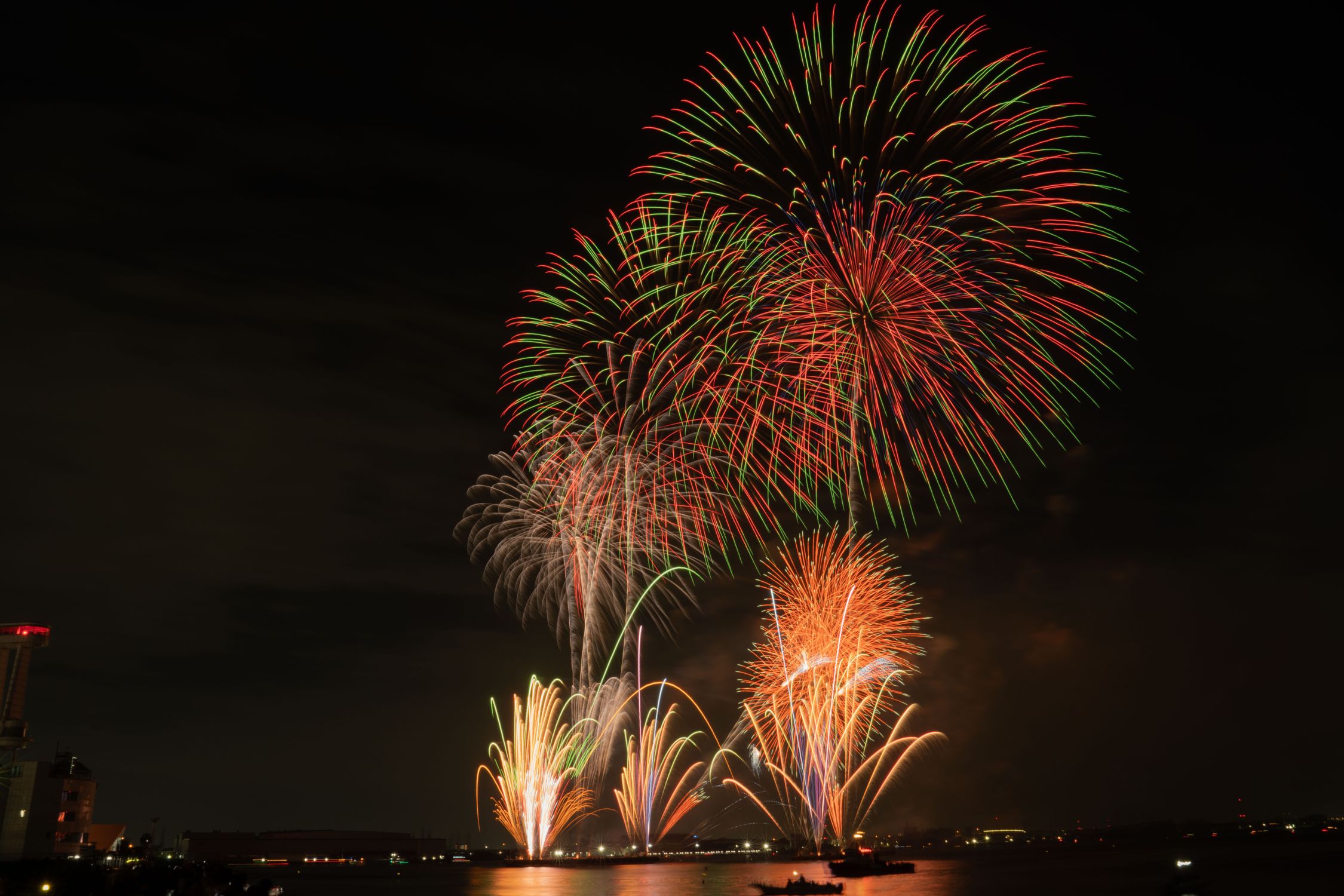
The ones to plan around
If you only catch the names of a handful, make it these.
- Tenjin Matsuri (24–25 July). One of Japan’s Three Great Festivals. Boat parade down the river plus a fireworks finale of about 3,000 shells.
- Kishiwada Danjiri (September, then October). Four-tonne wooden floats hauled at a sprint through the streets.
- Sumiyoshi Matsuri (30 July – 1 August). A mikoshi parade across the grounds of one of Osaka’s oldest shrines.
- Aizen Matsuri (30 June – 2 July). The traditional opener of Osaka’s summer-festival season.
- Setsubun (early February). Bean-throwing rituals at every major shrine.
- Sakura illumination (late March into April). Cherry trees lit at night at Osaka Castle and the Mint Bureau.
January
The year opens loud and crowded, in the best way.
- Hatsumode (1–3 January). The year’s first shrine visit. Sumiyoshi Taisha is a popular place to go. Packed, atmospheric, free. Go early morning on the 1st if you want any breathing room.
- Toka Ebisu (9–11 January). At Imamiya Ebisu Shrine, prayers for business luck, lively street stalls, and “lucky bamboo” handed out by costumed shrine maidens.
- Tondo-yaki (mid-January). Bonfire ceremonies at various shrines where last year’s New Year decorations get burned. Low-key, traditional, and easy to take kids to.
February
- Setsubun (3 February in 2026). Roasted soybeans thrown to drive out bad luck and welcome the good. Shrines and temples across the city hold bean-throwing ceremonies.
- Plum Blossom Festival at Osaka Tenmangu (early February to early March). Plum trees in bloom, a quiet warm-up act before the cherry-blossom circus begins.
- Hari Kuyo (February). A small, oddly moving ritual at some temples that honours worn-out sewing needles. Niche, but unlike anything you’ll see at home.
March
- Hina Matsuri (3 March). Doll Festival, mostly a home affair, but department stores put up elaborate tiered hina-doll displays worth a look.
- Cherry Blossom Illumination at Osaka Castle (20 March – 12 April). Nishinomaru Garden’s trees lit after dark, with the park open until 21:00 and a ¥350 entry. The castle as a black silhouette behind backlit blossom is one of the better photographs you’ll take in the city.
- Spring Sumo Tournament (8–22 March). Fifteen days of top-division sumo at the EDION Arena. Ticket prices and availability are on the Japan Sumo Association’s ticket page.
If blossoms are why you’re here, the castle park is the centrepiece, and our Osaka Castle visitor guide covers the illumination timing and the quieter gates. For the wider list of bloom spots, the Osaka parks and gardens guide maps out where to go beyond the obvious.
April
- Mint Bureau Cherry Blossom Walk (mid-April, one week only). The Osaka Mint Bureau throws open its private garden of rare cherry varieties for a single week. Free, dazzling, and rammed, so go on a weekday morning.
- Shitennoji Spring Festival (April). Bugaku court dances at Japan’s oldest officially run temple. Stately and old, in the best sense.
- Sumiyoshi Otaue (mid-April). A rice-planting ritual that reenacts ancient agricultural ceremony, performed in costume.
May
- Golden Week (29 April – 6 May). A cluster of national holidays and one of Japan’s busiest travel periods. Festivals all over town, and Osaka Castle Park hosts open-air concerts and food fairs. Book accommodation early or pay through the nose.
- Nakanoshima rose bloom (May). The Nakanoshima Park rose garden is in flower. A calm, pretty hour by the river.
June
- Nagai Botanical Garden Iris Festival (June). Irises at their peak. Quiet and very photogenic, the kind of thing locals know and tourists miss.
- Aizen Matsuri (30 June – 2 July). The ceremonial opening of Osaka’s summer-festival season at Aizendo Temple, with mikoshi parades and taiko drumming. This is where the long hot stretch of festivals officially begins.
July: Tenjin Matsuri month
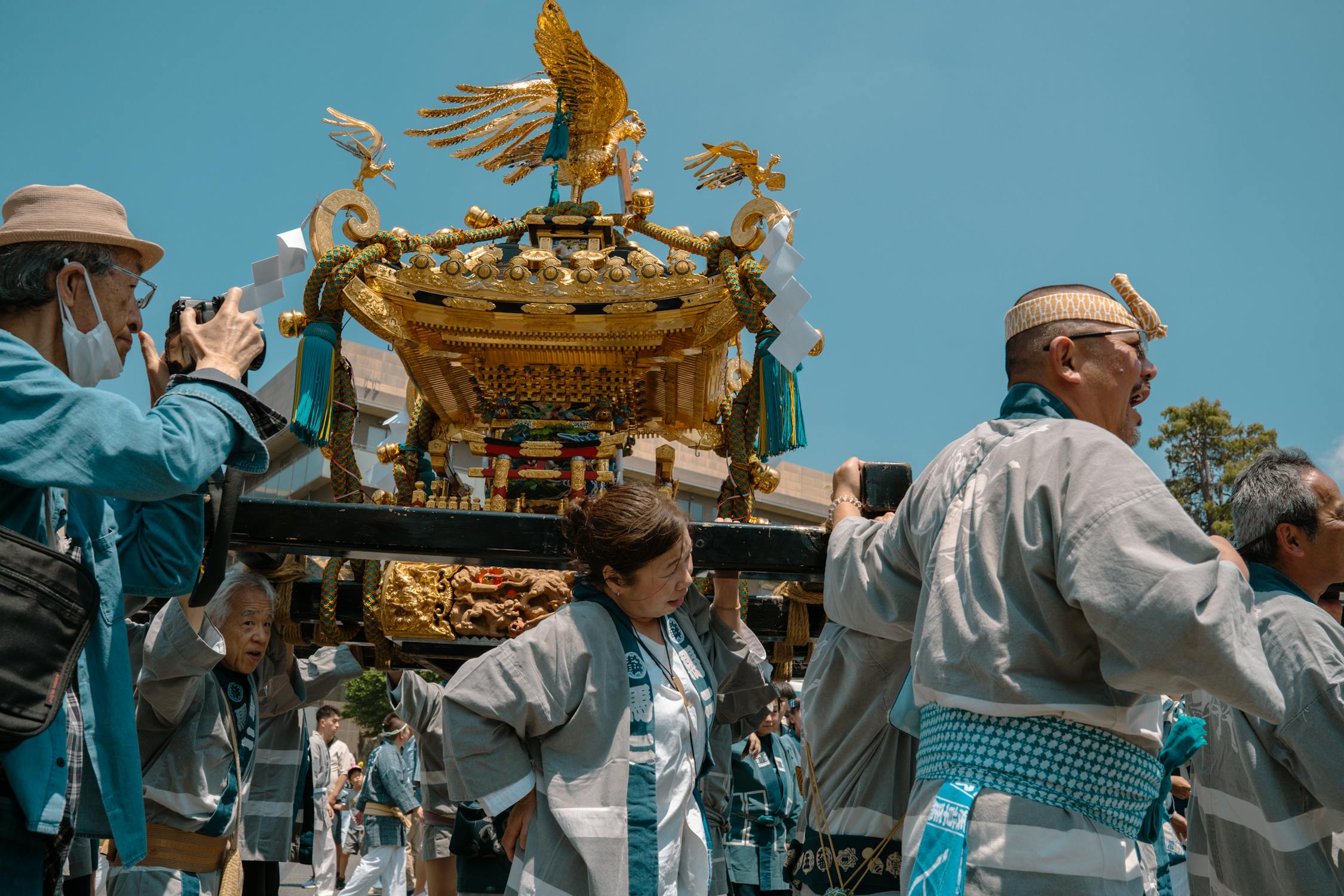
Tenjin Matsuri (24–25 July): the big one
This is the headline event of the Osaka year, one of Japan’s Three Great Festivals alongside Kyoto’s Gion Matsuri and Tokyo’s Kanda Matsuri, and it goes back more than a thousand years. It honours Tenman-Tenjin, the deified scholar-poet Sugawara no Michizane, at Osaka Tenmangu Shrine.
- 24 July (Yoimiya): daytime rituals at the shrine, taiko drumming, the opening processions. Quieter, easier to actually get near the shrine.
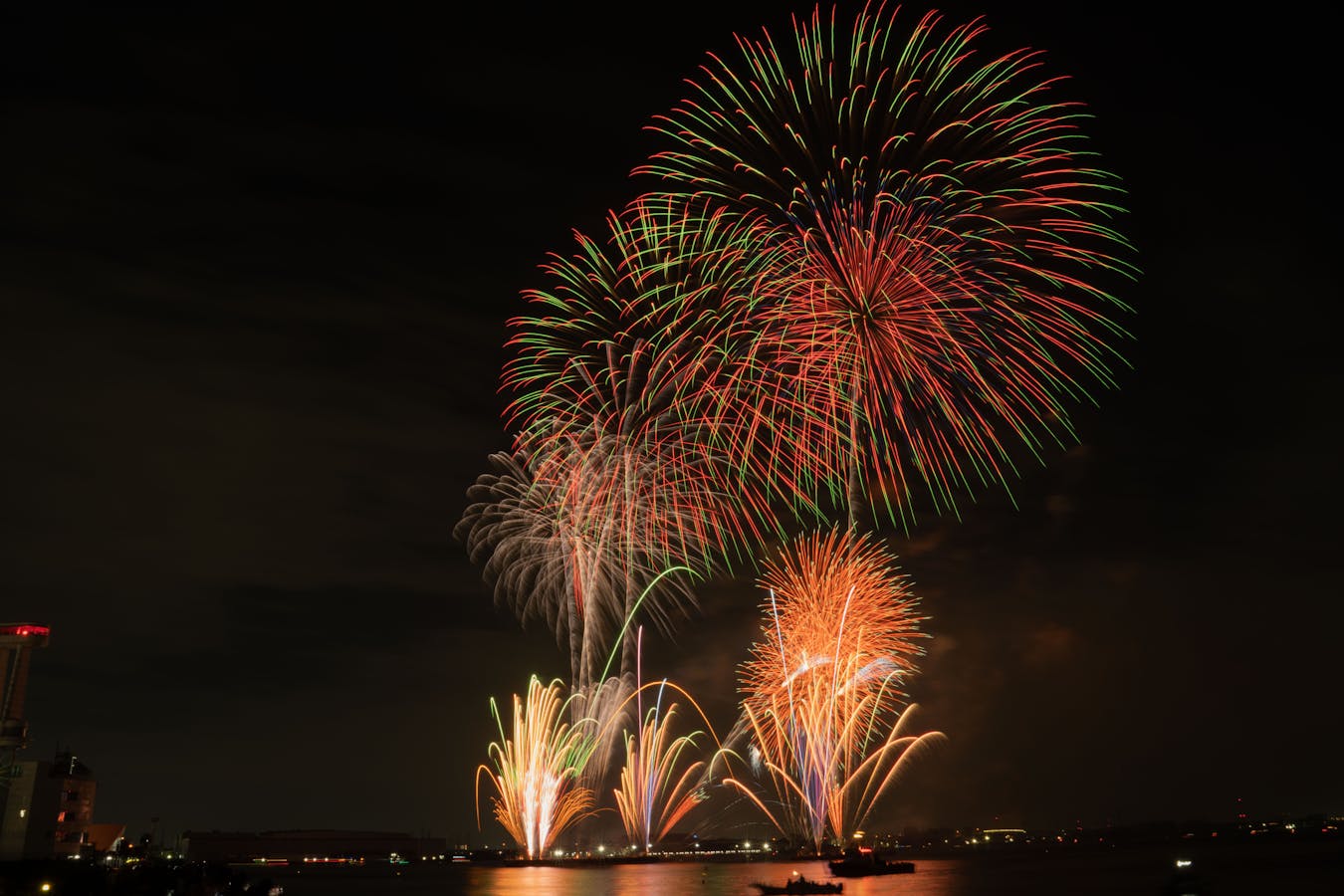
- 25 July (Honmiya): the main day. About 3,000 costumed participants parade through central Osaka. From around 18:00, roughly 100 lantern-lit boats drift down the Okawa River, and near 19:30 the fireworks launch over the water with the boats still on it. Fire and reflection together is the whole point.
- Where to stand: Tenmabashi Bridge, Sakuranomiya Park along the river, or one of the riverside Aqualiner cruises if you book months out.
- Cost: public viewing is free. For a place on a boat in the procession, Fukume-kou offered 2026 places at ¥36,000 per person including a boxed meal and drinks, and JTB offered special onboard viewing at ¥150,000. Check the operators’ sites for the next festival’s packages.
Sumiyoshi Matsuri (30 July – 1 August)
One of Osaka’s three classic Edo-period festivals. Portable shrines are carried from Sumiyoshi Taisha down toward the bay across three days. Traditional, atmospheric, and free. A good counterweight to the spectacle of Tenjin Matsuri the week before.
August
- Senbon Mikuji at Shitennoji (August): a Buddhist memorial service with paper-lantern releases.
- Obon (13–16 August): the Buddhist observance period when many businesses shut and families return home. Bon Odori dance gatherings pop up in neighbourhood parks across the city in the evenings, and they’re open to anyone.
- Kishiwada Tenjin Matsuri (mid-August): a smaller summer festival down in the Kishiwada district, a warm-up for the danjiri madness to come.
September: Kishiwada Danjiri month
Kishiwada Danjiri Matsuri (19–20 September 2026)
If Tenjin Matsuri is the elegant one, this is the adrenaline one. Four-tonne wooden danjiri floats, intricately carved, are pulled at a flat run through the streets of Kishiwada and slung around hairpin corners at speed. That turn is called the yarimawashi, and it’s the moment everyone comes for. The festival dates back to 1703, when it started as a harvest prayer.
- Dates: in 2026 the Kishiwada and Haruki districts ran their floats on 19–20 September, and the six inland districts on 10–11 October.
- Where to watch: the streets around Kishiwada Castle. The Ekimae Plaza area gives you a safer vantage if the speed makes you nervous.
- Cost: free.
- Getting there: take the Nankai Main Line from Namba and check the day’s timetable on Nankai’s site.
A word of respect: people are occasionally injured at this festival. The floats are enormous and genuinely fast. Stay behind the barriers, keep kids close, and don’t try to be clever about your photo angle.
Also in September
- Tsukimi (mid-September): the moon-viewing season, with special evening events at many temples.
- Shinsaibashi Festival (mid-September): a more modern shopping-district event with parades and live music.
October
- Kishiwada Danjiri, inland districts (10–11 October 2026): the six inland districts ran their floats, after the Kishiwada and Haruki districts in September.
- Naniwa Yodogawa Fireworks (Saturday 17 October 2026): fireworks over the Yodogawa River just north of Umeda. Paid seats are sold through the festival’s official site, so check it for current ticketing.
- Osaka Castle Park autumn foliage (mid-October to mid-November): free, and the colour builds steadily through the period.
- Ohatsu Tenjin Festival (October): a smaller neighbourhood matsuri in the Umeda area.
November
- Maple peak (mid-November): Minoo Park and Osaka Castle Park at their best for autumn colour. The parks guide has the timing.
- Shichi-Go-San (15 November): children in formal kimono visit shrines for blessings. Photogenic and quietly lovely.
- Osaka Marathon (mid-November): a major running event that takes over central streets for a morning.
December
- Osaka Hikari Renaissance (3 November – 31 December): illumination on the Osaka City Hall facade and Nakanoshima Illumination Street, lit from 17:00 to 01:00, with projection mapping on the Central Public Hall from 11 to 25 December. Free, very photogenic, and usually less of a scrum than the Tokyo equivalents.
- Joya no Kane (31 December): 108 strikes of the temple bell on New Year’s Eve, a Buddhist purification ritual. At Shitennoji the bell-ringing begins at 23:30, with numbered tickets handed out at 23:00.
- Christmas markets: smaller and lower-key than Tokyo’s, but the Sky Building Christmas plaza and Grand Front Osaka both run multi-week events.
Where to actually stand for the big two
The single most common festival mistake is showing up to the right event in the wrong place. For Tenjin Matsuri on 25 July, the river is everything. Tenmabashi Bridge puts you over the boats and gives a clean line for the fireworks, but it fills hours ahead. Sakuranomiya Park along the Okawa is roomier and more relaxed, a better bet if you’ve got kids or just want space to sit. Avoid trying to follow the land procession on foot through central Osaka; the crowds make it slow and you’ll see more from one good riverside spot than from chasing it.
For Kishiwada Danjiri, the streets around Kishiwada Castle are where the famous corner turns happen, and they’re also where it’s most crowded and most charged. If you want the spectacle without being shoulder to shoulder against a barrier, the Ekimae Plaza area near the station gives you float action with more breathing room. Get there mid-morning on either festival day. The early evening pull-down has its own quieter, lantern-lit appeal once the sprinting is done.
How to actually do a festival
A few things that make the difference between enjoying one of these and standing miserable at the back.
- Arrive early. For the big two, two hours before the headline moment is not over-cautious. Tenjin Matsuri and Kishiwada Danjiri both draw huge crowds, and the good spots fill fast.
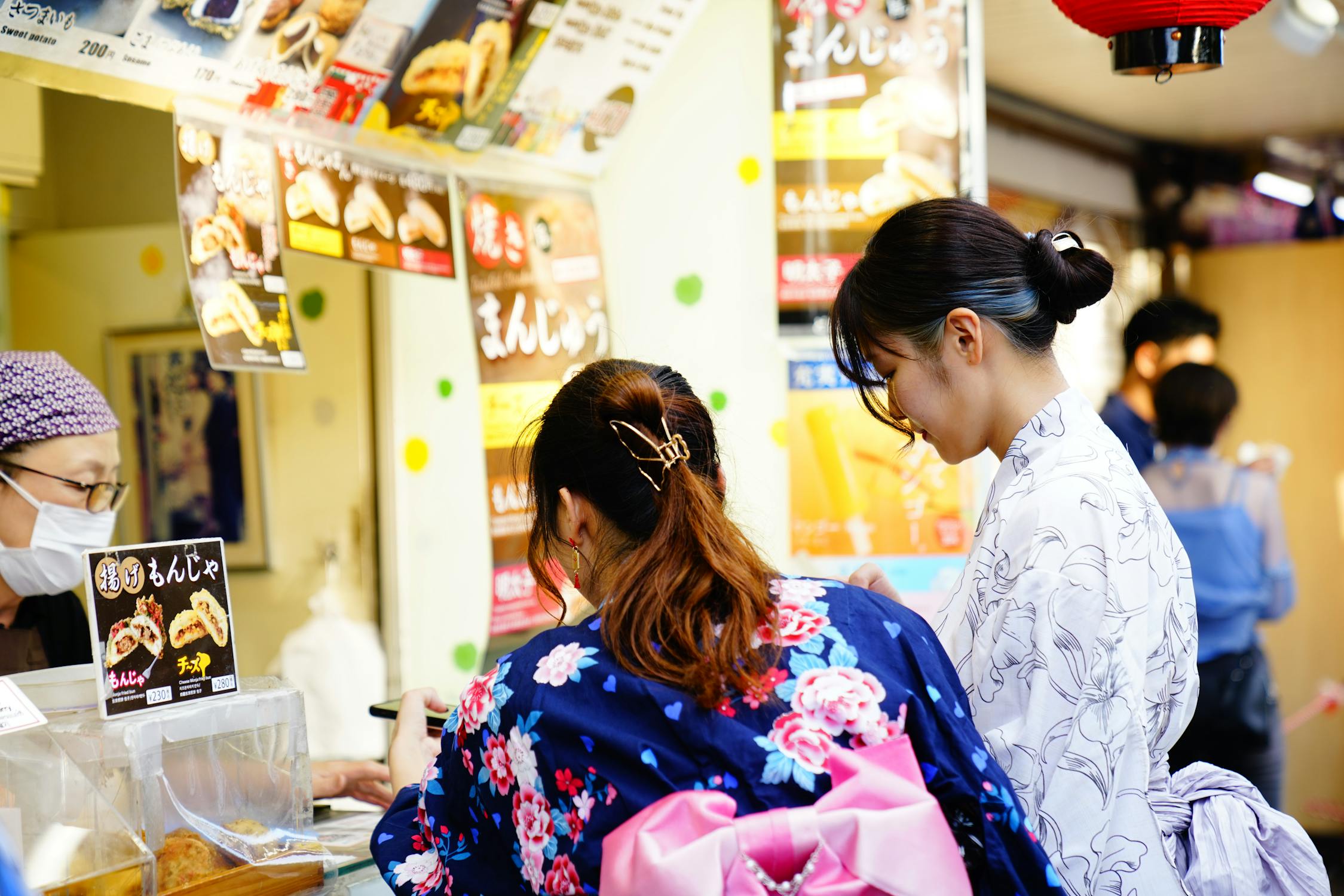
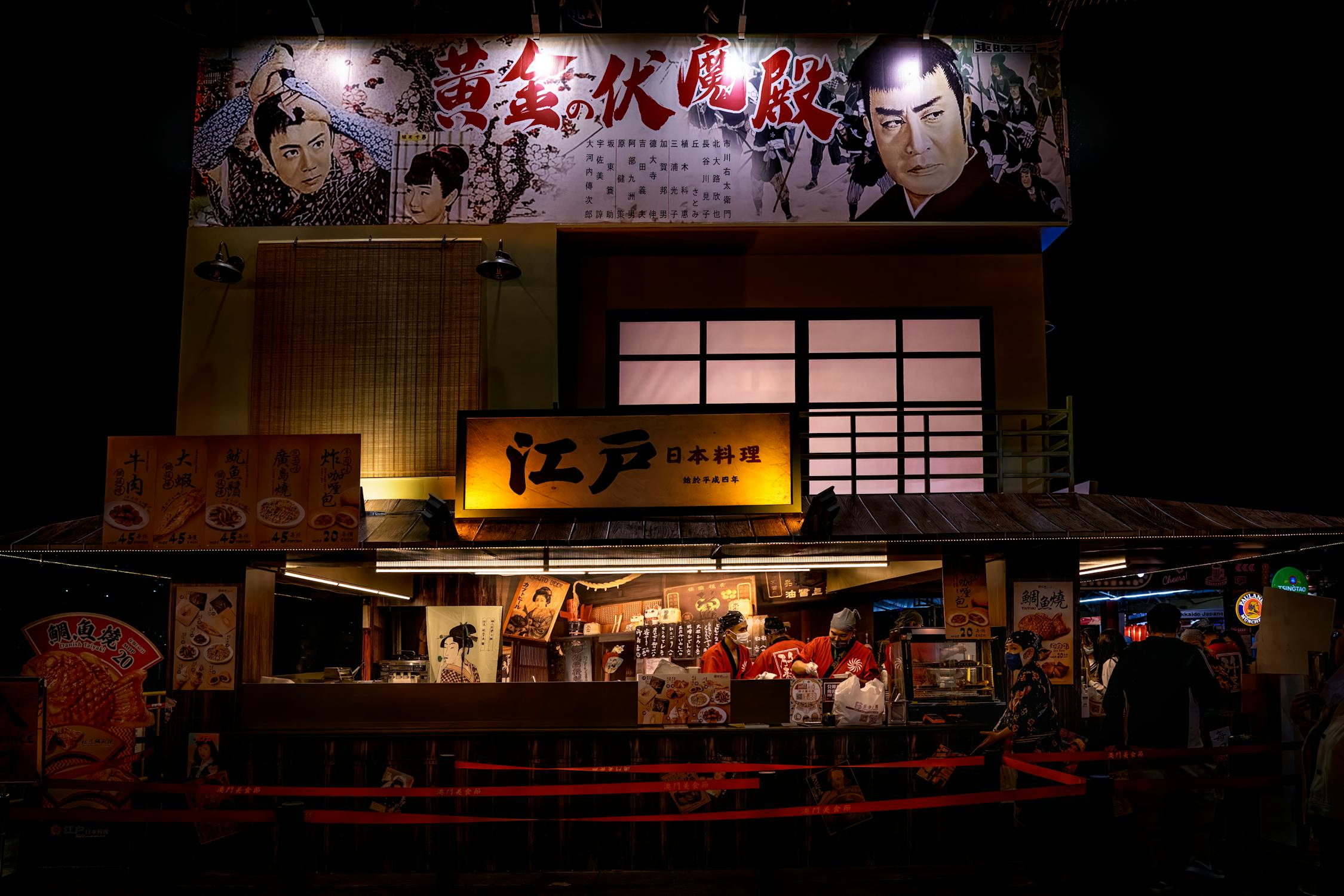
- Bring cash. The yatai food stalls, the takoyaki and yakitori and shaved ice and beer, are the best part, so carry yen and check which payment methods each stall accepts.
- Yukata are welcome, not required. Most festivals are casual, so wear what is comfortable. A yukata, the lightweight summer kimono, is a fun extra if you want one.
- Sort your bathroom stops in advance. Festival toilets are few and queued. Use a station or a department store before you settle into your viewing spot.
- Photos are fine. Shooting is allowed at almost every public festival; just don’t block the procession route to get the shot.
- Watch the trains. Major festivals run surge timetables. Check the JR West app for special services so you’re not stranded after the fireworks.
Once your dates land on a festival, build the rest of the trip around it with our things to do in Osaka guide, which slots the castle, the parks, and the food districts around whichever event you’re aiming for.
What a festival day costs (almost nothing)
Here’s the part that surprises first-timers: most of Osaka’s festivals are free to watch. You can see the Tenjin Matsuri boat parade and fireworks, the Kishiwada danjiri run and the mikoshi processions from the street without paying a yen. Money goes on optional upgrades such as a place on a procession boat or a paid fireworks seat, on events that charge admission (the Osaka Castle cherry-blossom night garden charged ¥350 in 2026), and on the food and drink you’ll inevitably buy from the stalls.
That makes festival timing a genuinely smart move for budget travel. A single evening at Tenjin Matsuri or the Yodogawa fireworks delivers more spectacle than most paid attractions in the city, for the price of a few skewers and a beer. If you’re stacking a trip to keep costs down, lining it up with a festival is one of the highest-value calls you can make, and our free things to do in Osaka guide pairs naturally with these dates to fill out the rest of a no-spend day.
Budget for cash, though. Between the yatai stalls, the train surcharges on busy nights, and the temptation of a yukata rental, a “free” festival evening still tends to run a few thousand yen per person once you’re in the thick of it. Carry cash, and check what each food stall accepts before you queue.
Which festival suits you
- First trip, want the spectacle: Tenjin Matsuri on 25 July, if the dates line up. Nothing else here matches it.
- Couples and atmosphere: the sakura illumination at Osaka Castle, late March into early April.
- Pure adrenaline: Kishiwada Danjiri in September or October.
- Families with young kids: the Tondo-yaki bonfire in January or Hari Kuyo in February, low crowds and gentle.
- Photographers: the Tenjin Matsuri boat parade or the Kishiwada float corners.
FAQ
What is the biggest festival in Osaka?
Tenjin Matsuri on 24–25 July, one of Japan’s Three Great Festivals. Kishiwada Danjiri, held in September and October, is the other big draw and, for a lot of people, the more thrilling of the two to watch.
Are Osaka festivals free?
Most of them. Watching the mikoshi parades, the fireworks, and the temple rituals from the street costs nothing. The extras carry a price: a place on a Tenjin Matsuri procession boat (in 2026 Fukume-kou charged ¥36,000 per person, meal and drinks included), reserved fireworks seats, and events that charge admission.
What month has the most festivals?
July and August. Summer is peak festival season across Japan, and Osaka packs in Tenjin Matsuri, Sumiyoshi Matsuri, the Yodogawa fireworks, and Bon Odori dances in neighbourhood parks within a few weeks.
Should I plan my trip around a festival?
If your dates are flexible, Tenjin Matsuri (24–25 July) and Kishiwada Danjiri (September or October) are genuinely worth building a trip around. Both turn an ordinary Osaka day into one of the more striking things you’ll see in Japan.
Where can I watch the Tenjin Matsuri fireworks?
Best free spots: Tenmabashi Bridge, Sakuranomiya Park along the Okawa, and the OAP Plaza. Best paid option: a place on a procession boat. For 2026 JTB offered special onboard viewing at ¥150,000 and Fukume-kou offered boat places at ¥36,000 per person, so look at the operators’ sites well ahead of the late-July date.
Lock in your dates
Pick the festival first, then build outward. If summer’s your window, plan around Tenjin Matsuri and the fireworks; if you’d rather avoid the heat and the crowds, the cherry illuminations in spring or the riverside lights in December give you the atmosphere without the August humidity. Our month-by-month read on Osaka’s seasons sets out what each window costs you in weather, crowds and hotel rates. Either way, check the year’s exact dates before you book flights, because the headline festivals do not move for anyone. If you are trying to build a trip around a specific date, the month-by-month matsuri calendar lists every event worth planning around.