This article contains advertising. Our booking links are routed through a partner that adds commission tracking automatically, so if you book through one we earn a commission from the provider, at no extra cost to you. It never affects what we recommend. Affiliate disclosure
Ten days is the length most people land on for a first trip to Japan, and it is a good length — enough to stop rushing, short enough to justify the flight. It is also the length at which the single most expensive planning mistake gets made, and it is not the one you think. It is not the rail pass, or the hotels, or the flights. It is packing and unpacking too many times.
The standard advice splits ten days across Tokyo, Kyoto and Osaka: three or four nights each, three check-ins, three check-outs, three sets of luggage logistics. What that actually costs you is roughly a day and a half of the trip spent in lobbies and on platforms with a suitcase, plus the small daily tax of never quite knowing where anything is.
This Japan 10 day itinerary uses two bases instead of three — Tokyo and Osaka — and treats Kyoto, Nara and everything else in Kansai as day trips from a single unpacked room. It buys you back most of that lost day, it is cheaper, and it is the way people who have done this several times tend to end up travelling.
The shape of the trip
Days 1–5: Tokyo. Four nights, one base. Enough for the city itself plus one day trip out.
Day 5: the Shinkansen to Osaka. Two hours twenty on a Nozomi, in the middle of the day, with the whole afternoon still ahead of you.
Days 5–10: Osaka. Five nights, one base. Osaka itself for two days, Kyoto for two, Nara or Kobe or Himeji for one, and out from Kansai Airport on the last morning.
That is two hotels, one long train, and eight full days of actually being somewhere.
"But shouldn’t I stay in Kyoto?"
The honest answer: it depends on what you want from your evenings, and both choices are defensible.
Kyoto is better if you want to be inside the temple districts at dawn and dusk, when Kyoto is at its most extraordinary and its emptiest. Higashiyama at seven in the morning is one of the great experiences in Japan and it is very hard to get from Osaka.
Osaka is better if you care about eating, about nightlife, about price, and about not moving hotels. Kyoto’s accommodation runs materially more expensive than Osaka’s for the same standard, Kyoto’s restaurant scene closes earlier and is harder to walk into without a reservation, and Osaka to Kyoto is thirty minutes on a JR Special Rapid with departures every fifteen. That is a shorter commute than many people have to work.
Our recommendation for a first ten-day trip is Osaka, on the grounds that the daily saving compounds and the evenings are better. If you are a second-time visitor who came for the temples, base in Kyoto and reverse this plan. Either way, the Osaka to Kyoto guide has every route between them.
Fly in one end, out the other
Book an open-jaw ticket: into Tokyo (Haneda or Narita), out of Osaka (Kansai). Airlines price this at roughly the same as a return, and it saves you an entirely wasted final day backtracking to Tokyo.
If your airline will not do it, reverse the itinerary and fly in and out of Kansai, doing Osaka first and Tokyo second. The plan works in both directions. What does not work is flying in and out of Tokyo and treating Osaka as a there-and-back excursion — that is five hours on trains you did not need to take.
From Kansai Airport into the city, the Nankai Rapi:t reaches Namba in about 38 minutes and the airport express in about 45; the JR Haruka now runs direct to Osaka Station’s Umekita underground platforms. All of it is in the airport transfer guide.
Days 1 to 5: Tokyo
Day 1 — Arrive
Land, get to the hotel, and do almost nothing. Jet lag from Europe or North America is real and the temptation to force a full first day is the reason people spend day three exhausted.
What works: drop the bags, walk for two hours in whatever neighbourhood you are staying in, eat early at a place you did not research, and be asleep by ten. Buy an IC card at the station on the way in — Suica in Tokyo, ICOCA in Kansai, and either works nationwide, so one card covers the whole trip. The ICOCA guide explains the system.
Day 2 — Old Tokyo, east side
Asakusa and Senso-ji first thing, before the crowds — the temple grounds are open early and the approach street is a different place at seven than at eleven. Then the Sumida river, Ueno Park and its museums, and the Yanaka district in the afternoon for the low wooden streets that survived both the earthquake and the war.
Evening: Shinjuku. Not for the neon particularly, but because Omoide Yokocho and the Golden Gai alleys are the clearest available demonstration of what Japanese cities looked like before the money arrived.
Day 3 — New Tokyo, west side
Meiji Jingu at opening, which is a genuine forest in the middle of the city and worth an hour on its own. Then Harajuku and Omotesando, Shibuya for the crossing, and Daikanyama or Nakameguro in the afternoon if you want the version of Tokyo where people live rather than shop.
Evening: Shibuya or Ebisu for dinner. If you want a view, one of the observation decks — and if you want to know how that compares to Osaka’s, the observation deck guide makes the case that Osaka’s are better value, which they are.
Day 4 — A day trip, or more Tokyo
Three good options, in order of how much they add:
- Nikko — about two hours each way, and the most spectacular shrine complex in Japan outside Kyoto. Best in autumn. A full day.
- Kamakura — under an hour, temples, a great bronze Buddha and the sea. The easiest of the three and the best in bad weather.
- Hakone — onsen, a lake, and Mount Fuji if the weather is generous, which it frequently is not. Worth it if you want the hot spring experience and are not doing one in Kansai.
Or simply stay in Tokyo. Teamlab, the Imperial Palace gardens, Akihabara, Tsukiji outer market, Odaiba — a fourth Tokyo day is never wasted. The city rewards it.
Day 5 — Tokyo morning, then the Shinkansen
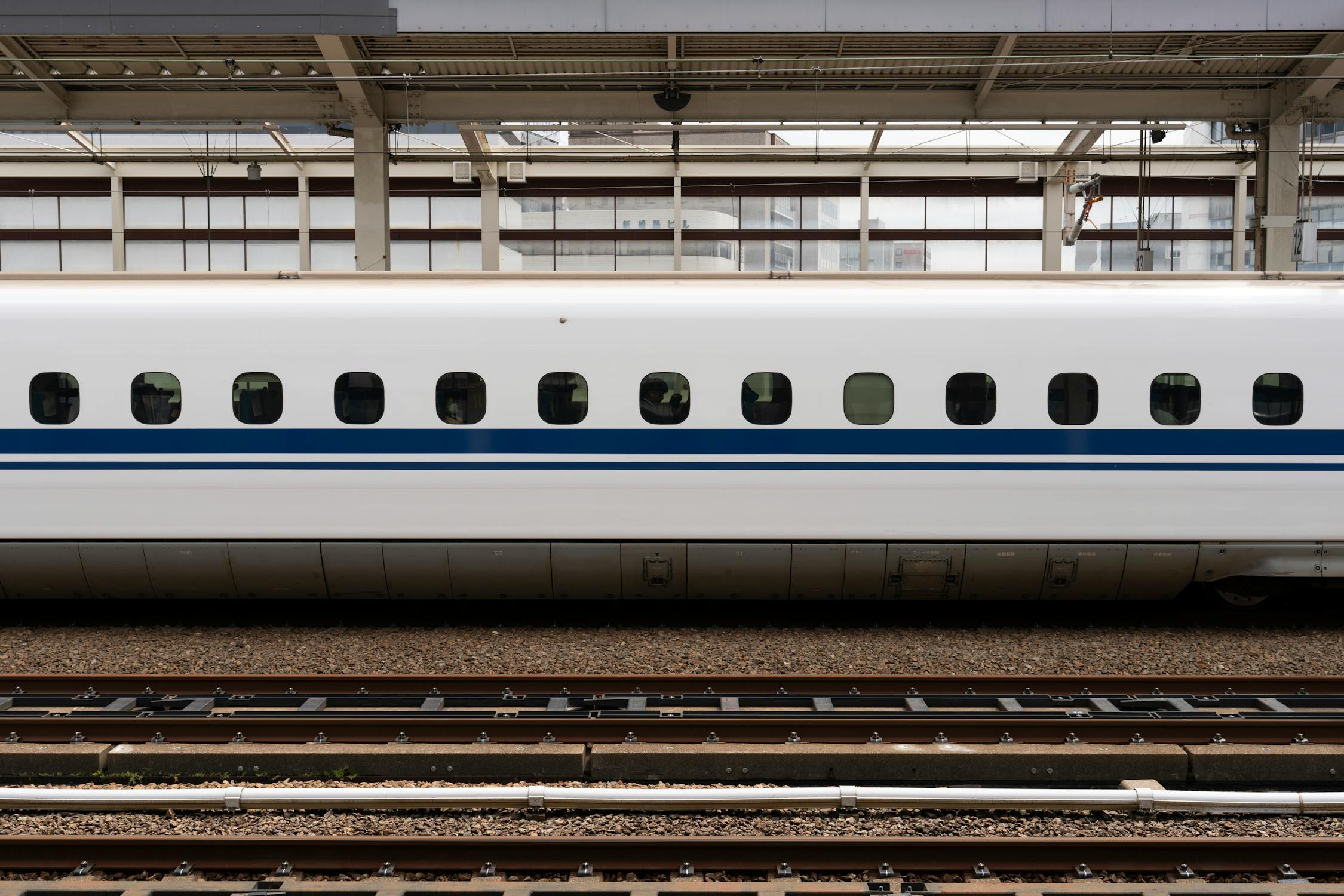
Do one more Tokyo thing in the morning, check out, and take a middle-of-the-day Nozomi from Tokyo Station. Two hours twenty-one minutes to Shin-Osaka. Buy a bento on the platform — the ekiben is a genuine culinary category and eating one at 300km/h is a small perfect thing.
Sit on the right-hand side facing forward (seats D and E) for the Mount Fuji view about forty minutes out of Tokyo. On a clear winter day it is astonishing. On a summer day you will see cloud.
Arrive Shin-Osaka mid-afternoon, three stops to Umeda on the Midosuji line or one to Osaka Station on JR, check in, and you still have an evening. The Osaka to Tokyo guide covers every option including the overnight bus, which saves a night’s accommodation and costs you a night’s sleep.
Days 5 to 10: Osaka and Kansai
Day 5 evening — Dotonbori
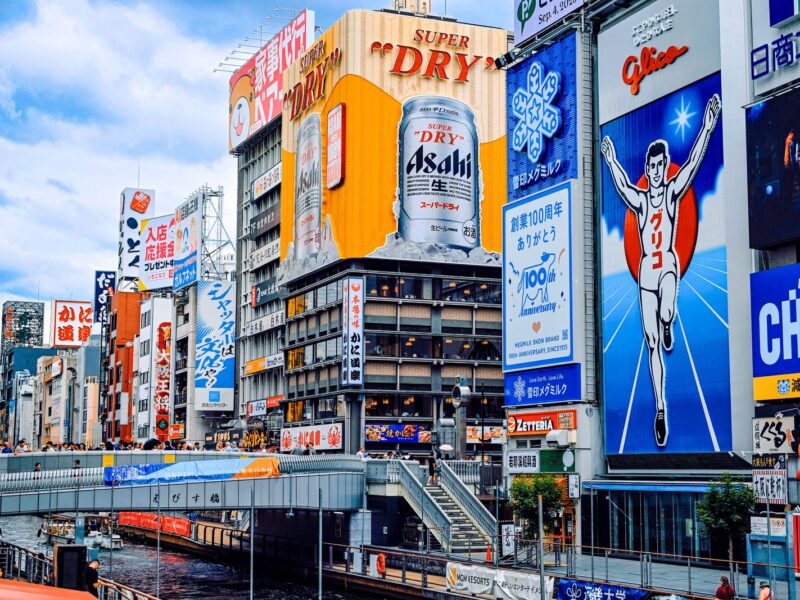
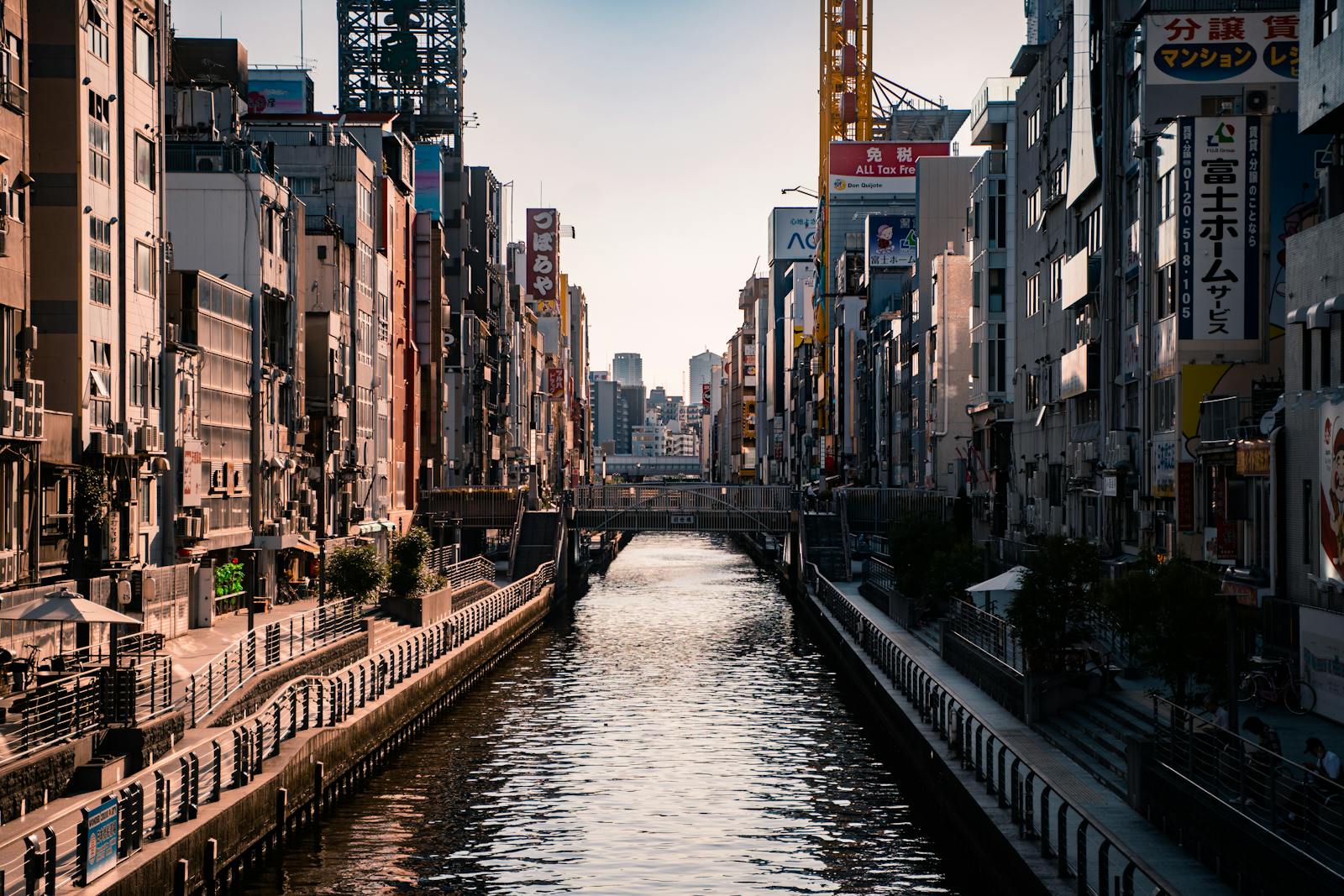
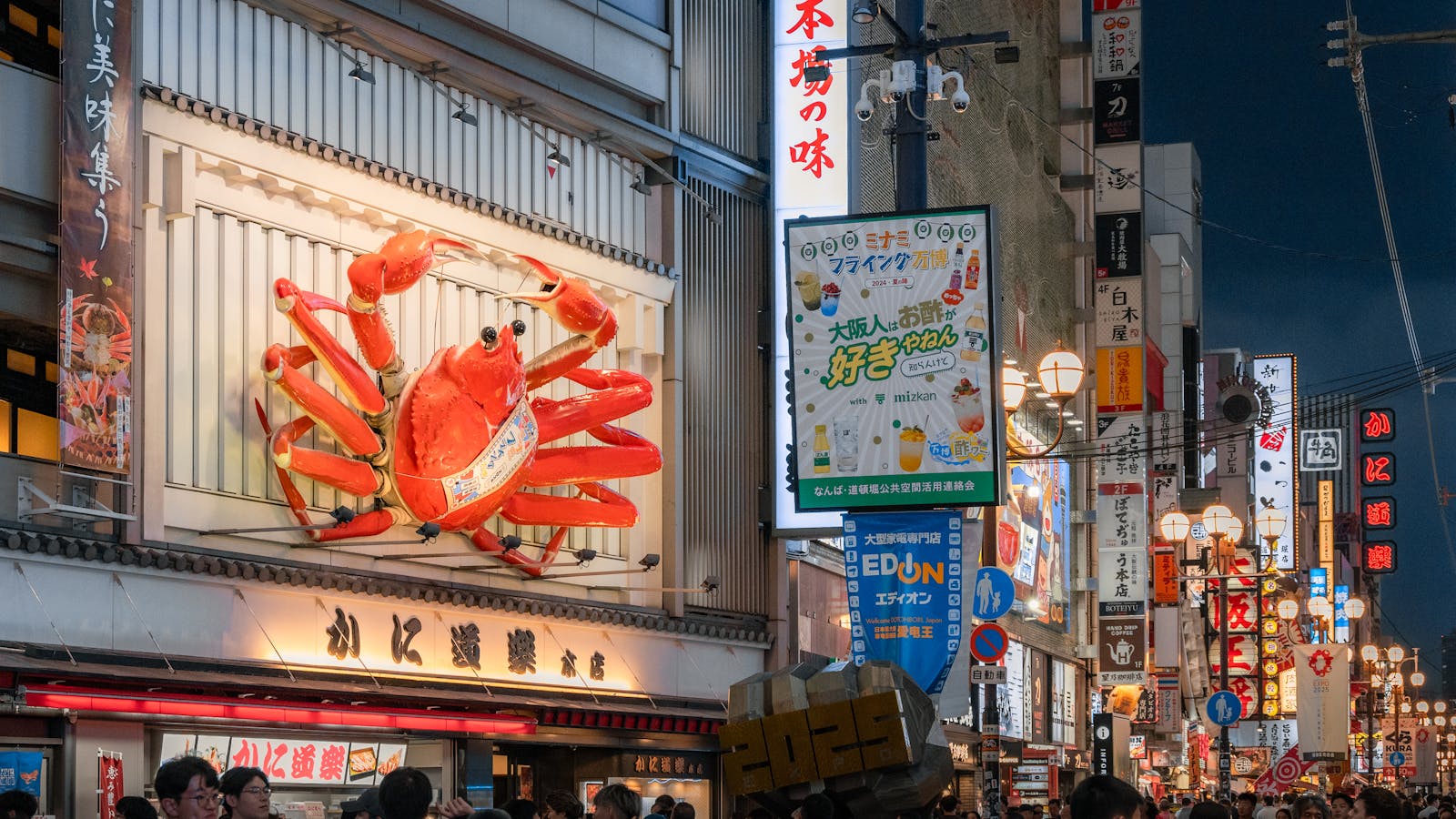
Drop the bags and walk straight into Dotonbori. It is loud, it is absurd, it is entirely aware of itself, and it is the fastest possible introduction to why Osaka is not Tokyo. Eat takoyaki standing up, but do not queue forty minutes for it — the queue is for a famous shop, not a better one. Then find a counter in Ura Namba and stay out.
Day 6 — Kyoto, east side
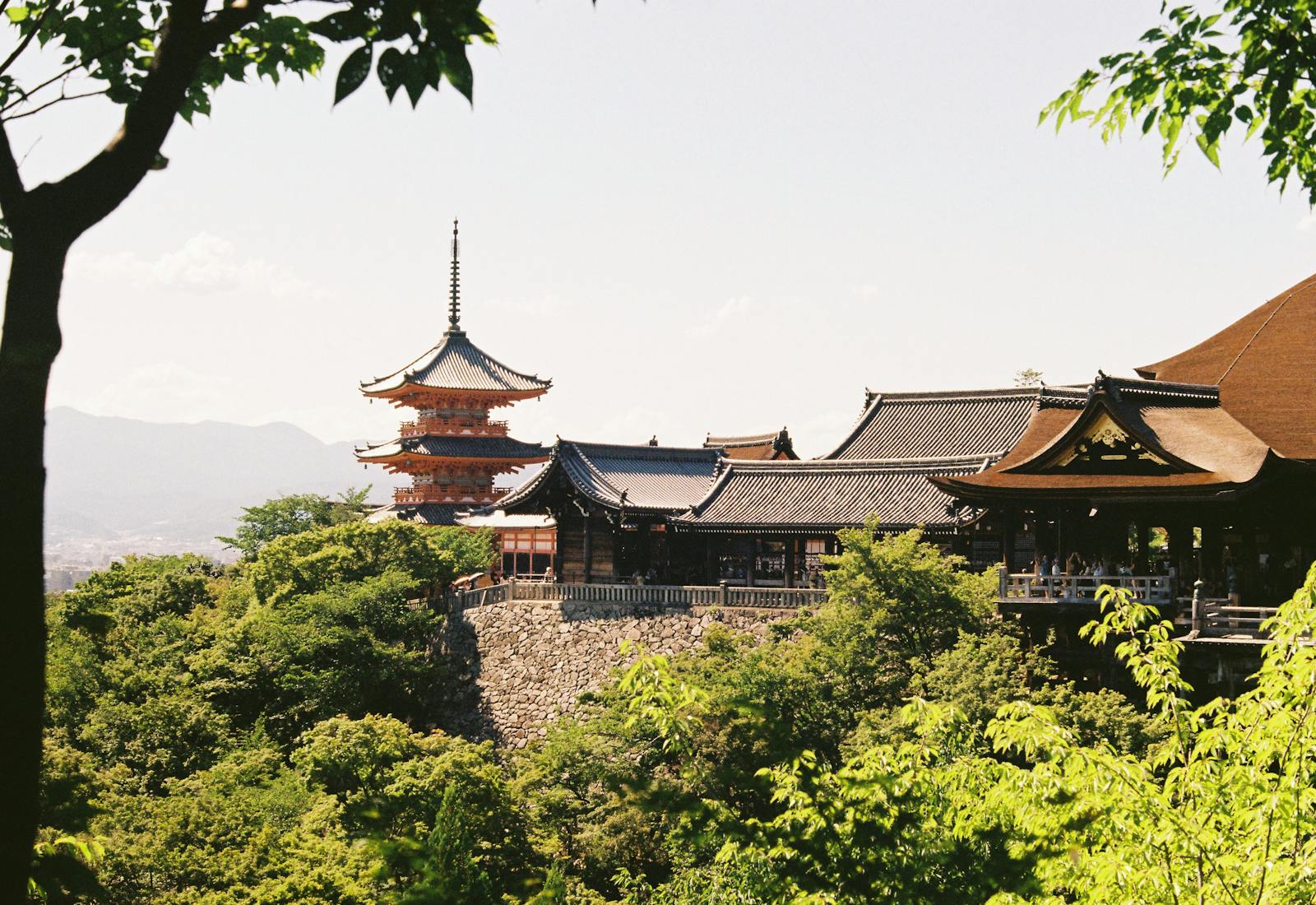
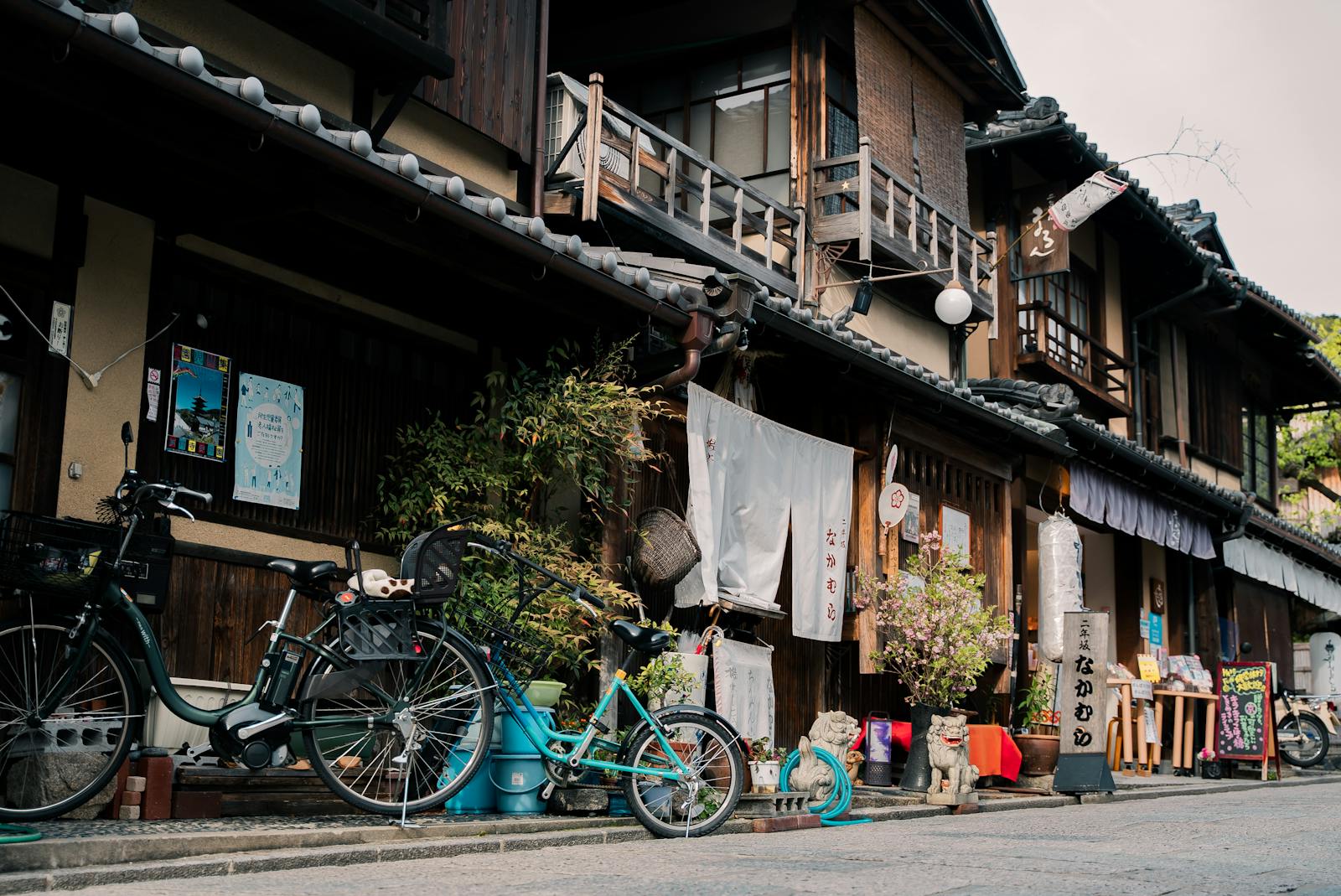
Out early on the JR Special Rapid, thirty minutes. Do the eastern half of the city and only the eastern half: Fushimi Inari before eight, then Kiyomizu-dera, the Sannenzaka and Ninenzaka lanes, Gion, and the Philosopher’s Path if the legs hold.
Fushimi Inari first is not negotiable. It is free, it never closes, and by ten o’clock the torii tunnel is a shuffling queue. At seven it is empty and it is one of the best hours you will spend in Japan.
Day 7 — Kyoto, west side, or Nara
Option A: west Kyoto. Arashiyama’s bamboo grove at opening, the Sagano area, Tenryu-ji, and Kinkaku-ji in the afternoon. This completes the classic Kyoto list. The Kyoto day trip guide has the routing.
Option B: Nara. Forty minutes from Osaka-Namba on the Kintetsu line, which drops you closer to the park than the JR route does. Todai-ji’s Great Buddha, Kasuga Taisha’s stone lanterns, and about twelve hundred deer who have learned to bow for crackers. Nara is smaller, calmer and less exhausting than a second Kyoto day, and for a lot of people it is the better afternoon. The Nara guide covers it, and the route guide the trains.
Choose one. Doing both properly needs eleven days, not ten.
Day 8 — Osaka itself
The day the trip stops being a checklist. Osaka Castle in the morning — the park is free and better than the museum inside, though the museum is worth the ¥1,200 for the Hideyoshi history. Then Kuromon Market for lunch, eaten in pieces from a dozen stalls.
Afternoon: Shinsekai and Tsutenkaku for the version of Osaka that has not been tidied up, with kushikatsu for dinner — and the one rule that matters, which is that you do not double-dip in the communal sauce. Ever. Under any circumstances.
Alternatively, this is the day for Universal Studios Japan if that is why you came. It is a full day and it needs its own planning — start with the ticket guide, because your park ticket does not get you into Super Nintendo World.
Day 9 — The last day trip

Pick one, and the choice says a lot about the trip you have had:
- Himeji — about an hour on the Special Rapid. The only original, unreconstructed great castle in Japan, and dramatically better than Osaka’s rebuilt keep. The obvious choice if the castle at day eight left you wanting the real thing.
- Kobe — twenty to thirty minutes. Harbour, hillside, the foreign quarter, and the beef, which is worth the money once. The easiest and shortest of the options.
- Hiroshima — about ninety minutes each way by Shinkansen. A heavy, essential, entirely worthwhile day, and the one that will stay with you. Only do it if you are willing to give it the whole day and the right frame of mind.
- Koyasan — the Buddhist mountain complex, cable car and all. Better as an overnight in a shukubo temple lodging than as a day trip, but doable.
Or stay in Osaka. Nakanoshima, Nakazakicho, Den Den Town and the neighbourhood guide generally will fill a day very happily, and by day nine there is a real argument for not getting on another train.
Day 10 — Osaka morning, then home
Kansai Airport is 38 to 45 minutes from Namba, so a lunchtime flight leaves you a real morning. Do the shopping you have been putting off — the drugstores are where most people spend more than they planned — eat one last bowl of something, and go.
Leave the bags at the hotel or in a station locker rather than dragging them round; the luggage storage guide has the options.
The rail pass question, answered honestly
This is where a lot of ten-day trips waste money, so here is the arithmetic rather than the marketing.
The nationwide 7-day Japan Rail Pass costs ¥50,000, rising to ¥53,000 from 1 October 2026 through overseas agencies. It does not fully cover the fastest trains: Nozomi and Mizuho services require a supplement, around ¥4,960 each way for Tokyo to Kyoto or Shin-Osaka. Without paying that, you are on a Hikari, which is about thirty minutes slower.
Now the fares this itinerary actually incurs:
| Journey | Cost |
|---|---|
| Tokyo to Shin-Osaka, Nozomi reserved | about ¥14,700 |
| Osaka–Kyoto return, JR Special Rapid | about ¥1,200 |
| Osaka–Kyoto return, second day | about ¥1,200 |
| Osaka–Nara or Osaka–Kobe return | ¥800–1,600 |
| Osaka–Himeji return | about ¥3,000 |
| Local transport, both cities, 10 days | ¥4,000–6,000 |
| Realistic total | ¥25,000–29,000 |
So: do not buy a nationwide JR Pass for this trip. You would pay ¥50,000 or more for something worth under ¥30,000, and the pass only lasts seven of your ten days anyway. The pass makes sense when you are stringing several long legs together — Tokyo to Kyoto to Hiroshima to Fukuoka, say — and not otherwise.
What to do instead: buy the single Shinkansen ticket, ideally through the EX early-booking fares, which drop a Tokyo–Shin-Osaka reserved seat to around ¥12,980 when booked 21 days ahead. Then use an IC card for everything else. If your Kansai days are heavy on regional trips, look at a regional Kansai pass instead, which is far cheaper and sized to what you are actually doing. Our JR pass guide runs the full comparison.
More in our guide to the regional Kansai rail passes.
Where to stay
Tokyo. Shinjuku or Shibuya for first-timers — central, endlessly connected, and you can walk home. Ueno or Asakusa for lower prices and an older atmosphere. Tokyo Station area if you value the Shinkansen convenience above everything.
Osaka. Namba or Shinsaibashi if the evenings matter to you, which on this itinerary they should — you are ninety seconds from dinner and the last train is a short walk. Umeda if your days are day trips, since everything to Kyoto, Kobe and Himeji leaves from Osaka Station. The full where-to-stay guide compares every district.
Budget travellers should look at capsule hotels and hostels; families at family hotels, where the room-size difference between Tokyo and Osaka is genuinely significant.
What it costs
| Per person, 10 days | Budget | Mid-range | Comfortable |
|---|---|---|---|
| Accommodation | ¥35,000 | ¥110,000 | ¥250,000 |
| Food | ¥30,000 | ¥60,000 | ¥120,000 |
| Transport inc. Shinkansen | ¥25,000 | ¥29,000 | ¥35,000 |
| Entry and activities | ¥8,000 | ¥20,000 | ¥40,000 |
| Total, excluding flights | ~¥98,000 | ~¥219,000 | ~¥445,000 |
Japan is cheaper than most visitors expect on food and more expensive than they expect on accommodation. A genuinely excellent bowl of ramen is ¥1,000; a decent hotel room is ¥15,000. Budget accordingly, and read the Osaka trip cost breakdown for the Kansai half in detail.
What to eat, city by city
Ten days is enough to notice that Japanese food is regional in a way most visitors do not expect. Eating the right thing in the right city is one of the easiest upgrades available on this trip.
In Tokyo: sushi, first and foremost — the capital’s edomae tradition is the reference standard, and a good lunch counter costs a fraction of the same meal at dinner. Then soba, tempura, and yakitori under the railway arches. Tokyo is also where the internationally famous restaurants are, if that is your thing.
In Kyoto: kaiseki, if the budget stretches, and shojin ryori (Buddhist temple vegetarian cuisine) if it does not — both are expressions of the same restraint. Otherwise yudofu, Nishiki Market, and the small tofu and pickle specialists that have been doing one thing for two hundred years. Kyoto is the least casual eating city of the three, and it closes early.
In Osaka: everything else, loudly. The word locals use is kuidaore — to ruin yourself by eating — and the city takes it as a civic identity rather than a warning. Takoyaki, okonomiyaki, kushikatsu, ramen, and a standing counter in Ura Namba at midnight. It is cheaper than Tokyo, it is more welcoming to walk-ins, and it is the reason a lot of people come back. The Osaka food guide is the place to start; the Michelin guide covers the other end.
One practical note that applies everywhere: lunch sets at good restaurants routinely cost a third of the dinner price for substantially the same kitchen. If there is one expensive meal you want on this trip, have it at midday.
The reverse itinerary, if you fly into Kansai
Plenty of flights land at Kansai rather than Tokyo, and the plan works perfectly well backwards. The order changes but the logic does not:
- Days 1–5, Osaka base. Arrival day easy, then Osaka, Kyoto east, Kyoto west or Nara, and one further day trip. Starting in Osaka is arguably kinder on jet lag — it is a smaller, friendlier, less overwhelming city to be disoriented in than Tokyo.
- Day 6, Shinkansen to Tokyo in the middle of the day. Sit on the left-hand side facing forward for Fuji on this direction of travel.
- Days 6–10, Tokyo base, ending with a flight from Haneda or Narita.
The one real disadvantage is that Tokyo is a harder city to leave from at the end — Narita in particular is a long way out, and a morning flight from there means a genuinely early start. Build a buffer.
A note on jet lag
Whichever direction you fly, the first two days determine the rest of the trip. Get outside in daylight on day one even if you feel dreadful, eat on local mealtimes rather than when you are hungry, and resist the 3pm nap. Japanese cities are extremely well suited to jet lag recovery: everything is open early, convenience stores are open at four in the morning, and nobody minds if you eat breakfast at a station counter at six. Use that rather than fighting it.
Variations
If you only have seven days
Cut day 4 (the Tokyo day trip) and day 9 (the Kansai day trip), and drop one Kyoto day. That gives you three days in Tokyo, one Kyoto day, two Osaka days and the travel day. It is tight but it works, and it is far better than trying to compress the same ten-day plan.
If you have fourteen
Do not add more cities. Add the days back into the two bases and reach further: Hiroshima and Miyajima as an overnight rather than a day trip, Koyasan as a temple stay, Kinosaki Onsen for two nights of hot springs. The Kansai region guide covers everything reachable from the Osaka base.
With children
Slow it down by a third. Cut one Kyoto day — temples are hard work for small people — and add Universal Studios Japan and one aquarium day. Osaka with kids and USJ with kids cover the Kansai end.
In cherry blossom season
Late March to early April, and everything above still works but everything costs more and every famous place is full. Book accommodation four to six months ahead. The cherry blossom guide and the hanami guide cover where to actually go in Osaka, which is less obvious and much less crowded than Kyoto.
If you are a serious eater
Weight the itinerary towards Osaka: three days here, two in Tokyo’s food neighbourhoods, one Kyoto day. Osaka is the better eating city and it is not particularly close. Start with the food guide, then street food, izakaya and the food tours.
Practical things worth doing before you go
- Visit Japan Web is optional for all nationalities as of 2026, and paper arrival and customs cards are still accepted at every airport. Registering in advance still saves real time at immigration on a busy arrival day.
- The departure tax is now ¥3,000 for departures on or after 1 July 2026, up from ¥1,000. It is bundled into your air ticket; there is nothing to pay at the airport.
- Get an IC card on arrival and add it to your phone’s wallet if it supports it. One card covers trains, buses, convenience stores, lockers and vending machines nationwide.
- Sort data before you land — an eSIM or a pocket wifi. Almost everything on this itinerary assumes a working map. The SIM guide has the options.
- Use luggage forwarding. Takkyubin will move a suitcase from your Tokyo hotel to your Osaka hotel overnight for a few thousand yen, which means you take the Shinkansen with a day bag. This is the single best-value service in Japanese travel and most visitors have never heard of it.
- Carry some cash. Cards are widely accepted in 2026, but small izakaya, shrine offices and market stalls remain cash-only. 7-Eleven and Japan Post ATMs reliably take foreign cards.
More in our guide to cash, cards and IC cards in Osaka.
The handful of etiquette rules that actually matter
Japan has a reputation for elaborate etiquette that frightens first-time visitors unnecessarily. In practice, almost nobody expects a foreign visitor to get the fine detail right, and getting it slightly wrong costs you nothing. There are about six things that genuinely matter, and they take a minute to learn.
- Do not tip. Not in restaurants, not in taxis, not in hotels. Staff will chase you down the street to return money left on a table. The correct thing to say when you leave a restaurant is gochisousama deshita — roughly, that was a feast — and it will genuinely make somebody’s shift.
- Shoes off where there is a step up, a change in flooring, or a rack of slippers by the door. Temples, ryokan, some restaurants, and every private home.
- Wash before you soak. In any onsen or public bath, you scrub and rinse completely at the low taps before getting into the shared water. This is the single rule that Japanese people notice being broken. The onsen and sento guide covers the whole sequence.
- Do not eat while walking in most contexts, and do not talk on the phone on a train. Both are ordinary elsewhere and read as inconsiderate here. Street food stalls are the deliberate exception — eat standing at the stall, then move on.
- Queue properly. Stand where the paint on the platform says to stand, let people off before boarding, and expect everyone else to do the same. Japanese public transport works because of this, not despite it.
- Cash is handed over on the tray, not into the cashier’s hand. There is a small dish on every counter for exactly this.
What does not matter: your chopstick technique, your pronunciation, your bowing depth, whether you know the right honorific. Nobody is grading you. A dozen words of Japanese — sumimasen, arigatou gozaimasu, onegaishimasu — will get you through the entire trip and will be received warmly every time. Our phrase guide has the useful ones, including the Kansai variants you will hear in Osaka and nowhere else.
Mistakes people make on this exact trip
- Three bases instead of two. The whole argument of this page. A day and a half of your ten goes into luggage.
- Buying a JR Pass reflexively. On this route it costs roughly double what the tickets do.
- Doing Kyoto in the middle of the day. Every famous site in Kyoto is transformed by arriving before eight or after five. This is the highest-leverage habit available to you.
- Booking Tokyo for six days and Osaka for two. Osaka rewards time in a way that is not visible from a guidebook, and the day trips are all on this end.
- Planning every evening. Leave at least three nights unbooked. The best meals on a Japan trip are almost always the ones you walked into.
- Underestimating the walking. Fifteen to twenty thousand steps a day is normal here. Bring shoes you have already broken in — the packing guide is blunt about this.
Frequently asked questions
Is 10 days enough for Japan?
For Tokyo, Kyoto and Osaka with a couple of day trips, comfortably. It is not enough to add Hokkaido, Kyushu or the Japanese Alps — those need their own trip.
Should I base in Kyoto or Osaka?
Osaka for a first trip: cheaper, better for evenings, and thirty minutes from Kyoto by train. Kyoto if temples at dawn are the point of the trip and you are willing to pay more for the location.
Do I need a JR Pass for a 10 day itinerary?
Almost certainly not on this route. Point-to-point tickets plus an IC card come to roughly ¥25,000–29,000, against ¥50,000 or more for a 7-day pass that would not cover all ten days anyway.
Which direction should I travel?
Tokyo first, Osaka second, flying home from Kansai. It puts the busiest, most disorienting city at the start when you have the most energy, and the easiest airport transfer at the end.
How much money do I need?
Excluding flights, around ¥100,000 per person travelling cheaply, ¥220,000 mid-range, and ¥450,000 comfortably, for ten days.
Can I do this with a suitcase?
Yes, and it is much easier if you forward it between cities with takkyubin rather than carrying it onto the Shinkansen. Oversized luggage on the Shinkansen now requires a reserved space in the rear rows.
When is the best time to go?
Late October to early December for autumn colour, clear air and manageable crowds — the best combination of the year. Late March to early April for cherry blossom, at a significant premium. Avoid mid-August, which is hot, humid and expensive at once. The best time to visit guide covers the Kansai half month by month.
Is Osaka worth more than one day?
Yes, and this is the most common regret we hear. Osaka is the eating capital of Japan, it is the friendliest of the big cities, and it is the base for every good day trip in Kansai. Two days minimum; three is better.
Where to go from here
The two-base structure is the part worth taking away. Everything else on this page is adjustable to taste — swap Nara for Kyoto, Himeji for Hiroshima, Universal for a temple — but the shape of two hotels and eight full days is what makes ten days feel long rather than rushed.
For the Kansai half in more depth, start with the Osaka itinerary planner and the three-day guide, which slot straight into days 5 to 10. Day trips from Osaka covers the options for day 9, and the Osaka travel guide is the place to begin if this is your first time in the city. Then read the first-timer’s tips a week before you fly.