This article contains advertising. Our booking links are routed through a partner that adds commission tracking automatically, so if you book through one we earn a commission from the provider, at no extra cost to you. It never affects what we recommend. Affiliate disclosure
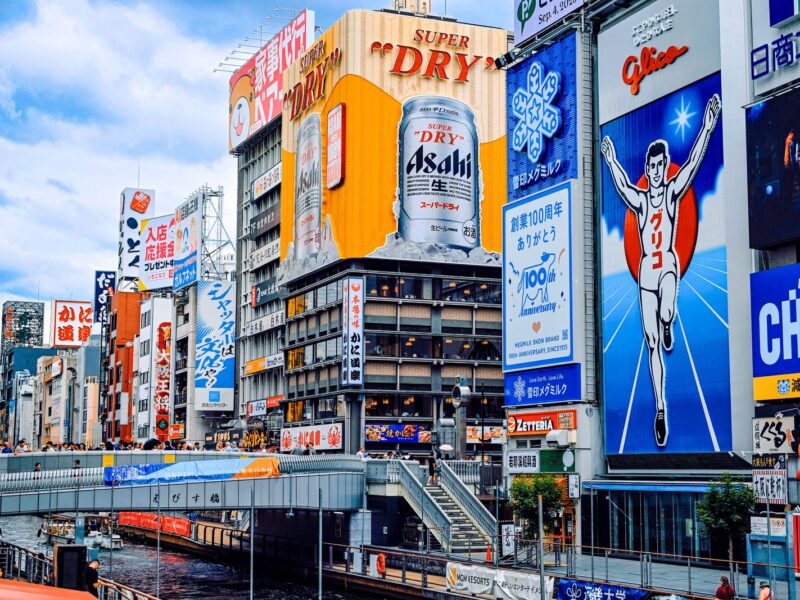
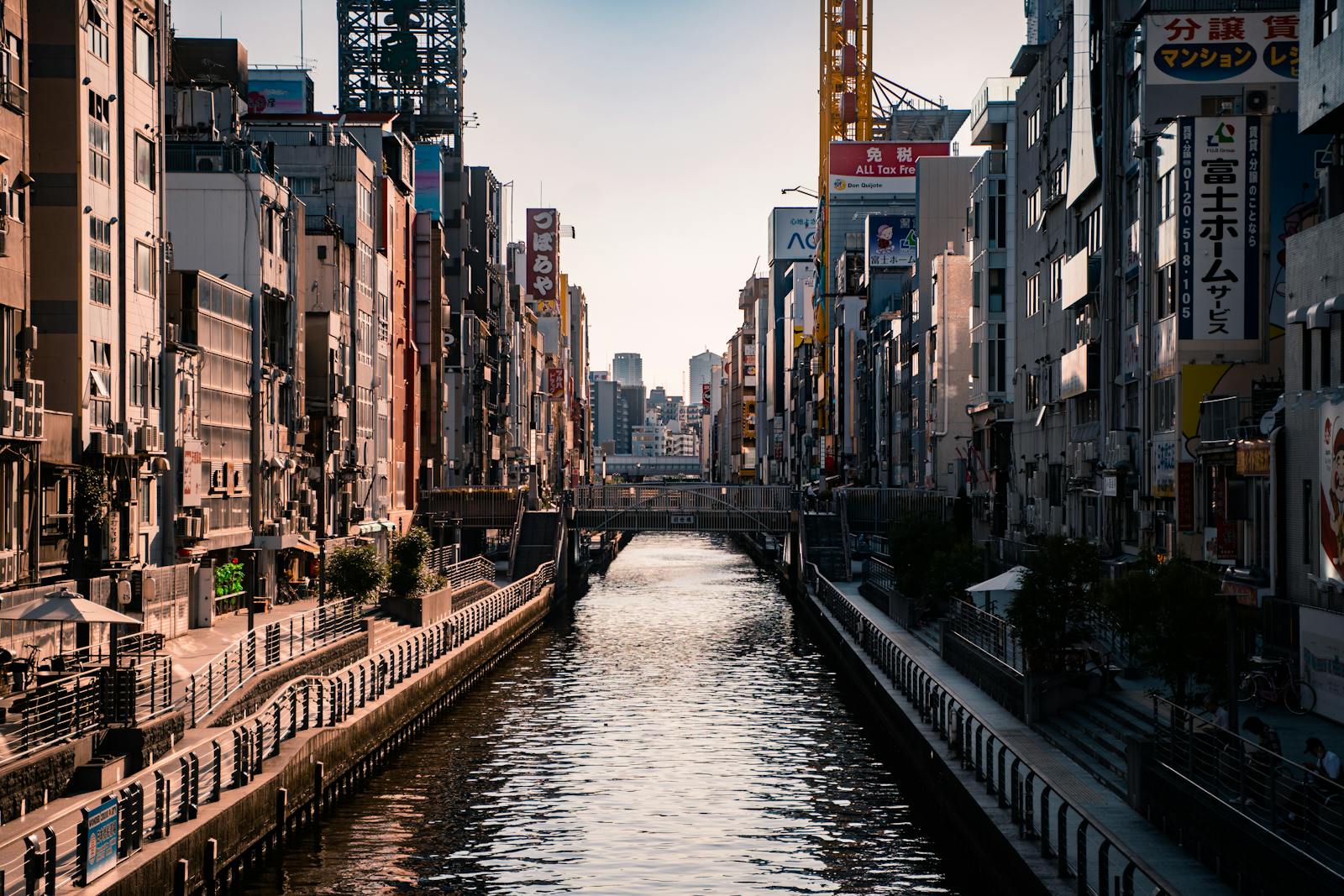
Kyoto and Osaka are close enough that people forget they are different kinds of city. Kyoto is a city of mornings: temples that open at dawn, gardens at their quietest before the tour groups arrive, lanes that are lovely at eight and impassable at eleven. Osaka is a city of evenings: neon on the canal, a counter seat at a kushikatsu bar, a last bowl of ramen at midnight. Plan your days around that difference and you get the best of both. Fight it, by trying to see Kyoto in an afternoon or eat your way round Osaka at lunchtime, and you get the worst.
The good news is that the two cities are about half an hour apart by train, which makes almost any split possible. This Osaka Kyoto itinerary guide starts with the question that decides everything else, where to sleep, then gives day-by-day plans for four, five and seven days, a one-day Kyoto plan for travellers based in Osaka, and the train, luggage and timing details that make the plans work.
The short answer: how to split your time
| Trip length | Where to sleep | Osaka days | Kyoto days | Plan |
|---|---|---|---|---|
| 2–3 days | Osaka only | 1–2 | 1 | Kyoto as a day trip |
| 4 days | Osaka only | 2 | 2 | Four-day plan below |
| 5 days | 2 nights Kyoto, 3 nights Osaka | 2½ | 2½ | Five-day plan below |
| 7 days | 3 nights Kyoto, 4 nights Osaka | 3 | 3, plus Nara | Seven-day plan below |
Our general rule is simple. Under five days, keep one base, and make it Osaka. From five days up, spend at least two nights in Kyoto, because the reason to sleep there is to be out of the door at seven and at Fushimi Inari or Kiyomizu-dera before the day-trippers. If you only have a weekend in the region, see our 2 days in Osaka plan and treat Kyoto as a separate trip another time.
Osaka base, Kyoto base, or both?
The case for staying in Osaka
Osaka is the easier base. It has more hotels across every price level, it is the arrival city for Kansai Airport, and its evenings are its strength, so you are already where you want to be at dinner time. Umeda, the area around Osaka Station, is the most practical neighbourhood for Kyoto days, because JR, Hankyu and the subway all start there; our Umeda hotels guide has the options. Namba is livelier at night and has the Keihan line within reach via Yodoyabashi, a few stops up the Midosuji line; see Namba hotels. Our main where to stay in Osaka guide compares every area.
The cost is the commute. Two Kyoto days from Osaka mean four train journeys of 30 to 50 minutes each way, plus getting to and from the stations at both ends. That is fine for two days. For four, it starts to eat into the trip.
The case for staying in Kyoto
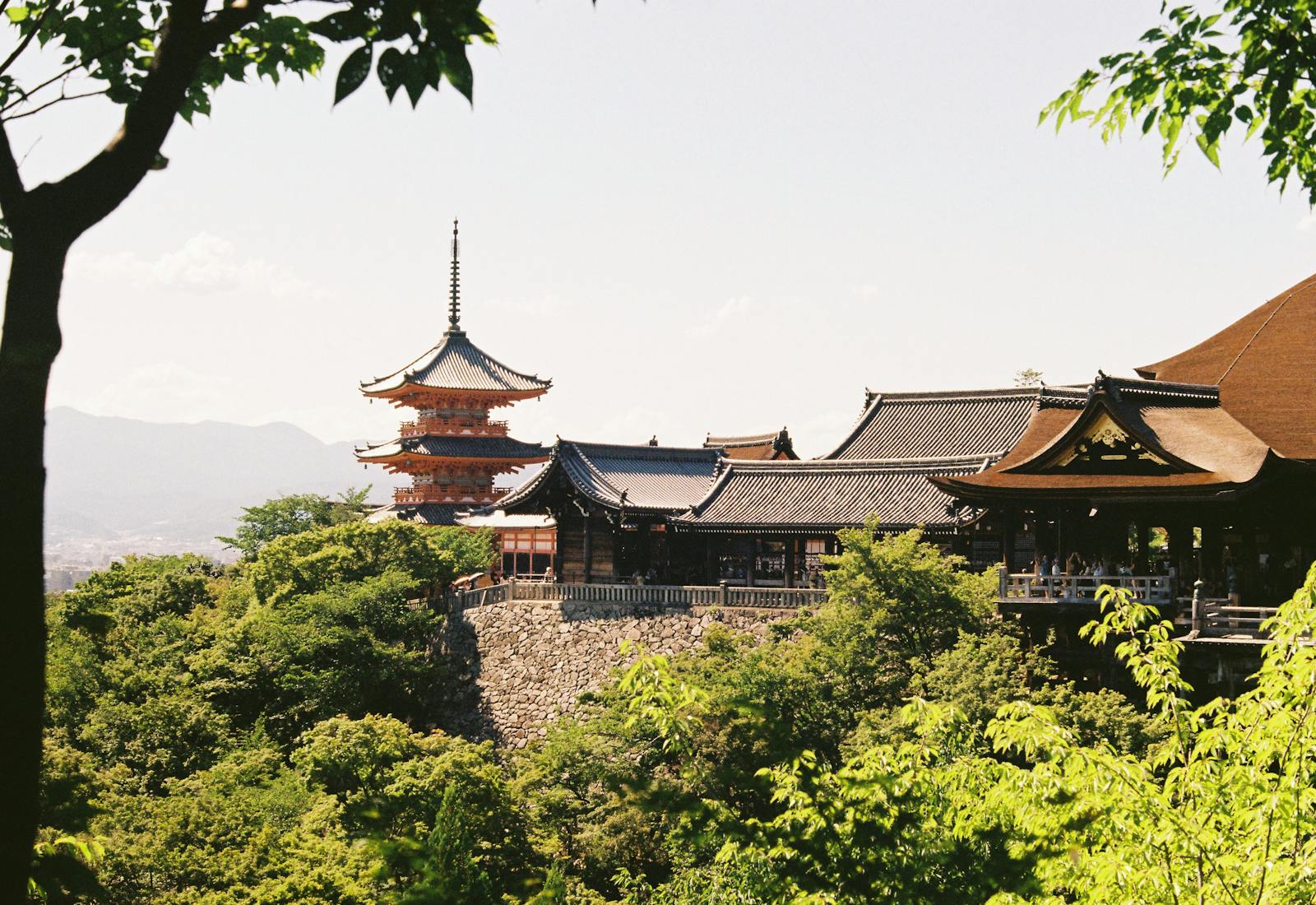
Kyoto’s temples open early, and the early hours are the best ones. Kiyomizu-dera opens at 6am all year. A traveller sleeping in Higashiyama can be on its wooden stage before the crowds, walk down Sannenzaka while the shops are still shuttered, and be at breakfast by nine. A traveller coming from Osaka will rarely manage that.
Staying in Kyoto now costs a little more in tax than it did. From 1 March 2026 the city’s accommodation tax is charged per person per night on a sliding scale by room rate: ¥200 under ¥6,000, ¥400 from ¥6,000 to ¥19,999, ¥1,000 from ¥20,000 to ¥49,999, ¥4,000 from ¥50,000 to ¥99,999, and ¥10,000 from ¥100,000. For a mid-range double, that is ¥400 or ¥1,000 per person per night on top of the room. It will not change most people’s plans, but it is worth knowing before you compare prices.
Our verdict
Two bases is the best plan for five days or more, and Kyoto first is usually the better order: do the early mornings while you are fresh and still on jet lag, then finish in Osaka, which is where Kansai Airport flights leave from and where the food is best for a last night. If you arrive at Kansai Airport and want to go straight to Kyoto, our Kansai Airport to Osaka guide covers the trains; the HARUKA continues to Kyoto.
Getting between Osaka and Kyoto
Three conventional lines and the Shinkansen connect the two cities. The right one depends on where in each city you are starting and finishing, not on which is fastest on paper.
| Line | Osaka station | Kyoto station | Journey time | Best for |
|---|---|---|---|---|
| JR Special Rapid | Osaka (Umeda) | Kyoto Station | About 30 minutes | Fushimi Inari, Kyoto Station hotels, onward JR lines |
| Hankyu Kyoto Line | Osaka-umeda | Kyoto-kawaramachi | About 45 minutes | Downtown Kyoto, Nishiki Market, Gion; Arashiyama with a change at Katsura |
| Keihan Main Line (Limited Express) | Yodoyabashi | Gion-shijo, Sanjo | About 48 minutes | Gion, Higashiyama; Fushimi Inari on the way |
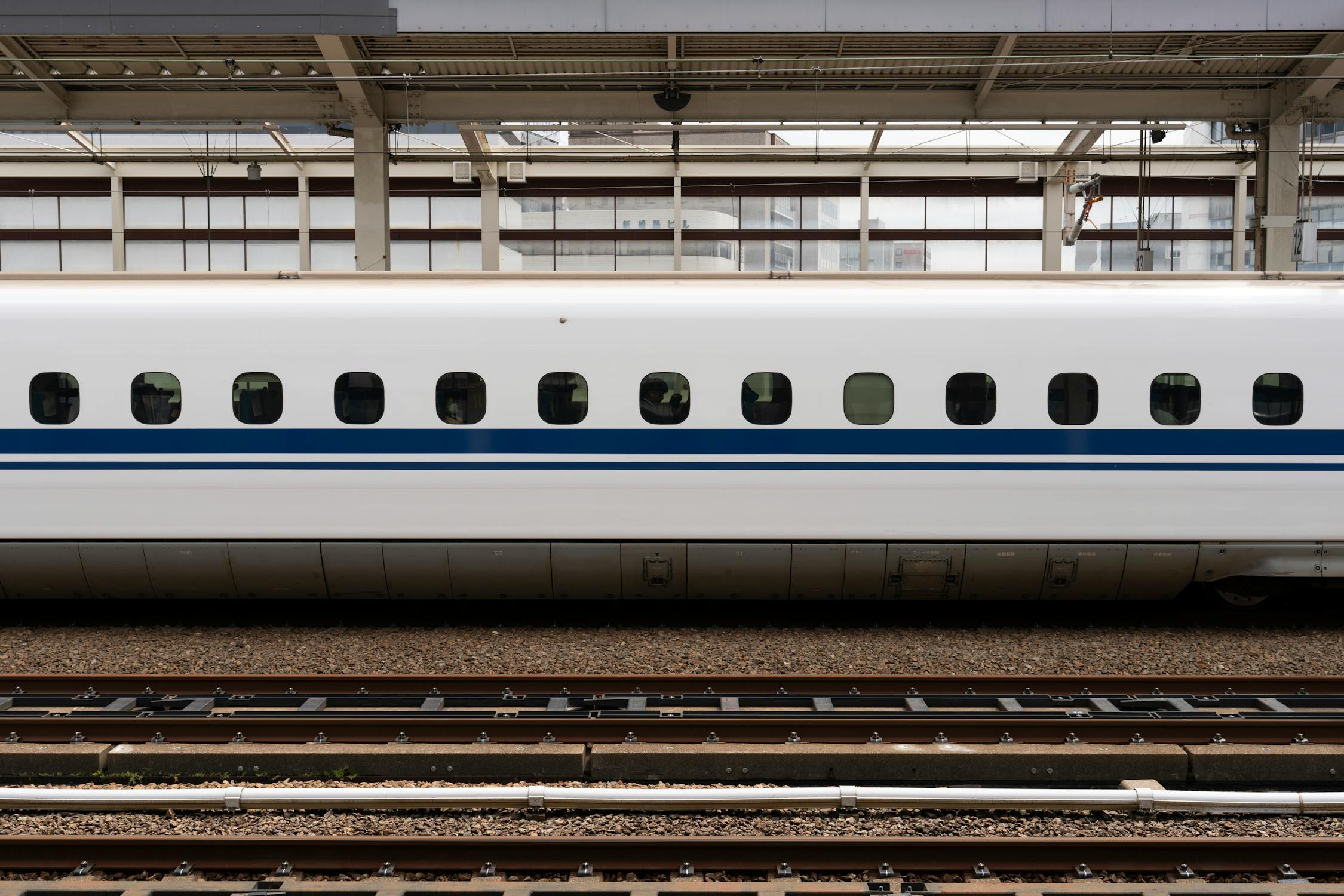
| Tokaido Shinkansen | Shin-Osaka | Kyoto Station | The shortest ride | JR Pass holders already at Shin-Osaka |
For most Kyoto days the private lines are the better choice: Hankyu and Keihan deliver you into the middle of the city, by the river and a short walk from Gion, while JR drops you at Kyoto Station, south of the centre, where most people then need a bus or the subway. JR wins for Fushimi Inari, two stops and about five minutes up the JR Nara Line from Kyoto Station to Inari, which is right beside the shrine. The Shinkansen is rarely worth it for this trip: Shin-Osaka is out of the way for most hotels, and the time saved on the train disappears getting there.
Fares are charged by distance and differ by line, so check the fare on the ticket machine or tap through with an IC card. A visitor ICOCA costs ¥2,000, including a ¥500 deposit, and works on JR, Hankyu, Keihan, the Osaka Metro and Kyoto’s buses and subway; our ICOCA guide explains how to buy and top it up. Our Osaka to Kyoto guide goes into every route in detail.
Is a rail pass worth it?
Usually not for a trip that only covers Osaka and Kyoto, because each journey is short, and a rechargeable IC card covers the fares. JR West’s Kansai Area Pass is no longer on sale (sales ended on 30 September 2026), so check JR West’s website for the passes currently offered. Do the maths against your actual plan in our Kansai rail passes guide; the nationwide JR Pass is covered in JR Pass for Osaka and Kansai.

Three days: a taste of both
Three days is tight for two cities, and the honest advice is to give Osaka two of them and Kyoto one. Stay in Osaka throughout, ideally near Umeda or Yodoyabashi so the Kyoto morning starts on your doorstep.
- Day 1, Osaka: Osaka Castle in the morning, Kuromon Market for lunch, an afternoon in Shinsaibashi or Amerikamura, and Dotonbori at night.
- Day 2, Kyoto: the one-day plan below: Fushimi Inari at 8am, Kiyomizu-dera, Higashiyama, Gion and Nishiki Market, back to Osaka for dinner.
- Day 3, Osaka: Shinsekai and kushikatsu, Tennoji, then Umeda and a view from one of the observation decks before you leave.
The temptation on a three-day trip is to squeeze a second Kyoto day in at the expense of Osaka, on the grounds that Kyoto has more famous sights. Resist it, unless temples are the whole point of your trip. Two rushed Kyoto days and one rushed Osaka evening leave you with the worst of both: the crowds of Kyoto at midday and none of Osaka’s nights.
Four days: Osaka base, two days in each city
This is the plan for most first-time visitors with four days in the region. You keep one hotel in Osaka the whole time and do Kyoto as two day trips. Days 2 and 3 can be swapped to suit the weather, but keep Kyoto’s eastern side on one day and its western side on the other.
Day 1: Osaka, castle to canal
- Morning: Osaka Castle. Walk the outer moats and gates first, then go up the main tower when it opens at 9am; adult entry is around ¥1,200 (a 2026 figure, so check before you go).
- Lunch: Kuromon Market, a short hop south by subway. Graze, but set a budget: prices here are pitched at visitors.
- Afternoon: walk north through Shinsaibashi’s covered shopping street, or rest at the hotel. Kyoto days start early.
- Evening: Dotonbori after dark, the canal, the signs and the food stalls. Takoyaki and okonomiyaki for dinner; our Osaka food guide has the places worth queuing for, and the ones that are not.
Day 2: Kyoto east, Fushimi Inari to Gion
- 7:00: JR from Osaka to Kyoto, then the JR Nara Line two stops to Inari. Be at Fushimi Inari by eight. The lower gates are crowded by mid-morning; the higher you climb, the quieter it gets. Turn back at the Yotsutsuji crossing, about halfway up, unless you have the legs for the whole loop.
- 10:30: Keihan from Fushimi-inari, about five minutes’ walk from the shrine, north to Kiyomizu-gojo, then walk up to Kiyomizu-dera. It will be busy by now; that is the price of not sleeping in Kyoto.
- 12:30: lunch in Higashiyama, then walk down Sannenzaka and Ninenzaka, the stepped lanes of old wooden shops, towards Yasaka Shrine.
- 15:00: Gion, the Shirakawa canal and the side streets around Hanamikoji. Look, don’t chase anyone with a camera.
- 17:00: Keihan from Gion-shijo back to Osaka, dinner in Osaka.
Day 3: Kyoto west, Arashiyama and Kinkaku-ji
- 7:30: Hankyu from Osaka-umeda, changing at Katsura, to Arashiyama. Walk the bamboo grove first, before the crowds; it is not a long walk, and at midday it is shoulder to shoulder.
- 8:30: Tenryu-ji, whose garden opens at 8:30am (last entry 4:50pm), around ¥500 for adults in 2026. From 14 to 30 November 2026 the Sogen Pond Garden opens early, at 7:30am, for the autumn colours.
- 11:00: lunch in Arashiyama, then across the Togetsukyo Bridge for the river view. Our Arashiyama from Osaka guide covers the area in detail.
- 14:00: bus or taxi to Kinkaku-ji, the Golden Pavilion, open 9am to 5pm, ¥500 for adults. The visit takes under an hour: it is a one-way path round the pond, and the view across the water is the point.
- 16:30: back into town for Nishiki Market, the covered food street near Hankyu Kyoto-kawaramachi, then the Hankyu home. Stall hours vary and many shops close by late afternoon, so don’t leave it to the evening.
Kyoto’s city buses are the weak point of this day. They are cheap and they go everywhere, but in peak season the routes to Kinkaku-ji and Kiyomizu-dera are packed. The city runs some Sightseeing Limited Express bus routes for visitors; check Kyoto City Transportation’s website for the routes on your date. For a group of three or four, a taxi between Arashiyama and Kinkaku-ji costs little more per head than the bus and saves a lot of standing.
Day 4: Osaka south and north
- Morning: Shinsekai and Tsutenkaku Tower, then kushikatsu, battered and fried skewers, for an early lunch.
- Afternoon: Shitennoji or the Tennoji area, or shopping, depending on what you have left in you.
- Evening: Umeda for the view from the Umeda Sky Building or another of the observation decks, then dinner in the alleys around the station.
Five days: two nights in Kyoto, three in Osaka
Five days is where splitting your base starts to pay. You arrive, go straight to Kyoto, do two early mornings there, then move to Osaka for the second half.
Day 1: arrive, Kyoto evening
Arrive at Kansai Airport and take the HARUKA to Kyoto, or the train from Osaka if you are coming from Tokyo. Check in, then walk Gion and Pontocho, the narrow alley of restaurants along the river, in the evening. Keep dinner simple; tomorrow starts early.
Day 2: Kyoto east, early
- 6:30: Kiyomizu-dera, which opens at 6am. This is the reason to sleep in Kyoto: the stage, the view and the Otowa waterfall without the crowd.
- 8:00: Sannenzaka and Ninenzaka before the shops open, then Yasaka Shrine and Maruyama Park.
- Late morning: back to the hotel for a rest, or north along the Higashiyama hills towards Nanzen-ji and the Philosopher’s Path.
- Afternoon: Nishiki Market for a late lunch, then the shops of downtown Kyoto.
Day 3: Fushimi Inari, then move to Osaka
- 7:00: Fushimi Inari, before the crowds, with time to climb higher than a day-tripper would.
- 10:30: back to the hotel, collect your bags, and take the train to Osaka. If you have big cases, send them ahead: ask your hotel’s front desk about luggage forwarding, called takkyubin, the day before. Our Osaka luggage storage guide covers lockers and left-luggage at the Osaka end.
- Afternoon: Osaka Castle.
- Evening: Dotonbori.
Day 4: Osaka, food and neighbourhoods
Kuromon Market in the morning, Shinsekai and kushikatsu at lunch, and an afternoon in whichever neighbourhood suits you: Amerikamura for vintage shops, Nakazakicho for cafes, Den Den Town for anime and games. Spend the evening in Ura-Namba, the bar streets behind Namba Station. Our 3 days in Osaka plan has more ideas for filling Osaka days.
Day 5: Arashiyama from Osaka, or Nara
Use the last full day for a half-day trip. Arashiyama is direct from Osaka on the Hankyu with one change, so it works well from an Osaka base; or go to Nara for the deer and Todai-ji instead, with our Nara day trip guide. Either way, be back in Osaka for a last dinner.
Seven days: Kyoto, Nara and Osaka properly
With a week, you can slow down. This plan gives Kyoto three nights and Osaka four, adds Nara as a day trip from Osaka, and leaves a day free for Universal Studios Japan or a second day trip.
- Day 1: arrive, Kyoto. Gion and Pontocho in the evening.
- Day 2: Kyoto east at dawn: Kiyomizu-dera at opening, Higashiyama, Yasaka Shrine, Nanzen-ji and the Philosopher’s Path.
- Day 3: Kyoto west: Arashiyama at 7:30am, Tenryu-ji, then Kinkaku-ji in the afternoon. Nishiki Market on the way back.
- Day 4: Fushimi Inari at 7am, then move to Osaka. Osaka Castle in the afternoon, Dotonbori at night.
- Day 5: Osaka: Kuromon Market, Shinsekai, Tsutenkaku, Tennoji; Umeda in the evening.
- Day 6: Nara day trip, back by late afternoon for a quieter evening.
- Day 7: free day: Universal Studios Japan, Kobe, or Himeji Castle. Fly home from Kansai Airport the next morning.

Kyoto in one day from Osaka
If you only have one day for Kyoto, accept that you will see a third of it, and choose the eastern side. Fushimi Inari, Kiyomizu-dera and Gion line up along the Keihan Main Line, which runs from Yodoyabashi in central Osaka, so the whole day needs only trains and walking.
- 7:00: Keihan from Yodoyabashi to Fushimi-inari. Shrine by 8, as far up as Yotsutsuji.
- 10:00: Keihan north to Kiyomizu-gojo, walk up to Kiyomizu-dera.
- 12:00: lunch, then Sannenzaka, Ninenzaka and Yasaka Shrine.
- 14:30: Gion and Shirakawa.
- 16:00: Nishiki Market, a short walk west across the river, before the shops start to close.
- 17:30: Hankyu from Kyoto-kawaramachi straight back to Osaka-umeda, or Keihan from Gion-shijo to Yodoyabashi.
Do not try to add Arashiyama or Kinkaku-ji to this day. They are on the far side of the city, and the bus journey across will cost you the afternoon. Our Kyoto day trip guide has more on the one-day version.
When to go: seasons and the autumn colours
Kyoto’s two great seasons are spring blossom and autumn leaves, and both are also its most crowded. Forecasts for autumn 2026 point to a later-than-average season, with the peak in Kyoto from late November into early December. Forecasts are updated through the season, so check the latest from Weathernews or the Japan Meteorological Corporation before you travel.
If you are visiting in late November, a few details change the plans above:
- Kiyomizu-dera holds evening illuminations from 21 to 30 November 2026, open to 9:30pm with last entry at 9pm. That is a reason to stay in Kyoto at least one night that week.
- Tenryu-ji’s Sogen Pond Garden opens at 7:30am from 14 to 30 November.
- Everything is busier. Start earlier, and book hotels in Kyoto well ahead.
Osaka’s autumn is gentler and less crowded, and is covered in our Osaka in autumn guide.

Adjusting the plans
If it rains
Rain hits Kyoto plans harder than Osaka ones, because so much of Kyoto is gardens and outdoor temple grounds. Swap days rather than abandon them: move a Kyoto day to the next dry one and spend the wet day in Osaka, where the covered shopping streets of Shinsaibashi and Tenjinbashi-suji, the underground malls of Umeda and the museums keep you dry. Our rainy day Osaka guide has the full list. Fushimi Inari is the one Kyoto sight that works in light rain: the gates give some shelter, the crowds thin out, and the wet stone paths and moss are at their most atmospheric.
If you are travelling with children or at a slower pace
Cut each Kyoto day to one cluster and a long lunch, and drop the dawn starts in favour of a single early morning at whichever place matters most to you. Fushimi Inari’s lower gates, Arashiyama’s bamboo grove and the deer in Nara all work well with children; long temple interiors and shopping lanes less so. In Osaka, the Kaiyukan aquarium makes an easy half-day, and our Osaka with kids guide has more.
If you only care about food
Flip the balance. Give Osaka the extra day, eat your way through Kuromon, Shinsekai and the back streets of Namba, and use Kyoto for one long morning: Fushimi Inari early, then Nishiki Market for a slow, grazing lunch, and the train home in time for dinner.
Mistakes to avoid
- Starting Kyoto at 10am. By then the famous places are at their worst. Leave Osaka by 7am, or sleep in Kyoto.
- Crossing Kyoto twice in a day. Kyoto’s sights cluster east, west and south. Do one cluster per day, and Fushimi Inari on whichever day is closest.
- Living on Kyoto’s buses. Use trains where you can: Keihan along the east side, Hankyu or JR to Arashiyama, the subway across the middle.
- Eating dinner in Kyoto every night. Kyoto’s restaurants are wonderful but it is a quieter city at night, and many places close early. Osaka is where you want to be at nine o’clock.
- Dragging cases on trains. Send them ahead, or travel between bases mid-morning when trains are quieter.
- Trying to see everything. Kyoto has far more temples than anyone can visit. Five well-chosen places on a slow morning beat twelve in a blur.
For a sense of what a trip like this costs, see our Osaka trip cost breakdown.
Osaka Kyoto itinerary FAQ
Is it better to stay in Osaka or Kyoto?
For trips under five days, stay in Osaka and visit Kyoto by train: Osaka has more hotels, it is closer to Kansai Airport, and its evenings are livelier. For five days or more, split your stay, with at least two nights in Kyoto so you can be at the temples when they open.
How many days do you need for Osaka and Kyoto?
Four days is a good minimum, two in each city. Five lets you sleep in both, and seven adds Nara and a free day without rushing.
Can you do Kyoto as a day trip from Osaka?
Yes. The JR Special Rapid takes about 30 minutes from Osaka Station to Kyoto Station, and the Hankyu and Keihan lines about 45 to 50 minutes into central Kyoto. One day is enough for the eastern side, from Fushimi Inari to Gion, if you start early.
How much is the train from Osaka to Kyoto?
Fares are charged by distance and vary by line, so check the fare on the station ticket machine, or simply tap in and out with an ICOCA card. The Shinkansen costs considerably more than the conventional lines and is rarely quicker door to door.
Is the JR Pass worth it for Osaka and Kyoto?
Not for those two cities alone, because each journey is short. A rechargeable IC card covers the fares; JR West’s Kansai Area Pass is no longer on sale, so check JR West’s website for the passes currently offered.
Should I go to Kyoto or Osaka first?
Kyoto first, if you are splitting your stay. Early mornings are easier at the start of a trip, and finishing in Osaka puts you closer to Kansai Airport for the flight home.
Plan the rest of the trip
Our Osaka itinerary hub has plans for every trip length, from two days and three days to a Japan itinerary with Tokyo. For the day trips themselves, start with day trips from Osaka, and for the train details, Osaka to Kyoto.