This article contains advertising. Our booking links are routed through a partner that adds commission tracking automatically, so if you book through one we earn a commission from the provider, at no extra cost to you. It never affects what we recommend. Affiliate disclosure
Tokyo’s Akihabara is a destination. Nipponbashi is a neighbourhood. That difference is the whole argument for shopping for anime in Osaka: nobody is performing otaku culture here for a coach party, the shops are staffed by people who genuinely know their stock, and the second-hand prices are noticeably kinder because the demand is domestic rather than international. Akihabara is where the world goes. Den Den Town is where Kansai actually buys its figures.

This guide covers the whole Osaka anime and gaming landscape: the district itself and how to read it, the official character stores clustered above Osaka Station, the arcades, the retro-game shops, gachapon, the maid-cafe question, and what is genuinely worth the money against what is a tourist markup. It also tells you what to skip, which most guides to this subject will not.
Nipponbashi Den Den Town
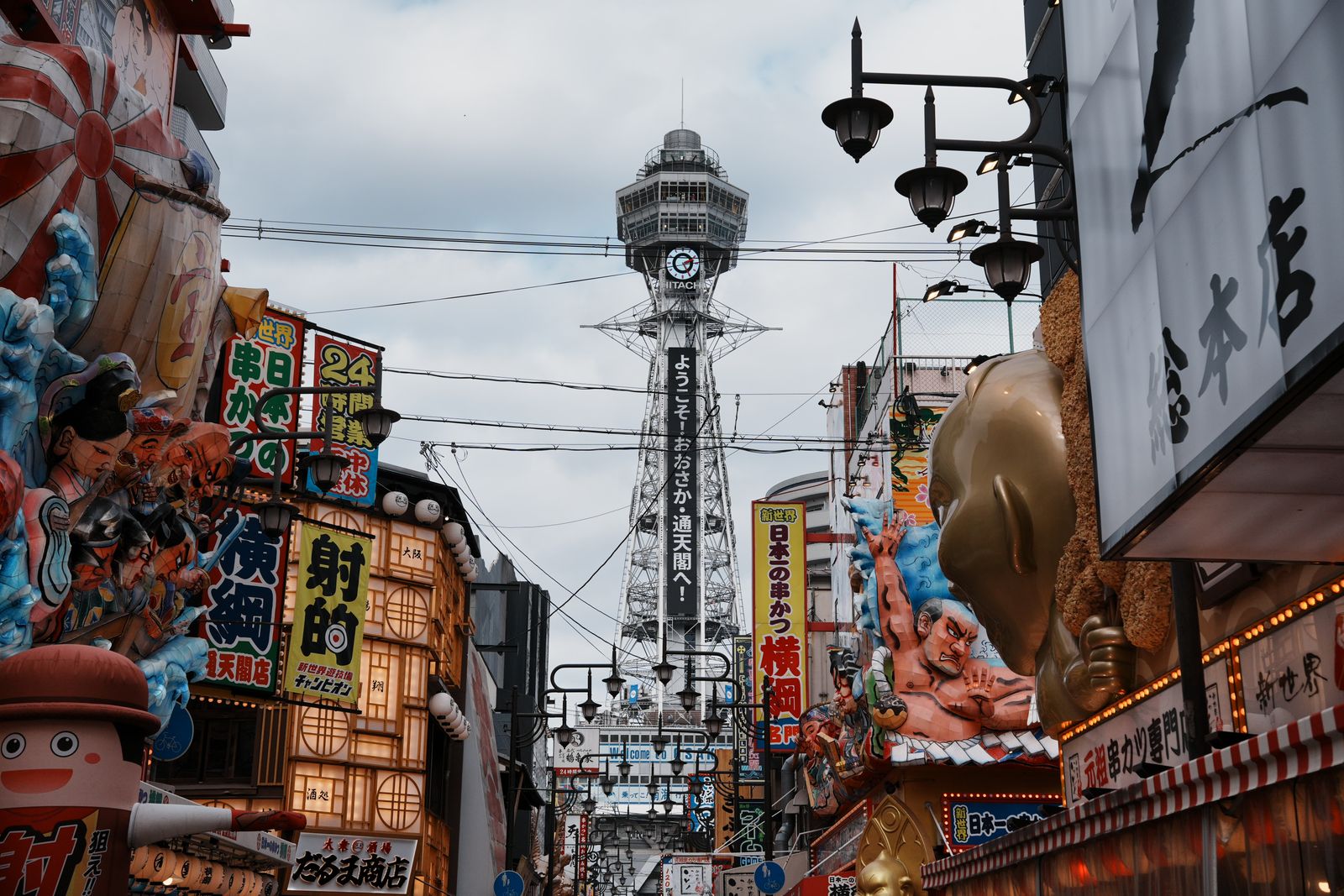
Den Den Town sits immediately south of Namba, a ten-minute walk from Dotonbori or one stop on the Sakaisuji line to Ebisucho. It was an electronics district first — den from denki, electricity — and turned otaku somewhere in the 1990s as the electronics trade moved online. Around 150 specialist shops operate here now.
Sakaisuji versus Ota Road
This is the single most useful thing to understand about the district, and almost nobody explains it. Den Den Town is two parallel streets doing different jobs.
- Sakaisuji Avenue is the wide main road: electronics, cameras, audio, tax-free chain stores, the big multi-floor operations. Functional, bright, busy with traffic.
- Ota Road (Otaroad), the narrow lane running parallel one block west, is the anime and manga heart. Figures, doujinshi, cosplay supplies, second-hand shops, and every maid cafe in the district. This is the street people mean when they say Den Den Town.
If you have one hour, spend it on Ota Road and ignore Sakaisuji entirely. Our Den Den Town guide and Den Den Town shopping guide go shop by shop; this page is the wider picture.
The shops worth your time
- Mandarake — the essential stop. Multi-floor second-hand everything: manga, figures, cels, doujinshi, vintage toys. Prices are graded by condition and the grading is honest. Budget an hour minimum.
- Animate — new goods, current series, the reliable option if you want something specific from something airing now.
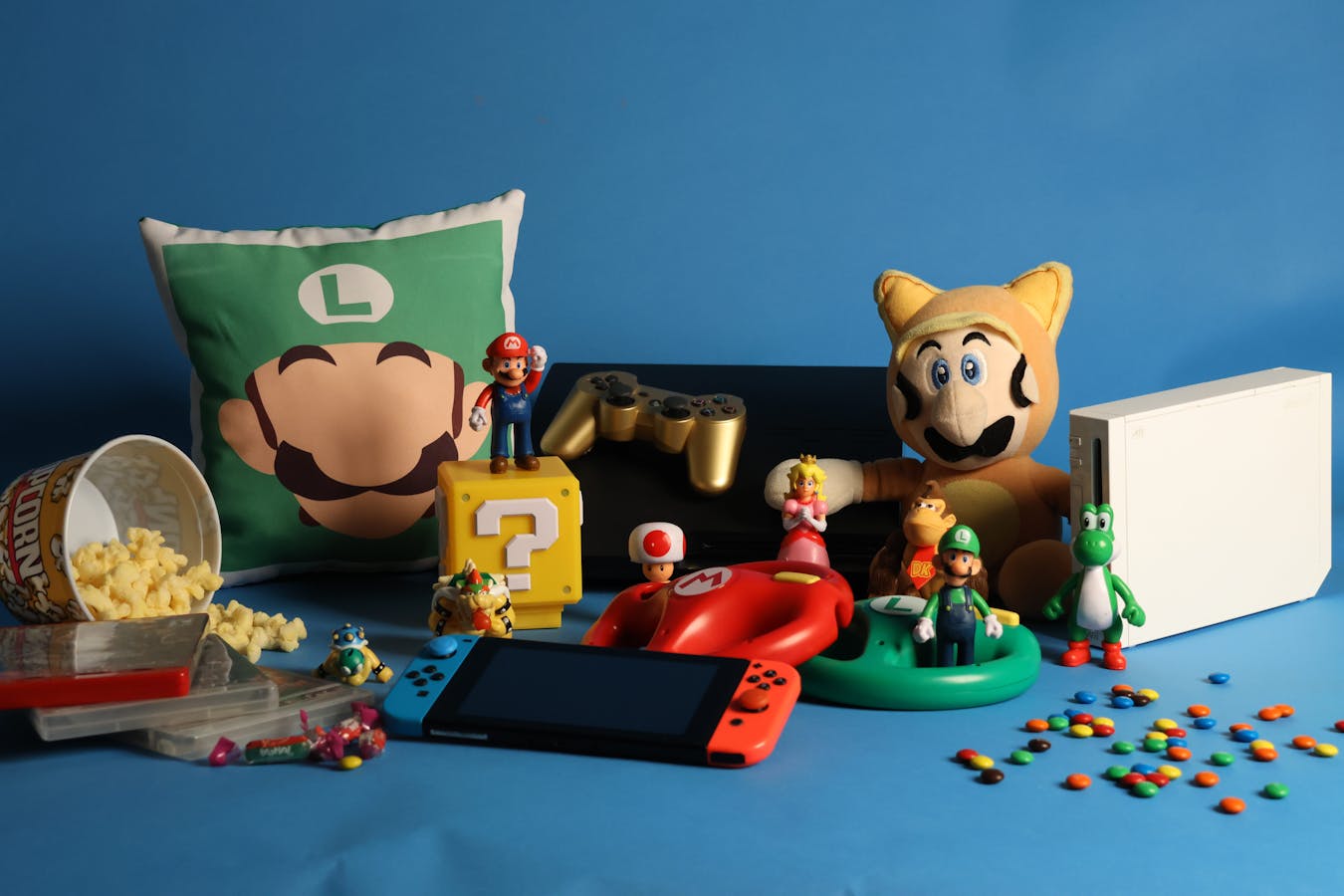
- Super Potato and the retro-game shops — Famicom, Super Famicom, PC Engine, boxed and loose. Prices have risen sharply as retro gaming globalised, but Osaka is still cheaper than Tokyo.
- Jungle, Volks and the model shops — Gunpla, garage kits, resin figures. The Gunpla stock here beats most of Tokyo outside Akihabara itself.
- The doujinshi shops — fan-made work, much of it not exported and unavailable anywhere else. Note that upper floors are frequently adults-only and signed as such; the age restriction is enforced.
What is overrated in Den Den Town
- The tax-free electronics chains on Sakaisuji. Prices on cameras and appliances are no better than anywhere else and often worse than online. The tax-free window is genuinely useful; the shops are not special.
- Blind-box “mystery” figure lots. They are what they sound like.
- Anything advertised in four languages on a pavement A-board. The good shops in this district do not need to advertise to you.
The Umeda option: Daimaru’s Characters World
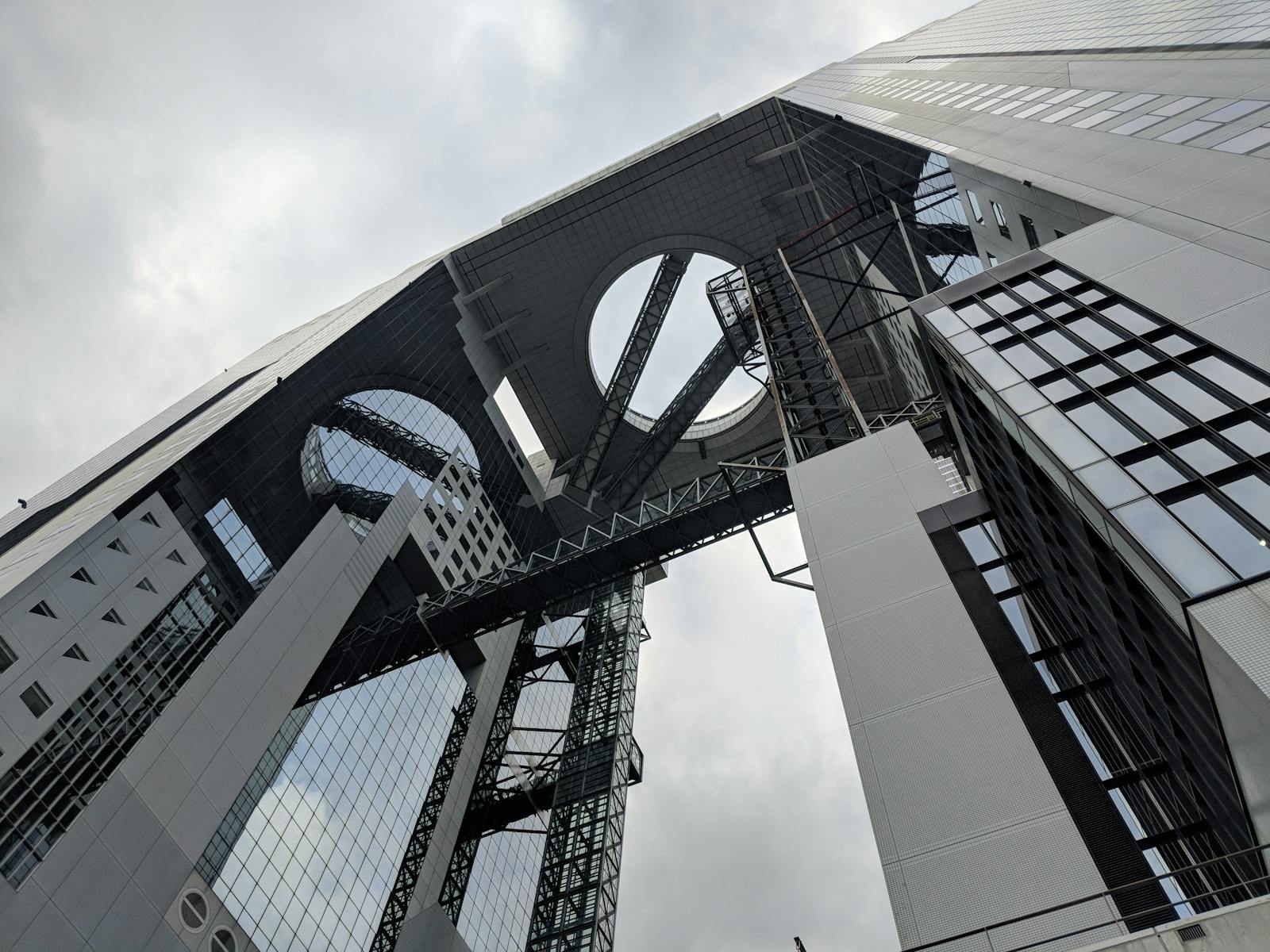
If Den Den Town’s second-hand chaos is not what you want — if you want official merchandise, boxed, new, and all in one place — go to the thirteenth floor of Daimaru Umeda instead. It sits directly beside the central entrance to JR Osaka Station, which makes it the easiest pop-culture stop in the city.
On that one floor:
- Nintendo OSAKA — the city’s only official Nintendo store, open since November 2022. Open 10:00–20:00 daily. Exclusive merchandise you will not find elsewhere, and a queue system on busy weekends.
- Pokémon Center Osaka — the regional flagship, with Kansai-exclusive items.
- CAPCOM Store & Cafe — Monster Hunter, Street Fighter, Resident Evil merchandise plus a themed cafe.
- ONE PIECE Mugiwara Store, and Tomica and Plarail shops for younger children.
Honest comparison: Umeda is for buying new official goods efficiently. Den Den Town is for hunting. If you have half a day, do Den Den Town. If you have forty minutes between trains, do Daimaru. Our Umeda guide and department stores guide cover the rest of the building, which is one of the better food halls in the city.
Over at Abeno, CAPCOMIX opened at Abeno Hoop in March 2026 — an interactive Capcom attraction rather than a shop, and a reasonable pairing with Abeno Harukas. See our Tennoji and Abeno guide.
Arcades and game centres
Japanese arcades did not die, and Osaka’s are excellent. Round1, Taito Station, GiGO and Sega branches cluster around Namba, Dotonbori and Den Den Town, typically running from late morning until midnight or later.
What each floor tends to hold, bottom to top: crane games and prize machines at street level, then rhythm games, then fighting and racing cabinets, then purikura photo booths, then sometimes darts and billiards. Rhythm-game floors in Osaka are genuinely competitive and worth watching even if you do not play — the standard at maimai and Chunithm cabinets is extraordinary.
- Crane games cost about ¥100–200 a go and are calibrated to make you spend more than the prize is worth. Staff will often reposition a prize if you ask after several failed attempts. Set a limit before you start.
- Purikura booths are usually women-and-couples only in the busier arcades, and the signs saying so are enforced. This surprises visiting groups of men regularly.
- Round1 Stadium branches add bowling, karaoke and sports floors, which makes them a good rainy-afternoon option with teenagers — see rainy day Osaka.
Arcades are also the cheapest entertainment in central Osaka. An hour costs a few hundred yen if you are disciplined, against ¥3,000 for almost anything else. Worth knowing if you are working to the numbers in our budget travel guide.
Retro games and second-hand hunting
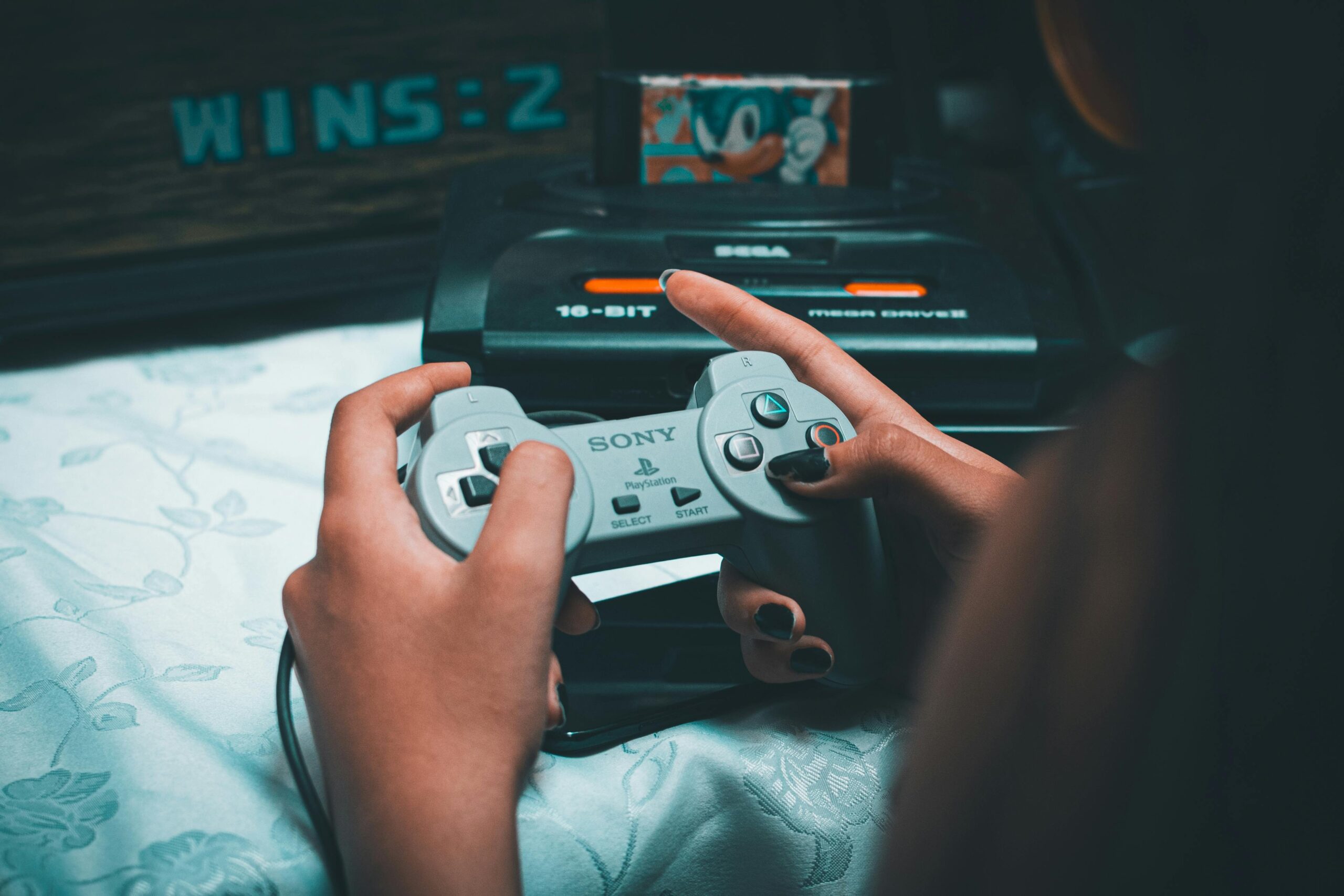
Three practical warnings before you buy hardware, because this is where visitors most often waste money.
- Region locking is real on most pre-Switch Nintendo hardware and on PlayStation up to the PS3. A Japanese Famicom cartridge will not run in a Western console without an adapter or a modded machine.
- Japan runs 100V. Most modern power supplies handle it; older consoles and their original adapters may not be happy at 120V and definitely not at 230V.
- Grading matters. Japanese second-hand shops grade rigorously — a box marked as having minor damage genuinely has minor damage. Buying the ungraded loose cartridge instead of the boxed copy typically saves seventy per cent.
Manga is the sleeper buy. A used volume in a Book-Off or Mandarake runs around ¥110–300, which is a fraction of what the same book costs translated abroad. If you read Japanese even a little, this is the best-value souvenir in Osaka — better than most things in our souvenirs guide. Claim the tax-free refund over ¥5,000 with your passport; see tax-free shopping.
Gachapon

Capsule-toy machines are everywhere — whole shops of them in Den Den Town, banks of them in every arcade and station concourse. A turn costs roughly ¥300–500. The series are frequently strange in a way that is the entire appeal: office-worker cats, miniature furniture, anatomically detailed sushi.
Two things people learn too late. Most machines take ¥100 coins only, and change machines are not always nearby, so break a note early. And you get a random item from the series, not the one on the poster — the small print lists how many variants there are. Trading with strangers at the machines is entirely normal and mildly delightful.
Maid cafes and themed cafes: the honest verdict
Ota Road has a concentration of maid cafes, and they are a genuine part of the district rather than a tourist confection. Whether you should go depends on what you expect.
What it actually is: a cover charge of roughly ¥1,000, plus overpriced drinks and food, in a bright room where staff in costume perform a scripted, deliberately artificial hospitality routine — songs, cheerful chants over your omurice, photographs at extra cost. Photography of the staff is otherwise banned, and the rule is not negotiable.
Our verdict: go once if you are curious, expect to spend ¥3,000–5,000, and understand it is a performance, not a bar. Do not go expecting anything else, and do not go expecting the food to be good. Anyone whose interest is in a genuinely good Osaka evening is better served by our nightlife guide, an Osaka karaoke box, or the standing bars in our izakaya guide.
Character and franchise cafes — Pokémon, Capcom, seasonal anime pop-ups — are a better bet for most visitors, especially with children. They take reservations, often weeks ahead, and the merchandise is usually the real draw. Our coffee and cafe guide covers the non-themed side of Osaka’s cafe culture, which is considerably stronger than its reputation.
Super Nintendo World and the theme-park end
The largest pop-culture attraction in Osaka is not in Den Den Town at all — it is at Universal Studios Japan in the bay, where Super Nintendo World is a physical Mushroom Kingdom with a Mario Kart ride and the Donkey Kong Country expansion. It is a controlled-entry area and it needs planning before you arrive, not on the day.
Full detail in our Super Nintendo World guide.
Universal Cool Japan, the park’s annual anime and game collaboration season, is frequently the best-executed thing in the park and changes every year. If a series you love is in the line-up, that alone can justify the ticket.
Cosplay in Osaka
Osaka is a friendlier city to cosplay in than most, but it has rules and they are social rather than legal, which makes them easier to break by accident.
- You do not travel in costume. Turning up to Den Den Town on a train in full kit marks you as a tourist immediately. Cosplayers change at the venue, at a paid changing space, or at a friend’s flat, and carry the costume in a case.
- Paid changing rooms exist around Nipponbashi and near the big event venues, typically charging a few thousand yen for the day with mirrors, lockers and space to do hair. Book them for Street Festa; they sell out.
- Ask before photographing anyone. Always, without exception. A cosplayer standing in a designated photo area is inviting it; one walking to a venue is not. The standard is to make eye contact, gesture at your camera, and wait for the nod.
- Weapons and props have to be obviously fake, and there are size limits at organised events. Metal is out everywhere.
- Buying costumes is easy on Ota Road — wigs, contacts, shoes, full sets. Circle lenses are sold widely and the fitting advice is not medical advice; buy those at home.
Outside organised events, cosplay on the street is uncommon in Osaka and will get you looked at. Nobody will be rude about it. They will simply assume there is an event on.
What things actually cost
| Item | Rough 2026 price | Worth it? |
|---|---|---|
| Used manga volume | ¥110–300 | The best-value souvenir in the city |
| Gachapon turn | ¥300–500 | Yes, once. Then stop. |
| Arcade credit | ¥100–200 | Cheapest entertainment in central Osaka |
| Crane game session | ¥1,000+ realistically | No. The prize is worth less. |
| Standard scale figure, new | ¥8,000–25,000 | Only for something you cannot get at home |
| Second-hand figure, graded | ¥2,000–10,000 | Yes — this is why you came to Osaka |
| Maid cafe visit | ¥3,000–5,000 | Once, as an experience, not as a meal |
| Gunpla kit | ¥1,500–8,000 | Cheaper than abroad, and the range is far wider |
The general rule: new official goods cost roughly what they cost anywhere, minus the tax-free refund. Second-hand goods, manga and Gunpla are dramatically cheaper here, and that is where a shopping budget should go. Our Osaka trip cost page has the wider numbers.
Getting it home
The thing nobody plans for is volume. A single scale figure box is the size of a shoebox, and four of them will not fit in a carry-on you also need clothes in.
- International shipping from Japan Post is reliable and reasonable. Larger branches handle EMS and surface mail, and surface is dramatically cheaper if you can wait six to eight weeks. Bring the items unwrapped; boxes are sold at the counter.
- Some shops ship for you, particularly the larger second-hand chains. Ask before you pay — tax-free goods have paperwork implications if they are posted.
- Tax-free purchases are technically meant to leave the country with you, and the paperwork is attached to your passport. Keep it until you fly.
- Buy the bubble wrap. A hundred yen of packaging saves a broken figure and a long silence on the flight home.
Beyond Osaka: the Kansai pop-culture map
Osaka is the shopping. The wider region has the museums and the set-pieces, and the trains make them straightforward.
- The Kyoto International Manga Museum — a converted primary school holding an enormous open-shelf collection you are meant to sit and read. Thirty minutes from Osaka, and a genuinely good rainy afternoon. Check current admission before you go.
- Kobe — the Tetsujin 28 statue in Nagata, an eighteen-metre robot standing in a public park, is an odd and cheerful twenty-minute detour on a Kobe day trip.
- The Cup Noodles Museum at Ikeda, north of the city, is where instant ramen was invented and lets you design your own packet. More a family outing than an anime stop, but firmly in the same cultural territory — see Osaka with kids.
The rest of the region is mapped in our Kansai region guide.
Events worth planning around
- Nipponbashi Street Festa — the district’s own event and one of Japan’s largest cosplay gatherings, with well over 10,000 participants. The nineteenth edition is scheduled for Sunday 17 May 2026. Sakaisuji closes to traffic and the whole neighbourhood turns out. If your dates are anywhere near it, go.
- Comiket-adjacent doujinshi events run at Intex Osaka periodically. Smaller than the Tokyo originals and far easier to actually move around in.
- Seasonal anime pop-ups appear in the Umeda and Namba department stores constantly, usually for two to three weeks. Check the store event calendars when you arrive rather than planning ahead; they are announced late.
The wider calendar of Osaka events is in our festival calendar.
Osaka against Tokyo, honestly
| Den Den Town, Osaka | Akihabara, Tokyo | |
|---|---|---|
| Scale | About 150 shops, walkable in an afternoon | Considerably larger |
| Prices | Lower on second-hand, similar on new | Higher second-hand, more competition on new |
| Crowds | Mostly domestic, comfortable on a weekday | Heavily international, busy always |
| Staff English | Limited outside the chains | Better |
| Atmosphere | A working neighbourhood | A destination |
If you are doing both cities, buy in Osaka. If you are only in Osaka, you are not missing much beyond sheer volume.
A half-day Osaka anime route
- Late morning — Daimaru Umeda 13F for the official stores, before the weekend queues build.
- Midday — Midosuji line south to Namba, lunch in one of the cheap places around Sennichimae.
- Early afternoon — Ota Road on foot, north to south. Mandarake first while your patience holds.
- Mid-afternoon — the retro and model shops on the side streets, then a gachapon wall.
- Late afternoon — an arcade, top floor down.
- Evening — walk ten minutes north into Dotonbori and eat properly.
Two hours is enough for a browse. Half a day is right for a serious shop. A full day is only worth it if you are hunting something specific.
If your travel companion is not a fan
This is the situation most Osaka anime afternoons actually happen in: one person in the group cares enormously and the others are being good sports. Den Den Town is small enough that this works, if you plan it.
- Split for ninety minutes. Nipponbashi is a ten-minute walk from Namba and Dotonbori, so the non-fans can eat, shop the covered arcades, or sit in a coffee shop while the hunting happens. Nobody has to endure a fourth figure shop.
- The arcade is the shared bit. Rhythm games, crane machines and purikura work on people with no interest in anime whatsoever, and an hour costs a few hundred yen.
- Kuromon Market is five minutes east. Grilled scallops and fruit skewers are a considerably easier sell than doujinshi — see our Kuromon Market guide.
- Daimaru Umeda solves it completely. The character floor is one floor of a department store that also contains a very good food hall and eleven other floors of shopping. Everyone gets what they want in the same building.
The failure mode is booking a whole day. Two hours in Den Den Town is a fun detour; six hours is a relationship event.
Filling the rest of the evening
Den Den Town largely shuts between 19:00 and 20:00 — earlier than visitors expect, because it is a shopping district rather than a nightlife one. The arcades stay open late, but the shops do not, so do your buying in daylight and let the evening go elsewhere.
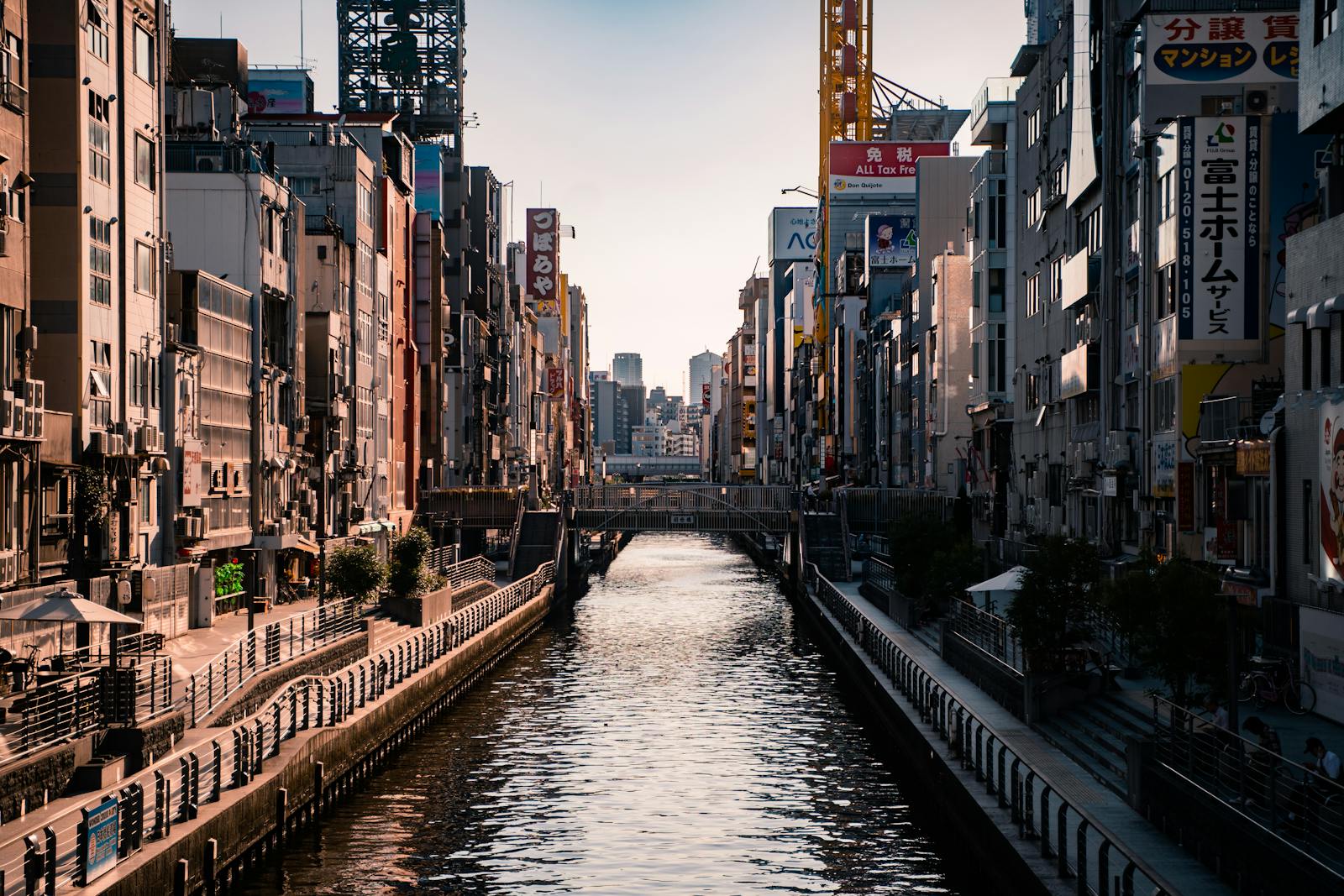
The natural progression is north: Ota Road to Sennichimae to Dotonbori is fifteen minutes on foot and moves you from shuttered shopfronts into the loudest street in Japan. From there, karaoke runs until dawn at around ¥1,000–2,000 an hour with drinks, and Ura Namba is the good version of an Osaka night out. If you would rather keep eating, late-night food in Osaka covers what is open at two in the morning, which is most things.
Practical notes
- Carry cash. The chains take cards; the small second-hand shops and gachapon walls do not.
- Bring or buy a bag. Figures come in large boxes and Japanese shops do not hand out carriers freely.
- Figures are fragile and boxes are the value. Hand luggage, not hold, for anything you care about.
- Tax-free needs your passport and a spend over ¥5,000 at a single shop on the same day.
- Photography inside shops is generally banned. Assume no unless a sign says otherwise.
- Store your luggage first. Den Den Town is not a place to drag a suitcase; see luggage storage.
More ground rules in our Osaka travel tips guide.
Osaka anime FAQ
Is Den Den Town better than Akihabara?
Smaller, cheaper on second-hand goods, and much less crowded. Akihabara has more stock and more English. If you are visiting both cities, do your buying in Osaka.
How long do I need in Den Den Town?
Two hours for a browse, half a day for a serious shop. Concentrate on Ota Road rather than the main Sakaisuji road, which is mostly electronics.
Where is the Pokémon Center in Osaka?
On the thirteenth floor of Daimaru Umeda, beside the central entrance of JR Osaka Station, alongside Nintendo OSAKA and the CAPCOM Store. It is the single easiest pop-culture stop in the city.
Are maid cafes worth it?
Once, if you are curious. Expect a cover charge around ¥1,000, total spend of ¥3,000–5,000, a scripted performance and mediocre food. It is a show, not a meal, and photographing staff is not allowed.
Can I buy Japanese games that work at home?
Switch games are region-free. Most older Nintendo and PlayStation hardware and software is region-locked, and Japanese consoles run on 100V power. Check both before buying anything you intend to play rather than display.
When is Nipponbashi Street Festa?
The nineteenth edition is scheduled for Sunday 17 May 2026. It is one of Japan’s biggest cosplay events and closes the main street to traffic. Confirm the date on the official site before booking around it.
Is Osaka good for anime fans travelling with children?
Yes, if you weight it towards Daimaru Umeda, the arcades and Super Nintendo World rather than Ota Road’s upper floors, several of which are adults-only. See Osaka with kids.
Where to go next
The two deep dives on the district are our Den Den Town guide and Den Den Town shopping. For the wider retail picture, see the Osaka shopping guide, vintage shopping and Shinsaibashi shopping.
For the neighbourhoods this sits in, read Namba, Shinsaibashi and Osaka neighbourhoods. If you want the odder corners of the city, unusual things to do in Osaka and hidden gems are the right places to start, and the Osaka itinerary hub will slot a pop-culture afternoon into a full trip.
The single most-searched stop on that list needs untangling first: there are two of them, in different districts, and only one has the cafe. Our guide to Pokemon Center Osaka and the Pokemon Cafe explains which to choose and how the booking window works.