This article contains advertising. Our booking links are routed through a partner that adds commission tracking automatically, so if you book through one we earn a commission from the provider, at no extra cost to you. It never affects what we recommend. Affiliate disclosure
The thing most likely to hurt you in Osaka is a bicycle. Not a mugger or a pickpocket, but a commuter on a shopping bike, riding fast down a crowded pavement with an umbrella in one hand and a phone in the other. It’s a useful way to set your expectations. Osaka has the loudest reputation of any Japanese city: brash, a bit rough, the place that used to top the country’s bag-snatching tables. By the standards of almost anywhere else you might travel, though, it’s an extraordinarily safe city. Late at night you’ll see people walking home alone, phones left on café tables and lost wallets handed in at police boxes.
So, is Osaka safe? Yes. But “safe” isn’t the same as “nothing can go wrong”, and the things that do go wrong here are specific and avoidable. This guide covers them honestly: what the crime figures say, the districts people worry about and whether they should, the nightlife scams that catch visitors out, what solo women should know, the natural hazards, and the handful of laws that surprise people. It ends with the numbers to call.
The short answer
For the ordinary visitor, the realistic risks in Osaka, roughly in order of how often they cause trouble, are these:
- Traffic, and bicycles above all. Look both ways on pavements as well as roads.
- Summer heat. July and August can be dangerous for anyone walking all day without water or shade.
- Nightlife overcharging. Touts in Namba and around Dotonbori steer visitors into bars with eye-watering bills.
- Petty theft in crowds. It’s rare, but it happens at festivals, on packed trains and on the Dotonbori bridges.
- Earthquakes and typhoons. These are unlikely on any given trip, but worth ten minutes of preparation.
Violent crime against visitors is very rare. You don’t need a money belt, you don’t need to hide your phone, and you don’t need to avoid any part of the city in daylight. What you need is ordinary city sense, plus a few Osaka-specific habits.
What the numbers say
Osaka’s tough-city image is rooted in real history. For years the prefecture had a notorious problem with hittakuri (bag snatching, often from a passing scooter or bicycle). It’s worth knowing how far that has fallen. The Osaka Prefectural Police recorded 89 snatch thefts across the whole prefecture in 2025, 56 fewer than the year before. That’s for a prefecture that includes one of Japan’s biggest cities and its suburbs. Their breakdown is telling: around 40% happened between 18:00 and midnight and a third between midnight and 06:00, and around 61% of the victims were women. The practical lesson is to carry a bag on the side away from the road when you’re walking late, especially on quieter streets.
For the bigger picture, the Osaka Prefectural Police publish annual crime statistics on their website, and the National Police Agency publishes national figures. Be wary of rankings you see quoted online (“the most dangerous city in Japan”). They are usually years out of date, and they compare Osaka with other Japanese cities, not with the places you’re likely to be visiting from. Japan’s big cities are among the safest in the world.
The districts people ask about
Search for Osaka safety and certain names come up again and again. Here’s what they actually are.
Nishinari and Airin (around Shin-Imamiya)
South of Shinsekai, around Shin-Imamiya and Dobutsuen-mae stations, is the Airin district of Nishinari ward. For decades it has been home to one of Japan’s largest communities of day labourers. It’s visibly poorer than the rest of the city: older men sleeping rough, cheap lodging houses, drinking on the street, a heavier police presence. Its reputation online is far worse than the reality a visitor meets. Plenty of budget travellers stay in its cheap hotels and hostels without incident.
Walking through in daylight is fine. What matters more is manners. This is where people live through hard times, not a sight to tour, so don’t photograph people, don’t stare, and be discreet in the evening when there is more street drinking. If your hotel is here, you’ll be on the Midosuji line and minutes from Namba, which is why it’s popular with backpackers. Our budget hostels guide covers the area’s cheap stays.
Tobita Shinchi
A short walk from Shinsekai is Tobita Shinchi, a district of old wooden houses whose ground-floor rooms are lit and open to the street. It is, in plain terms, a red-light district that operates under the label of “restaurants”. It isn’t dangerous, but photography is strictly unwelcome and staff will confront anyone pointing a camera. It’s not a place to wander through as a curiosity. If you’re exploring the area, there’s nothing here for you that Shinsekai doesn’t do better.
Dotonbori, Namba and Ura Namba at night
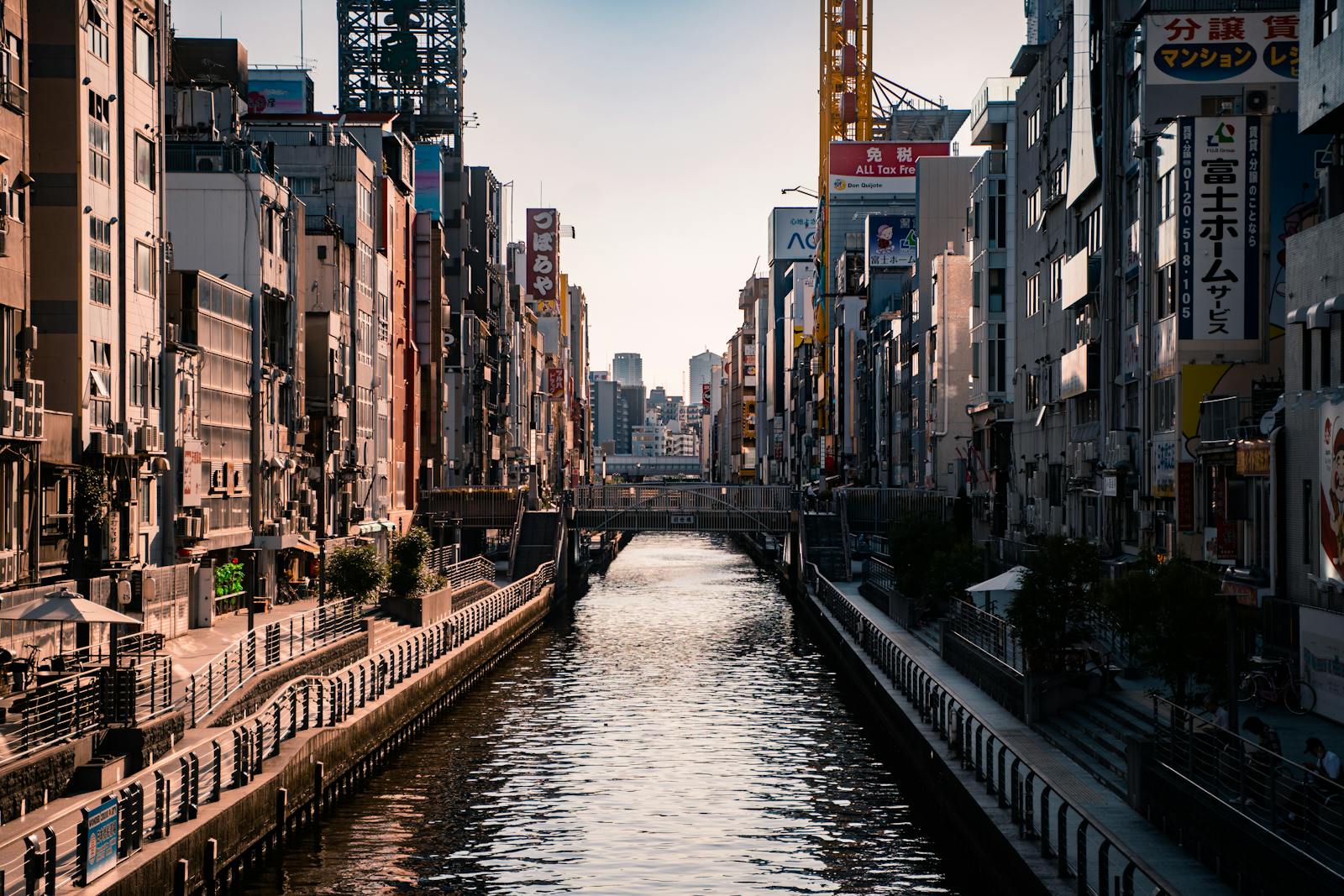
Dotonbori is busy and cheerful until late, and the main risks are crowds, the occasional drunk and the touts (more on them below). The back streets of Ura Namba are a maze of small bars that run late and are generally friendly. Our Dotonbori after dark guide covers the area at night.
Kitashinchi and Umeda
Kitashinchi is Osaka’s upmarket hostess-club district. It’s very safe, very expensive and mostly not aimed at tourists. If you wander in, expect members-only doors, not trouble. Umeda, around Osaka Station, is a commercial and transport hub that stays busy into the night and is as safe as anywhere in the city.
Touts, bar bills and the scams to know
This is the one area where visitors genuinely get caught out, and it nearly always follows the same script. Someone friendly, often speaking good English, approaches you in Namba, Shinsaibashi or around Dotonbori and offers a bar, a “girls’ bar”, a cheap all-you-can-drink deal or a club with no queue. The place they take you to has no prices on the menu, and the bill at the end includes table charges, service charges and drinks you didn’t knowingly order. The Japanese term is bottakuri (rip-off pricing). Refuse to pay and the atmosphere changes quickly.
The rules are simple:
- Never follow a tout. Legitimate Osaka bars don’t need someone on the street pulling customers in. The good places in our best bars guide don’t send anyone out to find you.
- No prices, no drink. If a bar can’t show you a menu with prices, or won’t tell you the cover charge, leave before you order.
- Ask about the cover charge. Small bars often add a modest seat charge, called otoshi or table charge, sometimes with a small snack. That’s normal and not a scam. A charge nobody mentioned, many times the price of a drink, is.
- Watch your drink. Spiking is uncommon, but several embassies warn about it in Japanese nightlife districts. Don’t accept drinks from strangers, and don’t leave yours unattended.
- Pay as you go where you can, and check card receipts before signing.
If you’re overcharged and feel threatened, pay what you must to leave safely, keep the receipt, and go to the nearest koban (police box) or call 110. Our Osaka nightlife guide points you to areas and venues where none of this is an issue.
Pickpockets, lost property and the koban
Pickpocketing in Osaka is rare enough that locals barely think about it, but it happens wherever crowds squeeze together: the Ebisubashi bridge on a Saturday night, festival nights such as Tenjin Matsuri, the USJ entrance at opening time and rush-hour trains. Keep your phone and wallet in a front pocket or a zipped bag in those places, and you’ve done enough.
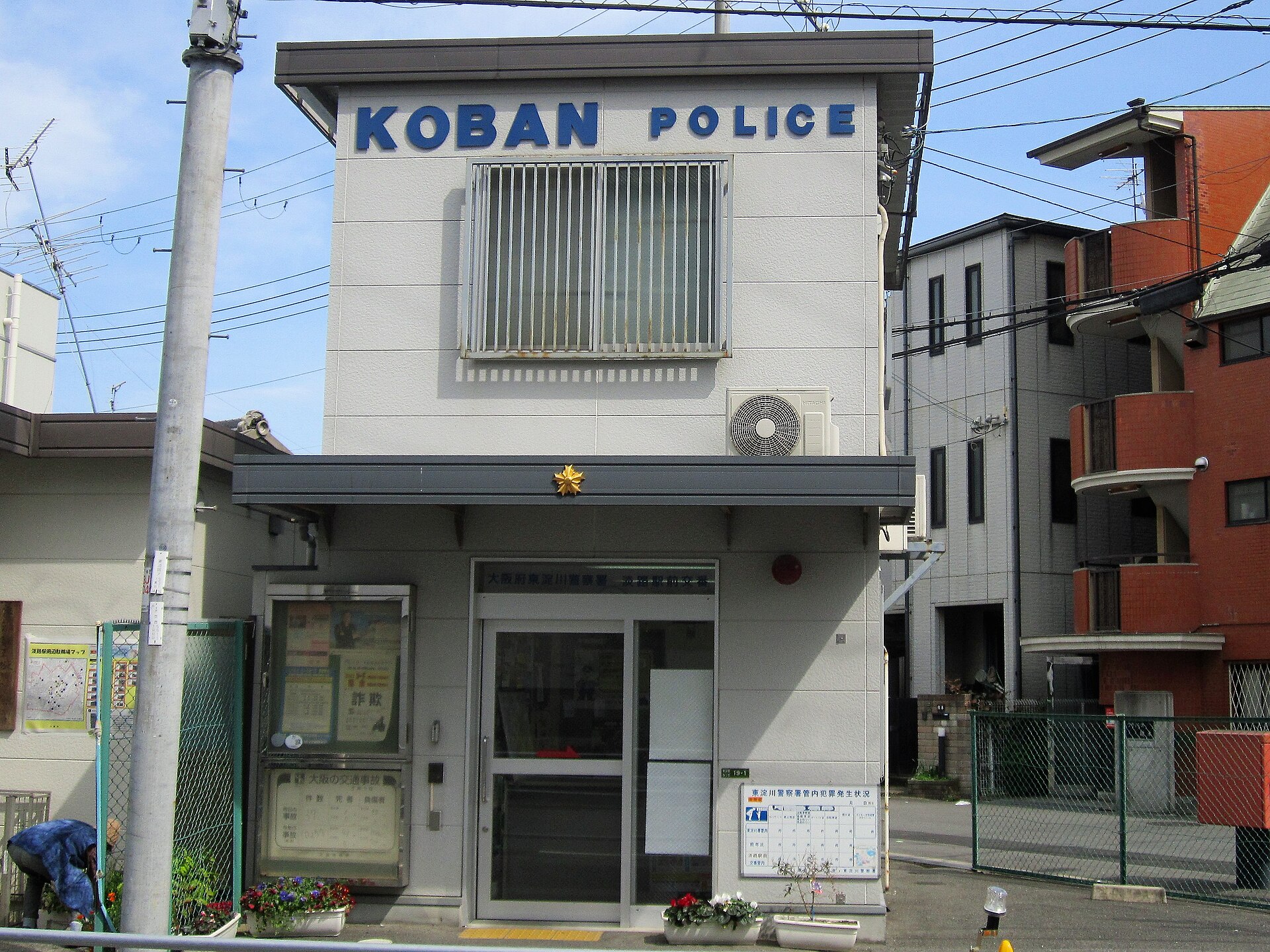
Lost property is a different story, and a famously happy one. Things left on trains, in taxis and on park benches are routinely handed in. If you lose something, go to the nearest koban, the small neighbourhood police posts you’ll find near stations and on main streets. Officers deal with lost-and-found reports all day and will help even with very little English. For items left on a train, ask station staff, who can contact the lost-property office for that line. Keep your hotel’s address written down in Japanese; it’s the first thing you’ll be asked.
Women and solo travellers
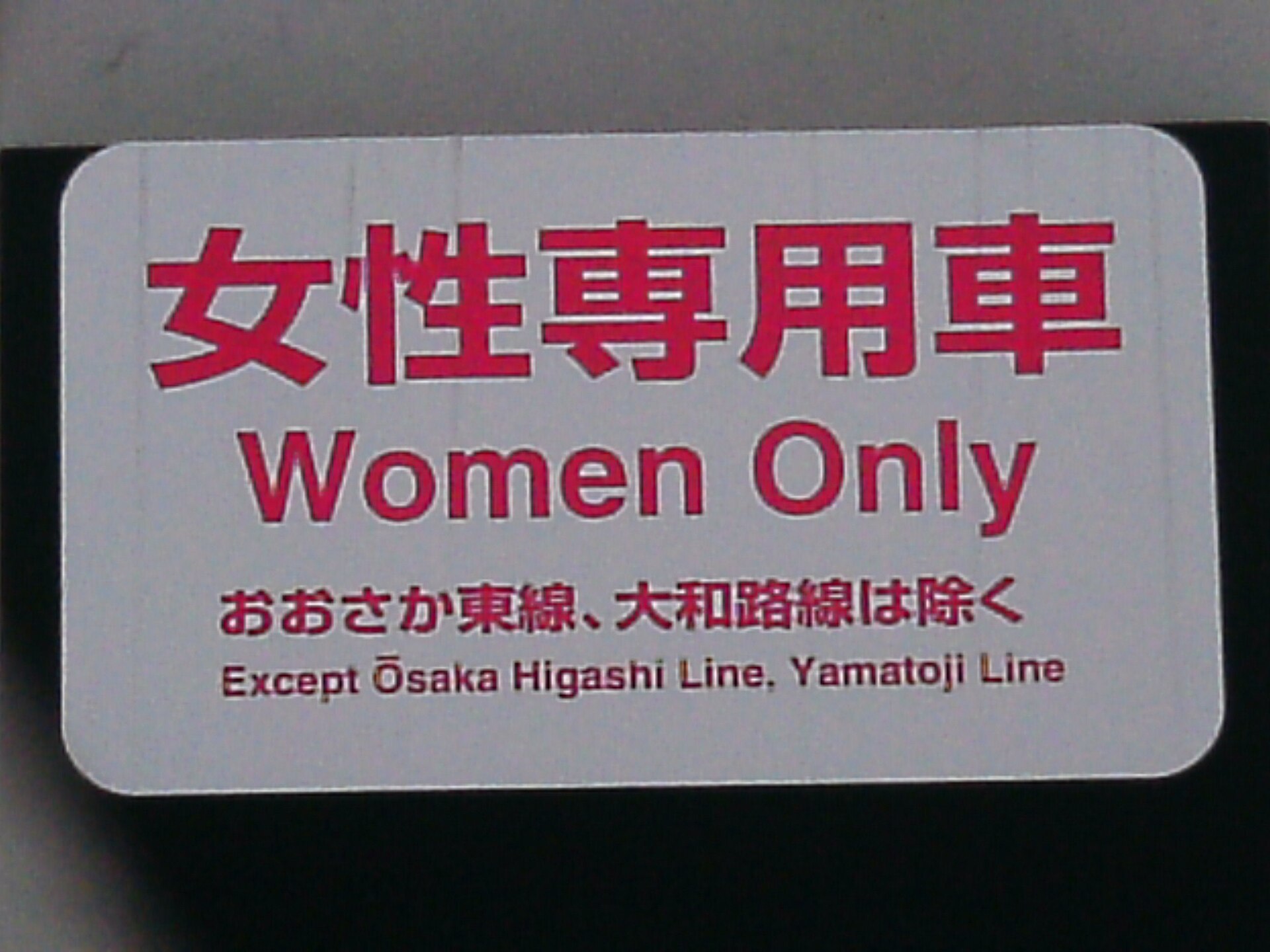
Many women travel alone in Osaka and find it one of the most relaxed cities they’ve visited. Walking alone at night in the central districts is normal, and so are late-night convenience store runs. The specific issue to know about is chikan: groping on crowded trains. It’s a crime in Japan and it’s taken seriously, which is why women-only cars exist.
- Osaka Metro: on the Midosuji line, one car on every train is women-only all day on weekdays. On the Tanimachi line, the women-only car runs on weekdays from the first train until 09:00. Look for the pink signs on the platform and the car. The arrangement is voluntary, and boys of primary-school age, passengers with disabilities and their carers may also use it.
- JR and private railways run their own women-only cars on some lines and at some times. Look for the pink platform markings and check the signs, which vary by line.
- If it happens: say loudly what’s happening, move away and tell station staff or call 110. Other passengers increasingly do step in.
The other advice is the same as for any city. Take a taxi rather than walking a long dark stretch late at night, be cautious with drinks, and choose accommodation in a central, well-connected area. Our where to stay in Osaka guide compares the districts.
LGBTQ travellers
Osaka is generally easygoing for LGBTQ visitors. Open hostility is rare, though public displays of affection of any kind, straight or gay, are uncommon in Japan. The city’s gay bar district is Doyama-cho, a small grid of streets just east of Umeda, with bars from tiny counters to clubs. Most are friendly to visitors, though a few are members-only or for Japanese speakers. A door sign usually tells you which. Hotels rarely question two adults sharing a room, though a few love hotels and very traditional inns may be awkward. Our nightlife guide covers the wider scene.
Earthquakes, typhoons and heat
Japan is built for earthquakes, in its building codes, its drills and its alerts, and Osaka is no exception. The chance of a serious quake during a short visit is small, but ten minutes of preparation goes a long way.
- Get the alerts. Japan’s official emergency alerts go to phones in affected areas, and the Japan National Tourism Organization’s Safety Tips service (an app and website, in English and other languages) pushes earthquake, tsunami and weather warnings to visitors. Install it before you land.
- If the ground shakes: get under a sturdy table or away from glass and anything that could fall, and don’t run outside. In a station or a shop, follow the staff. Japanese buildings are designed for this.
- Near the bay: if a strong quake hits while you’re at the waterfront (the Kaiyukan, Universal City, the bay area), move to higher floors or away from the shore and follow the tsunami evacuation signs.
- Typhoon season runs through late summer and early autumn. A direct hit can stop trains and close attractions for a day, and the airport can close. Check forecasts from the Japan Meteorological Agency if one is approaching, and treat it as a day for the indoor plans in our rainy day guide.
- Heat is the most underrated risk. Osaka summers are hot and humid, and heatstroke is a serious problem in Japan every July and August. Drink before you’re thirsty, buy salted drinks from vending machines, take shade breaks, and don’t plan a full day on foot in the midday sun. Our Osaka in summer guide has strategies, and the weather guide covers each month.
Laws and rules that catch visitors out
Japan’s law-abiding reputation comes with rules that visitors sometimes don’t expect, and a few carry real penalties.
Carry your passport
Foreign visitors are required by law to carry their passport at all times. Police checks on tourists are rare, but if you’re asked, you’ll need to show the passport itself. You’ll also need the passport itself for tax-free shopping and hotel check-in.
Medicines
Some medicines that are sold over the counter elsewhere are restricted in Japan, notably decongestants and other cold remedies containing stimulant-type ingredients such as pseudoephedrine. Oral prescription medicines for your own use are generally allowed up to a one-month supply; larger amounts need an import certificate (a Yakkan Shoumei) arranged before you travel. Check the Ministry of Health, Labour and Welfare’s guidance on bringing medicines into Japan before you pack, and carry your prescription with you.
Drugs
Japan’s drug laws are strict, and that includes cannabis and cannabis products containing THC. Penalties for foreigners include arrest, detention and deportation. There’s no “small amount for personal use” tolerance.
Smoking in the street
Osaka banned smoking on the street across the whole city from January 2025, with ¥1,000 fines collected on the spot, and heated tobacco is covered too. Use the designated smoking areas you’ll find near stations, or the smoking rooms in some cafés and bars. Our Osaka etiquette guide covers this and the other unwritten rules.
Cycling
From 1 April 2026, police in Japan can issue on-the-spot fines, known as “blue tickets”, to cyclists aged 16 and over for traffic offences. The Osaka Prefectural Police list fines of ¥12,000 for using a phone while riding, ¥5,000 for holding an umbrella and ¥3,000 for carrying a passenger. If you rent a bike, ride on the road where signs say so, use a light at night, and keep your phone in your pocket. Our bike rental guide has the details.
Getting home at night
The Osaka Metro stops running around midnight, and the last trains on most lines are busy with people who’ve judged it just right. Check the time of your last train before your last drink. After that, taxis are safe, metered and honest, if not cheap; drivers don’t expect tips and rarely take the long way round. Our Osaka taxi guide explains the fares, and the subway guide covers the lines. If you’re stuck in the small hours, Namba and Umeda have plenty of 24-hour restaurants, manga cafés and karaoke rooms where you can sit until the first train. Our late-night food guide lists where to eat.
Food and water
Tap water in Osaka is safe to drink, and restaurants serve it free. Food hygiene standards are high, and street food from busy stalls at Kuromon or Dotonbori is as safe as a restaurant meal. Two things to know:
- Fugu (pufferfish, which is poisonous if badly prepared) may only be prepared by registered, qualified handlers. At a proper fugu restaurant it’s safe. Don’t buy it from anywhere that looks improvised.
- Raw or rare chicken, served as torisashi or lightly seared, is a known cause of food poisoning, and Japan’s health ministry advises against eating it. Plenty of people eat it without problems, but it’s a genuine risk, especially for children, pregnant travellers and anyone with a weak immune system.
For allergies, carry a card in Japanese listing what you can’t eat, because ingredient labelling on restaurant menus is limited. Our Japanese phrases guide has the key words.
Who to call
| Situation | What to do |
|---|---|
| Crime, accident or danger | Call 110 (police) |
| Fire, ambulance, medical emergency | Call 119 |
| Help in English with illness, accidents or disasters | Japan Visitor Hotline, 050-3816-2787, 24 hours, every day (English, Chinese and Korean) |
| Lost property, directions, minor problems | The nearest koban (police box) |
| Lost or stolen passport | Report to the police, then contact your embassy or consulate |
| Earthquake, tsunami and weather alerts | JNTO Safety Tips app and website |
None of this replaces travel insurance. A hospital visit in Japan is billed at full cost to visitors, and an ambulance ride does not cover the treatment. Our Osaka travel insurance guide explains what to look for. It’s also worth carrying a little cash for emergencies, since some clinics and small businesses still don’t take cards. See our money and payments guide.
Is Osaka safe? Questions people ask
Is Osaka safe at night?
Yes, in all the central districts. Dotonbori, Namba, Shinsaibashi and Umeda are busy until late, and walking back to your hotel at midnight is normal. The night-time risks are touts and overcharging bars, not street crime. Keep a bag on the side away from the road on quiet streets, and know your last train.
Is Nishinari dangerous?
Not for a respectful visitor. The Airin area around Shin-Imamiya is poor and looks rough by Japanese standards, but crime against visitors there is uncommon. Don’t photograph people, keep a low profile in the evening, and you’ll have no trouble. Many budget travellers stay there.
Is Osaka safe for solo female travellers?
Yes. Solo women travel here all the time. Use the women-only cars on crowded trains if you prefer, ignore street touts, and watch your drink in bars, as you would anywhere.
Is Osaka safer than Tokyo?
They’re both very safe by international standards, and the difference between them matters far less than the difference between either and most other big cities. Osaka feels livelier and a bit less buttoned-up, and that shouldn’t be mistaken for danger. The same advice works in both cities: avoid touts, mind the crowds and get the safety app.
Can I drink the tap water in Osaka?
Yes. It’s safe everywhere in the city, and restaurants serve it free with meals.
Where to go next
Safety is one part of preparing well. Our first-time Osaka tips cover the rest of what’s worth knowing before you land, the Osaka travel tips hub collects every practical guide we’ve written, and the transport guide gets you around. Travelling with children? Start with Osaka with kids.
Photo credits
Koban: Awaji Ekimae Koban by Suikotei, CC BY-SA 4.0, via Wikimedia Commons. Women-only car sticker: Ladies Seat4 by MASA, CC BY-SA 3.0, via Wikimedia Commons.