This article contains advertising. Our booking links are routed through a partner that adds commission tracking automatically, so if you book through one we earn a commission from the provider, at no extra cost to you. It never affects what we recommend. Affiliate disclosure
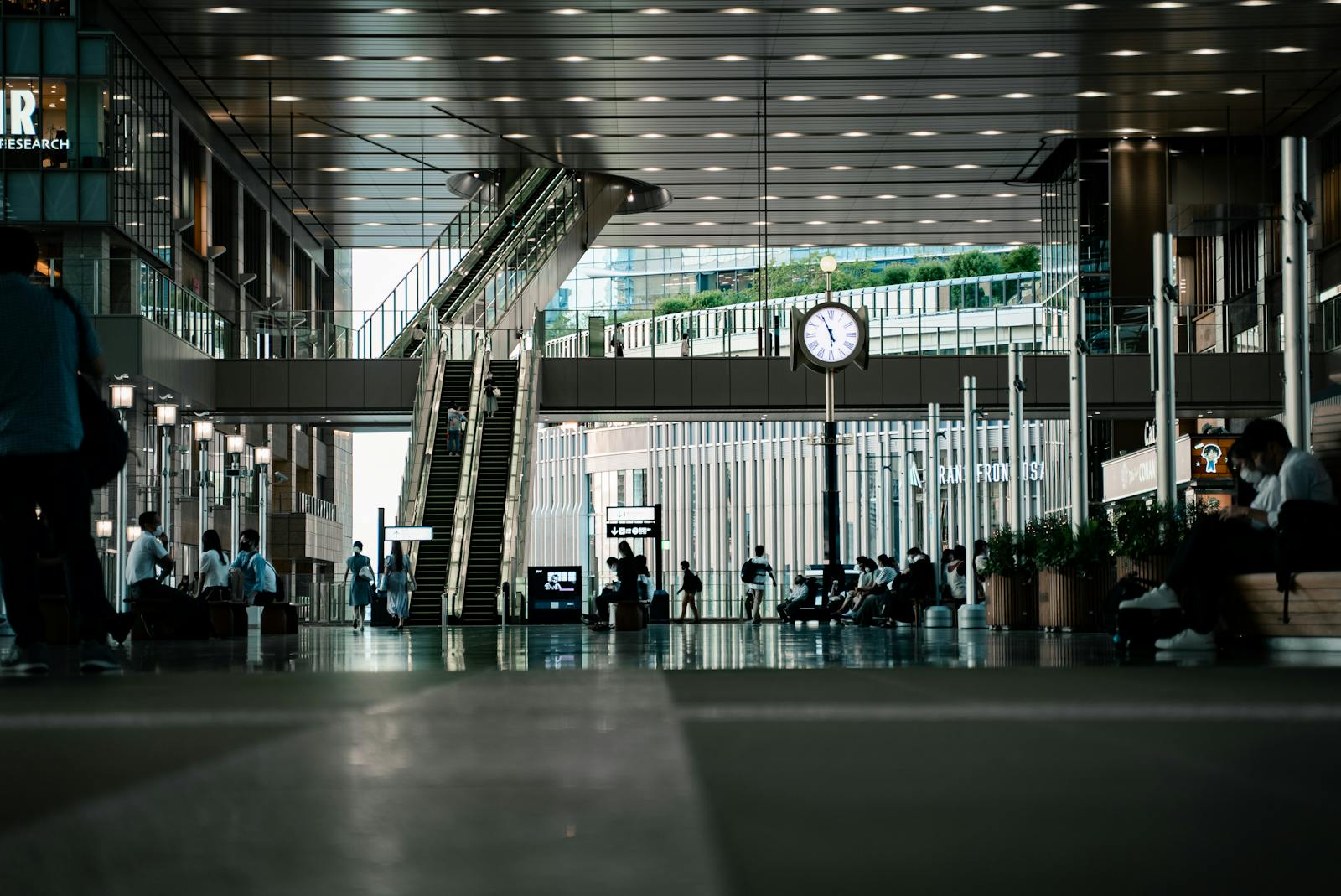
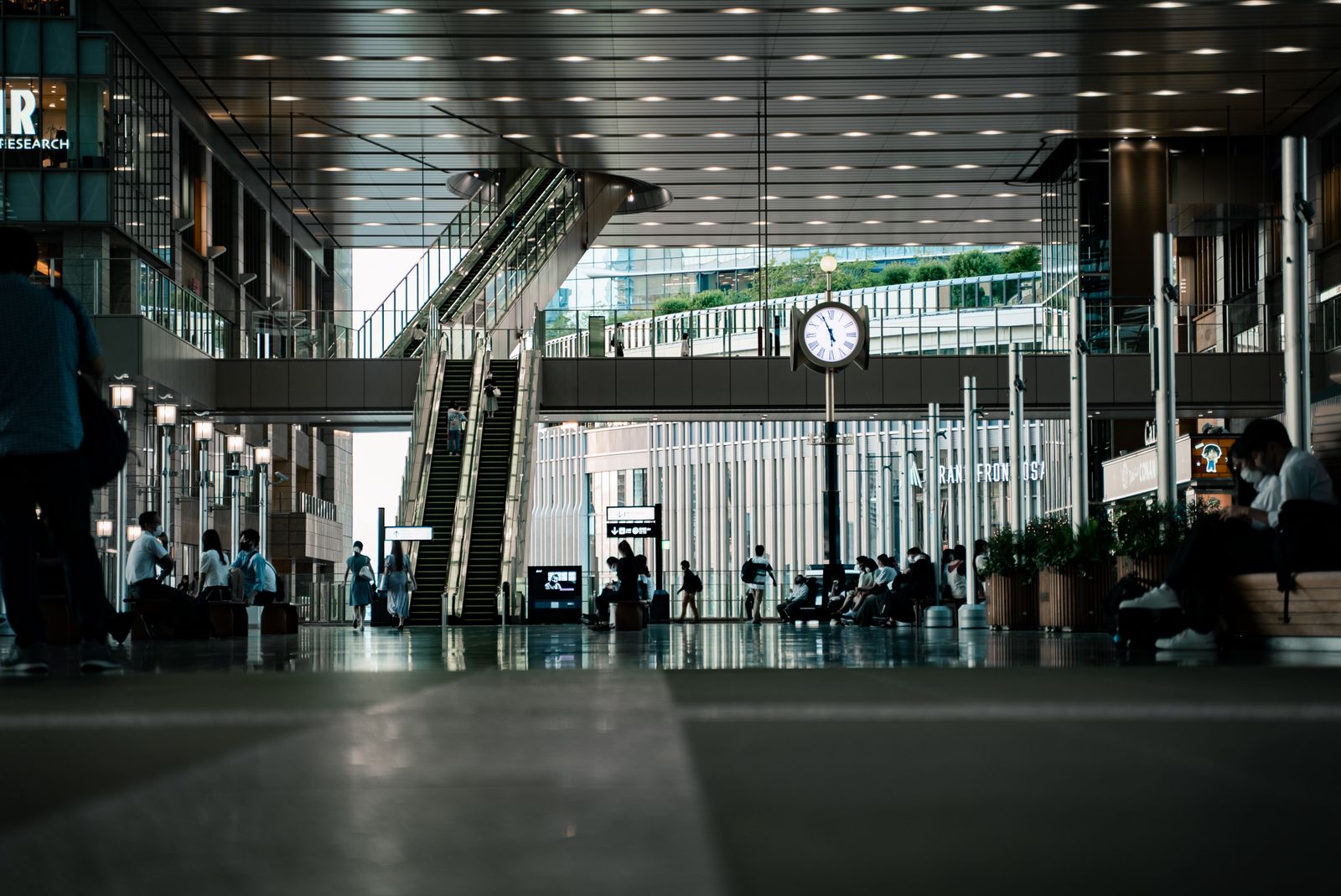
Stand at the foot of an escalator in Umeda during the evening rush and you can watch Japanese etiquette working in real time. The only signs in sight usually ask everyone to stand still on both sides, and several thousand people an hour ignore them in perfect unison: stand on the right, walk past on the left. Ride an escalator in Tokyo and the same kind of crowd does the exact opposite. Visitors get it wrong constantly, and nobody says a word.
Most lists of Japan etiquette rules miss that. They run to fifty or a hundred items, treat a clumsy bow like a diplomatic incident, and leave visitors more anxious than they need to be. Japan is, almost to a fault, forgiving of foreigners who get things wrong. But there is a short list of things that genuinely land badly — that make the person beside you uncomfortable, or the bathhouse owner unhappy, or bring the kushikatsu chef out from behind his counter — and this is that list. Twenty-five rules, sorted by where you will meet them, with Osaka’s own quirks marked, and a section near the end on the ones you can safely forget.
The idea behind almost every rule
Nearly all Japanese public etiquette comes back to one word, meiwaku: being a nuisance or a burden to the people around you. The rules that matter most fall into three families, and once you can see them, you can work out the ones nobody told you about:
- Keep shared things clean. The bath water, the sauce pot, the street. Anything many people use is treated as if it belongs to all of them, because it does.
- Keep your noise and mess out of shared space. Trains, waiting rooms and residential streets are places where you keep yourself small.
- Stay away from anything that echoes a funeral. Several rules that look arbitrary — the chopsticks, the way a robe is wrapped — exist because the alternative is something done for the dead.
If you are unsure in a situation this list does not cover, ask which of the three it touches. That will be right more often than any phrasebook.
On the street
1. Stand on the right of the escalator in Osaka
Osaka stands on the right and walks on the left; Tokyo does the reverse; Kyoto, caught between the two and full of visitors, is a muddle. The usual explanation for Osaka’s version is that Hankyu asked passengers to stand on the right at its Umeda station in the late 1960s, in the run-up to the 1970 Expo, and the habit spread. Railway companies across Japan would now prefer you not to walk at all, which is what the posters say. In practice, follow the people in front of you, and keep the walking side clear with your suitcase.
2. Eat where you buy, not while you walk
Eating on the move is quietly frowned on in most of Japan, and in residential streets and around temples it genuinely is. Osaka is more relaxed than most cities about this, and its food streets are the accepted exception, but even on Dotonbori the custom is to eat beside the stall you bought from, then hand back the tray or stick. Convenience-store food is the same: eat it outside the shop, not on the next train. Our Osaka street food guide covers where grazing is part of the point.
3. Carry your rubbish until you find a bin
Public bins are rare, a habit that dates from security concerns and has stuck because people simply take their rubbish home. You will find bins beside vending machines (for cans and bottles only) and inside convenience stores, where they are split into burnable rubbish, plastic bottles and cans. Carry a small bag for the day’s wrappers. Leaving rubbish on a wall or a station bench is one of the few things that will draw a visible reaction.
4. Do not smoke on the street, anywhere in Osaka
Since 27 January 2025, smoking on public roads has been banned across the whole of Osaka city, not just the handful of central zones that were covered before, and the fine is ¥1,000. Smoke only in the designated smoking areas, which are usually signposted near station exits. Rules indoors are looser than in much of Europe: some smaller bars and restaurants still allow smoking, which is shown by a sticker at the door, so check it if smoke bothers you.
5. Do not stop dead in the flow
Osaka’s stations and underground malls move enormous numbers of people through narrow spaces, and the flow is half the etiquette. Step to the side to check your map or phone; never stop at the top or bottom of an escalator or in a ticket gate; keep to the side the arrows on the floor indicate. If your IC card fails at the gate, back out and let the person behind you through rather than trying again and again.
6. Bag your umbrella
On a wet day, department stores, shops and many restaurants put out stands of long plastic sleeves at the door. Slide your wet umbrella into one before you go in, or leave it in the umbrella stand outside; dripping your way round a shop is a small but real discourtesy. Carry a closed umbrella pointing down, not swinging behind you at the eye level of the person on the escalator below.
On trains and in stations
7. Queue at the markings, and let people off first
Platform floors are marked with where each door will stop, and people line up there, usually in two neat files either side of the door. Join the back. When the train arrives, stand aside until everyone getting off has got off. Pushing in is one of the few things that will get you spoken to by a stranger. Our Osaka subway guide covers the rest of the system.
8. Keep your voice down and your phone on silent
Japanese trains are startlingly quiet. Set your phone to silent — the Japanese call it manner mode — and do not take calls on board; if you must answer, say you will call back and keep it to that. Near the priority seats, in a crowded carriage, the posted request in Kansai is to switch your phone off altogether. Talking with friends is fine at a murmur. A group conversation at holiday volume is not, and Osaka’s evening trains are full of people who have been at work for twelve hours.
9. Wear your backpack on your front
In a crowded carriage, a backpack on your back is a soft wall swinging into whoever stands behind you. Take it off and hold it in front of you, or put it on the floor between your feet, or on the luggage rack. The railway companies run poster campaigns asking for exactly this, and you will see commuters doing it automatically.
10. Leave the priority seats and the women-only cars alone
Priority seats, at the ends of most carriages, are for elderly passengers, pregnant women, people with disabilities and parents with small children. Sit there on an empty train if you like, but stand up the moment someone needs it. Watch for two badges: a pink maternity mark on a bag means an early pregnancy that may not show, and a red tag with a white cross and heart, the help mark, means a condition that may not be visible. Some lines also run women-only carriages, marked in pink on the platform and on the train, in the rush hours on most lines and all day on some. Men should check the sign before boarding.
11. Reserve space for a big suitcase on the Shinkansen
This one is a rule rather than a courtesy. On the Tokaido and Sanyo Shinkansen, which meet at Shin-Osaka, any bag whose length, width and depth add up to more than 160 cm (and no more than 250 cm) needs a seat booked with the oversized-baggage area; board without one and you pay a ¥1,000 fee and put the bag wherever the crew tells you. JR Central has been trialling some unreserved luggage space since July 2025, so check the current position when you book. Anything over 250 cm cannot travel at all. On local trains the courtesy version applies: avoid the rush hours with a large case if you possibly can, or send it ahead — our Osaka luggage storage guide covers forwarding.
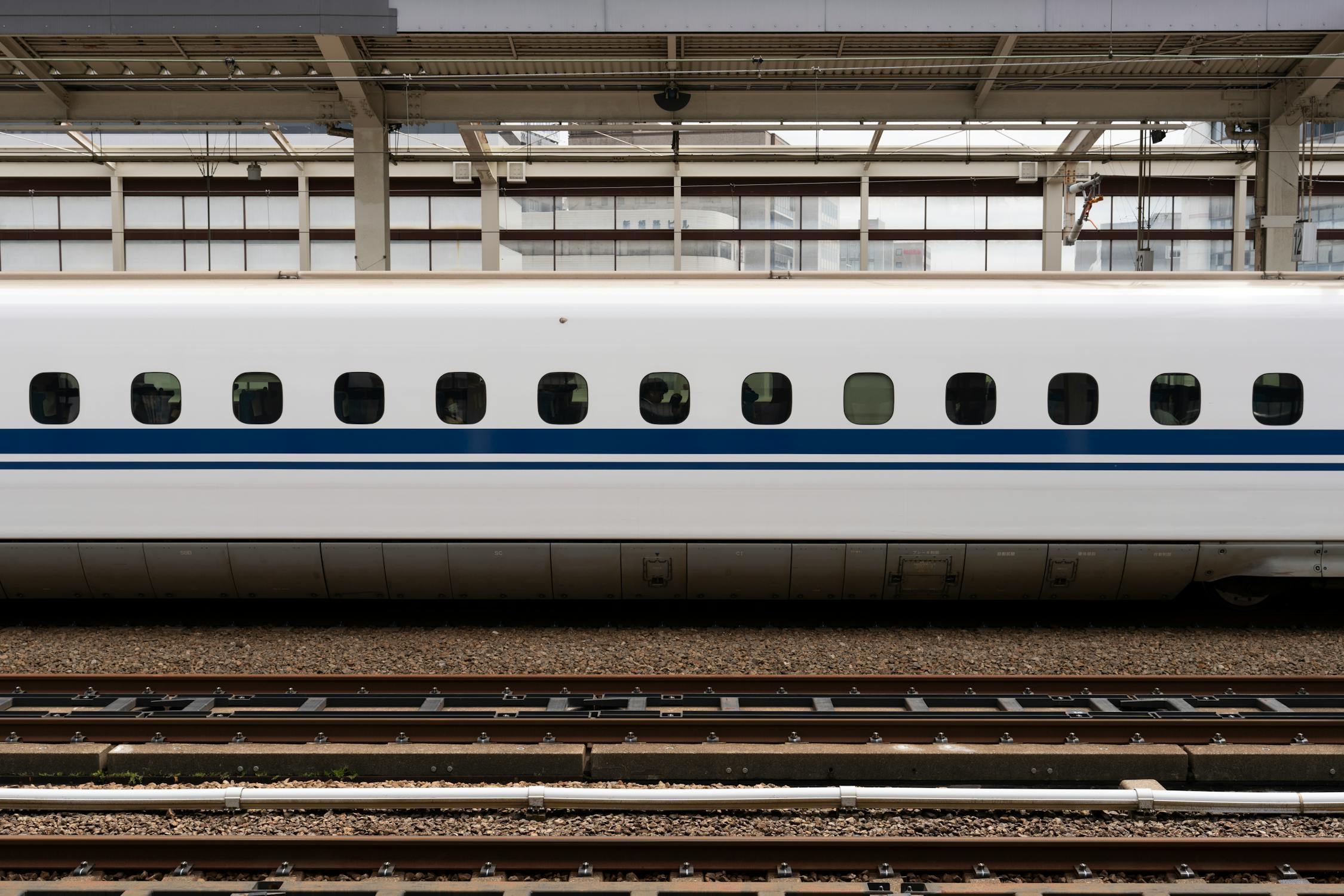
More on the trains themselves, and what the Nozomi costs, in our Osaka to Tokyo guide.
Eating and drinking
12. Do not tip
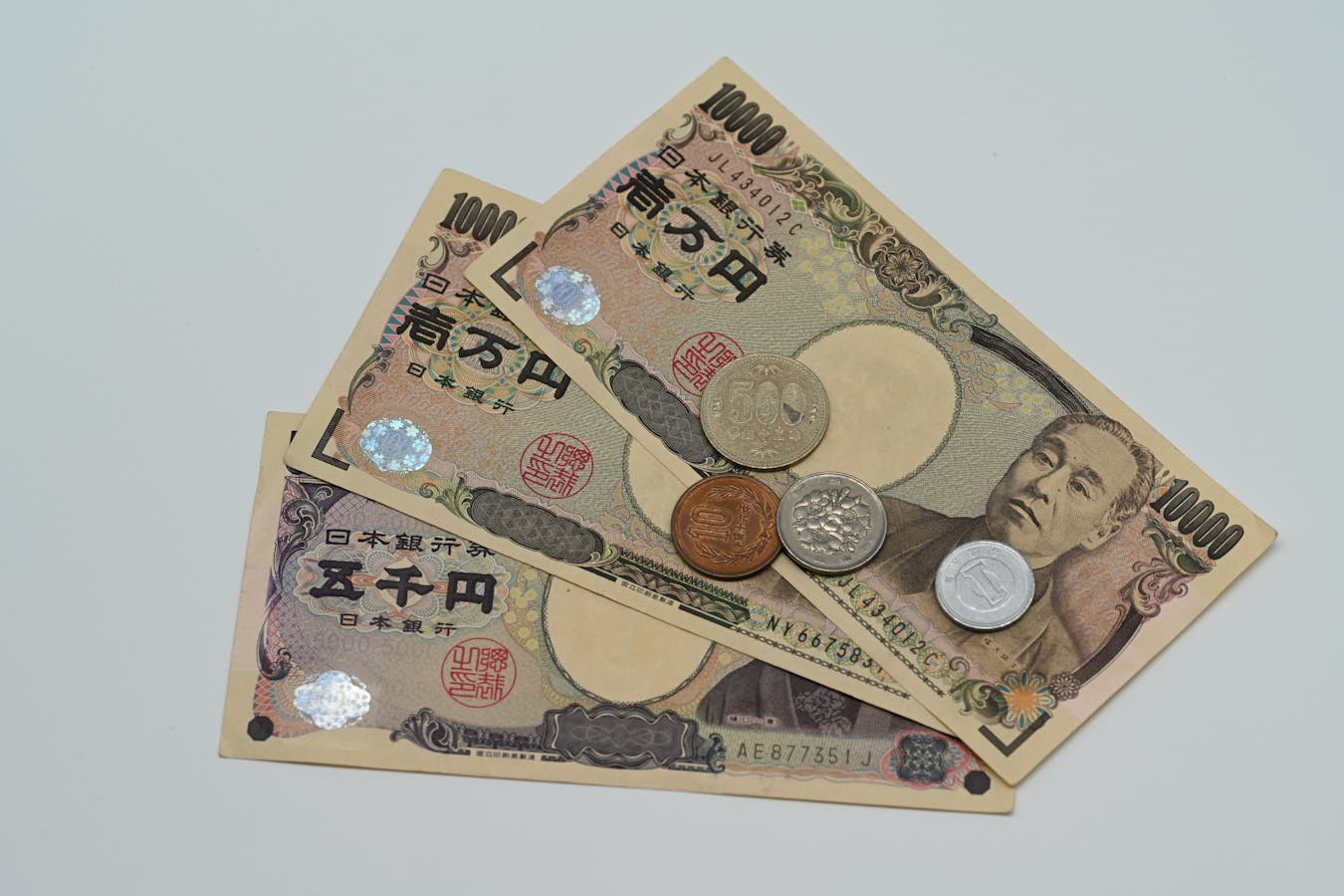
Tipping is not part of Japanese service, and leaving money on the table usually ends with someone chasing you down the street to return it. Good service is the standard and the price is the price. The correct way to show appreciation is to say gochisōsama deshita (“thank you for the meal”) on your way out. The narrow exceptions are private guides and the room attendant at a luxury ryokan, and even then the money goes folded into an envelope, never handed over loose. More in money and payments in Osaka.
13. Never double-dip the kushikatsu sauce
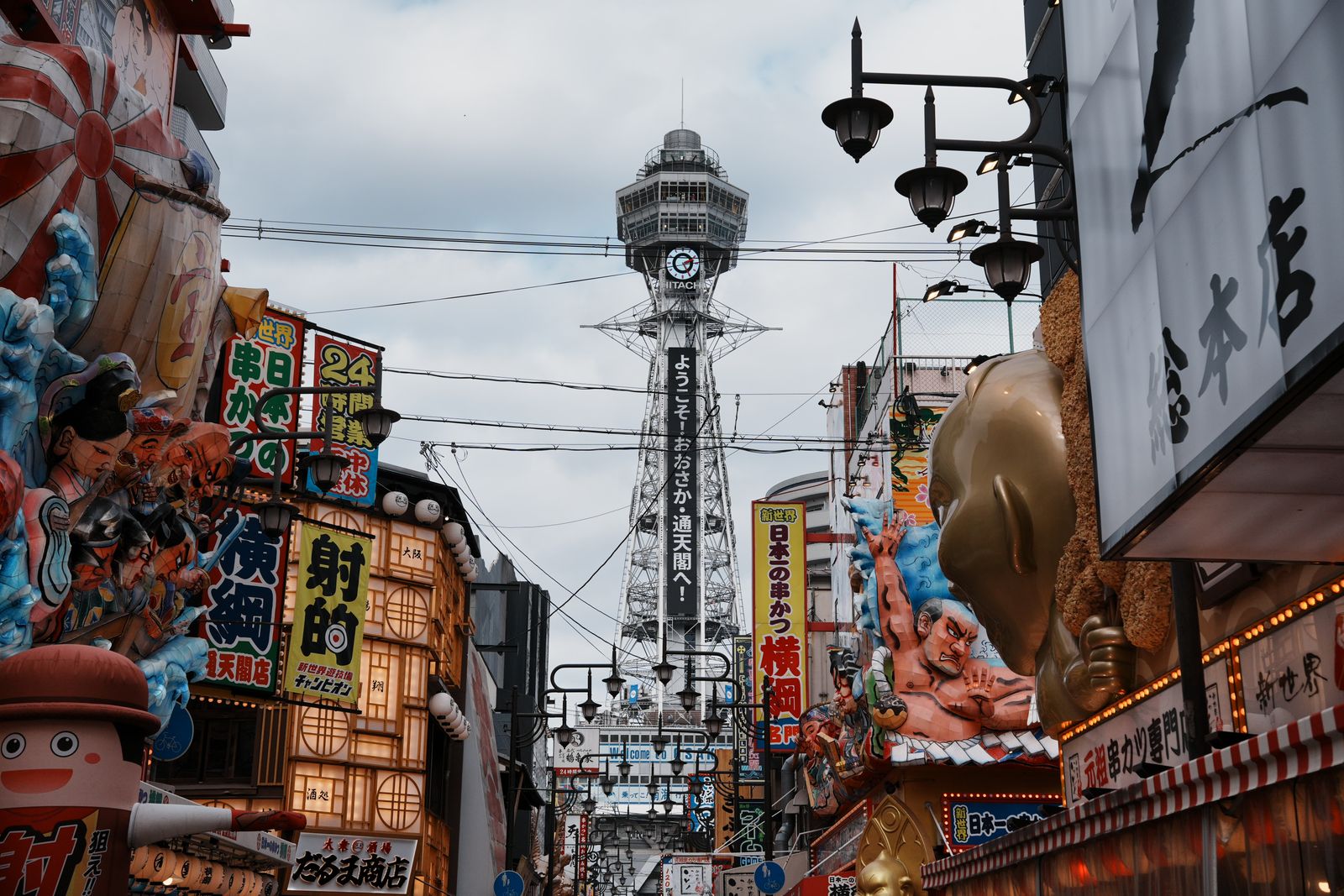
This is the one rule every counter in Shinsekai posts on the wall: nido-zuke kinshi, no second dipping. The thin sauce sits in a shared steel tray, so you dip each fried skewer once, before you take a bite. Want more sauce halfway through? Use a leaf of the free raw cabbage as a scoop and drip it on. It is the one etiquette rule in Osaka that a chef may correct out loud, and the locals at the counter will be on his side. The full ritual, and where to eat it, is in our kushikatsu guide.

14. Respect the chopstick taboos
Two matter. Do not stand chopsticks upright in a bowl of rice, which is how rice is offered to the dead at a funeral altar, and do not pass food from your chopsticks to someone else’s, which echoes the way bone fragments are passed between relatives after a cremation. Beyond those, rest them on the holder or across your bowl rather than on the table, do not wave them about while you talk, and do not spear things with them. Nobody minds a beginner’s grip.
15. Expect the otoshi, and pay it
At most izakaya a small dish arrives soon after you sit down, unordered. That is the otoshi, and it appears on the bill at a few hundred yen a head. It is not a scam or a mistake; it works as a table charge, and refusing it is unusual. Knowing in advance saves an awkward conversation at the till. The same goes for a cover charge at many bars. For the back-lane places worth sitting in, see the best izakaya in Osaka.

16. Turn up for your booking, or cancel it properly
No-shows have become such a problem for Japanese restaurants that many now take a credit card to hold a table and charge a fee if you vanish. Small places with a dozen seats can lose a whole evening’s takings to one missing party. If your plans change, cancel through whatever you booked with, as early as you can. Be on time too: arriving twenty minutes late at a counter restaurant with a set start time can mean missing courses that have already gone out.
17. Pour for others, and wait for kanpai
When you drink with a group, nobody touches their glass until everyone has a drink and somebody says kanpai. After that, you keep other people’s glasses topped up and let them fill yours, rather than pouring your own; when someone pours for you, lift your glass a little towards the bottle. It is a small, sociable rule, and following it with Japanese friends or colleagues goes down far better than its size suggests.
18. Say what you cannot eat before you order
Fish stock, dashi, is in almost everything, from miso soup and noodle broth to okonomiyaki batter, so “no meat” does not mean vegetarian. Allergies need stating clearly and early, ideally on a card written in Japanese. Mentioning it before you order is polite; sending a dish back afterwards because of something you did not mention is awkward for everyone. Our Osaka food guide covers what is in what.
More in our guide to vegan and vegetarian Osaka.
Shoes, rooms and ryokan
19. Take your shoes off at the step
The rule is simple once you can see the cue: wherever the floor steps up, changes from stone to wood or tatami, or a row of slippers is waiting, your shoes come off. That covers homes, ryokan, temple halls, some restaurants and even a few fitting rooms. Step straight up onto the raised floor rather than standing on it in your shoes, and turn the shoes to face the door if you have time. Slippers never go onto tatami; you take those off too and walk on the mats in socks. Inside, the toilet has its own slippers; wear them only in the toilet, and do not wander back into the room in them, which happens to everyone once. Socks without holes are worth packing.
20. Wrap your yukata left over right
Ryokan and onsen hotels give you a cotton yukata robe, and you are welcome to wear it to dinner, round the building and, in onsen towns, out into the street. Wrap the left side over the right, so that the edge forms a y shape as someone looks at you. Right over left is how the dead are dressed. The same applies to rented kimono; good kimono rental shops will dress you properly, and our ryokan guide covers the rest of a stay.
Temples and shrines
21. Learn the shrine routine, and keep temples quiet
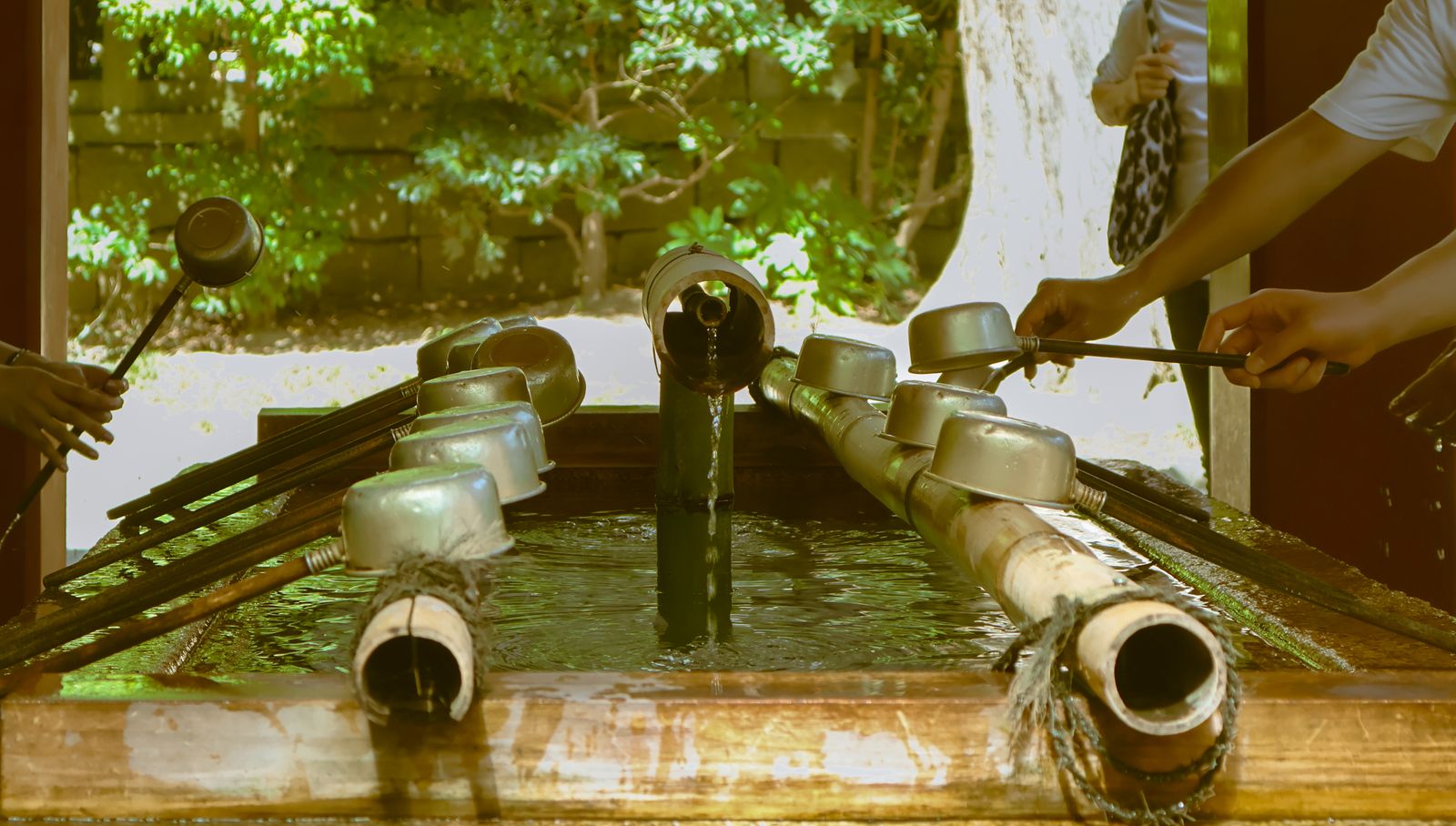
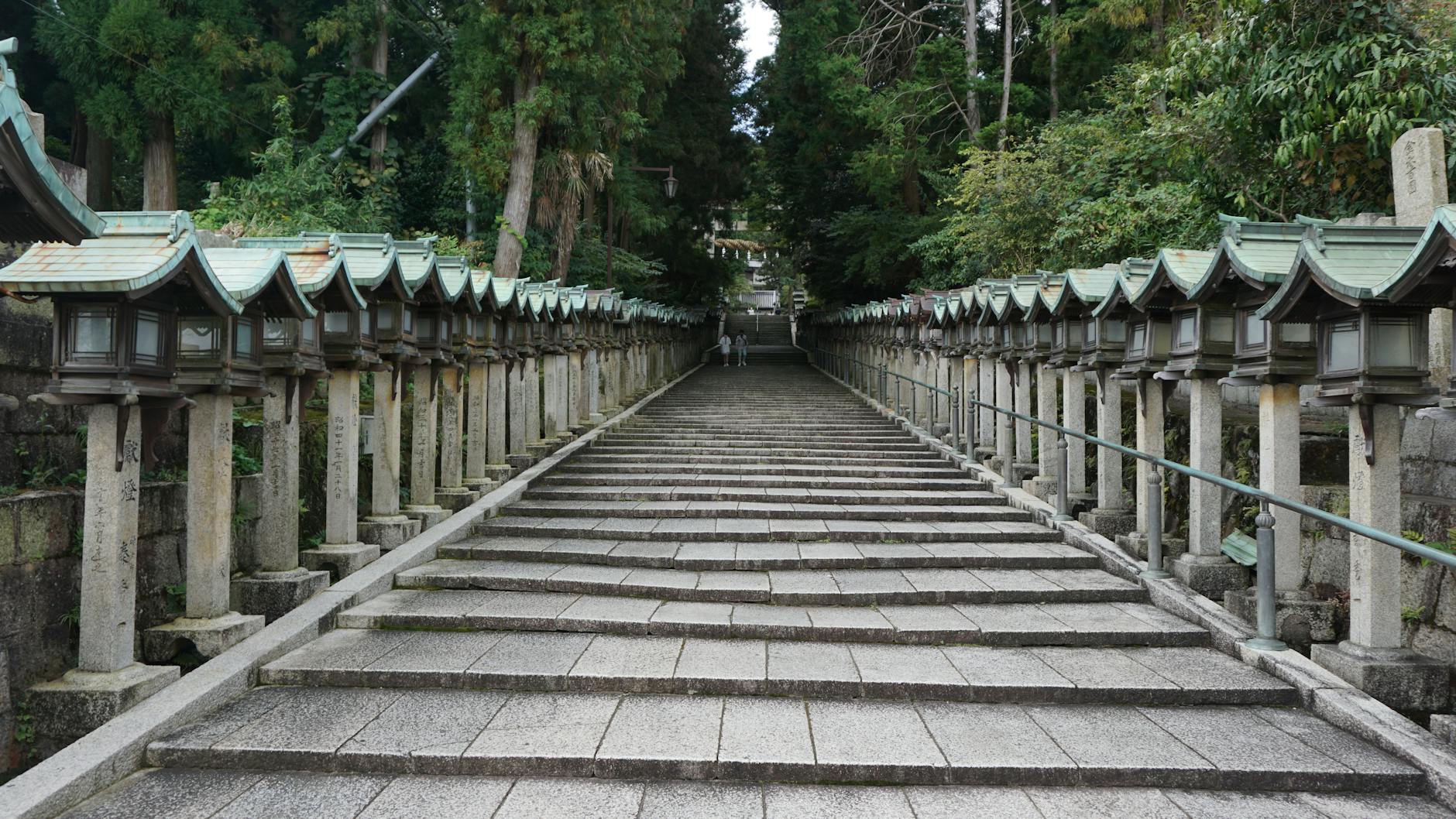
At a Shinto shrine, bow lightly at the torii gate and walk to one side of the path rather than straight up the middle. At the water basin, the temizuya, take the ladle in your right hand and rinse your left, then your right, then pour a little water into your cupped left hand to rinse your mouth and spit it out beside the basin, never back into it; rinse your left hand once more, and finish by tipping the ladle upright so the water runs down the handle. At the hall, drop a coin in the box, bow twice, clap twice, make your wish, and bow once more. Temples are Buddhist and quieter: you may bow and put your hands together, but you do not clap. Take hats off inside halls, and keep your voice down. Our Osaka temples and shrines guide starts with Sumiyoshi Taisha, a good place to practise.
22. Ask before you photograph people, and obey the signs
Photographing a stranger’s face without asking is rude almost everywhere, and it is the single biggest friction point between residents and visitors in Japan’s busiest places. In Kyoto’s Gion, signs on the private lanes now warn of fines for unauthorised photography, after years of geiko and maiko being chased down the street by cameras. Many temple halls ban photography inside, and some market stalls and shops post a no-photos sign too. Never take a photograph in a bath changing room or bathing area, even an empty one. A quick gesture at your camera and a raised eyebrow is all the Japanese you need to ask.
Osaka’s maid cafes are a special case, with their own strict rules about photographing staff.
More in our guide to maid cafes in Osaka.
Baths
23. Wash thoroughly before you get in, and keep the towel out
Japanese baths are for soaking, not washing. In every onsen and every neighbourhood sento, you undress completely in the changing room, take only a small towel into the bathing area, and sit on a stool at the taps to scrub yourself head to foot before you go anywhere near the water. Rinse off all the soap. The towel stays out of the bath — on your head is the classic spot — long hair is tied up, and swimsuits are not worn. Then there are tattoos: many baths still refuse them, some accept small ones covered by a skin-coloured patch, and a growing number welcome everyone. Check before you go; our Osaka onsen and sento guide lists the tattoo-friendly options, and onsen hotels with private baths sidestep the question entirely.
Shops and taxis
24. Use the cash tray
At almost every till in Japan there is a small tray beside the register. Put your cash or card in the tray rather than into the cashier’s hand; your change will usually come back the same way, often with the notes counted out in front of you. It feels fussy for about a day and then becomes automatic. Cards and IC cards are widely accepted now, though market stalls and small restaurants may still be cash only.
25. Let the taxi door open itself
The rear left door of most Japanese taxis is opened and closed by the driver with a lever. Stand back as it swings towards you, get in, and leave it alone when you get out; it will shut behind you. Pulling it closed yourself is the classic first-day mistake, and slamming it is the second. Drivers rarely speak much English, so have your destination written down or on a map. More in our Osaka taxi guide.
Rules you can stop worrying about
Plenty of things that appear on long etiquette lists matter far less than their reputation:
- Bowing correctly. Nobody expects a visitor to know the angles. A small nod of the head with a thank-you is right in every everyday situation.
- Slurping. It is fine to slurp noodles, and it helps cool them, but nobody will think less of you for eating quietly.
- Speaking English first. Start with sumimasen (“excuse me”) and carry on in English with gestures. Our Japanese phrases guide has the ten words that do most of the work.
- Blowing your nose. Do it discreetly, away from the dinner table, and nobody will mind. Wearing a mask when you have a cold is the courtesy people actually notice.
- Finishing every last grain. Leaving a little is fine. Leaving a full bowl of rice untouched is wasteful, but nobody is checking.
- Business cards, gifts and seating order. These matter in business and in homes. As a visitor in restaurants and hotels, you will almost never meet them.
The Osaka difference
Everything above applies in Osaka, but the atmosphere around it is looser than in Tokyo or Kyoto, and visitors notice within a day. Osaka people are direct, funny and quick to talk to strangers. The city’s comic tradition, the double act of the boke who says something daft and the tsukkomi who slaps him down for it, runs through ordinary conversation, and a shopkeeper teasing you is a compliment rather than a slight. The obachan, the middle-aged Osaka aunties, are famous for carrying a pocketful of sweets to hand out to strangers, and the reputation is earned.
Osaka is also Japan’s merchant city, and it has a reputation for haggling that the rest of the country enjoys repeating. Take it lightly. A cheerful request for a little off at an independent electronics shop in Den Den Town or a market stall may get you a small discount and a laugh; at a chain store, a department store or a restaurant it will get you a blank look. The one Osaka expression worth knowing is ōkini, an old Osaka thank-you that still raises a smile, and our guide to Osaka like a local has more of how the city actually behaves.
Beyond Osaka: day-trip etiquette
- Nara. The deer bow if you bow to them, and they will also butt, nip and chase anyone who teases them with the ¥200 crackers. Feed them only the official shika senbei, hold the crackers out of sight until you are ready, and never feed them anything else. Our Nara day trip covers the park.
- Kyoto. Gion is a living neighbourhood, not a set. Keep off the private lanes, do not follow geiko or maiko for photographs, and expect stricter attitudes to eating on the street than in Osaka. See our Kyoto day trip.
- Fushimi Inari. Each torii gate is a donation with a name on the back. Do not hang off them, climb the small altars on the mountain or hold up the tunnel for a ten-minute photo shoot. Practical details are in Fushimi Inari from Osaka.
- Koyasan. If you stay overnight in a temple lodging, you are a guest in a working monastery: dinner is at a set time, the morning service is early, and quiet after dark is expected. More in our Mount Koya guide.
What happens if you get it wrong
Usually nothing at all. Japanese people are generous to visitors who are obviously trying, and most mistakes pass with a smile or without comment. If someone points at a sign or gestures at your shoes, say sumimasen, fix it and move on; a quick apology closes almost every incident. The handful that genuinely provoke a reaction are the ones that touch shared cleanliness and shared space: getting into a bath unwashed, double-dipping, dropping litter, cutting a queue, a loud phone call on a quiet train. Get those right and you will be a better guest than many visitors, and the rest will look after itself.
Japan etiquette rules FAQ
What are the most important Japan etiquette rules for visitors?
Wash before you get into a bath, take your shoes off where the floor steps up, do not tip, keep quiet on trains, carry your rubbish, queue at the platform markings and, in Osaka, never double-dip the kushikatsu sauce. Those seven cover nearly every situation where a mistake is actually noticed.
Is it rude to eat while walking in Osaka?
Less so than elsewhere in Japan. Osaka’s food streets, Dotonbori above all, are the accepted exception, but the custom is still to eat beside the stall you bought from. Away from those streets, around temples and on trains, wait until you can sit down.
Do I need to bow in Japan?
Not formally. A slight nod with a thank-you is right for almost every situation a visitor meets, and nobody expects you to know the different angles. Bowing back when someone bows to you is a nice touch.
Is tipping rude in Japan?
Not rude so much as confusing. Staff will usually try to return the money. Say gochisōsama deshita on the way out instead. The narrow exceptions are private guides and luxury ryokan attendants, with the money in an envelope.
Can I go into an onsen with tattoos?
Sometimes. Many baths still refuse visible tattoos, some accept small ones under a cover patch, and an increasing number accept everyone. Private baths, bookable in many onsen hotels and ryokan, avoid the issue. Always check the specific bath’s policy before you go.
What should I say if I get something wrong?
Sumimasen, which means both “excuse me” and “sorry”, with a small bow. Then fix it. That is genuinely all that is expected.
Where to go next
The practical side of a trip, from cash to connectivity, is in Osaka travel tips, and if this is your first time in Japan, read first-time Osaka tips alongside this page. For the words to go with the manners, our Japanese phrases guide covers restaurants, shops and trains.
When you are ready to plan, the 2 days in Osaka itinerary puts most of these situations into a single weekend, the cultural experiences guide covers tea ceremonies, kimono and temple stays where etiquette is part of the experience, and the Osaka food guide has everywhere you will be practising rules 12 to 18.