This article contains advertising. Our booking links are routed through a partner that adds commission tracking automatically, so if you book through one we earn a commission from the provider, at no extra cost to you. It never affects what we recommend. Affiliate disclosure
The hard part of eating vegan in Osaka is not the meat. You can see the meat. It is the fish you cannot see: the shavings of dried bonito simmered into the stock that goes into the miso soup, the udon broth, the okonomiyaki batter, the simmered vegetables, the dressing on the salad and the sauce on the noodles. A bowl of what looks like plain vegetables in clear broth will almost always have been made with fish. In a city that runs on dashi, “no meat, please” gets you a long way less far than you would think.
The good news is that vegan Osaka has changed a great deal in the last few years. There are now fully vegan restaurants for lunch, dinner, ramen, sweets and even a takoyaki fix, a chain curry house with a properly vegan menu in every neighbourhood, and a couple of hours away by train and cable car, on Koyasan, one of the oldest plant-based cuisines in the world. This guide covers where to eat, what to avoid, how to read a label and what to say, and it is written for vegans first; vegetarians who eat eggs and dairy will find it easier still.
One warning before the names. Vegan openings in Osaka come and go faster than almost any other kind of restaurant, and hours shift. Everything below was open as of mid-2026; check the restaurant’s own page or a map app before you cross the city for one meal.
The short answer
If you read nothing else:
- Lunch: Green Earth, near Shinsaibashi, Osaka’s original vegetarian restaurant and fully vegan since 2019. Curry, rice bowls and set plates, closed on Sundays.
- Dinner: Paprika Shokudo Vegan in Shinmachi, open for lunch and dinner every day, with soy-meat karaage and tempeh sets.
- The special meal: a vegan kaiseki lunch at Asai Togei in Shinsaibashi, booked at least a day ahead.
- The Osaka dishes: vegetarian okonomiyaki at Chitose, just south of Shinsekai, and vegetable gyoza in Dotonbori.
- The fallback: CoCo Ichibanya, the curry chain with a dedicated vegan sauce, which has branches all over the city.
- The experience: a night in a temple lodging on Koyasan, with a shojin ryori dinner and breakfast cooked by the monks.
Why Osaka is harder than it looks
Japan has no tradition of meat-free eating outside Buddhist temples, and the word “vegetarian” on a menu is often used loosely, sometimes to mean “mostly vegetables”. The things that catch people out are consistent enough to list:
- Dashi. The base stock of Japanese cooking is usually made with katsuobushi, dried and shaved bonito, often with kombu seaweed. Kombu-only dashi exists and is fully vegan, but you have to ask for it, and most kitchens do not keep it. Dashi is in miso soup, noodle broths, simmered dishes, tempura dipping sauce, most savoury batters and many dressings.
- Osaka’s own dishes. Takoyaki contains octopus by definition and dashi in the batter; okonomiyaki batter usually has dashi and egg, and is often cooked on a griddle shared with pork; kushikatsu batter often contains egg, everything shares the fryer, and the sauce pot is communal. Osaka’s kitsune udon, said to have been invented in the city in the 1890s, comes in a bonito broth with tofu simmered in more of the same.
- Japanese curry. The standard roux contains meat extracts or animal fat even when the curry is “vegetable”, which is why a separate vegan sauce, where it exists, matters.
- Ramen. Pork, chicken and fish broths are the norm. Vegan ramen is now easy to find in Osaka, but only at places that make it on purpose.
- Hidden animal products. Gelatin in sweets, lard in some breads and gyoza, fish sauce and oyster sauce in Chinese-style dishes, milk powder in snacks, honey in “healthy” products.
- Shared equipment. Fryers, griddles and grills are almost always shared. If that matters to you, the fully vegan restaurants below are the only safe answer.
None of this means you will go hungry. It means the casual approach, walking into any restaurant and asking for something without meat, works much less well than it does in most of Europe, and a little planning pays off disproportionately.
The vegan restaurants worth crossing town for
Most of the city’s fully vegan places cluster in the west of Minami, around Shinsaibashi, Shinmachi and Horie, which makes it easy to plan a day around them. Prices are 2026 estimates.
Green Earth
Green Earth opened in 1991, making it the oldest vegetarian restaurant in the city, and it went fully vegan in 2019. It is a small, unfussy place near Shinsaibashi with an English menu and the cooking of a kitchen that has been doing this for more than three decades: Japanese-style curry, rice bowls, daily set plates and a pumpkin cake that people come back for. A lunch set is around ¥1,100 and a curry around ¥950.
The catch is the hours. It opens for lunch most days and for dinner only on Fridays, and it closes on Sundays, so plan your lunch around it rather than hoping to drop in for dinner. If you only have time for one vegan meal in Osaka, this is the one.
Paprika Shokudo Vegan
Paprika Shokudo Vegan is the city’s most useful vegan restaurant, mostly because it is open for lunch and dinner every day. It sits in Shinmachi, a short walk west of Shinsaibashi, and serves set meals built around tempeh, soy-meat karaage and other meat substitutes, comfort food with a Japanese and Italian accent. Mains start at around ¥800. There is a seat charge of around ¥300 in the evening, which is normal for Japanese restaurants of this kind, and it takes credit cards. It is the obvious answer to the question of where to eat on a Sunday night.
Rocca
Rocca is the one for people who want Japanese home cooking rather than substitutes. It is a quiet, minimalist counter restaurant in Tanabe, a residential neighbourhood south of Tennoji, serving a fixed vegan Japanese set meal for around ¥1,300 at lunch, tea included. There is little English and no choice beyond the set, which is exactly the point. It opens for lunch and dinner on weekdays and Saturdays, and closes on Sundays. It is out of the way for most visitors; combine it with a morning at Shitennoji or Abeno Harukas.
MERCY Vegan Factory and MERCY Vegan Ramen
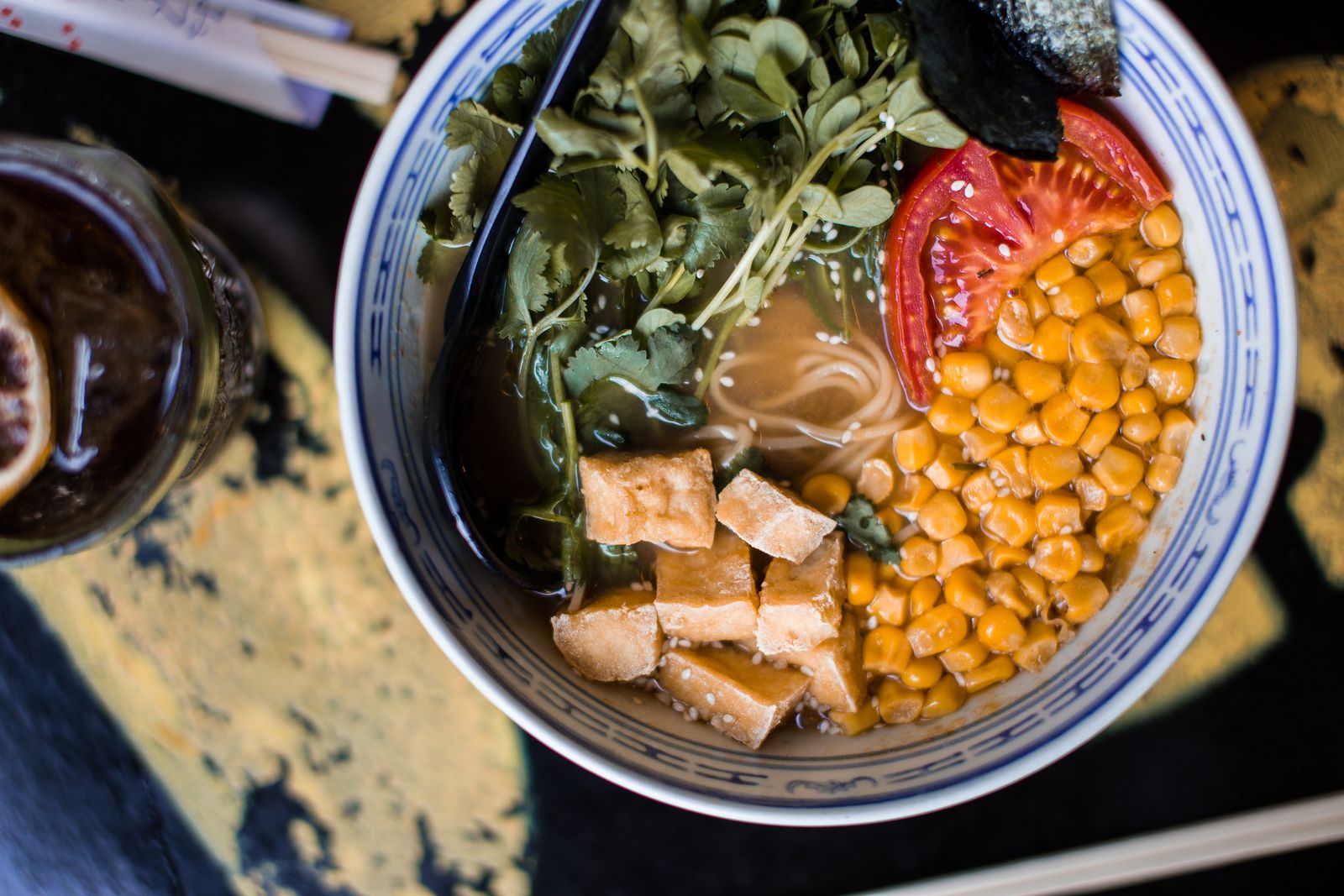
MERCY runs two all-vegan places in Chuo ward. MERCY Vegan Factory Osaka is the sit-down restaurant, open from breakfast through dinner, which makes it one of the very few places in the city where a vegan can eat a proper breakfast without improvising. MERCY Vegan Ramen in Bakuro-machi is the casual sibling, a ramen stop with vegan noodles and sides. Both are useful precisely because they remove all the guesswork; check the official page for current hours before you go.
Vegan ramen beyond MERCY
Ramen is the dish vegans miss most in Japan, and the gap has started to close. Yuniwa is a newer, fully vegan ramen restaurant that has been appearing on vegan maps of the city, and some mainstream ramen shops now offer one vegan bowl alongside their usual pork broths. If you go to one of those, ask whether the noodles, the broth and the toppings are all vegan; the tare seasoning at the bottom of the bowl is where fish and meat extracts most often hide. Our best ramen in Osaka guide covers the city’s ramen styles if you are eating with people who are not vegan.
Mochisho Shizuku
For something sweet, Mochisho Shizuku in Shinmachi makes fully vegan daifuku, soft rice cakes wrapped round fillings of bean paste and fruit, in a calm, minimalist shop. The bright pink framboise daifuku, around ¥450, is the one everyone photographs. It opens through the day, every day, and it is in the same neighbourhood as Paprika Shokudo, which makes the two an easy pairing.
Osaka’s own dishes, without the animals
Osaka’s reputation rests on three or four dishes, and vegans can now try versions of most of them. Not all, though, and it is worth knowing which ones to skip.
Okonomiyaki
Okonomiyaki Chitose, in Taishi, a few minutes from Dobutsuen-mae and just south of Shinsekai, makes a vegetarian okonomiyaki, now with soy meat in it, for around ¥1,200. It is a tiny counter place with an English menu and, often, a queue. It closes on Tuesdays and Wednesdays. Ask on the day whether the batter is made without dashi and egg if you are strictly vegan, because what counts as vegetarian here may include egg. For the dish in general, see our okonomiyaki guide.
Takoyaki
The standard Dotonbori stands use octopus and dashi in every ball, so there is nothing for vegans at any of them. A small plant-based takoyaki shop, Oko Takoyaki, has been listed by vegan guides in 2026, but its details change often enough that you should check its current address and hours on a map app before planning around it. Our takoyaki guide is for the people you are travelling with.
Gyoza
Gyozaoh in Dotonbori serves vegetable gyoza, pan-fried or deep-fried, for around ¥480, alongside simple cucumber and aubergine sides at around ¥290, from late afternoon until the small hours. The vegetable gyoza are vegetarian; ask about the vegan version, which has been offered, and about the frying oil if that matters to you. It is one of the few places in Dotonbori where a vegetarian can eat at midnight.
Kushikatsu
Skip it if you are vegan. The batter usually contains egg, everything goes through the same oil as the pork and prawns, and the communal sauce has had other people’s skewers in it. Vegetarians who are relaxed about shared fryers can order the vegetable skewers — lotus root, asparagus, shiitake, pumpkin — at any counter in Shinsekai, and follow the no-double-dipping rule like everyone else. Our kushikatsu guide explains the ritual.
A vegan kaiseki: Asai Togei
Kaiseki, the multi-course seasonal meal at the top of Japanese cooking, is usually built on fish stock, which shuts most vegans out of the country’s most celebrated dining. Asai Togei in Shinsaibashi is the exception worth knowing. With at least 24 hours’ notice, it serves a vegan kaiseki of eight or so small courses: a recent menu ran from pumpkin soup and konnyaku through yuba, mountain yam and lily-root dumplings to tempura, a noodle soup and green-tea mochi. Lunch sets are priced at around ¥3,500, ¥5,000 and ¥7,000. There are private booths and English-speaking staff, and it closes on Sundays.
It is the meal to plan a day around, and it is far better value at lunch than most kaiseki in the city. Book by email well ahead, say clearly that you need it fully vegan, and mention any other restrictions at the same time. For the wider fine-dining picture, including how hard it is for vegans at most starred restaurants, see our Michelin restaurants in Osaka guide.
Shojin ryori: Japan’s original plant-based cuisine
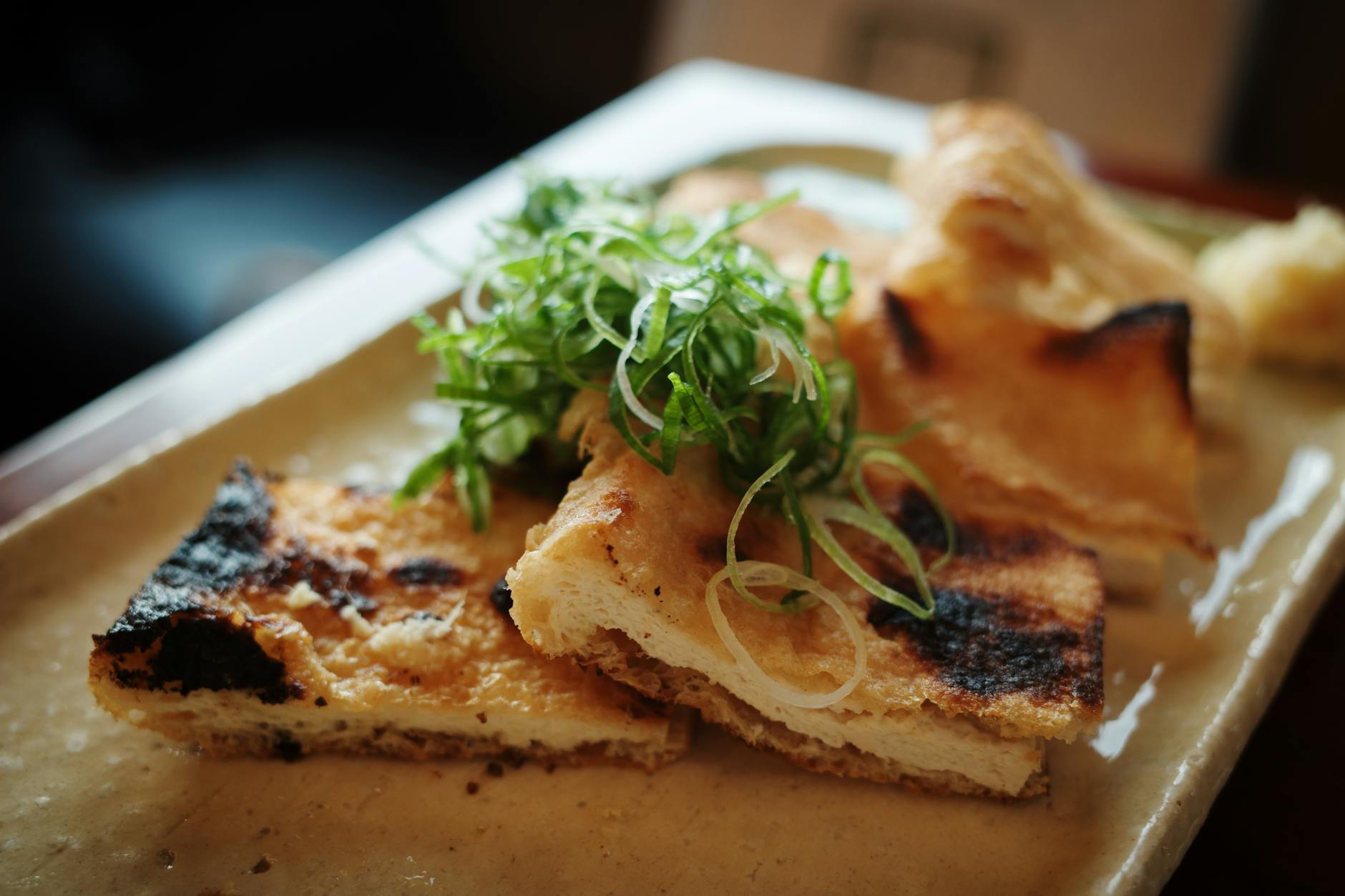
Long before anyone in Japan used the word vegan, Buddhist temples were cooking shojin ryori, a cuisine with no meat, no fish and none of the pungent vegetables such as garlic and onion, built on tofu, yuba, sesame, seaweed, mountain vegetables and the seasons. Its dashi is made from kombu and dried shiitake. It is the one Japanese tradition in which a vegan can eat the real thing rather than a substitute, and it is worth going out of your way for.
The best place to eat it near Osaka is Koyasan, the mountain monastery town about two hours from Namba by Nankai train, cable car and bus. Around fifty of its temples take overnight guests in shukubo, temple lodgings, for roughly ¥12,000–25,000 per person per night, with a shojin ryori dinner and breakfast included. Several, including Eko-in and Rengejo-in, invite guests to join the morning service, meditation or a fire ritual. Tell the temple you are vegan when you book: shojin ryori excludes meat and fish by definition, and the kitchen can confirm everything else. Our Mount Koya guide covers the journey and the temples.
In Kyoto, the temple restaurants of Arashiyama and the tofu restaurants around the big Zen temples serve shojin ryori and yudofu, tofu simmered at the table, as a lunch. Check the broth with every one of them; some yudofu dipping sauces are made with bonito. Our Arashiyama from Osaka and Kyoto day trip guides cover getting there.
Chains and fallbacks
On a long day, it helps to know which ordinary places you can walk into anywhere in the city:
- CoCo Ichibanya. The curry chain has a dedicated vegan curry sauce, made without animal ingredients, which you can build on with vegetable toppings and adjust for spice. Vegetarian curries start from around ¥850, there is an English menu, and branches are everywhere, including Kitahorie and Awaza in the west of Minami. It is not a culinary destination, but it is consistent, cheap and open until late.
- Soup Stock Tokyo. The soup-and-curry chain marks its vegan dishes clearly. The branch in the basement of LUCUA, connected to Osaka Station, is the most useful one for visitors.
- Indian restaurants. Osaka has dozens, and dal, chana and vegetable curries are an easy meal. Ask about ghee, butter and cream, which turn up in more dishes than you might expect.
- Department store food halls. The basements of Hankyu, Hanshin, Daimaru and Takashimaya sell tofu, pickles, salads, rice dishes and sweets, some with ingredient labels in English. Pickles and salads are often seasoned with dashi; check labels.
- Bakeries and cafes. Easy for vegetarians, hard for vegans, since most Japanese bread uses butter or milk. The city’s independent coffee shops, covered in our Osaka coffee and cafes guide, increasingly offer plant milk.
Eating out with people who are not vegan
The hardest meal for a vegan in Osaka is the one somebody else chose: the izakaya a friend loves, the okonomiyaki place on a colleague’s list, the sushi counter on the last night. A few strategies help:
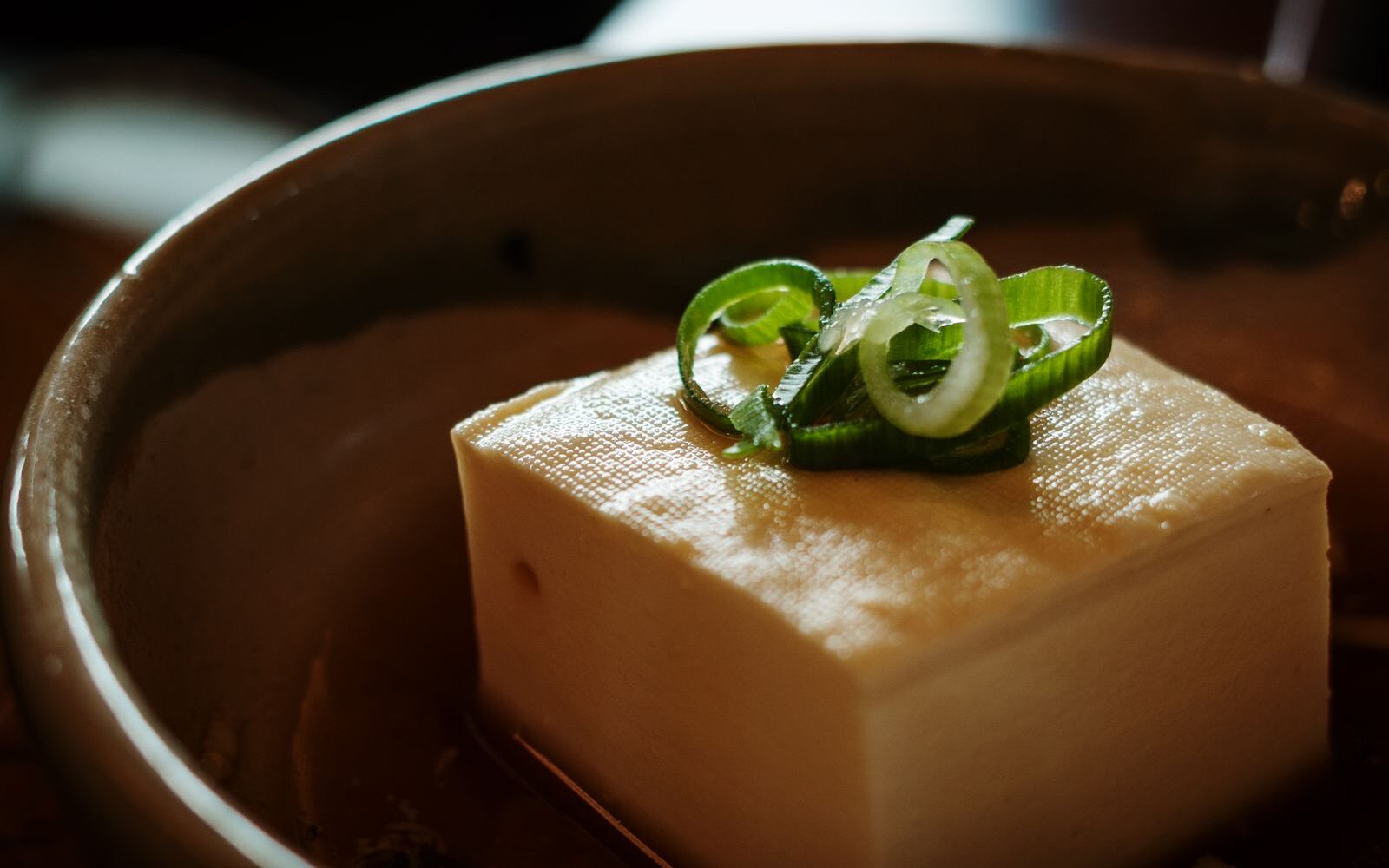
- At an izakaya, the safest orders are edamame, cold tofu (hiyayakko) with the bonito flakes left off — say katsuobushi nashi de — salted cucumber, grilled shiitake or aubergine with salt rather than sauce, and plain rice. Ask about every dressing and dipping sauce. The small dish that arrives unasked, the otoshi, will probably not be vegan, and you will be charged for it anyway.
- At an okonomiyaki restaurant with no vegetarian option, there is usually little more than a side salad for you. Steer the group towards Chitose, or eat first.
- At a kushikatsu counter, see above. Better to meet the group afterwards for a drink.
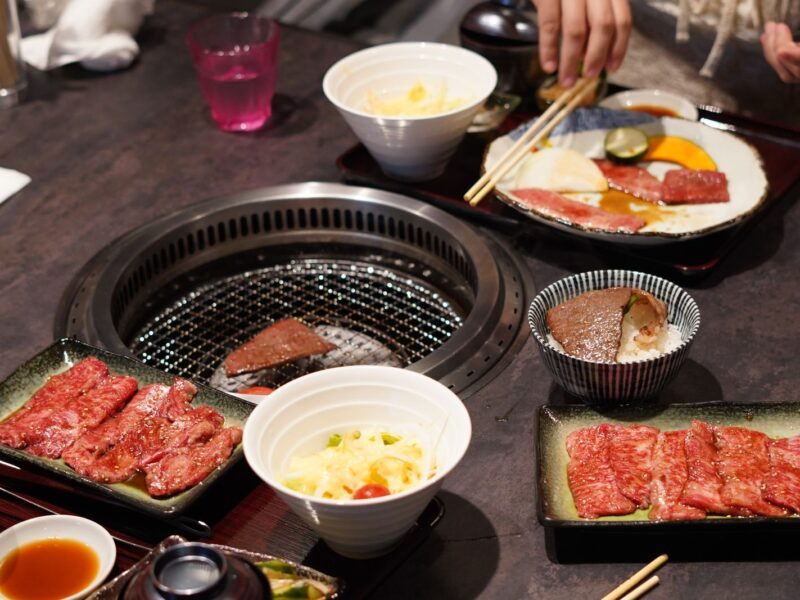
- At a yakiniku or teppanyaki grill, the vegetables go on the same grill as the meat. If that does not bother you, ask for a vegetable plate and cook it on a clean corner yourself.
- At a sushi restaurant, cucumber rolls (kappa maki), pickled radish rolls and natto rolls are possible, but inari pouches are usually simmered in dashi, the sauce that comes with natto usually contains bonito, and some kitchens season their rice with more than vinegar. Ask, and treat a conveyor-belt sushi place as a compromise rather than a meal.
The best move of all is to suggest a fully vegan restaurant to the group yourself. A plate of Paprika Shokudo’s soy-meat karaage wins over more sceptics than any argument.
Wagashi: the sweets that are often vegan by accident
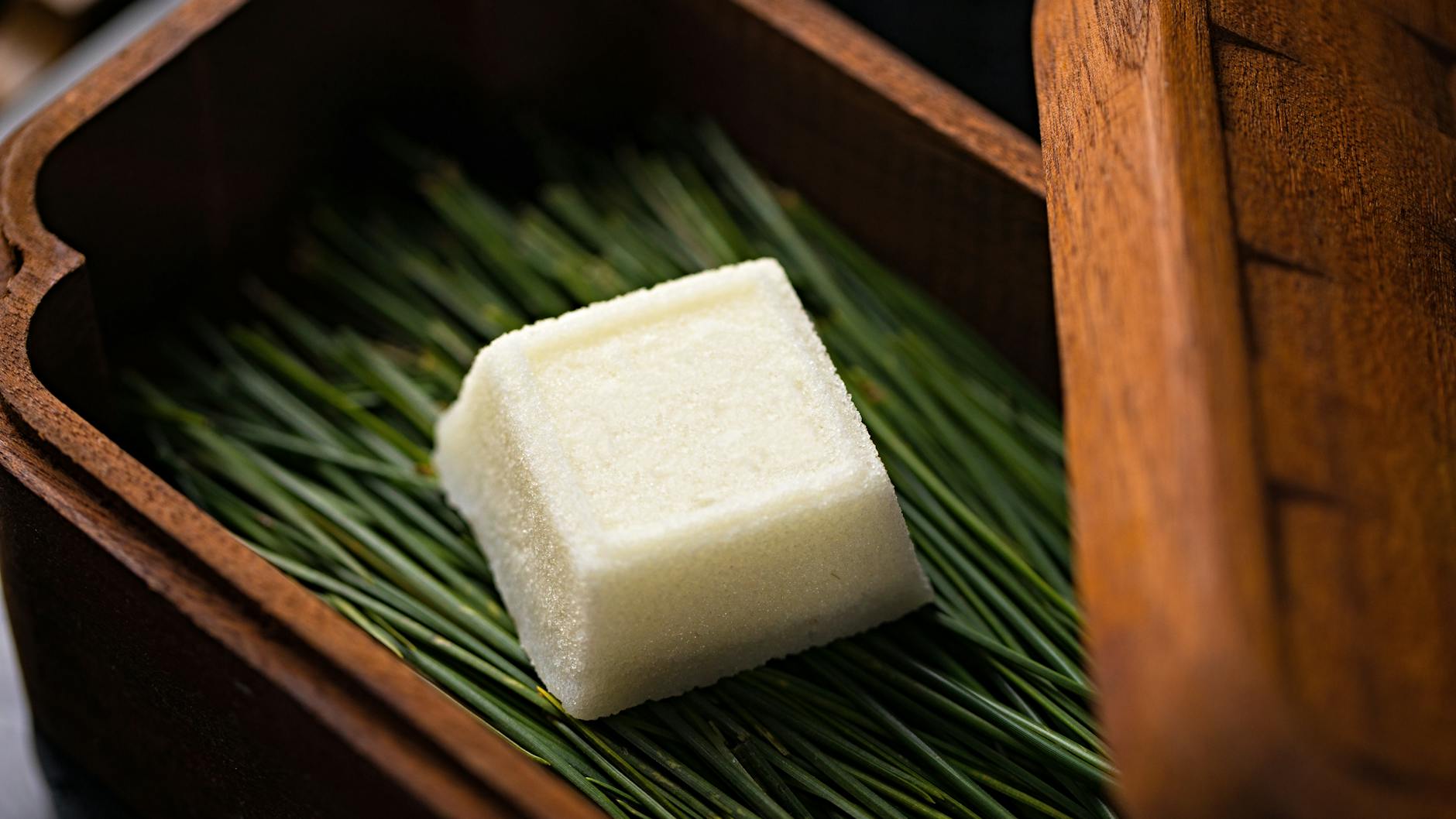
Traditional Japanese sweets, wagashi, are a quiet gift to vegans. Many are made from nothing more than sweet bean paste (anko), rice flour, sugar and agar: daifuku, yokan jellies, dango dumplings and many seasonal sweets fall into this category. The exceptions are the ones made with pancake batter, such as dorayaki and castella, which contain egg, and some modern sweets with cream or gelatin. Department store food halls and old sweet shops are the best places to buy them, and they make good souvenirs too. Ask, or check the label, but expect good odds.
Convenience stores and supermarkets
Konbini food is good, cheap and everywhere, and for vegans it is a backup rather than a plan. Plain salt rice balls and pickled plum umeboshi onigiri are often free of animal products, but not always, so read the label. Bananas, cut fruit, nuts, roasted sweet potatoes in the cooler months, plain edamame and some breads and snacks are the other safe-ish choices. Most prepared meals contain dashi or meat extracts.
Labels are in Japanese, so the camera mode of a translation app is your best friend. These are the words to look for:
| Look for | Reading | Meaning |
|---|---|---|
| だし / 出汁 | dashi | Stock, usually fish-based |
| かつお / 鰹 | katsuo | Bonito (fish) |
| 魚介 | gyokai | Seafood |
| エキス | ekisu | Extract (check what of) |
| 肉 / 豚 / 牛 / 鶏 | niku / buta / gyu / tori | Meat / pork / beef / chicken |
| 卵 | tamago | Egg |
| 乳 / 乳製品 | nyu / nyuseihin | Milk / dairy |
| ゼラチン | zerachin | Gelatin |
| ヴィーガン / 菜食 | vigan / saishoku | Vegan / plant-based |
What to say
A few phrases do most of the work, and staff are generally keen to help once they understand:
- Bīgan desu. “I am vegan.” Increasingly understood in Osaka, but do not rely on it alone.
- Niku, sakana, tamago, nyūseihin, dashi nashi de onegaishimasu. “No meat, fish, egg, dairy or fish stock, please.” Long, but it covers everything.
- Katsuobushi wa haitte imasu ka? “Is there bonito in it?” The single most useful question in a Japanese restaurant.
Better still, carry a card in Japanese that says the same thing, and show it before you order rather than after the food arrives. Our Japanese phrases guide covers pronunciation and the rest of a restaurant visit, and Japanese etiquette in Osaka explains why saying it first matters.
A vegan day in Osaka
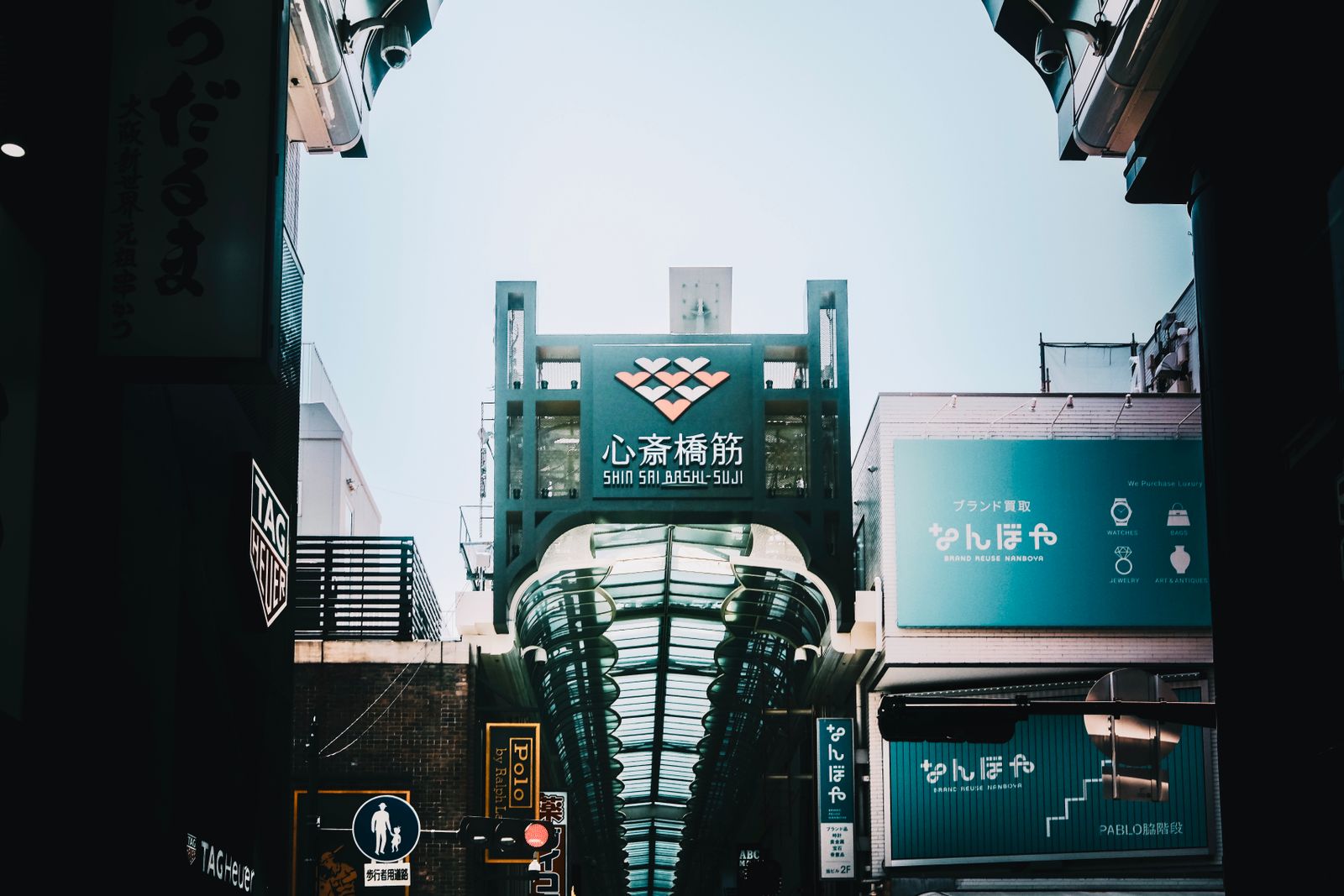
Most of the places above are in the western half of Minami, which makes a vegan day straightforward:
- Breakfast at MERCY Vegan Factory, or fruit and onigiri from a konbini if you are staying further out.
- Morning at Kuromon Market, where the fruit stalls are a feast in themselves, then a walk up the Shinsaibashi arcade.
- Lunch at Green Earth, or the vegan kaiseki at Asai Togei if you booked it.
- Afternoon in Amerikamura and Horie, with a daifuku from Mochisho Shizuku and a coffee.
- Dinner at Paprika Shokudo Vegan in Shinmachi.
- Late, a walk through Dotonbori for the neon and, if you are vegetarian rather than vegan, vegetable gyoza at Gyozaoh.
If you want to learn to cook the food yourself, several of the city’s cooking classes will adapt their menus for vegans and vegetarians on request, and a few food tours do the same. Ask when you book, not on the day.
If you are vegetarian rather than vegan
Eggs and dairy open up a lot of Osaka: bakeries, cafes, Italian and Indian restaurants, egg dishes at breakfast, cheese okonomiyaki and most of the city’s sweets. Dashi remains the problem, though, and it is the same problem: miso soup, noodle broths and simmered dishes will contain fish unless you find a kitchen that makes them otherwise. Many vegetarians in Japan decide in advance whether they will accept dashi or not. If you will not, follow the vegan advice above for anything savoury and Japanese, and enjoy everything else.
Vegan Osaka FAQ
Is Osaka vegan-friendly?
More than it used to be. There are now several fully vegan restaurants, vegan ramen, vegan sweets and a chain curry house with a vegan sauce in every neighbourhood. The difficulty is ordinary Japanese restaurants, where fish stock is in almost everything savoury, so plan meals rather than improvising.
Is dashi vegan?
Usually not. Most dashi is made with bonito flakes, sometimes with kombu seaweed. Kombu-only dashi, and the kombu-and-shiitake dashi used in temple cooking, are vegan, but you need to ask for them.
Can vegans eat takoyaki and okonomiyaki in Osaka?
Not at the standard places. Takoyaki contains octopus and dashi; okonomiyaki usually has dashi and egg in the batter. A vegetarian okonomiyaki exists at Chitose, near Shinsekai, and a plant-based takoyaki shop has appeared on vegan maps; check both before you go.
Where can I find vegan ramen in Osaka?
At MERCY Vegan Ramen in Bakuro-machi and at Yuniwa, both fully vegan, and at a growing number of regular ramen shops with a single vegan bowl. At mixed shops, ask about the tare as well as the broth.
What can vegans eat at a convenience store?
Fruit, nuts, plain or pickled-plum onigiri after checking the label, plain edamame and roasted sweet potato in season. Most ready meals contain dashi or meat extract. Use a translation app on the labels.
Where can I eat shojin ryori near Osaka?
On Koyasan, about two hours away, where around fifty temples serve it to overnight guests, and at temple restaurants in Kyoto. Tell the temple or restaurant you are vegan when you book.
Where to go next
The Osaka food guide covers the city’s whole food scene, including the dishes your non-vegan friends will drag you to, and cheap eats in Osaka has the budget end. If you are planning your days around meals, the Osaka itinerary hub and our 2 days in Osaka plan put the main sights in order, and the where to stay guide explains why Shinsaibashi is the most convenient base for this kind of trip.